
How Long Would It Take to Cycle 10 Miles? A Complete Guide for Beginners
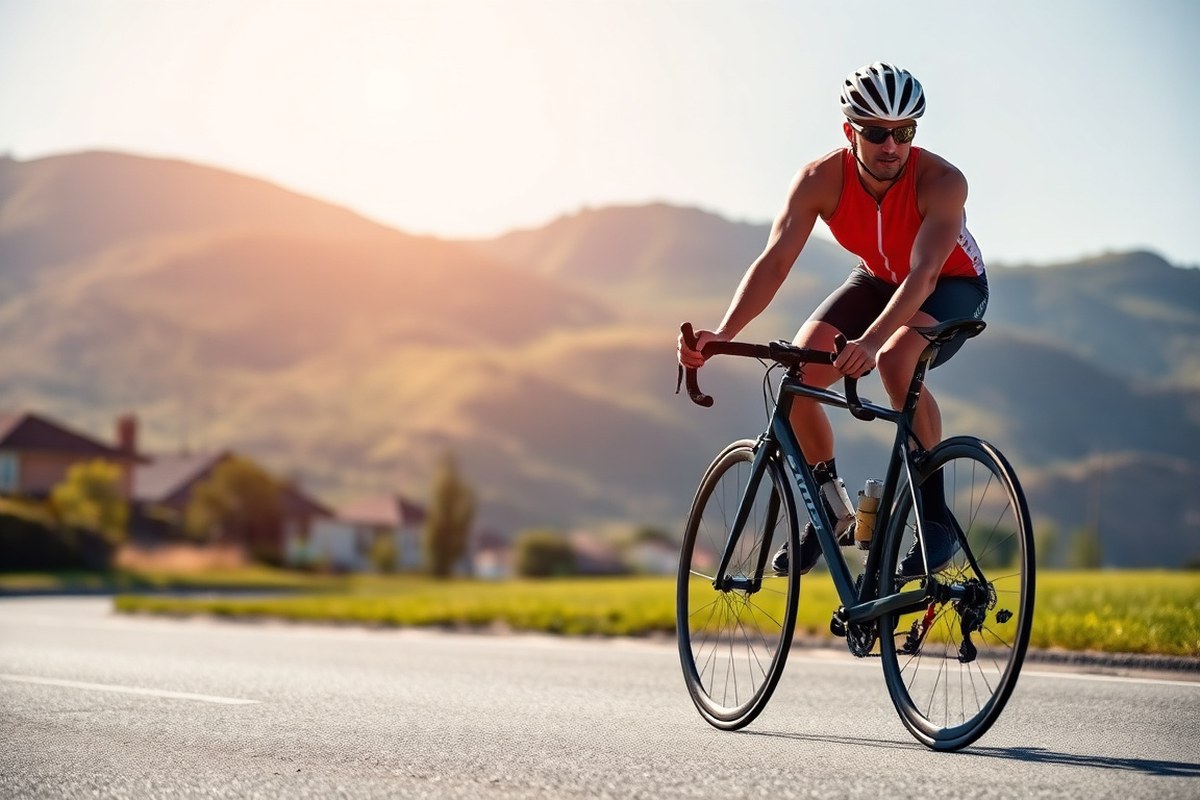
How long would it take to cycle 10 miles depends on your speed and conditions. For most people, you’ll spend about 40 to 60 minutes riding 10 miles. That works out when cycling at 10 to 15 mph on average.
If you are new to cycling or out of shape, expect closer to an hour or even more. Better fitness and a faster bike mean you can cut your time down. Watch the terrain and weather too, as hills and headwinds slow you down a lot.
Start by planning a flat route and riding at a steady pace. Keep track of your time so you know your current speed. That helps you estimate how you’ll do on different rides later on.
Key Takeaways
- Average cyclists cover 10 miles between 40 and 60 minutes on flat terrain.
- Less fit beginners should budget at least one hour for 10 miles.
- Riders in peak condition may finish 10 miles in under 40 minutes.
- A road bike can improve your speed compared to a mountain or hybrid bike.
- Hills and rough roads increase your finish time significantly.
- Windy or rainy weather lowers your cycling speed and adds time.
How Long Does It Typically Take to Cycle 10 Miles?
Cycling 10 miles usually takes between 30 and 75 minutes. Your speed depends a lot on your experience and fitness level.
Beginners often ride around 8 to 10 mph. More experienced cyclists can reach 15 mph or higher.
Riding at 10 mph means you’ll finish in about an hour. A casual rider going 12 mph might take about 50 minutes. Advanced cyclists can ride faster.
They go 15 to 20 mph. This cuts the time to 30 to 40 minutes.
| Average Speed (mph) | Estimated Time to Bike 10 Miles | Typical Rider |
|---|---|---|
| 8 | 75 minutes | Casual/Beginner |
| 10 | 60 minutes | Intermediate |
| 12 | 50 minutes | Fit/Regular Rider |
| 15 | 40 minutes | Advanced/Club Rider |
| 20 | 30 minutes | Competitive/Pro |
For example, a beginner riding at 8 mph will need about 75 minutes. That’s the time to cover 10 miles.
To get better, try increasing your speed by 2 mph. This can cut your time by 15 to 20 minutes.
Keep in mind that cycling speed varies with factors like bike type and terrain. Knowing your speed and time helps you plan your rides. It also helps set goals you can reach.
How Your Fitness Level Affects Time for 10 Miles
Your fitness level shapes how fast and far you can cycle 10 miles. Endurance and aerobic capacity are key, but strength helps on hills and sprints. You can estimate your ability by checking your usual cycling speed and time over shorter distances.
Beginner Fitness Indicators and Typical Times
Beginner cyclists commonly average speeds from 8 to 12 mph. This pace means it usually takes 50 to 60 minutes to cover 10 miles. Beginners often feel tired sooner and need more breaks.
Look for these signs you’re a beginner cyclist:
- Breathing gets heavy after 5-10 minutes of cycling.
- Legs feel weak or burn quickly on flat terrain.
- Struggling to keep a steady 10 mph pace.
- Needing frequent stops to recover your breath or heart rate.
- Riding 3-5 miles comfortably but 10 miles feels like a challenge.
Times vary by weight, age, and how much you ride weekly. Beginners should aim to build endurance with slow, steady rides.
Intermediate Cyclist Benchmarks for 10 Miles
Intermediate riders usually ride at speeds between 14 and 17 mph. This pace reduces a 10-mile ride to about 36 to 44 minutes. Many recreational cyclists fit this level after a few months of regular riding.
You’ll notice better stamina and less need for breaks. Your legs get stronger, and breathing improves as your lungs adapt. Tracking your speed every week helps gauge progress.
- Maintaining a steady pace over 14 mph on flats and gentle hills.
- Completing 10 miles with 1-2 short rest stops if any.
- Feeling less breathless and more in control of your cadence.
- Using heart rate monitoring to keep effort moderate and consistent.
- Riding 3 to 4 times a week builds the aerobic base needed.
Improving aerobic capacity boosts your ability to ride faster for longer. Longer rides at comfortable effort help increase endurance.
Advanced Fitness Traits That Improve Time
Advanced cyclists pedal between 18 and 22 mph on a 10-mile ride. They finish in 24 to 30 minutes. This speed cuts your time a lot.
This requires strong aerobic conditioning and muscular endurance. Training should target speed and power.
Key fitness signs include consistent higher cadence and easier recovery. You can ride hard uphill and keep effort steady throughout a ride. Nutrition and rest become important for maintaining performance.
- Riding 4 to 6 times weekly with varied training intensities.
- Incorporating interval workouts to increase speed and VO2 max.
- Strength training focused on legs and core supports power output.
- Riding 10 miles at race pace or slightly faster as a training tool.
- Monitoring watt output or heart rate zones to optimize effort.
Tracking your 10-mile times over weeks helps spot gains and find needed changes.
How Different Bike Types Change Your 10-mile Time
Cycling 10 miles takes different times depending on your bike type. Road bikes are the fastest because they are lightweight and designed for speed on pavement. Mountain bikes and hybrids add weight and resistance, slowing you down.
Electric bikes give motor help to cut your effort. Battery level and motor power also affect the ride. These factors change your speed and time.
Terrain type changes the bike you choose. It also limits the speed you can keep. Different surfaces call for different bikes.
| Bike Type | Primary Goal | Speed Potential | Effort Required | Ideal Terrain |
|---|---|---|---|---|
| Road Bike | Velocity | Very High | Moderate to High | Paved Roads |
| Mountain Bike | Stability/Grip | Low | High (on road) | Trails/Dirt |
| Hybrid Bike | Versatility | Moderate | Moderate | City Streets/Paths |
| Electric Bike | Ease/Utility | High/Consistent | Low to Moderate | Mixed Terrain |
Road bikes can run 15 to 30 percent faster than hybrids. This is true at the same level of effort. They glide better on smooth pavement.
Riding 10 miles on a road bike might take 50 minutes. The same ride on a hybrid can take 58 to 65 minutes. That adds up to a long difference.
Electric bikes keep your speed steady and reduce your effort. Electric bikes might save you 10 to 20 minutes on 10 miles. This depends on the motor help and terrain you ride.
Some rides see bigger time cuts. But remember, e-bikes weigh more, so without the motor, they may slow you down.
To pick the best bike for your 10-mile rides, think about your route and riding style. Choose a road bike for fast rides mainly on smooth pavement.
Select a hybrid if you’re covering mixed city roads and paths. Mountain bikes work better on rough trails but slow you on pavement.
Electric bikes work great for steady speed with less work. They’re helpful on hills or mixed terrain rides. They keep your pace more constant.
They require charging and can cost $1,000 or more. You want speed and can pedal hard.
A road bike will get you there fastest. Choose it for quick 10-mile rides.
What Terrain and Route Conditions Mean for Your Cycling Time
Flat terrain lets you keep a steady pace and makes cycling 10 miles faster. You can ride 10 miles in 45 to 60 minutes on flat roads. The time depends on how steady your pace is.
Flat terrain makes it easier to keep a good speed. Using a mid-to-high gear helps maintain an efficient cruising speed without tiring your legs.
Hilly routes slow you down because climbing needs more effort and lowers your speed. Your route climbs 1,000 feet or more. It might take an hour or longer to cover 10 miles.
Use a low gear climbing uphill. This keeps your legs moving smoothly. It helps avoid burning out too quickly.
Off-road trails or mixed terrain usually increase your time even more. Uneven ground requires better bike handling and slower speeds, often doubling your usual flat-road time. On dirt or gravel, pedal more carefully and slower.
This helps you stay safe and balanced. Uneven surfaces need extra attention while riding.
When planning, add extra time if hills or rough patches are on your route. A simple rule is to double your flat-road time on very hilly or off-road surfaces. Use this for setting realistic goals or comparing how different rides feel.
How Weather Conditions Influence Your Cycling Speed and Time
Wind direction and speed can change your cycling time a lot. A strong headwind slows you down, sometimes adding 5 to 10 minutes over 10 miles.
A tailwind helps you pedal easier and can cut your time by a similar amount. Crosswinds affect balance and steering, making you less efficient and possibly slower.
Rain makes roads slick and can force you to slow down. Wet conditions add caution time, especially around corners.
Your brakes might also work less well, extending your ride time by a few minutes. Heavy rain can also lower your motivation, causing slower pedaling.
Heat makes your body work harder. When it’s over 85°F, you’ll slow down by 10% or more. You need more breaks and might drink more water.
Cold weather can also slow you if your muscles are stiff or you wear bulky clothes. Riding below 50°F usually means adding a few extra minutes to your 10-mile time.
- Headwind: Add 1-2 minutes per mile for moderate wind
- Tailwind: Subtract up to 1 minute per mile if wind is strong
- Rain: Add 5 to 7 minutes for slick and cautious riding
- Heat above 85°F: Expect 10% slower pace, plan for breaks
- Cold below 50°F: Add 2-4 minutes due to stiffness and layers
- Crosswinds: Ride cautiously, maintain balance, add a minute or so
Tracking your average speed during bad weather helps adjust your expected time. For example, you usually ride 12 mph but lose 10% speed in heat. That means your 10-mile ride takes about 54 minutes.
Not 50 minutes as usual. Wearing the right gear, like waterproof layers or breathable fabrics, helps limit slowdowns.
Ride slower into headwinds and take extra breaks in the heat to stay safe and steady.
Preparing for weather means you change your pace and gear. You adjust both to match conditions. Bring a lightweight rain jacket for wet rides.
Layer clothing to stay warm when it’s cold. Carry water or hydration gear to manage heat. Ignoring weather effects often results in longer, tougher rides than expected.
What Cycling Skills and Experience Mean for Your 10-mile Time
Your cycling skills and experience shape how fast you ride 10 miles. Skilled cyclists use less energy and keep steady speeds. Experience helps you avoid common mistakes that waste time and tire you out.
Efficient Pedaling and Pacing Techniques
Pedaling smoothly saves energy, letting you keep speed longer. Most riders feel best spinning at 80 to 100 revolutions per minute. This cadence is easy to maintain.
It helps you pedal smoothly and avoid strain. It reduces muscle fatigue and helps maintain a steady pace.
Good pacing avoids starting out too fast, which can cause early tiredness. Try riding 5 miles at a relaxed but steady effort, note your time, then double it. This helps you pace your 10-mile ride without burning out too soon.
Handling and Gear-Shifting Skills
Shifting gears at the right time keeps your legs fresh. Downshift before hills to maintain cadence instead of grinding gears. Upshifting on flats or downhill saves energy and boosts speed.
Good bike handling helps you ride smoothly through turns and avoid braking too much. Focus on looking ahead and leaning your bike, not your body, in corners. This skill reduces slowdowns and keeps momentum steady.
Riding Consistently with a Group or Draft
Riding behind others cuts wind resistance up to 30%. Drafting lets you save energy and ride faster with less effort. Keeping a steady line and pace helps the whole group move smoothly.
Group riding requires trust and communication. Signal when slowing or turning and keep a safe distance. This avoids crashes and lets you focus on maintaining speed instead of sudden stops.
- Spin pedals at 80-100 rpm for efficient power
- Shift gears before hills or changes in pace
- Look ahead and lean bike, not body, on turns
- Start rides at a steady effort, not sprinting
- Draft behind cyclists to reduce wind resistance
- Communicate and maintain safe distance in groups
- Practice pacing with shorter rides before 10 miles
Estimating Your Personal 10-mile Cycling Time Accurately
You can estimate your 10-mile cycling time by knowing your average speed and adjusting for conditions. Start by checking how fast you usually ride.
Then, factor in hills, wind, and your bike type. Tracking your rides helps you fine-tune these guesses over time.
Step 1: Measure Your Current Average Speed
Ride a familiar route for several miles at your normal pace. Use a bike computer or smartphone app to record your distance and time. Calculate your speed by dividing distance by time in hours.
Try to do this on a flat, calm day to avoid skewed results. Repeat a few times and take the average of those speeds for a steady estimate.
Step 2: Calculate Your Theoretical 10-mile Time
Once you know your average speed, find how long 10 miles would take. Divide 10 miles by your average speed. For example, riding at 12 miles per hour means 10 ÷ 12 = 0.83 hours, or about 50 minutes.
This calculation gives a base time under ideal conditions. It doesn’t include hills, wind, or stops, which you should add next.
Step 3: Adjust for Terrain, Weather, and Bike Type
Increase your time estimate if you face hills, wind, or ride a heavier bike. Add about 10% more time for small hills on your route. For steep or long climbs, add up to 25% more time.
This helps keep your time estimates realistic and fair. Strong headwinds can add 10% to 20% more time.
Heavier bikes or less efficient models lower your speed, so add 5% to 15%. In crosswinds or tailwinds, subtract or add 5% accordingly. These are rough guides based on typical conditions.
Step 4: Use Apps or Bike Computers to Track Real Performance
Using apps like Strava or a bike computer helps track your rides. They record useful details to improve your cycling data.
These tools give you clear info on your performance. These tools show average speed, elevation gain, and weather conditions for each ride.
Check how your actual 10-mile times compare to your estimates and adjust your factors. Tracking your rides over time improves your time predictions.
It also shows what slows you down the most. This helps you plan better rides and get faster.
- Record your ride time and distance on a flat day using an app or bike computer.
- Calculate your average speed by dividing distance by time in hours.
- Divide 10 miles by your average speed to find theoretical time.
- Add 10% to 25% more time if you ride in hilly terrain.
- Adjust for wind: add time for headwinds, reduce time for tailwinds by 5%, 20%.
- Think about your bike type when estimating time. Add 5% to 15% more time for heavier or slower bikes. This keeps your ride times accurate and useful.
- Track your rides over weeks using an app to compare real times.
- Adjust your estimate based on your recorded data and conditions encountered.
Practical Tips to Improve Your 10-mile Cycling Time
Training with intervals speeds up your 10-mile rides. Alternate fast bursts of 1 to 2 minutes with equal rest periods. This boosts your power and stamina, helping you maintain a harder pace.
Regular rides, about 3 to 4 times a week, build endurance over 8 to 12 weeks. Consistency matters more than length. Short rides focused on speed pay off quicker than only long, slow rides.
Eating right fuels your rides better. Have a light snack 30 to 60 minutes before cycling, like a banana or energy bar. Keep hydrated by drinking water before and during your ride.
On longer rides, mix electrolytes in your water to avoid cramps. Post-ride meals with carbs and protein help muscles recover. So you can improve day by day.
Well-maintained bikes feel easier to pedal and go faster. Check tire pressure weekly and keep it near the manufacturer’s recommended PSI. Low pressure adds rolling resistance and slows you down.
Clean and lubricate your chain after 100 to 150 miles to keep gears smooth. Brake pads should not rub the rims or discs. That drags speed and wastes energy.
- Do interval training twice a week for speed and power
- Eat a carb-rich snack 30 minutes before you start
- Drink water regularly, add electrolytes on hot days
- Check tire pressure on ride days for better efficiency
- Lubricate your chain every few rides to reduce friction
- Adjust your bike fit for comfort and better pedal stroke
Adjust your training if you feel overly tired or sore. Rest days are as important as workouts. When riding outdoors, pick quieter routes with fewer stops to keep up your average speed.
Use gears efficiently; avoid mashing pedals in high resistance. Let your training build gradually to prevent injury.
Keep your bike clean and well-tuned to avoid mechanical issues during rides.
Common Mistakes That Increase Your 10-mile Cycling Time and How to Fix Them
Many riders slow down from avoidable mistakes during a 10-mile ride. Poor pacing often leads you to burn out early or finish uncomfortably slow. You might start too fast, then need breaks, doubling your overall ride time.
Nutrition also matters. Skipping a light snack or hydration before a ride can cause fatigue and lower your power.
Carry a bottle of water before you start. Eat a banana or energy bar 20 minutes prior.
Basic bike maintenance often gets overlooked. Low tire pressure creates extra drag, making every pedal stroke harder. Dirty or dry chains waste your effort and can even cause chain slips.
- Check tire pressure once a week. Use a pump gauge to get it right. Inflate tires to the range on the sidewall, usually 80 to 110 psi.
- Lubricate the chain every 100 miles or after wet rides using a bicycle-specific oil.
- Plan your pace before riding. Start steady around 12 to 14 mph. This works well for new and intermediate riders.
- Eat a small carb-rich snack 15, 30 minutes before cycling and carry water to sip throughout.
- Pick a quiet road or path to ride. Avoid places with frequent stops. Stops break your rhythm and add time.
- Wear clothes that fit well and don’t chafe. Use shoes that clip into pedals if you can. This helps transfer energy better.
You save time by training how to keep a steady pace without peaking too soon. This avoids the wall where your legs feel like lead halfway through. Aim for 12 to 16 mph on your ride.
This speed fits most intermediate riders. You can finish in about 40 to 50 minutes.
Neglecting calories and water slows your muscles, making you less efficient as you ride. The energy dip might feel like fatigue or cramps. Drink fluids every 10 to 15 minutes while riding.
This helps keep your power steady. Avoid drinking too much or feeling heavy.
Regular bike checks stop minor problems from turning into major delays. A slow leak or sticky gears can interrupt your ride or force walking sections. Do a quick bike check and tune-up before riding.
It takes about 15 to 20 minutes. This can cut several minutes off your 10-mile time.
Your Quick-Start Plan to Cycle 10 Miles Faster
Try this plan to get your 10-mile time on track and see real progress fast. Take action step-by-step and check your results.
- Before You Start: Check your bike’s condition and adjust seat height. A comfy, well-fitting bike helps you ride faster with less effort.
- Day 1: Time yourself riding 10 miles at a steady pace. This gives a baseline to compare your future rides.
- Week 1: Add 2 short interval sessions (1-2 minutes faster pedaling). Notice how your speed changes after each week.
- Week 2: Choose a flat route and ride your 10 miles focusing on smooth, steady pedaling. Track your time and aim to cut seconds off your baseline.
- Week 3: Add a hill or harder terrain once this week. Measure if it slows you down and practice keeping your rhythm uphill.
- Week 4: Try riding in different weather, like light wind or cool temperatures. See if these conditions affect your speed or comfort.
- After 1 Month: Do a full 10-mile time trial. Compare it to your Day 1 time to check real improvement.
Frequently Asked Questions
How Does Carrying Extra Weight Affect Your 10-mile Cycling Time?
Carrying extra weight makes cycling harder and slower. You’ll use more energy and tire quicker, so your time increases.
Does Taking Breaks Change Your Overall 10-mile Cycling Time?
Yes, breaks add rest but also add to total time. Short breaks help if you’re tired, but frequent stops slow you down overall.
What Impact Do Bike Tires Have on Your 10-mile Cycling Speed?
Tire type and pressure affect rolling resistance and speed. Slick, well-inflated tires roll faster on pavement, cutting your time.
How Does Cycling in a Group Affect Your 10-mile Time?
Riding in a group can speed you up by sharing effort. Drafting behind others reduces wind resistance and helps you go faster.
Can Nutrition Before a Ride Shorten Your 10-mile Cycling Time?
Proper nutrition fuels your ride and boosts energy. Eating carbs before can improve stamina and help you ride faster.
Final Thoughts
Most people cycle 10 miles in 30 to 60 minutes depending on conditions and skill. Track your rides to see what works for you. Pick a day this week to time your 10-mile ride.
Start improving small bits each time you ride. Keep tracking your progress regularly.
One Comment