
Can Fire Melt Steel? What Actually Happens and How to Protect It
Can fire melt steel? The short answer is no, not under normal conditions.
Steel melts at about 2,500 degrees Fahrenheit, much hotter than most fires can reach. Typical wood or house fires heat up to roughly 1,100 to 2,000 degrees Fahrenheit.
Even without melting, fire weakens steel a lot. Steel loses much of its strength above 1,100 degrees Fahrenheit.
It starts to bend or warp well before hitting its melting point. This can cause structural failure during a fire without actual melting.
You can spot heat damage by looking for warping, sagging, or discoloration after a fire. Fire-resistant paint and insulation help shield steel from extreme heat. These protections slow heat transfer, keeping the steel stronger longer in a blaze.
Steel’s performance varies by type and thickness, so damage may differ. Always inspect steel structures carefully after a fire. Repair or replace weakened steel to maintain safety and strength.
Key Takeaways
- Steel melts between 2,500°F and 2,800°F, hotter than most fires get.
- Typical house fires reach 1,100°F to 2,000°F, not enough to melt steel.
- Fire weakens steel’s strength before it can melt or liquefy.
- Check steel for warping or color changes as signs of heat damage.
- Fireproof coatings can delay heat damage and protect steel structures.
- Steel can fail during fire due to strength loss, not melting.
Can Fire Melt Steel Under Typical Conditions?
Steel melts between about 2,500 and 2,800 degrees Fahrenheit. This equals 1,370 to 1,540 degrees Celsius. Typical fires in homes or forests rarely reach these temperatures.
Most house fires reach 1,100 to 2,000 degrees Fahrenheit. That is less than steel’s melting point.
Strong fires with jet fuel don’t usually get hot enough to melt steel. Steel stays solid even then. Jet fuel flames burn around 1,900 degrees Fahrenheit (1,030 Celsius).
This can weaken steel but not melt it. Hotter fires can cause steel to soften and lose strength. But melting is highly unlikely under common fire conditions.
The main reason fire can’t melt steel is physics. Steel requires sustained heat above 2,500°F to change from solid to liquid.
Ordinary fires don’t provide enough heat or oxygen to maintain those temperatures long enough. Only extremely rare industrial fires or specialized setups can produce conditions that might melt steel.
What Is the Melting Point of Different Steel Types?
Steel’s melting point varies based on the type and alloy content. Carbon steel usually melts between 1425°C and 1540°C (2600°F to 2800°F). This range shifts because the carbon and other elements change how the metal reacts to heat.
Stainless steel melts between about 1375°C and 1530°C. This equals 2500°F to 2790°F. Its melting range differs a bit from carbon steel. The different alloys added, like chromium or nickel, affect its melting behavior.
Alloy steel can vary widely, depending on what’s mixed in. So its melting point can be higher or lower.
| Steel Type | Melting Point (°C) | Melting Point (°F) |
|---|---|---|
| Carbon Steel | 1425 – 1540 | 2600 – 2800 |
| Stainless Steel | 1375 – 1530 | 2500 – 2790 |
| Alloy Steel | Varies | Varies |
The exact melting point depends on both the carbon level and other alloys mixed in. Higher carbon content tends to lower the melting point slightly. Adding alloys like chromium can change the melting point.
The effect depends on how much and the type. This can raise or lower the melting point.
Knowing these melting ranges helps you understand how steel behaves in fire or heat exposure. Steel won’t melt in lower temperature fires.
But its strength can drop well before melting. Remember, alloy variations make a big difference in performance under heat.
Wear heat-resistant gloves and goggles when handling steel exposed to high temperatures to avoid burns.
How Hot Do Common Fires Burn Compared to Steel’s Melting Point?
The temperature of fires you might see around you varies widely. House fires usually reach temperatures between about 932 and 1202 degrees Fahrenheit. This heat can severely weaken steel but won’t melt it since steel melts above 2500°F.
Forest fires often burn hotter, especially during intense crown fires. These can reach temperatures from 1472 up to 2192 degrees Fahrenheit.
Still, they do not commonly exceed steel’s melting point. But they can cause serious damage.
| Fire Type | Typical Temperature (°F) | Notes |
|---|---|---|
| House Fire | 932, 1202 | Common residential fires; weaken but don’t melt steel |
| Forest Fire (Surface) | ~1472 | Usually burns dry brush and trees at this temp |
| Forest Fire (Crown Fire) | 1832, 2192 | Hotter, burns tops of trees; can damage but not melt steel |
| Jet Fuel Fire | About 1900 | Hot enough to seriously weaken steel, not melt it |
| Charcoal Fire | ~2000 | Burns hotter than wood fires but below steel melting point |
| Industrial Furnace | Above 2500 | Capable of melting steel for metal work |
Jet fuel burns hot enough to lower steel’s strength so much it can fail. Charcoal grills reach about 2000 degrees, hotter than wood fires. They don’t get hot enough to melt steel.
Industrial furnaces, unlike most fires, reach temperatures well beyond steel’s melting point. These high temps allow for actually melting and reshaping steel safely.
The hottest wildfires rarely reach steel’s melting point. But they can weaken steel enough to cause damage.
Residential fires and jet fuel fires don’t melt steel but can make it far less stable. Knowing these temperatures helps you understand fire damage risks in buildings and structures.
How Fire Weakens Steel Before Melting Occurs
Steel starts to lose strength at about 450°C (842°F). Around 600°C (1112°F), it can lose up to half its yield strength. This means steel bends or weakens well before it gets close to melting.
If a steel beam or girder is tightly fixed at its joints, it can buckle at even lower temperatures. Deformation may begin near 250°F (121°C) in such scenarios. The steel’s structure becomes unstable due to internal stresses from heat expansion.
Steel’s melting point is above 2500°F (1370°C), so failure doesn’t require melting. Heat changes the steel’s internal crystal structure, cutting strength and making it brittle. Prolonged exposure worsens this damage, increasing risk of collapse.
Because steel weakens long before melting, fire protection focuses on slowing heating. Covering steel in fireproof materials helps keep temperatures below critical points. This protection buys time to control or exit the fire safely.
Exposed steel loses strength faster with longer heat exposure. At 600°C, even a few minutes cause significant weakening. After 20 to 30 minutes, steel can become dangerously soft, making it unable to carry loads.
Structural failure happens because steel bends and buckles under load, not because it melts. When heat causes steel to lose stiffness, weight causes it to warp or collapse. This happens at temperatures normal fires can reach.
Timeline of Steel Strength Loss When Heated in Fire
Steel loses strength and stiffness as its temperature rises during a fire. At around 400°C, steel retains most of its strength.
But higher temperatures quickly reduce its load capacity. Prolonged exposure makes weakening worse, leading to permanent damage above certain heat levels.
Initial Strength Retention Below 400°C
Steel holds about 90% to 100% of its strength when heated below 400°C (752°F). This means short exposures to lower fire temperatures usually cause only temporary weakening. At this stage, steel can safely carry most loads without losing shape or stiffness.
Even if it feels warm to the touch, steel members remain structurally sound under 400°C. The risk of damage is very low in short fires. This applies if the fire’s temperature stays below the limit. Brief exposure usually won’t cause permanent changes.
Rapid Weakening Between 400°C and 700°C
Steel loses about half its strength at 600°C (1112°F). The higher the temperature, the weaker the steel becomes. This means steel supports less weight in fires.
Around 700°C (1292°F), the loss becomes severe enough to cause structural instability. This range is common in building fires, making steel much less able to carry weight safely.
Time plays a big role here. Steel weakens faster if it stays at high temperatures for more than twenty minutes. Prolonged heat also causes slow bending and deformation known as creep buckling, which weakens steel further.
| Steel Temperature (°C) | Strength Retention (%) | Time for Permanent Damage |
|---|---|---|
| Below 400 | 90, 100 | Temporary weakening only if under 20 minutes |
| 400 to 700 | 50, 60 (down to 40 at 700°C) | Permanent damage starts around 20 minutes or longer |
| Above 1000 | Less than 20 | Permanent and severe damage occurs rapidly |
Steel exposed to 600°C can lose almost half its strength in about twenty minutes. Structural failure risks increase significantly when strength drops below 60%. Fires commonly reach these temperatures, so quick firefighting is critical.
After a fire, never guess steel’s strength based on looks. Use proper testing to ensure safety.
Critical Loss Above 1000°C
At temperatures over 1000°C (1832°F), steel strength drops below 20%. Structural steel can bend, warp, or buckle quickly at this level, failing under normal loads. Damage is permanent and may require replacement or full repair.
While steel does not melt here, its capacity to hold weight is almost lost. Steel heated above 1000°C must be checked by an expert.
You should never reuse such steel without a professional’s inspection. This ensures it’s still safe and strong.
Protective Measures and Fireproofing for Steel Structures
Steel isn’t completely fireproof, but it can resist heat damage well. Coatings, encasement, and upkeep help protect the metal during fires. This keeps structures safer longer, limiting steel weakening and failure.
Fire-Resistant Coatings and Intumescent Paints
Intumescent paints swell when heated, forming a thick, heat-blocking layer. They delay steel’s temperature rise by several minutes to hours. These coatings typically burn off around 300°F but protect steel until then.
Apply them in several thin layers with a brush or spray gun. The surface must be clean and free of rust for good adhesion. Follow product directions carefully and ventilate the area during application.
- Clean steel surface thoroughly before painting
- Use manufacturer-recommended thickness for the coating
- Apply multiple thin, even layers rather than one thick coat
- Allow proper drying time between layers
- Wear respiratory protection during application
- Inspect regularly for paint damage or peeling
- Reapply coating every few years or as needed
This coating suits steel beams, girders, and structural supports inside buildings. Avoid applying near direct flame without extra protection since paint alone degrades at 300°F.
Encasing Steel in Fireproof Materials
Concrete encasement encloses steel parts, shielding them from heat and flame. It uses fire-resistant cement mixtures designed for structural fire protection. Encasing beams or columns increases the time before steel reaches critical temperatures.
Fire-resistant boards or panels also create physical barriers around steel. These materials attach mechanically or with adhesives. Installation requires measuring steel parts to fit the fireproof cladding tightly.
Concrete and boards both add weight, so designs must consider extra load. They need periodic inspection to check for cracks, damage, or water infiltration that reduce fire resistance.
Regular Inspection and Maintenance Tips
Maintaining fireproofing keeps steel safer during a fire event. Look for peeling paint, rust, cracks in concrete, or damaged panels. Early detection prevents heat reaching steel too quickly.
Scheduled inspections every 1 to 3 years suit most buildings. Focus on areas prone to moisture, impact, or wear. Use a checklist to track coating thickness, adhesion, and cladding condition.
- Inspect fire-resistant coatings for peeling or blistering
- Check concrete encasements for cracks or spalling
- Replace damaged fireproof boards promptly
- Keep steel surfaces clean and dry
- Document all maintenance and repairs for records
Neglecting upkeep lets fire protection degrade, risking faster steel weakening in fires. Regular care extends protection and cost-efficiency of the fireproofing system.
How to Assess and Handle Fire-Exposed Steel Safely
After a fire, you need to check steel carefully to know if it’s safe. Look for clear signs of damage, test its strength, and then decide to repair or replace. This plan keeps buildings and people safe from hidden steel failures.
Visual Signs of Heat Damage to Steel
Look first for obvious warping or bending of steel beams or columns. Steel that bends in a fire might not spring back to shape. This is called permanent set.
It means the steel stays deformed after cooling. Discoloration, such as a blue or black hue, also shows high heat exposure.
Other damage signs include surface scaling, cracks, or loss of protective coatings. Connections between steel members might appear loose or distorted from thermal expansion. These signs indicate steel was exposed to intense heat, possibly weakening it.
- Deformation or bending of steel shapes
- Discoloration changes, like darkening or blue tint
- Surface scaling or flaking of steel
- Visible cracks or breaks in the steel
- Damaged or loosened steel connections
- Loss or damage to fireproofing coatings
Record all visual evidence with photos and notes. This documentation helps experts later evaluate how badly fire affected the steel parts.
Testing Steel Strength Post Fire
Visual checks don’t show all damage, so strength testing is next. One common step is to take steel samples from the fire area. These samples go to a lab for strength testing.
This helps decide the steel’s condition. Tests can measure changes in tensile strength and ductility after heat exposure.
The steel often loses about 10% of its strength. But severe heat can drop it more.
Testing helps decide if the steel still carries the required loads safely. Non-destructive tests like ultrasonic or magnetic particle inspection can find internal cracks or flaws too.
Keep detailed testing records with location and condition notes. These data guide repair or replacement decisions and may be required by building codes or insurance.
Decision Criteria for Repair Versus Replacement
Deciding what to do with fire-exposed steel depends on damage severity and cost-effectiveness. Steel with minor surface damage but no bends often just needs repair.
Reinforcing it usually restores its strength and shape. Repair options include welding cracks, adding steel plates, or restoring fireproof coatings.
Steel falls into Category 3 if it cracks or bends seriously. Repairs cost too much compared to just replacing the steel. This category marks steel as often beyond fixing.
Heat causes permanent bends or inside damage sometimes. If steel loses more than 90% strength, replacing it is safer.
Repair risks failure due to deep damage. This avoids future failures under normal or emergency loads.
- Minor damage: repair and reinforce the steel
- Moderate damage: inspect closely and consider reinforcement
- Severe deformation or cracks: replace the steel member
- Permanent bending: replacement preferred for safety
- Strength below 90%: replacement usually safer
- Cost of repair exceeds replacement: opt for replacement
Always get a qualified structural engineer to assess fire damage. They balance safety, cost, and building codes before you make the final call.
Differences in Steel Behavior in Specialized Fires and Industrial Settings
Steel melts at a very high temperature, about 2,500°F (1,370°C). Industrial furnaces reach temperatures from 2,700°F to over 3,000°F. These furnaces use controlled heat to melt steel thoroughly.
They burn fuels like natural gas or electricity. This process shapes and casts steel safely.
Plasma torches can reach temperatures near 36,000°F (20,000°C). This extreme heat comes from ionized gas focused on small areas. The torch can cut almost any solid metal.
It can also melt metals. This makes it useful for heavy industrial work. These temperatures are far beyond what any typical or natural fire can reach.
Natural and artificial fires, like wood, gasoline, or even jet fuel, rarely go above 2,000°F. Magnesium fires burn hotter, up to 5,000°F. But they are rare and hard to sustain. Even these fires don’t usually melt large steel structures. Mythical flames like dragon fire are much hotter than real flames.
These flames don’t exist in real life. They only appear in stories and myths.
The table below compares temperatures of different fires and tools used to melt steel:
| Heat Source | Temperature (°F) | Notes |
|---|---|---|
| Wood Fire | 1,100 – 2,200 | Typical outdoor burning range |
| Gasoline Fire | 1,879 | Burns slightly cooler than wood |
| Magnesium Fire | Up to 5,000 | Rare and intense, hard to maintain |
| Industrial Furnace | 2,700 – 3,000+ | Controlled environment for melting steel |
| Plasma Torch | 36,000 | Extremely hot, used for cutting and melting |
Industrial furnaces provide steady, even heat across steel surfaces. The steel melts evenly, which is essential for an accurate finish. Plasma torches heat a tiny spot very quickly.
They work well for cutting and welding. But they don’t melt large amounts of metal.
Some rare fires, like magnesium fires, can approach steel’s melting point. But they are unpredictable and unsafe to handle.
Typical house or forest fires do not melt steel but can weaken it. Real steel melting takes controlled and much higher heat sources than natural flames.
Never rely on typical fires to melt steel. Always use proper industrial equipment for safety and effectiveness.
Common Myths and Misunderstandings About Steel and Fire
Jet fuel burns at around 980 to 1,500 degrees Fahrenheit. Steel melts at about 2,500 degrees Fahrenheit.
That means jet fuel fires cannot melt steel beams. You often hear this question linked to conspiracy theories, but the science says otherwise.
Steel does not actually burn in a fire. It reacts to heat by weakening and bending. Steel gets much weaker at high heat.
It can lose up to 90% strength. This happens well before it melts. The steel may sag or buckle under weight.
This can cause parts to fail. It happens without the steel melting.
People mistake steel bending or collapsing for melting. That happens because intense heat changes steel’s makeup. It expands, softens, and becomes less stiff.
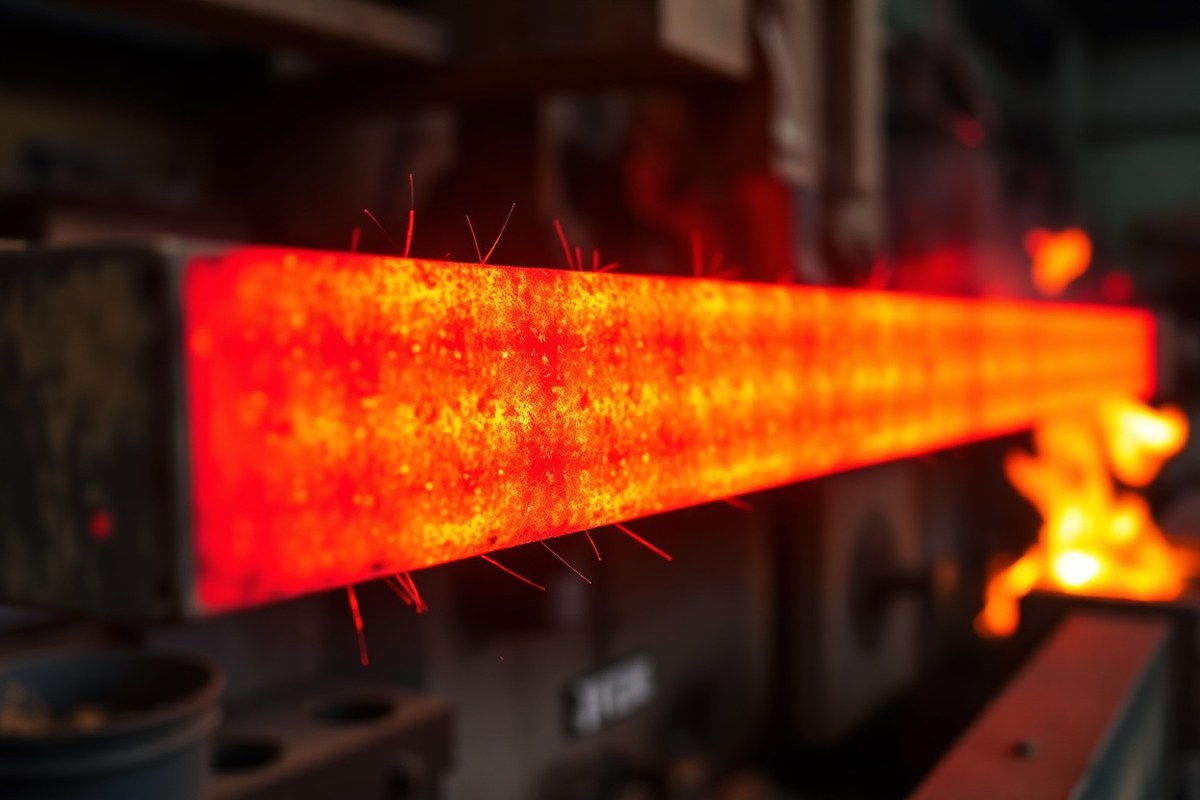
Steel in fires can glow red or orange. This glow looks like burning. But it just means it’s very hot.
Here are key facts to keep in mind:
- Jet fuel fire temperature (up to about 1,500 °F) is too low to melt steel beams.
- Steel melts around 2,500 °F, much higher than typical fires reach.
- Steel weakens and loses strength well before melting.
- Steel beams can bend, buckle, or sag under fire-loaded conditions.
- Steel doesn’t burn like wood; it just gets very hot and soft.
- Physical changes in steel start to occur around 1,100 °F.
Knowing this helps avoid confusion about what fires really do to steel. Structural steel can lose its load-bearing ability quickly. That’s why fireproofing aims to protect steel from heat rather than stopping it from melting.
Focus on ways to slow steel’s strength loss. Preventing melting isn’t practical. Melting doesn’t happen in regular fires.
Step-by-Step Action Plan for Handling Fire-Exposed Steel
Follow these steps right after a fire to check and protect steel in your building. This plan helps you spot problems and start repairs safely.
- Immediately after fire: Keep clear of steel structures to avoid injury or collapse. Wait for firefighters to declare the area safe.
- Within 24 hours: Contact a structural engineer or fire damage expert. Confirm steel’s condition and risk of failure.
- Next 2 to 3 days: Document visible signs of damage like warping, discoloration, or cracks. Photos help with insurance and repair plans.
- Within 1 week: Get a professional to inspect the steel. Use ultrasonic tools to check inside for changes. This checks strength loss beyond visible damage.
- After inspection: Follow expert repair or reinforcement recommendations to restore safety. Avoid DIY fixes on fire-damaged steel.
- Within 2 weeks: Put on fireproofing materials again if needed. Use intumescent coatings if they still work. This prevents future heat damage.
- Ongoing: Schedule regular checks of repaired or exposed steel per building codes or engineer advice. Early checks catch new issues.
- Long term: Educate your team or family on fire safety and steel’s heat limits. Prevent future risks with better preparation.
Frequently Asked Questions
Can Fire Alone Cause Steel Beams to Collapse in Buildings?
Yes, fire can weaken steel enough to cause collapse. Steel loses strength above 1,100°F and bends under high heat, risking structural failure before melting.
Is It Possible to Protect Steel Structures from Fire Damage?
Fireproofing materials, like spray-on coatings and cladding, protect steel. These slow heat exposure, keeping steel strong longer during fires. Regular inspections ensure protection works well.
Do Arson Fires Reach Temperatures Hot Enough to Melt Steel?
Arson fires usually don’t reach steel’s melting point, around 2,500°F. They can weaken steel but rarely melt it. Special fuels or accelerants could raise temperatures higher.
Can Steel Melt During Wildfires?
Wildfires rarely get hot enough to melt steel. Typical wildfire temperatures top around 1,100 to 2,000°F, below steel’s melting range. Steel may weaken but won’t liquefy.
How Do Steel Firefighting Tools Hold Up Near Fire?
Steel tools don’t melt near fires. They lose strength if heated long. Firefighters should check tools after intense fire contact for warping or weakness.
Wrapping Up
Steel doesn’t melt easily in normal fires, but it loses strength fast. You need to check fire-exposed steel carefully before trusting its safety. Start by having a professional inspect any steel showing damage after a fire.


One Comment