How Fast Can a 200cc Dirt Bike Go? A Complete Guide with Real Speed Facts
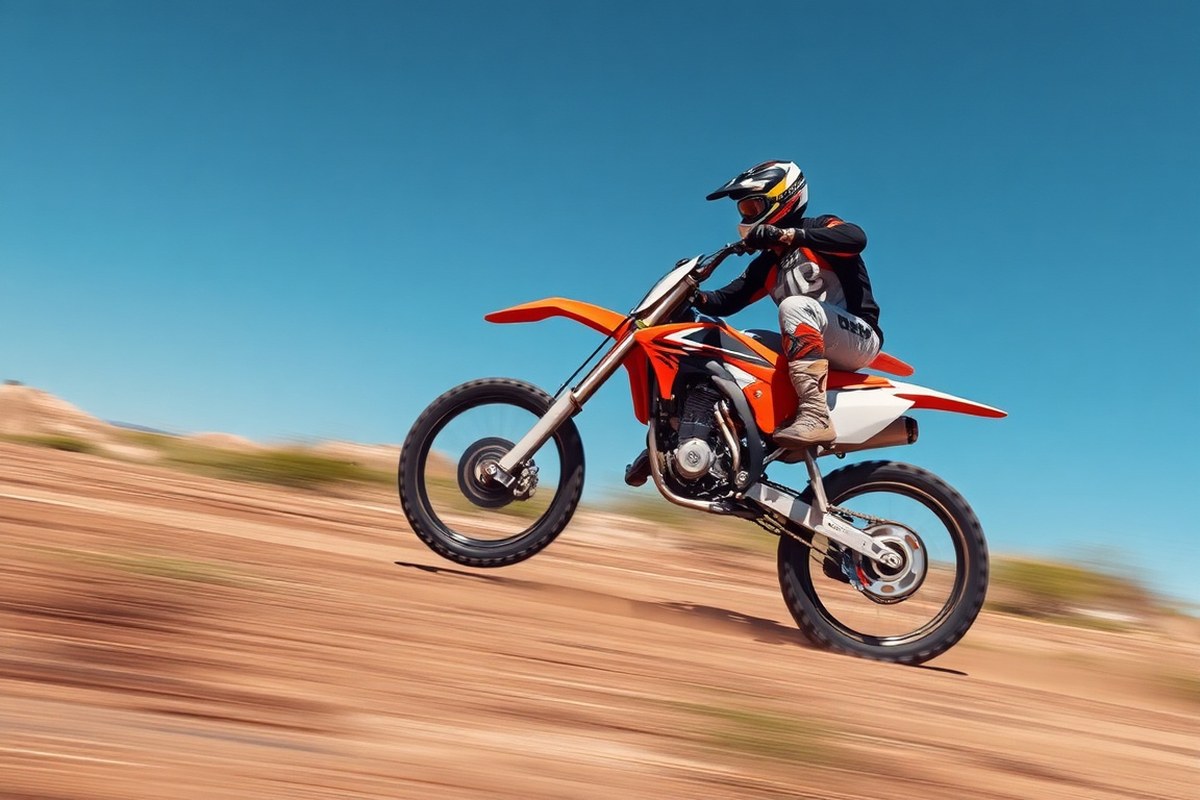
Wondering how fast can a 200cc dirt bike go? Most 200cc dirt bikes top out around 60 mph.
This speed gives you enough power to explore trails or race with control. It suits beginner and intermediate riders well.
The exact speed depends on engine type, rider weight, and terrain. Lighter riders reach top speed easier on flat trails.
Heavier riders slow down on rough ground. Steep hills also reduce the bike’s maximum speed.
Weight plays a big role in performance, especially off-road. Carrying gear or riding with a passenger can lower speed noticeably. Knowing this helps you set safe, realistic expectations before heading out.
Keep your bike tuned and tires inflated to get the best speed. Changes like upgrades and maintenance also affect performance noticeably. Starting with regular care helps you enjoy your bike’s full potential and ride more confidently.
Key Takeaways
- Average top speed for 200cc dirt bikes is about 60 miles per hour.
- Engine type plays a major role in how fast your bike can go.
- Lighter riders typically reach higher speeds than heavier ones.
- Flat, smooth terrain allows faster speeds than rough or uphill trails.
- Regular maintenance like tuning and tire care improves top speed.
- Upgrades to engine or exhaust can increase your dirt bike’s speed.
How Fast Does a 200cc Dirt Bike Typically Go?
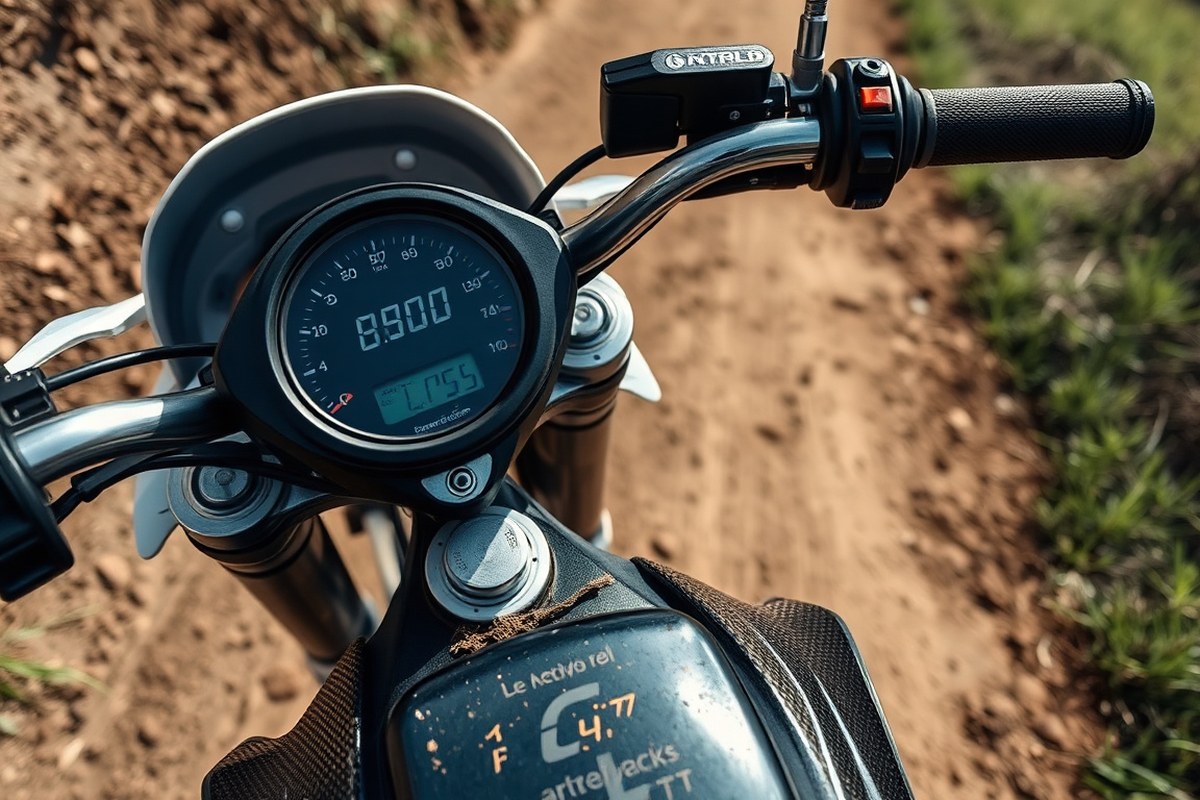
Most 200cc dirt bikes reach top speeds between 55 and 70 mph. Some models and ideal conditions can push speeds up to 75 mph. This range depends on factors like engine type, gearing, and terrain.
Can a 200cc dirt bike hit 60 mph or more? Yes, many stock 200cc bikes easily reach 60 mph on flat surfaces. Popular trail and motocross bikes usually reach about 60 mph.
Some models go up to 65 mph when new. These speeds come right from the showroom.
Speed also varies by model. For instance, a standard 200cc four-stroke bike typically tops out near 60 mph.
Meanwhile, race-inspired 200cc two-stroke bikes may reach closer to 70 or 75 mph. Terrain and rider weight affect these numbers, with uphill or rough ground lowering max speed.
What Engine Types Affect 200cc Dirt Bike Speed?
Two-Stroke Engine Speed Characteristics
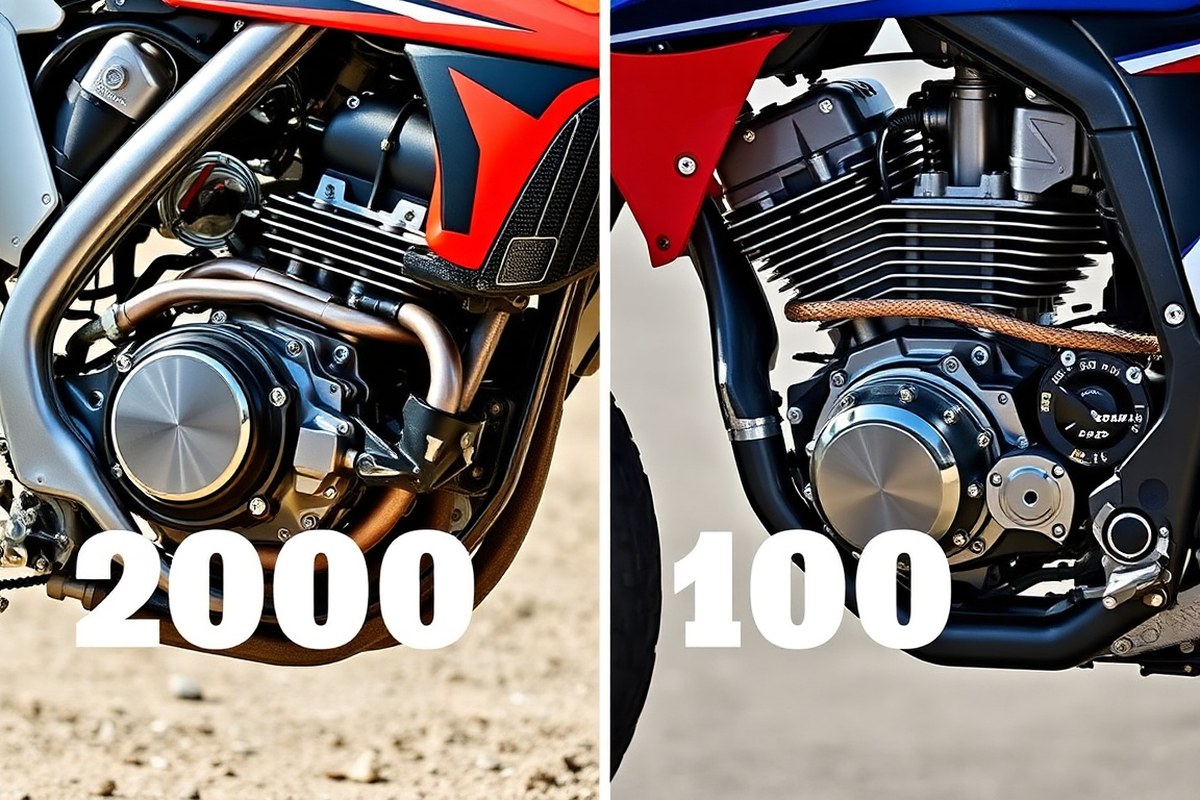
A 200cc two-stroke engine spins faster and bursts with quicker acceleration. It delivers power with every piston stroke, making it feel more aggressive off the line. Top speeds often reach between 60 and 70 mph.
Two-stroke engines tend to need more maintenance due to their design. They use oil mixed in gasoline, which burns faster and clogs spark plugs earlier. Regular cleaning and oil checks cost time but keep speed consistent.
Four-Stroke Engine Speed Characteristics
Four-stroke 200cc engines have smoother power delivery and less intense acceleration. They produce power every two piston strokes. This gives steady speed climb.
You can reach about 55 to 65 mph with them. This provides better control for new riders.
Maintenance for four-strokes is usually less frequent but more involved. They have separate oil systems, which last longer but require oil changes every few hundred miles. These engines also tend to run quieter and cooler on trails.
Choosing an Engine Type for Desired Speed
Choose a two-stroke if you want faster bursts and higher top speed. This engine suits riders who enjoy aggressive riding and don’t mind doing extra maintenance. Two-strokes excel on open trails where speed matters most.
You should pick a four-stroke for smoother acceleration and less upkeep. It’s ideal for riders who focus on endurance and trail control over top speed. Four-strokes handle rough terrain well without sudden power surges.
Consider your usual riding conditions and how much time you invest in upkeep. Two-stroke bikes cost less upfront but need frequent service. Four-stroke bikes cost a bit more but save you maintenance hours.
Two-stroke engines can overheat quickly on slow trails. So take breaks often to avoid engine damage.
How Rider Weight and Terrain Impact Speed
Rider weight directly lowers a 200cc dirt bike’s top speed. Heavier riders add load, which strains the engine and reduces acceleration. A rider weighing 170 pounds may reach speeds near 60 mph.
This speed is on flat terrain. Your weight affects top speed on the bike. Someone over 200 pounds might notice a drop to around 50 mph.
Terrain plays a huge role in how fast you can go. Hard-packed trails let the bike reach higher speeds. They provide better grip.
They also have less rolling resistance. Loose dirt, mud, or sand create drag.
This drag slows your bike by 10 to 20 mph. The softness and unevenness of the surface matter.
To maintain speed across these surfaces, adjust your riding style and bike setup. Lowering tire pressure helps on loose dirt by boosting traction. It adds rolling resistance on hard trails.
You must balance these effects. Switching to tires meant for softer terrain can boost control without sacrificing too much speed. Changing sprocket sizes can help your ride.
A smaller front sprocket increases acceleration on rough terrain. It lowers top speed on smooth paths.
Rider technique matters too. Staying seated and keeping your weight forward improves traction when climbing or accelerating.
On hard terrain, shifting your weight back can stabilize the bike at higher speeds. Small throttle adjustments help prevent wheel spin on slippery or uneven ground.
Your bike’s condition affects speed on different terrains. Well-maintained chains, clean air filters, and tuned engines keep your power consistent. Ignoring these parts can cause slower acceleration.
This is worse over obstacles or rough patches. You need bursts of speed in those spots.
For a beginner, it’s better to prioritize control over chasing top speed. Reducing tire pressure by 5 psi costs around $0.50 per ride but greatly improves grip on dirt or gravel. Changing sprockets costs about $20 to $40 with new parts.
Doing it yourself takes about 30 minutes. This change makes a noticeable speed difference.
Top Speed Differences Among Popular 200cc Dirt Bike Models
| Model | Type | Top Speed (mph) | Notes |
|---|---|---|---|
| Yamaha TT-R200 | Full-size 4-stroke | 55-60 | Reliable trail bike with smooth power delivery |
| Honda CRF230F | Full-size 4-stroke | 58-62 | Close to 200cc, known for balanced speed and torque |
| KTM 200 XC-W | Full-size 2-stroke | 65-70 | Sport model with aggressive power, top speed at high end |
| SSR SR200 | Mini 4-stroke | 40-45 | Smaller frame, lower top speed than full-size bikes |
| Razor MX350 (Electric Mini) | Mini electric | 15-18 | Built for kids, much slower despite “200cc” label |
Top speed varies quite a bit among popular 200cc dirt bike models. Full-size four-stroke bikes like the Yamaha TT-R200 usually hit 55 to 62 mph. The Honda CRF230F also reaches similar speeds.
These bikes are built for faster rides. They focus on steady power and control, which appeals to trail riders.
Sizing and engine type cause much of this speed difference. The KTM 200 XC-W is a sportier, two-stroke model that can reach 65 to 70 mph.
Its lighter frame and peaky power boost top speed. But control gets trickier at those speeds.
Mini 200cc dirt bikes like the SSR SR200 are small and slower. They top out around 40 to 45 mph. These bikes suit beginners or tight trails.
These models suit younger or less experienced riders who want manageable speed and easier handling. Electric mini bikes labeled “200cc equivalent” like the Razor MX350 go slower.
Their top speed is about 15 to 18 mph. They don’t match gas bikes in speed.
Speed gaps matter because they reflect bike size, engine type, and suspension setup differences. Comparing these specs helps you pick the best bike for your experience level and riding goals. Knowing if you want a full-size or mini bike matters.
It changes your top speed expectations. It also affects how the bike feels when you ride.
A beginner might prefer the balanced speed of a Yamaha TT-R200. A more skilled rider wanting faster bursts might pick a KTM 200 XC-W. Mini bikes trade top speed for lighter weight and agility.
This makes them better for trail rides. They work well at slower speeds.
How to Measure Your 200cc Dirt Bike’s Top Speed Accurately
To measure your 200cc dirt bike’s top speed, use a GPS device. Test in a safe, open space. This helps you get an accurate reading.
Speedometers on dirt bikes often vary. So a GPS logger or smartphone app gives the most reliable reading. Prepare your bike and gear before you test to keep things safe and precise.
Using a GPS Device for Speed Measurement
GPS devices track your bike’s location over time to calculate speed accurately. A handheld GPS or smartphone app works well for riders. They cost between $20 and $100.
Choose one designed for motorcycle use. These tools capture your highest speed without interference from wheel size or mechanical errors.
Place your GPS device where it gets a clear signal. Usually, this is on the handlebars or inside your jacket pocket. Avoid routes with tall trees or buildings that block satellites, as these cause inaccurate readings.
After the ride, check the top speed recorded by the GPS. Compare it to your bike’s speedometer for reference.
Conducting a Safe Speed Test Ride
Choose a long, straight, and flat path away from traffic for your speed test. Always wear full protective gear for safety. Use a helmet, gloves, boots, and padded clothing.
This helps if you lose control. Do a quick bike check: tires inflated, brakes working, and throttle responsive.
Start slow and gradually build up speed to warm your bike and tires. Keep your body relaxed and shift your weight forward slightly at higher speeds for stability. Stop your test when you reach top speed or feel uneasy.
Don’t push past your comfort or visibility limits. Staying safe matters most.
Always tell someone where you’re testing your bike and check the weather beforehand.
Verifying Speedometer Accuracy
Speedometers on 200cc dirt bikes can be off by 5 to 10 mph. Tire size or wear often causes this difference. Compare your speedometer reading with your GPS measurement on similar rides to spot any differences.
Your speedometer may show faster or slower than your GPS. Adjust it or trust the GPS data for accuracy.
Regular maintenance such as checking for bent speed sensors or loose cables helps keep speedometers accurate. Without a built-in speedometer, use a GPS device or app.
This will be your best way to read speed. Testing a few runs helps confirm consistent and reliable data for your bike’s true top speed.
Which Upgrades Can Increase 200cc Dirt Bike Speed Effectively?
Upgrading your exhaust system boosts speed on a 200cc dirt bike. You can see better performance with this change. It’s one of the easiest upgrades to do.
A high-performance exhaust improves airflow and horsepower, often adding 5 to 10 mph. Installing this upgrade usually costs between $100 and $300, depending on the brand and type.
Next, fine-tuning your carburetor unlocks your bike’s full potential. Adjusting the air-fuel mixture and jet sizes improves throttle response and top-end power. You can do the exhaust upgrade yourself with basic tools.
Or pay a mechanic $50 to $100 for tuning. Proper tuning helps your bike run right.
Changing gear ratios also helps with speed. A smaller front sprocket or a larger rear sprocket increases acceleration. Flipping these sizes boosts top speed at the expense of quick starts.
Changing sprockets costs about $30 to $60. It takes an hour if you have basic tools. This swap adjusts your bike’s speed and power.
Lighter tires and lighter seats help improve speed. They reduce the bike’s total weight a bit. These small changes make a noticeable difference when riding.
Losing a pound helps your bike speed up faster. You keep higher speeds longer on rough trails.
Every pound counts on a 200cc dirt bike. These upgrades often cost $50 to $150 combined.
Performance cams or big bore kits add more power. These upgrades require skill and more effort to install. They also need more attention to maintain.
Such mods can cost several hundred dollars and require mechanical knowledge or a professional. They boost speed noticeably but might reduce reliability if not done right.
Each upgrade comes with trade-offs. An aggressive exhaust might increase noise and emissions.
Carburetor tuning can cause engine wear if the mixture is too lean. Changing gear ratios may make the bike harder to handle in certain situations.
These engine upgrades are worth it for big speed gains. Expect extra maintenance and higher costs with them. They suit riders ready for that commitment.
To get the most out of them, combine an upgraded exhaust with fine carburetor tuning. Then, adjust sprockets for your preferred riding style. Smaller changes like light tires can add up nicely.
How Maintenance and Tuning Affect 200cc Dirt Bike Performance
Keeping your engine in good shape makes a big difference in speed. Check for worn spark plugs and clean or replace them every 20 hours of riding.
Dirty air filters restrict airflow. So clean or swap them out regularly to help the engine breathe better and run faster.
Carburetor tuning can boost your 200cc dirt bike’s top speed by optimizing the fuel-to-air mix. Adjust the idle screw using your bike’s manual. Choose main jet sizes too.
Follow a guide made for your model. Too rich a mixture wastes fuel and slows you down.
A lean mix risks engine damage. Tuning usually takes about 30 minutes and costs nothing if you do it yourself.
Keep your tire pressure steady. Low tire pressure increases rolling resistance, which cuts your speed. Check tire pressure before every ride.
Most 200cc dirt bikes ride best. Keep pressure between 12 and 15 PSI on dirt.
Use a reliable gauge and pump tires to the right level for the terrain. Proper tires make a noticeable difference in acceleration and top speed.
Trimming weight on your bike helps, but only moderately. Removing unnecessary gear like heavy racks or excess tools lowers the total weight. Every 10 pounds cut can improve top speed by about half a mile per hour.
But don’t sacrifice safety or function. Rider weight plays a bigger role. So focus on fitness and technique alongside bike weight management.
Keep your bike fast with simple steps. Clean or change the air filter every 5 rides. Swap spark plugs after 20 hours.
Tune the carburetor quarterly or after changes. Check tire pressure before each ride. Remove any heavy, non-essential parts cautiously.
These tasks take less than one hour monthly. Basic parts like filters and plugs cost under $30. This keeps your bike running smooth.
Ignoring these maintenance tasks can cause slower speeds and strain your engine. A dirty air filter cuts power fast. A bad carb setting wastes fuel.
Wrong tire pressure makes riding harder. Skipping service speeds up engine wear. That can lower top speed by 10 mph or more.
Wear builds too fast without regular care. Keep up with these steps to run your bike right.
Your 200cc dirt bike will pull smooth and fast. It helps keep peak performance.
Is a 200cc Dirt Bike Fast Enough for Beginners?
A 200cc dirt bike can be fast enough for beginners if you respect its limits. They usually top out between 45 and 60 mph.
This speed gives you a good balance of speed and control. You should focus on learning solid riding skills before pushing the bike to its top speed.
Speed Considerations for New Riders
Riding over 60 mph on a 200cc dirt bike is often too fast. New riders may not control it safely. Slower speeds let you focus on steering, braking, and balance without feeling overwhelmed.
Many dirt bike parks have speed limits around 30 to 35 mph. They set these rules to keep the trail safe.
Try setting a personal speed limit below the bike’s top speed during your first months riding. Track your comfort and control in different areas, flat trails, hills, and loose surfaces. Avoid rushing to fast speeds until you can stop quickly and keep balance on tricky terrain.
Essential Protective Gear for High-Speed Riding
Wearing the right gear protects your head, joints, and skin from crashes at any speed. Always use a DOT-approved helmet, gloves, boots, goggles, and protective clothing designed for dirt biking. Proper gear can reduce injuries substantially if you lose control going 40 or 50 mph.
Gear costs vary but expect to spend $250 to $600 for a decent full set. Investing in quality gear is smarter than risking injury due to underprotection.
Change your gear based on the track and your speed. You may need heavier armor for tough trails or faster rides.
When to Progress to Larger Engines
Some riders move up to larger engines after mastering 200cc speeds. You might consider a 250cc or 300cc bike.
Only do this if you control 45 to 60 mph comfortably. Larger bikes demand more strength and skill to handle safely.
Wait to upgrade until your braking, cornering, and throttle control feel solid. Many beginners who jump too fast to bigger engines struggle with accidents or fatigue. Proper riding technique comes first; engine size should match your skill and confidence.
Start slow and always wear full protective gear. Doing this helps build safe habits, even below 30 mph.
Balancing Speed with Safety and Legal Considerations
Riding a 200cc dirt bike at higher speeds requires solid safety gear and focus. Always wear a DOT-approved helmet, gloves, goggles, and sturdy boots. Protective gear like chest protectors and knee pads helps prevent serious injuries.
You need them when you fall or hit something hard. They protect key body parts from damage and bruises.
Learning to control your bike before pushing for top speed is smart. Practice braking, turning, and accelerating smoothly on flat terrain. Avoid quick moves, especially on bumpy or muddy trails.
Sudden direction changes at speed raise your risk of crashing. Stay steady to keep control and ride safer.
Legal limits vary by state and trail. Many off-road spots have speed limits or no-fast zones. This keeps riders safer and protects plants and wildlife.
Follow these rules to respect the trail and avoid trouble. Check posted signs and trail rules before riding. Some trails don’t allow dirt bikes at all, or require permits and stickers.
Public roads generally ban dirt bikes or require registration and insurance. Don’t ride fast near roads where bikes aren’t street legal. Stick to designated off-road areas to avoid fines or legal trouble.
Insurance isn’t mandatory everywhere but can protect you financially after crashes or damage. Liability coverage helps if you hurt others or damage property.
Collision and complete insurance cover your bike against crashes, theft, or fire. Basic policies might cost $200 to $400 annually, depending on coverage and location.
Safety starts before you ride. Check tire pressure, brakes, throttle operation, and suspension weekly if you ride often.
Bring basic tools and a first aid kit on longer trips. Let someone know your route and expected return time when riding remote trails.
Keep speeds moderate on crowded or shared trails. Look out for hikers, animals, or other riders. Slow down in dust or low-visibility conditions to avoid missing obstacles.
Riding fast on a 200cc bike feels exciting but also risky. Always know your skill level and listen to other riders. Stay aware to avoid accidents and keep fun safe.
Your Step-by-Step Action Plan to Understand and Manage Your 200cc Dirt Bike Speed
Follow these clear steps to learn about your bike’s speed and control it safely. Each step helps you see real results as you go.
- Before You Ride: Check your bike’s specs and engine type. Knowing this sets a baseline for expected speeds.
- Day 1: Weigh yourself and test ride on flat ground. Note top speed using a GPS app or a speedometer.
- Week 1: Try riding on different terrains like trails or hills. Observe how speed changes with conditions.
- Week 2: Check and care for your dirt bike. Clean the air filter. Check the chain and change the oil. Good upkeep keeps speed steady.
- Week 3: Research simple upgrades like better sprockets or performance air filters. Install one and test speed again.
- Week 4: Practice safe riding habits, wearing protective gear every time. Speed means little without control and safety.
- Ongoing: Keep tuning and maintaining your bike regularly. Track your speed builds and stay aware of limits.
Frequently Asked Questions
How Fast Can a 200cc Dirt Bike Go?
A 200cc dirt bike typically hits speeds between 55 and 70 mph. Some can top out at 75 mph. How fast it goes depends on the engine, terrain, rider’s weight, and any changes made to the bike.
Does a 200cc Dirt Bike Hold Its Top Speed on Rough Trails?
Usually, rough trails lower the top speed because of bumps and loose dirt. Riders should expect slower speeds off-road compared to smooth surfaces.
Can a Heavier Rider Slow Down a 200cc Dirt Bike?
Yes, heavier riders can reduce the bike’s speed and acceleration. A lighter rider typically achieves higher top speeds and better handling.
Is It Safe to Try Reaching the Top Speed on a 200cc Dirt Bike?
Riding at top speed increases risk, especially on rough terrain. Always wear safety gear and ride within your skill level.
Do Aftermarket Parts Significantly Boost a 200cc Dirt Bike’s Speed?
Some upgrades can improve speed by a few miles per hour. Focus on exhaust, sprockets, and tuning for noticeable gains.
Before You Go
Most 200cc dirt bikes reach speeds between 30 and 50 mph depending on factors. You can check your bike’s top speed safely. Keep up with regular maintenance.
Make smart upgrades to improve it. Start tracking your dirt bike’s speed today and enjoy riding with confidence and safety.