
What Is the Unleaded Fuel? A Complete Guide to Types, Uses & Safety
Unleaded fuel is gasoline without lead compounds that once caused pollution. Leaded fuel was phased out because it harmed the environment and engines. Switching to unleaded fuel cut harmful emissions and protected health from lead exposure.
Most unleaded fuels today contain ethanol, an alcohol made from plants. Ethanol lowers greenhouse gas emissions and raises octane for better engine performance. Regular unleaded gasoline usually has 10% ethanol content.
Octane rating measures how well fuel resists engine knocking. Regular unleaded fuel typically has an 87 octane rating for standard cars. Higher octane fuels like 89 or 91 suit engines that need more power or avoid knocking.
Picking the correct fuel blend matters, especially in older cars. Too much ethanol or a wrong octane rating can cause engine trouble or less efficiency. Always follow your vehicle manufacturer’s recommendations to keep your engine running well.
Key Takeaways
- Unleaded fuel lacks lead to protect engines and reduce pollution.
- Standard unleaded contains 10% ethanol, improving fuel burn and reducing carbon.
- Higher ethanol blends, like Unleaded 88, have 15% ethanol and 88 octane rating.
- Pre-2001 vehicles should avoid Unleaded 88 or E15 fuels to prevent damage.
- Octane rating indicates fuel’s resistance to engine knocking during combustion.
- Choosing the wrong ethanol blend can harm fuel system components and performance.
What Is Unleaded Fuel and Why Is It Used?
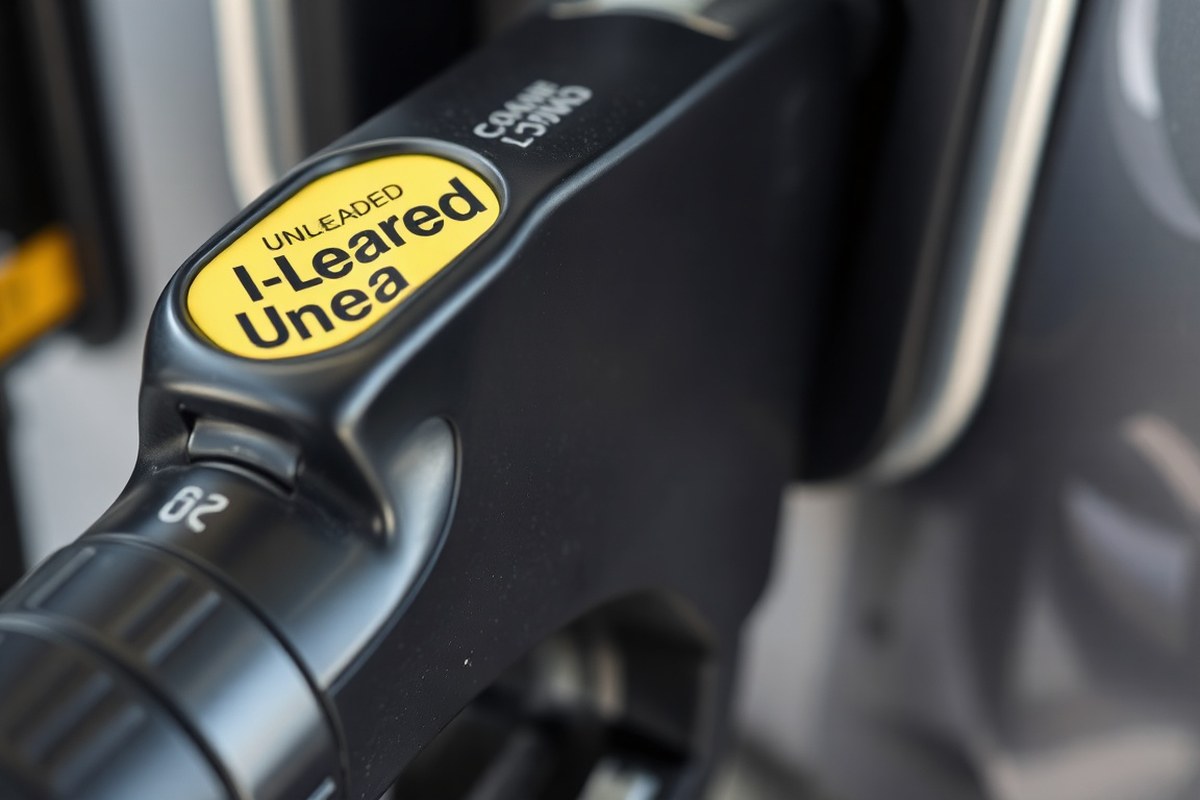
Unleaded fuel is gasoline that does not contain lead compounds, unlike older leaded fuels. The term “unleaded” highlights that this fuel lacks the lead additives once common in petrol. These lead additives were removed to prevent severe health and environmental problems.
Lead in gasoline caused widespread neurological damage, especially in children, and polluted air and soil. It also damaged car emission control systems. Catalytic converters need unleaded fuel to work right.
Without it, they don’t function properly. Removing lead started in the 1970s and was completed in the U.S. By the early 1990s.
Today, using unleaded fuel means cleaner engine operation and less harmful exhaust. Cars running on unleaded gas emit fewer toxic gases, helping reduce smog and health risks. Engines last longer, too, since lead buildup no longer clogs engine parts or fouls spark plugs.
Unleaded fuel usually contains ethanol, a renewable alcohol-based additive that further reduces emissions. Most regular unleaded gas has about 10% ethanol. Newer blends like Unleaded 88 have up to 15%.
These blends work well in newer cars. Older engines made for leaded fuel may have problems.
Owners of vehicles made before 1992 should check what fuel suits their car. Older engines may not work well with unleaded gas. They need different octane or fuel system designs.
Using the wrong fuel can lead to engine knocking or poor running. So follow manufacturers’ advice to avoid damage.
How Do Octane Rating and Ethanol Content Differ in Unleaded Fuels?
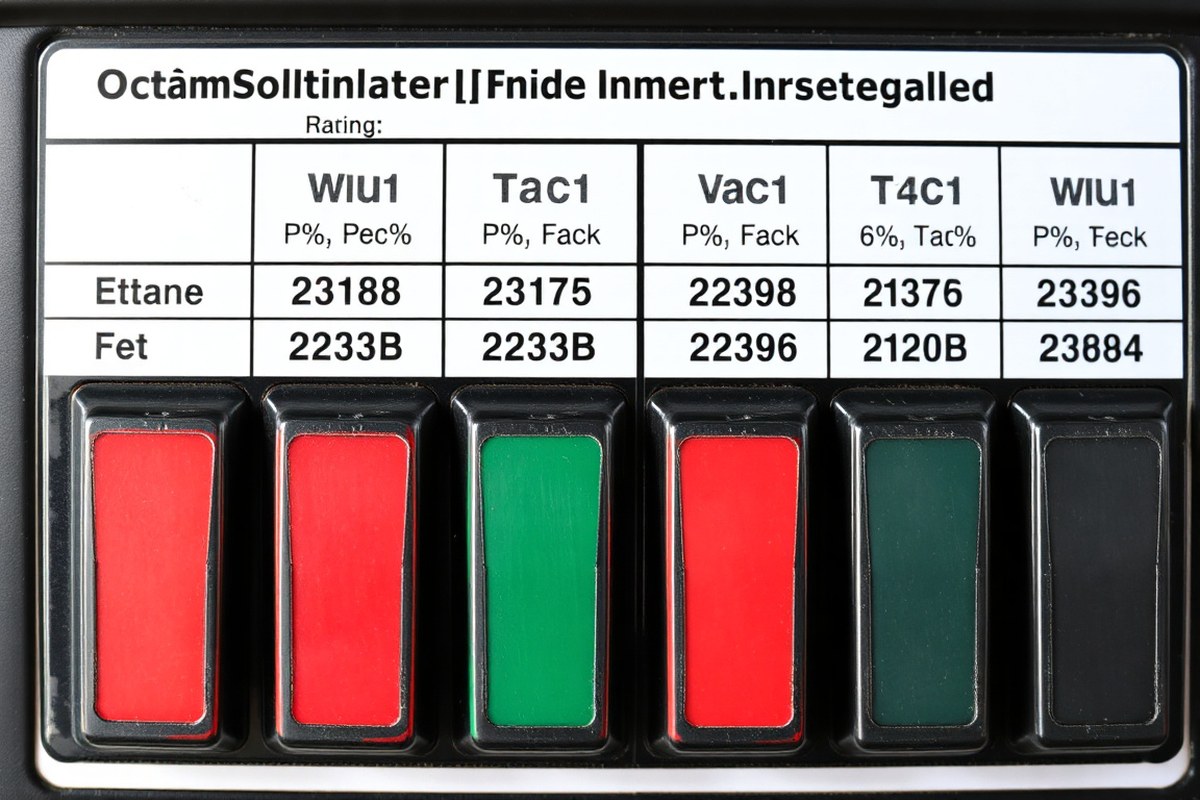
Octane rating measures how well unleaded fuel resists premature ignition, which protects your engine. Ethanol content affects the fuel’s burn characteristics and emissions. Both factors impact engine performance but mean different things for how you choose your fuel.
Understanding Octane Rating and Its Impact
Octane rating shows a fuel’s resistance to knocking or pinging inside the engine. Higher octane fuel can handle more pressure before firing up. This helps engines with higher compression run smooth.
It stops the fuel from igniting too soon. Many regular unleaded fuels have an octane rating around 87. Higher grades like Unleaded 88 offer a slightly higher rating for better engine protection.
Higher octane isn’t always better for your engine. Your car runs fine on 87 octane fuel. Using higher octane fuel won’t improve how it drives or save gas.
You might just spend more money without benefit. Engines built for high-octane fuel will show gains in horsepower and efficiency.
Ethanol Blends Explained: E10, E15, E85
Ethanol blends mix ethanol with gasoline to reduce emissions and adjust fuel properties. E10 fuel contains 10% ethanol and 90% gasoline and is common at most gas stations. Unleaded 88 is usually an E15 blend, meaning 15% ethanol mixed with 85% gasoline.
Higher ethanol blends like E85 have 85% ethanol and require special flex-fuel vehicles. Ethanol increases the fuel’s octane rating but has less energy per gallon than pure gasoline.
This means you may get slightly lower miles per gallon with higher ethanol blends. Ethanol also helps reduce carbon monoxide emissions.
Reading Fuel Labels Correctly
Fuel labels show both octane rating and ethanol content. But they’re separate pieces of information. The octane number appears prominently, like “88” for Unleaded 88.
But doesn’t indicate ethanol amount. Near the pump, you’ll see fuel labels like E10, E15, or E85.
These show how much ethanol is in the fuel. Read these labels before you fill your tank.
Check both the octane and ethanol levels before you fill up. This matters if your car can’t use E15 or E85. Always read the labels carefully to keep your engine safe.
Using the wrong ethanol blend can harm your engine or void warranties. Your owner’s manual will say which octane and ethanol blends your car accepts.
Always match your car’s recommended octane and ethanol blend. Avoid pumping fuel labeled above your engine’s rating or ethanol tolerance.
What Is Unleaded 88 and How Does It Compare to Other Fuels?
Unleaded 88 is a type of gasoline known as E15. It has a higher octane rating than regular unleaded 87 and contains more ethanol.
Compared to fuels like regular 87 and E85, it balances cost and fuel. This makes it a good choice for some vehicles.
Chemical Makeup of Unleaded 88 (E15)
Unleaded 88 is composed of up to 15% ethanol and 85% gasoline. Regular unleaded 87 usually has about 10% ethanol mixed in. This ethanol mainly comes from corn-based sources.
Many come from states like Nebraska. Nebraska ranks second in ethanol production nationally.
Adding ethanol increases the octane rating to 88 from 87 in regular unleaded fuel. This small bump helps reduce engine knocking. Unleaded 88 shares many additives with other gasoline grades.
These depend on the brand, not the octane number. The ethanol does not affect additives much.
Performance and Cost Differences from Unleaded 87
Unleaded 88 usually costs 5 to 15 cents less per gallon than premium. Sometimes it is slightly cheaper than regular 87 too. Prices vary by location and station.
However, the fuel economy may drop because ethanol has lower energy content than gasoline. Users should watch if the price savings make up for needing more fuel per mile.
This fuel has a higher octane rating. That can boost performance in engines made for it. It helps prevent knocking in those engines.
But for many vehicles, the difference in power or mileage compared to regular 87 is minimal. Comparing real-world fuel economy is the best way to see if Unleaded 88 saves you money.
Situations Where E85 Fuel Is Preferred
E85 contains up to 85% ethanol and is designed for flex-fuel vehicles only. It has more ethanol than Unleaded 88 or 87. This lowers fuel economy but raises octane a lot.
The tradeoff is fewer miles per gallon. Drivers should only choose E85 if their vehicle specifically supports it.
This fuel is good if you want to cut petroleum use. It also works if you want to use cheaper E85 fuel. It is best where ethanol prices stay low.
It may also benefit certain high-compression or modified engines. But most everyday cars will see reduced mileage and potentially higher refueling frequency with E85.
Which Vehicles Can Safely Use Unleaded 88 and E15 Fuels?
Not all cars can use Unleaded 88 or E15 fuel safely. The Environmental Protection Agency (EPA) approves E15 only for vehicles made in 2001 or later. These include light-duty cars, trucks, passenger SUVs, and flex-fuel models.
Older vehicles, especially those made before 2001, should avoid E15. Using E15 in those cars can cause engine problems or damage fuel system parts.
Your owner’s manual is the best place to check for fuel approvals. It will list exactly what kinds of fuel are safe for your vehicle.
Your vehicle usually won’t harm the engine using Unleaded 88 or E15 properly. But some vehicles like motorcycles, boats, and lawnmowers should never use E15. Using the wrong fuel in these can cause poor engine performance or damage.
Stop driving if you put E15 in the wrong car. Call a mechanic.
- Check the vehicle’s model year; 2001 or newer is usually eligible.
- Read your owner’s manual or fuel door label for fuel recommendations.
- Do not use E15 in pre-2001 vehicles, motorcycles, or small engines.
- Contact a dealer or mechanic if you accidentally use the wrong fuel.
- Avoid E15 in classic cars made before 1986 to protect emission controls.
To decide if your car supports Unleaded 88, find its model year first. Check your 2001 or newer car’s manual for E15 or Unleaded 88 mentions. The manual might say “E15 approved.”
It could list gas with 15% ethanol too. Don’t find info?
Call your dealer with your car’s make, model, and year. They can confirm whether Unleaded 88 is safe.
Using E15 in a non-approved vehicle can cause rough running, poor fuel economy, or engine damage. In some cases, engine warranties can be voided if you don’t follow the manufacturer’s fuel guidelines. Keeping to approved fuels protects your engine and helps maintain performance over time.
What Risks and Engine Damage Can Result from Misusing Unleaded Fuels?
Using high-ethanol fuel in cars not built for it can cause serious engine damage. Ethanol attracts water and can corrode fuel system parts, causing clogged injectors or fuel pumps. Engines may stall, hesitate, or lose power if the fuel mix is wrong.
Unleaded 88 has 15% ethanol. It’s safe only for cars made for higher ethanol. Use it only if your vehicle can handle it.
Older cars or those without flex-fuel systems risk harm. Unleaded 88 can damage catalytic converters or sensors.
Avoid it in these vehicles. This damage reduces emissions control and leads to costly repairs.
Watch out for rough idling, trouble starting, engine knocking, or the check engine light. These signs often point to fuel-related issues. Gas smells stronger or black smoke from the exhaust can also indicate fuel misuse.
Avoid repairs by following your vehicle’s fuel recommendations in the owner’s manual. Use regular unleaded fuel if your car doesn’t list E15 or Unleaded 88 as approved. Using the right fuel stops costly repairs.
It protects fuel injectors, sensors, and converters. Don’t risk damage by using wrong gas.
Never assume all unleaded fuels suit your car, always check the manual and the pump label.
Repeated use of incorrect fuel can cause long-term damage. Ethanol can degrade rubber seals and gaskets, creating leaks in the fuel system. Over time, this leads to reduced engine efficiency and higher emissions.
Catalytic converters may fail with bad fuel. Additives or ethanol your engine can’t handle cause problems. Always use recommended fuels.
Replacing these parts often costs hundreds to thousands of dollars. Taking a moment to verify fuel compatibility will prevent this expensive outcome.
How Does Using Unleaded Fuel Affect Vehicle Performance and Fuel Economy?
Using Unleaded 88 can improve your engine’s power in many cases. This fuel has a higher ethanol content and a higher octane rating than regular unleaded. That helps some engines run smoother and deliver better horsepower during acceleration.
Ethanol contains less energy than pure gasoline. That means fuels with more ethanol usually lower your miles per gallon. Switching from 10% ethanol in regular unleaded to 15% in Unleaded 88 may lower your fuel economy by 3 to 4 percent.
This means you’ll likely drive fewer miles per gallon. The extra ethanol causes this small drop. You’ll burn more fuel to get the same distance.
Premium unleaded isn’t always better than regular for every car. Some engines are designed to use regular unleaded with an octane rating around 87.
Using 91 or higher octane fuel won’t increase your power or fuel economy there. It mostly helps engines built for high compression or forced induction avoid knocking.
Choosing the right unleaded fuel smooths acceleration and helps your engine perform reliably. Picking Unleaded 88 means you support corn farmers in America. The extra ethanol it contains comes from corn.
This helps the local farming economy. This tradeoff might cost a little more at the pump and reduce your mileage. Still, engines designed to handle it often respond with better overall performance.
Your car needs premium fuel? Keep using it to prevent damage and power loss. Sticking with premium protects your engine’s performance.
Your car doesn’t need premium? Unleaded 88 could boost power. It usually won’t harm your engine.
Pay attention to your fuel economy during the first few tanks. Notice if your engine feels different. This will tell you if Unleaded 88 affects your car.
If you want smoother acceleration and more horsepower, try Unleaded 88 when the manual says it’s okay. Many drivers like the extra power it can offer. Just keep in mind that your fuel gauge might drop faster.
Mileage is your main concern? Then regular unleaded is usually better. Older cars or those not built for higher ethanol blends should avoid Unleaded 88.
How to Safely Choose and Use Unleaded Fuel at the Pump
Choosing and using unleaded fuel safely means matching your vehicle’s needs with the right fuel type. Check your car’s fuel label before filling up. Read the pump’s ethanol percentage.
Avoid mixing different fuels by mistake. Some regional and seasonal fuel changes also affect your choices.
Checking Your Vehicle’s Fuel Requirements First
Start by looking at your owner’s manual or the sticker inside your fuel door. It tells you the lowest octane rating your engine can use safely. Your car might require regular 87 octane or a higher grade depending on its design.
Some vehicles specify a limit on ethanol content, like no more than 10% ethanol fuel (E10). Using more ethanol than recommended risks engine damage and poor performance. When in doubt, stick to the lowest ethanol blend your manual allows.
Verifying Fuel Label and Ethanol Content at the Pump
Pumps must show the fuel grade and ethanol percentage clearly. Look for labels like “Unleaded 87,” “Unleaded 88,” or “E15,” which means 15% ethanol. Higher ethanol blends usually say so right on the nozzle or pump face.
Don’t assume the octane rating covers ethanol content. Two pumps may both say 87 octane but have different ethanol levels.
Look at the small print near the pump handle. It shows if you’re getting E10, E15, or another blend.
Avoiding Cross-Contamination and Fuel Mixing Mistakes
Carefully choose the nozzle that matches your vehicle’s fuel needs and stay with it. Mixing fuels like diesel and unleaded can damage your engine or clog fuel systems.
Giving a higher ethanol blend to your car can cause knocking. You might have trouble starting the engine too.
- Use only unleaded fuel labeled for your vehicle.
- Match the octane rating your engine requires or higher.
- Double-check ethanol percentage on the pump sticker.
- Never switch accidentally between ethanol blends without checking.
- Keep the fuel cap tight to avoid evaporation or contamination.
- Clean up any fuel spills promptly to avoid creating hazards.
Insert the fuel nozzle all the way into the tank opening. Take your time to fill the tank. This helps avoid spills or mixing fuels.
It can take around 3 to 5 minutes to fill a typical tank. So go slow and steady. Proper fueling habits protect your engine and your wallet.
Seasonal Adjustments and Regional Variations in Fuel
Some places use special fuel blends during cold months. These blends reduce emissions. They also help your engine start easier.
These usually do not affect octane but may have different ethanol percentages. You can safely use your recommended grade year-round in most cases.
Prices and fuel blend availability may vary widely by region. Unleaded 88 can cost 10 to 30 cents less per gallon.
This price difference happens in some states compared to lower ethanol blends. Knowing local fuel options lets you save money while staying safe.
What to Do If You Accidentally Use the Wrong Unleaded Fuel
Stop using the vehicle right away if you put the wrong unleaded fuel in the tank. Driving can damage your engine. Low octane fuel causes problems.
Use the right octane for your car. Note what fuel you use.
Check your owner’s manual. Find the correct fuel type for your car.
Next, avoid starting the engine again until you decide what to do. Starting the engine spreads the wrong fuel through the system. This increases the risk of damage, which makes repairs costlier.
Using too much ethanol in your fuel can cause seal problems. It can also affect fuel sensors. Keep ethanol levels within your car’s limits.
After driving, listen for knocking sounds. Also, notice if the idle feels rough. These can signal fuel issues.
These signs mean the fuel isn’t burning properly. Pull over at a safe place and turn off the engine. Contact your mechanic as soon as possible to check the engine.
Flushing the fuel system can help clear out the wrong fuel. You may need to drain your tank. Clean fuel lines, filters, and injectors next.
Then refill the tank with the correct fuel. Professionals usually handle this. Cost varies but expect $150 to $400 for thorough service, depending on your vehicle and shop.
- Do not add fuel additives to fix wrong-fuel problems yourself.
- Call roadside assistance if your car shows severe engine issues.
- Have a tow truck bring your car to a service center if unsure.
- Keep a note of fuel purchase details for service reference.
- Check your fuel door or manual for fuel recommendations before fueling again.
Use the right unleaded fuel next time to protect your engine’s health. Misusing fuel can wear parts faster and cost more repairs.
Some cars warn you if the octane is too low; others don’t. Using premium fuel for cars that require it avoids engine knocking and maintains performance.
Call a professional quickly. Don’t wait if your car stalls. Rough running needs immediate attention after wrong fuel use.
How Unleaded Fuel Fits into the History and Future of Automotive Fuels
Leaded fuel was common from the 1920s until the 1970s. It contained tetraethyl lead to boost octane and prevent engine knocking. This additive helped engines run smoothly and avoided damage at higher compression.
By the 1970s, health concerns surfaced. Lead exposure was linked to serious problems like brain damage and pollution. Governments started pushing to remove lead from gasoline to protect people and the environment.
The shift to unleaded fuel began in the 1970s and 1980s. Automakers adapted engines to run on unleaded fuel with catalytic converters, which leaded fuel damages.
Some vehicles and areas took longer to stop using leaded gas. This was because changing gear and paying costs took time.
A full nationwide phase-out of leaded fuel in the US happened by 1995. This cutoff cut lead emissions significantly and improved air quality. However, some low-income countries continued using leaded fuel into the early 2000s due to economic challenges.
Transitioning aircraft to unleaded aviation fuel poses extra challenges. Many piston-engine aircraft engines still rely on leaded aviation gasoline. The Piston Engine Aviation Fuels Initiative started in 2014.
It looks for unleaded fuels like leaded ones. They focus on safety and performance.
The FAA released an updated plan in early 2026. This plan guides how to replace leaded aviation fuels and includes public input. They test new fuels and upgrade equipment.
They also create rules to keep pilots safe. The environment gets protected too.
Emerging unleaded fuels for cars and airplanes focus on matching power and durability. Ethanol blends like Unleaded 88 show how unleaded fuel can work in many vehicle types. Aviation fuels face a longer timeline because of safety and certification rules.
Step-by-Step Action Plan for Using Unleaded Fuel Safely
Follow these steps to pick and use unleaded fuel correctly for your vehicle. This helps avoid engine trouble and keeps your car running well.
- Before you fill up: Look in your owner’s manual. Find your car’s recommended fuel type and octane rating. This ensures you use the right fuel and avoid damage.
- At the pump: Look for unleaded fuel options labeled with octane ratings and ethanol content. Pick fuel based on your car’s needs. Don’t use higher ethanol blends if your car doesn’t allow it.
- Every fill-up: Use a fuel nozzle that matches unleaded 87 or 88 octane for most cars. Check if your car supports E15 fuel. Confirm it’s approved for your vehicle before buying it.
- After fueling: Listen for any unusual knocking sounds during your drive. Hear knocking? Use fuel with higher octane. Or choose fuel with less ethanol next time.
- After a mistake: Used the wrong fuel? Fill your tank soon with the correct type. Keep an eye on engine warning lights and consult a mechanic if needed.
- Ongoing maintenance: Track your vehicle’s fuel economy to spot fuel-related issues early. Lower efficiency or rough idling could mean a fuel mismatch.
- Yearly review: Stay updated on fuel types available in your area and new vehicle fuel recommendations. Adjust your fueling habits as needed.
Frequently Asked Questions
What Does “Unleaded” Mean in Unleaded Fuel?
Unleaded fuel means it contains no lead additives. This helps reduce air pollution and protects your engine and health.
Can Unleaded Fuel Be Used in Older Cars Designed for Leaded Gas?
Most pre-1990 cars were made for leaded fuel and may suffer damage using unleaded. Check your owner’s manual or consult a mechanic for best options.
Why Was Lead Removed from Gasoline in the First Place?
Lead was removed mainly for health reasons since it causes brain damage. It also harms catalytic converters that reduce car exhaust pollution.
How Does Unleaded Fuel Affect Catalytic Converters?
Unleaded fuel prevents damage to catalytic converters, which need lead-free gasoline to clean emissions. Using leaded gas would quickly ruin these parts.
Is It Possible to Find Ethanol-Free Unleaded Fuel?
Yes, some stations sell ethanol-free gasoline, often labeled as pure or 0% ethanol. Ethanol-free fuel can be better for small engines or some older vehicles.
Wrapping Up
Unleaded fuel varies by octane and ethanol levels, so choosing the right one matters. Using the correct fuel keeps your engine safe and running smoothly. Check your car’s manual today to start using the proper unleaded fuel.


One Comment