How Big Are Semi Truck Gas Tanks? Complete Guide to Capacity and Range
Most semi truck gas tanks hold between 120 and 300 gallons of fuel total. Long haul trucks usually have tanks with 180 to 240 gallons capacity.
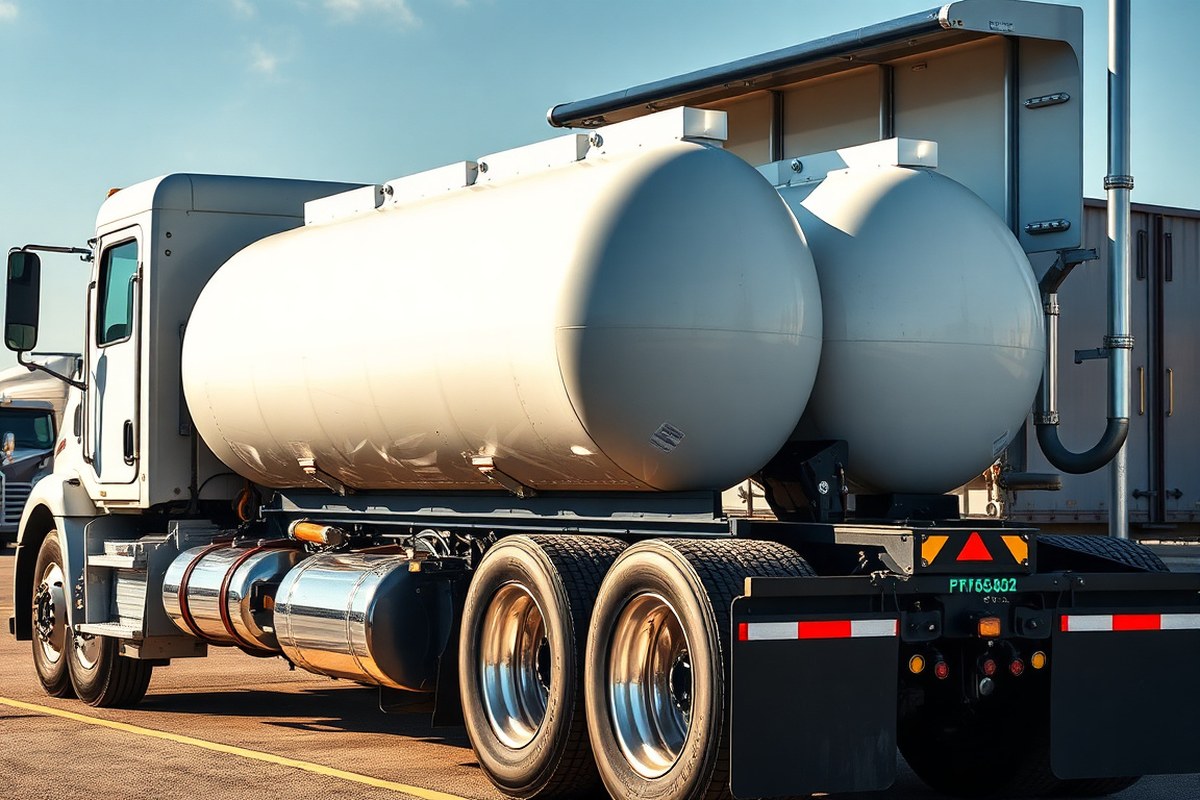
These tanks are often split between two sides of the truck. This helps with fuel management on longer routes.
The tanks sit on both sides of the truck’s chassis for balance. Bigger tanks add fuel but also increase the truck’s weight.
Most trucks balance fuel capacity and weight for better performance. Avoid filling tanks to 100% to allow for fuel expansion.
Fuel weight affects the legal load your truck can carry. Knowing tank size helps you plan loads and avoid issues.
It also determines how far your truck can go before refueling. On a full tank, most semi trucks travel 400 to 800 miles.
Key Takeaways
- Semi tanks typically range from 120 to 300 gallons in total capacity.
- Long haul trucks often use two tanks for a total of 180-240 gallons.
- Filling tanks near 95% capacity prevents fuel expansion issues.
- Fuel weight counts toward your truck’s legal load limit.
- A full tank usually covers 400 to 800 miles of driving range.
- Dual tanks, one on each chassis side, improve fuel balance.
How Big Are Semi Truck Gas Tanks Typically?
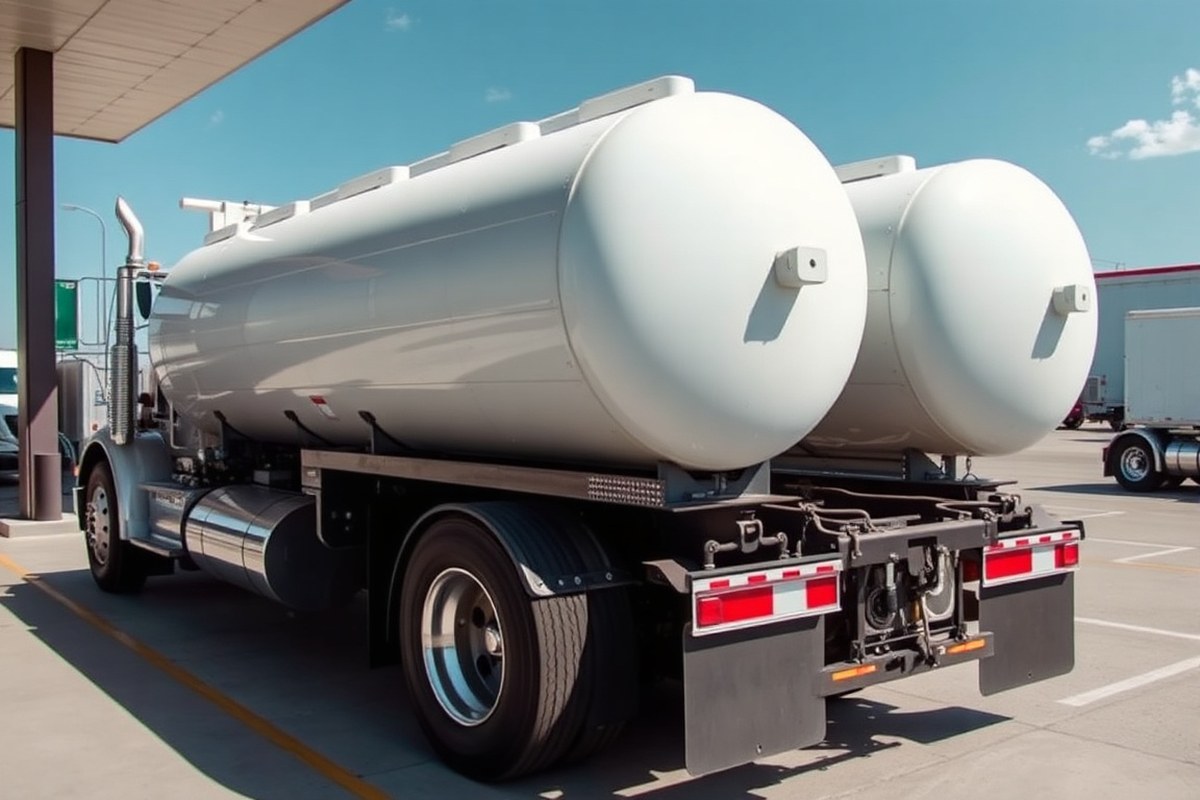
Most semi trucks have two fuel tanks, one on each side of the chassis. Each tank typically holds between 100 and 150 gallons. This setup gives 200 to 300 gallons of fuel capacity.
It’s common in long-haul trucks. Drivers can go longer without refueling.
The total fuel capacity depends on the model and configuration. For example, Freightliner Cascadia trucks usually have 100 to 150 gallons per tank. Bigger trucks like the Kenworth T680 have tanks up to 245 gallons.
This increases total fuel near 300 gallons. It helps with longer hauls.
Smaller or regional trucks might have tanks as small as 80 gallons each. But long-haul rigs typically aim for total capacities in the 180 to 240-gallon range. This size helps drivers cover long distances without frequent stops for fuel.
Two tanks also give drivers flexibility to fuel from either side depending on gas station layout. Filling both tanks to about 95% capacity maximizes range while avoiding overfilling. Drivers usually keep tanks above 25% to ensure smooth engine operation.
Fuel tank size also affects weight on the truck. Each gallon of diesel adds about 7 pounds. So a full 300-gallon setup weighs roughly 2,100 pounds.
This must stay within legal weight limits along with cargo. So choosing the right tank size balances range and load capacity.
What Factors Affect Semi Truck Fuel Tank Size?
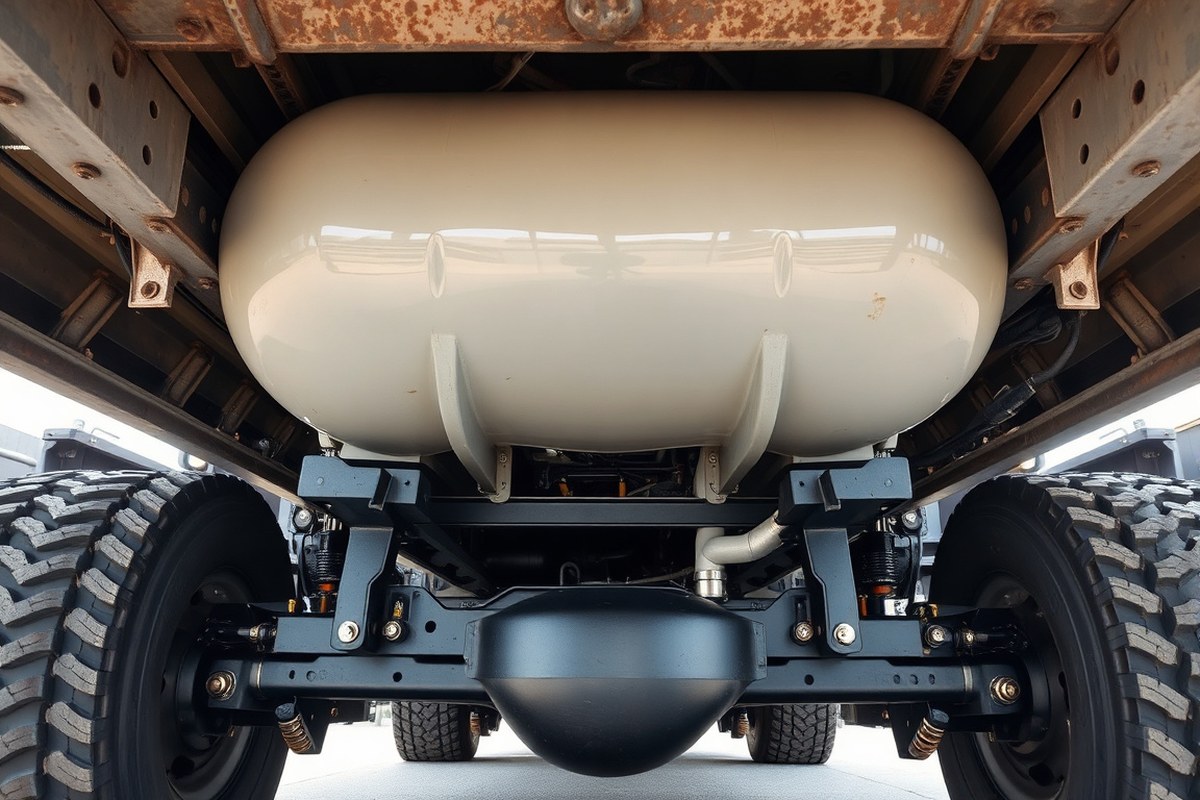
Several factors affect how big a semi truck gas tank can be. Truck type, legal weight limits, and the length of the route all play a role. These elements influence tank size to balance range, weight, and compliance.
Truck Type and Fuel Tank Size
Long-haul trucks usually have larger tanks because they cover greater distances. Their tanks can hold 120 to 260 gallons or more.
Regional trucks usually have smaller tanks near 120 to 150 gallons. Their routes are shorter, so they don’t need bigger tanks.
Fuel tanks are often mounted as saddle tanks on the chassis frame. This keeps weight balanced and fits the truck’s design. Tank size varies to suit the truck’s intended use and engine fuel consumption.
Route Length and Refueling Needs
Long routes require bigger tanks to reduce stops between fuel stations. A semi truck can travel 400 to 800 miles on a full tank.
That depends on how fuel efficient the truck is. Picking a tank size that matches route length saves time and money in refueling delays.
Drivers who prefer remote or less frequent stops might install larger tanks, around 260 gallons. This adds extra fuel range but also adds weight. Balancing the route length and tank size prevents running low on fuel mid-trip.
Legal Weight Limits and Fuel Load
Federal and state laws limit truck weight on roads to about 80,000 pounds. A large fuel tank adds fuel weight, which can push axles over legal limits. Sometimes trucks carry less fuel to stay legal and avoid overweight fines.
The tank’s position impacts axle weight distribution too. Tanks mounted improperly might cause axle weight violations, even if total weight is legal. Properly sized and positioned tanks help keep the truck within rules.
Weight Restrictions and Cost Tradeoffs
Fuel weighs about 7 pounds per gallon. So a 200-gallon tank adds around 1,400 pounds of fuel weight.
Truckers balance tank size with payload limits and fuel costs. Larger tanks mean fewer stops but more fuel weight and cost per fill-up.
Some drivers adjust fuel loads to optimize gas mileage and avoid extra weight. Overfilling adds cost, slows truck performance, and risks fines. Careful fuel management helps maintain efficiency and stay on budget.
Regulatory and Compliance Factors
Trucking regulations limit both fuel tank size and the overall truck dimensions. Auxiliary tanks sometimes require special permits. Compliance ensures safety and avoids roadside inspections or penalties.
Teams usually pick tanks that meet state and federal rules while offering enough range. Installing aftermarket or oversized tanks might trigger extra paperwork or inspections. Staying within standard tank sizes reduces regulatory hassle.
Keep track of your truck’s axle weights after filling up to avoid overweight violations and fines.
Steel vs Aluminum Semi Truck Fuel Tanks: Pros and Cons
Steel and aluminum are the main materials for semi truck fuel tanks. Steel offers strong durability but weighs more. Aluminum is lighter, which helps reduce total truck weight and may cut fuel costs.
Steel Tank Characteristics
Steel tanks stand out for their strength and toughness. They resist dents and punctures better than aluminum tanks. This makes steel tanks a good choice for rough use and heavy-duty hauling.
However, steel tanks weigh more, which adds to the truck’s overall weight. That extra weight reduces cargo capacity and can lower fuel efficiency. Steel tanks usually cost less upfront but may need more rust protection.
Aluminum Tank Benefits
Aluminum tanks weigh significantly less than steel, helping reduce truck weight. This lower weight improves fuel economy and allows for more cargo. Aluminum also resists corrosion naturally, which cuts down on maintenance.
Aluminum tanks often cost more up front than steel tanks. Their lighter weight matters most on long hauls where fuel savings add up. However, aluminum tanks can dent more easily and may require careful handling.
Material Impact on Truck Performance
Choosing tank material affects fuel efficiency and truck load limits. A lighter aluminum tank helps keep the truck under legal weight limits. That gives you more room for cargo without breaking the law.
Steel tanks add weight, which can reduce your payload and increase fuel use. But steel’s durability means fewer repairs from impacts or rough roads. Weigh these trade-offs based on your routes and hauling needs.
Cost-wise, steel usually saves money upfront. Aluminum can save money over time through better fuel use and less maintenance. The best choice depends on your priorities: strength or weight savings.
Here’s a quick comparison of steel vs aluminum semi truck fuel tanks:
| Feature | Steel Tanks | Aluminum Tanks |
|---|---|---|
| Weight | Heavier, adds more to truck weight | Lighter, helps improve fuel efficiency |
| Durability | Very strong, resists dents and punctures | Less impact resistant, can dent easier |
| Corrosion Resistance | Rusts, needs protective coating | Natural corrosion resistance, less maintenance |
| Cost | Generally lower upfront cost | Higher initial cost, potential long-term savings |
| Maintenance | Needs regular rust checks and repairs | Less frequent maintenance required |
Picking the right tank means balancing weight, durability, and cost. For heavy, rough use, steel might be the safer bet. For saving fuel and weight, aluminum could pay off on longer drives.
How Fuel Tank Size Influences Driving Range and Efficiency
Fuel tank size and fuel efficiency work together to set a semi truck’s driving range. A common fuel tank holds about 300 gallons.
Many semi trucks get around 6 miles per gallon on average. Still, this varies by terrain and load.
A truck with a 300-gallon tank gets about 6 miles per gallon. It can travel around 1,800 miles before needing fuel. This is based on average fuel consumption.
That’s 300 gallons multiplied by 6 miles per gallon. A fully loaded truck may get less than 6 miles per gallon.
Driving on hilly roads lowers fuel efficiency further. This cuts your total range a lot.
Tank size affects how often you stop for fuel. Smaller tanks around 100 gallons limit range to about 600 miles, assuming 6 mpg. This forces more frequent stops.
Bigger tanks let you go longer without stopping for fuel. This is great on rural roads with few gas stations. You can cover more miles between fills.
Experts recommend not filling tanks past 95% capacity. Diesel fuel expands with temperature changes, so leaving some room reduces spillage risk. Overfilling leads to fuel loss and potential safety hazards during hot days or long hauls.
Fuel efficiency also depends on driving style. Constant speeds and less idling improve miles per gallon.
Rough roads, heavy loads, and stop-and-go traffic lower fuel economy. This means your actual range can be less than tank size calculations suggest.
So, if you drive a semi with a 200-gallon tank and get 6.5 mpg, you could drive about 1,300 miles (200 × 6.5). But on a hilly route or heavy load, range might drop to 1,000 miles or less. Adjust your fueling schedule accordingly based on your route and truck’s efficiency.
Some trucks use lightweight tank materials to improve fuel economy, which can slightly extend range. Knowing your truck’s exact mpg and tank capacity helps plan stops and avoid running low. Keep track of real-world fuel use on your typical routes for the best results.
Popular Semi Truck Models and Their Fuel Tank Capacities
Freightliner Cascadia and Kenworth T680 have fuel tanks designed for different hauling needs. The standard tanks on these models come in different sizes. It depends on whether the truck is for regional or long-haul routes.
Manufacturers offer bigger tanks as optional upgrades. These let you carry more fuel. You can drive farther without stopping.
Tank size matters because it affects how often you need to refuel. Bigger tanks work well if you haul cross-country. Smaller tanks might suit frequent stop routes better.
Choose the right tank size based on your usual driving range. Also, think about how often you want to stop for fuel.
| Truck Model | Standard Tank Size (gallons) | Optional Larger Tank Size (gallons) | Tank Configuration |
|---|---|---|---|
| Freightliner Cascadia | 100-120 | 150-300 | Single or dual tanks |
| Kenworth T680 | 100-150 | 200-300 | Single or dual tanks |
| Volvo VNL | 100-125 | 150-300 | Single or dual tanks |
| Peterbilt 579 | 90-150 | 200-300 | Single or dual tanks |
Most large trucks come with options to fit your business needs. Dual tanks often add up to 300 gallons or more.
That’s enough fuel to cover 1,200 to 1,500 miles on highways. Larger tanks add weight and cost, so don’t oversize unless you need the range.
The choice between single and dual tanks also affects fuel capacity. Dual tanks mean you can switch between them to manage fuel quality or weight distribution. Fleet managers often choose tank setups based on planned routes and regional fuel availability.
Check your truck’s specifications before upgrading tanks; overfilling or wrong sizes can cause problems.
Best Practices for Fueling and Maintaining Semi Truck Tanks
Keeping your semi truck’s fuel tank in good shape is key. Fill it right and check it regularly. Doing this helps avoid costly problems.
Avoid filling the tank to full capacity to prevent problems. Also, a routine maintenance schedule helps keep your tank working well.
Safe Fuel Filling Guidelines
Don’t fill your tank to 100%. Staying below 95% lets the fuel expand without causing spills.
Most semi truck tanks hold 100 to 150 gallons. So leave about 5 to 7 gallons free.
Allowing some space avoids pressure buildup during hot days or long drives. Filling beyond 95% risks fuel spillage and damage to the tank seals. Keep the levels between 25% and 95% for the safest range.
Regular Maintenance Steps
Check your fuel tank and lines for leaks every month. Look closely around seals, fittings, and the tank’s mounting points. Clean the tank’s exterior to remove dirt and grime that can cause corrosion.
Drain water or contaminants from the tank if you find signs of rust inside. This can prevent fuel filter clogging and engine issues. Schedule a professional inspection every 12 months if possible, to catch hidden problems early.
Fuel Level Management Tips
Try not to let your fuel drop below 25%. Running too low increases the chance of sediment clogging the fuel system. It also stresses the fuel pump, shortening its lifespan.
Refuel regularly to keep the tank’s fuel between 25% and 95%. This range helps maintain tank integrity and engine efficiency. Watch fuel gauge levels during trips and fill up before the tank gets too low.
How Fuel Weight Affects Truck Load and Legal Weight Limits
Diesel fuel weighs about seven pounds per gallon. Semi trucks often carry tanks with 120 to 150 gallons.
That fuel can add between 840 and 1,065 pounds to your truck’s total weight. Fuel alone makes a big difference in your vehicle’s gross weight.
Federal rules limit semi trucks’ total weight to 80,000 pounds. This includes the truck, trailer, cargo, and fuel weight combined.
That means every pound of fuel reduces the cargo weight you can legally carry. Planning your load requires knowing how much your tanks weigh full.
Adding auxiliary tanks or bigger tanks increases your total weight. Check that your truck doesn’t exceed legal limits after upgrades. More fuel extends your driving range but cuts into your allowed cargo weight.
For example, carrying an extra 200 gallons adds about 1,400 pounds of fuel weight. That might push you over legal axle limits and risk fines during DOT inspections.
Good load planning means tracking fuel weight for safe, legal driving. Calculate your fuel weight by multiplying gallons by seven pounds.
Subtract that from 80,000 pounds along with your truck and trailer weights. Then figure out how much cargo you can haul without breaking road rules.
Load weight also drags down fuel efficiency. A heavier truck may drop fuel economy to 5 miles per gallon or less.
Choosing fewer fuel tanks or a fuel-efficient model can reduce weight and save costs. Avoid carrying more fuel than needed because that extra weight wastes fuel and limits cargo capacity.
When to Replace or Repair a Semi Truck Fuel Tank
Look for dents, cracks, or rust spots on your semi truck fuel tank. These signs show the tank may be weakening or damaged. Small issues can lead to leaks or bigger problems if ignored.
Leaks are a clear reason to repair or replace the tank immediately. Any smell of fuel or wet spots under the tank point to a leak. Leaks waste fuel and create fire hazards, so don’t delay fixing them.
Check your fuel tank at least twice a year, especially after long trips or rough routes. Regular inspections catch problems early and prevent expensive repairs. During inspections, clean the tank exterior and look carefully for wear or impact damage.
Impact damage is tough to fix. A dent from hitting debris or roadside objects often means you need a full replacement. Repairing dents risks weak spots that can worsen under road vibrations and heat changes.
OEM replacement tanks fit most trucks but can be back-ordered or unavailable for modified frames. Custom tanks may suit your truck better but usually need professional installation. Custom work also might require adjustments to your truck’s frame or mounting points.
Keep track of changes like new dents or leaks using any smart tank monitoring system installed. These systems alert you to sudden fuel loss or unusual pressure changes. Acting on these alerts stops damage early and reduces downtime.
Fuel tank repairs vary by damage type. Small leaks sometimes get sealed temporarily, but that’s a short-term fix.
Complete tank replacements can cost between $800 and $2,500 depending on tank size and material. Installation takes a few hours with the right tools and skills.
Don’t ignore any fuel smell near your truck. It often means a leak that needs quick attention.
Innovations and Customizations in Semi Truck Fuel Tank Design
Custom fuel tanks for semi trucks can now exceed 400 gallons. These larger tanks help drivers go longer without refueling. This suits long-haul routes where fuel stops are far apart or limited.
Makers shape tanks to fit the truck frame and keep balance in mind. A wider or taller tank takes up space that used to hold fuel on older trucks. Some newer rigs have smaller tanks because of other equipment added to the frame.
New materials like high-grade aluminum help tanks last longer and weigh less than steel. This weight drop means more payload capacity and better fuel efficiency. Aluminum also tests better against corrosion, requiring less maintenance over time.
Some tanks come with built-in baffles to reduce fuel sloshing on the road. This keeps the truck stable during tight turns or sudden braking. Baffles also prevent fuel from hitting the tank walls, which cuts down noise and wear.
Advances also include anti-theft caps and fuel level sensors that connect to the truck’s computer. Sensors give real-time fuel readings, so you don’t guess when refueling is needed. Anti-theft features protect fuel on remote routes where theft risks are higher.
Ordering a custom tank usually adds $500 to $2,000 to costs, depending on size and features. Installation can take a day or two, requiring removal of the old tank and fittings adjustment. Results are best when tanks are matched to specific truck models and load needs.
Trucks running long hauls see fewer stops and less downtime with bigger, smarter tanks. Poorly designed tanks can shift truck balance or trigger fuel sensor errors. That’s why working with a professional to customize fuel tanks matters.
Step-by-Step Action Plan for Managing Semi Truck Fuel Tanks
Use this plan to keep your fuel tank in good shape and manage fuel stops smartly.
- Before your route: Check the fuel gauge and tank for leaks. No leaks mean you’re good to go.
- At every fueling stop: Fill the tank carefully to avoid spills. A full tank shows the gauge rising.
- Weekly: Inspect tank brackets and straps. Tight parts mean secure tanks.
- Monthly: Clean the fuel filters and vents. Clear parts help prevent clogs.
- After long hauls: Note your fuel mileage and compare it with expected range. Similar numbers mean good efficiency.
- Every 12 months: Schedule professional tank inspection or repairs. No rust or damage means your tank is in shape.
- Before winter: Add fuel stabilizer if needed. It helps keep fuel fresh and fuel lines clear.
Frequently Asked Questions
What Is the Typical Fuel Capacity of Dual Tanks on a Semi Truck?
Most long-haul semi trucks have dual tanks totaling 200 to 300 gallons. This setup helps extend driving range between stops.
Are There Legal Limits on How Large Semi Truck Fuel Tanks Can Be?
Regulations vary but generally don’t set strict size limits for fuel tanks. Instead, limits focus on total vehicle weight and safety standards.
How Does Fuel Tank Size Impact Driver Rest Planning?
Larger tanks let drivers cover longer distances before refueling is needed. This flexibility can reduce the number of mandatory rest stops on long trips.
What Role Do Tank Materials Play in Fuel Weight and Efficiency?
Lightweight materials like aluminum reduce tank weight and improve fuel economy. Steel tanks are heavier but often more durable and less costly.
Can Semi Trucks Switch to Alternative Fuels with Existing Fuel Tanks?
Most semi fuel tanks are designed for diesel, not alternative fuels. Switching usually requires tank modifications or new tank installations.
Wrapping Up
Semi truck fuel tanks vary widely. But knowing their size helps you plan fuel stops and loads better.
Keep an eye on tank condition regularly for safety and efficiency. Start today by checking your tank and gauges to avoid surprises on the road.