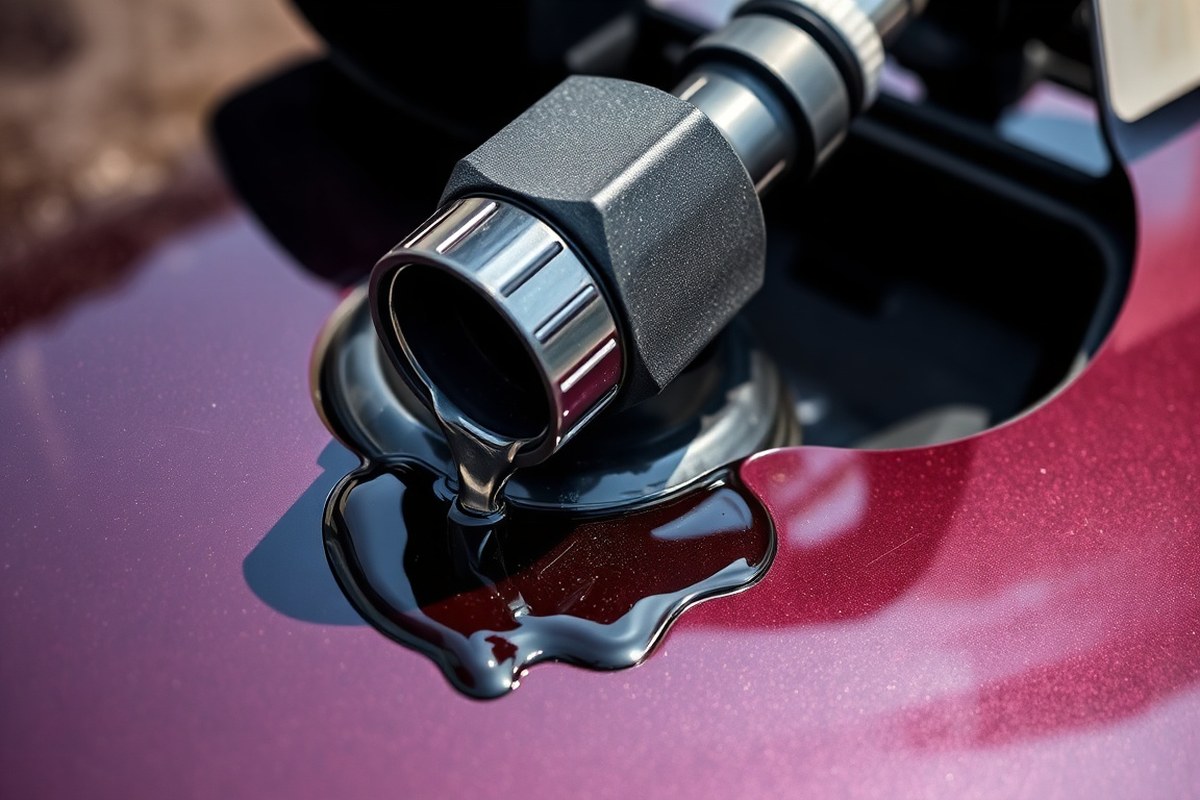
Does Gas Ruin Car Paint? A Complete Guide for Protection and Repair
Yes, gasoline can damage your car’s paint if left too long. It starts dissolving wax and sealants right away and may leave stains if not cleaned quickly. Even small spills weaken the protective layers, exposing the paint underneath.
Wipe off gas spills within 2 to 5 minutes using car wash soap. Clean gently without rubbing hard to avoid scratching the paint. Quick cleaning stops the damage from getting worse.
Gasoline breaks down your car’s clear coat and protective layers. This can cause dull spots or discoloration if the gas stays on the paint. Acting fast preserves your car’s look and finish.
After cleaning, rinse the area with water to remove residue. Avoid harsh household cleaners, as they can strip protection from the paint. Basic care helps keep your car’s paint in good shape.
Key Takeaways
- Wipe off gasoline spills on car paint within 5 minutes to prevent damage.
- Use car wash soap to clean gasoline spots safely and avoid harsh scrubbing.
- Gasoline removes wax and sealants immediately upon contact with paint.
- Letting gas sit for over 30 minutes risks dissolving and staining paint.
- Ethanol fuels like E85 are more corrosive and damage paint faster.
- Clean gasoline spots quickly. Doing this within an hour stops most stains. It’s very effective.
Does Gasoline Actually Damage Car Paint?
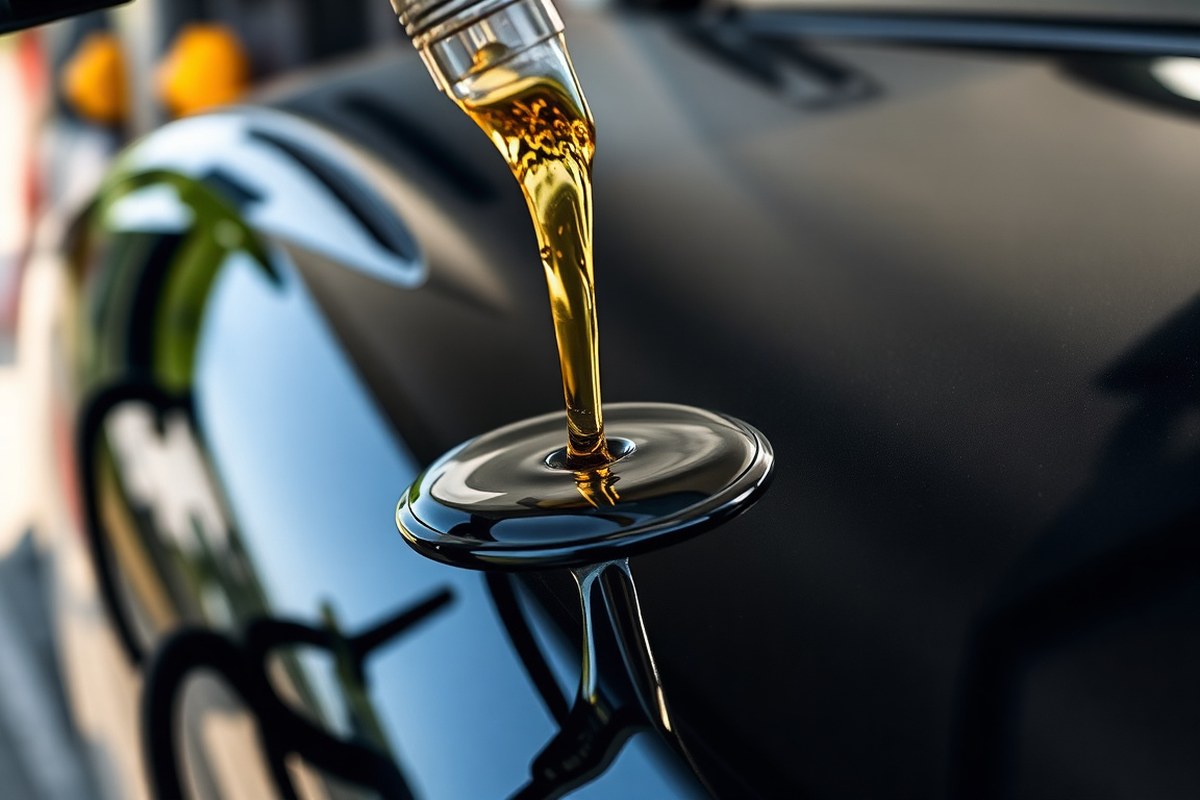
Gasoline can damage your car’s paint, but it won’t happen instantly. Gasoline has chemicals like benzene and toluene in it. These chemicals can dissolve your car’s clear coat.
They start to damage the paint if left on too long. This protective layer keeps your paint safe. So once it’s gone, the paint can stain or etch.
A quick cleanup stops most damage from gasoline spills. Rinse the area immediately with water, then wash with a mild car soap. Dry it gently with a soft cloth to avoid scratches.
Cleaning up fuel spills usually just takes your time. It doesn’t often cost money. Removing chemicals fast keeps your paint safe from damage.
A single spill that you clean fast is unlikely to ruin your car’s paint. Problems start when gasoline sits there for hours or days. Notice a dull spot or stain later?
Have a professional check it out. They can check the clear coat and suggest repair options like polishing.
How Quickly Does Gasoline Damage Car Paint? A Damage Timeline
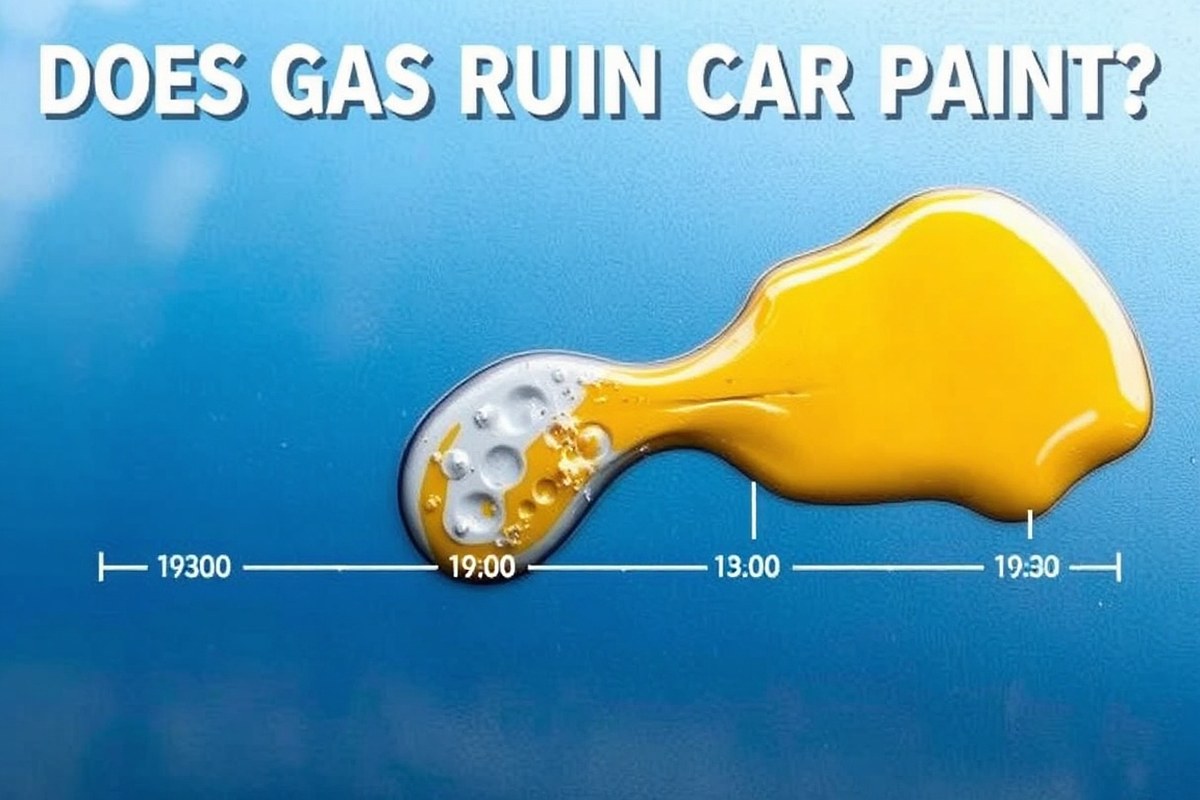
Gasoline begins to damage car paint within minutes of contact. The clear coat can start softening and fading in as little as 5 to 15 minutes.
Gasoline left on your car longer causes more damage. This can lead to peeling paint and rust below the surface.
Gasoline spills on your car’s paint cause problems fast. It eats through protective paint layers when left too long. Clean it quickly to avoid damage.
Over a few hours, the paint can discolor, swell, or lose gloss. Leaving gas on your car for several hours increases the chance of permanent etching or peeling.
| Substance | Visible Damage Time | Long-Term Risk |
|---|---|---|
| Gasoline | 5-15 minutes | High (peeling, fading, rust) |
| Bird Droppings | 1-2 hours | Medium (staining, etching) |
| Tree Sap | Several hours | Medium (hard to remove, discoloration) |
| Water | None | Low |
The quick damage to paint from gasoline happens because it breaks down the clear coat. This softening creates spots that look dull or swollen. Wiping gasoline spills right away can stop serious damage.
Quick action protects your paint and prevents stains. Waiting longer lets the chemicals soak in, causing lasting discoloration or paint loss.
Long-term exposure to fuel causes the paint to lose colour and peel. The surface can develop bubbling or lift, showing bare metal underneath.
This leads to rust if you don’t fix it fast. Even small spills that bake in the sun can ruin your car’s finish over time.
Wipe gasoline spills from your car right away. Use a mild soap and water mix. This helps protect your paint from harm.
Why Gasoline Harms Car Paint: Chemical Effects Explained
Gasoline’s Solvents Attack Paint Layers
Gasoline contains petroleum distillates that act as strong solvents. These solvents penetrate and dissolve the wax and clear coat on your car’s paint. Without these protective layers, the paint color underneath can fade or discolor quickly.
The clear coat protects the actual paint from sunlight, dirt, and moisture. When gasoline dissolves this layer, the paint loses its shield and becomes vulnerable to damage. This process often starts just minutes after gasoline spills on the car.
How Gasoline Breaks Down Wax and Clear Coat
The wax on your car’s paint is the first barrier gasoline attacks. Gasoline molecules break down wax molecules by mixing with and dissolving them. Removing this wax makes your paint dry and more exposed to harm from sunlight and contaminants.
Clear coat is made of tough polymers. But gasoline’s hydrocarbons soften and weaken these over time.
The chemical reaction can cause the clear coat to peel, crack or lose its shine. Warm temperatures speed up this damage because the clear coat softens in heat.
The Role of Ethanol in Gasoline Damage
Many fuels today contain ethanol, a type of alcohol added for cleaner burning. Ethanol is more aggressive toward car paint than pure gasoline. It can attract moisture and speed up the breakdown of protective layers on your car.
Gasoline with higher ethanol blends may dissolve wax and clear coat faster. This makes spills with ethanol-blended gasoline more damaging, especially if left unwashed. Quick removal is even more important with these fuels to limit harm.
Why Immediate Cleanup Helps Prevent Paint Damage
Gasoline evaporates quickly, but it may leave harmful residue behind. This residue continues to attack and stain the paint. Washing off spills quickly stops more gasoline from soaking in.
Use water and gentle soap to neutralize solvents. Avoid scrubbing hard since softened clear coat can scratch easily. Removing gasoline quickly helps keep your wax and clear coat intact for longer.
Protective Coatings Resist Gasoline’s Effects
Wax alone provides some gas resistance. But it burns off faster when exposed to solvents.
Ceramic coatings offer a stronger shield against gasoline’s chemicals. These coatings bind tightly to clear coat and resist solvent penetration.
Applying ceramic coatings costs around $500 to $1,000 but can last years. They greatly reduce the risk of gasoline damage and keep your paint glossy. For cars often exposed to fuel spills, these coatings provide the best protection.
How to Clean Gasoline Off Car Paint Safely and Effectively
Cleaning gasoline off your car paint quickly is key to stopping damage. Avoid just wiping with a paper towel from the gas station. Use gentle cleaning materials and a clear step-by-step method to protect the paint.
Gather the Right Cleaning Materials
You need soft, lint-free cloths or microfiber towels to avoid scratching. Use a mild car wash soap designed for auto paint.
Have a bucket of warm water ready. But never pour water directly on the spill.
Also, get a spray bottle to apply the soap solution gently. Avoid household detergents or chemicals that can strip wax or harm the finish. Keep disposable gloves on hand to protect your skin from gasoline.
Emergency Spill Cleanup Procedure
Follow these steps immediately after a gasoline spill to reduce paint damage. The goal is to blot, then clean without spreading fuel or damaging the coat.
- Put on disposable gloves to protect your hands.
- Use a dry microfiber towel to gently blot the gasoline spill. Do not rub or wipe as this spreads the fuel.
- Mix a small amount of mild car wash soap with warm water in a bucket.
- Dampen a clean microfiber cloth with the soapy water. Wring out excess water carefully.
- Blot the affected paint area gently with the damp cloth to dissolve gasoline.
- Use a fresh dry microfiber towel to softly pat the area dry immediately.
- Repeat the wet blotting and drying steps once or twice more within 10 minutes.
- Leave the area in shade and avoid direct sunlight until fully dry to prevent heat reactions.
Post-Cleanup Care and Wax Reapplication
After cleaning, inspect the paint for dull or sticky spots. If the paint looks faded, apply a quality car wax to restore shine and add a protective layer.
Waxing usually costs $15 to $30 for DIY kits and lasts around 4 to 6 weeks. This step seals the paint against future gasoline splashes and reduces damage risks. Avoid skipping wax after a spill because bare paint is more vulnerable.
Which Car Paint Types Are More Vulnerable to Gasoline Damage?
Some car paint finishes show more vulnerability to gasoline spills than others. Older paint jobs or those with thin or poorly maintained clear coats often suffer more damage. These finishes lack strong protection, allowing gasoline’s chemicals to interact with and weaken the paint layers.
Clear coats are the top protective layer on most modern cars. Gasoline can soften or dull these clear coats quickly if not cleaned off.
The base paint under the clear coat may not show immediate signs of damage. But once the clear coat degrades, the base paint becomes exposed and more prone to harm.
Light and dark-colored cars can react differently to gasoline stains. Darker paints may change color when gasoline sits on them. You might see dull or blotchy patches right away.
These spots stand out a lot on dark surfaces. Light-colored paints might hide stains better initially.
But they can still weaken and lose gloss over time. In both cases, quick removal within 2 to 5 minutes helps prevent staining and long-term damage.
Newer paint finishes with thick, well-cured clear coats offer better resistance against gasoline spills. They usually require strong solvents or abrasives to harm the surface.
Older cars or those exposed to constant sun and weather have thinner, more brittle clear coats. Gasoline can penetrate these layers faster, causing bubbling or peeling if left too long.
Protection depends a lot on maintenance. Regular waxing or sealing strengthens the clear coat and helps gasoline bead and roll off easier. Without this layer of protection, gasoline soaks into the paint layers more deeply.
Fixing this can cost hundreds and take several days. The damage must be deep, reaching base paint or primer. This makes the repair more complex and pricey.
Always wash off gasoline spills right away, within five minutes at most, to avoid lasting damage.
Protecting Your Car Paint from Gasoline: Wax, Sealants, and Ceramic Coatings Compared
Wax, paint sealants, and ceramic coatings protect your car’s paint. They act as barriers against gasoline spills. This helps keep your paint safe.
Wax is the cheapest but also the least resistant to fuel. Ceramic coatings cost more but offer the best chemical resistance and last much longer. Paint sealants provide a middle ground on cost and protection.
| Protection Type | Resistance to Gasoline | Durability | Application Cost/Effort |
|---|---|---|---|
| Carnauba Wax | Low (dissolves quickly) | 4-6 weeks | Low |
| Paint Sealant | Medium (resists for a short time) | 4-6 months | Low to Medium |
| Ceramic Coating | High (repels fuel effectively) | 2-5+ years | High (Professional install recommended) |
Wax wears off quickly if exposed to gasoline. So you need to reapply it often.
After cleaning up gas spills, you should re-wax your car to restore protection. Paint sealants last longer than wax but still require reapplication every few months to stay effective.
A professional ceramic coating lasts for several years and strongly repels gasoline. Applying it yourself can be tricky and might reduce its effectiveness.
Many car owners find extra cost and effort worth it. This protection lasts much longer and guards paint better.
Common Mistakes That Cause Gasoline Paint Damage and How to Avoid Them
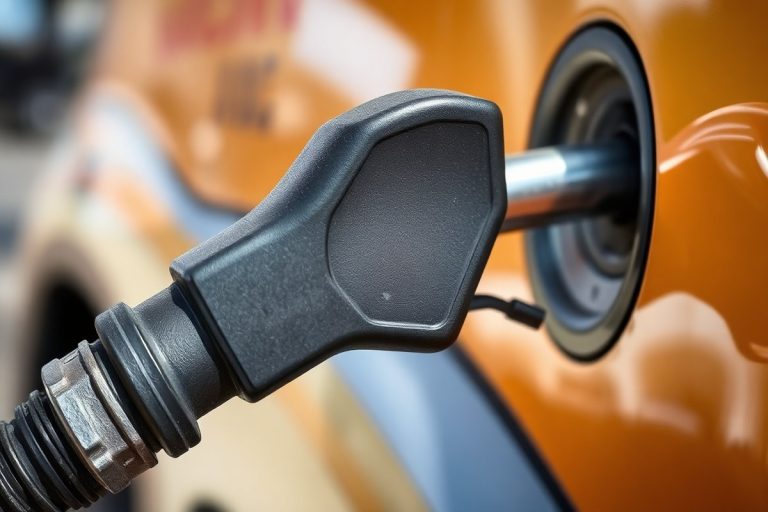
Spilling gasoline on your car’s paint is more common than you might think. Pouring fuel too quickly or overfilling the tank often causes drips. Wiping spills without the right materials can make damage worse by spreading gasoline onto more paint.
Some mistakes happen because you think quick cleanup is best. But using harsh rags or scrubbing can remove the paint’s protective layers. Leaving gasoline to sit too long lets the chemicals eat into the surface, so timing matters.
- Don’t rush filling, stop before the pump clicks off automatically.
- Avoid holding the nozzle over painted areas to prevent drips.
- Use a clean microfiber cloth to gently blot any spills immediately.
- Never wipe spilled gas with rough cloths or paper towels.
- After blotting, wash the spot promptly with soapy water.
- If gas sits on the paint, clean within 15 minutes for best protection.
Not waiting even a short time to clean can cause deeper paint damage. Using soap and water safely removes gasoline without stripping wax or sealants.
Car paint repair can cost hundreds of dollars. So taking these steps saves money and time.
These tips fit almost every car owner and paint type. Some older paint may be more fragile, so use extra care. Avoiding spills and gentle cleanup keeps your paint looking good for years without costly fixes.
When to Call a Professional for Gasoline Damage Repair
Small gasoline spills can often be cleaned at home without lasting harm. Use plenty of water and mild soap right away to rinse the area. Catch the spill early so you can avoid costly paint damage.
Call a professional if the paint shows bubbling, peeling, or discoloration. These signs mean the gasoline has eaten into the clear coat or paint layers. Professionals spot damage that a regular wash can’t fix and prevent it from worsening.
Pro body shops use paint correction techniques to restore damaged car paint. They may start by wet sanding to remove the top damaged layer carefully. Then, experts polish the area to smooth the surface and restore shine.
For deep damage, repainting the affected panels may be necessary. Professionals match the original paint color and clear coat. The process usually takes a few days.
It costs several hundred dollars. The exact cost depends on your car and paint type.
Trying advanced repair at home risks making the damage worse. Abrasive compounds can scratch delicate paint, and improper buffing can cause burning marks. A professional has the right tools, materials, and experience to get good results safely.
Act immediately to rinse off gasoline and avoid prolonged exposure. Waiting too long makes repairs more expensive and difficult.
Removing Gasoline Odor and Residue from Your Car’s Exterior
Use mild detergents and microfiber cloths to remove gasoline smells. Clean your car’s exterior carefully to get rid of residue. These safely remove leftover fuel without harming the paint.
Apply odor neutralizers if the smell does not go away. Rinse your car well to prevent stains and water spots.
Use Mild Detergents to Remove Residue
Gasoline leaves behind residue that can damage paint if left on. Use a mild soap made for car washing to avoid stripping protective wax or sealants. A microfiber cloth helps lift fuel residue gently without scratching the surface.
Strong cleaners or household soaps may cause stains or dull your paint. Always choose a product designed for automotive finishes and mix it with water for safe cleaning. Here’s how to remove gasoline residue step by step:
- Mix mild car soap with lukewarm water in a bucket.
- Dip a clean microfiber cloth in the solution, wring it out well.
- Gently wipe the affected area to lift gasoline residue.
- Rinse the cloth often and repeat wiping to remove all traces.
- Use a second cloth with plain water to rinse off soap.
- Check for any sticky or stained patches and repeat if needed.
Apply Odor Neutralizers Safely
Gasoline odors can stick even after washing. Some car care sprays neutralize smell without damaging paint. Choose an upholstery or automotive freshener labeled safe for exterior use.
Do not apply household fresheners or strong chemicals directly on paint. Instead, spray lightly and wipe off with a clean cloth to avoid residue buildup.
Open the car doors or windows to help air out lingering smell. Avoid heavy sprays that may cause more stains or attract dirt.
Rinse and Dry Thoroughly
Rinsing thoroughly is key to avoid leftover soap or fuel residue. Use clean water to wash off all detergent and neutralizers from the surface. Missed spots can cause water spots or paint damage.
Never allow your car to air dry after cleaning. Instead, dry with a soft microfiber towel to prevent mineral deposits and streaks. Drying by hand also helps spot areas that may need more cleaning.
After drying, inspect the paint under natural light for any remaining stains or odor. Repeat cleaning if needed before applying wax or sealant for protection.
Step-by-Step Action Plan for Protecting Your Car Paint from Gasoline
Follow this plan to protect your car’s paint from gasoline. Stop gas spills from ruining the paint. Learn how to tell when you’ve done it right.
- Immediately after spill: Rinse off gasoline with water to dilute it fast. Check if no oily residue remains.
- Within 30 minutes: Clean area with mild soap and water to remove leftover fuel. The paint should look clean, not dull.
- Within 1 hour: Apply a quick layer of wax or sealant to protect the cleaned surface. The area will have a slight shine.
- Weekly: Wash your car regularly to remove any unnoticed fuel traces. The paint stays smooth and vibrant.
- Monthly: Apply a fresh coat of wax or sealant to strengthen the paint’s defense. The surface feels slick to touch.
- Every 6 months: Consider a professional ceramic coating for long-lasting protection. This step especially helps if your car often refuels outdoors.
- After heavy spills or damage: Contact a paint professional if you spot fading or peeling paint. Early repairs prevent bigger fixes later.
Frequently Asked Questions
How Long Does It Take for Gas to Damage Car Paint After?
Gasoline can start damaging car paint within minutes if left on the surface. You should wipe it off within 2 to 5 minutes to avoid etching and stains. Quick cleaning helps protect both wax layers and the paint underneath.
Is It Bad If Gasoline Gets on Car Paint?
Yes, gasoline is bad for car paint because it dissolves protective wax fast. Though damage isn’t instant, gas can etch and stain the paint if it sits too long. Always rinse or wash your car quickly after a spill.
Will Gas Take Paint Off a Car?
Gasoline can strip away the wax layer quickly. But it usually won’t remove paint instantly.
If it stays too long, it can etch through the clear coat, causing more serious damage. Repairing clear coat damage often needs professional work.
Will DEF Fluid Ruin Paint?
DEF fluid generally does not ruin car paint like gasoline does. It’s less corrosive.
But still can harm paint if left on the surface for long periods. Clean any DEF spills off quickly to avoid damage or stains.
Will Gasoline Damage Your Vehicles Paint Finish?
Gasoline can damage your vehicle’s paint finish, especially the clear coat. The damage happens slowly after the gas breaks down the protective layers. Immediate cleaning prevents most harm and keeps the paint looking good.
The Bottom Line
Gasoline can harm your car’s paint, especially if left too long. Acting fast and protecting the paint prevents lasting damage. Clean spills right away and use wax or coating to keep your car looking good.