Fuel Smell When Starting Car: 9 Key Reasons and How to Fix Them
Fuel smell when starting car usually means fuel vapors are escaping somewhere. It often points to a leak around the fuel system or engine area. Fixing it quickly helps avoid fire risks and keeps your car running cleanly.
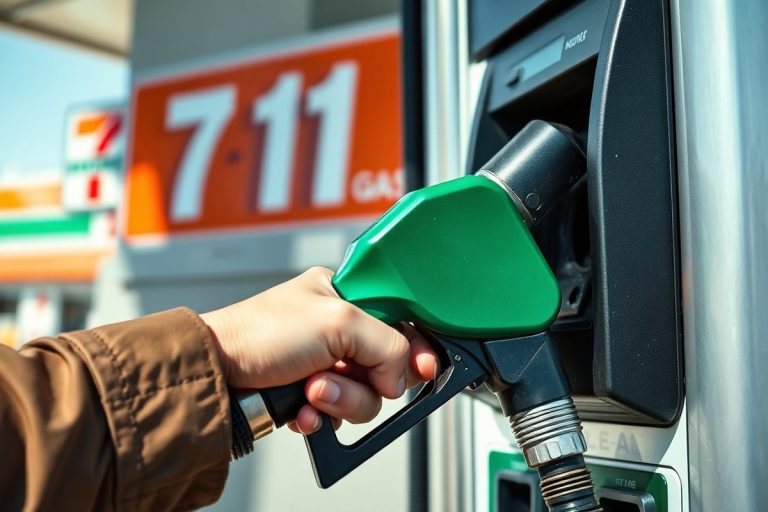
Check first for simple causes like recently spilled fuel when you filled up. Those drops can easily cause the smell and evaporate in a few minutes. Look around the gas cap and fuel tank for obvious drips or wet spots.
If the smell lingers or gets stronger, inspect fuel lines, injectors, or other components for cracks or leaks. A cracked hose or loose spark plug can let fuel escape. These issues need a professional check right away to keep you safe on the road.
Key Takeaways
- Fuel vapors escaping cause the fuel smell when starting your car.
- Spilled fuel after refilling is a common temporary cause of fuel smells.
- Check the gas cap area and fuel tank for drips or wet spots first.
- Inspect fuel lines and hoses for cracks or brittle spots every 15,000 miles.
- Loose spark plugs can leak fuel vapors and cause a gas smell.
- A gas smell that fades after starting often means minor fuel evaporation.
1. Why Does My Car Smell Like Fuel When Starting?

You smell fuel when starting your car mainly because fuel vapors escape. This happens if there’s a leak near the engine or fuel lines. At startup, the system pressure changes quickly, pushing vapors out before sealing fully.
Fuel smell right after you start is sometimes normal, especially in cold weather. Engines run on a richer fuel mix to warm up fast. This means extra fuel vapor floats in the air.
That causes the smell you notice. You might notice the smell outside the car for just a few seconds before it fades.
Temperature affects this because cold air slows fuel evaporation and engine warming. When the engine is cold, more fuel is sprayed in to keep it running smoothly.
This creates a temporary burst of fuel vapor. So the smell is stronger on chilly mornings and disappears once the engine warms up.
Leaks make the fuel smell worse and last longer. A loose gas cap lets vapors escape with no restrictions. Checking the gas cap tightness is a quick step.
Small cracks in fuel lines can leak raw fuel. Faulty injector seals also let fuel escape. These make the smell stronger under the hood or in the cabin.
The smell going away fast suggests less danger. A smooth engine idle also reduces risk. But consistent or strong fuel odors could mean a fuel system problem.
Finding leaks early usually costs less than $100. Repairs include replacing a gas cap or seal.
These simple fixes stop the fuel smell. Ignoring them could lead to engine problems or fire hazards.
2. Common Fuel System Components That Cause Gas Odors
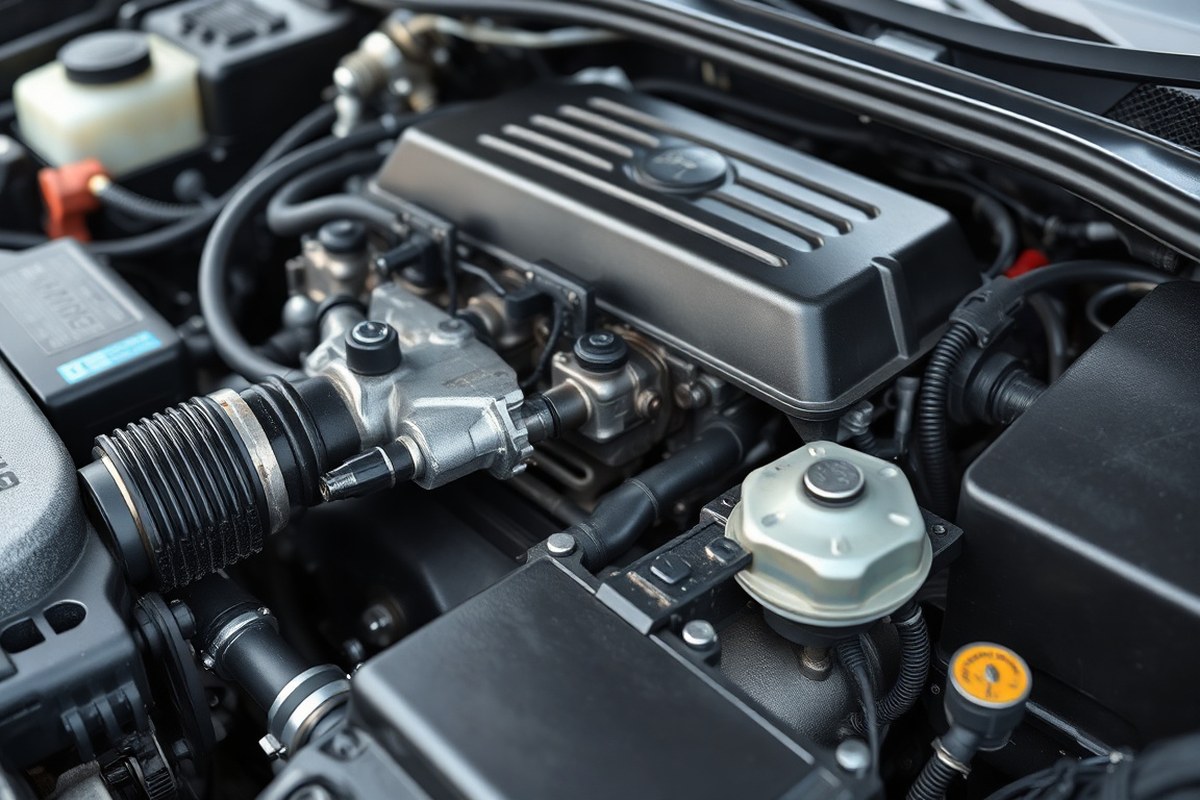
Fuel smells often come from key fuel system parts that leak. These parts might also release fumes into the air. Such leaks cause that gas smell you notice.
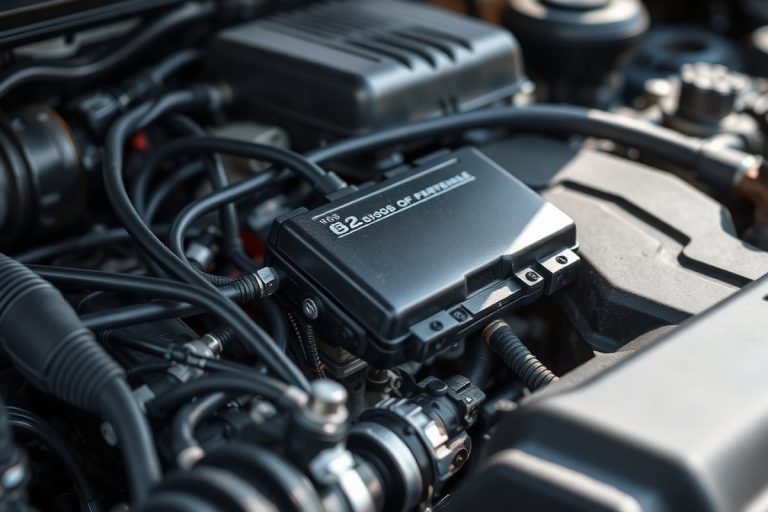
The charcoal canister, part of the EVAP system, plays a big role in trapping gasoline vapors. Fuel injectors, fuel lines, and the fuel tank often cause gas odors.
They usually fail by leaking or letting fumes escape. These are common spots for fuel smells.
Fuel Injectors and Fuel Lines Leakage
Fuel injectors spray gasoline into the engine. When injectors or lines fail, fuel can spray or leak wrongly. This causes a fuel smell and can be unsafe.
Fuel lines carry gasoline from the tank to the engine. Cracks or loose connections here can let fuel seep out. Both issues cause the raw fuel smell inside or around your car.
Leaking injectors or lines make a strong gasoline smell near the engine. You may also smell gas under the car where the leak is.
You’ll sometimes see wet spots or fuel stains. Repairs may cost between $150 to $600, depending on whether injectors or lines need replacement.
The Charcoal Canister and Its Role
The charcoal canister is part of the EVAP system. The EVAP canister stores fuel vapors to keep them from escaping. It stops gas fumes from leaking out into the air.
The engine burns these vapors when running under certain conditions. The canister releases vapors so the engine uses them up.
When the canister cracks or fails, it loses its ability to hold vapors. This causes fuel smells since fumes escape the system.
Excess fuel fumes escape, causing a noticeable gas smell, especially on startup. Replacing a charcoal canister typically costs between $100 and $300, including parts and labor.
Common EVAP System Failures Causing Odors
The EVAP system stops fuel vapors from leaking by sealing and trapping them. Common parts that fail include the charcoal canister, vapor lines, purge valve, and vent valve. Damage or leaks here let gas fumes escape and cause the smell you notice.
For example, vapor lines can crack from heat or age. A faulty purge valve may stay open and release fuel vapors overnight. Fixes vary by component but can start around $50 for simple valve replacements.
Other Fuel System Parts to Check
Leaks often come from the gas cap, fuel tank, or EVAP parts. These spots allow fuel or fumes to escape, causing a smell. A loose or worn gas cap allows vapors to escape and smells to enter the cabin.
Fuel tanks can get cracks or rust holes that leak fuel. These leaks cause a gas smell inside and outside the car.
Replacing a gas cap is cheap and quick, costing $10 to $30. Fixing or replacing a fuel tank costs $400 to $1,200 or more. The price depends on damage extent and the vehicle’s type.
- Leaking fuel injectors spray fuel incorrectly or leak visibly
- Fuel lines crack or separate, causing fuel to drip or evaporate
- A cracked charcoal canister releases stored fumes outside the system
- EVAP components like purge and vent valves can fail or stick open
- Loose or damaged gas caps allow gasoline vapors inside the car
- Rust or damage to the fuel tank causes fuel leaks and odor
Check your gas cap first if you smell fuel. It’s a common fix that costs little time or money. Tightening or replacing it often stops the smell right away.
3. How to Do a Basic Visual and Smell Inspection for Fuel Leaks
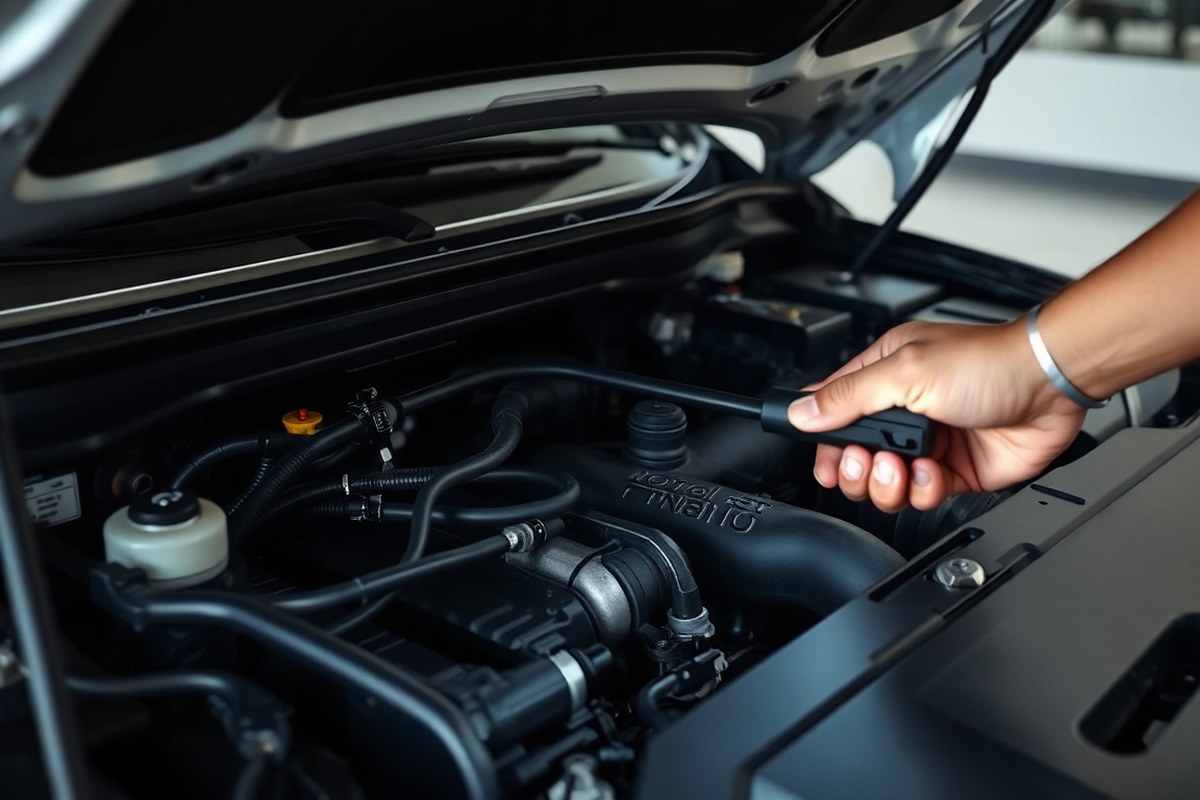
Start by inspecting the obvious places where fuel can leak. Pay close attention to the gas cap, fuel lines, injectors, and EVAP parts. Follow these steps carefully, and always do this outside or in a well-ventilated area.
Check Around Gas Cap and Filler Neck
Remove the gas cap and check the rubber seal for cracks and dirt. A poor seal lets fuel vapors escape, causing the smell.
Look inside the filler neck for rust, dents, or debris that could block the seal. This can cause leaks or hissing sounds when you open or close the cap.
Inspect Fuel Lines and Injectors for Wetness
Fuel lines and injectors often show leaks as wet spots or stains. Look under the car and near the engine for these spots.
Wet areas that smell strongly like gasoline are a sign of leaking fuel. Check connections for tightness to avoid loose fittings.
Look for Signs of Cracks or Damage on Hoses
Fuel and EVAP hoses soften or crack as they age, usually after about 15,000 miles. Feel hoses for brittleness or sticky spots.
Also, check hose clamps and connectors. Loose or missing clamps can cause leaks and vapors to escape.
Scan EVAP Canister and Purge Valve Area
Find the EVAP canister, usually near the fuel tank. Look for cracks or damage that lets vapors leak.
Check the purge valve and vent valve for stuck or broken parts. These valves can cause a strong fuel smell if they don’t close properly.
Examine Under the Hood and Near Fuel Tank
Inspect the fuel tank surface and filler valve for damage or rust. Fuel leaks there can cause strong odors at the rear.
Look for drips or puddles under the car after it sits. A fresh leak usually leaves damp spots with a strong gas smell.
- Park the car on a flat surface outside and ensure the engine is cool.
- Remove the gas cap and inspect the seal for cracks or dirt.
- Look inside the filler neck for rust, dents, or debris.
- Visually inspect fuel lines and injectors for wetness or stains.
- Check fuel and EVAP hoses for cracks, brittleness, or loose clamps.
- Find and check the EVAP canister, purge valve, and vent valve for damage.
- Look around the fuel tank and filler valve for corrosion or leaks.
- Clean up any spilled fuel immediately using absorbent materials like kitty litter.
Use disposable gloves when handling fuel or cleaning spills. Do not wipe with cloths that can cause static sparks. Avoid smoking and keep sparks away when checking for fuel leaks.
Spilled fuel on your skin or clothes can cause irritation. Wash your hands well after the inspection to remove any residue.
Check fuel system parts every 15,000 miles. Do this more often if you smell gas.
Also check if you see wet spots. Regular inspection helps catch leaks before they become dangerous or costly.
4. Understanding the EVAP System’s Role in Fuel Smells
The EVAP system stops fuel vapors from escaping into the air. It traps vapors from the gas tank inside a charcoal canister. Then, the engine burns those vapors later to reduce pollution.
This system has parts like the charcoal canister, the purge valve, and the vent valve. The charcoal canister holds fuel vapors until the engine runs. The purge valve opens to let vapors flow into the engine to burn.
When the purge valve sticks open, your engine pulls in too many vapors. That extra fuel vapor causes a strong gas smell and can make the engine run rough.
You might notice a fuel smell right when you start your car. This happens before the engine warms up.
A faulty charcoal canister can also leak vapors out too soon. That leaks raw fuel smell into your garage or driveway. Usually, replacing the charcoal canister costs between $200 and $500, depending on the car model.
Checking the purge valve means testing if it opens and closes properly. Sometimes it sticks open because of dirt or wear.
A stuck-open valve lets fuel vapors out. Your engine may run unevenly at start.
Fixing this usually involves swapping out the purge valve. A new one costs about $50 to $100 in parts. A mechanic might listen for clicking from the valve.
They check this while the engine runs. No click can mean the valve is stuck closed or open.
Sometimes a loose gas cap lets vapors escape. This can cause a fuel smell too.
Tightening or changing the gas cap costs between $15 and $50. This often fixes EVAP system fuel smells.
5. When Fuel Injectors or Lines Leak: Signs and Safety Risks
Fuel injectors spray gasoline directly into the engine’s cylinders for combustion. An injector leak lets fuel drip or spray where it shouldn’t.
This causes a strong fuel smell around your car. Leaking injectors often make the smell worst when starting the car because more fuel flows then.
Fuel leaks can happen at the injectors, fuel rail, or lines that carry gas under pressure. The fuel rail is a metal pipe that feeds the injectors. Any cracks or loose fittings can release fuel.
Fuel lines run from the tank to the engine. Damage from road debris or aging can cause leaks that you might see or smell.
A fuel leak near the engine may make the smell strongest under the hood. Look for shiny, wet spots or fuel stains near the injectors and along the fuel rail. Under the car, puddles or drips of gasoline can show a line leak.
You might hear hissing near the fuel tank or lines. Bubbling sounds are common if there’s a pressurized leak. Both sounds mean fuel is escaping under pressure.
- Fuel smell sharper inside the cabin or under the hood
- Wet or shiny spots near injectors, fuel rail, or lines
- Fuel drips beneath the car after sitting or running
- Increased fuel consumption without more driving
- Hissing or bubbling sounds from the fuel system
- Strong fuel smell that worsens when the engine is cold
Driving with a fuel leak is risky because gasoline is highly flammable. The smell warns of fire hazards that can start from engine heat or sparks.
Inhaling fuel vapors also causes dizziness and nausea. Stop driving immediately if you smell strong fuel, see wet gas, or notice any smoke.
Never ignore a strong fuel smell or visible liquid; it signals danger. Have a mechanic check fuel leaks before continuing to drive.
Leaking injectors or lines can also affect engine performance, causing rough idling or misfires. The air-fuel mix changes when extra fuel enters the engine wrongly. This causes engine problems like rough running or more fuel smell.
The wrong mix happens from leaks or faulty injectors. Repair costs range widely based on the issue and part.
Injector seal fixes usually cost $100 to $300. Fuel line repairs tend to cost $150 to $500.
Testing for leaks includes a careful visual check and smelling near suspected areas. Always do this in a well-ventilated place with the engine cool. Use a flashlight to find small wet spots or drips.
Listen closely for unusual hissing noises while the engine runs briefly. Identifying the leak source helps avoid unnecessary part replacement and ensures proper repair.
6. Can Exhaust Leaks Mimic a Gasoline Smell at Startup?
Exhaust leaks can cause a smell like gasoline near the engine. This often happens under the car. The smell shows up especially close to leak spots.
This happens because unburned fuel and fumes escape through the leak, mixing with exhaust gases. The smell gets stronger when you start the car.
The engine runs richer at startup. It doesn’t burn all fuel yet.
Check where you smell the odor to find its source. The spot where you detect it matters. It helps distinguish exhaust leak from fuel leak.
A fuel leak often smells stronger near the gas tank, fuel lines, or injectors. Exhaust leaks cause a smoky smell like sulfur. You often smell it near the exhaust manifold.
It comes from under the car. Also, a fuel leak has a sharper, sweeter gasoline smell.
Look under the car for cracks or holes in pipes. Listen for unusual noises from the exhaust system. These signs show a leak.
Exhaust leaks often produce a ticking or hissing sound, especially at higher engine speeds. You can also check the ground where you park for fresh wet spots of fuel. No cracks?
The smell may still come from the exhaust. It might be a hidden leak in the system.
Oil that burns often gives off a smell like gasoline. When oil leaks, the exhaust fumes might have a similar scent.
Look at engine areas like the valve cover and oil pan for oil stains or drips. Fixing these leaks reduces bad smells from the exhaust and protects your engine.
To check an exhaust leak, a shop can help. They use smoke or pressure tests to find leaks. These tests locate leaks precisely.
Repairs usually cost between $100 and $400. Fuel system leak repairs vary more but cost more due to parts like lines or injectors. Avoid driving if you smell strong exhaust gases inside the cabin because carbon monoxide is dangerous.
Look for fuel puddles or engine misfires too. Trouble starting the engine can also signal fuel faults. These clues help find fuel system issues.
Exhaust leaks won’t usually cause these symptoms. If the smell is strong, turn off the engine. Open windows to air out the car.
Wait for a professional to inspect it. Differentiating both smells matters for safety and proper repair.
7. When Is It Safe to Drive with a Fuel Smell and When to Stop?
Driving your car with a gas smell at startup can be dangerous. A faint smell that quickly fades might mean the gas cap is loose.
Make sure the cap is tight, then check if the smell stops. Watch for the check engine light, as a bad or loose gas cap can cause it.
Stop driving when the fuel smell stays strong. Call a mechanic right away. Fuel puddles under your car need emergency attention too.
Persistent fuel odors usually mean a leak somewhere. Fuel leaks can start fires or cause vapour lock problems. Vapour lock can make your car tough to start and run.
These issues need fixing fast to keep you safe. Don’t ignore any smoke, overheating, or odd smells like rotten eggs.
Also, stop immediately if you feel unsafe driving. Warning signs include flashing dashboard lights, trouble steering, braking issues, or loss of control.
These are serious and need a professional’s quick look. Your safety matters more than getting anywhere fast.
A fuel smell with a check engine light means you should see a mechanic soon. Don’t delay because the problem could get worse. Getting it checked helps avoid bigger troubles.
It might mean your fuel injectors or system have problems. Increased fuel use and a rough engine might also be signs that the injectors need inspection. Fixing the issue early can save you costly repairs.
Older cars from the early 1980s sometimes smell like gas briefly after startup. That’s normal because of fuel in the carburetor.
But this should not last long or be very strong. For newer cars, any strong gas smell needs immediate attention to avoid hazards.
8. Typical Repair Costs and Common Fixes for Fuel Smells
Fuel smell at startup usually means a leak or a faulty part. Fixing it quickly helps avoid fire risks and engine trouble.
Some repairs are easy to do yourself. But others need a mechanic’s tools and know-how.
The table shows common causes of fuel smells and repair types. It lists estimated costs and if you can fix them yourself or call a pro.
| Cause | Repair Type | Estimated Cost | DIY or Mechanic |
|---|---|---|---|
| Loose or damaged gas cap | Tighten or replace cap | $10 – $30 | DIY |
| Faulty fuel injector | Injector cleaning or replacement | $100 – $300 | Mechanic |
| Cracked or leaking fuel line | Replace fuel line section | $150 – $400 | Mechanic |
| EVAP system leak (charcoal canister/valves) | Repair or replace components | $150 – $500 | Mechanic |
| Fuel filter clogged or damaged | Replace fuel filter | $50 – $150 | DIY or Mechanic |
| Fuel tank damage or rust | Tank repair or replacement | $500 – $1000+ | Mechanic |
Sometimes, a loose gas cap causes a quick fix. Unscrew the cap, check the seal, and tighten it until it clicks. Check the seal for cracks.
Buy a new cap at an auto parts store. Replace the old cap with the new one. This usually solves fuel smells that appear right after startup.
Other problems like fuel injectors or lines need more care. Fuel injectors require cleaning or replacement.
Leaks in lines must be fixed to avoid fire hazards. You should avoid driving if you suspect these until a mechanic checks it out.
Never ignore a strong gasoline smell. It could signal a dangerous fuel leak. You must fix it right away.
DIY fuel filter replacement is possible if you have basic tools and safety gear. Park your car on level ground. Release fuel pressure safely.
Replace the old filter using your vehicle’s manual instructions. This can reduce fuel odors if the filter is clogged.
Cold weather makes fuel smells more obvious. Starting your car gently and letting it warm can help.
But persistent odors mean a leak or faulty part. Regular maintenance, including checking the EVAP system and fuel lines, helps prevent these issues.
9. DIY Tips and Tools to Diagnose Fuel Smell Problems at Home
To diagnose a fuel smell at home safely, gather some simple tools and follow key tests. Checking the fuel pressure and inspecting spark plugs can reveal leaks or fuel flow issues. Check the gas cap for tightness.
Loose caps often cause fuel smells. Make sure it’s snug to stop odors near startup.
Essential Tools for Fuel Smell Diagnosis
Few tools are needed to do a basic fuel smell diagnosis. A fuel pressure gauge, basic hand tools, and safety gear will cover most tasks. A fuel pressure tester fits onto the fuel rail test port to measure system pressure precisely.
Besides pressure tools, keep these handy for quick inspections and fixes:
- Fuel pressure gauge for checking system pressure
- Socket set and screwdrivers for spark plug and gas cap access
- Gloves and goggles to protect from fuel spills
- A flashlight for inspecting dark engine areas
- Rags for wiping spills and cleaning parts
- Cleaning brush or compressed air for spark plug cleaning
These tools usually cost under $50 each, with fuel pressure gauges around $30 to $60. Most hardware and automotive stores carry them.
How to Perform a Fuel Pressure Check
Find the fuel rail test fitting first. It usually has a Schrader valve. Look near the injectors to locate it.
Attach the fuel pressure gauge tightly to avoid leaks. Turn the ignition key on without starting the engine to pressurize the system.
Write down the pressure reading carefully. Check your vehicle manual or online for specs. Compare the two numbers to spot issues.
Typical fuel rail pressure runs between 30 and 60 psi for many cars. A static reading well below this range suggests leaks or a bad fuel pump.
Look for pressure drops by watching the gauge for a few minutes. A quick drop means a possible leak in injectors or connections. Always wear gloves and keep sparks away while testing.
How to Inspect Spark Plugs for Fuel Odors
Remove spark plugs using a proper socket and a ratchet. Check each plug’s tip for dark, wet deposits, which can signal rich fuel or incomplete combustion. A strong fuel smell around plugs often indicates faulty ignition or injector leaks.
Cleaning or replacing worn plugs usually costs about $10 to $15 each. Plugs that are black and soggy need replacing. Swap them out.
Then, watch if the fuel smell gets better. Tighten plugs to manufacturer torque specs to avoid leaks around them.
Also, inspect plug wires or boots for cracks that can leak fuel vapors. Moist or oily residue near plugs often points to injector leaks or fuel pooling.
Checking and Tightening the Gas Cap
The gas cap is a common source of fuel odors and easy to fix. Check it for cracks, damaged seals, or dirt that prevents proper sealing. Give the cap a firm twist until it clicks several times to ensure a tight seal.
Replacing a faulty gas cap costs around $10 to $20 and takes just a few minutes. You can test a bad gas cap by running the engine after refueling. Tightening or swapping caps can reduce fuel smells.
If the odor fades, that likely fixed it. Keep an eye out for return of smell.
Tighten the gas cap well after filling the tank. This keeps fumes from escaping. It helps stop fuel odors inside or around the car.
Noting Symptoms and Logging Observations
Write down when the fuel smell appears, how strong it is, and where it’s coming from. Note if smells occur after refueling, on start-up, or while driving. These details help pinpoint whether it’s a gas cap, injector, or pump problem.
Include any dashboard warnings, engine misfires, or puddles under your car in your log. Constant or growing fuel smells call for a mechanic.
Don’t ignore if you can’t find the cause. Get a professional check-up soon.
Keep a dated record of tests done and parts replaced. This helps track what’s worked and what remains to diagnose correctly.
Step-by-Step Action Plan to Handle Fuel Smell When Starting Your Car
Follow these steps to identify and fix the fuel smell quickly. This plan helps you stay safe and get your car running right.
- Before you start: Park your car outside or in a well-ventilated area. Check for any obvious wet spots or fuel puddles under the car.
- Day 1: Do a visual and smell inspection around the fuel tank, fuel lines, and injectors. Note any strong fuel smell or leaks to decide your next move.
- Day 2: Inspect the EVAP canister and hoses for cracks or damage. Replace parts if you see cracks or loose fittings.
- Day 3: Start the engine and check if the smell appears when turning the key. Yes? Then focus on checking fuel injectors and fuel lines closely.
- Day 4: Look under the hood for any signs of exhaust leaks near the manifold. A bad exhaust can mimic a fuel smell.
- Day 5: No leaks or damage found? Use a fuel pressure gauge. Or get a diagnostic scan to check sensors and pressure.
- After 1 week: Smell still there or worse? Stop driving now. Book a mechanic check immediately.
- After repair: Test drive your car and check for fuel smell. No strong gas odor means you fixed the problem.
Frequently Asked Questions
Why Does My Car Smell Like Fuel Only on Cold Starts?
The fuel smell on cold starts comes from richer fuel mixtures. These mixtures help warm up the engine more quickly. That’s why you notice the smell before the engine heats up.
This extra fuel makes vapors you can smell for a short time. The vapors fade as the engine warms up. Then fuel burns more cleanly and without smell.
Can a Bad Fuel Return Line Cause a Strong Gas Smell When Starting?
Yes, a damaged fuel return line can leak fuel, causing strong smells at startup. Check for wet spots or puddles near the engine or under the car after parking.
Does a Faulty Fuel Pressure Regulator Cause Fuel Smell at Startup?
A bad fuel pressure regulator can cause excess fuel flow and leaks, leading to gas smells. It usually results in rough running or stalling along with the odor.
Can a Clogged Charcoal Canister Cause a Fuel Smell When Starting the Car?
A clogged charcoal canister may not vent fuel vapors properly, creating a fuel smell at start. Inspect the EVAP system and canister for damage or blockages causing gas odors.
Why Do Some Cars Smell Like Fuel Inside After Refueling but Not During Driving?
Fuel vapors trapped in or around the fuel filler neck cause the smell immediately after refueling. The smell fades as the vapors dissipate and doesn’t usually mean a serious leak.
Final Thoughts
A fuel smell when starting your car is serious but usually fixable. Don’t ignore the warning signs because fuel leaks are dangerous. Start by checking your car carefully and get help if the smell stays strong.