How Long Does It Take for Tires to Dry Rot? Timeline and Prevention Tips
Tires usually start to show dry rot signs between 5 and 10 years. This depends on your local weather, storage, and driving frequency. In hot, dry areas, cracks can appear in just 3 to 5 years.
With normal use, tires can last up to 10 years. Driving regularly and maintaining them helps delay dry rot. Tires stored poorly or left unused may dry rot in 3 to 4 years.
Store your tires properly to slow dry rot. Check them often, especially in sunny or dry climates. Small cracks on the surface are early signs to watch for.
After around five years, have your tires inspected yearly. Proper care keeps them safe and lasting longer on the road.
Key Takeaways
- Tires usually show dry rot signs between 5 and 10 years of age.
- Hot, dry climates can cause dry rot in as little as 3 to 5 years.
- Unused tires stored poorly might dry rot within 3 to 4 years.
- Regular inspection after five years helps catch dry rot early.
- Look for cracks and weather checking as early signs of dry rot.
- Proper storage and use slow down dry rot development.
How Long Does It Typically Take for Tires to Dry Rot?
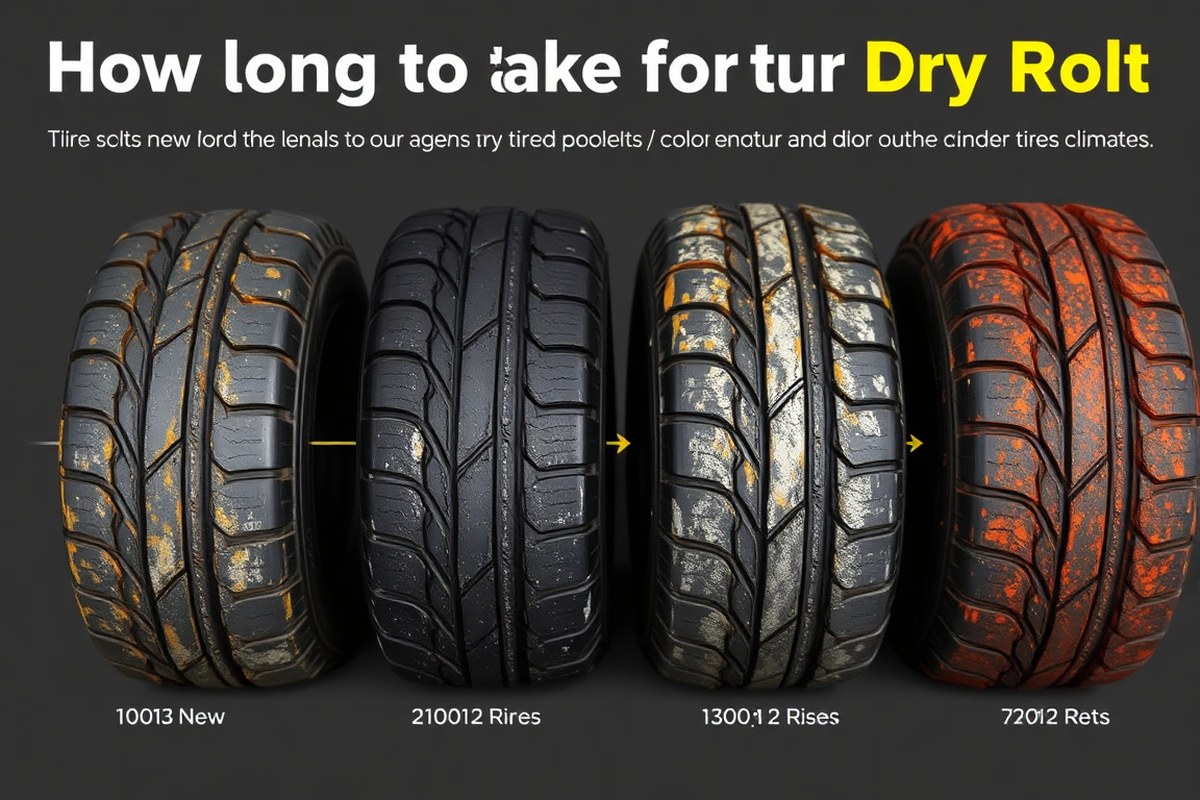
Tires typically start showing dry rot signs anytime between 3 and 10 years. This depends a lot on where you live and how you store or use them. For example, in hot, sunny places, dry rot can start within 3 to 5 years.
Those spots with intense sun and heat help wear out the rubber faster. In moderate climates, temperatures stay mild most times. Tires get regular use and care here.
Dry rot usually appears closer to 6 to 10 years. The slower breakdown comes from fewer harsh conditions and proper maintenance.
In humid or shady areas, tires might last longer without visible cracking. Humidity helps keep rubber flexible but also brings other issues like mold.
In these areas, dry rot signs take longer than 10 years. This happens unless tires sit unused for long periods.
How you store tires matters a lot in delaying dry rot. Tires left out in direct sunlight or on hot asphalt age quicker. Putting tires in a cool, dark, and dry garage can stretch their useful life by years.
Using your vehicle often also helps stretch tire life. Rolling tires on the road warms and flexes the rubber, which slows cracking. Tires left idle for months can dry out faster because they don’t get this flexible movement.
Tires can dry rot in 2 to 5 years under tough conditions. These include lots of sun, heat, or poor storage.
But with proper care, many tires last beyond 6 years without serious dry rot. Keep an eye on the tire’s age and condition to decide when to replace them.
What Environmental and Usage Factors Speed Up Tire Dry Rot?
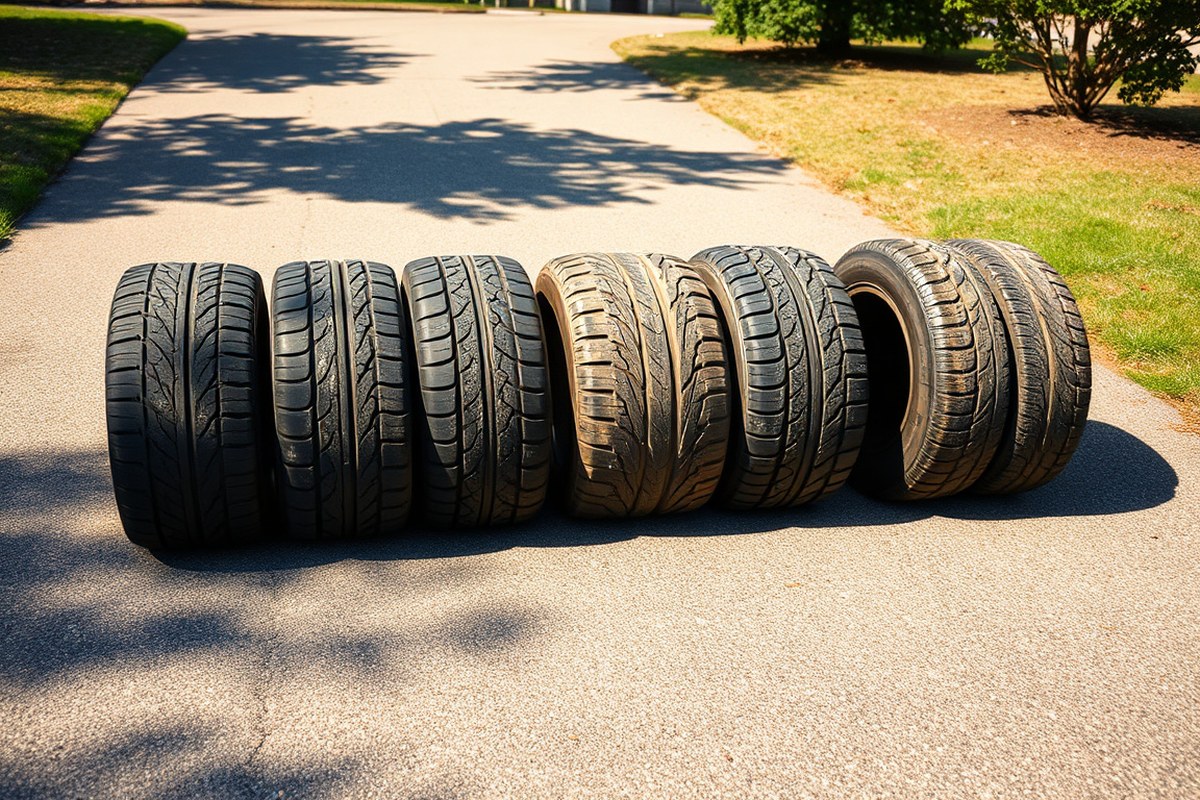
Tire dry rot speeds up when tires face harsh environmental factors and poor usage habits. Heat, sunlight, ozone, improper storage, and low tire activity all break down the rubber faster. Knowing these causes helps you protect your tires and avoid early damage.
Sunlight and Heat Damage
Direct sunlight exposes tires to ultraviolet (UV) rays that break down rubber compounds. Hot pavement can make tires even hotter, speeding up the drying and cracking process.
Tires parked on black asphalt under the sun get very hot. The heat can go above 140°F. This high heat speeds up dry rot in tires.
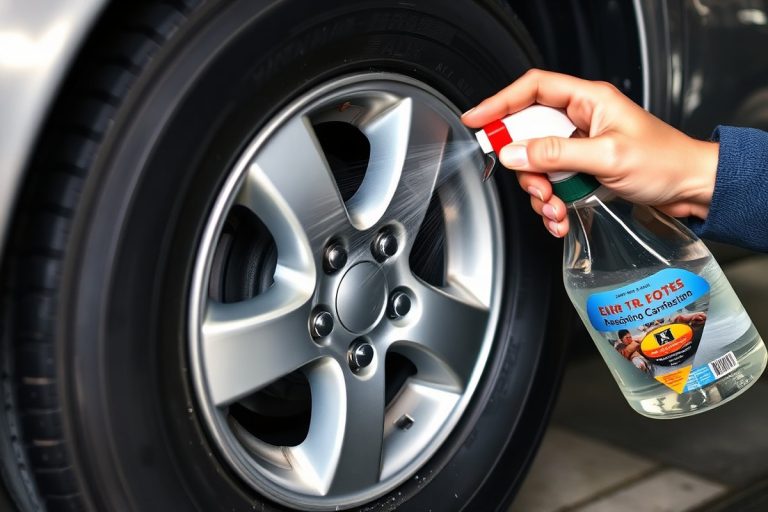
Using breathable, UV-blocking tire covers helps shield tires from sunlight while allowing moisture to escape. Shade and cool storage also reduce temperature swings that weaken tire rubber prematurely.
Ozone and Air Pollution Effects
Ozone in the air reacts with tire rubber, causing cracks and brittleness. This chemical exposure worsens in cities with smog and pollution. Ozone attacks tire sidewalls and tread, creating spots that look like spiderweb cracks.
Keeping tires indoors or under ozone-resistant covers limits this damage. Avoid storing tires near electric motors or generators, which produce ozone and accelerate tire aging.
Storage Conditions That Increase Dry Rot
Tires stored improperly often dry rot faster than those used regularly. Sitting on the ground or stacked for months causes deformation. Heat, moisture cycles, and poor air circulation in storage increase rubber hardening and cracking.
Better storage means a cool, dry, shaded place with tires standing upright. Avoid long-term exposure to sun, moisture, or chemicals like solvents. Rotate stored tires every few months to prevent flat spots.
How Low Usage and Tire Pressure Hurt Tires
When tires sit unused, rubber loses flexibility and dries out sooner. Driving regularly helps keep the rubber supple by flexing the sidewalls. Low tire pressure worsens this, stressing the rubber and raising heat inside the tire.
Check tire pressure monthly and keep it at manufacturer levels. Drive your car at least a few miles every week.
This keeps your tires warm and flexible. It helps slow down dry rot.
Common Environmental and Usage Triggers
These main factors cause tires to dry rot faster:
- Constant direct sunlight and UV exposure on parked cars
- High temperatures above 104°F (40°C) for extended periods
- Ozone and air pollution in urban and industrial areas
- Storing tires on asphalt or in damp, unventilated spaces
- Low or irregular tire pressure that stresses rubber
- Not driving tires regularly, allowing rubber to stiffen
- Exposure to chemicals, oils, or solvents near storage
Each factor breaks down rubber faster, making you replace tires sooner.
Use tire covers that block UV rays to protect tires. Covering tires keeps them shaded when parked outside. This helps tires last longer.
How to Identify Early and Advanced Signs of Tire Dry Rot
Look for small cracks and faded color to catch tire dry rot early. This usually starts on sidewalls or between tread blocks. Advanced cracking spreads across the tire and affects driving safety.
Early Indicators of Weather Cracking
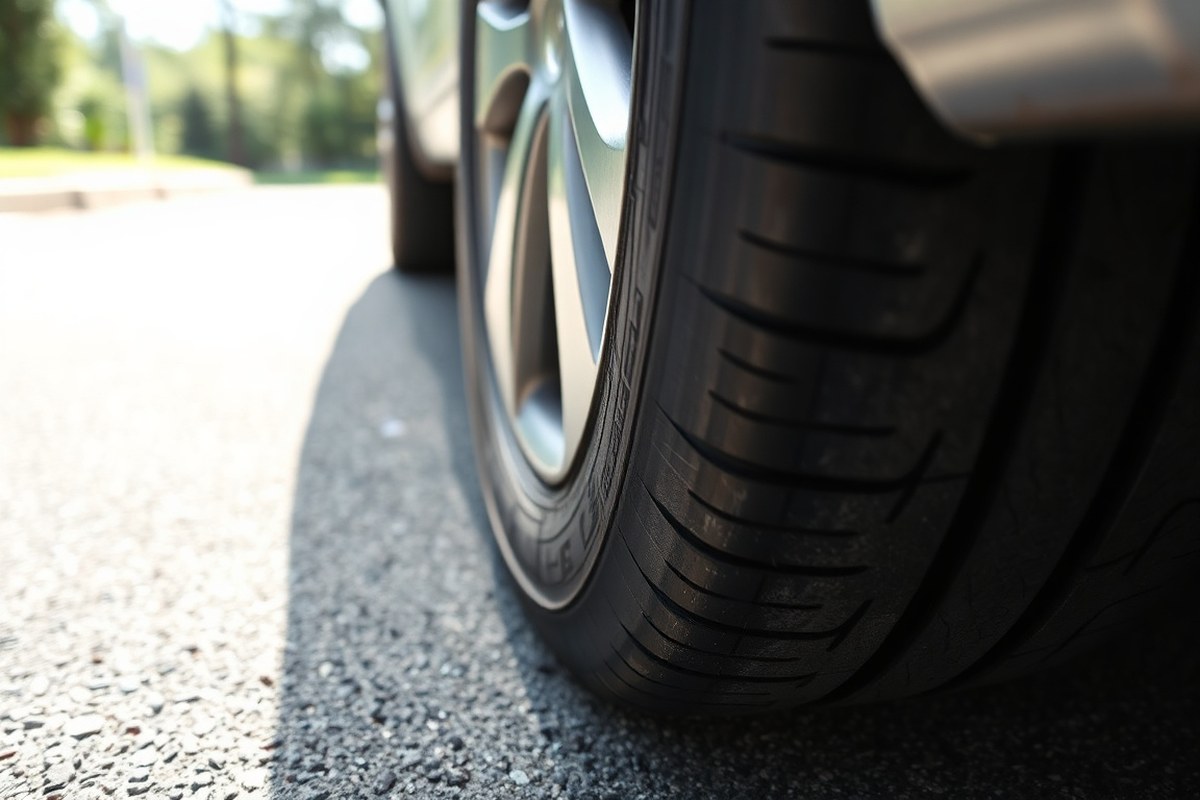
Small cracks appear first on the sidewalls or between tread blocks. These cracks are tiny and shallow but should not be ignored. Tires stored outside or rarely driven show this first.
The rubber may also lose its deep black color. You might see areas turning gray or brownish. The surface looks dull, not shiny like a healthy tire.
- Fine cracks in grooves or lettering
- Black color fading to gray
- Dull or chalky surface texture
- Small flecks or peeling rubber
- Cracks less than 1/32 inch deep
At this stage, the tire still holds its strength. Clean gently with mild soap to avoid worsening cracks. Frequent checks help catch progress.
Recognizing Sidewall and Tread Rubber Changes
Sidewall cracks deepen and widen as dry rot progresses. These cracks may look spiderweb-like or run along the flex points. The tread area starts showing signs too.
The rubber feels brittle rather than flexible. When you press the sidewall, it might crack or crumble slightly. The tire also becomes stiff and less able to absorb shocks.
- Multiple cracks in the sidewall flex area
- Cracks spreading from sidewall onto tread blocks
- Brittle or rough rubber texture
- Rubber peeling or flaking in patches
- Discoloration around cracks, often lighter than normal
This damage affects tire performance and increases blowout risk. Avoid long drives and get a professional opinion at this point.
Assessing Crack Depth and Distribution
Measure crack depth to determine serious damage. Shallow cracks under 1/32 inch may be monitored regularly. Deeper cracks extend past the rubber surface and can expose the tire’s fabric layers.
Cracks that cover most of the sidewall or appear on the tread are dangerous. These cracks can merge and cause tread separation while driving. Tires showing this should be replaced quickly.
- Surface cracks less than 1/32 inch: watch and inspect monthly
- Cracks visible beyond surface texture: replace tire
- Cracks on sidewall and tread area: serious damage
- Faded or brown patches with deep cracks: structural risk
- Visible tire fabric or cords: immediate replacement needed
Regular inspection helps catch dangerous dry rot early. Use a magnifier or flashlight to see crack depth better. Replace tires before they pose safety risks.
How Does Tire Age and Manufacturing Date Relate to Dry Rot Risk?
You find the tire’s age by reading the DOT code on its sidewall. The code ends with a four-digit number showing the week and year the tire was made. For example, “2319” means the 23rd week of 2019.
Knowing the tire’s age is key to avoiding dry rot risks. Most manufacturers say to inspect tires carefully after five years. They advise replacing tires once they hit about ten years, even if they look fine.
To check the DOT date, follow these steps. It takes only a few minutes and no tools. Knowing this means you can plan tire checks and replacements wisely.
- Locate the DOT number on the tire’s sidewall, near the rim.
- Read the last four digits to get the manufacturing week and year.
- Convert the first two digits to the week number (01-52).
- Convert the last two digits to the year (for example, 19 = 2019).
- Compare the tire age to the table below to estimate dry rot risk.
- Schedule an inspection if the tire is five years or older.
- Plan to replace tires around ten years after manufacture.
| Condition (Tire Age) | Dry Rot Risk | Next Step |
|---|---|---|
| 0-4 years | Low | Regular checks, normal use |
| 5-7 years | Moderate | Inspect tires more often |
| 8-10 years | High | Schedule professional inspection |
| 10+ years | Very high | Replace immediately |
Keep in mind that some manufacturers suggest earlier replacement. So check your tire brand’s recommendations.
Don’t rely only on tread depth to judge safety. Older tires can dry rot from age and cause sudden failures.
Regularly checking the DOT code and watching for age warnings helps protect you. Dry rot can start without many visible signs but weakens tires over time. Being aware keeps your drive safer and avoids costly damage.
Are Some Tires More Resistant to Dry Rot Than Others?
Not all tires resist dry rot the same way. Manufacturers use different rubber compounds that affect how fast tires dry out. Premium tires often include additives that slow down the aging process and prevent cracking.
Cheaper tires usually rely on basic rubber compounds that lack protective agents. These cheaper materials break down faster when exposed to heat, sunlight, and ozone. Tires with more additives resist chemical breakdown better.
This breakdown causes dry rot. More additives make the tire last longer.
Performance tires, designed for grip and speed, often use softer rubber to improve traction. These softer compounds are more vulnerable to drying and cracking over time. They age faster because their chemistry prioritizes performance, not long-term durability.
The manufacturing process also matters. Some companies use advanced curing techniques that strengthen the rubber network.
These methods reduce the rate at which chemicals in the tire degrade, extending the tire’s life. Tires made with outdated or budget processes dry rot sooner under the same conditions.
Choosing tires from a reputable brand with proven materials and modern manufacturing can slow dry rot. You pay more upfront.
But the tires last longer if you properly store and care for them. Less expensive tires may save money now but often need replacement sooner due to cracking.
Check the tire’s manufacture date every time. Ask about the rubber compounds used. This helps if you worry about dry rot.
How to Store Tires Properly to Minimize Dry Rot
Storing tires properly slows down dry rot by limiting harmful exposure. Keep tires away from sunlight, heat, and ozone sources. Use covers or protectants and store tires in cool, dry spots.
Storing Tires in Cool, Dark Places
Heat speeds up rubber breakdown, so choose storage areas under 77°F (25°C). Dark places block sunlight and UV rays, major causes of dry rot. Basements and climate-controlled garages work best for long-term tire storage.
High humidity encourages mold and damage, so dry spots are important too. Avoid damp basements or unventilated spaces that trap moisture. Proper storage can extend tire life by months or years.
- Keep tires indoors away from windows and lights
- Choose rooms with stable, cool temperatures below 77°F
- Use dehumidifiers in humid areas to reduce moisture
- Stack tires flat or hang them on hooks if stored mounted
- Store tires off concrete floors on pallets or boards
Using Covers and UV Protectants
Tire covers block sunlight and dust, adding a layer against dry rot. They cost $20 to $50 and are worth it for stored tires. Make sure covers fit snugly and breathe to avoid moisture buildup.
UV protectants spray on a thin film blocking damaging rays. Use these only on clean, dry tires to avoid trapping dirt. These products slow aging but won’t stop dry rot completely.
- Choose thick, opaque tire covers designed for your tire size
- Keep covers clean and dry; wipe off dirt before applying
- Apply UV protectant sprays in well-ventilated areas
- Reapply protectant every 3 to 6 months depending on use
Avoiding Ozone and Heat Exposure
Ozone from electrical motors and fluorescent lights can crack tires even in the dark. Store tires away from machines like generators or air compressors. Avoid places near electrical panels or motors to reduce ozone damage.
Extreme heat causes softening and chemical breakdown in tire rubber. Do not leave tires in hot attics or near heaters. Fluctuating temperatures also cause rubber to expand and crack over time.
| Storage Environment | Dry Rot Likelihood |
|---|---|
| Cool, dark, dry indoor space | Low |
| Garage with windows and some sunlight | Medium |
| Outdoor, exposed to sun and weather | High |
| Near electrical equipment or heat sources | Highest |
What Maintenance Routines Help Slow Down Tire Dry Rot?
Regular driving helps keep tires healthy by spreading their natural protective waxes. This wax guards the rubber against drying out, cracking, and losing grip. Tires that sit still dry out faster.
They don’t get regular waxing action. Heat and movement help protect tires.
Maintaining the right tire pressure stops excessive rubber flexing, which speeds dry rot. Underinflated tires wear unevenly and overheat, leading to cracks. Overinflated tires become stiff, which also raises dry rot risk.
Check your tire pressure once a month and adjust it to the car manufacturer’s number. This number usually sits on a sticker inside the driver’s door or in the owner’s manual.
Rotating tires every 5,000 to 8,000 miles evens out wear on all four tires. This rotation not only extends tire life but also helps preserve rubber flexibility. Tires on the rear and front wear differently due to steering and weight differences.
Visual inspections help catch dry rot early before it becomes dangerous. Watch for fine cracks in the sidewall or tread. Check for dull gray patches.
Color changes show tire damage. Run your fingers over the surface; the rubber should feel flexible. Brittle or crumbly spots need immediate attention.
Taking time for these simple maintenance tasks will keep your tires safer and last longer. Follow these steps regularly to avoid dry rot and expensive tire replacement:
- Check tire pressure monthly: Use a tire gauge when tires are cold. Inflate to the recommended psi.
- Rotate tires every 5,000 to 8,000 miles: Swap front to back. Switch sides if your car maker says so.
- Drive the car regularly: Even short trips help distribute wax and keep rubber supple.
- Perform visual inspections weekly: Look carefully for small cracks, fading, or dryness.
- Clean tires occasionally: Use mild soap and water to remove dirt and chemicals that age rubber.
- Store tires properly if not in use: Put them in cool, dark spots. Keep tires on clean surfaces too.
- Schedule professional inspections after 5 years: Pros find damage you might miss. They can advise on replacement.
When Is Tire Dry Rot Dangerous Enough to Replace Tires?
Small surface cracks are common but not always a safety issue. Replace the tire if cracks are deeper than 1/8 inch. Also replace if cracks spread widely on tread or sidewall.
Don’t wait for more damage. Check crack depth by pressing a thin object into cracks.
You can also shine a strong light from behind the tire. This helps see internal damage.
Repairing dry rot damages is not safe or reliable. Patching or plugging cracks won’t restore strength because dry rot thins and hardens the rubber. Replace tires showing any dry rot signs, say experts.
Cracks on the sidewall especially mean it’s time. Don’t risk waiting too long.
Driving on dry-rotted tires risks sudden blowouts or tread separation. This can cause loss of vehicle control, leading to crashes and injury.
Tires lose flexibility and cannot absorb shocks well. So potholes and bumps increase damage quickly once dry rot has started.
Never use a dry-rotted tire as a spare, it might fail when you most need it.
Michelin advises checking tires once a year after five years old. This is true even if the tread looks fine. Regular checks help catch problems early.
Tires older than 10 years should be replaced regardless of visible cracking. These timelines help prevent dry rot-related failures before serious cracks appear.
Replacing dry-rotted tires costs $100 to $300 per tire depending on brand and size. It’s cheaper than risking accidents or getting stranded. Drive in harsh conditions or park outdoors a lot?
Inspect tires every few months. Look closely for any cracks or dry rot signs.
Why Do Some Tires Dry Rot Faster Despite Similar Age and Conditions?
Tires of the same age may dry rot at different rates because of their manufacturing differences. Some tires use rubber compounds that resist cracking better. Others might have variations in the curing process, affecting how well the rubber holds up.
The place where you store your tires also changes how fast dry rot happens. Tires parked in the sun degrade faster. Ozone from electric motors speeds this up.
Rough surfaces also wear tires quicker. Even small shade differences affect tire drying speed.
Ventilation matters too. That changes how fast each tire dries.
Your driving style plays a role too. Frequent driving keeps tires warm and flexible, helping prevent cracking.
Someone who rarely drives might see dry rot in 3 to 4 years. A daily driver’s tires last longer.
Low tire pressure also speeds dry rot by increasing sidewall flex. Tires that drag or flex too much wear spots into the rubber. Slow leaks cause tires to lose pressure over time.
Underinflated tires age unevenly. So, they age differently on the same car.
Parking your car outside in one spot wears that tire more. Moving it often helps prevent this. Staying put makes wear worse.
It gets more heat and UV damage. In contrast, a stored tire in a cool, dark garage ages slower even after years.
Microclimates around your parking area matter too. Tires in the sun dry out faster. Tires shaded by trees or buildings dry slower.
Sun exposure drives this difference. The difference can be obvious within just two or three seasons.
You can check for uneven dry rot signs by comparing cracks and hardness on each tire. A quick trip to a tire professional can spot early damage. A mechanic may suggest rotating tires to even wear.
They could recommend replacing the worst tires. This helps keep you safe.
Step-by-Step Action Plan to Protect Your Tires from Dry Rot
Follow these steps to check your tires and slow dry rot. Each step shows how to tell if it’s working.
- Day 1: Look over your tires for cracks or dry patches. Fresh damage means dry rot might be starting.
- Week 1: Clean your tires with mild soap and water. Clean tires show no dirt in cracks.
- Month 1: Apply a silicone-based tire protectant. Tires should look evenly black and not dry.
- Every 3 Months: Check tire pressure and keep it at recommended levels. Tires that hold pressure well show no leaks or uneven wear.
- Seasonal: Store tires off your car in a cool place. Keep them dark, dry, and wrapped in plastic to protect. No sunlight or moisture on the tires means they stay fresher.
- Every 6 Months: Rotate your tires to spread out wear and exposure. Even tread wear shows the plan works.
- Yearly: Check the tire’s manufacture date on the sidewall. Tires older than six years may need replacement.
Frequently Asked Questions
How Long Does It Take Tires to Start Showing Dry Rot?
Tires often begin showing dry rot signs after 6-10 years if exposed to normal conditions. Harsh sun or poor storage can speed this up to under 3 years.
Can Tire Dry Rot Happen Faster on Cars Not Driven Much?
Yes, tires on cars that sit a long time dry rot faster. The rubber in tires on parked cars doesn’t flex often.
This lack of movement speeds up dry rot in tires. This stops oil distribution in the rubber, causing cracks sooner.
Does Using a Tire Protectant Stop Dry Rot Completely?
Tire protectants can slow down dry rot but don’t stop it fully. They create a barrier from UV rays and ozone, delaying rubber cracking for several months.
Is It Unsafe to Drive on Tires with Small Dry Rot Cracks?
Small dry rot cracks mean the tire’s structure is weakening and can fail under stress. It’s best to replace such tires to avoid sudden blowouts and accidents.
How Does Tire Storage Temperature Affect Dry Rot Speed?
High storage temperatures speed up dry rot by breaking down rubber chemicals. Cool, shaded spots help keep the tire rubber resilient much longer.
The Bottom Line
Tire dry rot usually develops over several years but can speed up in harsh conditions. Regular checks and proper care keep your tires safe and lasting longer. Start inspecting your tires today to catch dry rot early and avoid driving risks.