

How Long to Change 4 Tires and Alignment: A Complete Guide with Timing Insights
Wondering how long to change 4 tires and alignment takes? Typically, a professional mechanic can do this job in about 45 to 90 minutes total.
Changing four tires usually takes 15 to 30 minutes. A wheel alignment adds another 30 to 60 minutes.
The total time depends on your vehicle type and the shop’s tools. Bigger trucks need more time, sometimes up to several hours just to change tires. Also, mechanics trained on your vehicle model will work more efficiently.
Start by confirming the shop uses the right equipment and has experience with your car. Ask if the tires are run-flat or conventional, as that affects time too. Watch out for shops that promise to finish in under 30 minutes.
They might rush the job. This can cause them to miss important steps.
Key Takeaways
- Experienced mechanics change four tires in 15 to 30 minutes.
- Expect 30 to 60 minutes for a proper four-wheel alignment.
- Larger trucks or run-flat tires can significantly increase service time.
- DIY tire changes often take 2 to 3 hours or more.
- Confirm the shop has the correct tools for your tire type.
- Don’t trust shops promising combined tire change and alignment under 30 minutes.
How Long Does It Take to Change 4 Tires and Get an Alignment?

Changing 4 tires at a professional shop typically takes between 45 minutes and 1.5 hours. A four-wheel alignment adds another 30 to 60 minutes, bringing the total time to about 1.5 to 3 hours. This range depends on vehicle type, tire size, and shop workload.
For example, a standard passenger car uses normal tires. These usually stay near the lower time range. Trucks or SUVs with larger tires often need closer to 2 hours or more.
Run-flat or low-profile tires need more care. This adds 10 to 25 minutes per tire.
Experienced technicians with the right equipment can speed up the process. Professional tire machines and alignment tools cut down mounting and adjustment time. A shop focused on efficiency often finishes within 1.5 to 2 hours for both tasks.
DIY tire changes take longer, expect 30 to 45 minutes per tire to remove and install. Changing all four tires takes 2 to 3 hours.
A manual alignment adds extra time. You’ll also need a jack, stands, torque wrench, and some mechanical know-how to get it right.
At busy stores, the actual tire change might be quick, about 30 to 45 minutes. But wait times can add up. Walk-in visits often face waits of 30 to 90 minutes before the work starts.
Shops may delay service if problems arise. Stuck lug nuts or faulty sensors can add 10 to 60 minutes.
In short, a professional shop usually needs 1.5 to 3 hours to change four tires and complete an alignment. Doing it yourself takes longer but can save money. This only works if you have the right tools and skills.
Quick jobs under an hour are rare unless the tires are already mounted and balanced. The alignment hardware works without problems.
Step-by-Step What Happens When Changing Tires and Aligning Wheels
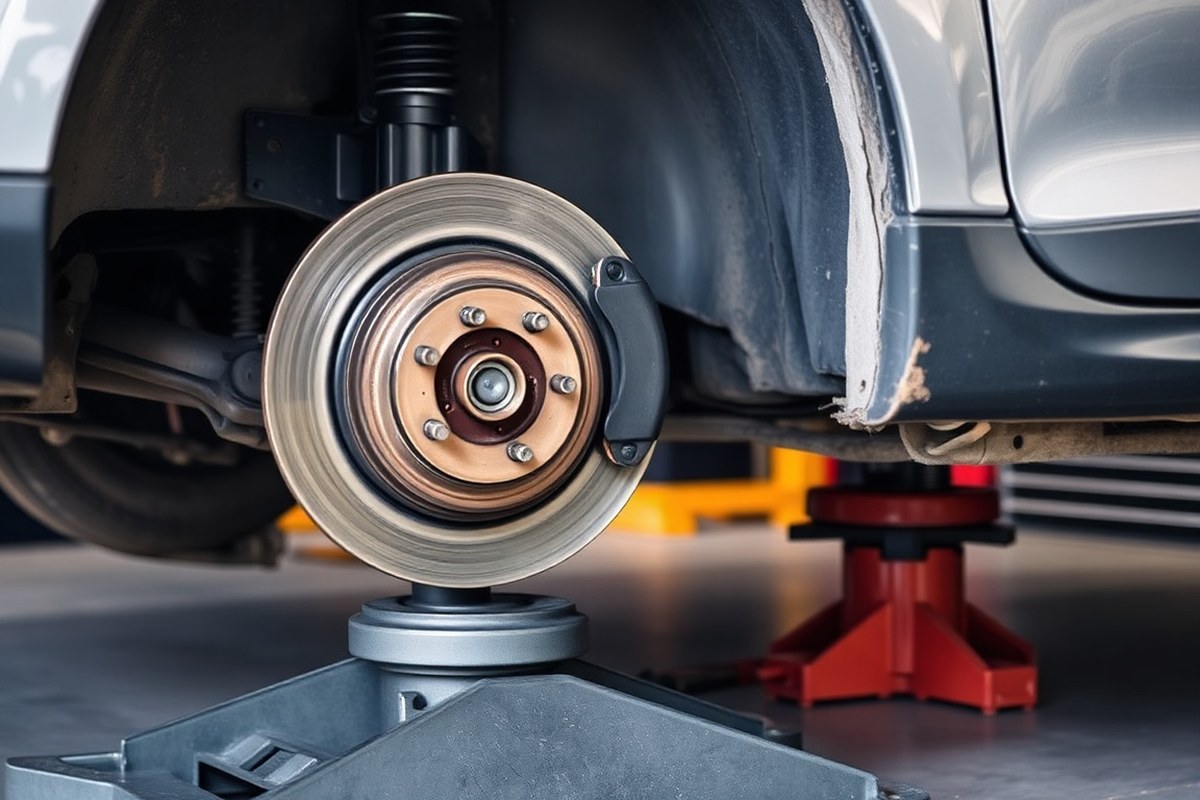
Changing four tires and aligning wheels involves several clear steps. The process starts with check-in and ends after final alignment adjustments. Balancing tires and checking TPMS sensors fit between mounting and alignment for smooth performance.
Tire Removal and Installation Steps
The process begins by raising your car and removing the wheels. After that, the old tires are taken off the rims carefully. Then, new tires get mounted and seated properly on each wheel.
Here is a typical sequence technicians follow when changing tires:
- Raise the vehicle using a hydraulic lift or jack.
- Remove the lug nuts with an impact wrench or lug nut tool.
- Take the wheels off and do a quick visual check for damage.
- Break the bead to unseat the old tires from the rims.
- Dispose of the old tires according to shop policy.
- Mount the new tires carefully onto the rims, seating the beads.
- Inflate the new tires to the proper pressure listed on the tire placard.
- Put the wheels back on the vehicle and hand-tighten lug nuts.
Getting stuck with rusted lug nuts can add serious delays. An impact wrench helps speed removal safely.
Wheel Balancing and Sensor Checks
Once the tires are mounted, balancing comes next to reduce vibrations. The wheels spin on a balancing machine, which spots weight imbalances. Weights are added at precise spots to keep the tire/wheel assembly smooth on the road.
Many cars also feature TPMS sensors to monitor tire pressure. These sensors get checked and reset after mounting. If the sensors need replacing, it adds time and cost, usually $20 to $50 per tire labor.
Balancing and TPMS service add about 15 to 25 minutes per wheel. It’s key to prevent vibrations and keep sensors accurate after a tire change.
Don’t ignore dirty or damaged sensors. They can cause warning lights and inaccurate pressure readings.
Alignment Process Breakdown
Aligning wheels adjusts angles to the manufacturer’s specs. The car stays on a special alignment rack for this precise work. Sensors attach to the wheels to track measurements for toe, camber, and caster angles.
The technician loosens alignment bolts, then adjusts the steering and suspension to hit specs. They verify front total toe and rear toe are within recommended degrees, such as +0.04° ± 0.12° for a 2021 Toyota Camry LE.
This process usually takes 30 to 60 minutes. Proper alignment improves handling, tire life, and fuel economy. Rough roads and new tires often require these adjustments to keep your ride steady.
Alignment done too soon or without recalibrating sensors can cause uneven tire wear. Make sure the shop uses calibrated equipment.
Why You Usually Need an Alignment After Changing All Four Tires
Changing all four tires doesn’t always mean you must get an alignment. Alignment matters most if your car pulls to one side. You might see uneven tire wear.
The steering wheel may also look crooked. These signs show your wheels aren’t aligned right.
Poor alignment hurts safety. It also makes tires wear out faster.
Your new tires match old size and tread. Your alignment was checked recently. You may not need a new alignment now.
Still, delaying alignment can cause your tires to wear unevenly and reduce how long they last. You could spend more money replacing tires or fixing suspension parts sooner.
Decide whether to get an alignment based on your recent driving conditions and tire wear. Hitting a big pothole or curb can shift your wheels. An alignment fixes the wheel angles.
This helps the car drive straight again. More than 3,000 miles since last alignment means a check is good.
Feeling vibrations over 45 mph is a warning. It’s smart to get the wheels aligned soon.
An alignment usually takes 30 to 60 minutes extra during a tire change. It adds time to your shop visit. Plan your day accordingly.
The cost can vary from $75 to $120, depending on your vehicle and location. Alignment adjusts camber, caster, and toe angles on your wheels.
This keeps wheels pointing in the right direction. It helps your car roll straight.
A good alignment means the steering wheel sits centered on straight roads. The car won’t pull to one side. Tires show even wear on the tread.
Skipping alignment can wear tires faster on the edges. Your car may handle poorly. This is dangerous, especially on wet or slippery roads.
An alignment is not required every single time you change tires. You should decide based on your car’s condition. Skip alignment if your wheels are aligned.
Your new tires match the old ones. You don’t notice any handling problems. However, ignoring alignment when it’s needed risks safety and costs more on tires over time.
Factors That Affect How Long the Tire Change and Alignment Take
Changing tires on different vehicle types changes how long the job takes. A compact car usually takes less time than an SUV or truck.
Larger tires need more effort to remove and mount, which adds minutes. Trucks often have bigger lug nuts that can be tougher to loosen, especially if rusted.
Specialty tires like run-flat or performance tires also slow down the process. These tires can be stiffer and harder to remove from rims.
That means the technician needs extra time and better tools to avoid damage. Shops may also spend more time balancing these tires properly to prevent vibrations while driving.
Modern cars come with Tire Pressure Monitoring System (TPMS) sensors built in. Technicians have to carefully remove and reinstall these sensors when changing tires. This adds time because not all shops have the right TPMS tools on hand.
Plan for an extra 10 to 20 minutes to handle sensors. This time applies when changing all four tires. It helps ensure sensors work properly after installation.
- Vehicle type size (car, SUV, truck): bigger vehicles take longer
- Tire type (run-flat, specialty): adds time for removal and balancing
- TPMS sensors: require extra steps and handling tools
- Lug nut condition: rust or tightness can delay removal
- Technician experience: skilled pros work faster and cleaner
- Shop workload: busy shops may cause longer waiting times
- Extra services (balancing, valve stem replacement): add 10, 20 minutes
Rusted or stuck lug nuts are a common cause of delay. Motor oil or penetrating fluid and more effort are needed to loosen them safely. This can add 10 to 15 minutes per wheel.
A technician’s experience plays a part too. Skilled techs use power tools and techniques that save time. A busy shop might take longer to schedule your service.
You could also wait for tools to become free. These delays add to your total time.
Tools also impact the timeline. Shops with modern tire changers and balancers finish quicker. Mobile tire services usually take 1 to 2 hours for four tires.
They work with fewer tools and less space. This limits how quickly they can finish. You should expect more time at home than at a fully equipped shop.
The right tools make your tire change faster and smoother. Experienced technicians work more efficiently and avoid mistakes. Both factors speed up your service time.
How Professional Shops Manage to Change Tires and Do Alignments Faster
Professional shops use special tools to speed up tire changes. Pneumatic impact wrenches let mechanics remove and tighten lug nuts in seconds. Hydraulic jacks lift the car quickly and safely without manual pumping.
Tire machines helps remove old tires and mount new ones faster than doing it by hand. Using this equipment well saves time and reduces effort during the job.
Teamwork also shortens the overall time. One mechanic lifts the car. Another removes the old tire.
A third preps the new tire for installation. This organized workflow keeps everyone busy and avoids waiting.
Shops often arrange their bays and tool placement for smooth movement with no backtracking. This matters especially during busy days to keep cars moving through without delay.
Experienced pros know the best order of steps to avoid rework or mistakes. They check tire pressure first. Then they balance wheels while mounting tires.
Next, they prepare the alignment machine. This streamlining avoids downtime between tasks. Shops in busy national chains aim to finish routine tire changes in 20 minutes.
They work fast. Faster service doesn’t mean skipping safety checks or precision. It means better planning and the right tools.
Ask your local shop about their specific equipment and estimated wait times before you book service.
Some cars need calls before service because they require special tools or tires in stock. Luxury or high-performance cars often need adapters or unique lug nuts. So shops prepare their tools to handle these.
The best shops keep common tire sizes and models in stock to avoid waiting for parts. Mobile tire services come to your location.
They skip wait times. Portable equipment lets them work on the spot.
Good results mean your new tires are mounted and balanced properly. The alignment keeps the car tracking straight. Rushed shops that lack equipment might take longer or produce uneven tire wear.
Proper tooling and a practiced team reduce the chance of cross-threading lug nuts or poor balancing. Getting tires changed by trained pros means the job gets done right. Shops also have the right gear for a quick job.
DIY Tire Change and Alignment: How Much Time and Tools You Need
You should expect about 2 to 3 hours to change four tires at home. This includes removing old tires, mounting new ones, and tightening lug nuts properly. A full alignment isn’t practical without special equipment, but basic checks are possible.
Essential Tools for DIY Tire Changes
You need a floor jack, jack stands for safety, and a strong lug wrench. A torque wrench is important to tighten lug nuts to your vehicle’s specs. Wheel chocks stop your car from rolling, keeping you safe during the job.
Gloves protect your hands, and a clean workspace helps you stay organized. You also need new tires or a spare set ready before starting. Skipping any of these tools can slow you down or put you at risk.
Typical DIY Tire Change Timing
Changing one tire takes about 30 to 45 minutes with the right tools. Beginners usually spend closer to 45 minutes per tire. This includes jacking the car up, removing the wheel, swapping tires, and lowering the car safely.
Expect around 2 to 3 hours to change all four tires. Balancing tires or doing extra maintenance adds more time. Without a torque wrench, you might guess lug nut tightness.
Guessing can take extra minutes and be unsafe. Using a wrench fits the nuts right and saves time.
Limitations of DIY Wheel Alignment
A true wheel alignment requires specialized machines that you won’t find at home. Some DIYers check tire wear or use a ruler to measure toe angle roughly.
But this is only a basic check. Without alignment tools, your car may still pull to one side or wear tires unevenly.
Wheel balancing also needs a machine to spin the tire and find weight adjustments. People without balancing equipment risk vibrations or uneven tire wear. Getting professional alignment and balancing after changing tires improves safety and tire life.
Common Delays and Mistakes That Extend Service Time
Stuck or rusted lug nuts are a common delay during tire changes. They require more time and special tools like a breaker bar or penetrating oil. Using improper tools can strip the lug nuts, which leads to longer repair and safety risks.
Shop wait times also add to total service time. Popular shops may have a queue lasting several hours before work starts. Planning your visit on a weekday or calling ahead can reduce waiting.
TPMS sensors often cause delays, especially if the vehicle has a tire pressure monitoring system. Removing, resetting, or reprogramming sensors can take extra time. Forgetting to check sensors can lead to errors or warning lights later, forcing a return visit.
- Using a torque wrench properly prevents under- or over-tightening.
- Failing to re-check lug nut torque after mounting tires risks wheel damage.
- Not having the right balance weights or mounting adapters prolongs the job.
- Improper wheel alignment setup means adjustments take longer or need repeating.
- Missing or damaged valve stems must be replaced, adding time and cost.
- Dirty or corroded mounting surfaces cause poor tire fit and longer work.
Incorrect torque on lug nuts is another big mistake. Tightening too loosely causes wheels to become unsafe.
Over-tightening can damage threads or brake parts. Properly torqued nuts keep wheels secure and prevent costly repairs.
Delays also come from alignment shop challenges. Misaligned equipment calibration or technician inexperience leads to mistakes and rework.
Precise measurements and following manufacturer specs reduce redo chances. This ensures new tires wear evenly and your car handles well.
How to Prepare and What to Expect to Minimize Time at the Shop
Talk to the shop before your visit. Ask how long the entire process will take.
This helps you plan your day and avoid surprises. Some places bundle tire changes with inspections or software updates, adding time.
Pick an appointment time when the shop is less busy. Early mornings or weekdays often have shorter wait times.
Avoid peak hours like weekends or after-work rushes. This way, techs focus on your car quickly.
Prepare all paperwork and payment details ahead of time. Gather your car registration, insurance info, and any shop coupons.
Have a credit card or payment method ready to speed checkout. This cuts downtime at the desk and avoids delays.
- Confirm your appointment time and arrival instructions.
- Make sure the shop has your tire size and model info.
- Bring your vehicle’s owner manual or any special notes.
- Remove bulky items from the trunk or wheel wells.
- Review your warranty or tire protection plans beforehand.
- Note any previous alignment issues or unusual tire wear.
- Stretch arrival time by 10 to 15 minutes early to settle paperwork.
Clearing space around your vehicle lets the technician work fast. Being ready with information helps avoid back-and-forth calls. The shop can prepare tools and tires based on details you provide.
Always verify early if the shop requires you to bring old tires for disposal or trade-in.
How to Verify Alignment Was Done Correctly and Tires Are Installed Safely
After changing your tires and getting an alignment, check the lug nuts with a torque wrench. Drive the car gently to spot signs of good alignment. Watch for steering feel and tire wear patterns to confirm the job was done right.
Checking Lug Nut Torque
Use a torque wrench to tighten lug nuts in a crisscross or star pattern. Follow your vehicle’s specified torque, usually between 70 and 100 ft-lbs. Tightening this way prevents uneven pressure and avoids safety risks while keeping your wheels firmly attached.
Hand-tighten the lug nuts first, then lower the vehicle before final torque. After the final torque, double-check each nut to ensure it holds the proper tightness. Investing in a quality torque wrench can help you avoid costly or dangerous mistakes.
Observing Vehicle Behavior After Alignment
Your car should track straight and the steering should feel smooth after an alignment. Watch for your vehicle pulling to one side. A shaky steering wheel also shows alignment problems.
These signs mean you should check your alignment. Proper alignment also means your tires wear evenly and your driving feels stable at different speeds.
Check your tire pressure before driving; it should match the manufacturer’s recommendation. Uneven tire pressure can mimic alignment problems and affect handling. A smooth drive on level roads, without pulling or vibration, hints the alignment is spot on.
When to Schedule a Follow-Up
Go back to the shop if you feel pulling or vibrations. Look for uneven tire wear too. Do this within a few weeks for safety.
Steering trouble or a shaky wheel may mean your alignment is off. Your lug nuts could also need tightening.
These issues need fixing soon. It’s best to handle these issues right away to avoid damage or unsafe driving conditions.
Even without symptoms, consider annual alignment checks, especially in the spring. Seasonal checks help prepare your car for long trips and changing road conditions. Any suspension repairs or accidents also call for a fresh alignment to keep everything working safely.
Step-by-Step Action Plan for Changing Tires and Getting an Alignment
Follow these simple steps to get your tires changed and wheels aligned efficiently. This plan helps you stay on track.
It lets you watch for key signs. You see if the job is done well.
- Before your appointment: Check your vehicle’s tire size and type. This ensures the shop has the right tires ready.
- Day of service: Arrive 10 minutes early. This gives you time to discuss the service with the technician and share any concerns.
- During the tire change: Watch the technician remove old tires and install new ones. Ask how they check tire pressure and balance. Proper pressure shows the tires are set for safe driving.
- Alignment process: Look for the technician using computerized alignment tools. They adjust the angles until they match the manufacturer’s specs.
- After the work is done: Do a quick test drive. Listen for unusual noises and feel if the steering is straight and smooth.
- Within a week: Recheck tire pressure yourself using a gauge. Correct pressure confirms the shop set them right.
- After 500 miles: Inspect tires for uneven wear or vibrations. No issues mean the alignment and tire change were successful.
Frequently Asked Questions
How Long Does It Usually Take to Change Four Tires and Get an Alignment?
It usually takes between 45 minutes to 1.5 hours for a professional shop to change four tires and do an alignment. The time varies by vehicle and technician skill.
Shops with ready tools do it faster. Your car type also affects the time.
Is It Necessary to Get an Alignment Right After Buying Four New Tires?
You don’t always need an alignment after getting new tires. Getting an alignment helps if tire wear is uneven.
It also helps if the car pulls to one side. A crooked steering wheel is another sign.
What Is the Typical Cost Range for a Four-Wheel Alignment?
A four-wheel alignment generally costs between $75 and $120 at most shops. Some trucks have higher alignment costs.
Their size adds to the job’s complexity. Special vehicles may cost a bit more.
How Soon Should I Get a Four-Wheel Alignment If My Car Pulls or Vibrates?
Get an alignment as soon as the car pulls. Also get it if the steering wheel feels crooked.
Vibrations over 45 mph are another sign. Delaying it can wear your tires unevenly and cause more damage.
Is It Better to Replace Two Tires or All Four at Once?
Replacing all four tires at once is usually better for consistent handling and tire life. Replace two tires on the rear wheels.
This helps prevent control problems. Avoid mixing old and new tires on the front.
The Bottom Line
Changing four tires and getting an alignment can take around 1 to 2 hours. Knowing what to expect helps you avoid delays and ensures safety. Schedule your appointment soon and follow the plan to get back on the road confidently.






One Comment