Can I Weld Stainless Steel with a MIG Welder? A Complete Guide That Works
You can weld stainless steel using a MIG welder. It works well with the right wire and gas mix.
This method makes clean, strong welds resistant to corrosion. Stainless steel needs care to stop warping or weakening during welding.
Start by picking a stainless steel wire made for MIG welding, like ER308L or ER316L. You’ll also need to set your shielding gas carefully.
A mix of argon with oxygen or carbon dioxide protects the weld. This mix also helps produce a smooth, even bead and keeps the weld stable during the process.
Watch your settings too. Stainless steel needs a higher inductance setting and sometimes lower amperage than mild steel.
This helps you avoid overheating, which can mess up the metal structure. Proper wire feed speed also matters to keep the weld consistent and reduce spatter.
Key Takeaways
- Use ER308L or ER316L wire for stainless steel MIG welding.
- Choose a shielding gas mix with mostly argon and under 5% CO2 or oxygen.
- Set inductance higher, around 50%, when welding stainless steel.
- Lower amperage and faster travel speed prevent heat buildup.
- A tri-mix gas of helium, argon, and CO2 yields smooth welds.
- Avoid using 100% argon to maintain weld speed and bead shape.
Can You Weld Stainless Steel Using a MIG Welder?
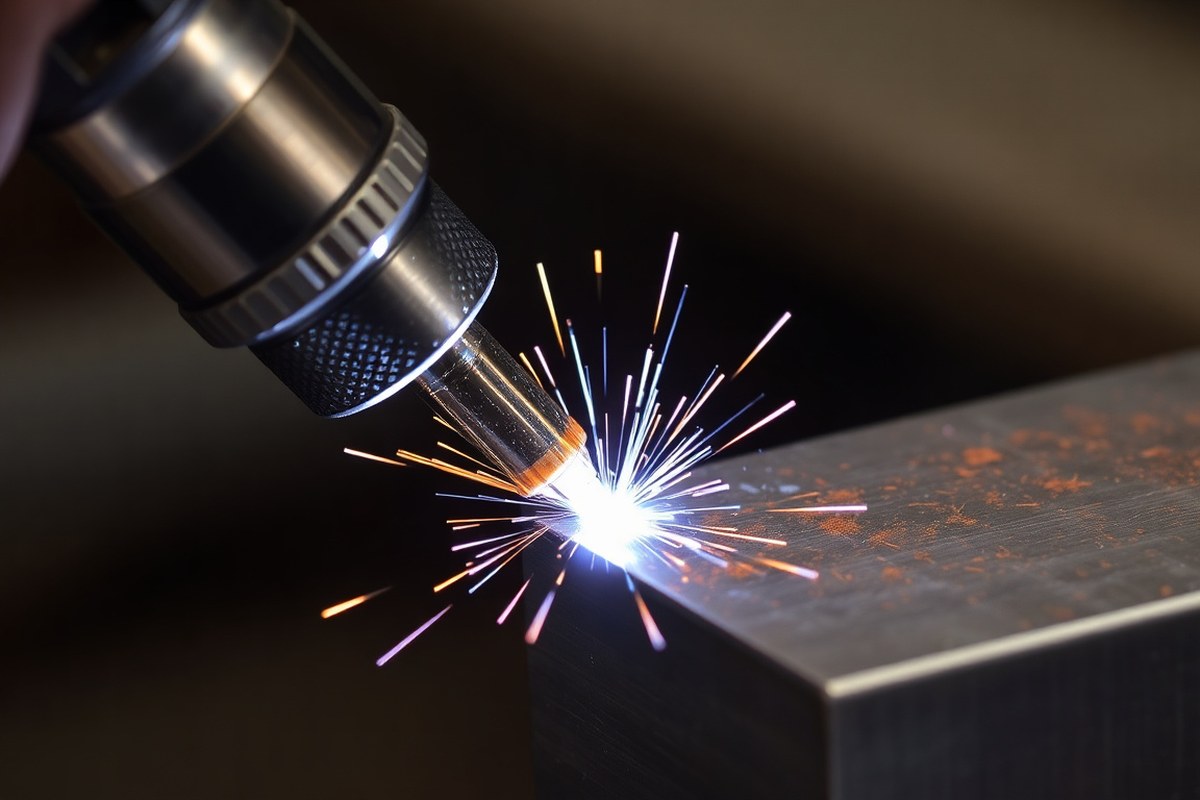
You can weld stainless steel using a MIG welder. It’s a common way to join stainless steel pieces, especially in workshops and industrial settings. The results depend on the right wire, shielding gas, and welding technique.
Choosing the proper wire matters a lot. Stainless steel wire like ER308L or ER316L resists corrosion well. It also matches the base metal to keep strength.
This helps your weld last longer without rusting. Using mild steel wire will cause weld defects and reduce corrosion resistance, so avoid that. Specialized stainless wires cost more but pay off by making strong, clean welds.
The shielding gas also plays a key role. A mix of argon and 2-5% oxygen works well for stainless MIG. You can also use carbon dioxide instead of oxygen.
These gases protect the weld from damage while sticking well. Pure argon creates nicer-looking beads but slows the process and makes broader welds.
A tri-mix containing helium can improve heat control and speed. Typical mild steel gas mixes aren’t right for stainless since high CO₂ harms the weld quality.
MIG machines for stainless steel welding often need settings tuned differently than for carbon steel. For example, inductance settings might increase from 30% to about 50%. Heat input must stay low to prevent warping or discoloration.
So reduce amperage compared to mild steel and keep a faster travel speed. Pulse MIG rigs are even better if you want less distortion and more precise heat control.
Welding stainless using a standard MIG setup is practical but not always simple. Controlling heat and cleaning the metal before welding improves your chance for a smooth, strong joint. Without proper setup, your welds may look rough, have poor corrosion resistance, or chip over time.
Many welders prefer special wires, shielding gases, and pulse settings. These cost more but improve weld quality. The better results often make the extra cost worth it.
Which Types of Stainless Steel Are Best for MIG Welding?
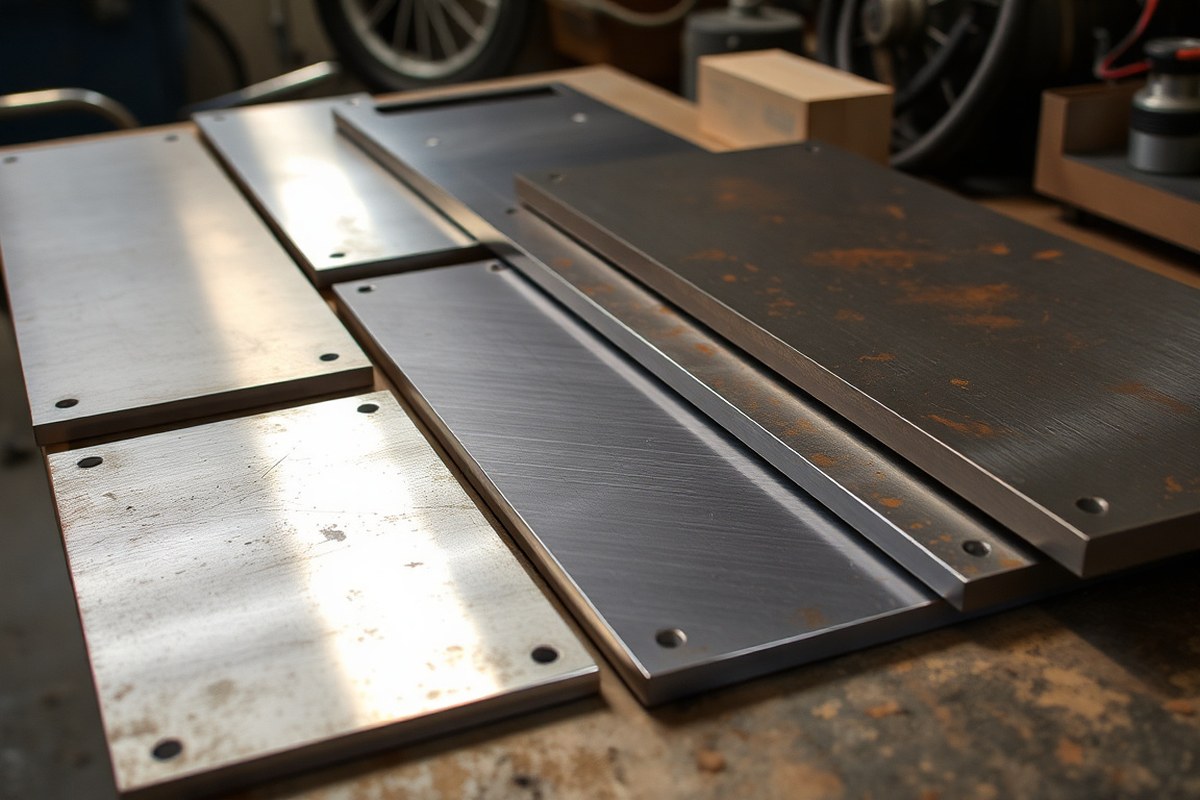
MIG welding works best on austenitic stainless steel like 304 and 316. These grades offer high weldability, ductility, and good heat resistance. Ferritic and martensitic stainless steels are harder to weld and need special attention or different methods.
Austenitic Stainless Steel Grades
Austenitic stainless steels, including 304 and 316, are the easiest to weld with MIG. Their high ductility means they handle heat well without cracking.
This type holds up to high temperatures and resists corrosion. ER308L welding wire suits these grades for solid, clean welds.
MIG welding speed on austenitic grades lets you cover thicker pieces faster than TIG welding. Expect good results on shop and home projects.
Ferritic and Martensitic Stainless Steels
Ferritic stainless steel, like grade 430, has lower weldability and moderate ductility. It tends to crack if cooled too quickly after welding.
Martensitic types such as 410 and 420 are strong but tough to weld with MIG. They have low ductility and heat resistance, which raises cracking risk.
With ferritic and martensitic steels, controlling heat input and preheating may be needed. These grades often require specialized filler wire matched to strength and corrosion needs.
Common Applications and Welding Challenges
Austenitic stainless steel is common in kitchen equipment, pipes, and automotive parts. Its weldability supports stronger, corrosion-resistant joints.
Ferritic steels show up in appliances and exhaust systems but demand extra care during MIG welding. Martensitic steel sees use on knives and turbine parts, where toughness matters more than weld ease.
Picking a MIG welder with enough power for the steel thickness is important. Shielding gas, wire, and settings change with the stainless steel grade.
| Family | Weldability | Ductility | High Temp Resistance | Common Grades |
|---|---|---|---|---|
| Austenitic | High | High | High | 304, 310, 316 |
| Ferritic | Low | Medium | High | 430 |
| Martensitic | Low | Low | Low | 410, 420 |
| Duplex | High | Low | Low | 2205 |
| Precipitation Hardening | Low | Medium | Low | 630 |
Use slow cooling or preheating to avoid cracks when welding ferritic or martensitic stainless steel.
How to Choose the Right Wire and Shielding Gas for Stainless MIG Welding
Your best stainless steel MIG welds come from matching the right filler wire and shielding gas. Use stainless steel wires like ER308L or ER316L. These wires need gas mixes with mostly argon.
Add small amounts of CO₂ or helium to the mix. Avoid mild steel wire and heavy CO₂ blends to keep your weld clean and strong.
Common Stainless MIG Wire Types: ER308L, ER316L, ER309L
ER308L wire fits 304 stainless steel well because it has low carbon to reduce carbide buildup. It gives a smooth weld bead and resists corrosion. ER316L wire has molybdenum included.
Molybdenum helps corrosion resistance. It works well against salt or chemical damage.
When welding dissimilar metals or higher carbon stainless, ER309L is a better choice. It handles expansion differences and helps prevent cracks. These wires cost more than mild steel but keep your weld strong and durable.
Shielding Gas Options: Argon, Tri-Mix, Argon-CO2 Blends
A tri-mix gas blend contains 90% helium, 7.5% argon, and 2.5% CO₂. Helium increases the heat and penetration for a stronger weld bead. This mixture is pricier but improve welding on thick stainless steel.
For thinner stainless, 98% argon with 2% CO₂ offers a cleaner arc and less spatter. This cheaper gas keeps your weld bead steady. Avoid using too much CO₂.
High CO₂ amounts can reduce corrosion resistance. Pure argon works but gives lower penetration and can cause porosity issues.
Avoiding Mild Steel Wire and Pure CO2 Gas
It’s technically possible to weld stainless steel using mild steel wire. But it’s not a smart choice. Using mild steel wire adds carbon to the weld.
Carbon can cause rust later on. It can also weaken the weld’s strength and corrosion resistance. Using stainless steel filler wires helps maintain your weld’s integrity.
Standard C25 gas has 75% argon and 25% CO₂. This mix causes oxidation and rough beads on stainless steel. The weld finish is less smooth with it.
This gas is fine for mild steel but leads to spatter and weak welds on stainless. Stick to argon-rich blends, or your weld quality will suffer.
What MIG Welder Settings Deliver Quality Stainless Steel Welds?
Set your MIG welder voltage between 17 and 24 volts depending on the stainless steel thickness. Thinner sheets like 18 gauge (0.048″) need around 17 to 19 volts. For thicker materials like 1/4″ (0.250″), increase voltage up to 24 volts.
Wire feed speed affects how much filler metal deposits. Use 180 to 220 inches per minute (IPM) for very thin stainless like 18 gauge.
With 1/8″ thickness, bump wire speed to 230 to 280 IPM. For 1/4″ plates, push to 300 to 350 IPM to keep a steady weld pool.
Gas flow matters a lot. Keep shielding gas flow between 20 and 30 cfh for stainless MIG. This range suits most welding jobs well.
Adjust slightly if needed. Use 30 to 35 cfh for thicker stainless steel sections.
This helps keep welds clean and free of porosity. Higher flow rates prevent contamination.
Inductance adjusts how the current flows during the weld. Higher inductance smooths the arc and reduces spatter, which is good for stainless steel. Start with a medium inductance setting.
Increase it if you see too much sputtering or inconsistent beads. Too high inductance can cause poor penetration.
Wire size and type link tightly to these settings. Use .030-inch diameter wire on thinner gauges. For 1/4″ and heavier, switch to .035-inch wire.
Use specific filler wire like 308LSi for stainless welding. This wire matches well with your base metal. It also works well with your shielding gas.
Voltage and wire speed shift based on stainless grade too. For austenitic grades like 304, standard settings work. For ferritic or duplex steels, adjust voltage and wire feed slightly.
Use a slower wire feed to reduce heat input. This helps prevent warping and damage. Adjust in small steps and test welds on scrap metal before final runs.
Control wire tension for smooth feeding. Too loose wires cause inconsistent arcs; too tight wires may slow feeding.
Fine-tuning your tension helps keep weld beads smooth and consistent. A good rule is to check tension each time you load new wire.
Preparing and Cleaning Stainless Steel Before MIG Welding
Welding stainless steel calls for clean surfaces free from oil, dirt, and rust. Contaminants cause poor welds and can lead to corrosion and cracking.
Stainless steel is more sensitive to contamination than mild steel. So skip any shortcuts before welding.
Start by wiping the metal with a clean, lint-free cloth and a solvent. Use acetone or denatured alcohol for the best results. Avoid harsh cleaners that leave residues, like grease or oils, because they harm weld quality.
Mechanical cleaning helps, too. Scrub the weld area with a stainless steel wire brush. Use a scotch-brite pad only for stainless steel.
Only use these tools for the weld area. Never use a brush you’ve used on mild steel, or you risk cross-contamination.
- Remove oils and grease with acetone or alcohol, wiping in one direction.
- Scrape off paint and coatings down to bare metal using a grinder or chipping tool.
- Scrub the surface with a stainless steel wire brush reserved solely for stainless weld prep.
- Make sure the area is dry before starting; moisture can cause weld defects.
- Keep your MIG gun and liner clean, using drive rolls designed for stainless wire.
Check your stainless steel wire and shielding gas before welding. Using the right liner and drive rolls keeps the wire feeding smoothly and stops contamination.
Most welders prefer a 75% argon and 25% CO2 gas mix for stainless MIG welding. Pure argon or helium gases don’t work well here.
Don’t reuse wire or brushes from mild steel welding on stainless steel. Cross-contamination weakens the weld and causes discoloration.
Proper cleaning takes time but makes your weld stronger and brighter looking. Dirty surfaces can bring porosity or inclusions, which cause leaks and cracks. Spend about 10 to 15 minutes cleaning each weld joint surface thoroughly for the best results.
Effective MIG Welding Technique for Stainless Steel
MIG welding stainless steel needs a gun angle between 5° and 15°. Keep your travel speed steady. Control heat closely to avoid warping.
Using pulsed MIG mode helps when working with thin stainless, letting you manage heat better. These methods keep your weld bead consistent and reduce distortion, especially on delicate or thin materials.
Ideal Welding Gun Angles
Hold your MIG gun nearly vertical, about 90°. But tilt it forward 5° to 15° in the direction you’re welding.
This angle helps the arc stay stable and pushes the molten metal where you want it. Avoid horizontal or steep angles, as these cause uneven bead shape and spatter.
Keeping the correct angle ensures the weld penetrates properly without undercutting edges. Your gun angle matters. Too flat or too upright can cause weak welds or blotchy seams.
Managing Travel Speed and Heat
Move your gun steadily and fast enough to avoid overheating the stainless steel. Heat builds quickly.
So if you go too slow, the metal warps or burns through. Going too fast means your bead narrows and lacks fusion.
Control heat by adjusting speed to your material’s thickness. Thicker plates need slower moves and higher heat. Thin sheets require a quick, precise pace to keep the metal from deforming.
- Maintain a smooth, continuous motion without stops
- Match speed to bead width for even penetration
- Pause between passes to let the metal cool slightly
- Reduce heat input on thin stainless to prevent warping
- Keep arc length short to limit spatter and cold starts
Careful travel speed control helps keep your weld clean and flat. Heat management prevents common problems like distortion or poor bead shape.
Using Pulse MIG for Thin Stainless Sheets
Pulse MIG welding lets the weld pool cool between pulses, controlling heat input better. This works best for stainless steel thinner than 1/16 inch.
Examples include thin kitchen panels or beverage kegs. It reduces warping and provides a neat, consistent bead.
Pulsed MIG also makes out-of-position welding easier. The weld puddle freezes slightly between pulses, letting you move faster without loss of control. This helps maintain a good weld bead shape and stops distortion.
Use pulse mode on your welder for thin stainless steel jobs when available. It keeps the material stable and looks more professional at the same time.
Troubleshooting Common MIG Welding Issues on Stainless Steel
Black or discolored welds happen when the stainless steel overheats. High heat changes the steel’s surface and reduces corrosion resistance. You can avoid this by controlling your travel speed and cooling time between passes.
Porosity shows as small holes or bubbles in the weld. It’s caused by trapped gas from contamination or incorrect shielding gas flow. Excessive spatter forms when voltage settings are too high or the wire feed rate is off.
Fixing poor weld penetration or warping means balancing heat input. Moving too fast leaves weak joints, while moving too slow overheats the metal. Keep your welding speed steady to fully melt the base metal.
Avoid going too fast or too slow. Proper speed prevents burning through the material.
- Check gas flow at 15-20 cubic feet per hour to prevent porosity.
- Use clean, dry stainless steel wire to reduce contaminants.
- Keep the MIG gun angle at about 10-15 degrees for better control.
- Set voltage and wire speed per manufacturer’s guidelines for your wire size.
- Pause between passes to let the metal cool and avoid overheating.
Cracking often occurs from cooling too quickly or improper filler metal. Use filler wire that matches the base metal’s grade to reduce stress.
Keep your bead sizes consistent and avoid weaving too wide, which can cause warping. Tack weld joints before running the full bead to keep everything aligned.
Look at the weld zone color to judge heat. Light straw color means the heat is just right. Dark blue or black shows too much heat.
Fix this by lowering voltage or moving the torch faster. Change your technique for each joint’s size and position. Thin stainless steel needs less heat compared to thick parts.
Welding Stainless Steel to Mild Steel with MIG: What You Need to Know
Yes, you can weld stainless steel to mild steel using a MIG welder effectively. Use wire made for dissimilar metals, like ER309L. It bonds the different alloys properly.
Avoid mild steel wire for this joint. It can cause weak welds and cracking over time.
Set your MIG welder to lower amps than usual. This avoids overheating and warping. Adjust the pulse setting if your welder has it.
This keeps heat in check. It also smooths the weld bead. Use the downslope feature as you end welding.
It cools the weld pool gradually. This helps stop cracks and distortion.
Clean both metals well before welding. Keep a steady travel speed. This makes a solid, uniform weld.
Be mindful of weld pool size. Too large or too hot pools can cause mixing issues and weaken the joint.
Talk to your filler wire supplier if unsure. They can give recommendations on wire and gas for your project.
Use ER309L wire to join stainless steel to mild steel. Lower your amp setting to avoid heat issues.
Safety and Post-Weld Cleaning for Stainless Steel MIG Welds
You must wear proper personal protective gear whenever you weld stainless steel. This gear keeps you safe from sparks and heat. Always check your equipment before starting.
Use a welding helmet with a shade rating from 10 to 13. This protects your eyes from bright welding light. Make sure the helmet fits snugly every time.
Welding gloves made from leather shield your hands from sparks and hot metal. Long sleeves and pants made from flame-resistant fabric keep your skin safe from burns.
Good ventilation is very important when MIG welding stainless steel. The process produces fumes and gases that can hurt your lungs. Always weld somewhere with fresh airflow.
Use a fan or an exhaust system to clear the air while you work. Avoid breathing directly in the welding fumes, even if ventilation seems strong.
- Welding helmet with appropriate shade
- Leather welding gloves
- Flame-resistant long sleeves and pants
- Safety glasses under the helmet
- Proper ventilation or fume extraction
- Closed-toe boots for foot protection
After welding, clean the weld to prevent corrosion and keep it looking good. Start by brushing the weld area with a stainless steel wire brush. This removes surface oxides and slag.
For deep cleaning, try a stainless steel passivation solution. You can also use a citric acid cleaner.
These restore the chromium oxide layer on the metal surface. This layer helps keep stainless steel from rusting.
Keep post-weld gas flowing for at least 10 to 15 seconds after you stop welding. This shields the molten metal while it cools. Without this gas coverage, the weld can oxidize and weaken.
Post-weld gas reduces discoloration and helps the weld resist corrosion longer. Most MIG welders have a post-flow setting.
Keep your torch in place a moment after welding if it does not have a post-flow feature. This helps cool the weld and protect it from oxidation.
Step-by-Step Action Plan for Welding Stainless Steel with a MIG Welder
Follow these steps to start welding stainless steel using a MIG welder confidently. Each step helps you check your progress as you go.
- Before You Start: Choose 308L or 316L stainless steel for easier MIG welding. Confirm your wire matches this grade.
- Day 1: Set your MIG welder with 100% argon or argon mixed with 2% oxygen gas. Check stable, clean arcs without spatter.
- Day 2: Clean the stainless steel thoroughly using a stainless steel wire brush. Look for shiny, oil- and rust-free surfaces.
- Day 3: Adjust voltage and wire feed speed based on sheet thickness. Practice on scrap until you get smooth, even beads.
- Day 4: Use a slight push angle while welding and keep a steady travel speed. Watch for no gaps or burn-through.
- After a Week: Inspect welds for discoloration or cracks. Rework spots that look weak or rough and clean again.
- Two Weeks In: Try welding stainless steel to mild steel. Use 309 wire and mixed shielding gas. Check that the joint feels solid and no cracks appear.
Frequently Asked Questions
Can I Weld Dissimilar Stainless Steel Grades with a MIG Welder?
Yes, but you need to match filler metal to the grade with lower alloy content. Proper prep avoids cracking and weak welds when mixing stainless types.
Is Pulse MIG Welding Better for Thin Stainless Steel?
Yes, it offers precise heat control and reduces warping on thin sheets. Pulse MIG keeps the metal cool and the weld neat.
How Does Shielding Gas Choice Affect Stainless Steel Weld Quality?
It directly impacts weld appearance and corrosion resistance. Pure argon gives a clean look, while argon mixes improve penetration and stability.
Can I Use Standard Mild Steel Wire for Welding Stainless Steel?
No, stainless steel wire matches the base metal and resists corrosion. Using wrong wire causes weak welds and rust issues.
What’s the Risk of Overheating Stainless Steel During MIG Welding?
Overheating causes distortion and can ruin corrosion resistance. Controlling heat input and using proper technique avoids this problem.
Before You Go
Yes, you can weld stainless steel with a MIG welder. You just need to follow the right steps. Focus on your material choice, settings, and cleaning for best results.
Set up your welder with the right wire and gas. Practice first on scrap pieces to learn.