
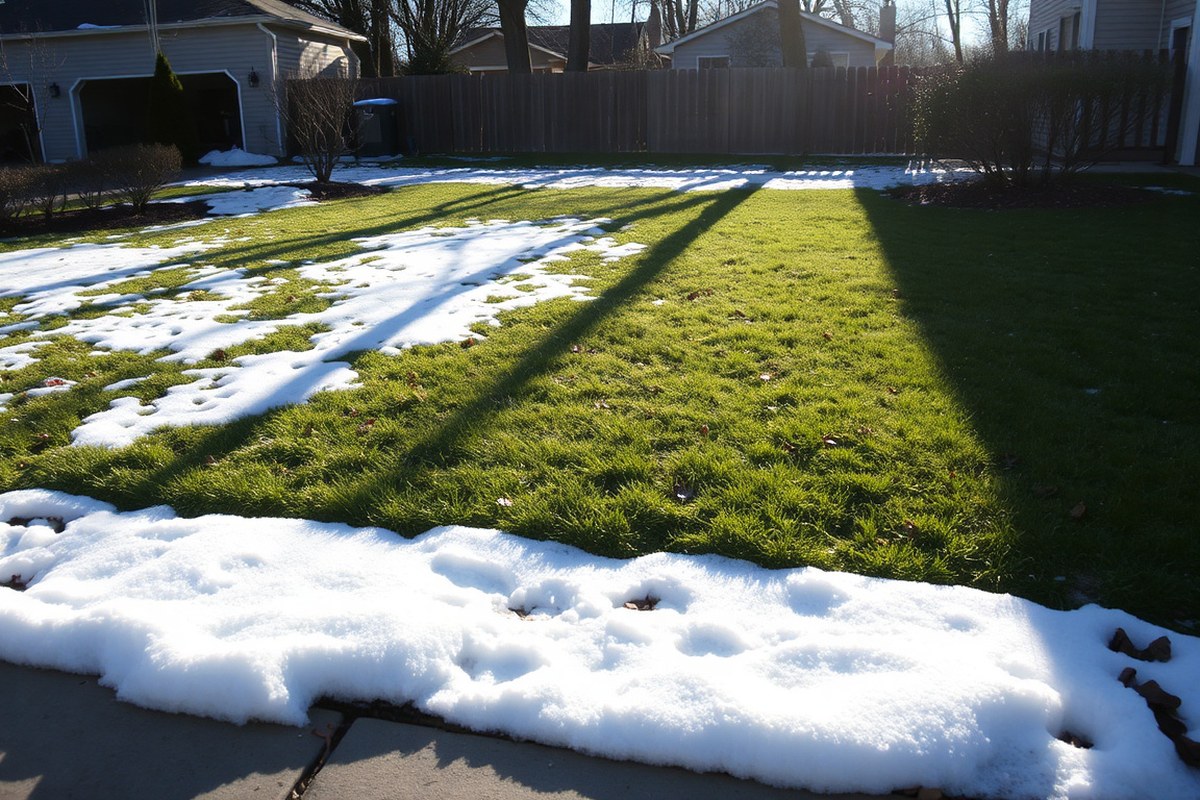
How Fast Does Snow Melt at 40 Degrees? Complete Guide with Rates & Tips
How fast does snow melt at 40 degrees? Snow melts at this temperature, but the speed varies.
A thin layer may disappear in a day or two. A thick snowpack, however, can last a week or longer.
Snow depth plays a big role in melting time. Sunlight also affects snow melt, even if the temperature stays steady. Rainfall can speed melting by warming and soaking the snow.
At 40°F, snow begins turning to water but doesn’t disappear immediately. Shady areas hold snow longer than sunny spots. Understanding this helps you plan outdoor tasks or travel carefully.
You can watch the weather forecast to see if rain or sunshine will impact snow melt. The combination of factors makes snow melting a slow or faster process. Tracking these details gives clearer predictions.
Key Takeaways
- Snow melts faster on sunny days even if temperatures stay near 40°F.
- Thick snow can take up to a week to melt at 40 degrees.
- Rain at 40°F increases snow melt but usually not as fast as expected.
- Dry 40-degree days melt snow slower than rainy 40-degree days.
- Shaded areas with deep snow hold it longer despite above-freezing air.
- Measure snow depth daily to estimate how long melting will take.
How Fast Does Snow Melt at 40 Degrees Fahrenheit?
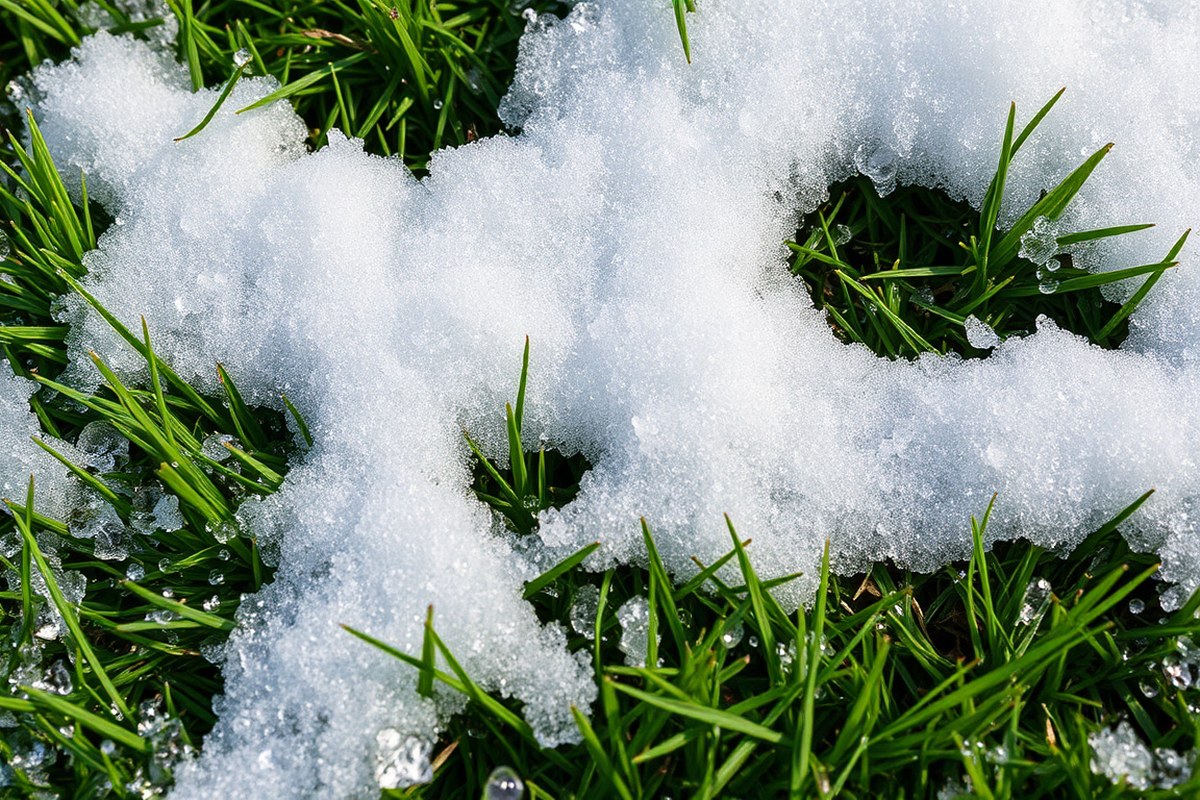
Snow melts at a moderate pace at 40 degrees Fahrenheit. Typically, you can expect snow to melt around half an inch each day at this temperature. That means light snow or a thin coating may disappear within a day or two.
For deeper snowpacks, melting takes longer. Snow that’s several inches deep can stick around for a week or more before fully melting. The rate at 40 degrees can be about 1 inch of snow per hour.
This happens only under ideal conditions. But that often refers to very shallow layers or edges.
Keep in mind, the ground and local environment affect how fast snow melts. Thick snowpack might melt by about 1 millimeter of water daily.
This occurs if it rains at 40 degrees. So even at the same air temperature, melting varies widely depending on snow depth and moisture.
In your yard, expect faster melting on sunny spots or near dark surfaces that absorb heat. On a dry day at 40 degrees, snow usually melts half to one inch daily. But a deep, shaded pile can last several days despite that air temperature.
Measuring snow depth daily shows about half an inch melts each day at 40 degrees. It’s a helpful rule to track when planning snow removal or garden care. Remember, these numbers shift with weather changes like rain, wind, and sunshine.
Which Factors Most Affect Snow Melt Speed at 40°F?
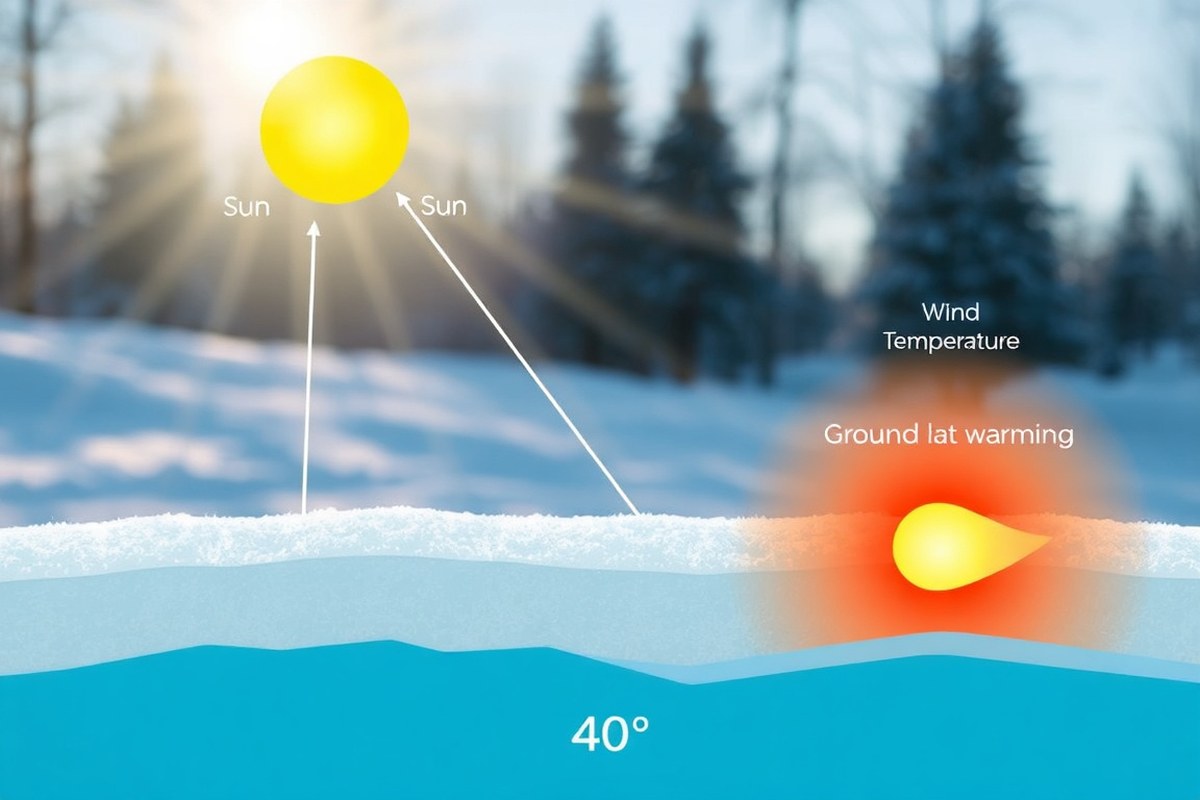
Several factors influence how fast snow melts at 40°F. Sunlight, wind, humidity, snow type, and ground temperature all play major roles. Each can speed up or slow down melting in different ways.
The Impact of Sunlight on Melting Speed
Sunlight provides energy that directly melts snow. Clear, sunny days can increase melt rates even if the air stays near 40°F. Strong solar radiation warms the snow surface and nearby ground.
Thick cloud cover or shaded areas reduce sunlight exposure and slow melting. The angle of the sun matters a lot in winter. The sun sits lower, so it gives less energy to melt snow.
This means snow takes longer to melt during winter months. South-facing slopes often clear faster than north-facing ones.
How Wind Influences Snow Melt
Wind can speed up snow melting by blowing away cold air near the surface. This brings in warmer air and exposes more snow to sunlight. Gusts over 10-15 mph often lead to faster melting.
Strong winds can break up snow crusts and compact layers. This helps the sun reach the deeper snow layers. Wind plays a role in how quickly snow melts.
However, wind chill doesn’t lower snow temperature below freezing. But it can make air feel colder to skin.
Role of Humidity in Snow Melting
Humidity affects snow melt because moist air releases heat when water vapor condenses on snow. Higher humidity speeds melting as this heat transfers to the snow.
Low humidity slows melting since dry air pulls moisture from snow, cooling the surface. Humidity between 60% and 80% is common when rapid melt occurs at 40°F, especially with wind.
How Snow Type and Moisture Content Affect Melting
Snow with higher moisture content melts faster at 40°F than dry, powdery snow. Wet snow absorbs heat quickly, while dry snow reflects more sunlight and melts slower.
Loose, fluffy snow takes longer to melt because the air gaps trap cold air. Denser snowpacks compact and conduct heat better, speeding melting.
Influence of Ground Temperature and Surface Conditions
Ground temperature often lags behind air temperature. Warm soil under snow speeds melting significantly. Cold or frozen ground slows the process.
Dark surfaces like asphalt absorb heat and accelerate melt near roads and driveways. Light or reflective surfaces keep snow cooler and slower to melt.
- Strong direct sunlight boosts melting the most.
- Wind speeds over 10 mph increase melting by removing cold air.
- Humidity near 70% helps heat transfer from moist air to snow.
- Wet, dense snow melts faster than dry, fluffy snow.
- Warm ground temperature speeds snow melting from below.
- Surface color matters: dark surfaces melt snow faster.
Watch out for shaded areas and north-facing slopes nearby. They can keep snow longer, even at 40°F. These spots stay colder and delay snowmelt by days.
How Does Snow Depth and Type Influence Melting Duration?
Deeper snow takes longer to melt at 40°F. Four inches of snow usually melts in about 24 hours. But thicker layers slow the process. Heat takes time to reach and warm the lower snow layers, delaying melting.
Snow type also changes how fast melting happens. Fresh snow reflects a lot of sunlight, so it melts slower. Packed or icy snow melts faster because it is denser.
It absorbs more heat and reflects less sunlight. This makes it warm up quicker than loose snow.
The table below compares different snow types and depths against typical melt times at 40°F. These times vary based on weather conditions like sunlight and humidity.
| Snow Type | Snow Depth | Approximate Melt Duration |
|---|---|---|
| Fresh snow | 2 inches | 12 to 18 hours |
| Fresh snow | 4 inches | About 24 hours |
| Packed snow | 2 inches | 8 to 12 hours |
| Packed snow | 4 inches | About 18 hours |
| Icy snow | 1 to 2 inches | 6 to 10 hours |
In practice, if you want to predict melting, note the snow depth and type. Fresh snow may stay longer, especially if shaded or cloudy. Packed snow melts faster but still depends on warmth and sunlight.
Keep in mind that this table assumes steady 40°F temperatures and normal sunlight. Colder nights and cloudy days make snow last longer.
Deeper snow piles take longer to melt. Even if air stays above freezing, melting can last more than a full day.
Why Can Snow Persist for Days Even Above Freezing?
Snow can stick around even when air temperatures reach 40 degrees Fahrenheit. This happens because the snow’s ground and environmental conditions keep it colder than the air. Snow won’t melt fast if the ground underneath stays frozen or if shade blocks sunlight.
Frozen Ground Holds Cold Longer
The ground beneath snow can stay below freezing for days after the air warms up. Frozen soil acts like a cold storage, drawing heat away from the snow. Without ground warmth, the snow’s base stays solid and slows surface melt.
If the soil temperature is 30 degrees, snow melts slowly. Snow on top won’t melt fast, even if air is 40 degrees. The cold ground keeps the snow solid.
It takes time for the earth to warm. So snow lingers until the soil heats above freezing.
Shade Cuts Off Sunshine Heat
Sunlight speed ups snow melting by adding warmth directly. When snow sits in shade, it loses this important heat source. Trees, buildings, or shadows from hills can keep snow cold all day.
This limits melting even if the air hits 40 degrees. Snowpack in deep shade often lasts much longer than in sunny spots. Lack of direct sun means snow temperature stays near or just above 32 degrees.
Snow Temperature vs. Air Temperature
Snow itself can stay colder than the surrounding air temporarily. At 40 degrees, snow surface often stays near freezing due to its cold mass. The layered snow acts like insulation, resisting immediate warming.
The ice crystals take time to absorb enough heat to melt. This delay means snow melts slowly rather than instantly when the thermometer reads above 32.
Depth and Density Affect Heat Flow
Thick snow adds insulation, slowing heat reaching its lower layers. Deep piles or plow banks trap cold air inside, keeping inner snow frozen. Dense and compact snow slows liquid water movement, reducing heat transfer.
Because of this, even with 40-degree air, deep snow can last days or weeks. The outer surface may soften first, while layers below stay hard and frozen.
Temperature Fluctuations and Melting Patterns
Nighttime drops below freezing can refreeze meltwater and snow crystals. Temperatures near freezing overnight keep snow solid longer.
Daytime warmth doesn’t melt snow much in this case. This cycle causes slow, uneven melting.
Snow might partly melt in the day but refreeze at night, delaying overall melt time. These swings keep snow depth stable even when daytime highs hover around 40 degrees.
How Does Rain at 40°F Affect the Snow Melting Process?
Moderate rain at 40°F does speed up snow melt. But not by a huge margin. For example, on a dry 40-degree day, about half an inch of snow melts.
Add one inch of rain. It increases the melt by only about 0.6 inches, according to a county FAQ.
Rain adds water that helps break down the snowpack faster. Yet it doesn’t eliminate the snow instantly.
The extra melt happens because rain has heat. The water also flows over the snow. This washing helps melt the snow faster.
Rain at 40°F is near snow’s melting point. This warmth helps heat go right into the snow. That extra heat makes the snow melt.
This warms the snow surface and accelerates melting compared to dry 40°F conditions. Still, just one inch of rain won’t completely clear a deep snowpack.
Light rain or drizzle at 40°F usually causes less melt than moderate or heavy rain. For example, less than half an inch of rain adds roughly 0.1 inch of extra meltwater.
More intense rain, like one inch or higher, pushes melt closer to 0.6 inches extra. This means you can expect faster snow reduction during steady, moderate rain rather than light showers.
Rain also increases runoff because it adds liquid water on top of melting snow. This can raise flood risk, especially in spring. A steady 40°F rainstorm melts snow gradually and keeps water flow steadier.
A quick rise to warmer weather with rain happens. It moves a lot of water fast into rivers.
The water floods rivers quickly after rain. Watching rain intensity helps predict how much snowpack will drop and what the runoff looks like.
Track rain amounts alongside temperature to anticipate faster snowmelt and runoff increases.
How Can Sunlight Intensity Influence Melting Rates at 40 Degrees?
Snow melts faster on sunny days at 40°F because sunlight adds extra heat. The sun’s rays warm both the snow’s surface and the ground beneath it. This added warmth speeds the melting process beyond what air temperature alone would do.
Solar radiation provides energy that directly melts the snow crystals. Even if the air temperature stays stable, direct sunlight can raise the snow’s temperature above freezing. This explains why shaded areas at 40°F often hold snow longer than sunny spots.
On cloudy days, little sunlight reaches the snow, so melting slows down. Without solar energy, snow relies mainly on air temperature and surrounding warm surfaces.
Dry air paired with sunshine creates quicker melting. Humid, cloudy conditions slow it down by reducing energy transfer.
To see faster melt, try exposing snow to direct sunlight when the air is around 40°F. For example, clearing branches or moving snow piles to open areas can help. Sunlight’s effect varies with season and location. But it often cuts melt time by hours or even days.
Keep in mind that snow melting faster on sunny days also depends on humidity and wind. Dry, sunny days clear of clouds help sunlight energy work best. When planning snow removal or garden prep, choose sunlit spots for better thawing.
How to Measure or Estimate Snow Melt Accurately at 40 Degrees?
You can measure snow melt at 40 degrees by regularly checking snow depth with simple tools. Tracking daily changes helps you see how much snow melts each day. Estimating melt time needs careful records and some basic math.
Using Rulers and Snow Gauges
Rulers and snow gauges are easy tools to measure snow depth. A ruler works well if you carefully insert it vertically into the snow. Snow gauges give more exact readings.
They often cost $15 to $30. You can find them online or in weather stores.
Place the ruler or gauge on a flat, exposed spot. Avoid shaded areas because snow there melts slower.
Tracking Daily Changes and Recording Data
Check snow depth at the same time each day, ideally mid-morning. Use your ruler or gauge to note how many inches remain. Write these readings down on a notebook or phone app for accuracy.
Keep an eye on weather changes. For example, nights near 32°F can slow melting while sunny afternoons speed it up.
- Choose a visible spot on level ground to measure snow.
- Mark the spot clearly so you measure in the exact place daily.
- At the same time daily, measure snow depth with your ruler or gauge.
- Write down the measurement and the date carefully every day.
- Note any rain or sun exposure that might affect melt speed.
- Compare measurements day to day to see snow loss in inches.
Estimating Melt Time Based on Measurements
Use your daily snow depth loss to estimate how long snow will last. A simple rule: at 40°F, expect about half an inch to melt per day. Six inches of snow might need about 12 days to melt.
This depends on the weather. Sun and temperature affect the melting speed.
Adjust your estimate if the sun is strong or if rain speeds melting. Record changes to improve your accuracy over time. This approach helps you plan for snow removal or gardening better.
What Safety and Environmental Concerns Arise from Snow Melting?
Melting snow at 40 degrees can cause flooding if it happens too fast. The ground may stay frozen or saturated, so water cannot soak in. This causes runoff.
Water pools near homes and streets. It creates flood risks you should watch out for.
When snow melts slowly, water might refreeze during cold nights. This can cause ice dams on roofs and sidewalks.
Ice dams trap more water on roofs, risking leaks and damage. Sidewalk ice patches also cause slips and falls.
Soil erosion is another concern during snow melt. Water from melting snow can wash away topsoil, especially on slopes. This erosion reduces soil quality, harms gardens, and can damage landscaping or nearby roads.
- Keep gutters clear to prevent ice dam building and water backup.
- Ensure ground drainage slopes away from your home foundation.
- Apply sand or ice melt on walkways after sunset to reduce ice slips.
- Avoid piling snow near sensitive garden areas or steep slopes.
- Use temporary barriers or mulch to minimize soil erosion.
- Check local flood warnings and prepare sandbags if heavy melt is forecasted.
Structural risks show up as roof leaks or foundation cracks from trapped water. Watch roof edges for icicles and water stains inside your attic or ceilings. You can prevent damage with timely snow removal and good drainage.
Don’t ignore late-night refreezing as it turns melted snow into invisible ice hazards.
How Do Regional and Surface Differences Impact Snow Melt at 40 Degrees?
Snow melts faster on hard surfaces like pavement than on grass at 40°F. Pavement absorbs and holds more heat from the air and sun. Grass and soil stay cooler because they retain moisture and reflect some sunlight. This difference can stretch the melt time by several hours or even a day.
Local geography also shapes melting speed. Urban areas with buildings, roads, and dark surfaces get warmer than rural spots.
Concrete and asphalt raise temperatures by 2 to 5 degrees Fahrenheit on average. This “urban heat island” effect speeds snow melt compared to fields or forests nearby.
Vegetation slows melting by shading snow and keeping the ground cooler. Trees and bushes block sunlight and reduce wind flow. Snow under them can last days longer at 40°F than snow on bare pavement.
| Surface Type | Typical Melt Speed at 40°F | Reason |
|---|---|---|
| Asphalt/Pavement | Fast | Absorbs heat, dries quickly |
| Grass/Vegitation | Slow | Reflects sunlight, retains moisture |
| Soil | Moderate | Retains some heat but stays cool when moist |
| Urban Area | Faster than rural | Heat island effect from buildings and pavement |
| Rural Area | Slower than urban | More open space, vegetation, less heat absorption |
To check your area’s snow melt, compare urban spots and fields near you. Observe if snow on roads disappears before lawn snow.
This tells you how much surface and location matter where you live. Knowing this helps you plan snow cleanup or gardening activities more precisely.
Snow on pavement might vanish in hours at 40°F. The same snow on grass might linger a full day or longer. In rural areas, colder nights and shade keep snow from melting fast. Urban areas with dark surfaces cause snow to melt faster.
This happens even when the air temperature stays the same. The dark ground absorbs heat and speeds up melting.
What Practical Tips Help Manage and Accelerate Snow Melt at 40 Degrees?
Salt is a common way to speed up snow melt at 40°F. You can spread it thinly over the snow or ice to lower the freezing point. About 1 pound of salt melts roughly 46 square feet of snow.
This is for snow one inch deep at this temperature. Keep that in mind when salting your driveway.
Using sand or kitty litter adds traction but don’t expect it to melt snow. It’s useful for slippery spots without risking plants or concrete. Shovel or use a snow blower to clear the snow first.
Do this before the snow turns icy. It helps the snow melt faster later.
Here are some practical tips to manage snow and ice safely during mild weather:
- Apply rock salt sparingly, about 1 cup per 10 square feet of snow.
- Shovel snow early and often to lessen buildup.
- Use sand or kitty litter for traction, especially on walkways.
- Clear gutters and downspouts to prevent ice dams and water buildup.
- Check weather reports to avoid salt use just before rain, which can wash it away.
- Avoid using salt near plants and lawns to protect them from damage.
Using coffee grounds or beet juice can melt snow naturally. These methods take longer to work than salt does. Try them if you want a slower, eco-friendly option.
These are better if you worry about chemicals near gardens. Remember that overusing salt can corrode concrete and harm vegetation, so use it carefully.
Snow melts faster when it’s thin and slushy. So focus on removing thick layers manually first.
Applying salt only after shoveling can save money and reduce harm. Watch for ice patches that need extra care to avoid slips and falls.
Step-by-Step Action Plan for Managing Snow Melt at 40°F
Watch the snow carefully when the temperature is near 40°F. Take steps to melt it faster safely. Follow these tips to do it right.
- Before warming days: Clear debris from snow surfaces so water drains well. This helps meltwater flow and avoids ice buildup.
- Day 1 of 40°F weather: Measure snow depth in shaded and sunny spots. Compare daily to see how sunlight affects melting speed.
- First 2 days: Use dark materials like mulch on snow patches to absorb heat. Look for quicker melting where you spread it.
- During rain at 40°F: Avoid heavy foot or vehicle traffic on snow to prevent compaction. Compacted snow melts slower and can turn icy.
- Midweek: Ensure gutters and drains are clear to handle meltwater runoff. Check that water flows away from your home’s foundation.
- After 3 days: Re-measure snow depth and note changes. Record if sunny spots lost more snow than shaded areas.
- End of week: Remove loose snow where possible to reduce lingering patches. This speeds melting and reduces safety risks.
- Each evening: Monitor temperatures and cover delicate plants near snow with cloths. This protects them from cold meltwater runoff.
Frequently Asked Questions
How Does Wind Affect Snow Melting at 40 Degrees?
Wind speeds up snow melting by moving warm air across the snow’s surface. This breaks the cold air near the snow, helping it melt faster, especially on clear days.
Can Snow Refreeze Overnight After Melting at 40 Degrees?
Yes, melted snow can refreeze if temperatures drop below freezing at night. This creates ice layers that take longer to melt during the day.
Does Soil Temperature Influence Snow Melt at 40 Degrees?
Yes, warmer soil speeds up snow melting from below. Cold soil slows the process, which can keep snow around longer even if air is 40°F.
How Does Humidity Impact Snow Melting at 40 Degrees?
Higher humidity slows snow melt because moisture in the air reduces evaporation. Lower humidity speeds melt by allowing more water vapor to leave the snow.
Can Snow Melt Damage Grass or Plants at 40 Degrees?
Melted snow waters plants but too much water can drown roots. Slow melting is better to avoid harm, especially for delicate garden plants.
Wrapping Up
Snow melts slowly at 40 degrees because of many factors like sunlight, depth, and rain. Tracking daily changes shows when melting speeds up. Start measuring your snow today to understand your local conditions better.






One Comment