Can You Put Gas in the Car While It’s Running? What Safety Experts Say
Can you put gas in the car while it’s running? The quick answer is no.
It’s best to always turn off your engine before fueling. Gasoline vapors near a running engine create a fire hazard you want to avoid.
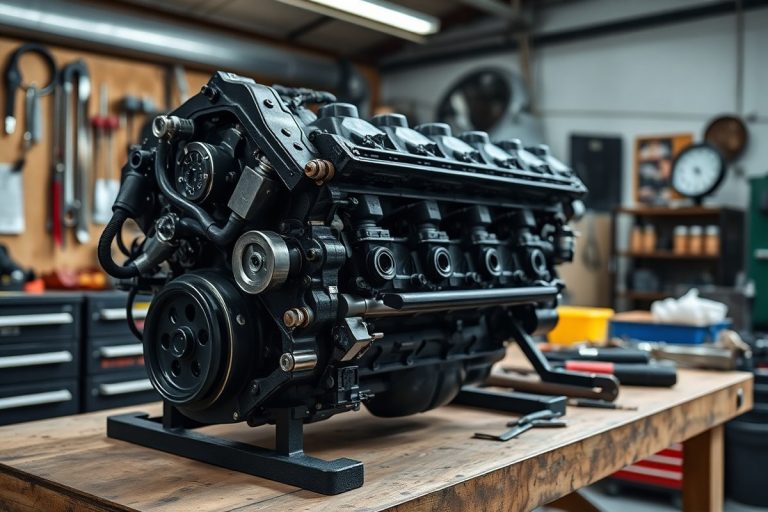
Even though it might seem faster to keep the car running, the risk isn’t worth it. Your engine or exhaust parts get hot enough to ignite fuel vapors. Turning off the engine removes that active ignition source during refueling.
The EVAP system manages fuel vapors and may misread data during refueling while the engine runs. This error can trigger your check engine light. To avoid this, turn off your engine before pumping gas and restart it after filling.
Key Takeaways
- Always turn off your engine before pumping gas to avoid fire risks.
- Hot engine parts can reach over 500°F, igniting gasoline vapors.
- Gasoline vapor is more flammable than liquid fuel, so vapors matter most.
- Refueling with the engine on can trigger your EVAP system’s check engine light.
- Getting trouble codes following fuel fills with the engine on means you should try a scan tool.
- Drive 30 to 50 miles at varied speeds to reset your EVAP system after an error.
Can You Put Gas in the Car While It’s Running?
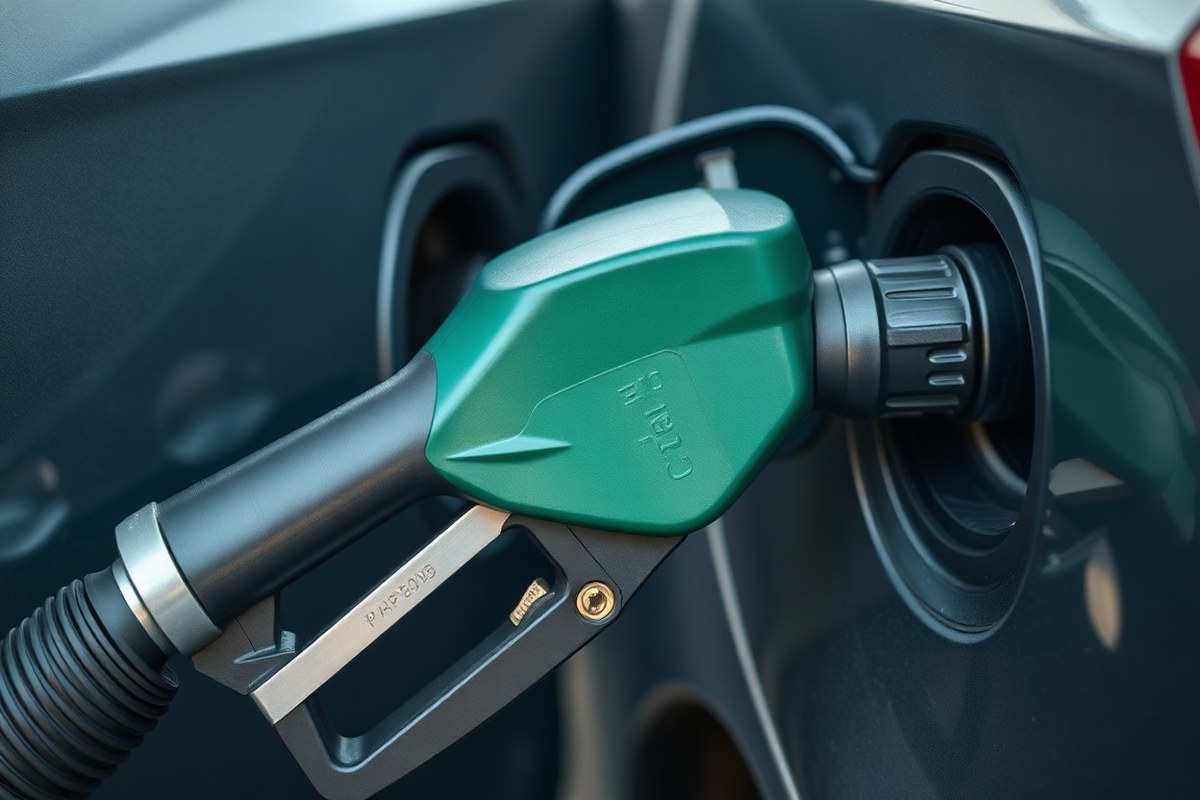
You can physically pump gas while the engine runs, but it’s not safe. The engine stays on and the fuel pump works normally during refueling. That makes it possible, but experts strongly advise against it.
Safety organizations, car makers, and fire codes all warn not to refuel with the engine running. Gasoline vapor and engine heat create fire hazards in this situation. Also, even a small backfire from the running engine can damage the exhaust or engine parts.
Running engines increase the risk of sparks and fires near fuel vapors. A fire starts while you pump gas. You must release the nozzle handle.
Keep the nozzle in the filler neck to stop fuel flow safely. Following safety rules, like turning off the engine and avoiding phone use, lowers these dangers.
Some drivers leave the engine running for air conditioning or heat. This is risky. It can cause injury or damage.
In some states, it’s even illegal to pump gas with your car on. To protect yourself and others, always shut off the engine before refueling your vehicle.
How Gasoline Vapors and Engine Heat Create Fire Risks
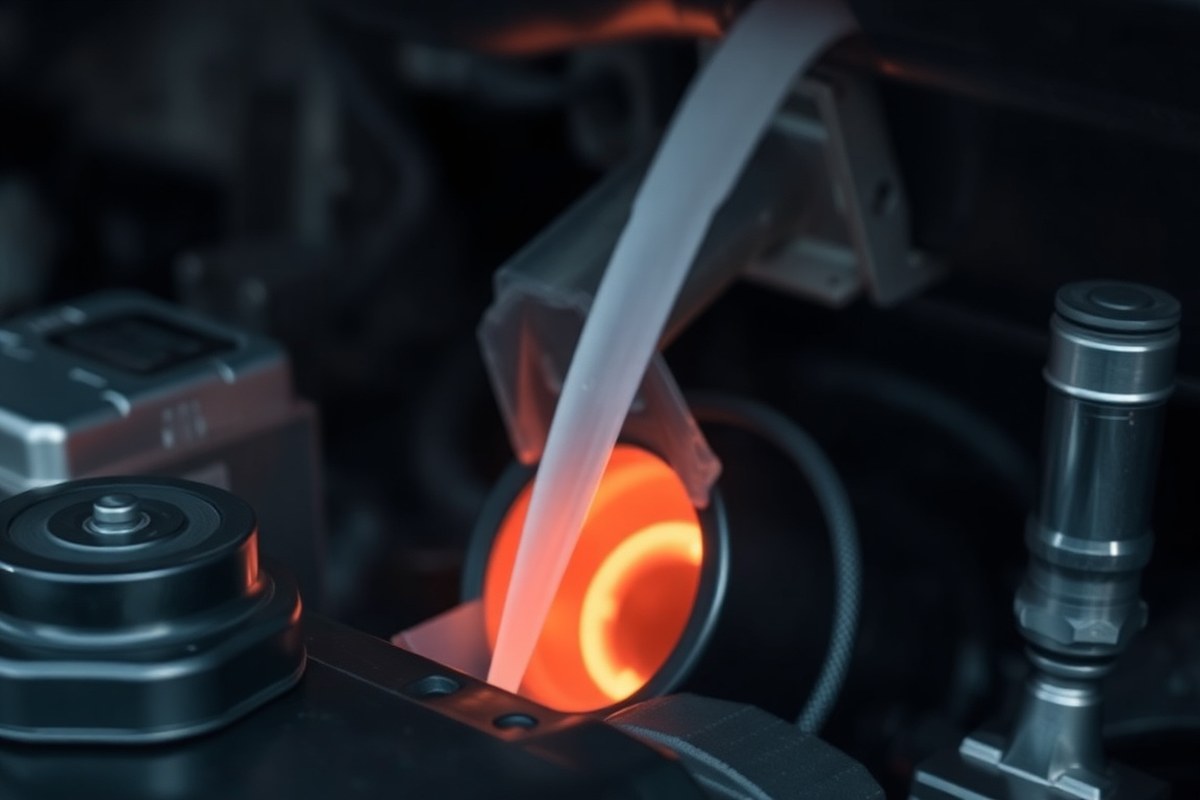
Gasoline vapors ignite much more easily than liquid gasoline because of their low flash point. These vapors can catch fire at about 536°F. This is cooler than many hot engine parts.
Catalytic converters can get much hotter than this temperature. This raises fire risks if you pump gas with the engine on.
Gasoline Vapor Properties and Flash Point
Gasoline gives off vapors at normal temperatures. These vapors ignite far below the temperature of boiling gasoline. The flash point is the lowest temperature where vapors catch fire.
They ignite when near a spark or flame. Gasoline’s flash point is around 536°F (280°C). Vapors can catch fire even if the liquid looks stable.
Because vapors mix with air, they can quickly spread beyond the fuel nozzle or tank opening. These vapors are heavier than air, so they sink and gather near the ground.
Pools of vapors can reach hot spots under the hood. They can catch fire near your feet too.
Heat Levels of Engine Components
Parts like the catalytic converter can exceed 1,000°F (538°C) during normal engine operation. This temperature far surpasses gasoline’s autoignition point of 536°F. Other exhaust parts, such as the manifold, also get extremely hot, often between 800°F and 1,000°F.
These parts produce no open flames but radiate enough heat to ignite gasoline vapors directly. Even small leaks or spilled vapors near hot parts may cause fire.
No extra sparks are needed. The risk rises drastically when the engine runs during refueling.
Why Gasoline Vapor Is More Dangerous Than Liquid
Gasoline liquid itself doesn’t burn easily unless heated or sprayed. Its vapors ignite at much lower temperatures because they mix with oxygen in the air.
Vapors ignite easily once they hit heat or sparks. They are ready fuel for flames.
Spilled fuel evaporates quickly, increasing vapor concentration near the pump. When vapors meet hot engine parts or static sparks, they can explode or catch fire. This is why safety rules always require turning the engine off before refueling.
How Hot Engine Heat Combines with Vapors to Create Fire Hazards
The combination of vapors and engine heat creates a dangerous situation while pumping gas. An engine running generates sparks internally and radiates intense heat outside. These two sources together can ignite vapors that leak or escape during filling.
The catalytic converter’s extreme heat is a frequent ignition point. It can set off vapors instantly, especially if fuel spills on or near it.
Electrical faults or static shocks near the gas pump add risk. The pump area is dangerous if the engine runs.
Always turn your engine off before refueling to avoid exposing vapors to hot parts and sparks.
Mechanical and EVAP System Risks from Fueling with Engine On
How Engine-On Refueling Affects EVAP Pressure
Leaving your engine running while refueling disrupts your EVAP system’s normal operation. The system constantly tests for leaks by sealing the fuel system and checking pressure.
Opening the fuel cap while the engine runs breaks the seal. This causes the system to notice a drop in pressure.
This pressure drop signals a leak, which triggers trouble codes on your dashboard. Your car assumes there’s a fault in the emissions controls. This mostly affects EVAP system integrity, forcing your vehicle to send alerts that something is wrong.
Common Trouble Codes Generated by Active Refueling
Engines running during refueling often lead to codes like P0440, P0442, and P0455 appearing. These codes mean the EVAP system detected a significant leak or can’t maintain pressure. They indicate the car’s computer sees the open fuel neck as a fault.
More severe issues can trigger P0446, which refers to EVAP vent control circuit failure. These codes might come back after clearing.
That shows possible harm to EVAP parts from fueling with the engine on. You’ll likely need a diagnostic and repair to reset the system.
Fuel System and EVAP Damage Risks
Running the engine during gas pumping may cause strain on fuel lines and EVAP components. Opening the gas cap breaks the sealed loop.
Pressure changes can stress hoses or valves. Over time, this could lead to leaks or system malfunctions requiring repairs.
Though your engine won’t typically suffer immediate damage, repeated pressure loss risks weakening the EVAP system. Fuel leaks, vapor escapes, or check engine lights become common signs of these failures. Fixing EVAP system damage may cost hundreds of dollars, depending on parts and labor.
Heat and Electrical Risks When Engine Is Running
Your engine’s exhaust and electrical parts generate heat and spark risks while running. Components like the alternator and spark plugs stay active. This raises the chance of igniting gasoline vapors, which are highly flammable around the fuel neck.
Heat from exhaust manifolds can exceed critical temperatures safe for fuel vapors. Turning off your engine lets these parts cool quickly, reducing ignition risks. Keeping circuits de-energized further lowers chances of sparks during refueling.
| Safety Dimension | Engine: Active (Running) | Engine: Turned-Off (Safe State) |
|---|---|---|
| Electrical Spark Risk | High risk, active ignition sources like alternator and spark plug | Minimal, circuits de-energized |
| Surface Heat Emission | Critical heat from exhaust manifolds and catalytic converter | Rapidly cooling, stabilized thermal state |
| EVAP System Integrity | Compromised vacuum integrity, pressure loss from open fuel cap | Sealed loop, static non-vent state |
Resetting Codes and Avoiding Long-Term Damage
After fueling with the engine on, turn it off and then restart to clear minor faults. Often, the check engine light resets after the EVAP system completes its self-test. But if codes like P0446 or P0442 come back, seek professional help.
Ignoring repeated errors can cause permanent EVAP or fuel system damage. Tradespeople charge $150 to $500 or more to fix leaks or replace faulty valves. Preventive action means making sure your engine is off before refueling to avoid these headaches.
Common Myths About Pumping Gas with the Engine Running
Many people worry that using a cell phone at the pump might cause a fire. The National Fire Protection Association and FCC found no fire risk from phones. Cell phones don’t cause fires at gas stations.
Research backs this up. The real risk lies in distractions that may cause accidents, not the phone’s signal itself.
Some people say you must keep your engine on to stop overfilling. That’s a myth. The engine doesn’t keep the tank from overfilling.
This is false. Overfilling can harm your car’s evaporative emissions control system and increase fire hazards. Turn your engine off when fueling for safety.
The pump’s automatic shut-off works best with the engine off. This stops extra hazards.
People also fear that explosions happen often if you fill gas with the engine on. Explosions during normal refueling are very rare. This holds true even if the engine runs briefly.
Safety is still strong during fueling. Turning off your engine lowers the chance of fire.
This is key if your car leaks oil from bad valve seals. Gasoline vapors don’t ignite as easily then.
- Never smoke or use lighters when pumping gas.
- Always turn off the engine before refueling.
- Follow posted gas station rules carefully.
- Avoid distractions, including mobile phones, while fueling.
- Don’t top off your gas tank after the pump clicks off.
Fueling with the engine on can cause the check engine light to come on. Older cars with mechanical or EVAP issues are more likely to see this. This is due to sensor alerts.
This light warns of possible fuel vapor leaks or combustion issues. Running your engine for one or two minutes while fueling cuts most risks. Short engine use at the pump is usually enough.
This quick step helps keep you safe. So, just stop your engine and stay focused on filling the tank safely.
Legal Standards and Gas Station Safety Regulations
Most states have laws that require you to turn off your engine before pumping gas. These laws come from fire safety codes developed by the National Fire Protection Association (NFPA). The NFPA says drivers must turn off their engines during refueling.
This cuts fire or explosion risks. It keeps everyone safer at the pump.
Gas stations must follow these regulations carefully. Fueling equipment has to meet strict emissions standards to limit volatile organic compounds (VOCs). Gas stations require engines off to protect customers and staff.
This rule also helps avoid lawsuits. It keeps the environment safer for everyone.
Failing to turn off your engine increases electrical current flow through your vehicle’s wiring. This raises the chance of igniting gasoline vapors that collect near the pump. Fire codes and federal laws require engines off at service stations.
This rule helps prevent fires during refueling. It keeps the station safer for everyone.
Gas stations display “Turn Off Engine” signs as a legal requirement. These signs remind drivers of their duty under national and state laws, not just suggestions. Stations watch and enforce engine-off rules to limit fire risks.
They do this to avoid accidents and legal trouble. It protects customers and workers alike.
Breaking these safety rules can cause fires or explosions. It can lead to big damages and costs. Staying safe helps you avoid this risk.
Gas stations face fines or lawsuits if they don’t enforce engine-off mandates. Following the posted instructions only takes seconds but cuts serious dangers immediately.
Always turn off your engine completely before you start fueling. This follows the law and reduces fire danger. It keeps you and others safe.
Steps for Safely Refueling Your Vehicle
Start your refueling by turning off the engine. This stops the flow of electricity and lowers fire risks. You also avoid confusing the car’s computer, which needs a sealed fuel system to work right.
Next, exit the vehicle and touch a metal surface away from the pump. This step releases any static electricity you might have built up. Avoid getting back into your car until after you finish fueling to prevent static charges.
Remove the gas cap carefully. Put it somewhere clean and safe. Avoid places where it can get dirty or damaged.
Open the pump handle without rushing and insert it fully into the tank’s opening. Watch the pump handle click off automatically to avoid overfilling.
- Turn off your car’s engine completely. Ensure no sparks can start gasoline vapors.
- Exit the vehicle and touch metal. Use this to discharge static electricity safely.
- Remove the gas cap slowly and place it aside. This prevents fuel vapors from escaping suddenly.
- Insert the fuel nozzle fully into the tank opening. Keep it steady during pumping to avoid spills.
- Begin fueling and let the pump stop automatically. Do not try to force more gas in after it clicks.
- Replace the gas cap tightly once done. A loose cap can cause warning lights and leaks.
- Check that the pump handle is closed properly. This helps avoid fuel drips and hazards.
- Touch the car again before leaving the pump area. This clears any new static charge from fuel handling.
Following these steps should take about five minutes, including the safety checks. If you don’t replace the gas cap, your check engine light may turn on.
This can cause error codes in your car’s system. Taking a moment to secure the cap costs nothing but prevents trouble at your next drive.
What to Do If You Accidentally Pump Gas with the Engine Running
Accidentally pumping gas while your engine is running can cause problems. You might notice your check engine light come on or hear unusual noises. Acting quickly helps avoid damage and clears any error codes your system might trigger.
Here’s how to respond right after you realize the engine was running during refueling:
- Turn off the engine immediately.Switch off your ignition. This stops fuel flow. It also protects the fuel pump and EVAP system.
- Remove the gas nozzle carefully. Avoid spilling fuel, which creates hazards. Wipe off any drips promptly with a cloth or paper towel.
- Wait at least 5 minutes before restarting. This pause helps the vehicle’s fuel system stabilize and lowers the chance of error codes sticking.
- Inspect for fuel smells or leaks. Notice any strong gasoline odor or wet spots around your car. See leaks? Leave the area quickly. Call for help right away.
- Drive gently to help reset the EVAP system. A short drive can clear some errors without needing a mechanic. Avoid hard acceleration or heavy braking.
- Check for the Check Engine Light.The light stays on after driving. You might need a diagnostic scan. Many auto parts stores offer free code reading.
- Clear error codes using an OBD-II scanner if you have one. This device plugs into your car and deletes temporary fault codes safely.
- Seek professional help if problems persist. Persistent check engine lights or strange engine behavior calls for a certified mechanic. Repairs may be needed to fix the fuel pump or EVAP components.
Handling the situation right away limits damage. Ignoring the issue might cost hundreds of dollars if fuel pump damage occurs. Regular code clearing and a brief drive often solve small glitches for free.
Smell gas inside or see leaks? Stop driving right away. Protect yourself and others.
Handling Emergencies and Fuel Fires at the Pump
Start by immediately stopping the fuel flow if a fire begins while refueling. Leave the nozzle in the fuel tank. Get everyone out of the car fast.
Move to a safe spot away from danger. Then, find and activate the emergency pump shutoff switch before calling for help.
Gas stations should have fire extinguishers for fuel fires. They also need emergency shutoff switches. Some places keep fire blankets too.
These tools stop small fires from spreading. They help you control the fire.
Wait for firefighters to arrive after using them. Knowing where this equipment is can save precious seconds during an emergency.
Tell the gas station staff right away if you see fire or leaks. Quick action keeps everyone safer. Don’t try to handle it alone.
Evacuate calmly if the fire grows or you feel unsafe. Call 911 once you’re at a safe distance. Don’t try to fight a spreading fire.
Stay away from pumps and cars until emergency workers say it’s safe. Keep others clear too. Wait for responders to take over.
- Stop fueling immediately and leave nozzle in the tank
- Evacuate yourself and others from the vehicle
- Activate the fuel pump emergency shutoff switch
- Alert the gas station attendant or staff
- Call 911 once you are safely away
- Use a Class B fire extinguisher only if trained and safe
Fire risks increase when gasoline vapors meet static sparks or engine heat. So acting fast is essential. Emergency drills and clear signs can reduce confusion and panic.
Gas station staff usually train for fire safety. Fires at gas stations happen about 4,500 times per year in the U.S. Training helps keep people safe.S., according to the NFPA.
Always know where the emergency shutoff switch is before you start fueling, it can prevent disaster.
Differences in Refueling Practices for Diesel and Other Fuels
It’s generally not safer to pump diesel with the engine running. Diesel fuel burns differently than gasoline but still poses fire risks. Alternative fuels each have unique hazards and rules you should follow at the pump.
Diesel Fuel Characteristics
Diesel fuel is less flammable at room temperature than gasoline. Its flash point is around 125°F, much higher than gasoline’s 45°F. This means diesel won’t ignite as easily from small sparks or hot engine parts.
Despite this, running the engine while fueling diesel still risks spills and static electricity. Diesel engines often stay hot, making any fuel spill dangerous. Most stations require you to turn off the engine to prevent accidents.
EVAP Systems in Diesel vs Gasoline Cars
Gasoline vehicles use an EVAP (evaporative emission control) system. This system captures fuel vapors, reducing pollution and fire risks. Diesel engines usually don’t have EVAP systems because diesel vapors are less volatile.
Without EVAP, diesel vehicles release fewer vapors during fueling but can still leak fuel odors. This means diesel pumps might smell stronger, but vapor-related fire risk is lower. Still, safety rules about engine shutoff apply to minimize spillage hazards.
Safety Tips Specific to Alternative Fuels
Compressed natural gas (CNG) and propane require even stricter rules. Their gas leaks are highly flammable and can collect in confined spaces. Always turn off the engine and avoid any open flames or sparks when refueling these fuels.
Electric and hybrid vehicles use no liquid fuel but have different safety steps. When recharging, the engine is off, and you must follow manufacturer instructions. No fuel vapors mean pump running risks do not apply, but electrical hazards exist.
Step-by-Step Action Plan for Safe Refueling
Follow these steps to refuel your car safely and avoid hazards. Each step ensures you minimize risks and stay compliant with station rules.
- Before You Start: Turn off your engine completely. Confirm the engine has stopped by listening or watching the dashboard lights.
- At the Pump: Remove your gas cap and hold the nozzle firmly. Check that fuel flows smoothly without leaks or odd smells.
- During Refueling: Keep your hand on the nozzle and avoid distractions. Stop refueling when the pump clicks off automatically or you’ve added enough fuel.
- Right After Filling: Replace the gas cap tightly until you hear it click. This prevents vapors from escaping and protects the EVAP system.
- Before Driving Away: Put the nozzle back on the pump and close the fuel door. Start your engine only once you’re safely away from the pump area.
- Weekly Check: Inspect your gas cap for cracks or damage. Replace it if you notice wear to avoid fuel vapors leaking.
- Accidents Happen: Stop fueling right away. Tell the station staff. Follow their safety instructions and keep a safe distance until it’s resolved.
Frequently Asked Questions
Can You Put Gas in the Car While It’s Running Safely?
Never fuel your car with the engine on because gas vapors can ignite from heat or sparks nearby.
Does Leaving the Car Running Damage the Fuel System When Refueling?
Yes, running the engine while pumping gas can cause damage to the EVAP system. This system is designed to capture fuel vapors. Fuel fumes increase with the engine on.
Why Do Gas Stations Require You to Turn Off Your Engine Before Refueling?
Stations enforce engine shutoff to prevent ignition of gasoline vapors. The heat and electric components in a running engine can spark a fire.
Can Putting Gas in a Running Diesel Vehicle Cause the Same Risks?
Yes, diesel vehicles also should be turned off before refueling. Though diesel is less volatile, running engines still pose fire hazards around fuel vapors.
What Should I Do Immediately If Gasoline Spills While Filling with the Engine Running?
Stop fueling and turn off the engine as quickly as possible. Clean up small spills carefully and inform station staff if needed to reduce fire risk.
Final Thoughts
Leaving your car running while refueling greatly increases fire and injury risks. Shut off your engine every time to keep yourself and others safe.
Next time you stop at a gas station, turn off your engine. Do this before you start pumping fuel.