How Fast Can a Semi Go? Real Speeds, Limits, and Safety Explained
How fast can a semi go is a common question for many drivers. Most semi trucks have a top speed governed between 60 and 65 miles per hour. Some trucks travel faster without a trailer.
They can reach over 80 miles per hour. That speed happens mostly on highways.
However, practical limits like weight and safety rules keep trucks slower on the road. Truck speed varies by load, road, and state laws. Watch these factors closely.
They explain why a semi truck can’t speed past anytime. Understanding them keeps you safe on the road.
For safe driving, speed limits and stopping distances matter a lot. Since trucks are heavy, stopping takes longer at higher speeds. That’s why truckers stick to limits, especially when fully loaded or in bad weather.
Key Takeaways
- Most semi trucks have a speed governor set around 65 mph.
- Without a trailer, some semis can reach speeds over 80 mph.
- Load weight dramatically affects a semi’s speed and handling.
- Stopping distance for a fully loaded semi at 65 mph is about 525 feet.
- State speed limits for semis vary, with some as low as 55 mph.
- Excessive speed greatly increases the risk of long stopping distances.
How Fast Can a Semi Truck Actually Go on Highways?
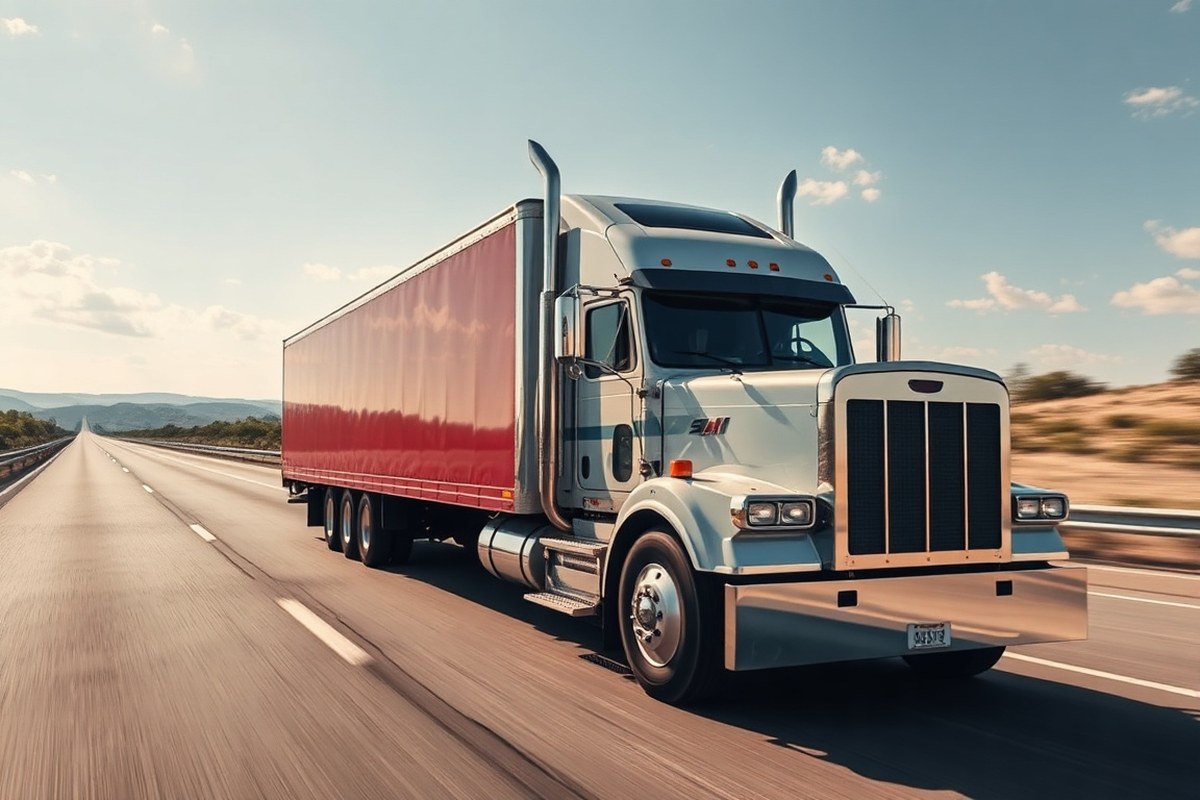
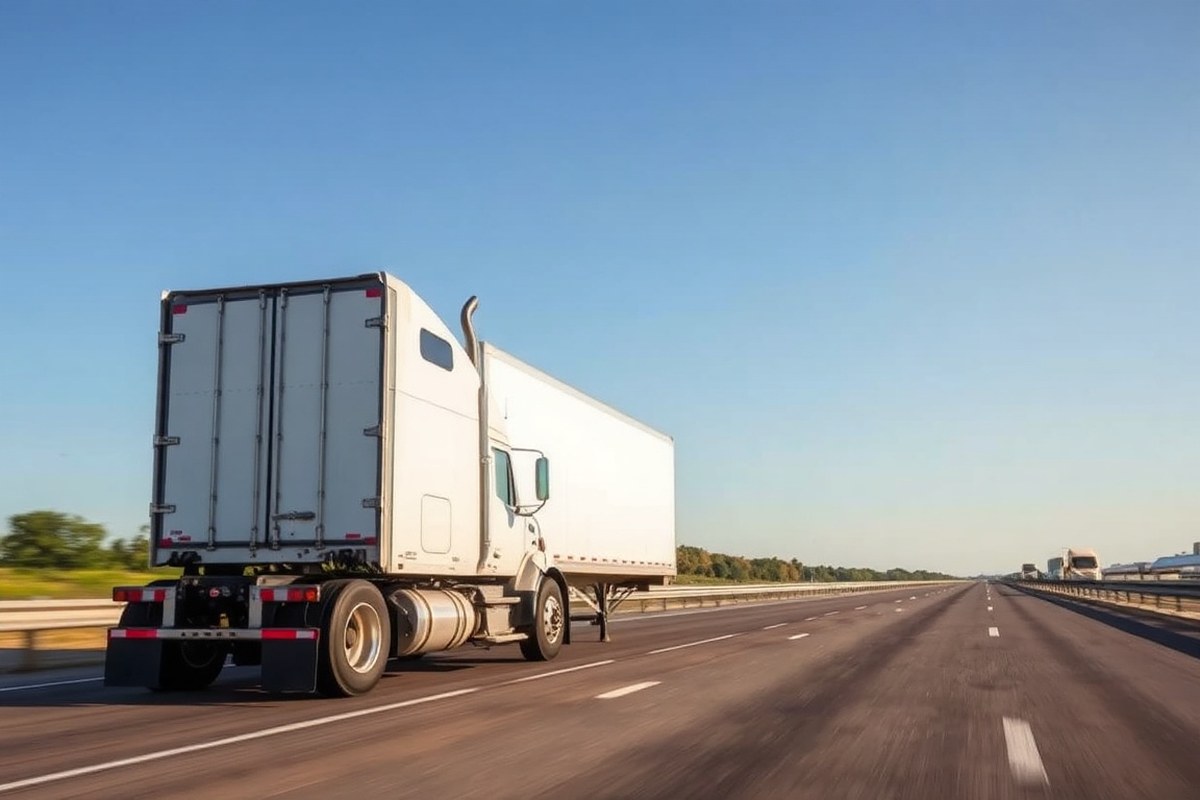
Semi trucks without trailers can reach speeds up to 100 mph or more on highways. The powerful engines help empty trucks speed up quickly.
They keep steady speeds of 55 to 65 mph in normal conditions. This range balances speed with safety and fuel efficiency.
Most semi trucks have a top speed limit set by rules. These limits are often between 65 and 75 mph. Governing means a computer limits how fast the truck goes.
This helps reduce risks and wear on the engine. These trucks can go over 100 mph, but rarely do. They usually drive slower when pulling trailers.
Empty semi trucks can go faster because they weigh less. They also face less wind resistance on the road. However, driver policies often keep speeds below 70 mph to maintain control and extend engine life.
Loaded trucks move slower because extra weight slows them down. The added weight limits how fast they can go.
Legal Speed Limits for Semi Trucks Across Different States
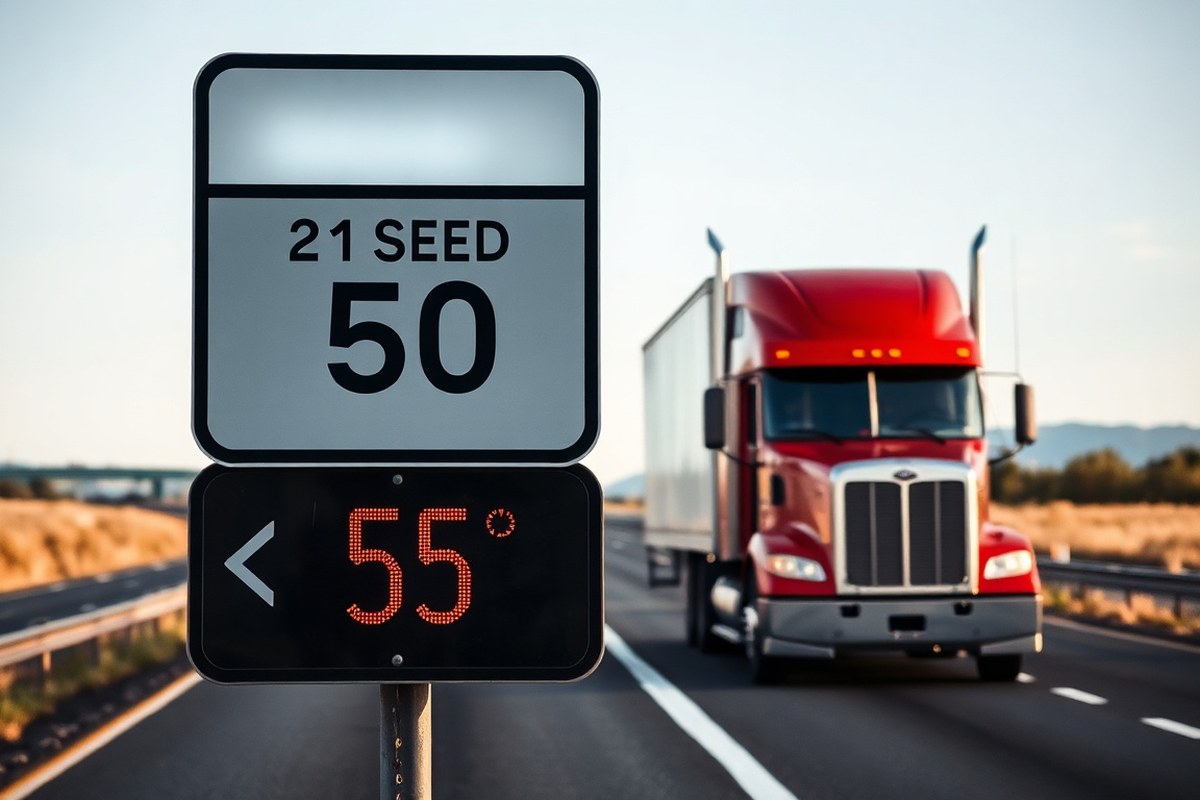
Semi trucks have different speed limits depending on the state they drive in. Most states set truck limits lower than those for passenger cars. Federal rules guide state limits but don’t set exact speeds.
Typical State Speed Limits for Semi Trucks
Truck speed limits often fall between 55 mph and 80 mph. Some states have notably low limits, like California at 55 mph. Others, such as Idaho, allow up to 80 mph, especially on rural interstates.
Many trucking companies set internal limits around 65 mph to improve safety. These limits help drivers stay within legal boundaries while reducing accident risks caused by high speeds.
| State | Common Truck Speed Limit (mph) |
|---|---|
| California | 55 |
| Oregon | 65 |
| Washington | 55-60 |
| Idaho | 80 |
| Texas | 70-80 |
| Typical range (most states) | 55-80 |
Trucks often face lower limits than passenger vehicles to lessen damage in crashes. Speed limit signs on highways usually show separate numbers for trucks alone.
Federal Regulations and Guidelines
The Federal Motor Carrier Safety Administration (FMCSA) advises states but doesn’t set fixed truck speeds. It recommends limits focused on safety rather than speed alone. Federal rules also require minimum speeds on many major roads, typically between 45 and 55 mph.
Some proposed rules limit trucks over 26,000 pounds to 65 mph. Others suggest a top speed of 68 mph. The goal is safer speeds for heavy trucks.
The FMCSA has considered this but not finalized a national limit. Trucking groups often lobby for consistent application of such limits to improve safety and fairness.
Drivers also must obey local laws and their employer’s rules. These might set lower speed limits than state rules require.
Following these helps avoid fines and accidents. This gives companies control over fleet safety beyond government limits.
Differences Between Truck and Car Speed Limits
Many states set truck speed limits 5 to 10 mph lower than those for cars. Lower truck speeds help reduce crash severity and pollution from high-speed heavy vehicles.
This difference matters on highways where cars might cruise at 70 or 75 mph. Trucks stay at 60 or 65 mph.
Some states treat trucks and passenger vehicles the same, but that’s less common. Trucks’ heavier mass and longer stopping distances make slower speeds safer on busy roads. Laws vary widely depending on the road type and local safety concerns.
Always check the posted speed limit signs. Some roads show separate limits for trucks and passenger cars.
What Factors Limit the Speed of Semi Trucks?
The engine’s horsepower and torque shape a semi truck’s top speed. Horsepower helps the truck reach higher speeds. Torque delivers the power needed to move heavy loads.
Semi trucks provide massive torque at low RPMs. This helps with towing. However, it limits how quickly they can accelerate.
Trailer weight directly slows a semi down. The heavier the cargo, the more engine effort is needed to overcome inertia.
A loaded truck can’t reach the high speeds possible without a trailer. That extra weight also increases stress on brakes and tires at speed.
Speed limiters are common on modern semi trucks to cap how fast they can go. These devices are often part of the engine control unit (ECU). They stop the truck from going above a set top speed.
That is usually between 62 and 70 mph. This improves safety and fuel economy.
- Engine power provides maximum achievable speed based on design
- High torque focuses on towing force, reducing acceleration speed
- Heavy trailers add mass, reducing acceleration and top speed
- Speed limiters electronically restrict engine output above target speeds
- Tires and aerodynamics also affect safe maximum speeds
- State regulations commonly require speed limiters on trucks over 26,000 pounds
The engine’s control systems adjust fuel and air flow to keep the truck within speed limits. This limits wear and tear, increase safety, and can help lower operating costs by saving fuel. Without these, trucks could reach unsafe speeds or strain mechanical parts more.
Engine specs, weights, and electronic controls all keep semis from speeding. These limits balance the truck’s capabilities with the need for safety and reliability. The right speed depends on load, road, and legal rules.
How Load and Weight Influence a Semi Truck’s Speed and Handling
A fully loaded semi truck can weigh up to 80,000 pounds. That is about four times heavier than an empty truck. This extra weight slows acceleration noticeably.
For example, a loaded truck might take 10 to 15 seconds to reach 60 mph. An empty truck may do it in around 6 to 8 seconds.
Added weight also affects top speed. Most semis top out around 65 to 70 mph for safety reasons.
But loaded trucks rarely reach those speeds quickly. The heavy load makes it harder to maintain speed on inclines or rough roads.
Braking distance grows dramatically with weight. At 65 mph, a fully loaded semi needs about 525 feet to stop under ideal conditions.
By contrast, an empty truck can stop in roughly half that distance. This difference means you must allow extra space and slow down sooner when fully loaded.
If you’re driving at 65 mph and need to stop, the distance matters. A loaded truck’s stopping distance can double from about 260 to 525 feet. Increasing speed to 80 mph boosts stopping distance by more than 50% beyond that.
The physics involve momentum and the braking force needed. The brakes must work harder to slow a heavier truck safely.
Handling is also affected when fully loaded. Heavy loads make steering less responsive.
This raises the chance of sway or jackknifing during sharp turns or hard braking. The truck feels less agile, so careful steering and slower speeds help maintain control.
This is why companies and drivers adjust their driving based on weight. You want to accelerate gently, keep speeds moderate, and increase following distance when fully loaded. These steps prevent overburdening the engine, reduce brake wear, and improve overall safety.
How Road and Weather Conditions Affect Safe Driving Speed
Rain and snow make roads slick and cut visibility. So you need to slow down. Wet pavement lowers traction, and ice can cause a semi to slide.
Reduced visibility means you see hazards later, which reduces your reaction time. Adjust your speed well below the posted limit when these conditions hit.
Road surfaces also affect your speed choices. Gravel, rough pavement, and potholes force slower driving to avoid damage and control loss. Sharp curves require slower speeds, especially when combined with bad weather.
Uphill climbs naturally slow you down. But downhill requires caution to avoid going too fast.
- Reduce speed by at least 10-20 mph in rain
- Cut speed by 20-30 mph or more in heavy snow or ice
- Slow down on gravel, rough, or uneven roads
- Drive cautiously on sharp curves and steep grades
- Increase following distance for better reaction time
- Turn on headlights in low visibility conditions
- Use engine braking and avoid sudden stops downhill
Going downhill can tempt you to speed up, but that risks losing control. Use your transmission’s lower gears to slow the truck and stay in control. Heavy loads increase the momentum.
So leaving your speed unchecked might cause brake failure or jackknifing. Safe downhill speeds often mean going slower than on flat roads.
Always check weather and road reports before your trip and adjust speeds before hazards appear.
Following these steps helps prevent accidents and gives you time to react. Overconfidence and rushing downhill can cause serious crashes. Your safety, and everyone else’s, depends on recognizing when conditions demand slower speeds.
Safety Risks and Stopping Distances at Various Speeds
Semi trucks take much longer to stop than passenger cars. At 65 mph, a fully loaded semi needs about 525 feet to stop. This longer stopping distance is why speed limits exist to reduce accident risks.
Stopping Distances at Different Speeds
The stopping distance for a semi truck grows quickly as speed rises. A fully loaded semi at 65 mph needs 525 feet to stop. This stop distance applies under good conditions.
At lower speeds, the distance shrinks notably. But it remains much longer than a car’s stopping distance.
Load and road conditions also change how far a semi must travel to stop. A lightly loaded or empty truck can stop sooner.
But the difference is not huge. Wet or slippery roads increase stopping distances further.
| Speed (mph) | Stopping Distance for Fully Loaded Semi (feet) | Stopping Distance for Passenger Car (feet) |
|---|---|---|
| 55 | 400 | 250 |
| 65 | 525 | 316 |
| 75 | 660 | 400 |
The table shows speed rising from 55 to 75 mph. Stopping distance goes up by more than 50%. Semi trucks consistently need about 40% more distance to stop than passenger cars.
Comparison to Passenger Vehicles
Fully loaded semi trucks take 40% longer to stop than cars. This is true at the same speed.
This is mainly due to the heavier weight and longer brake response time. The added length of the semi also means more distance to safely slow down.
Driver reaction time can add 1 to 2 seconds before brakes engage, increasing total stopping distance. Passenger cars have better maneuverability and lower centers of gravity. So they stop and avoid hazards faster than semis.
Accident Risk and Speed Correlation
Higher speeds make all accidents worse because impact forces grow with velocity. A semi traveling at 75 mph has much more kinetic energy than one at 55 mph. This higher energy leads to more severe damage and injuries in crashes.
Semi trucks have higher centers of gravity than cars. This makes rollovers more likely at high speeds.
Sharp turns taken too fast become much riskier with a tall, heavy truck. That’s why many states set lower speed limits for semis than passenger cars.
How Company Policies and Regulations Enforce Speed Limits
Electronic speed limiters help trucking companies control semi truck speeds. They set a maximum speed the vehicle can reach. This keeps drivers within safe limits.
These devices cap the maximum speed, often around 65 mph, to improve safety and save fuel. Though not federally required yet, many companies install and enforce these limits themselves.
Trucking businesses monitor driver speeds using Electronic Logging Devices (ELDs), GPS tracking, and onboard cameras. ELDs record how long drivers drive and their vehicle speed. They make sure drivers follow rules and don’t speed.
This helps keep everyone safer on the road. GPS units show a truck’s location and speed in real time.
Companies check this data for dangerous driving or speeding. It helps catch risky behavior quickly.
Company policies usually set truck speed limits lower than state legal limits. Schneider usually limits its trucks to 65 mph top speed. Some states like California require even lower limits.
These rules vary by location. Speed rules stop accidents and reduce truck wear and fuel use.
That saves money and keeps trucks running longer. These are smart choices for any company.
Truck drivers face big fines if they speed. They can also get points on their licenses. Sometimes their driving privileges get suspended too.
Serious cases like reckless driving or crashes may lead to criminal charges. Drivers know breaking speed rules risks their jobs and safety.
Following these rules protects their career and others on the road. It’s critical to obey speed limits.
Enforcing these speed limits requires clear communication from companies and regular monitoring. Drivers often get coaching or warnings for small infractions before more serious penalties. Consistent enforcement helps maintain safer roads and keeps cargo intact during long hauls.
Technological Advances Impacting Semi Truck Speed and Safety
Electronic engine control units (ECUs) manage a semi truck’s engine performance precisely. They adjust fuel delivery and air intake to optimize power and efficiency. Trucks over 26,001 pounds often use ECUs to meet emission rules.
These computers also help control the truck’s speed. They are key for keeping trucks within speed limits.
Autonomous driving technology is beginning to influence truck speeds too. Some systems can automatically regulate speed by reading road signs and traffic conditions. This real-time adjustment helps maintain legal limits and reduces accidents caused by human error or distraction.
Future advances include smarter speed control tied to automated braking and lane-keeping systems. These tools react faster than humans and keep trucks safer at higher speeds on highways. Along with fuel-saving engine tech, these innovations aim to balance speed with efficiency.
Trucking companies use electronic logging devices (ELDs). These devices record speed, routes, and hours driven. This helps track driver and vehicle data accurately.
This keeps drivers accountable and supports safer habits. Monitoring tools watch truck parts like brakes and tires closely.
They send alerts when parts start to fail. These alerts help prevent dangerous speed problems.
Always trust onboard systems to warn about unsafe speed or mechanical issues; don’t override them.
Advanced driver assistance features cost extra, often several thousand dollars per truck. But lower accident risks and fuel costs. Drivers still need to slow down carefully on hills or slippery roads.
Technology can’t stop every brake failure. Being cautious helps avoid accidents. Proper vehicle upkeep and following the rules remain essential for safe semi truck speeds.
Exceptional Semi Trucks: What Are the Fastest and Why?
Semi trucks can reach speeds well beyond typical highway limits when specially built or modified. The fastest semi truck recorded is Shockwave, which can reach 376 miles per hour. These extreme speeds come from custom engineering and are rare outside racing or exhibition use.
World’s Fastest Semi Trucks
The Shockwave truck holds the record for the fastest semi truck. It is a jet-powered semi that hits 376 mph on a drag strip. This speed far exceeds normal highway or interstate limits, showing what’s possible with extreme modifications.
Other fast semis usually top out around 115 mph, often reached by purpose-built racing rigs. These trucks rely on massive engines and lightweight frames. They are not common for everyday hauling or road use.
Common Speed Modifications
Many speed modifications help semi trucks achieve higher speeds safely. They often involve engine upgrades, aerodynamic changes, and suspension tuning. Each improves power, stability, or reducing drag.
- Replacing stock engines with high-horsepower diesel or jet engines
- Installing turbochargers or twin-turbo systems
- Upgrading transmissions for faster gear shifts
- Adding aerodynamic fairings to reduce air resistance
- Lowering suspension to improve stability at speed
- Using racing tires to handle higher speeds
- Reinforcing brakes to safely slow down from fast speeds
Not all modifications suit street-legal trucks. Heavy tuning often requires special permits or event-only use.
Practicality and Limitations of High-Speed Semis
High-speed semis mostly serve racing or exhibition purposes. They are not practical for hauling freight on public roads. Extreme speeds demand special maintenance, fuel, and safety gear.
The costs include engine rebuilds, extra fuel consumption, and specialized driver training. Running these trucks on highways risks serious mechanical issues or accidents. For normal trucking, semis usually follow posted speed limits below 70 mph.
Street-legal trucks designed for speed exist but rarely exceed 100 mph safely. They balance power upgrades with legal standards for lights, brakes, and emissions. They provide fun or promotional use without compromising daily operations.
Step-by-Step Action Plan to Drive Semi Trucks Safely and Within Limits
Follow this plan to manage your semi truck’s speed safely and legally. Each step helps you stay in control and avoid risks.
- Before you start: Check your load weight and secure it properly. This makes sure your truck handles correctly and won’t slow down unexpectedly.
- Day 1: Review the speed limits for trucks in every state on your route. Knowing this helps you avoid fines and unsafe speeds.
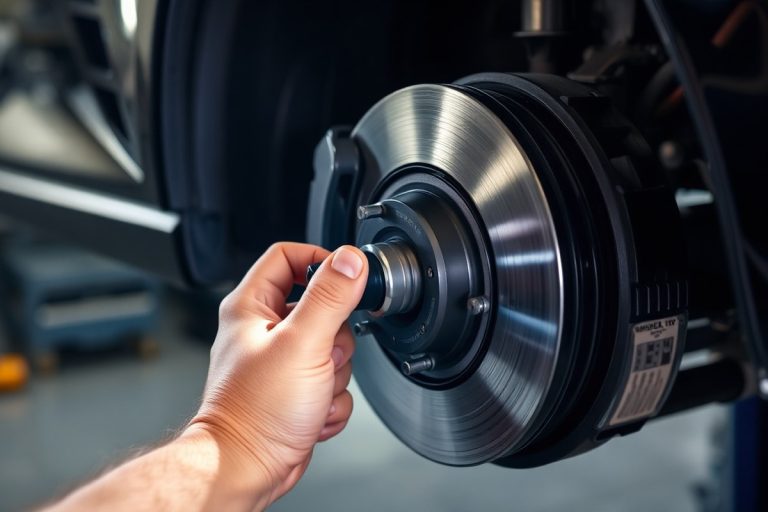
- Day 2: Inspect your truck’s brakes and tires before driving. Good equipment reduces stopping distances and keeps you safe.
- Week 1: Adjust your driving to weather and road conditions. Lower your speed when it’s wet, icy, or on rough roads.
- After 2 weeks: Use your truck’s speed limiter and cruise control if available. This keeps your speed steady and within legal limits.
- Monthly: Review company rules on speed and safety with your dispatcher. Staying updated keeps you compliant and protected.
- Ongoing: Pay attention to technology updates like collision warnings or automatic braking. These tools can help you slow down safely on time.
Frequently Asked Questions
Can Semis Go 100 Mph?
Yes, a semi truck without a trailer can reach up to 100 mph. Engine power and design usually decide this top speed.
Can a Semi-Truck Go 90 Mph?
Technically, many semi trucks can reach 90 mph without a trailer. Still, they rarely do so because of company restrictions and state laws.
What Truck Goes 200 Mph?
The Shockwave semi truck is one example that can hit 376 mph. It’s built for speed, not regular highway driving.
How Fast Can Semis Legally Go?
Legal speeds vary by state, commonly between 55 and 70 mph for semis. Specific rules also depend on cargo and road type.
Why Don’t Most Semi Trucks Drive at Their Top Speed?
Truck companies often limit speeds to 65-75 mph to save fuel and improve safety. Driving slower helps reduce accidents and engine stress.
Key Points to Remember
Semi trucks can legally and safely travel at highway speeds. But many factors influence this speed.
Your best move is to always check limits, adjust for conditions, and use safety tech. Keep your truck well-maintained and your knowledge sharp to make every drive safer.