How Fast Can I Go on a Spare Tire: A Complete Guide with Speed, Distance & Safety
How fast can I go on a spare? No faster than 50 mph.
Most temporary spares, called “donut” tires, have speed limits printed on their sidewalls. These limits exist because spares are smaller and less durable than regular tires.
Driving faster than 50 mph raises the risk of losing control. Their smaller size means they wear out quicker and handle differently. This makes safe driving harder, especially in bad weather or over rough roads.
Check your spare’s sidewall to find the exact speed and distance limits. Usually, spares are rated for 50 mph and about 50 to 70 miles of driving. They are meant only for short trips to get you to a repair shop.
Long trips or high speeds on a spare can damage your car’s suspension or brakes. Replace or repair your main tire as soon as possible after using a spare. This keeps your vehicle safe and running smoothly after an emergency fix.
Key Takeaways
- Check your spare tire’s sidewall for specific speed and distance limits.
- Keep speed at or below 50 mph when driving on a donut spare.
- Do not drive more than 70 miles on a temporary spare tire.
- Replace spares older than 6 to 8 years even if unused.
- Run-flat tires allow driving at up to 55 mph for about 55 miles.
- Driving fast on spares increases the risk of tire failure and accidents.
How Fast Can You Drive Safely on a Spare Tire?
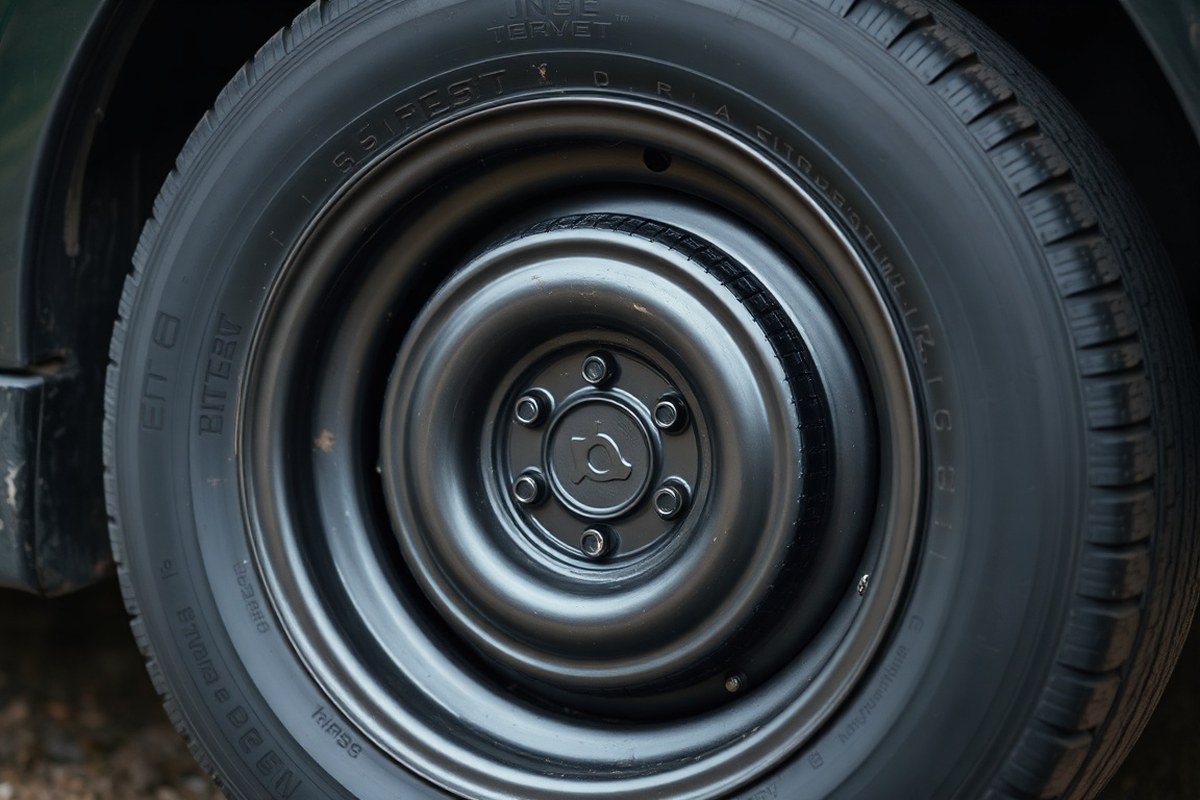
Driving speed depends on the type of spare tire you have. A temporary “donut” spare usually limits you to 50 mph.
This is because donut tires are smaller and have less tread. So they handle heat and wear poorly.
Full-size spare tires, the same size as your regular ones, allow normal speeds. You can drive at highway speeds with a matching spare tire. The spare must be the same size and type.
This keeps your car stable and safe on the road. Still, check your owner’s manual for any special instructions to avoid damage.
Run-flat tires also have speed limits, typically 50 mph for about 50 miles. These tires let you keep driving after a puncture. They are not made for high-speed driving.
Use them only for short distances and slow speeds. Always follow the manufacturer’s specific guidelines printed in your manual.
Going faster than 50 mph on a donut spare can be risky. You risk tire failure and poor handling, which is dangerous especially on highways. Your car may handle fast speeds, but the spare cannot.
The spare’s design limits the speed it can safely take. Going too fast can be dangerous with a spare tire.
Driving at 70 or 80 mph on a donut spare is not safe. It strains the tire, raises the risk of blowouts, and may damage your vehicle’s drivetrain. Use low speeds and avoid highways when on this type of spare whenever possible.
Your spare’s sidewall often shows the maximum speed and distance limits. Donut tires usually say “50 mph max” and about 50 to 70 miles range. Always follow these printed limits closely to prevent tire failure and ensure safety.
Check your spare’s inflation pressure too; many compact spares need 60 psi or more. Proper pressure keeps the tire functional at the set speed limit. Underinflated spares can heat up quickly, lowering speed safety even more.
Driving with a mismatched full-size spare means you should slow down. Lower speeds help keep your car stable. Avoid high speeds until you fix the tire.
Different sized tires can stress your car’s drivetrain and worsen handling. Keep your speed moderate if your spare doesn’t match your tires.
Drive carefully until you replace the spare with the right one. This helps avoid accidents and damage.
What Distance Can You Travel on a Spare Tire?
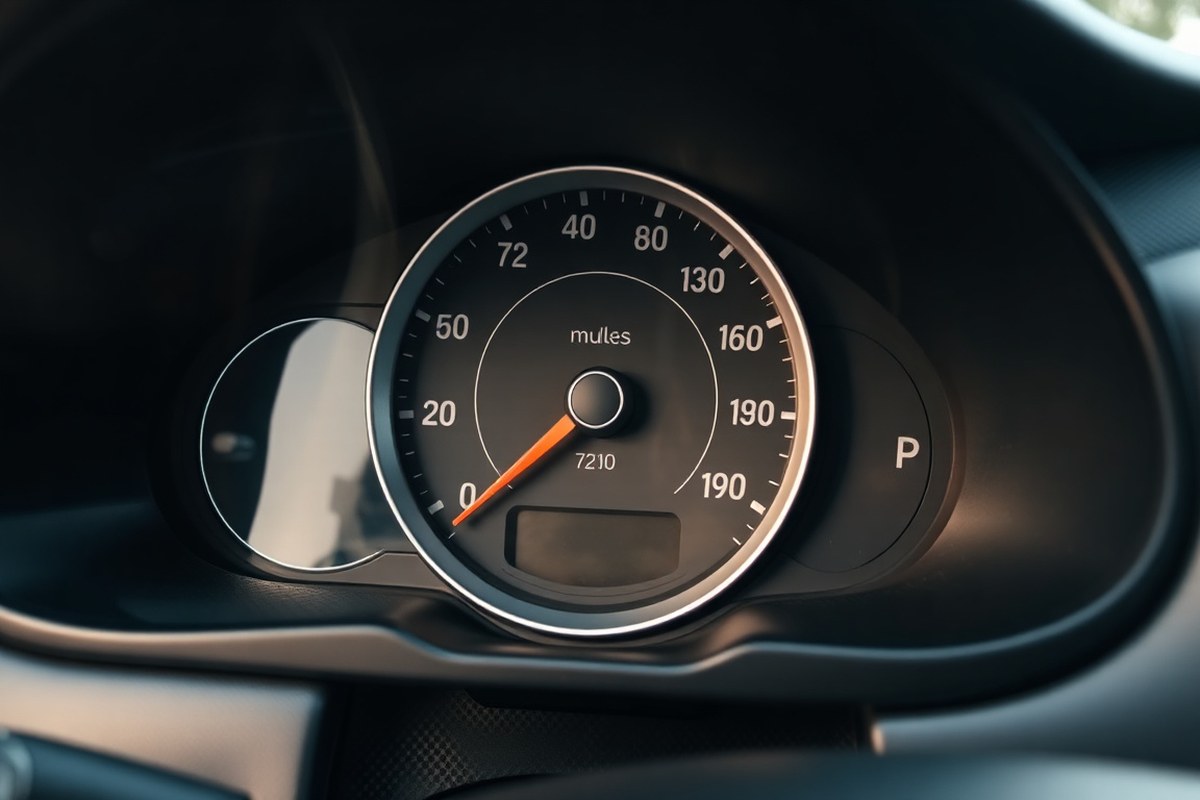
Drive less than 50 miles on a spare tire to stay safe. Temporary spares are not made for long drives. Try to replace the spare within a day or two.
Spare tires wear differently because they usually have a smaller size or different tread. Driving too far can cause uneven wear and stress your vehicle’s parts. All-wheel drive cars need extra care with a spare tire.
Using a mismatched tire too long can hurt the drivetrain. Avoid driving long distances with the spare on.
Time is less important than distance with spares. But old spares can still be unsafe. Replace spare tires once they are 6 to 8 years old.
Age matters more than how much you’ve driven them. Old spares can become unsafe even if rarely used. Using a worn or aged spare increases the chance it will fail under pressure.
Using a spare for a few days is sometimes okay. Keep your total driving distance under 50 miles. This helps avoid damage to your vehicle.
But covering more than that risks your safety and can lead to car damage. Avoid repeated use over multiple days without checking the spare’s condition carefully.
Check your owner’s manual and tire sidewall for exact distance limits your spare allows before driving.
Types of Spare Tires and Their Speed & Distance Limits
Spare tires come in many designs. These designs change how far and fast you can drive on them. Always know what type you have before you hit the road.
Donut or compact spares are smaller and lighter than regular tires. They get hot fast if pushed beyond their limits.
A full-size spare usually matches your regular tires better. That makes it safer to drive on for longer distances and higher speeds.
Run-flat tires are special. They let you keep driving even after a puncture. You can go about 55 miles at up to 55 miles per hour on them.
That’s much better than a donut spare. But run-flats come on newer cars, replacing traditional spares or repair kits.
| Spare Type | Typical Speed Limit (MPH) | Typical Distance Limit (Miles) | Notes on Use |
|---|---|---|---|
| Donut (Compact) | Up to 50 | 50 or less | Smaller size, needs higher pressure. Avoid highways when possible. |
| Full-size Matching | Normal car speed | Varies, usually unlimited for emergencies | When specs match, you can drive like normal. Still, check your owner’s manual first. |
| Run-flat | Up to 55 | About 55 | Allows continued driving after a puncture. Usually newer cars. |
Emergency spares are often donuts designed for short-term use only. They come with warnings on the sidewall about speed and distance. Full-size spares sometimes need normal air pressure, but temporary spares always require more pressure.
Check your spare tire’s sidewall or the placard on the driver’s door for exact numbers. Many full-size spares work like regular tires if they match your car’s specs.
Driving fast or far on a donut spare can cause tire failure. Donuts are made for short, slow drives only. Don’t push them too hard.
Heat builds up fast in smaller tires, making them unsafe after around 50 miles. Full-size spares let you drive at normal speeds. Make sure they match your other tires.
Check their condition before using them. Run-flats give you the best emergency drive options but are not common on all vehicles.
Why Driving Fast on a Spare Tire Is Risky
A spare tire isn’t built to handle the same speeds as your regular tire. Most spares have a maximum speed limit of about 45 MPH. Going faster risks overheating the spare, which can cause it to fail or blow out suddenly.
Driving too fast on a spare can also affect how your vehicle handles. Spare tires often differ in size or tread from regular ones. This can make your car pull to one side.
It can also cause poor handling. Losing control increases accident chances even without a tire blowout.
It happens when your car doesn’t respond well. You may swerve or brake unexpectedly.
Ignoring the speed limit on a spare tire can lead to serious mechanical issues. Overheating can damage the tire’s structure and cause rapid wear. Using spares incorrectly can cause early tire replacement needs.
It can also trigger dangerous blowouts on the road. Both outcomes cost you time and money.
The risk goes beyond the tire itself. Spares are temporary fixes and not made for long use. Overusing them stresses your suspension and brakes.
This damages your car’s safety systems. Stress on your car makes it less safe to drive.
It also becomes harder to control, especially during emergencies. Bad weather makes this worse.
To avoid problems, always check the spare’s condition before use. Make sure it’s properly inflated and free from damage. Follow the speed and distance limits for spares.
Usually, don’t exceed 50 to 70 miles per trip. This keeps you safe until you reach a repair shop.
Using a spare tire is a short-term solution, not a chance to drive normally. Treat your spare like a temporary lifeline.
Slowing down and driving cautiously takes only a little longer. But it prevents costly damage and keeps you safer.
Can You Drive on the Highway with a Spare Tire?
You can drive on the highway with a spare tire, but take caution. Spares often have lower speed and distance limits than regular tires. Always keep your speed within the tire’s rating.
Avoid sudden moves. This reduces stress on your tire and vehicle.
Check your owner’s manual before hitting the highway, especially if your car has AWD or 4WD. Using a spare on these vehicles might affect drivetrain performance or even cause mechanical damage.
When your spare isn’t the right type or is damaged, skip highway driving. Use the proper tire before driving fast.
Driving with a spare may trigger your ABS or traction control lights. These systems might not work right, which increases risk on high-speed roads. Notice vibrations or strange noises?
Slow down. Stop safely and check the spare tire.
On a highway, stay in the right lane if you must drive on a spare. This lane is slower and gives other drivers room to pass safely. Turn on your hazard lights if your speed is well below traffic flow to warn others.
Donut spares aren’t built for long highway drives. They can wear unevenly, overheat, or mess with your car’s braking and alignment.
Keep your drives short when using the spare. Plan to replace it with a regular tire soon after.
Never use a spare tire for highway driving if it’s underinflated or visibly damaged.
How to Identify the Type and Condition of Your Spare Tire
Start by looking at your spare tire’s sidewall to identify its type. The sidewall shows important details like size, speed, and distance limits. Checking the tire’s age and condition helps you know if it’s still safe to use.
Reading Speed and Distance Limits on Sidewall
Your spare tire’s sidewall has numbers and letters. Look for the max speed limit on the tire’s label. It may say “MAX SPEED” or show a number with “MPH.”
This number is the top speed for that tire.” This number is often around 50 mph but can differ by tire.
Some tires show distance limits you should not pass. This tells how far you can safely drive on the tire.
Check the tire label for this info. Your owner’s manual can reinforce this information.
Checking Spare Tire Age and Condition
Tires age even if unused, so check the date code on the sidewall. You’ll find a four-digit number showing week and year made. For example, “2419” means the 24th week of 2019.
This helps tell the tire’s age. Replace spares older than six years, even if they look fine.
Look for cracks, worn tread, or flat spots on your spare. These signs mean the tire is unsafe. A good spare has no visible damage and firm tread.
Verifying Spare Tire Pressure and Inflating Properly
Check your spare’s air pressure at least once a month. Use a good pressure gauge to check tire air pressure.
Match it to the sidewall number or the car manual’s guide. Keep your tires at the correct pressure.
A spare tire usually needs more pressure than your regular tires, often around 60 psi. Inflate it with an air pump if it reads low. Proper pressure keeps the tire strong and ready to use.
- Check speed and distance limits printed on sidewall
- Find date code to determine tire age
- Inspect tire for cracks, wear, or damage
- Confirm proper air pressure monthly
- Keep a gauge and pump handy in your car
- Replace spare if older than six years or damaged
Tips for Driving Safely on a Spare Tire
Driving on a spare tire needs caution and slower speeds. You should expect different handling and longer stopping distances. Weather and road conditions require you to adjust your driving more carefully.
Adjusting Speed and Braking Distance
Keep your speed below 50 mph on a spare tire. Some manufacturers suggest even lower speeds in poor conditions. This speed limit helps prevent the spare from failing or causing control problems.
Give yourself extra space to stop. The smaller or temporary spare lowers grip, so brakes won’t stop you as quickly. Add at least twice the usual distance between your car and others.
Brake gently and early. Sudden braking can lock the spare tire or cause skidding. Start slowing down sooner than normal, allowing smooth pressure on the pedal.
Avoiding Sharp Turns and Rough Roads
Sharp turns become trickier on a spare tire. The smaller size and different tread can reduce your car’s cornering ability. Take turns more slowly and smoothly to avoid losing traction or causing a skid.
Watch out for bumps, potholes, and rough patches. A spare tire isn’t made for rough roads or heavy loads. Driving over rough surfaces can damage the spare or the car’s suspension.
- Drive slower around curves and corners
- Reduce speed over bumps and potholes
- Avoid sudden steering movements
- Check the spare regularly if you drive on rough roads
- Stay off unpaved or gravel roads when possible
- Do not overload your vehicle while on a spare
Avoiding sharp steering changes keeps control steady. Rough roads stress the spare less by reducing speed. These habits protect both your tire and your car.
Adapting Driving in Wet or Slippery Conditions
Lower speeds even more when roads are wet or slick. Water reduces tire grip, and a spare tire usually has less tread depth. Slowing down helps you stay in control and stop safely.
Extra caution with braking and steering is essential in rain or ice. The spare tire can lose traction easily. Start your actions earlier and make them gentler than usual.
Keep greater distances from other vehicles on slippery surfaces. Wet or icy conditions can double your stopping distance. An extra brake gap lowers the risk of collisions or losing control.
Common Mistakes and How to Avoid Them When Using a Spare
A common mistake is driving too fast on a spare tire. Most temporary spares have a top speed limit around 50 mph. Exceeding this limit increases the risk of tire failure and accidents.
Another mistake is driving far without checking the tire’s condition. This can cause the tire to wear out fast. Always check before driving long distances.
Ignoring regular checks leads to surprises like low pressure or dry rot. You should inspect the spare tire at least once or twice a year.
Check for cracks, dry rot, tread depth, and air pressure. This helps avoid unexpected failures when you need the spare urgently.
Failing to stop for repairs after using the spare can cause bigger problems. Temporary spares usually only last about 50 to 70 miles.
When you’re far from home, go to the nearest tire shop. Don’t push the spare tire too far.
- Check spare tire pressure monthly or before every long trip
- Look for cracks, dry rot, or uneven tread wear
- Never exceed 50 mph on a temporary spare tire
- Replace the spare immediately if you see any damage
- Don’t drive more than 50 to 70 miles with a spare
- Follow your owner’s manual instructions carefully
Signs of a failing spare tire include vibrations, strange noises, or difficulty steering. Stop driving right away if you feel any of these signs. Continuing can cause damage to your vehicle or cause accidents.
Always check your spare tire’s air pressure before driving, even if you just inspected it.
What to Do Immediately After Replacing a Tire with a Spare
Right after putting on your spare tire, plan to head straight to a tire repair shop. Driving carefully and not delaying repairs helps prevent damage or accidents. Get your main tire fixed or replaced within a day or two.
Try not to drive more than 50 to 70 miles on your spare. This helps avoid extra wear on the spare tire.
Driving Directly to a Tire Repair Facility
After fitting the spare tire, drive directly to a tire repair shop. Avoid taking detours that add miles to your trip. Steer clear of dirt or gravel roads to protect your spare.
This reduces the chance of slipping or damaging the tire. Use smooth acceleration and braking to keep your ride steady and safe on the temporary tire.
Plan your route beforehand and pick the closest shop that handles tire repairs or replacements. This helps reduce how long your spare must stay on.
Use your phone or GPS to find a trusted tire center. This helps when you don’t know where to go next.
Monitoring Spare Tire Condition During Transit
Check your spare tire often while driving, especially on longer trips to the shop. Look for any rapid air loss or visible damage points like cuts or bulges. Stop immediately if you see anything unusual or feel vibration in the steering wheel.
Keep an eye on your tire pressure gauge if you have one in your car. This helps catch drops in air pressure early. Also, listen for unusual noises that might mean the tire is under strain or slipping.
- Use a tire pressure gauge to check air levels at stops
- Feel the steering for vibrations or pulling
- Watch for any unusual noises coming from the tire area
- Look closely for cracks, cuts, or bulges on the spare
- Stop and assess if the tire’s condition worsens
Avoiding Long Trips and Speeds Above Limit
Do not drive more than 50 to 70 miles on a spare tire. This limit helps avoid excessive wear and safety risks. Keep trips short while using a spare tire.
Stay within recommended speed limits, typically under 50 mph for most spares. High speeds can cause heat buildup and tire failure.
You can drive faster if your spare matches your regular tires. These spares are full-size and the same type. Still, keep your trips short for safety.
Avoid highway driving if unsure, as spares are not meant for long or fast travel. Slow, steady driving helps you reach the tire shop safely.
How Manufacturers’ Guidelines and Legal Limits Affect Spare Tire Use
Check your vehicle’s owner manual to find specific speed and distance limits for your spare tire. Manufacturers include this information to keep you safe while using a spare. Look for sections named “spare tire use,” “temporary tire,” or “run-flat tires.”
Some spares, like compact donuts, have speed limits near 50 mph. They also usually can’t go further than 50 to 70 miles. These limits help keep you safe on the road.
Run-flat tires may allow higher speeds but still require you to follow instructions precisely. Following these limits helps prevent tire failure and damage to your car.
Legal restrictions on spare tires vary by state and country. Many places require spares to be replaced promptly and prohibit extended use beyond manufacturer recommendations. Driving too fast on a spare tire can cause fines.
Going too far with it can also fail vehicle inspections. So, always check the limits before you drive.
Ignoring speed and distance guidelines risks your safety and can make your vehicle hard to control. Spares often have less grip and durability, leading to increased blowout risk or poor handling. Sticking to the rules prevents accidents and keeps your car’s other systems working properly.
- Find spare tire info in your owner manual or glove compartment.
- Check the tire sidewall or label on the spare for limits.
- Note the exact max speed and distance allowed by your car’s maker.
- Look up your state’s laws on spare tire use online or DMV site.
- Follow posted speed limit but do not exceed spare tire limits.
- Replace the spare with a full tire as soon as possible to avoid trouble.
Consult your owner manual each time you change a tire to avoid mistakes. You might have a full-size or run-flat tire that differs from common spares. Most manuals explain how to handle different spare types and stress obeying the limits.
This step takes just a little of your time to do. It helps you avoid dangers on the road when using a spare. It also protects you from legal problems.
Step-by-Step Action Plan for Using Your Spare Tire Safely
Follow these steps to stay safe on a spare tire. Keep your car running smoothly while using it. Check your spare tire regularly during use.
- Immediately after tire failure: Replace the damaged tire with your spare. Check the spare’s inflation to confirm it matches the recommended pressure.
- Right after installation: Drive slowly and stay under 50 mph. Keep to roads with lower speed limits to avoid risks.
- Within the first 10 miles: Check the spare tire’s condition carefully. Listen for any odd noises or vibrations. Watch how it behaves as you drive.
- Before reaching 50 miles: Stop at a tire shop or service station. Have them check the spare tire carefully. Fix or replace your main tire there.
- When possible: Avoid highways and steep hills until your regular tire is repaired.
- After the main tire is fixed: Remove the spare and store it properly. Check the spare’s air pressure monthly to keep it ready.
Frequently Asked Questions
Can I Go 70 Mph on a Spare?
You should not drive 70 mph on a spare tire. Most temporary spares limit you to 50 mph to keep safe and avoid damage. Check the sidewall or your owner’s manual for exact speed limits.
Can You Go 80 Mph on a Spare Tire?
No, 80 mph is too fast for a spare tire. Temporary or run-flat spares usually have a max speed of around 50 mph. Going faster risks losing control or ruining the spare tire.
Can I Drive 400 Miles on a Spare Tire?
Driving 400 miles on a spare is unsafe and not recommended. Compact spares usually limit you to about 50 to 70 miles. Use a full-size spare if you need to go further.
Can I Drive 35 Miles on a Spare Tire?
Yes, you can drive 35 miles on a spare tire safely. This is within the typical limit of 50 to 70 miles. Just keep your speed under 50 mph and avoid harsh driving conditions.
Is It Safe to Drive a Spare Tire in Bad Weather?
Driving on a spare in bad weather is risky. Temporary spares have less tread and traction. Replace it before encountering rain, snow, or ice for your safety.
Key Points to Remember
Driving on a spare tire requires you to go slower and not cover long distances. Stick to 50 mph or less and get your regular tire fixed quickly. Your safety improves when you replace the spare as soon as possible.