
Can You Put Gas in a Running Car? Clear Facts and Safety Tips That Work
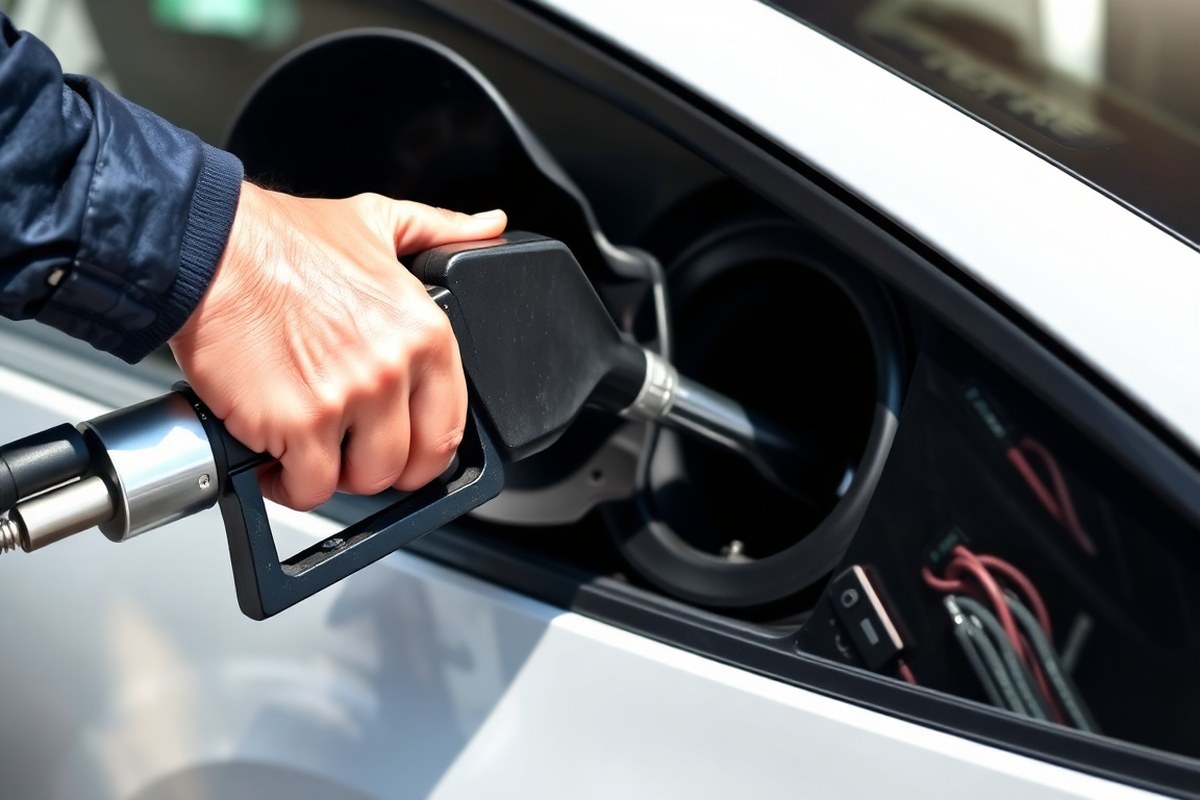
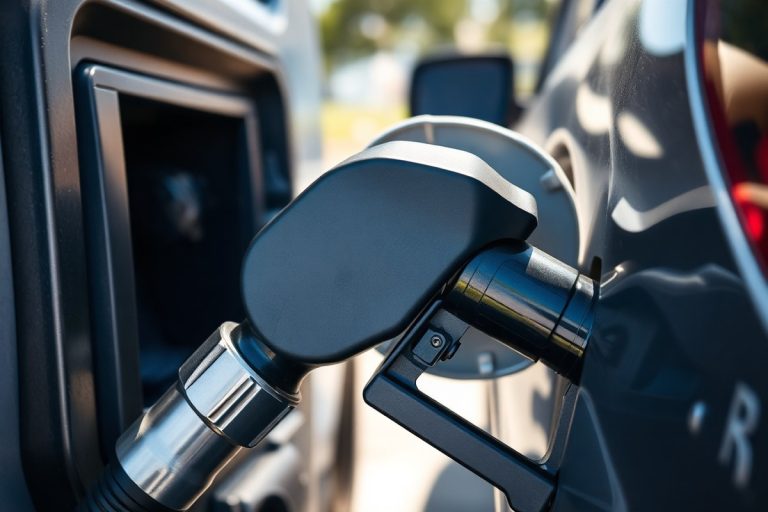
You can fill gas while the engine runs, but it’s risky. The engine creates sparks near flammable gas fumes. This raises the chance of fire at the pump.
You might think it’s fine to keep the car on for comfort or speed. But the risk of a fire or costly engine trouble isn’t worth the short time saved. Always turn off your engine before you start filling up.
The vehicle’s EVAP system also reacts oddly with the engine running. It detects the open fuel neck as a big leak. This often causes warning lights to come on.
You may also see error codes appear. Clearing these codes usually requires a scan tool and a drive cycle to reset.
Key Takeaways
- Never pump gas with your engine running to avoid fire hazards.
- Gasoline vapors ignite easily due to their extremely low flashpoint.
- Turning off your engine prevents costly EVAP system trouble codes.
- Check engine lights after refueling often mean the fuel cap needs addressing.
- Drive 30 to 50 miles after refueling to reset the EVAP system properly.
- Keep cell phones off while pumping gas to eliminate ignition sources.
Can You Put Gas in a Running Car? Clear Safety Summary
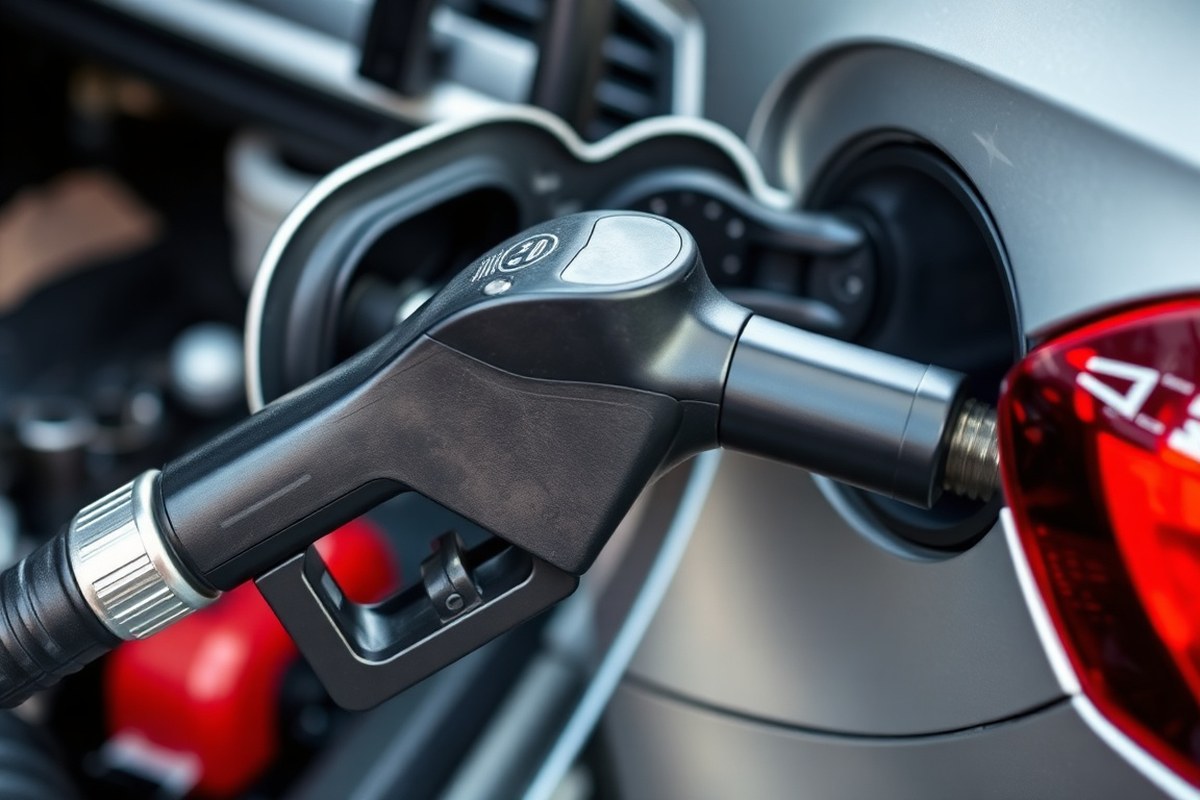
Yes, you can physically pump gas into a running car. The fuel nozzle fits, and gas flows just like when the engine is off. Still, this doesn’t mean it’s safe or recommended.
Safety experts say always turn off your car before fueling. Gas fumes can ignite from sparks or static electricity near a running engine.
Even small sparks can cause a fire. So this risk is why stations post signs to shut off engines.
Inside your car, static risks drop if you avoid moving around and touching metal parts. Many gas stations do allow refueling with the engine on.
But safety organizations discourage it. Major groups and vehicle makers all recommend turning off the engine to prevent accidents and damage.
Running your engine during refueling can lead to check engine lights too. The evaporative emission (EVAP) system monitors fuel vapors and might detect abnormal pressure.
This often triggers error codes like P0455 or P0440. These codes signal a leak caused by the open fuel filler neck.
Ignoring safety advice and pumping gas with the car running raises fire risk. You risk setting off an expensive and dangerous fire or damaging costly emissions parts. Following the rules takes only a few seconds and avoids these problems.
You can put gas in a running car, but it isn’t safe. It’s not a smart choice for you or your car.
Turn off your engine before fueling. Use the few extra seconds to avoid fire hazards, check engine warnings, and costly repairs.
Why Refueling a Running Vehicle Increases Fire Risk
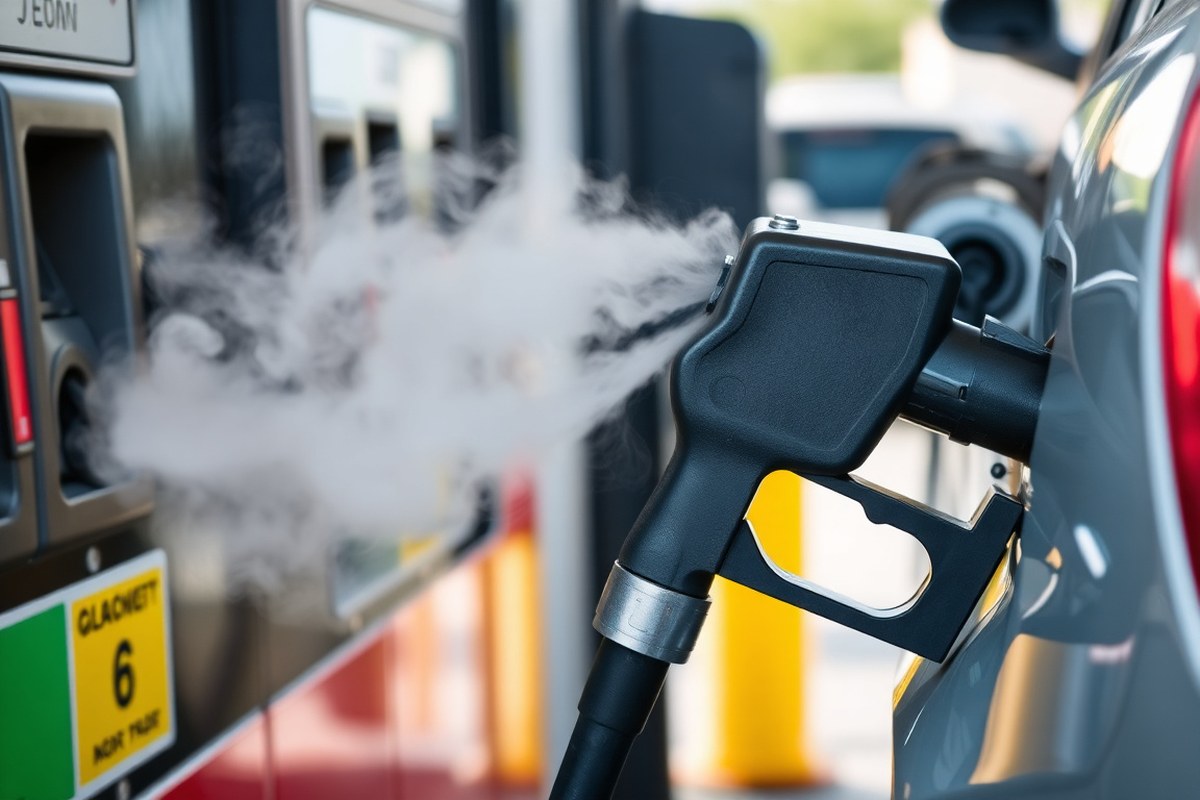
Gasoline vapors ignite easily because they are highly flammable. A running engine creates sparks and hot surfaces that can light these vapors. This increases the chance of a fire during refueling.
Gasoline’s Volatility and Vapor Flammability
Gasoline evaporates quickly, producing flammable vapors even in cold weather. These vapors mix with air and create a fuel-air mixture that can ignite at low temperatures. For example, gasoline’s flash point is about -45°F, meaning its vapors catch fire very easily.
The vapors are heavier than air, so they tend to sink near the ground. This matters because any spark or hot surface can ignite them, causing flash fires or explosions. Even a small vapor leak around the fuel tank can be dangerous during pumping gas.
Ignition Sources from a Running Engine
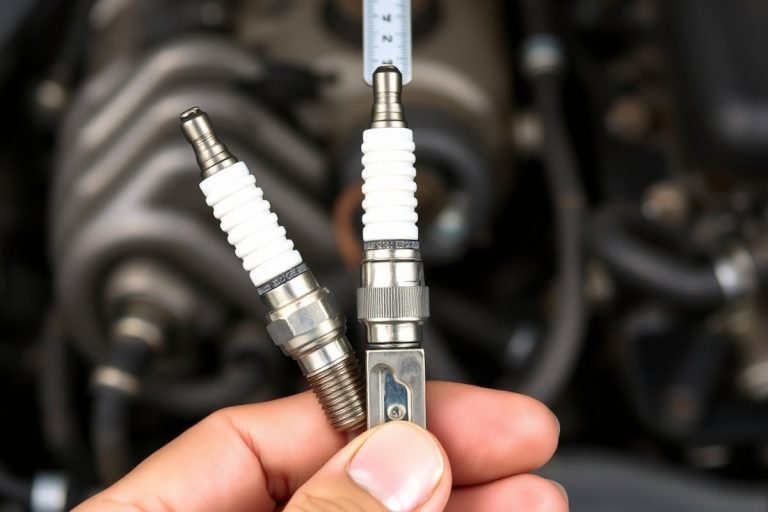
When your engine runs, electrical parts inside are active and can spark. Devices like spark plugs, alternators, and ignition wires create constant electrical activity. Even a tiny spark can ignite gasoline vapors near the fuel tank.
Hot surfaces on the engine, such as the exhaust manifold, reach temperatures over 1,000°F. These surfaces can cause ignition if vapors escape around the filler neck. Keeping the engine off stops these risks instantly since no sparks or hot parts are accessible.
Static Electricity and Fire Risk
Static electricity builds up when you move or slide in your seat. This happens especially if you get out and back inside while fueling.
This charge can jump as an electric spark when you touch the pump or gas cap. Over half of gas station fires start from static sparks, according to industry data.
The risk doesn’t change much whether the engine is on or off. A running engine adds another source of possible ignition.
Turning off your engine is safer during fueling. Avoid re-entering the vehicle during refueling to reduce static buildup.
How Vapors Escape and Create Danger
Opening the fuel cap breaks the sealed vapor system, releasing vapors into the air. A running engine creates negative pressure that can pull vapors out faster. This leaks more flammable gas around the fuel neck area, raising the fire hazard.
Modern EVAP systems limit vapor escape but aren’t perfect when the engine is on. Refueling with the engine off keeps the system sealed better and reduces vapor leaks. This helps lower ignition risks and protects your car’s emission controls.
Never pump gas with the engine running or re-enter your vehicle during fueling. These actions increase static electricity buildup and fire risk.
Mechanical and Engine Risks When Pumping Gas with the Engine On
Refueling a running car may not harm the engine immediately. But it can cause issues with the fuel system.
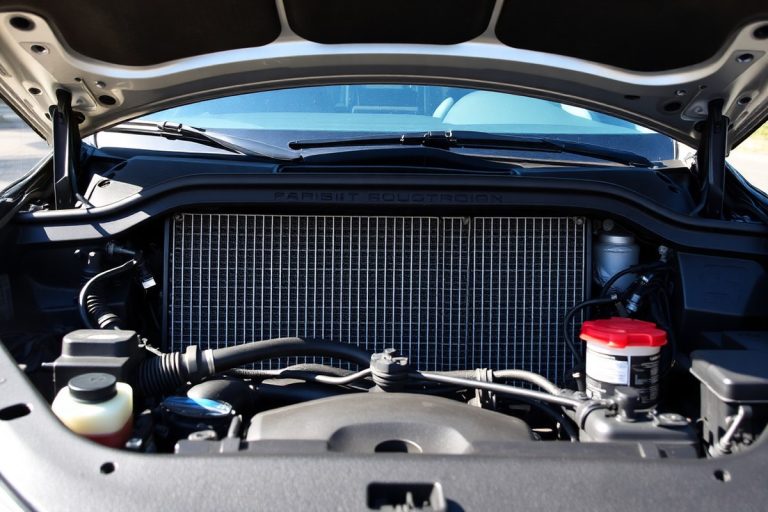
Modern cars have EVAP (Evaporative Emission Control) systems that monitor the fuel tank’s pressure. Opening the fuel cap while the engine runs can trigger a large pressure drop.
This pressure loss trips a diagnostic trouble code, usually P0455, meaning a big EVAP leak. The car’s computer then turns on the Check Engine Light. Fixing this can cost between $150 and $600, depending on the repair.
The table below shows how the engine and EVAP system react. It explains what happens when you pump gas with the engine running.
You can see common mechanical and EVAP system responses. It shows the codes, consequences, and typical repair costs.
| Effect on Vehicle | Details | Typical Repair Cost |
|---|---|---|
| EVAP System Pressure Loss | Fuel tank pressure drops, triggering EVAP leak code P0455 | $150 – $600 |
| Check Engine Light Activation | Car’s computer detects unusual fuel vapor leak, requiring reset | $0 – $100 (diagnostic and reset) |
| Possible Fuel Line Confusion | System may misinterpret vapor changes, leading to error codes | Varies; often diagnostic costs only |
| Engine and Exhaust Damage Risk | Occasional backfires can damage valves or catalytic converter | $300 – $1,200 (valves or converter repair) |
Sometimes, fuel vapors escaping during fill-up enter the catalytic converter if the system leaks. This can cause engine knocking or damage over time.
The EVAP system is designed to keep vapors sealed. But opening the tank during engine operation disrupts this.
Repair costs vary widely. Small EVAP fixes such as gas cap changes or code resets cost less. Replacing a catalytic converter usually costs a lot more.
These smaller repairs save you money compared to big replacements. Ongoing issues may result if faults aren’t addressed quickly, increasing long-term expenses.
How the EVAP System Reacts to Refueling with a Running Engine
The EVAP system manages pressure and fuel vapors during refueling situations. When the engine runs and you remove the gas cap, the system senses a steep pressure decline. It instantly recognizes this change, helping the fuel system function correctly and causing the Check Engine Light to come on by recording an error code.
EVAP System Functions During Fueling
The Evaporative Emission Control System (EVAP) captures fuel vapors to prevent harmful emissions. The system uses a sealed fuel tank to trap vapors. Carbon canisters hold these vapors until the engine burns them.
This stops harmful gases from escaping into the air. During refueling, the system checks the pressure in the sealed fuel lines.
It looks for any leaks that might be present. This helps catch problems early on.
The Engine Control Unit (ECU) monitors EVAP pressure constantly when the engine runs. Opening the gas cap causes an instant pressure loss the ECU detects as a leak. This confuses the system and causes the Check Engine Light to turn on.
Common EVAP Error Codes Explained
The most common EVAP fault from refueling with the engine on is Code P0455. This code means “Gross Leak Detected.” It usually shows a big pressure loss, like from an open gas cap.
This alert helps you fix the leak quickly. Fuel cap replacement or a system check is often needed.
Code P0442 means a small EVAP leak, often from a loose or faulty gas cap seal. Code P0440 signals a general system malfunction, sometimes from repeated fueling errors. These faults help mechanics pinpoint and fix EVAP issues.
How to Reset EVAP System Codes After Refueling
Resetting EVAP codes requires clearing the stored fault codes with an OBD-II scanner. This tool plugs into the vehicle diagnostics port and erases the errors from the ECU’s memory. Resetting only masks the problem if the fueling issue continues.
Follow these steps to clear EVAP fault codes safely after refueling with the engine on:
- Turn off the engine and ensure the gas cap is securely tightened.
- Locate the vehicle’s OBD-II port, usually under the dashboard near the steering column.
- Plug in a compatible OBD-II scanner or code reader device.
- Turn the vehicle ignition to the accessory position (engine off).
- Use the scanner to read active trouble codes and confirm EVAP faults.
- Select the option to clear or erase the codes from the ECU.
- Turn off the ignition, unplug the scanner, then start the engine.
- Drive the vehicle for 10, 20 minutes so the system can recheck EVAP pressure.
Legal Regulations and Fire Codes About Refueling with the Engine On
The National Fire Protection Association (NFPA) code 30A clearly bans refueling with the engine on. This rule covers all motor fuel dispensing facilities to prevent fire risks. Gas stations often display signs reminding drivers to turn off their engines before pumping gas.
Many states follow the NFPA 30A safety standards in their local laws. Violating these rules can lead to fines or penalties for drivers. Gas station owners also face legal liability if unsafe fueling causes a fire or accident.
Turning off your vehicle stops fuel vapors from igniting. Running engines raise the chance of sparks or flammable vapors catching fire. This is why fire codes discourage leaving the engine running during fueling.
Fuel vapors can escape from the tank or nozzle as you fill up. The vapor can ignite in a hot engine compartment or from starter sparks. Safety experts agree the engine must be off for the full refueling process.
Insurance companies may refuse your claim if a fire starts at the pump. This can happen if you keep your engine running while fueling. Always turn off your engine before you start pumping gas.
Liability shifts toward the vehicle operator or station if posted safety rules are ignored. The safest practice is to kill the engine before handling fuel.
Some race teams refuel cars with engines running during pit stops. Their cars have special equipment for this process. The crews are trained to handle the situation safely.
Everyday drivers lack these controls and protections. Follow posted laws and fire codes to avoid risks and penalties.
Always turn off your engine before pumping gas to avoid fines and fire hazards.
Common Myths About Pumping Gas with the Engine Running Debunked
Using a cell phone at the pump rarely causes a fire. The risk is very low. Cell phones don’t make sparks.
They don’t get hot enough to ignite gasoline vapors. Gas stations still ask you to avoid using phones.
This rule helps prevent distractions. It is also for legal reasons.
Leaving your engine running does not cause an instant explosion. But it raises fire risks. Gasoline vapors are highly flammable.
A hot catalytic converter or engine parts can ignite them. Those hot surfaces can reach temperatures over 536°F, well above gasoline’s autoignition point.
Spilled fuel doesn’t always cause fires if the engine is on. However, fuel on hot engine parts or a catalytic converter can ignite if the car runs.
The danger rises because the vapors spread quickly. Running engines keep the catalytic converter hot.
- Follow gas station rules, always turn off your engine
- Avoid using your phone near the fuel pump
- Do not pour gasoline directly into the engine bay while running
- Handle spills immediately and notify station staff
- Refuel slowly to reduce vapor release
- Stay close to your vehicle during refueling
- Don’t ignore “no smoking” signs and open flames
Running the engine while fueling releases more fuel vapors, which increases fire chances. The car’s ECU can have problems with quick vapor changes.
This can harm how the engine performs. Turning off the engine keeps everything safer and within design limits.
Fires while refueling with the engine on are uncommon. But the risks are too big to ignore.
Following posted instructions protects you and others. It’s smarter to avoid all extra ignition sources and minimize vapor exposure while pumping gas.
How to Safely Pump Gas to Minimize Risks and Avoid Damage
To pump gas safely, always turn off your engine before refueling. Avoid static electricity by grounding yourself and handle the pump carefully. After fueling, secure the gas cap properly and restart the engine only once done.
Steps to Safely Turn Off Your Engine
Shutting off the engine cuts spark risks and fuel vapors igniting. Follow these precise steps before you start pumping gas to keep safe.
- Stop your vehicle fully at the pump.
- Shift into park and apply the parking brake.
- Turn off all electrical devices, including the radio and lights.
- Switch off the engine using your ignition key or start button.
- Remove the key from the ignition if applicable.
- Exit the vehicle and close all doors.
Following these steps ensures the engine can’t produce sparks during fueling. It also supports proper ventilation of any escaping fuel vapor.
Tips to Prevent Static Electricity at the Pump
Static electricity can ignite fuel vapors, making it dangerous at the pump. You can prevent this risk by grounding yourself and limiting movement during fueling.
Before you handle the nozzle, touch a metal part on your car, like the door frame. This helps remove static electricity from your body. Don’t go back inside your car while fueling because that can build up more static.
Use a static-free gas can if you need to fill portable containers. Never smoke or use your phone while fueling. These simple steps reduce static buildup and ignition chances.
Correct Procedures for Restarting After Refueling
Restarting your engine too soon or improperly can damage your emissions system and create hazards. Always finish fueling and secure your gas cap first.
- Replace the gas nozzle and remove it slowly to avoid spills.
- Move the nozzle back to its holder on the pump.
- Tighten your gas cap until you hear it click several times. A loose cap can trigger sensor warnings and fuel leaks.
- Close your fuel door securely.
- Get back inside your vehicle and insert the key or press the start button.
- Turn on the engine and check your dashboard for any warning lights.
These steps protect your vehicle’s EVAP system and make sure you’re safe leaving the pump. Avoid rushing to prevent spills and errors.
What to Do If a Gas Station Fire or Emergency Happens
Watch for early signs of a fueling fire. Look for sudden flames. Thick black smoke can also signal danger.
Smelling strong gasoline fumes or hearing a strange hissing sound also means danger. Acting quickly can stop the fire from spreading and hurting people or property.
Stop fueling immediately if a fire starts at the pump. Leave the nozzle in the gas pump. Then get away safely.
Turn off your car engine if you haven’t already. Get everyone away from the fueling area and help others leave too.
- Locate the emergency shut-off switch at the gas station to stop fuel flow.
- Call 911 or the local emergency number right away for professional help.
- Use a fire extinguisher near the pump only if the fire is small. Make sure you can reach it safely. Act quickly but carefully.
- Don’t try to move your vehicle until safety authorities say it’s okay.
- Warn other customers and keep them far from the danger zone.
- Keep calm and speak clearly when reporting the situation to emergency responders.
Gas stations have emergency shut-off switches and fire extinguishers near pump islands. These are designed to cut off fuel and help stop small fires fast.
Learning to spot the switch location before fueling can save important seconds. Calling the fire department ensures expert firefighters arrive with the right gear and training.
Never use a cellphone or light a flame near a fuel spill or fire risk area.
Acting too slowly or tackling a big fire alone is very risky. It may cause serious injury or worse. Call for help right away.
Your quick steps reduce the risk of explosions and protect lives. Remember, trained firefighters deal with fires safer and faster than anything else you can try.
Comparing Fueling Risks: Engine Running vs Turned Off
Refueling a car with the engine running puts you in a tighter spot with fire risk. The engine runs hotter and may create sparks, making flammable gasoline vapors dangerous. Turning off the engine cuts ignition sources and lowers those risks.
| Property | Characteristic When Engine Running | Characteristic When Engine Off | Risk Factor |
|---|---|---|---|
| Flammability | Gasoline vapors near hot engine parts | Gasoline vapors cooler, less ignition chance | Higher with engine running |
| Vapor Density | Vapors can accumulate near ground and engine | Vapors still heavy but fewer sparks | Moderate risk either way |
| Autoignition Temperature | Engine parts exceed 536°F | Engine off, parts cool below 536°F | High risk with engine running |
| Fire Risk from Ignition Sources | Active ignition devices may cause sparks | No ignition devices active | Much higher when engine runs |
| Electrical Faults | Stray sparks more likely | Less chance of electrical faults | Greater with engine running |
You also have to consider vapor exposure around fueling areas. While gasoline vapor naturally settles low, it risks catching fire if sparks or heat are close. A running engine keeps parts hotter than 536°F, the temperature gasoline vapors can ignite at air.
Choosing to keep the engine on may seem faster. But it raises fire hazard significantly. Most stations and fire codes require the engine off for safe refueling.
If you must fuel with the engine running, watch carefully for sparks, keep away from open flames, and don’t smoke nearby. It only takes a tiny spark to set off a blaze at gas pumps.
Step-by-Step Action Plan for Safe Refueling
Follow these steps to refuel your car safely and avoid hazards. Each step helps protect you and your vehicle.
- Before you start: Turn off your engine completely. Check that all passengers exit the car to reduce risk from fuel fumes.
- At the pump: Remove the gas nozzle carefully without spilling fuel. Listen for the automatic shutoff to know the tank is full.
- During refueling: Avoid using your phone or smoking nearby. Static sparks can ignite gasoline fumes.
- After filling: Replace the gas cap tightly. A secure cap helps prevent harmful vapors from escaping.
- Before you drive away: Double-check there’s no spilled gasoline on your car or the ground. Wipe any spills immediately.
- After refueling: Move your vehicle slowly away from the pump. Avoid sudden starts that might disturb spills or vapors.
- Weekly check: Inspect your EVAP system and fuel cap regularly. Fix issues quickly to reduce leaks and fire risk.
Frequently Asked Questions
Is It Okay to Leave the Car Running While Fueling If I’m Inside?
Staying inside reduces static shock risk but does not remove fire hazards. Always turn off the engine for safer refueling.
Can Pumping Gas with the Engine on Cause a Car Warranty Issue?
It might. Some manufacturers see it as user negligence causing EVAP system damage. Check your warranty terms for specifics.
Does Putting Gas in a Running Car Increase Emissions Problems Later?
Yes, it can trigger the EVAP system to detect leaks and throw error codes. This may need costly repairs or emissions tests.
Can Static Electricity from Fueling a Running Car Ignite Gasoline Vapor?
Static sparks can ignite vapors at the pump. Engine running raises this risk due to constant ignition sources. Turn off the engine every time.
Are Gas Station Attendants Allowed to Pump Gas While My Car Is Running?
Typically, attendants follow safety rules requiring engines off. Local laws usually prohibit fueling a running vehicle.
Key Points to Remember
Never refuel with your car running to avoid serious fire and mechanical risks. Always turn off the engine first, no exceptions. Now, check your next visit to the gas station and practice safe refueling habits consistently.


3 Comments