How Fast Can a Dachshund Run? Speed, Distance & Safe Running Tips
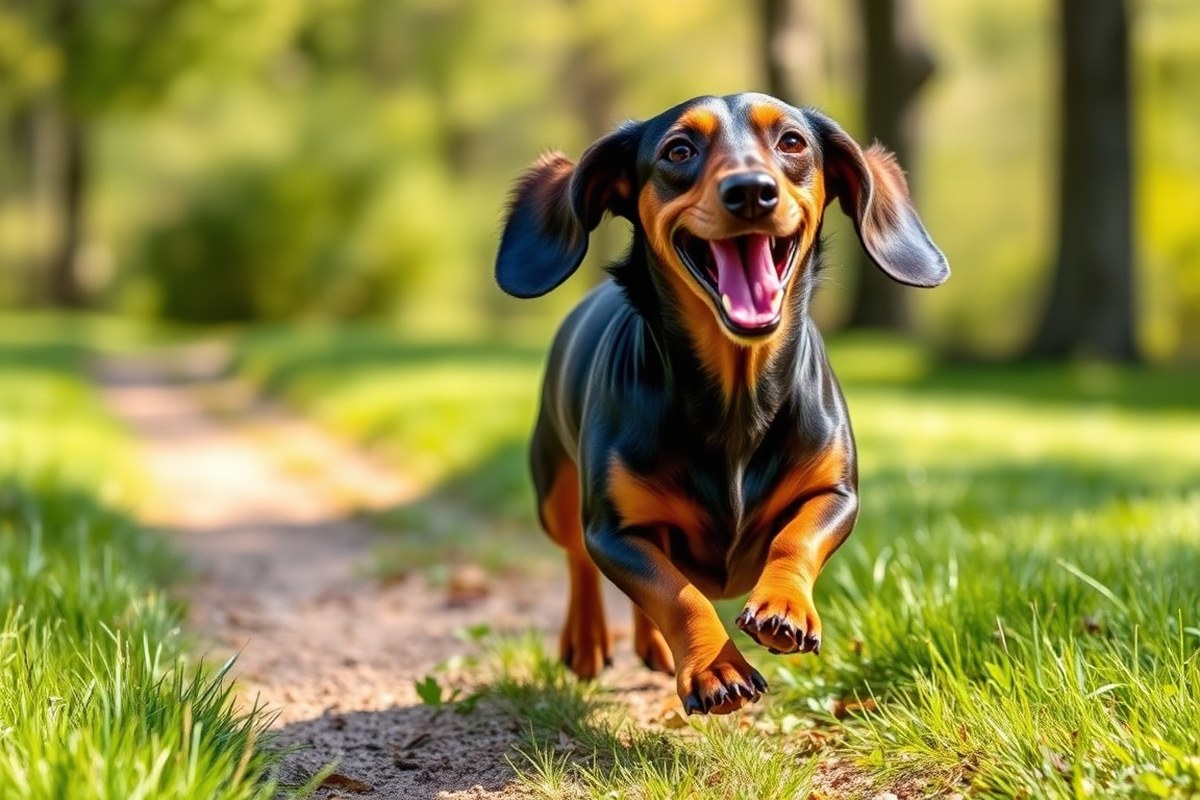
How fast can a dachshund run? On average, a healthy adult dachshund can sprint between 15 to 20 miles per hour.
This speed usually lasts only for short bursts, not long distances. Their long bodies and short legs limit sustained running speed but not short dashes.
Most dachshunds comfortably manage running for about 1 to 3 miles a day when trained properly. Start with short runs mixed into walks to build stamina safely. Watch for signs of fatigue or stiffness, as overdoing it can hurt their backs.
Before introducing running, ensure your dachshund is fit and free of health issues. A 5 to 10 minute warm-up walk lets their muscles prepare for faster movement. Moving gradually helps avoid injury and keeps your dog happy to run with you.
Key Takeaways
- Average dachshunds run 15 to 20 mph in short bursts only.
- Start with a warm-up walk of 5 to 10 minutes before running.
- Limit daily running distance to 1 to 3 miles to prevent injury.
- Introduce running slowly by mixing short runs into regular walks.
- Healthy adults need about 60 minutes of exercise daily.
- Watch for signs of fatigue to avoid back or joint problems.
How Fast Do Dachshunds Typically Run?
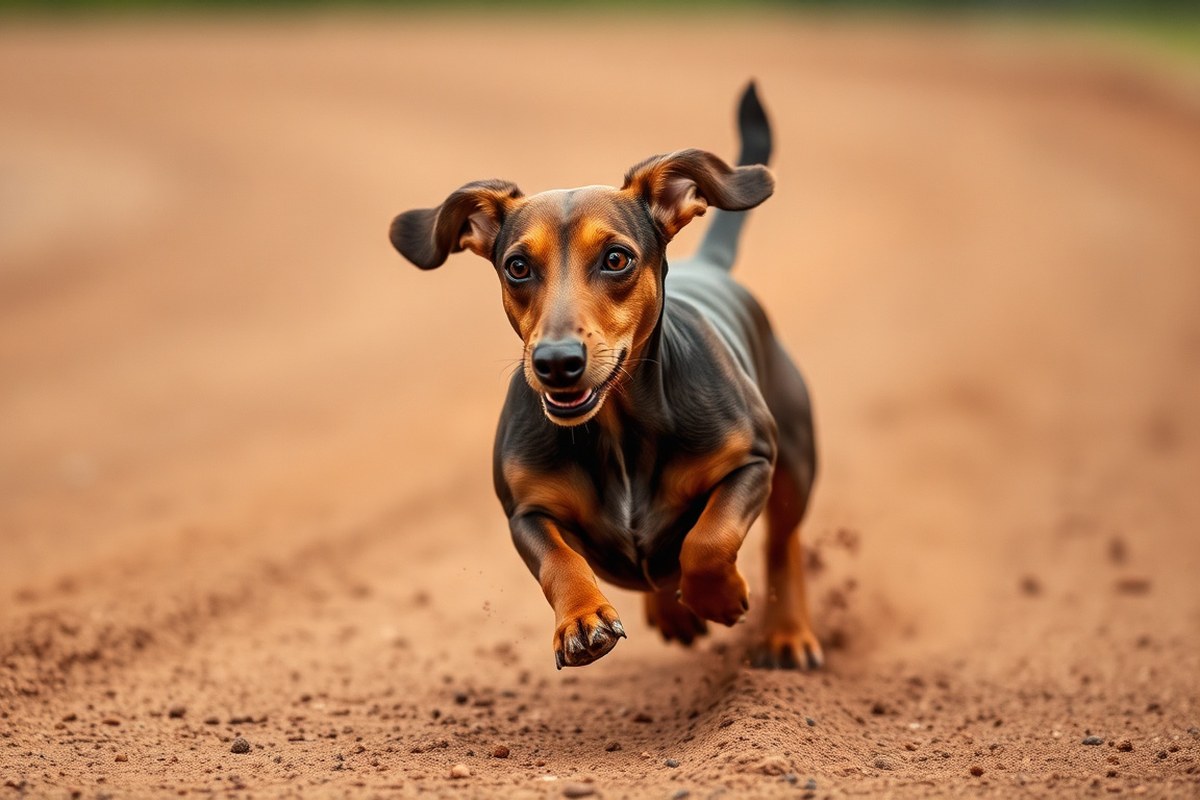
Dachshunds usually run between 12 and 16 miles per hour (19 to 26 km/h) on average. They can run fast for short bursts.
Their top speed is around 15 to 20 mph (24 to 32 km/h). These quick sprints show how fast they can move when motivated for brief periods.
The difference in speed varies by size and type. Standard dachshunds run faster than miniatures. They often reach 15 to 20 mph (24 to 32 km/h).
Miniature dachshunds run a bit slower. Their top speed is 12 to 17 mph (19 to 27 km/h).
While dachshunds excel in short bursts, they don’t keep up that pace for long. Their body shape isn’t built for sustained running like some other breeds. Usually, they prefer running in short, energetic sessions with rest in between rather than long-distance efforts.
What Factors Influence a Dachshund’s Running Speed?

Dachshund running speed depends on physical traits like leg length, size, muscle structure, health, and weight. These factors shape how fast and how long they can run. Breed variety also influences their overall stamina and pace.
Leg Length and Body Structure
Short legs limit long strides but don’t stop quick bursts of speed. Dachshunds rely on strong muscles and powerful strides to sprint.
Their long body and low center of gravity provide unique balance. But it restricts long-distance running.
Since leg length is fixed by genetics, you can’t change it. Instead, focus on building muscle power through safe running and play sessions. Proper muscle strength helps your dog accelerate quickly despite short legs.
Size and Breed Variety
Standard Dachshunds weigh 16 to 32 pounds and stand about 8 to 9 inches tall. Miniature variants are smaller and lighter. Larger dogs may have more strength but carry extra weight, which can slow them down.
Miniatures often have better endurance for longer runs but less raw speed. Your dog’s size affects how quickly it tires and its ideal running distance. Adjust exercise routines to fit their size and stamina.
Muscle Structure and Fitness Level
Strong muscles produce more running power and help maintain speed longer. Regular, controlled exercise builds muscle tone and cardiovascular health. Fit Dachshunds run faster and recover quicker after sprints.
Low fitness levels mean reduced stamina and speed. You can improve fitness slowly by adding short runs and increasing duration by minutes weekly. Watch for signs of tiredness to avoid injury.
Weight and Health Considerations
Keeping your Dachshund at a healthy weight is important for speed and joint health. Excess weight stresses the spine and joints, limiting mobility and causing fatigue. A balanced diet and regular exercise prevent excess pounds and support good running ability.
Health issues like spinal problems or arthritis limit running speed and distance. Watch for limping or reluctance to move. Address health problems with a vet before increasing exercise intensity.
Age and Conditioning over Time
Younger dogs generally run faster and recover quicker. Older Dachshunds may slow down due to joint stiffness or muscle loss. Tailoring exercise intensity to your dog’s age helps maintain speed safely.
Consistent conditioning over months builds better speed and stamina. Avoid sudden long runs or intense sprints, especially if your dog isn’t trained. Gradual increases keep endurance and speed improving without risk.
Start slow with your Dachshund’s running. Build endurance over weeks. This protects their spine and joints.
How Far Can Dachshunds Safely Run Daily?
Dachshunds can safely run between one to three miles daily if healthy and well-trained. Their bodies are long and low. This limits their endurance.
They can sprint up to 15 to 20 mph for short bursts. Running more than three or four miles risks strain.
Injuries happen especially without a gradual buildup. Keep runs shorter at first.
Age and health are key factors in how far your dachshund can run. Younger dogs with no back problems will handle longer distances better. Older dogs or those with spine problems need shorter runs.
IVDD means they should avoid hard exercise. Keep exercise easy and safe.
Building endurance takes time. Start with short walks and sprints lasting a few minutes. Gradually increase distance and speed over weeks, letting muscles and joints adjust.
Use interval training with short sprints and light jogging. It builds their heart and muscles safely. This method is effective for dachshunds.
Daily exercise should last about five minutes per month of your dog’s age. For example, a two-year-old might comfortably handle 10 minutes of running or similar activity.
Watch closely for signs of tiredness or discomfort, like limping or lagging behind. Let your dachshund rest when needed and keep sessions regular to maintain fitness.
Health problems like long nails or obesity hurt running ability. These issues reduce the dachshund’s capacity for long distance. Address these before running.
Keeping nails trimmed and controlling weight helps prevent joint stress. Running on soft surfaces like grass lowers the impact.
Concrete causes more stress and injury risk. Choose grass for longer runs.
Are Dachshunds Good Jogging Partners for Humans?
Dachshunds can be jogging partners, but you need to adjust your pace to theirs. Their short legs mean they usually trot at 3 to 5 km/h during a jog. You should run slower than your usual pace and watch your dog’s stamina carefully.
To jog safely with a dachshund, start slow. Walk for 5 to 10 minutes to warm them up. This helps prepare their muscles for exercise.
Gradually increase your speed to a gentle trot instead of a fast run. Take breaks often, especially if your dog shows signs of tiredness or overheating.
Choose soft, even surfaces like grassy trails or packed dirt. Avoid hot pavement or hard concrete, which can strain their joints.
Keep runs short, aiming for about 20 to 30 minutes. So your dachshund doesn’t get too tired.
Pay attention to weather conditions. Warm temperatures above 75°F (24°C) can cause heat stress fast. Dachshunds are small, so they overheat more easily.
Watch for signs of discomfort in hot weather. Plan runs during cooler parts of the day.
Early morning and evenings are best. This keeps your dachshund more comfortable while running.
Watch your dachshund’s behavior closely. Slow down or stop for rest if your dog lags. Heavy panting means your dachshund needs a break.
Always watch their breathing during exercise. A happy runner keeps a steady pace and looks around.
Your dachshund should not struggle to keep up. If they do, slow the pace or pause.
Adding short bursts of low-impact running after warming up can also help build endurance. Keep these quick sprints brief and followed by walking breaks to protect your dog’s legs. This gentle approach helps avoid injuries common in their unique body shape.
Including your dachshund in your jogging routine builds their fitness and strengthens your bond. Just remember to take it slow, adjust pace, and provide plenty of water breaks. Your dog will enjoy moving alongside you when you respect their limits and body type.
How to Train Your Dachshund to Run Safely
Begin training your dachshund to run safely by starting with walks. Gradually shift these walks into short running bursts. Include warm-ups and cooldowns to protect your dog’s muscles and joints.
Start with Low-Impact Walks
Walking builds your dachshund’s base fitness. Begin with at least 45 minutes of walking, 4 to 7 days a week. This strengthens muscles and joints gently before introducing running.
Keep walks at a steady, comfortable pace. Let your dog get used to regular exercise without rushing. This helps avoid overexertion and injuries.
Introduce Short Running Intervals
Once walking feels easy, add brief running intervals. Start with 30 seconds to 1 minute of running. Then walk for 2 to 3 minutes.
Repeat this pattern to help your dog exercise safely. Repeat these intervals several times during your session.
This approach builds stamina and improves speed without causing strain. Increase running time in small steps as your dachshund gets stronger.
- Warm up with a 5- to 10-minute walk before running.
- Run for 30 seconds at a comfortable pace.
- Walk for 2 to 3 minutes to recover.
- Repeat the run/walk intervals 3 to 5 times.
- End with another 5-minute walk for cool-down.
- Repeat this routine 3 times per week.
- Gradually increase running intervals by 15 seconds every 1 to 2 weeks.
Increase Duration and Monitor Response
Slowly build running duration to improve stamina. Add about 10 to 15 percent more running time every week. Watch your dog’s breathing and energy levels closely.
When your dachshund looks tired, slow down or take a rest. Watch for limping or unusual behavior, which may signal the need for a break.
Include Cooldown and Hydration
Cooldowns help muscles recover and prevent injury. End each running session with a slow 5- to 10-minute walk. This lowers heart rate gradually and relaxes your dog’s muscles.
Offer fresh water before and after runs. Bring water on longer sessions, especially in warm weather. Hydration keeps your dachshund safe and comfortable.
Never skip warm-ups or cooldowns; they help prevent strains and injury.
Use Positive Reinforcement
Reward your dachshund with treats and praise during training. Positive reinforcement encourages your dog to run eagerly and enjoy exercise. It also makes learning new skills easier and faster.
Keep training sessions short but regular to build habits without stress. Celebrate small improvements to boost confidence and motivation.
Recognizing and Preventing Running Injuries or Overexertion
Running can strain your Dachshund’s spine and joints. Their long backs and short legs often cause joint stress. This happens especially if they run too fast or far.
Watch for signs their joints are hurting. Watch closely for stiff movements, limping, or reluctance to continue.
Heatstroke is another risk during exercise. Dachshunds can overheat quickly in warm weather or on hot pavement. Signs include heavy panting, drooling, weakness, or bright red gums.
Stop running immediately if you see these symptoms. Cool your dog with water and shade right away.
Overexertion looks like excessive tiredness or slow pace after just a short run. Your Dachshund should be able to sniff and look around without difficulty during breaks. They need rest and a vet check when they collapse or cannot stand.
Prevent injuries by limiting runs to short distances at first. Start with five to ten minutes and watch how your dog responds.
Gradually increase time only if they show no signs of strain. Avoid running on hard concrete or hot surfaces to protect joints and paws.
Trimming nails and keeping paws clean helps prevent slips and strains. Use light, comfy gear like a soft harness for your Dachshund. Avoid collars that can press on their neck.
Make sure all equipment fits well. Never pull or tug while running.
Stop running if your dog limps, pants hard, seems in distress, or stumbles. Take a break right away.
Regular breaks with water and shade are important on every run. On hot days, run early in the morning or late in the evening when it’s cooler.
What Equipment and Running Conditions Are Best for Dachshunds?
Use a padded harness instead of a collar for running with your dachshund. A harness spreads pressure evenly and reduces neck strain. Look for one that fits snugly but leaves room for movement, costing between $15 and $40.
A lightweight leash around 4 to 6 feet works best for control during runs. Retractable leashes are not recommended because sudden pulls can hurt your dog’s back. Using a standard leash helps you keep your dachshund close on tricky routes.
Soft, flat surfaces like grass or packed dirt trails are safest for dachshund runs. Hard pavement or gravel can hurt their paws and joints over time. Before heading out, check for sharp rocks, glass, or uneven spots to avoid injuries.
Running in cool, dry weather is best for your dachshund’s comfort and health. Avoid hot temperatures above 75°F, which can lead to overheating quickly. Early mornings or late evenings are the best times to run.
The ground is cooler then and safe for your dog’s paws. This avoids burning their paw pads during exercise.
Start your dog on short runs on easy trails to build endurance gradually. Use treats to encourage your dachshund and keep sessions fun. For harder surfaces or longer distances, pause often for water breaks and rest.
Bring dog booties if you run on hot pavement or snow. They protect paws from heat, cold, and rough surfaces. Always keep booties ready during outdoor runs.
Booties protect paws from burns, cracks, and cuts. They usually cost $20 to $50, depending on the brand and size.
Bring a collapsible water bowl and fresh water for every run lasting more than 10 minutes. Dachshunds need frequent hydration due to their short legs and long bodies. Offer water at least every 10 to 15 minutes to prevent tiredness.
Dachshund Speed Records and Racing History
Dachshunds can reach surprising speeds given their body shape and size. They don’t hold official racing records.
But the breed has shown notable speed achievements and has a growing racing scene. These events let owners celebrate their dachshund’s agility and athleticism.
Record-Holding Dachshunds
A dachshund called Dachs II set a unique speed record. It holds the Guinness World Record for “Fastest 10 Meters on Hind Legs by a Dog.” Dachs II covered 10 meters in just 6.56 seconds, showing dachshunds can be surprisingly quick over short runs.
No official speed records exist for dachshunds running on all fours. Many owners say their dogs surprise them with quick bursts during play.
These speedy moments often happen in everyday fun. Dachshunds have powerful muscles from their hunting history, contributing to their agility and rapid short runs.
History of Dachshund Racing
Dachshund racing is a unique sport that has grown in popularity over time. Dachshund owners began racing for fun and friendly competition. It became a way to show off their dogs’ quick moves.
These races celebrate the breed’s playful and competitive side. These races have divisions by size, age, and coat type.
This helps make the competitions fair and enjoyable. Each dog competes with others like itself.
Racing gives dachshunds a chance to show speed and skill. It’s a way to compete while having fun. These events celebrate the breed’s agility.
Dachshunds aren’t as fast as big dogs on the track. Still, these races show their speed is good for their size. The quickness fits their small but strong build.
Owners use races to spend quality time with their dogs. These events provide healthy exercise and build a stronger bond. Both dog and owner benefit from the activity.
Comparison with Other Breeds
Dachshunds run slower than many large dog breeds. But they are still fast for their stature.
Their history as badger hunters means they have surprisingly strong muscles and quick reflexes. This strength gives them bursts of speed that can catch people off guard.
Compared to greyhounds or whippets, dachshunds don’t have the same sprinting capacity. However, their agility and hustle in short distances make dachshund racing distinct and entertaining. People like the race’s fun spirit more than pure speed.
The races focus on enjoyment and pride in the breed. Dachshund style matters as much as speed here.
Below is a table showing some key dachshund racing facts and notable speed achievements.
| Fact or Achievement | Details |
|---|---|
| Guinness Speed Record | Dachs II ran 10 meters on hind legs in 6.56 seconds |
| Racing Divisions | Categorized by age, size, and coat type |
| Popularity | Growing sport among dachshund owners |
| Primary Purpose | Fun competition and breed celebration |
| Typical Speed Compared to Large Breeds | Slower, but agile and strong for their size |
| Historical Strength | Muscular build from badger hunting history |
This table helps clarify what makes dachshund racing unique and interesting. Dachshund speed shows more than just how fast they run.
It also reveals their strong muscles and unique character. This mix links breed history with today’s sport.
Focus on short distances and controlled environments when introducing your dachshund to racing or sprinting activities.
Common Running Mistakes and How to Fix Them
Many dachshund owners make the mistake of pushing their dogs too hard too soon. These dogs have strong backs. Their legs are short.
That means they tire or hurt themselves quickly. Start with very short runs of 5 to 10 minutes.
Watch for heavy panting or slowing down. These signs mean your dog is tired.
Not bringing water is another common error. Dachshunds can dehydrate fast, especially in warm weather. Bring a collapsible water bowl every time.
Give water every 10 to 15 minutes on long runs. Long runs mean over 10 minutes. Avoid running when temperatures go above 75°F; these dogs do better in cooler conditions.
Ignoring the dog’s pace often leads to exhaustion or injury. Slow down your pace and let your dachshund set the speed. Your dog might want to stop.
Take a break or carry your dog if you can. One owner trained their dachshund to run 5 km by biking.
They slowly increased distance. They used a carrier for breaks.
Running off-leash in busy or unsafe areas is risky. Dachshunds can be quick but have little stamina and poor peripheral vision.
Keep your dog on a short leash to avoid sudden dangers or fatigue-related accidents. Use a harness to protect their neck and spine during runs.
Not adjusting the training plan when the dog shows stress is a mistake. Your dachshund may look tired or slow on runs. Cut back distance or add rest days.
Dogs need recovery just like people. A good sign is when your dachshund still has energy after a run and recovers quickly.
Pay attention to running surfaces. Hard pavement can strain dachshund joints and paws. Soft grass or dirt trails are better choices.
Look out for rough terrain when running. It can cause tripping or back injury. Their long spines need protection.
Typical fixes involve slow, steady progress; paying close attention to your dog. And adjusting the plan quickly when needed.
Bring water, choose the right surfaces, stick to cool temperatures, and watch your dog’s cues. These steps help prevent injuries and keep running fun for both of you.
Step-by-Step Action Plan to Run Safely with Your Dachshund
Use this plan to help your dachshund build running skills safely. Watch for signs they enjoy and handle each step well.
- Before You Start: Check your vet to ensure your dachshund is healthy for running. Look for a clean bill of health without back or joint issues.
- Week 1: Begin with short 5-minute walks at a slow pace. Your dog should stay relaxed and eager after each walk.
- Week 2: Add brief bursts of gentle jogging (about 30 seconds). Your dachshund should recover quickly and not seem exhausted.
- Week 3: Increase jogging intervals to 1 minute, with walking breaks lasting 2 minutes. The dog should keep up without lagging or limping.
- After 1 Month: Start jogging for 5 minutes straight on soft ground. Use grass or dirt for easier running. Keep it slow to protect your dog’s paws. Your dachshund should still have a steady pace and wag their tail.
- After 6 Weeks: Gradually extend runs up to 15 minutes total time. Watch for heavy panting or stiffness that lasts more than an hour.
- After 2 Months: Start running twice a week, mixing easy runs with moderate bursts. Your dog will get stronger but never push through pain.
Frequently Asked Questions
Can Dachshunds Maintain Their Top Speed for Long Distances?
No, dachshunds can sprint fast but only for short bursts. Their stamina suits shorter runs rather than long-distance sprints.
How Does a Dachshund’s Age Affect Its Running Speed?
Younger dachshunds usually run faster and longer than older ones. Aging slows them down and may limit their running time.
Is Weight a Big Factor in How Fast a Dachshund Runs?
Yes, extra weight slows down dachshunds and stresses their joints. Keeping your dog at a healthy weight helps maintain its speed.
Can Dachshunds Improve Their Running Speed with Training?
Yes, gradual and consistent training can boost their pace and endurance. Start slowly to avoid injuries and build up over time.
Do Dachshunds Run Differently on Various Surfaces?
Yes, hard or slippery surfaces can reduce their speed or risk injury. Soft grass or dirt trails are safer and more comfortable for them.
Key Points to Remember
Dachshunds can run at a good pace but need care to stay safe. Start slow, watch your dog’s signs, and pick soft surfaces. Take the first step today by setting up your vet check.