
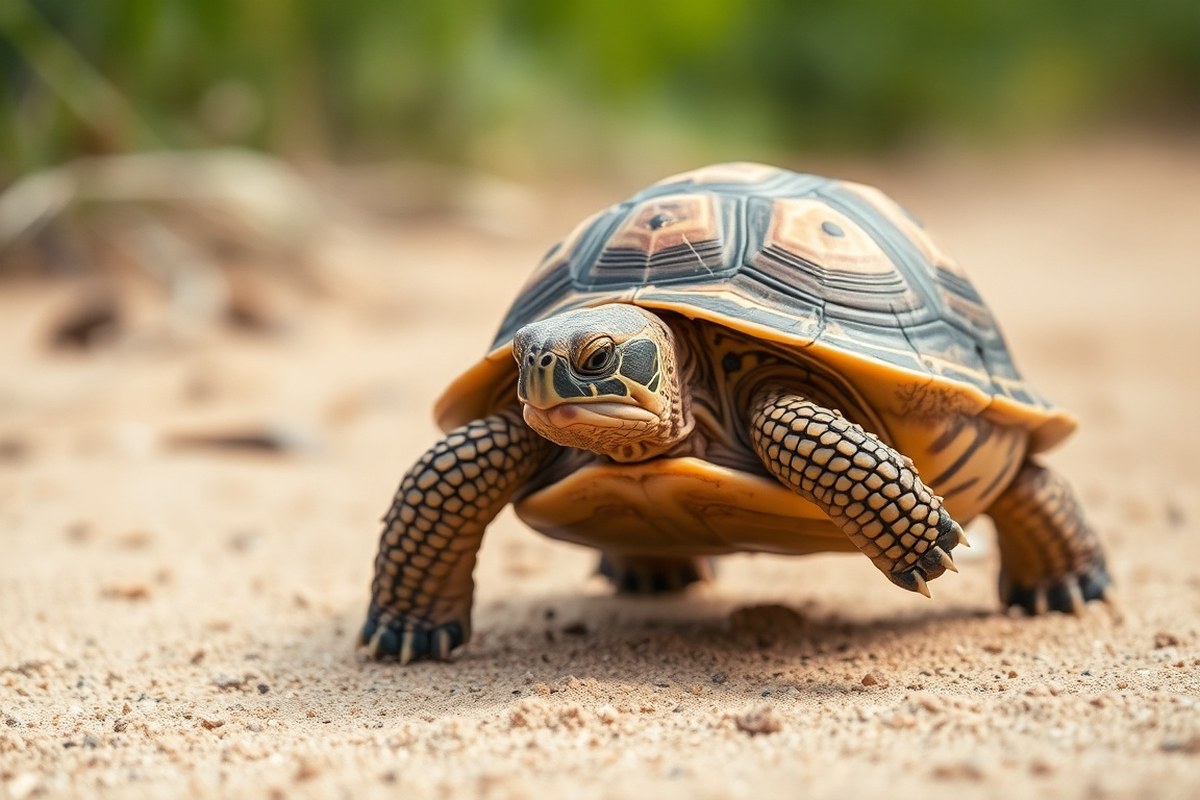
How Fast Can a Turtle Run? Facts, Species Speeds & What Affects Them
Wondering how fast can a turtle run? Most turtles move slowly on land.
The fastest recorded turtle runs at about 3 to 6.5 miles per hour. This speed depends on the species and terrain.
Some species move faster than others. The African Sideneck Turtle can reach 6 miles per hour.
That’s quite fast for a turtle. Other turtles usually move between 1 and 3 miles per hour.
Turtles’ bodies and shells slow them down on land. Their legs work better in water, making them quicker swimmers. Swimming speeds can be around 7 miles per hour for some species.
Watch turtles carefully when near roads. Even their slow speed is a challenge if they need to cross quickly. It’s safer for turtles to remain undisturbed in their natural areas.
Key Takeaways
- The fastest land turtles reach speeds between 3 and 6 miles per hour.
- African Sideneck Turtles run up to 6 miles per hour on firm ground.
- Turtle shells weigh 5 to 25 pounds, limiting their land speed.
- Most turtles are slow runners compared to common animals like dogs.
- On land, turtles move cautiously to protect themselves from predators.
- Turtles swim much faster than they run, often 10 miles per hour or more.
How Fast Can Turtles Actually Run on Land?
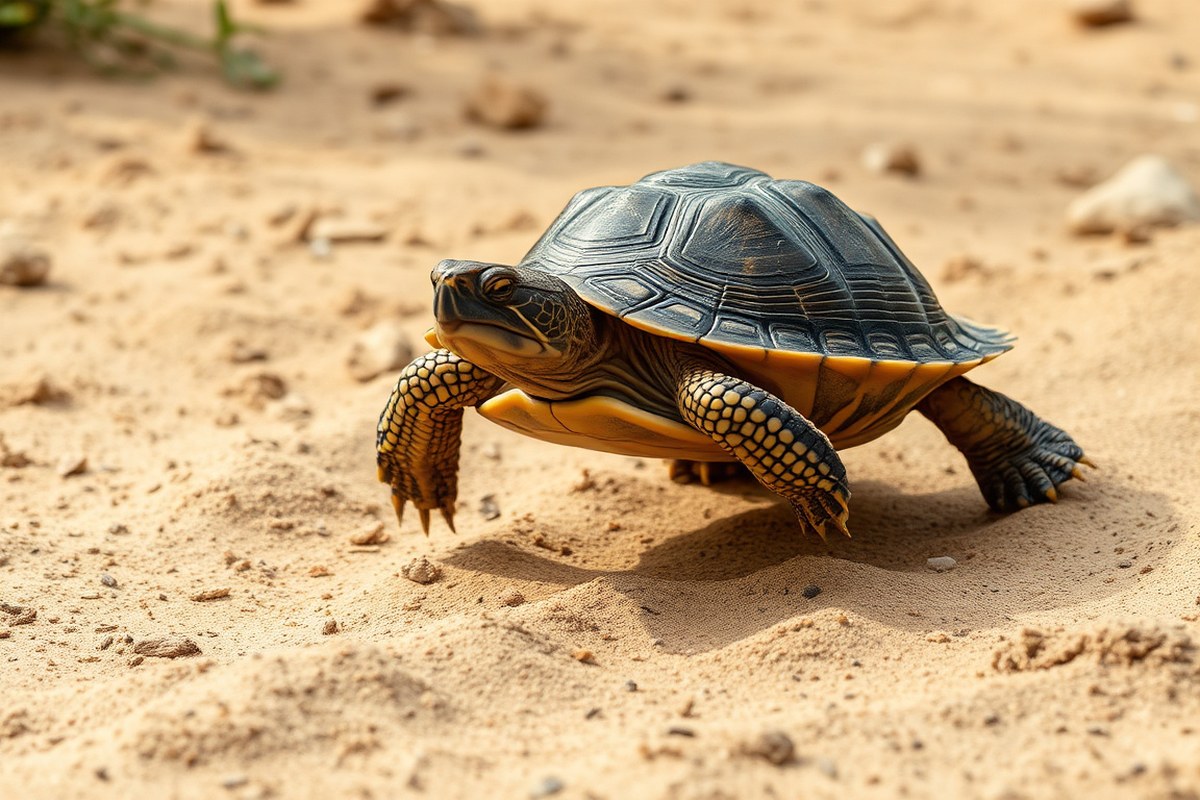
The top recorded land speed for a turtle is about 3 to 4 miles per hour. This speed belongs mainly to softshell turtles, which are the fastest movers on land. They can sprint short distances quickly when escaping threats or heading to water.
Most turtles move much slower on land, usually around 0.2 to 1 mile per hour. For example, Eastern Box Turtles reach about 0.25 mph.
Larger tortoises like the Galapagos move at 0.13 to 0.2 mph. The Guinness World Record for a tortoise’s walking speed is 0.63 mph, showing these animals rarely sprint long.
Speeds differ a lot by species. So you can’t treat all turtles as equally slow or fast. Softshell turtles are notably quicker at 3 mph.
Other species such as wood turtles run closer to 0.2 mph. African Sideneck Turtles are exceptions and reach up to 6 mph.
Measurements show speeds depend on the turtle’s build, environment, and motivation. So these numbers represent maximum short bursts, not steady movement.
Which Turtle Species Are the Fastest Runners?
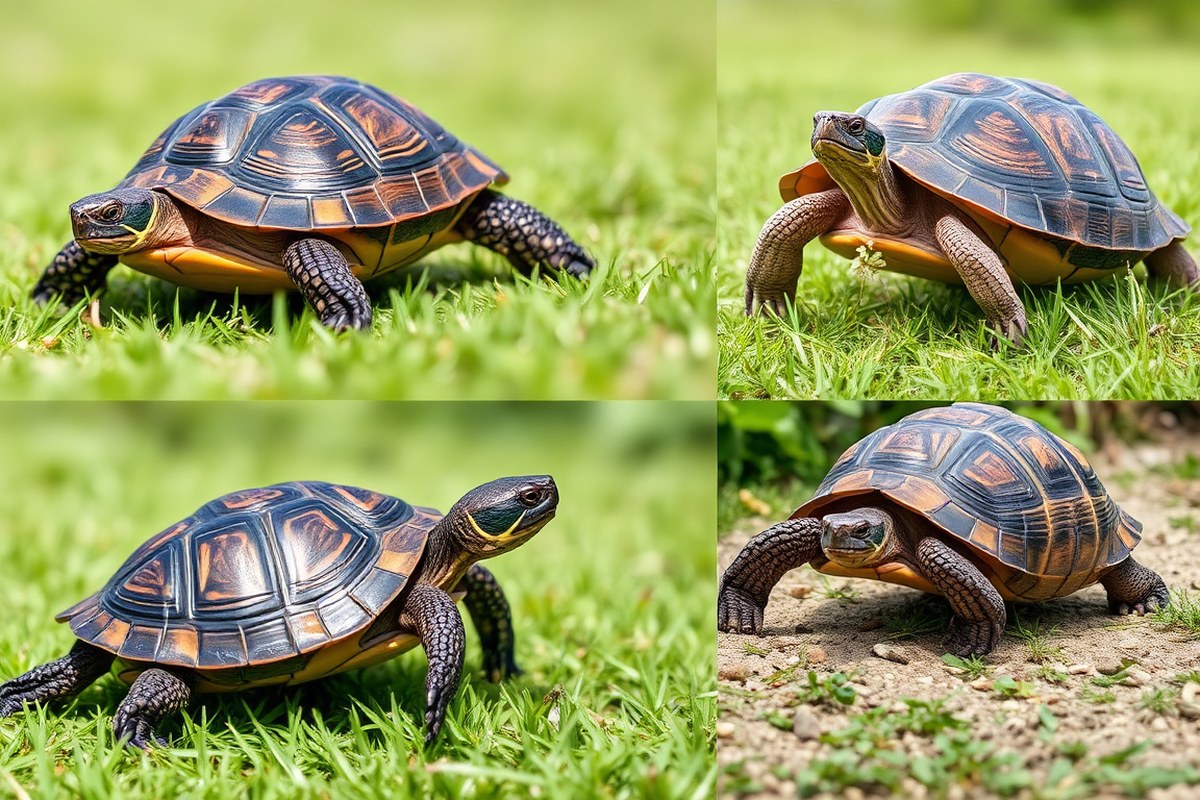
Among turtles, the fastest runners are generally softshell turtles. They can reach speeds around 3 miles per hour. This is faster than most tortoises.
It also beats many other turtle types. This speed comes from their flat, flexible shells and long limbs.
Softshell Turtles: The Speed Champions
Softshell turtles, like the Florida and Chinese softshells, are the fastest land turtles. Their shells are flat and leathery instead of hard and domed. This reduces weight and drag, helping them sprint quicker on land.
Some reports say Florida softshells can sprint 15 miles per hour. Usually, they move about 3 miles per hour. That speed is more common.
The Chinese softshell turtle might hit speeds of 30 kilometers per hour. That is about 18 miles per hour. This speed is quite fast for turtles.6 mph) in short bursts.
These turtles also have long legs and webbed feet. Their longer limbs give a bigger stride. Webbing helps push against the ground effectively when running.
Fast Land Tortoises vs. Turtles
In comparison, land tortoises are slower. For example, the gopher tortoise runs at about 0.2 miles per hour. The fastest tortoise recorded is Bernie, reaching just 0.63 miles per hour.
Tortoises have heavy, domed shells, which add extra weight and slow them down. Their short, stout legs are great for steady walking but not for speed. Tortoises rely more on endurance than bursts of speed.
Regional Variations in Speed
Turtle running speeds vary by temperature. At 68 to 86 degrees Fahrenheit, turtles become more active and faster. Cold weather slows their metabolism, so they move slowly in chilly conditions.
Species living in warmer climates tend to have higher running speeds. Freshwater turtles like river cooters average 1.5 feet per second or about 1 mph. Common snapping turtles run faster, up to 4 mph.
Habitat and predator threats also shape speed. Turtles facing more danger often develop quicker bursts of speed to escape.
| Species | Land Speed (km/h, mph) | Water Speed (km/h, mph) |
|---|---|---|
| Leatherback Sea Turtle | ~1 km/h (0.6 mph) | 35 km/h (22 mph) |
| Common Snapping Turtle | Up to 6 km/h (4 mph) | 16 km/h (10 mph) |
| Florida Softshell Turtle | Up to 5 km/h (3 mph) | ~10 km/h (6 mph) |
| Gopher Tortoise | 0.3 km/h (0.2 mph) | N/A |
The table shows that softshell turtles outpace tortoises and many other turtles on land. Softshells use their lighter, flexible shells and faster limb movements. Snapping turtles sit in the middle, they’re relatively fast but not as swift as softshells.
Handle turtles gently; injuries slow their speed and can cause lifelong harm.
Why Are Turtles so Slow on Land but Fast in Water?
Turtles move slower on land mainly because of their shell and limb structure. Their heavy, dome-shaped shell adds weight and limits the leg movement needed for fast running.
Land turtle legs are stout and aimed at supporting weight, not quick strides. Their feet lack the flexibility or spread to push off fast like running animals.
In water, turtles swim faster due to their streamlined shape and limb design. Aquatic turtles have webbed feet or flippers that act like paddles.
They push against water with wide, strong strokes, propelling them forward much faster than walking. Swimming limbs move in sweeping motions to catch more water, giving better thrust.
The shell affects speed differently in each environment. On land, it’s a bulky shield that restricts speed and agility. But in water, the streamlined shell reduces drag, helping turtles glide easily.
The smoother shell shape helps aquatic turtles cut through water. It lets them reach speeds up to 20 mph.
This shape reduces drag as they swim. This contrast shows how evolution shaped turtles for their preferred habitat.
Land turtle limbs work more like pillars that hold and move the body slowly. They lift and place feet in a slow, steady rhythm. Swimming limbs move in wide circles.
They push against water to create thrust. This helps turtles move through water effectively. A sea turtle’s powerful flippers move fast.
They can move up to four times quicker than steps on land. This lets them swim with great speed.
Extra weight from the shell also makes quick land movement tiring for turtles. They spend more energy pushing the heavy shell forward on solid ground.
In water, buoyancy offsets shell weight, so turtles don’t use as much effort moving. This explains the large speed gap between walking and swimming.
Some turtles, like soft-shelled or cooter turtles, show how limb shapes matter. They run faster on land compared to tortoises because their feet have more flexibility and webbing. This helps turtles speed up before entering water.
Once in, their swimming speed increases more. They can quickly escape predators this way. These differences highlight how limb design and shell shape control turtle movement speed.
How Fast Can Turtles Swim Compared to Running?
Turtles generally swim much faster than they move on land. Sea turtles, especially, can swim at speeds between 15 and 22 miles per hour.
Most turtles travel slower than 1 mile per hour on land. This shows a clear difference in their speed compared to other animals.
Leatherback Sea Turtle’s Swimming Speed
The Leatherback sea turtle is the fastest swimming turtle. It can reach speeds up to 22 miles per hour (35 km/h). This large turtle uses powerful flippers to move quickly through water.
Its speed helps it travel long distances in the ocean and escape predators. This turtle’s size and strength make quick land movement hard. It moves very slowly when on land.
Green Sea Turtle and Other Fast Swimmers
Green sea turtles can reach speeds around 19 miles per hour. During long swims, they keep speeds from 1.5 to 6.3 miles per hour. Kemp’s ridley and Olive ridley turtles swim near 17 miles per hour.
These turtles swim much faster than they run on land. Their swimming speeds let them cross large seas during migrations or escape threats.
Freshwater Turtles vs. Sea Turtles
Freshwater turtles swim slower than sea turtles. They usually move at slower speeds of just a few miles per hour while swimming.
On land, these turtles are usually slow and awkward. Sometimes, they move faster than sea turtles on land.
Sea turtles show more powerful swimming skills due to their habitat and body shape. This difference explains the gap between swimming and running speeds among turtle species. Here is a summary showing average speeds in land and water for selected turtle species:
| Turtle Species | Average Speed Swimming (mph) | Average Speed Running (mph) |
|---|---|---|
| Leatherback sea turtle | 22 | 0.17 to 3 |
| Green sea turtle | 19 | Less than 1 |
| Kemp’s ridley sea turtle | 17 | Less than 1 |
| Olive ridley sea turtle | 17 | Less than 1 |
| Soft-shelled turtle | Not recorded | 3 |
| Bernie (fastest tortoise) | Not recorded | 0.63 |
Swimming speeds in sea turtles far exceed their land speeds. Even the fastest land turtles run much slower than average swimmers or humans walking.
What Biological Factors Affect a Turtle’s Speed?
Speed in turtles depends a lot on their body and environment. The shell weighs between 5 and 25 pounds. It adds heavy weight to the turtle’s body.
This weight affects how fast the turtle can move. The turtle’s joints don’t bend much. The shoulders and hips are especially stiff.
This stiffness slows down their movement. A heavier shell means less agility and slower speed.
Metabolism also plays a key role. Turtles have slow metabolisms compared to other animals. So they tire more quickly and move slower.
Their bodies work best at warmer temperatures, which means cold turtles will be sluggish. Turtles move fastest when temperatures reach 75°F to 85°F. They are more active in this temperature range. You can see them moving around more then.
- Shell weight limits flexibility and slows down movement.
- Older or injured turtles tend to be slower than young, healthy ones.
- Metabolism controls energy supply; slow metabolism means slower movement.
- Higher temperatures increase speed by stimulating metabolism.
- Humidity and terrain also influence speed and mobility.
- Species differences affect shell size and body weight, changing speed.
- Turtles with softer shells, like softshell turtles, tend to move faster.
Adjusting to temperature is something turtles do naturally. When you see a turtle basking in the sun, it’s warming up to improve muscle activity. Cooler days make turtles hide or move very little since their bodies slow down significantly.
Turtles move slowly when they are cold or tired. You can tell by how they behave. This helps explain why they aren’t moving fast.
Don’t handle turtles when they feel cold or stressed. It lowers their ability to move safely. Always wait for them to warm up first.
When Do Turtles Move Faster? Activity and Seasonal Effects
Turtles move faster during certain activities and seasons. Mating season boosts their speed as males race to find females.
Searching for food also makes them quicker, especially young turtles looking for meals. When predators appear, turtles speed up to escape danger.
Softshell turtles can run about 3 miles per hour when motivated. This is roughly 12 times faster than a box turtle’s usual pace.
The need to find food or mates pushes turtles to sprint rather than walk. These bursts of speed don’t last long because turtles tire quickly.
Environmental triggers also affect how fast turtles move. Warmer temperatures can increase their activity levels.
They move slower in cold weather since their muscles work less efficiently. Escape responses are often the fastest moments in a turtle’s life.
Here are the main steps when turtles speed up:
- Spot a mate: Male turtles search actively during mating season.
- Detect food: Hungry turtles head straight for prey or plants.
- Sense danger: Predators make turtles bolt to safety quickly.
- Feel warm: Good weather encourages brisk, alert movement.
- Use energy early: Younger turtles often dash faster than older ones.
- Conserve speed: Turtles sprint in short bursts to avoid exhaustion.
Faster movement helps turtles survive and reproduce. Mating season makes them chase partners. Food drives sudden dashes for catching meals.
Escape boosts instant speed but only for seconds. Quiet, slow movement happens at rest and cold times.
Adult turtles generally move slower than juveniles during these faster phases. The energy cost means they can’t keep up high speeds long.
This pattern fits their tough, heavy shells and muscle structure. The trade-off favors survival over long-distance running.
Myths and Facts About Turtle Speed Debunked
Many people believe turtles can run as fast as some mammals, but that’s not true. The fastest turtles can reach about 3 miles per hour. This speed is much slower than mammals like rabbits.
Squirrels also run faster than turtles. This slow pace fits their body design and lifestyle, which focuses more on protection than speed.
Another common myth says tortoises can beat turtles in speed. Tortoises live on land and have domed shells. They usually move slower than many freshwater turtles.
This makes them less speedy on land. Turtles with flatter shells often swim faster and walk quicker on land. Tortoises rely more on steady, slow movement to avoid predators.
Popular claims about turtle speed are often exaggerated or misunderstood. Some stories confuse overall travel speed with short bursts of movement.
Also, people sometimes mix up facts about turtles in water versus on land. Speed varies widely by species and environment.
- Turtles top out near 3 mph on land, not close to mammal speeds.
- Tortoises generally move slower than many aquatic turtles.
- Some myths come from confusing swimming speed with running speed.
- Stories about turtles traveling at space mission speeds mix facts wrongly.
- Misinformation often ignores species and terrain differences.
NASA’s Apollo mission hit speeds over 23,000 miles per hour. Two Russian tortoises onboard matched that speed. They traveled just as fast in space.
But that doesn’t mean those tortoises run that fast on Earth. This example shows how facts about turtles get wrongly stretched into myths.
Knowing these facts helps you see turtles as they really are. They aren’t built for racing but for slow, careful movement. This makes their survival and behavior easier to understand without the exaggerations.
How Does Turtle Speed Impact Survival and Behavior?
Speed is not the main defense turtles rely on to survive. Many turtles use stillness or hiding to avoid predators instead. Freezing in place for hours helps some turtles blend in and escape notice.
When predators do approach, a quick dash can help. But it is usually short and slow. For example, box turtles run a few quick steps to escape.
Then they depend on their shell for protection. Speed helps a bit, but it is not the only or best survival tool.
Aquatic turtles use speed differently, like swimming fast to catch prey or get away from threats. On land, slow movement fits their protective shell and patient hunting style. For turtles, moving carefully saves energy and reduces attention.
Speed also influences mating success in some turtle species. Faster or more agile turtles might reach mates more quickly.
This increases chances to reproduce before others arrive. However, steady, patient behavior often pays off too, especially in species where staying safe is key.
Watching turtles, you can see survival strategies in action. They pause for long times, moving only when safe.
When they do move quickly, it’s brief. This combination of stillness and short bursts of speed helps turtles survive many dangers.
For anyone observing turtles, patience is important. Let them move at their own pace and notice how they freeze or hide. This behavior shows how they protect themselves without depending on running fast.
Never chase a turtle to see how fast it runs. It can cause stress and harm their natural behavior.
How to Help Turtles Safely When You Encounter Them
The best way to help a turtle cross a road is to move it carefully. Always carry it in the direction it’s heading. This helps the turtle stay on its path.
Always check your safety first before stepping into traffic. Never take a turtle home.
Don’t put it somewhere new. Turtles have their own home areas.
Assessing the Situation
First, watch the turtle’s behavior and surroundings. Decide if helping is safe for you and the turtle.
Wait for a clear spot if traffic is heavy. Ask someone to watch traffic while you help.
Check the turtle for injuries like cracks, bleeding, or limping. Injured turtles usually shouldn’t be moved without expert help.
Watch for predators nearby when the turtle is small. Approach carefully to keep it safe.
Proper Way to Handle a Turtle
Use both hands to pick up the turtle carefully, holding it on its shell. Never grab a turtle by its tail, which can injure it. Keep the turtle low to the ground to avoid drops if it squawks or wiggles.
Move it straight across the road in the direction it was headed. Pick a spot on the far side and gently set the turtle down. Avoid putting a turtle in water unless you know it is an aquatic species.
Here is a safe way to move a turtle across the road:
- Wait for traffic to clear and make sure you are safe before crossing.
- Approach the turtle calmly and slowly to avoid startling it.
- Grasp the turtle gently by its sides of the shell with both hands.
- Lift the turtle low to the ground and carry it across the road.
- Place the turtle on the roadside in the direction it was going.
- Step back and watch the turtle continue safely on its way.
Contacting Wildlife Professionals
Call animal control, a local wildlife rehabilitator, or a veterinarian if the turtle is injured. Injuries can include cracked shells, bleeding, or difficulty walking. Handling an injured turtle without training can cause stress or more harm.
Contact professionals if you find a snapping turtle. Also, get help for very large turtles. Only move them if you know how.
They have tools and knowledge to manage these animals safely. In emergencies, many wildlife centers offer advice by phone.
How to Observe and Support Turtle Movement Safely
Helping turtles involves watching closely and knowing when to step in. Follow these steps to support turtles while respecting their natural behavior.
- Before You Approach, Keep your distance and watch the turtle’s movement speed first. Only help if it’s in danger or struggling to cross roads.
- When You See a Turtle Crossing, Gently move it in the direction it was heading. Use both hands and avoid flipping it on its back.
- During Handling, Wear gloves if possible to protect the turtle and yourself. Stay calm to avoid startling it.
- After Moving the Turtle, place it on the other side safely. Make sure there is enough space for it to keep walking. Watch briefly to make sure it moves on.
- Regularly, Learn common local turtle species and their active seasons. This helps you predict when turtles might need help most.
- Always, Keep pets and vehicles away from turtle crossing areas. Help reduce sudden threats that make turtles move too fast or stop.
- After an Encounter, Clean your hands thoroughly. Avoid spreading diseases between turtles and people.
Frequently Asked Questions
How Fast Can a Turtle Really Run?
The fastest turtle recorded ran at 3 miles per hour. This speed helps them escape danger quickly when needed.
Which Turtle Species Runs the Fastest on Land?
The African Sideneck Turtle reaches speeds up to 6 miles per hour. It’s one of the quickest turtles on solid ground.
Why Can Turtles Swim Faster Than They Run?
Turtles swim faster because their bodies are streamlined for water. Their legs act like flippers to push them swiftly through water.
Do Turtles Run Faster When Scared?
Yes, turtles run faster when they sense danger. Running helps them avoid predators but they still move slower than humans.
Can a Turtle Outrun a Human?
No, even the fastest turtle can’t outpace a human walking at an average speed. Humans typically move much faster on land.
Key Points to Remember
Turtles usually move slowly on land, but their swim speed is much quicker. Knowing their pace helps you protect and respect them. Watch for turtles carefully and help only when needed to keep them safe.

One Comment