Do Teslas Have Brakes? A Complete Guide to Tesla Braking Systems
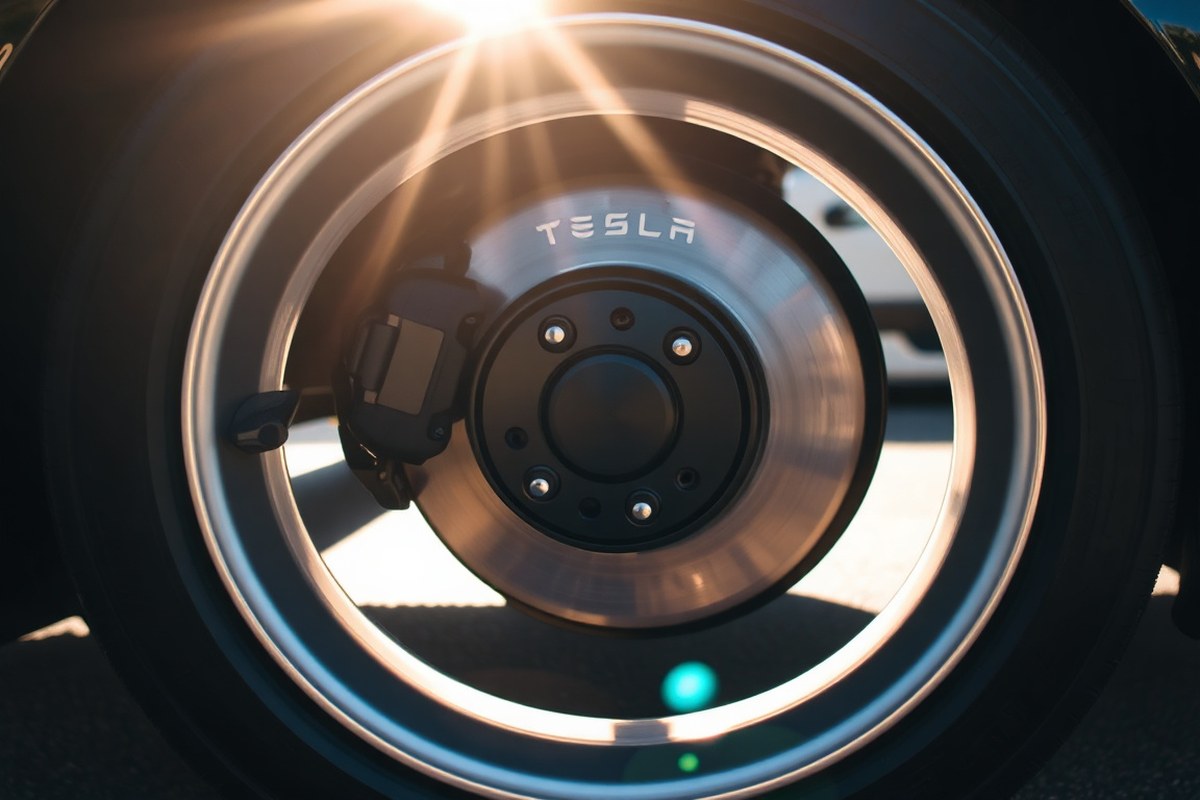
Do Teslas have brakes? Yes, Teslas come with traditional friction brakes just like regular cars.
These brakes use pads pressing on rotors to slow your car whenever needed. The friction system handles full stops and emergency braking effectively.
Teslas also use regenerative braking to slow the car down. It helps recharge the battery while braking. The electric motor controls this process efficiently and smoothly, reducing wear on the mechanical brakes.
You’ll mostly feel regenerative braking when easing off the accelerator pedal. It creates a slowing effect before the friction brakes engage. The friction brakes activate for stronger stops or when higher braking force is necessary.
Brake pads on Teslas last longer because regenerative braking takes most of the load. Still, check brake performance regularly for noise or reduced responsiveness. Proper maintenance is key, just like for any other car’s braking system.
Key Takeaways
- Teslas have standard friction brakes alongside advanced regenerative braking systems.
- Regenerative braking recharges your battery and reduces brake pad use.
- Brake pads on Teslas can last over 100,000 miles thanks to less wear.
- Friction brakes kick in when stopping hard or regenerative braking isn’t enough.
- Watch out for squeaking or decreased braking to know when to check pads.
- Regenerative braking can recover up to 30% energy in city driving.
Do Teslas Have Traditional Brakes and How They Work
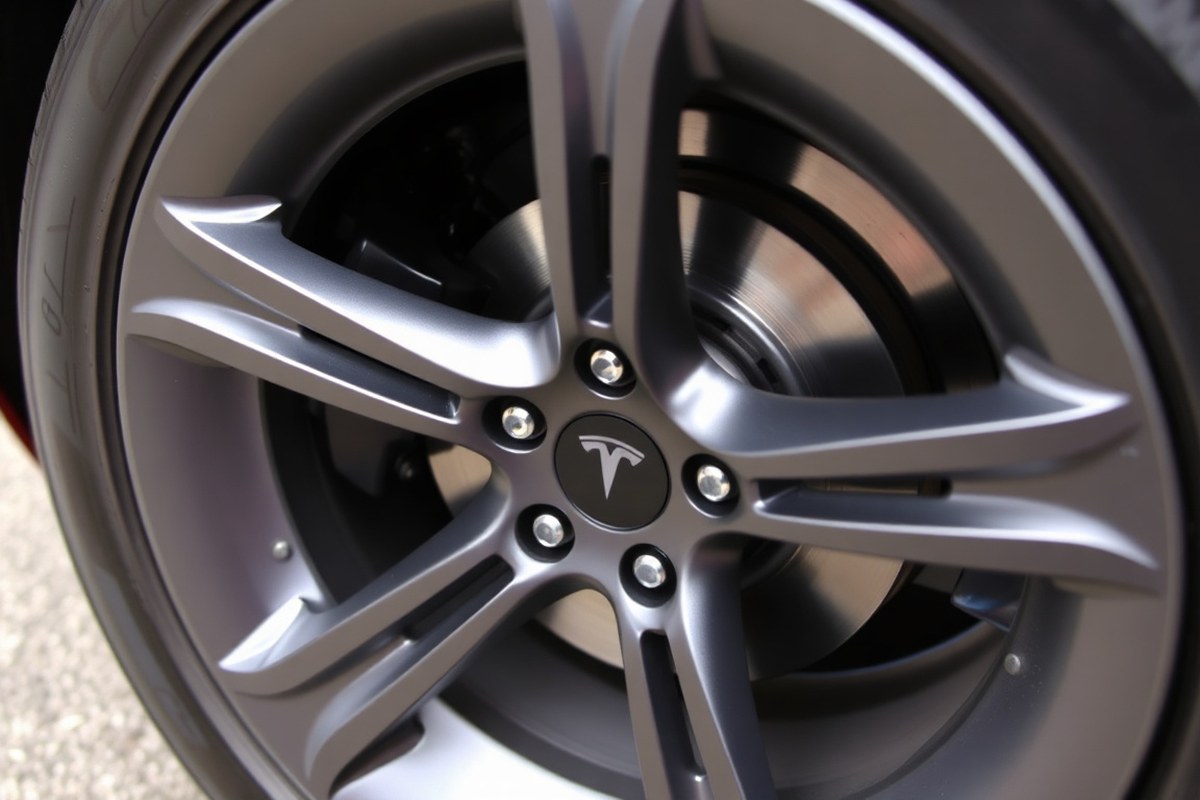
Teslas do have traditional hydraulic brakes that use brake pads and discs. These friction brakes work alongside Tesla’s regenerative braking system. The friction brakes provide mechanical stopping power especially when regenerative braking isn’t enough.
Teslas combine a conventional hydraulic braking system with regenerative braking driven by the electric motors. Regenerative braking slows the car by converting kinetic energy into electricity to recharge the battery. This reduces wear on the brake pads since the motors handle much of the deceleration.
Tesla mainly uses regenerative braking to slow down during regular driving. Taking your foot off the accelerator makes the electric motors resist movement.
This resistance slows the car gently and recharges the battery. This type of slowing means the friction brakes don’t have to work as much.
However, the friction brakes engage in certain situations to provide extra stopping power. Hard or emergency stops, low-speed maneuvers, and complete stops rely on the hydraulic brakes. Tesla’s ABS works with both the electric and friction brakes.
It helps keep control during sudden or hard stops. This system improves safety when you need to brake quickly.
This setup ensures Tesla’s brakes handle all types of road conditions and driving scenarios. The friction brakes act as a backup if regenerative braking isn’t available or sufficient. The car can stop safely even if the electric motor system stops working.
It also works if the battery charge runs low. This backup helps keep you safe in unusual situations.
Tesla combines electric and traditional brakes for smooth, effective stopping power. This mix makes their braking system both reliable and efficient. It helps you brake safely in many conditions.
The focus on regenerative braking keeps mechanical parts from wearing out fast. Tesla drivers notice smoother deceleration and less frequent brake repairs compared to gas cars.
How Tesla’s Regenerative Braking Saves Energy and Extends Brake Life
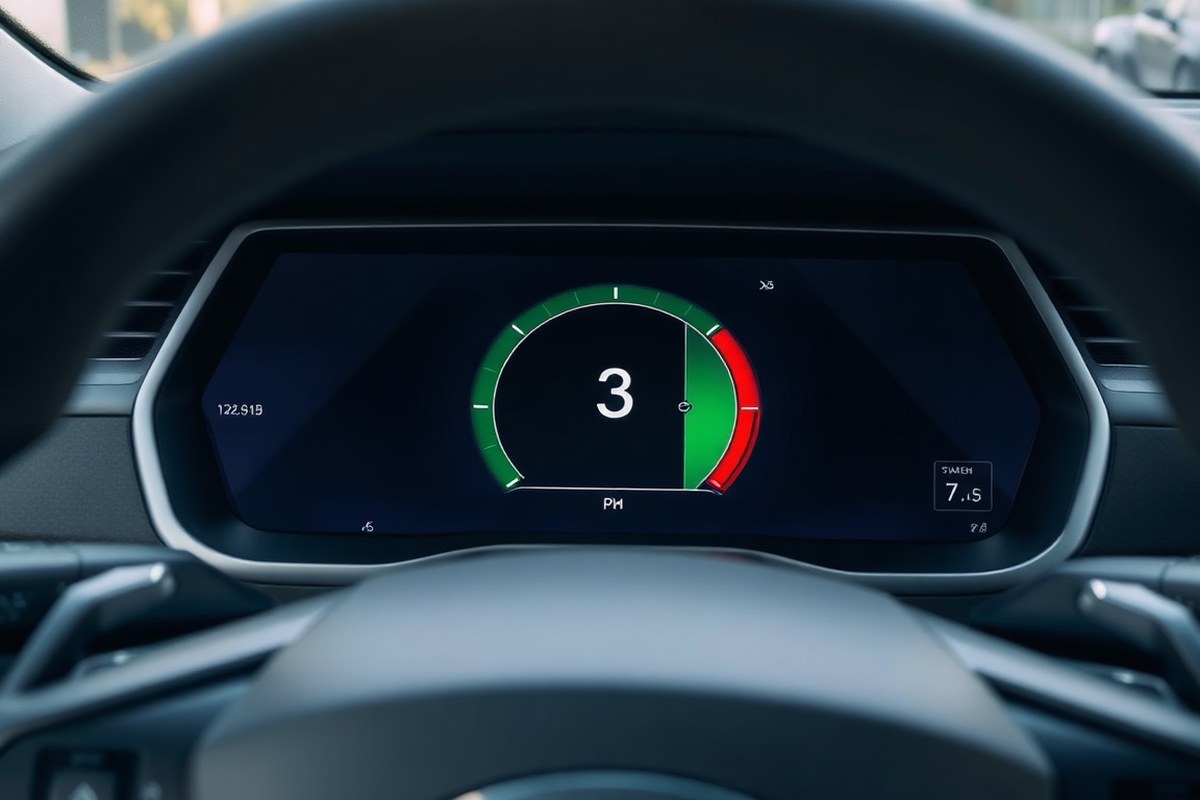
Tesla’s regenerative braking system slows the car by using the electric motor as a generator. When you lift off the accelerator, the motor changes its role. It turns kinetic energy from the moving car into electrical energy.
This process helps recharge the battery. This energy goes back into the battery, helping recharge it while slowing the car down smoothly.
This process recovers about 80% of the kinetic energy during deceleration, which improves overall energy efficiency. Tesla recycles energy instead of wasting it as heat. This helps extend your car’s driving range.
Traditional brakes don’t do this. Regenerative braking also happens automatically whenever you reduce your speed by easing off the gas pedal.
Tesla’s friction brakes are used less because regenerative braking slows the car. This process recycles energy and causes less wear on brake pads and discs. With this system, your brake pads may last 100,000 miles or longer.
It provides smoother braking and means fewer visits for brake repairs. The system both captures energy and manages braking forces efficiently.
The efficiency of regenerative braking depends on your driving habits. Gentle deceleration uses mostly regen, while sudden stops trigger the friction brakes.
Tesla updates its software regularly to fine-tune braking balance and extend pad life even more. Over time, regen brake use lowers repair costs and keeps your car running more efficiently.
Besides saving energy, regenerative braking helps keep the brake system cooler and cleaner. Less heat and dust buildup mean fewer issues with brakes sticking or wearing unevenly. Friction brakes are still needed for safety.
They help during emergency stops and low-speed moves. Regen braking can’t always provide enough force.
Use one-pedal driving often to maximize regenerative braking and extend your brake pads’ life.
When and Why Tesla Uses Friction Brakes Instead of Regenerative Braking
Teslas don’t rely only on regenerative braking to stop. At very low speeds or full stops, regenerative braking loses power. Then, friction brakes take over to stop the car smoothly and safely.
Friction brakes step in when you need more stopping power. This happens during sudden stops or emergencies. They make sure you can brake quickly and safely.
Regenerative braking slows the car and saves energy. It doesn’t provide enough force for quick stops in emergencies.
That’s when friction brakes handle the heavy braking. The mechanical brakes provide that extra stopping power.
When the battery is fully charged, regenerative braking limits activation. The system can’t store extra energy. So, the car uses less regenerative braking in these cases.
This limitation means the car relies more on friction brakes to slow down. The car warns you when regenerative braking reduces.
This notice helps you adjust to changes in how the brakes feel. You won’t be caught off guard.
Slippery or wet roads are another case where friction brakes play a key role. They offer more precise control than regenerative braking alone on icy or slick surfaces. This helps you maintain stability when slowing down on hazardous terrain.
Tesla blends regenerative and friction brakes using a brake-by-wire system. This design activates both brakes instantly and smoothly. The braking system sends force to all wheels.
It adjusts based on your speed and road conditions. This helps you stay in control and improves safety.
Many Tesla drivers experience longer brake pad life because regenerative braking handles most slowing. Still, friction brakes engage regularly at city speeds or for full stops. Tesla’s friction brakes tend to last a long time.
Most need replacing between 70,000 and 100,000 miles. How fast they wear depends on how you drive.
Software updates have improved regenerative braking to allow complete stops in many cases. However, friction brakes remain a important backup. They guarantee reliable braking whenever regenerative power is limited or unavailable.
In emergencies, friction brakes provide the fastest possible stop. Tesla’s system applies maximum friction brake force when sudden stops demand it. Using regenerative and friction brakes together keeps you safe.
This mix also helps your brake parts last longer. It balances performance and durability.
How Long Do Tesla Brakes Typically Last and What Factors Affect Longevity
Tesla brake pads usually last between 30,000 and 70,000 miles. Some owners report pads lasting well beyond 100,000 miles. This lasts much longer than gasoline car pads.
Gas car pads often need replacing every 25,000 to 65,000 miles. Tesla pads far exceed this range.
The extended life happens because Tesla uses regenerative braking. Regen slows the car by recovering energy when you lift off the accelerator. This reduces friction brake use, cutting down wear significantly.
Several factors can affect how long Tesla brakes last. Frequent heavy braking or driving in hilly areas uses friction brakes more.
City stop-and-go traffic can also wear pads faster. Cold weather and rough terrain have a smaller but noticeable effect.
Tesla pads can last thousands of miles at 3mm thickness. They wear down slowly before replacement. You get more use even at this thin level.
Tesla doesn’t have traditional wear sensors. Instead, they use a squealing sound to warn you. The noise signals when pads become too thin.
| Item | Typical Range | Explanation |
|---|---|---|
| Tesla brake pad lifespan | 30,000 – 70,000 miles | Minimal friction use due to regenerative braking |
| Maximum reported lifespan | 100,000 – 150,000 miles | Heavy reliance on regen, light pad wear |
| Traditional vehicle pad lifespan | 20,000 – 70,000 miles | More friction braking leads to faster wear |
| Brake pad minimum thickness for use | ~3mm | Pads still functional for several thousand more miles |
| Brake wear reduction estimate | About 50% | Tesla’s brake wear compared to gasoline cars |
Heavy braking, frequent stops, and steep roads wear Tesla brake pads faster. On highways, pads last longer due to less stopping and more regen use. Cold conditions reduce brake efficiency slightly, which can cause more brake use.
The sound of pads squealing acts as a key alert for replacement. Since Tesla brake pads last so long, many owners find they rarely need new pads. This saves maintenance costs and makes driving more convenient over time.
Tesla Brake Maintenance: When and What Should Owners Do
Your Tesla’s brakes need occasional checkups even though regenerative braking lowers wear. Tesla recommends inspecting friction brake parts and brake fluid levels routinely to keep brakes responsive. These checks prevent surprises and keep you safe on the road.
Brake pads in Teslas last much longer than in most cars, sometimes over 150,000 miles. Still, you should watch out for signs of wear like longer stopping distances or unusual noises.
Brake pad replacement costs usually range from $400 to $800. The price depends on whether you replace the discs too.
Road salt and cold weather can cause brake calipers to rust or stick. Tesla advises cleaning and lubricating brake calipers every 12,000 miles.
You should do this at least once a year in such areas. This helps maintain smooth braking and avoids costly repairs later.
- Inspect brake pads and discs during routine service visits.
- Check brake fluid levels and replace fluid per Tesla’s recommended schedule.
- Clean and lubricate brake calipers annually or every 12,000 miles in cold climates.
- Listen for squealing or grinding sounds indicating worn pads.
- Watch for decreased braking performance or pedal feel changes.
- Service brakes at a certified Tesla facility or trusted independent shop.
Brake fluid can degrade over time, especially under heat stress. Tesla’s thermal technology lowers caliper temperatures by up to 80°C. This protects the brake fluid.
It also keeps the pedal feeling good. Still, fluid must be topped up and replaced on schedule for peak performance.
Never ignore brake noises or softer pedal feel. Prompt checks save money and increase safety.
Understanding Tesla’s Brake-by-Wire System and Safety Features
Tesla uses a brake-by-wire system that sends electronic signals to activate brakes. This setup allows for quicker, more accurate braking and works tightly with safety systems. Autopilot use this tech to help control speed and avoid collisions.
How Brake-By-Wire Replaces Mechanical Linkages
Instead of a physical cable or rod, Tesla’s brake pedal connects electronically to the brakes. When you press the pedal, sensors send signals to the brake calipers instantly. This cuts response time and makes braking smoother and more precise.
Without mechanical parts linking to the brakes, Tesla avoids wear and delays common in older systems. The electronic setup also adapts better to different driving modes like one-pedal driving. It’s a key part of how Tesla merges manual control with advanced driving technology.
Safety Advantages of Brake Electronic Control
Brake-by-wire lets Tesla add safety features like anti-lock brakes and traction control more easily. These systems constantly adjust the braking force to keep the wheels from locking or slipping. Electronic signals make quick, fine adjustments that physical linkages cannot match.
Tesla also has hydraulic boost compensation to keep brake pressure stable. This feature ensures you still have strong braking even if the booster fails. Such backups show Tesla’s focus on keeping you safe no matter what happens mechanically.
This electronic control helps your Tesla respond quicker in emergencies. It supports automatic emergency braking that can activate without a driver’s input.
The brake system helps prevent accidents. It also stops your car reliably.
Integration with Tesla Autopilot and Emergency Braking
Autopilot uses Tesla’s brake-by-wire system to slow or stop the car when needed. It applies brakes automatically if sensors detect potential collisions ahead. This helps avoid accidents or reduce their severity without you touching the pedal.
Adaptive cruise control also counts on this system, adjusting your speed to keep safe distance. Tesla’s software communicates with the brake controls constantly to smooth out stops and starts. The brake-by-wire setup enables this smooth connection between software and hardware.
Because of this integration, Tesla’s braking and Autopilot systems form a safety network. They work together to keep you in control while adding layers of protection. This close link supports Tesla’s push toward safer, partly autonomous driving experiences.
One-Pedal Driving Explained: How Tesla Braking Feels Different
One-pedal driving in Teslas lets you slow by lifting off the gas. It uses regenerative braking to reduce speed. You don’t need to press the brake pedal to slow down.
It uses regenerative braking to convert motion into battery power, slowing the vehicle naturally. You still need to press the brake pedal for quick stops or emergencies.
Activating and Using One-Pedal Driving Mode
You turn on one-pedal driving through the Tesla’s touchscreen under the regenerative braking settings. Usually, regenerative braking is set to “standard” or “low,” which controls how strong the slowdown is. Once you turn it on, press the accelerator to go.
Lift off the gas to slow smoothly. You won’t need to use the brake pedal often.
The brake pedal always works and blends with friction brakes. Pressing it gives you a natural stop feel. This keeps braking smooth and predictable.
You can set regenerative braking strength to your liking. Choose sharper or gentler slowing based on your style.
This adjusts how the car decelerates when you lift off. This setup helps you save energy and extends your brake pads’ life.
How Regen Slows the Vehicle Naturally
Regenerative braking turns the car’s kinetic energy into electricity, charging the battery while slowing you down. When you lift off the accelerator, the motor reverses slightly to create resistance against the wheels. This resistance takes the speed down before the friction brakes even activate.
At the highest setting, the Tesla slows down almost to a stop. You might not need to touch the brake pedal. This helps in stop-and-go driving.
The system often handles stop and go traffic by itself, controlling speed gently on its own. This means fewer brake pads worn out, which saves you maintenance costs over time.
- Lift foot off accelerator to slow the car
- Regenerative braking charges the battery
- Adjust braking strength in vehicle settings
- Brakes blend regenerative with friction when needed
- Strong regen can nearly stop the car on its own
Regenerative braking doesn’t rely on friction parts unless extra stopping power is needed. Drivers often feel a gentle but firm slowdown when they take their foot off the pedal. This makes city driving smooth and less tiring.
Situations Requiring the Brake Pedal
You must press the brake pedal for sudden stops or emergencies. Regenerative braking alone isn’t enough to slow down quickly in tight traffic or obstacle situations. The brake pedal activates friction brakes, giving you full stopping power when it’s necessary.
Use the brake pedal on steep hills or slippery roads. Towing heavier loads means brakes help keep control safe. Don’t rely only on one-pedal driving in these cases.
Anytime the regenerative system can’t safely or fully stop the car, you’ll feel extra pedal resistance. It’s normal and designed for your safety.
Using the brake pedal doesn’t bypass regenerative braking at first. Instead, Tesla maximizes regeneration before friction brakes engage. This keeps braking energy efficient while giving you strong response when you need it most.
How Weather and Terrain Affect Tesla Braking Performance and Wear
Cold weather limits how much regenerative braking your Tesla can use. When the battery is very cold or almost full, it accepts less charge during regen.
The car then must use its friction brakes more. This can cause them to wear faster in winter.
Hilly terrain pushes your brakes harder due to frequent slowing and stopping. Going downhill often requires using friction brakes more to maintain control.
Using regen braking less adds stress and heat to pads and rotors. This wears them out faster than driving on flat roads.
After winter months, Tesla owners should get a brake fluid check. Cold, wet conditions can cause moisture to build in the brake lines, reducing braking performance. Check and replace brake fluid every four years.
Replace sooner if harsh winters affect it. This prevents contamination and air bubbles.
Washing brake components and undercarriage after winter protects against salt build-up. Salt accelerates corrosion on metal brake parts and can damage sensors.
Rinse the brakes well after snowy or salty road trips. This helps them work right and last longer.
Don’t ignore brake fluid inspections; moisture buildup in winter can cause serious brake problems.
Common Myths About Tesla Brakes vs Facts You Need to Know
Teslas do have physical brakes, but their systems rely heavily on regenerative braking. This feature reduces the need for frequent brake maintenance. However, physical brake components still require attention over time, and regenerative braking does not function constantly.
Myth: Teslas Don’t Have Physical Brakes
Tesla vehicles use traditional hydraulic brakes with pads and discs just like regular cars. The difference is that these physical brakes work alongside the electric motor’s regenerative braking system. Regenerative braking slows the car by converting kinetic energy back into battery power.
The physical brakes are still there to keep you safe. They work well at low speeds. They also help during emergency stops.
You won’t find Teslas without physical brakes under the wheels. They meet the same safety standards as other vehicles.
Myth: Brake Replacement Is Not Needed
Regenerative braking reduces how often you replace brake pads. But it doesn’t stop the need entirely. You need to check brake pads and discs regularly.
They wear down from friction braking. Checking them prevents safety issues. Factors like driving style, terrain, and weather affect brake wear.
Ignoring brake maintenance can lead to costly repairs and unsafe driving. Tesla recommends routine brake inspections, just like any car with physical brakes. Brake service costs can vary a lot.
Traditional pad replacement usually costs $300 to $500. This happens as needed.
Myth: Regen Braking Works All the Time
Regenerative braking works only when the motor recovers energy. This usually happens during deceleration. It also works when you lift off the accelerator.
It is less effective at very low speeds or when the battery is nearly full. At those times, Tesla switches to the physical brakes.
Weather conditions like ice or rain can also reduce regen braking effectiveness for safety reasons. That’s why you might feel the pedal respond differently sometimes. The car always balances energy saving and driver control.
You can see key traits of traditional vs. Regenerative braking below. The table helps you compare them clearly.
| Type | Traditional Braking | Electric Braking (with Regeneration) |
|---|---|---|
| Energy Use | Energy lost as heat | Energy recovered and stored |
| Main Mechanism | Hydraulic force to brake pads | Electric motor resistance |
| Maintenance | Regular replacement of pads/discs | Lower frequency of maintenance |
This table shows why Tesla brakes last longer, but they aren’t maintenance-free. Because regenerative braking recovers energy, less heat damages the pads. Your Tesla still relies on physical brakes for full safety and control.
Quick-Start Action Plan for Caring for Tesla Brakes
Follow these steps to keep your Tesla brakes working well and lasting longer. Check the brake feel and alerts to know when action is needed.
- Before your first drive: Learn about one-pedal driving to use regenerative braking smartly. Notice how slowing down feels without tapping the brake pedal.
- After 1,000 miles: Inspect tires and brake pads for early wear signs. Look for uneven tread or noise during stops.
- Every 6 months or 12,000 miles: Book a Tesla service check. They’ll check your brake fluid and run diagnostics on the system. Confirm no error messages or unusual pedal resistance.
- After driving in wet or snowy conditions: Press your brake pedal lightly while driving slowly. This helps dry your brakes. Feel for consistent brake response after drying.
- Once yearly: Replace brake fluid to prevent corrosion and keep hydraulic parts healthy. Watch for smoother pedal action and fewer warning lights.
- When brake warning lights appear: Contact Tesla service immediately. Avoid driving hard to prevent damage.
- When experiencing reduced regenerative braking: Switch to friction brakes gently for a few stops. See if braking feels stable and normal again.
Frequently Asked Questions
Do Teslas Use Traditional Brake Pads at All?
Yes, Teslas have traditional disc brake pads that engage when needed. They mostly rely on regenerative braking but use pads for strong or low-speed stops.
Can Tesla’s Regenerative Braking Fully Stop the Car Without Friction Brakes?
No, regenerative braking can’t bring the car to a full stop alone. Tesla switches to friction brakes for final stopping and heavy braking.
Are Tesla’s Brakes Linked to the Car’s Electric Motor Power?
Tesla’s regenerative braking uses the motor to slow the car and recover energy. The stronger the motor braking, the more energy comes back to the battery.
How Do Tesla’s Brakes Adjust for Different Driving Conditions?
Tesla blends regenerative and friction braking based on speed and road conditions. This keeps braking smooth and responsive in various weather or terrain situations.
Do Tesla Brakes Require Special Tools or Technicians to Service?
Tesla brakes generally need professional technicians due to brake-by-wire systems and software controls. Tesla service centers or qualified mechanics can handle brake maintenance safely.
The Bottom Line
Teslas do have traditional brakes, but they rely mostly on regenerative braking. Using brakes properly and keeping up maintenance will save you money and improve safety. Start by mastering one-pedal driving on your next trip to benefit from regenerative braking right away.