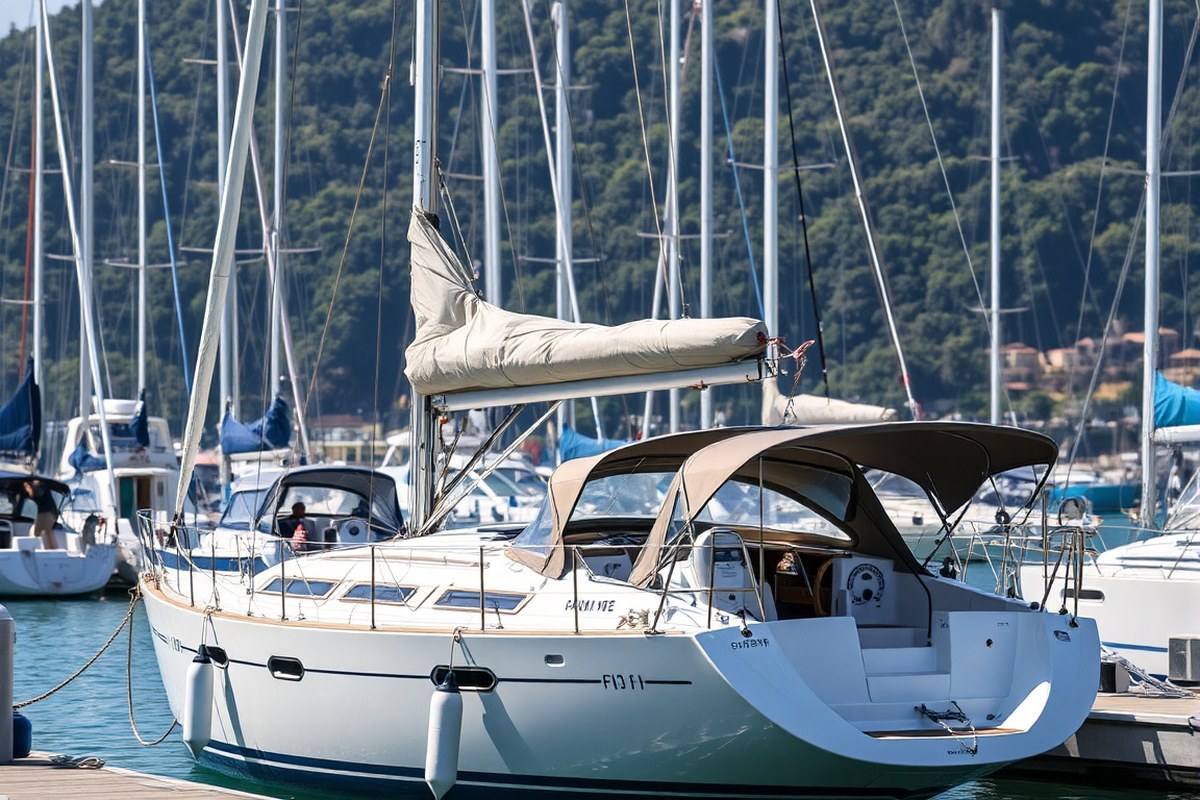
Do Sailboats Have Engines? A Complete Guide to Types, Benefits, and Costs
Do sailboats have engines? Most sailboats do have engines, especially those longer than 16 feet.
Engines help when wind conditions are poor or when precise maneuvers are needed. They provide a backup to sails and add safety and convenience.
Not all sailboats carry engines. But nearly all vessels over 16 feet will have some kind of motor.
Small sailboats typically use gas outboard engines mounted on the transom. Larger sailboats often rely on diesel inboard engines for better power and efficiency.
The engine choice depends on the size and design of the sailboat. Catamarans usually have two engines, one in each hull, improving maneuverability. Bow thrusters are becoming popular on sailboats over 25 feet.
They help you dock and steer in tight spaces. Many sailors choose them for easier handling.
Key Takeaways
- Most sailboats over 16 feet have auxiliary engines for safety and control.
- Gas outboard engines are common on sailboats under 30 feet.
- Diesel inboard engines suit larger sailboats and motorsailers better.
- Catamarans often come with two engines to improve handling.
- Bow thrusters help with docking on sailboats over 25 feet length.
- Choose an engine with 30% more power than needed for hull speed.
Do All Sailboats Have Engines and Why?
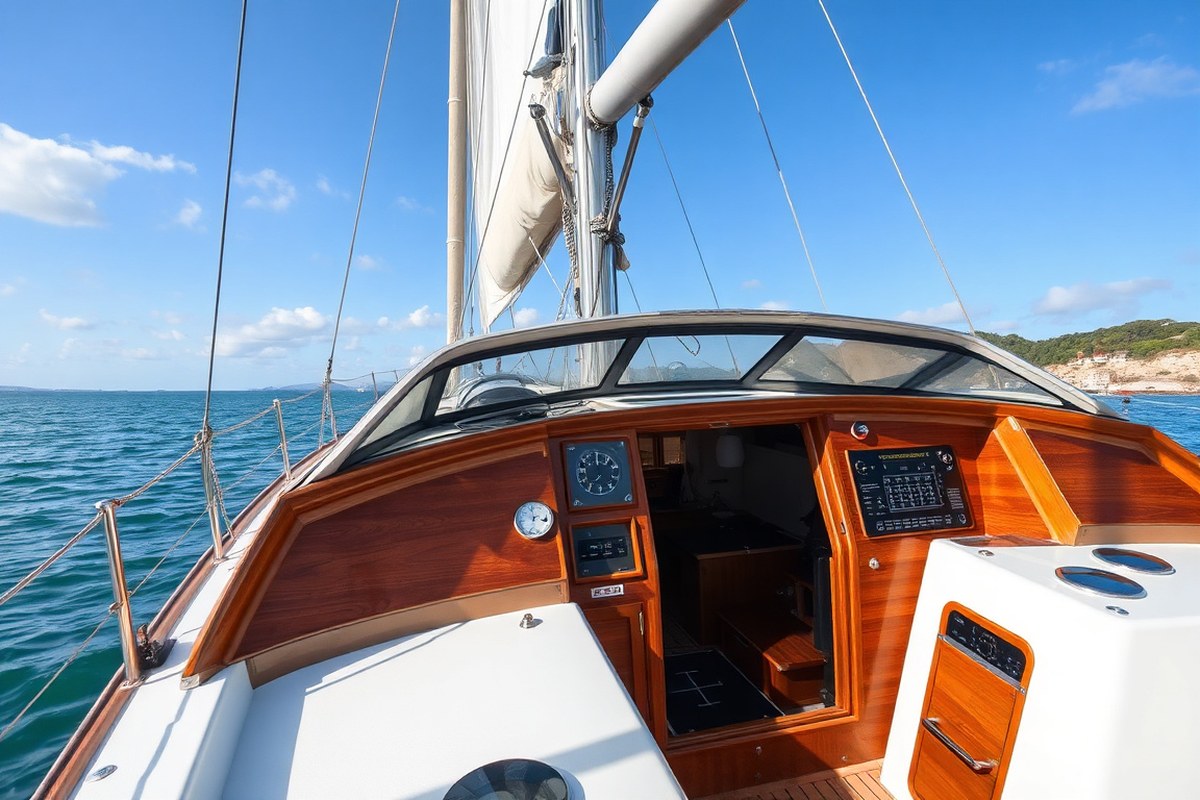
Not every sailboat has an engine, but most do. Smaller boats under 16 feet may skip motors, relying only on sails. However, sailboats over 16 feet almost always include an engine for backup power and control.
Engines provide important help when the wind dies or is too light to move the boat. Motors let you dock, anchor, and maneuver in tight spots without waiting for wind. Hard-to-predict wind directions and calm weather make motors a useful safety feature.
Running an engine lets you avoid getting stuck or drifting into danger. Diesel engines are common in sailboats. They provide enough power for top hull speed.
This holds true even in rough water conditions. Most boaters choose engines with extra power.
They pick about 30% more than needed. This helps to handle tougher waters.
Beyond safety, engines add convenience. You can reach your destination on time, cruising without worrying about wind shifts.
For longer trips, having a motor reduces stress and opens more route options. A two-engine setup is common on larger catamarans, increasing reliability and control.
Though sailing is about using wind, engines become essential in real-life conditions. They support navigation in crowded harbors and during emergencies. Many boat owners see engines as necessary.
They add safety and make sailing more versatile. This is true for bigger boats and coastal trips.
Types of Engines Installed on Sailboats
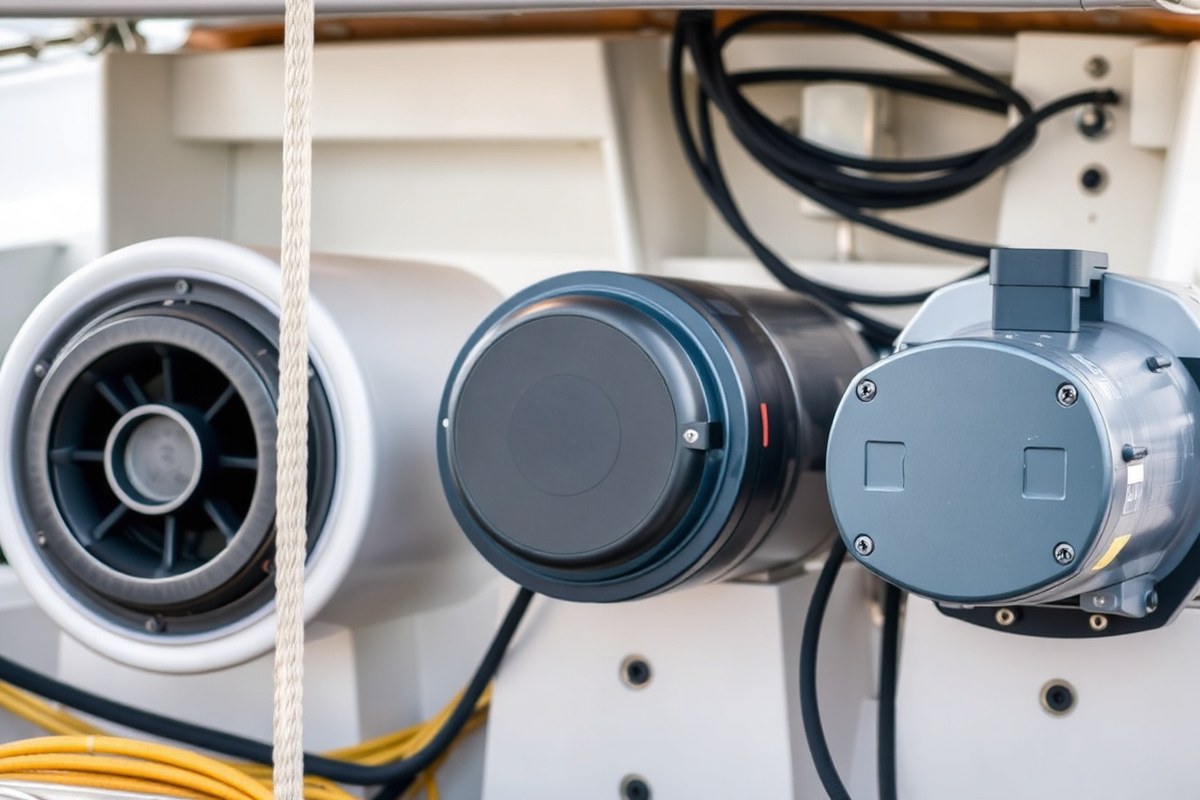
Sailboats use several engine types: inboard, outboard, diesel, electric, and hybrid. Inboard engines sit inside the hull, while outboards hang on the stern. Electric and hybrid engines are growing in popularity for their clean operation.
Inboard Engines: Benefits and Typical Uses
Inboard engines usually run on diesel or gas and mount amidships inside the hull. They connect to a shaft that turns the propeller under the boat. Diesel inboards are popular for their fuel efficiency and long lifespan, especially on larger sailboats.
These engines handle heavy loads and last through long voyages. They also reduce noise and vibration inside the cabin. However, installation costs run high because they need a dedicated engine compartment and fuel tanks.
Outboard Engines: Advantages and Limitations
Outboard engines attach externally to the boat’s transom. You can find gasoline outboards from 2 to 40 horsepower on small and mid-sized sailboats. Outboards are easy to remove for maintenance or to reduce drag when sailing.
They cost less to buy and install than inboards. However, outboards usually don’t last as long and are less fuel efficient for extensive use. They also add wind resistance and noise near the stern.
Electric and Hybrid Systems Overview
Electric sailboat engines draw power from batteries that an onboard diesel generator or shore power charges. Pure electric motors provide quiet, clean operation for harbor maneuvers and short distances. However, limited battery capacity can restrict range.
Hybrid systems combine an inboard diesel engine with an electric motor. This setup lets you run electric power at low speeds.
You switch to diesel when you need more power. Hybrid systems add complexity and maintenance but reduce fuel use and emissions.
Here is a quick comparison of main sailboat engine types covering size, power, and typical use:
| Engine Type | Size Range (HP) | Fuel Type | Efficiency | Common Use |
|---|---|---|---|---|
| Inboard Diesel | 10, 100+ | Diesel | High fuel efficiency | Larger cruising sailboats |
| Inboard Gasoline | 10, 50 | Gasoline | Moderate efficiency | Smaller sailboats and older models |
| Outboard Gasoline | 2, 40 | Gasoline | Lower efficiency | Small to mid-sized sailboats |
| Electric | 1, 20 | Electricity (batteries) | Very high for short runs | Harbor and short motoring |
| Hybrid (Diesel + Electric) | Varies | Diesel & Electricity | Improved fuel use, lower emissions | Modern cruising sailboats |
The right engine type often depends on sailboat size and how you plan to use it. Think about how long you need to motor and the kinds of conditions you’ll face. Each engine type brings its own balance of cost, weight, and maintenance.
Tip: Check engine compartment ventilation and battery safety to avoid fumes and fire risks.
How Engine Choice Varies with Sailboat Size and Type
The engine type and power you need depend heavily on your sailboat’s size and hull design. Smaller sailboats work well with lighter, simpler engines like gas outboards. Bigger monohulls and catamarans need stronger inboard diesel engines.
Sometimes, they have two engines for better safety and control. These engines handle the larger size and weight.
Small Sailboats and Outboard Engines
Small monohull sailboats under 30 feet usually use outboard engines. These engines are attached to the transom and range in power from 2 to 20 horsepower. They cost less and are easy to maintain, making them a good match for light boats.
Outboards fit small sailboats because they don’t add much weight or take up interior space. They provide enough thrust for docking, light motoring, and avoiding hazards. A 10 to 15 horsepower outboard can move a 25-foot sailboat.
It works well at hull speed in calm waters. This setup is common for smaller boats.
Larger Sailboats and Inboard Diesel Engines
Sailboats 30 feet and longer usually use inboard diesel engines. Diesels provide steady, reliable power and better fuel efficiency for long trips. These engines range from 15 to 75 horsepower or more, depending on boat size and weight.
Diesel inboards require space inside the hull but give better control in rough seas. They suit cruisers that travel offshore or carry heavy loads. For instance, a 40-foot monohull usually has a 40 to 60 horsepower diesel engine.
This size balances power and fuel use. It suits the boat’s needs well.
Catamarans and Dual Engine Systems
Most catamarans longer than 30 feet have two engines, one in each hull. Dual engines improve maneuverability and give backup if one fails. These setups often use two diesel inboards.
Each engine gives between 20 and 60 horsepower. The exact power depends on the boat.
With two engines, catamaran pilots can handle tight marinas more easily. Having a second engine also increases safety on longer trips. For example, a 35-foot catamaran might have two 30-horsepower diesels to maintain good speed and control.
Here’s a quick guide showing how engine types generally match different sailboat sizes and hulls:
| Boat Size (Feet) | Hull Type | Engine Type | Typical Power (HP) | Notes |
|---|---|---|---|---|
| Under 30 | Monohull | Gas Outboard | 2, 20 | Light, portable, good for coastal use |
| 30 and over | Monohull | Diesel Inboard | 15, 75+ | Reliable for cruising, better fuel economy |
| Under 30 | Catamaran | Gas Outboard/Small Inboard | 10, 30 | Smaller catamarans may use outboards |
| 30 and over | Catamaran | Twin Diesel Inboards | 20, 60 each | Dual engines for handling and redundancy |
| 26, 100 | Motorsailer | Diesel or Hybrid | Varies widely | Powerful to achieve cruising speed under power |
The table shows how small sailboats mostly use single gas outboards under 30 horsepower. Larger cruisers go for diesel inboards in the 15 to 75 horsepower range. Catamarans above 30 feet usually have twin diesels for better control and safety.
Advantages and Disadvantages of Sailboat Engines
Engines on sailboats offer more control during tricky situations like docking or bad weather. They add safety by letting you power up when the wind drops or conditions worsen. This helps you avoid hazards.
You can better navigate tight marina spaces. It’s extra useful on boats over 6 feet long.
However, engines also add weight and take up space on the boat. This can slow you down and change how the boat balances on the water. Some sailors believe engines make you rely on power.
They think it lowers the need for sailing skill. This can lessen the sailing experience for some.
- More control and safety in crowded marinas or bad weather
- Ability to move steadily without relying on wind
- Easier docking and anchoring maneuvers
- Added weight slows the boat and affects balance
- Higher upfront cost and ongoing maintenance expenses
- Less traditional sailing skill use and feeling
- Engines require fuel, adding cost and storage needs
Engines come with a good price tag, often $15,000 to $50,000 including installation. Maintenance is also key to avoid breakdowns.
Diesel marinized engines tend to cost more but last longer and meet emission rules. On smaller boats, outboards are lighter and cheaper but still add weight.
An engine might improve your sailing based on your boat size. It also depends on your sailing style. Motorized boats suit cruisers or those who sail in variable conditions.
For small racing boats, many choose to go engine-free to keep handling pure and skill-based. Before adding an engine, consider how much it changes your sailing enjoyment and handling.
How to Determine the Right Engine Power for Your Sailboat
Choosing the right engine power depends on your sailboat’s size. It also depends on how fast you want to go. Both matter for a good fit.
Engine power should push the boat to hull speed. You also need extra power for rough water.
This keeps you safe and steady. Displacement and hull speed help you find the right horsepower.
One common rule of thumb is 1.5 horsepower for every 1,000 pounds of displacement. Another guideline is 4 horsepower per ton of displacement. Higher power works better for outboard engines.
They run at higher RPMs than inboards. Throttling back helps prevent engine wear over time. Inboard engines need enough power to keep you near hull speed comfortably.
Hull speed comes from the boat’s waterline length. More speed means you need a stronger engine.
Determining engine size carefully ensures you have enough power for safety and efficient cruising. Too little power leaves you slow and struggling in tough conditions.
Follow these steps to calculate engine size based on displacement and hull speed:
- Measure your sailboat’s displacement in pounds. This is often in the boat’s specs or user manual.
- Calculate hull speed using the formula: Hull Speed (knots) = 1.34 × √(Waterline Length in feet).
- Use the rule of thumb 1.5 horsepower per 1,000 pounds displacement. For example, if your boat weighs 10,000 pounds, you need about 15 horsepower.
- Check if this horsepower allows cruising near hull speed. You want a bit more power for strong currents or windless days.
- Adjust horsepower if you use an outboard. Increase above 1.5 hp per 1,000 pounds because outboards lose efficiency at high RPMs.
- Compare estimated power with engine options easily maintained and supported for your boat size.
- Confirm that the engine’s shaft, gearbox, and propeller suit this power level to avoid inefficiency.
Tip: Never undersize your engine. Running at max throttle regularly causes faster wear and higher fuel use.
Cost Considerations for Installing and Maintaining Sailboat Engines
Installing an engine on a sailboat can be a big investment. For inboard engines sized between 6 and 80 kW, prices typically range from $4,000 to $10,000. A boatyard usually charges $3,000 to $5,000 for installation.
The final cost depends on the engine and boat size. Prices vary by location and service complexity.
Fuel type plays a big role in ongoing costs. Diesel engines cost more upfront but are more fuel efficient and need fewer maintenance checks. Gasoline outboards cost less at first but use fuel less efficiently.
They also need service more often than other engines. This can add up over time.
| Engine Type | Purchase Cost | Installation Cost | Annual Maintenance Cost | Fuel Efficiency |
|---|---|---|---|---|
| Inboard Diesel (6-80 kW) | $4,000 – $10,000 | $3,000 – $5,000 | $100 – $500 | High |
| Outboard Gasoline | Varies, generally lower | Lower installation or self-install | Higher (spark plugs, oil, filters) | Moderate to Low |
| Hybrid Systems | Similar to diesel | Similar to diesel | $100 – $500 | High |
Planning for maintenance costs is important for keeping your engine reliable. Most owners do tasks like oil changes, checking fluids, and replacing fuel filters themselves. These maintenance tasks help avoid serious engine problems.
They usually cost between $100 and $500 each year. This applies to diesel or hybrid engines.
Regular maintenance also includes checking spark plugs for gasoline outboards and cleaning or replacing fuel filters. Neglecting small steps can lead to bigger problems, like engine failure or poor fuel economy.
Service intervals depend on engine hours. But a good rule is every 50 to 100 hours or at least once per season.
Fuel storage and consumption affect operating costs, too. A typical 30-foot sailboat should carry about a 30-gallon fuel tank. How far you go depends on engine efficiency and sailing habits.
But diesel engines often stretch that fuel farther. Always factor these costs and maintenance into your sailboat budget before installing an engine.
Maintaining and Troubleshooting Sailboat Engines
You need regular maintenance to keep your sailboat engine running well. Check for signs like strange noises or overheating early on. Doing simple routine tasks helps prevent bigger, costly problems.
Routine Preventive Maintenance Tasks
Start with checking the engine oil and fuel levels before every trip. Replace oil and filters every 100 hours or yearly, which costs around $50 to $100. Clean or replace the air filters to prevent dust and dirt from entering the engine.
Inspect belts and hoses for cracks or wear every few months. Also, flush the engine with fresh water after saltwater use to avoid corrosion. Lubricate moving parts like the throttle and shift cables to keep them smooth.
- Check oil and fuel levels before each outing
- Change oil and filters yearly or after 100 hours
- Clean or replace air filters regularly
- Inspect belts and hoses for damage
- Flush engine with fresh water after saltwater use
- Lubricate throttle and shift cables
- Examine battery and connections for corrosion
Keep an eye on the battery’s charge and clean terminals to prevent electrical trouble. Routine checks like these usually take about 30 minutes but can save hours in repairs.
Common Issues to Watch For
Engine overheating is a common warning sign. It may mean clogged cooling water intakes or a failing thermostat. You can fix this by cleaning the intake or replacing faulty parts.
Fuel system issues like clogged filters cause sputtering or loss of power. Replace fuel filters yearly and check fuel lines for cracks or leaks. Strange noises during starting, like grinding, usually point to starter motor or battery problems.
Excessive black or white smoke from the exhaust signals fuel or oil system problems. Black smoke usually means too much fuel.
White smoke indicates coolant leaks or burning oil. Early fixes reduce engine damage and keep your sailboat safe on the water.
When to Call a Professional
Some engine repairs need a skilled mechanic. Major engine issues need expert tools and skills to fix. These include deep engine knock or tough fuel system repairs.
It’s best to let professionals handle them. Mechanic rates often start at $100 per hour. So weigh repair costs against engine age.
Services like rebuilding the engine or electrical system rewiring also need an expert. Spot persistent leaks or overheating even after flushing?
Electrical faults beyond battery problems also need a pro’s help. Regular yearly inspections by a mechanic help catch hard-to-see problems early.
Special Features: Bow Thrusters and Engine Enhancements
Bow thrusters are small propellers installed at the bow of a sailboat. They push water sideways to help you steer in tight spaces, like marinas or crowded docks. This makes docking easier for boats over 50 feet.
Maneuvering by the main engine alone can be tricky. Thrusters help with tight spaces and slow speeds.
Most sailboats under 30 feet don’t have bow thrusters. But larger or performance models often do. Installing one costs about $1,000 to $3,000.
Maintenance and battery upgrades add $500 to $1,000 yearly. These costs vary by model and use.
They run off electric power. So having strong batteries is important to avoid running out during important moments.
Besides bow thrusters, other engine enhancements can improve handling and safety. For example, sailboats often have high-torque alternators to recharge batteries quickly. Some owners add better engine mounts to cut noise.
This also lowers vibrations on the helm. It makes steering more comfortable during long trips. Modern sailboats often have engine monitoring systems included.
These show fuel use, temperature, and RPM live. It helps you keep track during a sail.
Choosing the right enhancements depends on your sailing style and marina challenges. Electric bow thrusters suit calm, tight harbors. Diesel engines benefit from upgraded cooling systems for long-distance cruising.
Keep your engine tuned and battery fully charged. This lowers risks of trouble when precise control matters. Regular checks make docking and maneuvering smoother.
Test your bow thruster in calm water before relying on it in tight spots. Sudden loss of power can cause unexpected drift or collisions.
Emerging Trends: Electric and Hybrid Power for Sailboats
Electric sailboat engines run on large battery packs that power an electric motor. Hybrid systems combine a smaller diesel engine with the electric motor and batteries. The diesel engine charges the batteries or directly powers the propeller.
This setup lets you run on electric power for short trips. Switch to diesel for longer runs or when batteries run low.
The biggest benefits of electric and hybrid engines are quieter, cleaner sailing and lower fuel use. They produce no emissions while running on batteries.
With fewer moving parts, electric motors need less maintenance. Hybrids reduce fuel use compared to pure diesel engines by supplementing power with electricity.
| Engine Type | Power Source | Typical Boat Size | Fuel Use | Noise Level | Estimated Installation Cost |
|---|---|---|---|---|---|
| Electric | Battery only | Small to medium (20-40 ft) | None during operation, shore power or solar charging | Very low | $5,000, $20,000 (depends on battery size) |
| Hybrid | Battery + small diesel engine | Medium to large (30-50 ft) | Low; diesel charges battery or powers motor | Low to moderate | $15,000, $40,000 |
| Conventional Diesel | Diesel fuel | Any size | High, continuous fuel use | Moderate to high | $3,000, $20,000 |
Electric engines can cost more initially due to batteries and charging gear. You’ll also want to install solar panels or wind generators, which range from $500 to $5,000. Hybrids add a smaller diesel engine to reduce range anxiety.
Hybrid systems work well on a 40-foot motorsailer. They power speeds of 7 to 10 knots. That is enough for coastal cruising.
Battery life and charging time remain challenges for electric systems. Batteries can take several hours to fully recharge from shore power. Running extended journeys solely on electric power is limited.
Diesel engines in hybrids fill this gap, but maintenance and fuel costs remain. For long offshore trips, conventional diesel still dominates due to range and refuel ease.
Going electric or hybrid makes sense if you sail near shore. It offers quiet and clean operation. Many sailors prefer that.
They cut fuel costs and pollution but demand planning for charging. Larger sailboats pay more upfront for hybrid systems.
But they get better fuel efficiency and backup power. Advances in battery tech will keep improving their appeal.
Step-by-Step Action Plan for Choosing and Using Your Sailboat Engine
Follow these steps to pick the right engine and keep it running well on your sailboat.
- Before buying your sailboat: List your sailing needs and boat size. This helps narrow engine types and power.
- Right after purchase: Check the existing engine type and condition. Confirm it suits your sailing style and maintenance skills.
- Within the first week: Schedule an engine service or inspection. Look for leaks, corrosion, and belt wear to ensure reliability.
- First month: Learn basic engine troubleshooting like checking fluids and spark plugs. This prevents common problems on the water.
- Quarterly: Clean and test any engine enhancements like bow thrusters. Keep controls smooth and responses fast.
- Yearly: Plan a professional tune-up or winterizing service. A clean, tuned engine lasts longer and runs smoother.
- Whenever considering upgrades: Research electric or hybrid options. Check if they fit your boat size and sailing routes.
- Before any long trip: Test the engine under load near the dock. Make sure it starts easily and you can control speed well.
Frequently Asked Questions
Do Sailboats Always Come with Engines?
Many sailboats have engines, but some do not. Engines add safety and convenience, especially in calm winds or tight spots.
Can a Sailboat with an Engine Use Wind Power Only?
Yes, you can sail a boat using just wind power. The engine serves as backup or for docking and maneuvering.
Why Do Catamaran Sailboats Often Have Two Engines?
Catamarans usually have two hulls, so two engines balance power. This improves handling and control when docking or in rough water.
Are There Sailboats That Use Electric Engines Only?
Yes, some smaller sailboats use electric engines now. They offer quiet, clean power but have limited range compared to diesel.
Can Outboard Motors Handle Rough Offshore Sailing on Sailboats?
Outboards are good for small boats in calm waters. They usually lack power and protection needed for rough offshore sailing.
Final Thoughts
Most sailboats do have engines, but the choice depends on your boat and needs. You can pick a reliable engine with the right power and maintenance plan. Start by assessing your boat and booking a thorough engine check soon.