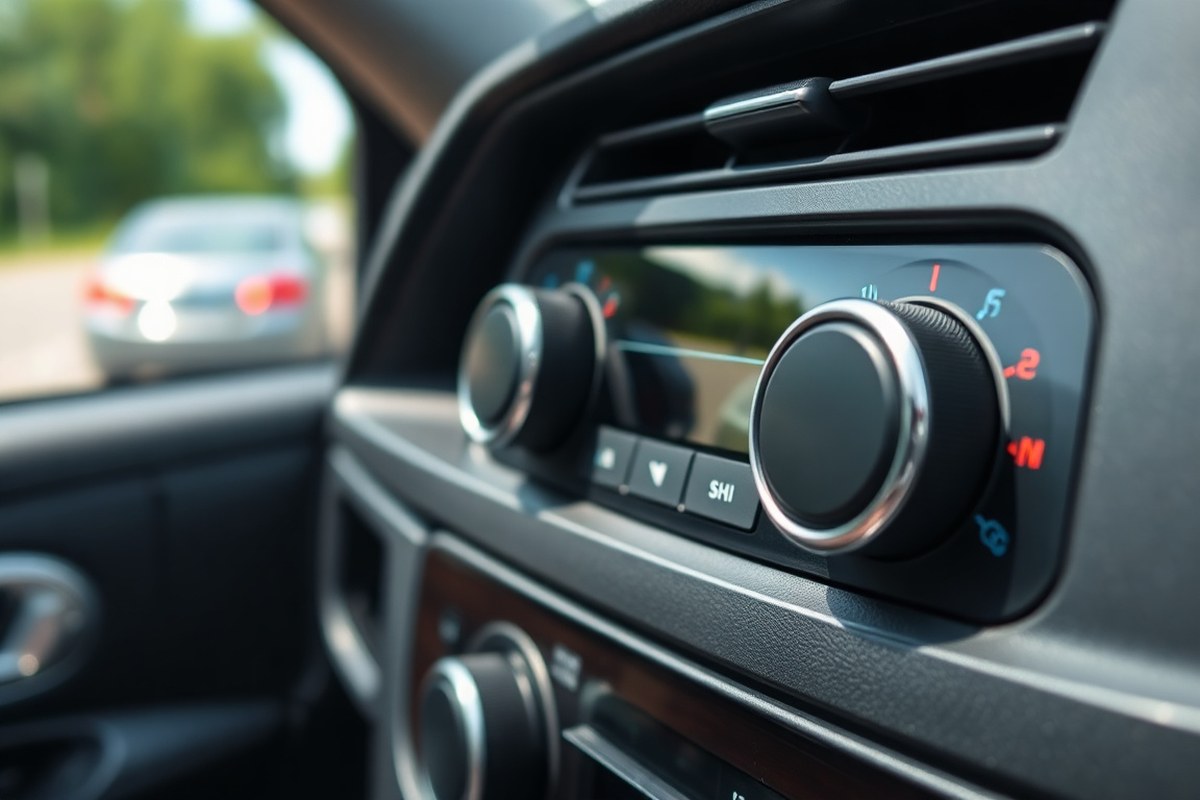
Does Ac and Heat Use Gas in Car: A Complete Guide to Fuel Impact and Savings
Does AC and heat use gas in car? The AC definitely does, but heating usually does not.
The car’s heater uses leftover engine heat instead of burning fuel directly. Running the heater won’t add gas use like the AC will.
The AC runs a compressor powered by the engine, which burns more gas. At idle, AC can use around 0.2 to 0.4 gallons per hour.
This isn’t much for short stops. But it adds up if you run AC a lot while parked.
Running heat on cold days can lower fuel economy by 10 to 30 percent. Cold starts and defrosting make the engine work harder, not direct fuel use. Fuel use seems higher at first because of this extra engine load.
Key Takeaways
- The car’s heater uses engine waste heat, so it usually costs no extra gas.
- The AC compressor draws power from the engine, increasing your gas use noticeably.
- Idling with AC can burn 0.2 to 0.4 gallons of gas per hour.
- Cold weather reduces fuel economy mostly because of engine warm-up and defrosting.
- Running AC on hot days can lower fuel economy by more than 25%.
- Set AC temperature around 72 to 74°F to cut fuel use while staying cool.
Does a Car’s AC and Heat Use Gas or Electricity?
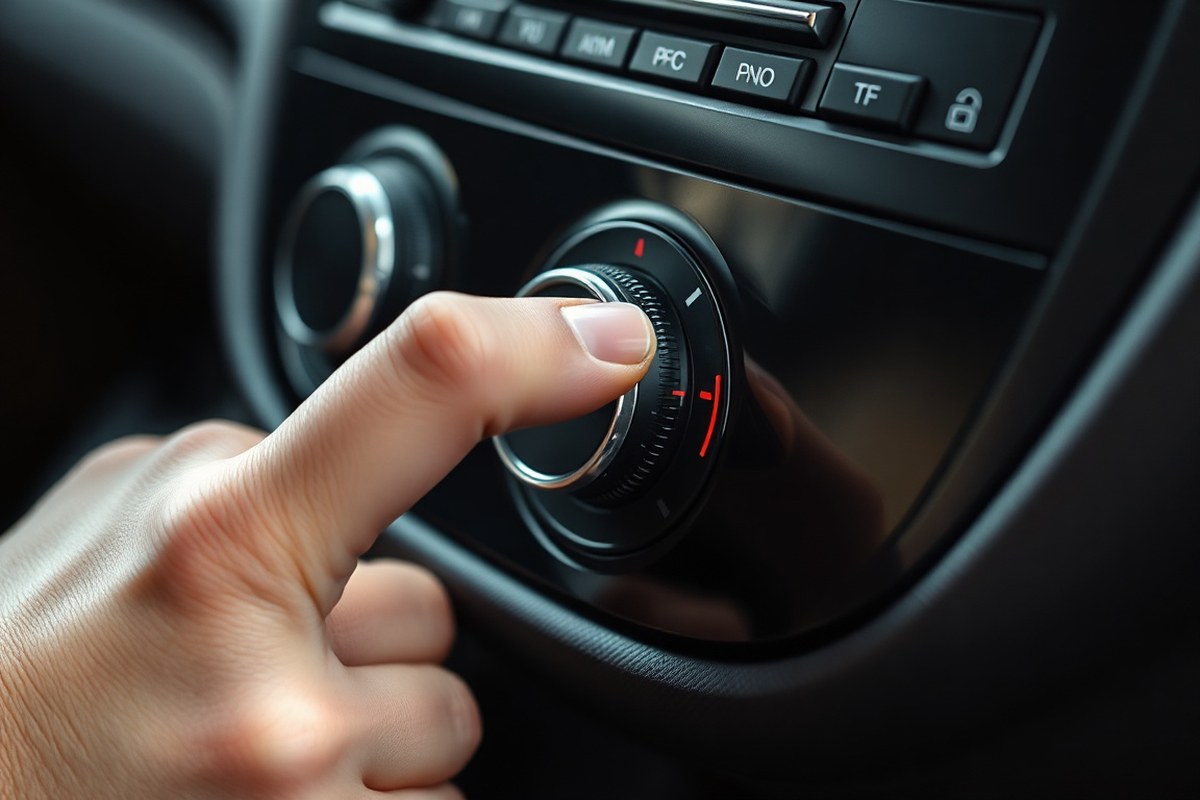
The air conditioning system in a gas-powered car does not burn fuel directly. Instead, the engine runs the AC compressor mechanically, using gasoline as its power source. The AC adds load to the engine.
This makes the engine work harder. So, the AC indirectly uses more gas.
The compressor can consume around 0.2 to 0.4 gallons of gas per hour when the car is idling with the AC fully on. This fuel use varies with engine size and outside temperature.
At highway speeds, the AC still draws power. But the impact on fuel economy is generally lower than when idling.
The heating system in most gas cars works differently from the AC. It uses heat generated by the engine itself, which would otherwise go unused. The heater uses waste heat from the engine coolant.
It does not add fuel use directly. The heat comes from engine heat.
The heater fans and controls use some electricity powered by the car’s alternator and battery. But this is a small electrical load. It does not require the engine to burn more gasoline.
The engine must warm up first for heat to work. This can affect fuel economy. It especially impacts cold starts.
The engine makes plenty of waste heat while running. This heat powers the heater. That’s why heat doesn’t use extra gas.
You don’t have to run the engine harder just to get cabin heat. This varies slightly in very cold weather where longer warm-up periods lower fuel efficiency. But the heater itself is not the cause.
Older cars or inefficient models may have tough compressors. These compressors make the AC use more fuel. This leads to higher gas use.
Using defrost often turns on the AC compressor. This removes moisture inside the car.
It can slightly increase gas use. But normal heater use relies almost completely on engine heat, not extra gas.
How the Car AC System Works and Uses Fuel
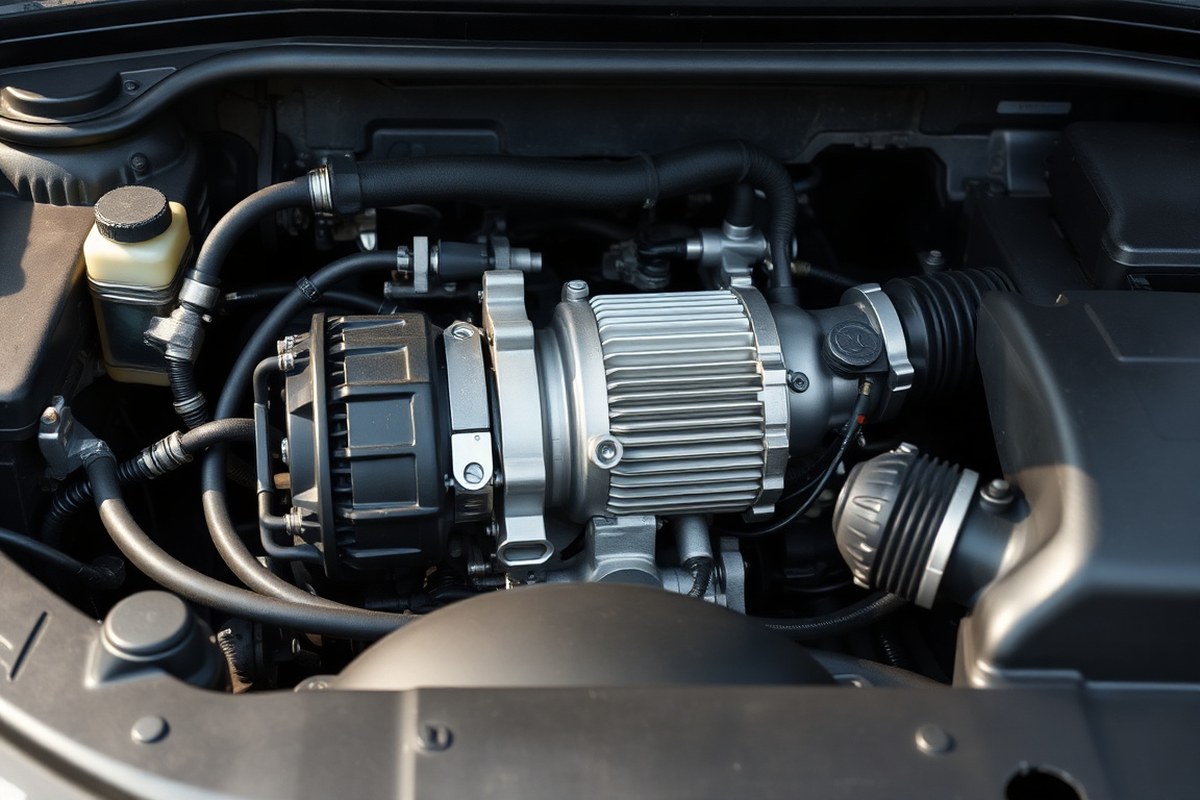
Your car’s AC system uses gas because it relies on a compressor powered by the engine. This compressor pressurizes refrigerant, which cools the air inside the cabin. The energy the engine spends running the compressor causes your car to burn more fuel.
AC Compressor Function and Fuel Draw
The heart of your AC system is the compressor. It acts like a pump, pressurizing refrigerant and pushing it through other parts of the system.
The compressor links to the engine by a belt. When the AC turns on, this belt turns the compressor, making the engine work harder. This extra load leads to increased gasoline use.
During hot weather, the compressor works harder to cool your cabin. This means your engine uses more fuel compared to moderate temperatures.
Role of Condenser, Expansion Valve, and Evaporator
After the compressor, refrigerant flows into the condenser. It cools down there.
It changes from gas to liquid. This happens when outside air passes through the condenser’s fins.
The liquid refrigerant then flows to the expansion valve. This valve lowers the pressure of the refrigerant.
The refrigerant cools more. Then it goes into the evaporator inside the car.
Inside the evaporator, the refrigerant absorbs heat from the cabin air, cooling it. The blower fan pushes this cold air through your vents. This part doesn’t increase fuel use much since it runs on electricity.
Electrical Components and Alternator Load
The AC’s blower fan and controls run on electricity generated by the alternator. The alternator depends on the engine spinning to make power.
When the AC is on, the alternator works harder to supply electricity for fans and sensors. This small extra load also causes the engine to burn a bit more gas.
Your AC system won’t run efficiently when it needs repairs. This inefficiency can increase the compressor’s workload and use even more fuel.
Don’t blast your AC on the coldest setting all the time. Running it continuously puts a heavy load on the engine, raising fuel consumption.
Why Car Heating Usually Doesn’t Use Extra Gas
Your car’s heater uses the engine’s waste heat to warm the cabin air. Hot engine coolant flows through a small radiator called the heater core inside the dashboard. A fan blows air over this core inside your car.
This sends warm air into the cabin. It does not use extra fuel.
This system works because the engine naturally produces heat as it runs. The heater core captures heat instead of wasting it through the radiator. It uses this heat to warm your car.
This saves energy. Since it only uses what the engine already makes, it usually doesn’t increase gas consumption.
Idling your car with the heater on can use more fuel. It burns extra fuel this way. But that’s from running the engine, not the heater itself.
Driving gently warms the engine faster, providing heat more efficiently than sitting still. In hybrids, the heater can cause the engine to run longer.
This happens mostly in cold weather. It affects fuel use more than the heater core does.
The heater’s fan uses a small amount of electric power. But your car’s alternator supplies this without much load increase. This differs from air conditioning, which forces the engine to work harder and use more fuel.
The heater mostly recycles heat from the engine. It doesn’t add much to fuel use. It’s an efficient system.
How Much Gas Does Running AC or Heat Actually Use?
Running a car’s air conditioner typically lowers fuel economy by 1 to 4 mpg. This effect grows larger on hotter days when the AC works harder. On a 100°F day, max AC cuts your gas mileage a lot.
At 80°F, running AC uses less extra fuel. Hot days make your AC work much harder.
The actual fuel use of the AC compressor translates to roughly 0.0256 gallons of gas per hour. The blower motor running without the AC uses far less fuel energy, about 0.32 horsepower or a few cents of gas hourly. Heat mostly uses leftover engine heat.
It doesn’t run the AC compressor. So heat doesn’t add much to fuel use.
Driving speed impacts AC fuel use, too. In city traffic or stop-and-go, AC drops fuel economy more. The engine works harder already in these conditions.
That makes AC use a bigger fuel hit. On highways, the effect is smaller. But the AC still lowers mileage compared to not running it.
| Condition | Fuel Economy Impact | Estimated Gallons of Gas Used per Hour (AC) |
|---|---|---|
| City Driving, AC on max cool at 100°F | Up to 25% reduction in mpg | About 0.0256 gallons |
| Highway Driving, Moderate AC use at 80°F | 1 to 4 mpg decrease | About 0.0256 gallons |
| Blower motor only (no AC) | Minimal fuel impact | Less than 0.01 gallons |
| Driving with windows down | Can reduce fuel economy more than AC | Indirectly higher due to drag |
You can calculate the fuel cost roughly like this: your AC uses 0.0256 gallons per hour. At $4 per gallon, that’s about 10 cents an hour.
The small number shows why some drivers accept spending a few cents to stay cool. But over long hours or hot days, this adds up.
Running the heater usually doesn’t add to fuel use because it uses leftover engine heat. So your mileage won’t drop noticeably when heating. To save fuel with AC, keep the temp moderate.
Avoid max AC settings unless you really need them. This reduces extra fuel use.
Which Uses More Gas: Air Conditioning or Heating?
Using air conditioning almost always uses more gas than heating in a gasoline-powered car. The A/C compressor runs off engine power, which draws more fuel.
Heating, on the other hand, mostly uses heat from the engine coolant. So it rarely adds to fuel consumption.
AC fuel use varies by conditions. In stop-and-go traffic, air conditioning can reduce fuel economy by over 20%.
On highways, it cuts fuel economy by about 5% to 10%. Heat typically does not cause a noticeable drop in mileage under normal driving.
However, there are some cases where heating can indirectly cause more fuel use. In very cold weather, your engine takes longer to warm up. This causes the fuel to burn less efficiently.
It wastes more of your gas. Also, using the defroster often runs the blower fan and A/C components, which uses extra fuel.
| Condition | Effect on Fuel Economy | Reason |
|---|---|---|
| Using Air Conditioning in Stop-and-Go Traffic | Decreases fuel economy by 20% or more | Compressor draws extra power from the engine |
| Using Air Conditioning on Highway | Decreases fuel economy by 5% to 10% | Steady engine load and better efficiency lessen impact |
| Using Car Heater Normally | Minimal to no effect on fuel economy | Heat comes from engine coolant, no extra engine load |
| Using Defroster or Blower Fan in Cold Weather | Small increase in fuel consumption | Additional electric components and possible A/C use |
Don’t mistake the heater blowing warm air for active fuel use. The hot air comes from the engine’s normal heat, not an extra fuel process. Most fuel cost happens from running electric fans or the A/C compressor.
This usually occurs when the defroster is turned on. It uses extra engine power.
Keep your car’s air conditioning system well maintained to limit fuel waste when running the A/C.
Driving Conditions That Affect AC and Heating Fuel Consumption
Driving speed affects how much fuel your AC uses. At highway speeds, your engine runs more efficiently. So running the AC puts less strain on fuel consumption.
The Department of Energy says AC lowers fuel economy a lot at low speeds. Especially when you drive below 30 mph in the city.
It can cut fuel efficiency by up to 25%. Rolling down the windows in city driving usually saves fuel since the AC compressor is off.
Idling with the AC or heat on still burns fuel. The engine revs low, so the AC compressor works harder relative to engine output. This increases fuel use.
Idling to warm the cabin or defrost the windshield can waste more gas than driving. Cold starts need more fuel in the mixture to run well.
Your heater works less until the engine coolant gets warm. This reduces comfort at first.
Cold weather and defrosting add to fuel consumption. The heater itself doesn’t burn fuel but depends on engine heat. Using defrost often runs your AC compressor to clear windows.
The compressor adds load to the engine. This increases fuel consumption. Short trips that do not warm the engine fully also hurt fuel economy.
- Drive at steady speeds on highways with AC to reduce fuel impact
- Use windows down below 30 mph to save gas when possible
- Avoid long idling to keep the engine warm and reduce wasted fuel
- Limit defrost use by parking in a covered spot or using windshield covers
- Warm up the engine briefly, then drive to heat the cabin efficiently
- Adjust fan speed, higher fan speed can cool or heat faster without longer engine load
Keeping your engine warm reduces the need for long idling and excessive defrosting. On the highway, AC compressors add a smaller proportional load. So you lose less fuel economy.
In stop-and-go driving, AC and heating loads play a bigger role. Balancing your use of windows, AC, and heater saves gas.
It also helps your car run better. Adjust these based on the weather and driving conditions.
Fuel Efficiency Tips: When to Use AC, Windows, or Heat
Using your car’s AC or windows affects fuel economy depending on speed and conditions. At low speeds, open windows are usually better for saving gas. Driving faster makes open windows cause more drag.
Using the AC at high speeds saves fuel. It’s better to run the AC than roll down windows.
When Windows Are More Efficient
At city speeds or below 40 mph, rolling down windows can reduce the need for AC. The Department of Energy says AC lowers fuel economy by over 25%. This is true mainly for regular gas cars.
Running AC uses more gas than driving without it. At slow speeds, open windows hardly add drag.
You save gas by not using the AC compressor. So, it’s better to roll windows down when driving slow.
Above 45 mph, open windows cause more drag. This increases fuel use by 5 to 10% or more. Using AC at high speed is better for fuel economy.
This penalty often outweighs the fuel used by the AC compressor. Closing windows and using the AC helps keep your car streamlined and saves gas.
Use this simple rule: roll windows down below 40 mph. Switch to AC above that speed. This keeps fuel use lower and your cabin comfortable.
Best AC Temperature Settings
Setting the AC temperature closer to outside heat saves fuel by reducing compressor workload. Aim for a comfortable 75°F, not the coldest setting. Going colder makes the system work harder and uses more gas.
Use the recirculate air option when possible. It cools inside air faster than pulling in hot air from outside. This lowers the AC’s fuel draw and keeps you comfortable for longer.
Don’t max out the AC fan speed unless you need quick cooling. Moderate fan speeds balance comfort and fuel efficiency effectively.
Parking and Pre-Cool Strategies
Parking your car in the shade helps keep the interior cooler. If your car starts cooler inside, the AC works less. This means it won’t need as much energy to cool you.
It helps save gas when you begin driving. This saves gas, especially on hot days.
Before driving, open windows for a minute or two if your car was in direct sun. This airs out hot air buildup. Then roll up the windows and turn on the AC at a moderate setting.
Keeping your car clean and well-maintained also supports efficient cooling. Dirty filters or a dirty condenser make the AC do extra work.
This uses more fuel to keep the car cool. Clean parts help the AC run efficiently.
- Drive with windows down under 40 mph to save fuel
- Use AC with windows up when driving faster than 45 mph
- Set AC temperature around 75°F for better fuel economy
- Use recirculate mode for faster, efficient cooling
- Park in the shade to keep the car cooler
- Ventilate your car briefly before using AC after parking in sun
- Keep AC system clean and serviced to reduce gas use
How Hybrids and Electric Vehicles Differ in Heating and Cooling Fuel Use
Hybrids and electric vehicles (EVs) handle heating and cooling differently from gas cars. Hybrids can use both the engine and battery to power HVAC systems. EVs rely entirely on battery power, which affects their driving range.
Hybrid Vehicle HVAC Systems
Hybrid cars can switch between using gas engine heat and electric power for their HVAC systems. Some models use engine heat just like conventional cars. Others run the engine more often to produce heat efficiently.
The AC compressor often runs from the electric motor or battery. This setup reduces the use of gas in the engine.
The balance between engine and battery use depends on the hybrid’s design and driving conditions. On cold days, the engine runs more to heat the cabin. This helps keep emissions low.
This cycling can cause small changes in fuel economy. But it’s generally more efficient than running the engine constantly.
Electric Vehicle Heat Pumps and Resistive Heaters
Most newer EVs use heat pump systems for heating. Heat pumps are three times more efficient than resistive heaters. They save battery power and increase driving range.
Older or budget EVs use resistive heaters that turn electricity into heat. These heaters drain the battery quickly.
EV air conditioning compressors are fully electric and powered by the high-voltage battery. On hot days, using AC can reduce driving range by 10 to 15 percent.
It uses a lot of power. Using a heat pump instead of resistive heating cuts battery use while keeping the cabin warm.
Real-World Fuel and Range Impacts
The electric energy HVAC systems use directly reduces EV driving range. Using heat or AC can shorten range by 10 to 15 percent on extreme days.
Smaller hybrids and EVs lose more efficiency than bigger models. Larger batteries or engines handle AC power better.
Pre-cooling or pre-heating your car while it’s plugged in helps conserve battery range for driving. Parking in the shade can also keep the cabin cooler and reduce AC demand.
Efficient HVAC use in hybrids balances gas and electric power. This lowers both fuel use and emissions.
Pre-condition your hybrid or EV cabin while still plugged in to save battery and fuel. It’s an easy way to reduce HVAC impact on range and gas use.
Maintaining Your AC and Heat System to Reduce Fuel Waste
Low refrigerant levels reduce your AC’s ability to cool air efficiently. This makes the compressor work harder, which uses more fuel. Checking refrigerant every year or two helps keep the system running smoothly and uses less gas.
Regular maintenance also keeps your heating system effective without wasting fuel. Clean or replace the cabin air filter every 12,000 to 15,000 miles. A clogged filter blocks airflow, forcing the system to work harder and burn more fuel.
Here’s a simple checklist you can follow to maintain your car’s AC and heating system:
- Check refrigerant levels annually and top off if needed
- Replace the cabin air filter every 12,000 to 15,000 miles
- Inspect belts and hoses for cracks or wear twice a year
- Run the AC for about 10 minutes once a week, even in winter
- Keep your cooling fans clean and free of debris
- Have the HVAC system inspected before extreme weather seasons
Running the AC briefly during the colder months helps keep the seals and compressor lubricated. This avoids leaks and repairs later on. Checking belts and hoses twice a year prevents sudden breakdowns that cut into fuel efficiency too.
You should see cooler air flow quickly in the car. The temperature should stay steady inside. This shows the system is working well.
A warning sign of issues includes weak airflow, longer cooling times, or strange noises. In those cases, get a professional HVAC mechanic involved. They can test refrigerant pressure and find leaks, saving fuel in the long run.
Step-by-Step Action Plan to Manage AC and Heat Fuel Use
Use this plan to keep your fuel use low when running your car’s AC and heater. Follow the steps to see real savings.
- Before You Drive: Check your car’s AC and heater filters. Clean or replace dirty filters for better airflow and fuel efficiency.
- First 10 Minutes of Driving: Use your car windows to cool down if it’s safe. Turn on AC only after the cabin temperature drops to save fuel.
- During Warm Weather: Set AC to a moderate temperature, around 72°F (22°C). This balance limits extra fuel use while keeping you comfortable.
- During Cold Weather: Use your car’s heater without the engine’s throttle increase feature if available. Keep heat settings moderate to save gas.
- While Driving at Low Speeds: Consider opening windows instead of using AC. This avoids the AC compressor’s extra load on fuel at low speeds.
- Every Month: Have a professional inspect your AC and heating system for leaks or worn parts. Proper maintenance reduces fuel waste.
- When Using a Hybrid or Electric Car: Monitor battery usage for AC and heat carefully. Use eco modes to reduce fuel or electric power use.
- After Long Trips: Turn off AC and heat a few minutes before stopping. Open windows to let air circulate naturally and save gas.
Frequently Asked Questions
Does Using the Rear Window Defroster Increase Gas Use?
The rear defroster uses electricity, which has a small fuel impact. It draws current from the alternator, so gas use rises slightly but not much. Keeping the defroster on high for long periods can increase consumption a bit.
Can Turning Off the AC When Stopping at Lights Save Gas?
Yes, turning off AC at lights saves fuel by reducing engine load. The AC compressor uses gas even when idling. Shutting it off whenever you stop for over a minute can help cut gas use.
Does Running Seat Warmers Use More Gasoline in a Gas Car?
No, seat warmers use only low electrical power, not gas. They heat just your body, so the engine fuel flow isn’t affected. This makes them a gas-saving option for staying warm.
Why Does Cold Weather Reduce Fuel Efficiency Besides Heater Use?
Cold weather thickens engine oil and lowers tire pressure, hurting mileage. Cold starts burn more gas because the engine takes longer to warm up. Using defrosters and extra electric accessories in winter adds to the fuel cost.
Does Using Recirculated Air Mode on AC Save Gas?
Recirculated air mode lowers AC compressor workload, reducing gas use a little. It cools the cabin faster by reusing inside air, so the system runs less. This helps especially in hot weather or heavy traffic stops.
Wrapping Up
Your car’s AC and heater mostly use electricity. But AC increases gas use by loading the engine.
Heating usually burns no extra gas because it reuses engine heat. Start by checking your system’s filters today to cut any extra fuel waste.