How Fast Does a 50cc Dirt Bike Go? A Complete Guide for Beginners
Most 50cc dirt bikes can go between 25 and 40 mph. Speed depends on the rider’s weight, terrain, and engine type. Changing these factors changes the bike’s top speed quite a bit.
Lighter riders usually reach speeds near 40 mph. Heavier riders often travel slower, closer to 25 mph. The bike’s gearing also affects top speed, with different sprockets changing how fast it can go.
Well-maintained bikes run closer to their peak speed. Dirty chains, old spark plugs, or poor tire pressure can slow them down. These speeds fit well for young riders aged 4 to 10 years old.
This range matches the size and skill level of kids starting out. Slower speeds help keep them safer and in better control. It’s important to choose the right bike for your child’s age and experience.
Key Takeaways
- Most 50cc dirt bikes go between 25 and 40 mph, depending on factors.
- Lighter riders usually reach higher speeds than heavier ones on 50cc bikes.
- Terrain, like flat or hilly ground, affects the bike’s top speed.
- The type of engine in the bike influences how fast it can go.
- Proper maintenance helps keep your 50cc dirt bike running at top speed.
- Adjusting gearing can safely increase your bike’s speed for better performance.
Average and Maximum Speeds of a 50cc Dirt Bike
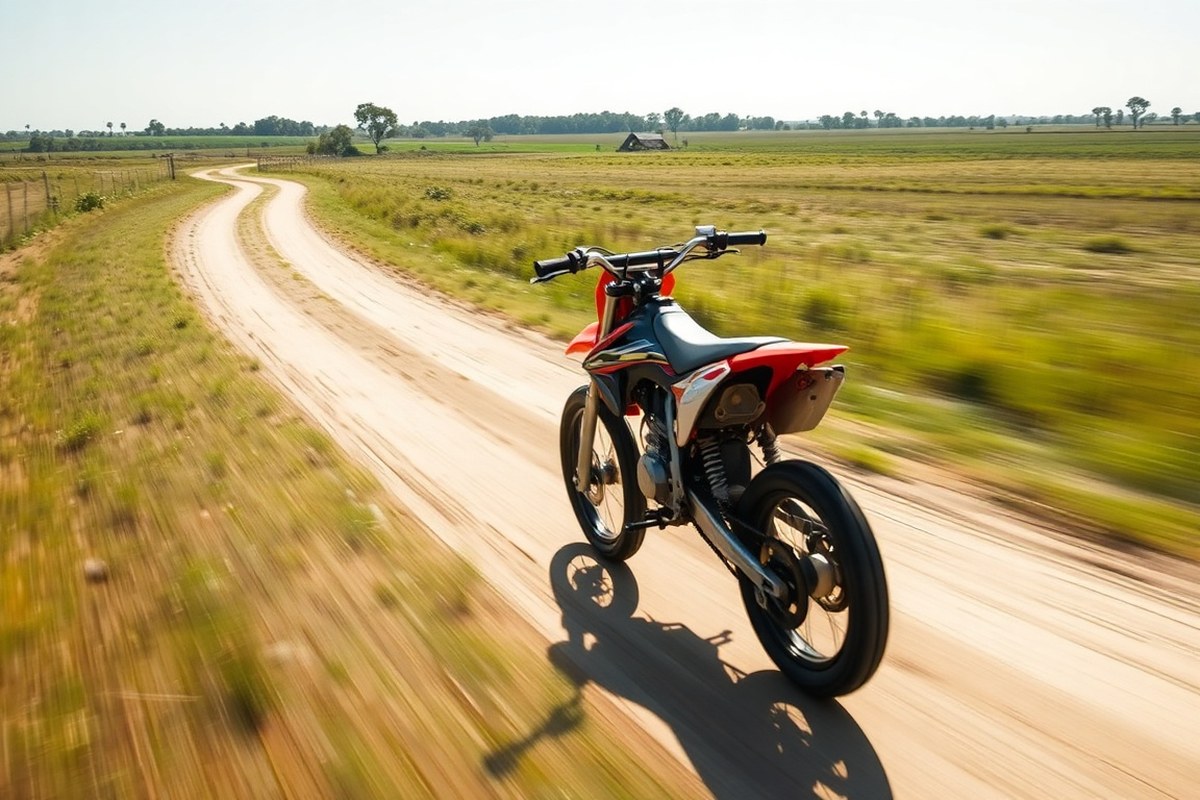
A 50cc dirt bike usually reaches a top speed between 25 and 40 miles per hour. Most models reach about 30 to 35 mph on flat ground.
This depends on rider weight and bike condition. This speed range suits young or beginner riders for safe, controlled riding experiences.
Popular brands show typical speeds within this range. For example, Honda 50cc dirt bikes often hit tops speeds of 30 to 35 mph. Yamaha 50cc models can reach closer to 40 mph, especially in newer or sportier designs.
Mini dirt bikes are lighter and aimed at younger kids. Their top speed usually maxes out near 30 mph.
Electric dirt bikes similar to 50cc often have adjustable speed modes. These range from 5 mph up to 30 mph. This flexibility helps parents control the speed based on the child’s skill level and comfort.
Terrain and bike tuning also matter. Rough terrain or a heavier rider can lower the bike’s top speed. It drops well below the listed maximum speed.
What Exactly Is a 50cc Dirt Bike and Who Should Ride It?
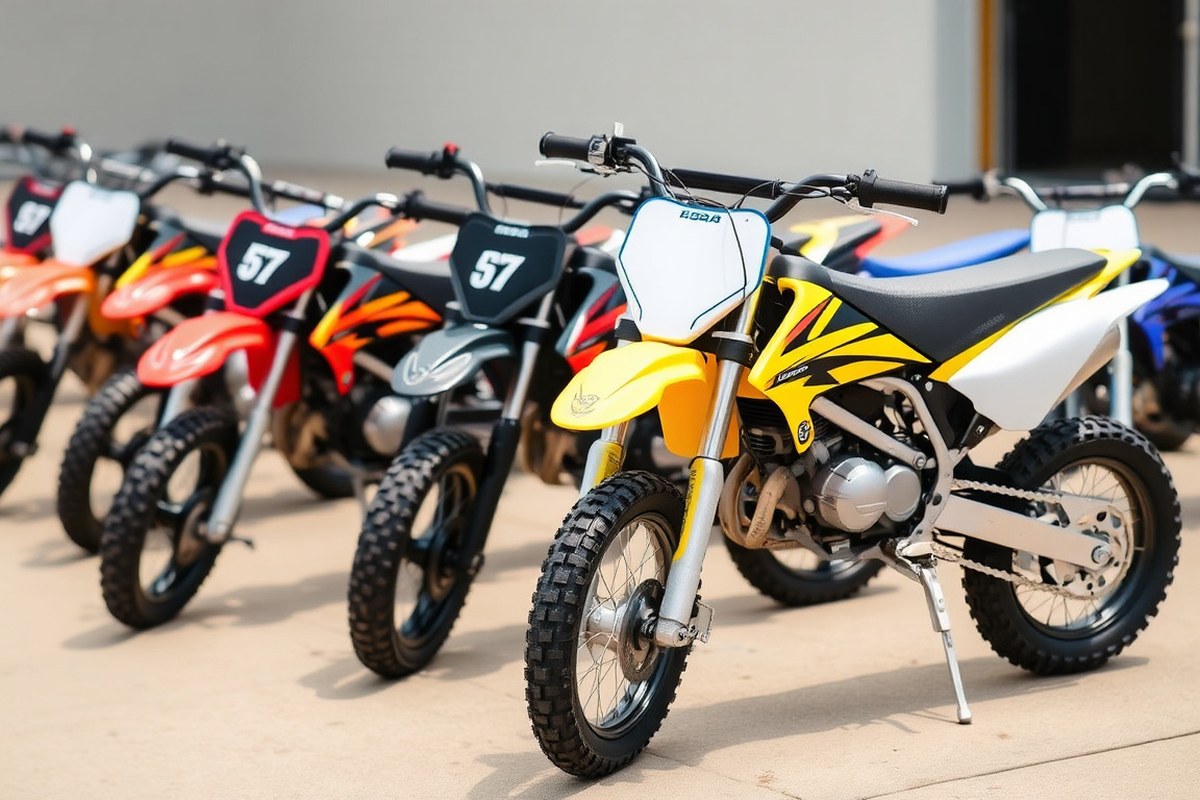
A 50cc dirt bike is a small motorcycle with a 50 cubic centimeter engine. This size refers to the engine’s displacement, which affects power and speed.
These bikes usually have either automatic or simple manual transmissions. They are made for young or beginner riders.
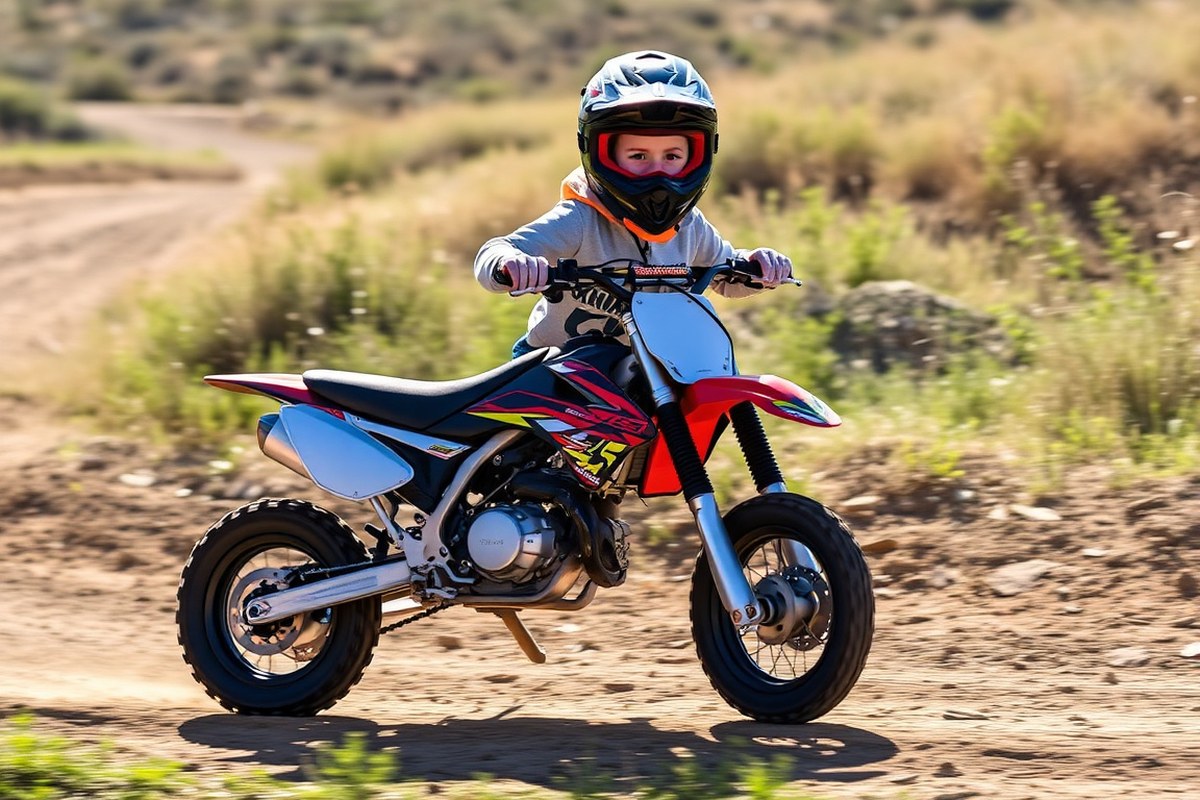
The typical rider age for 50cc dirt bikes ranges from about 4 to 10 years old. These bikes fit smaller bodies and lower skill levels. They make control easier and safer for kids.
Rider height usually falls between 36 and 48 inches. Weights up to about 70 pounds work best for balance and handling.
Compared to bigger dirt bikes, 50cc models have less power. Their top speed is often between 25 and 40 mph. This limited power helps prevent accidents by giving beginner riders a manageable speed.
Bigger bikes have larger engines and reach higher speeds. They need more skill and strength to handle safely.
Using a 50cc dirt bike means riding on small tracks or trails. Many ride in controlled areas like private yards. These bikes let beginners learn basic riding skills, such as balance, throttle control, and braking.
Parents should match the bike size and power to their child’s ability. This helps keep riding fun and safe.
Always check that the rider fits the bike size before use. Too big or too small creates safety risks.
How Engine Type Affects 50cc Dirt Bike Speed
Two-stroke and four-stroke engines shape how a 50cc dirt bike rides and how fast it goes. Two-stroke engines usually offer quicker acceleration and top speed. Four-stroke engines provide smoother power and better durability, which suits beginners well.
Two-Stroke Engine Characteristics
Two-stroke engines complete a power cycle in two piston strokes. This design lets the engine fire once every revolution, giving a sharper power burst. Riders get quicker throttle response, which helps in tight turns and sudden speed changes.
These engines weigh less than four-strokes, improving agility on the bike. They need more frequent maintenance, like spark plug swaps and oil checks. The simple design may cost less but has higher fuel use and emissions.
Four-Stroke Engine Characteristics
Four-stroke engines fire once every two revolutions, giving smoother power delivery. They produce less noise and vibration, which can make young or new riders more comfortable. These engines last longer and require less frequent maintenance.
Four-strokes typically weigh more, making the bike feel stable but less nimble. You spend more upfront on a four-stroke 50cc.
But it can save on repair costs over time. It suits riders who want reliability and ease over raw speed.
Comparative Speed and Performance
Speed varies with engine type, terrain, and rider weight on 50cc dirt bikes. Two-stroke models often reach higher top speeds and feel more aggressive. Four-stroke bikes provide steady speed and better handling control for beginners.
Here’s a quick comparison of popular 50cc dirt bike models by engine type and performance:
| Model | Typical Top Speed (mph) | Engine Type | Best For |
|---|---|---|---|
| Honda CRF50F | 30, 35 | Four-stroke | Trail riding, durability |
| Yamaha PW50 | 25, 30 | Two-stroke | Beginners, easy handling |
| Kawasaki KX50 | 30, 40 | Two-stroke | Agility on motocross tracks |
The Kawasaki KX50 two-stroke model hits the highest speeds but demands more skill. The Yamaha PW50’s two-stroke setup offers softer power for beginner riders. Honda’s four-stroke CRF50F balances speed and gentle handling without tough upkeep.
Key Factors That Influence 50cc Dirt Bike Speed
Rider weight plays a big role in how fast a 50cc dirt bike can go. A lighter rider puts less strain on the engine, letting the bike reach higher speeds. A heavier rider can lower top speed by several miles per hour.
The engine works harder to move the extra weight. This makes the bike slower overall.
Terrain and surface conditions also affect bike speed a lot. Smooth, flat dirt or hard trails let you ride faster. Loose gravel, mud, or hills slow you down.
These surfaces make riding harder. Rough or bumpy ground adds resistance that slows the bike down.
It also makes keeping top speed tougher. The surface affects how fast you can go.
Several specific parts and settings on the bike change how it performs. Adjusting these can boost speed or limit it for safety. These factors include gearing, tire pressure, and throttle limiters.
- Gearing controls the bike’s power-to-speed ratio. Lower gears give more torque but less top speed. Higher gears increase speed but demand more engine power.
- Tire pressure influences grip and rolling resistance. Properly inflated tires roll more easily and keep speed up. Check your owner’s manual for correct pressure, usually 18-22 psi. Underinflated tires slow things down. Too low pressure increases drag and risks pinch flats.
- Throttle limiters are common on beginner 50cc bikes to restrict speed. Removing or adjusting limiters lets the engine reach higher RPMs, increasing maximum speed. But this raises safety concerns for young riders.
Many factors explain why two 50cc bikes have different top speeds. Similar engines don’t always mean the same speed. Other parts and conditions change results.
A lightweight rider on flat trails can reach a bike’s top speed. Proper tire pressure and gearing help a lot. These conditions let the bike perform well.
A heavier rider on rough ground will notice the bike goes slower. Low tire pressure and a throttle limiter also reduce speed. These factors add up.
You change gearing by swapping sprockets. This costs about $20 to $50. Installation usually takes around an hour for a simple job.
Checking tire pressure before every ride is quick and free with a gauge. Adjusting throttle limiters often requires basic tools and care to avoid unsafe speeds for young beginners.
How to Safely Increase the Speed of a 50cc Dirt Bike
Speeding up a 50cc dirt bike can be done with safe, legal tweaks. You can adjust the sprockets and remove throttle limiters to boost speed modestly. Always keep safety in mind during and after these changes.
Adjusting Sprocket Size
Changing sprocket sizes changes your bike’s top speed and acceleration. A larger front sprocket or smaller rear sprocket increases speed but lowers low-end power. This is a popular and simple way to tweak speed.
Follow these steps to change sprockets correctly:
- Place the bike on a stand to keep it steady and safe.
- Use a wrench to loosen the rear axle nut slightly.
- Remove the chain by pushing the master link pin out or breaking it.
- Unscrew the bolts holding the rear sprocket to the wheel hub.
- Swap the sprocket for the one with your chosen size, then screw it back.
- Put the chain back over the sprockets and reconnect it securely.
- Tighten the rear axle nut and adjust chain tension to the manual’s specs.
- Test ride the bike slowly to check for smooth chain movement.
Check your bike’s manual to pick sprocket sizes suited for safe riding.
Removing or Adjusting Throttle Limiters
Throttle limiters cap the throttle opening to keep speed low for new riders. Removing or loosening them opens the throttle more, letting the engine reach higher speeds. This should be done with caution and age-appropriate bike use.
Generally, you locate the throttle limiter on the carburetor or handlebar assembly. Use a screwdriver to remove screws or adjust cable stops to allow more throttle travel. Avoid forcing the throttle or removing limiters without knowing the risks.
Ensuring Safety After Modifications
Faster speeds increase risks like harder stops and quicker reactions. Always check brakes and suspension after speed changes. Wearing full protective gear is even more important at higher speeds.
Test your bike in a safe, controlled area after mods. Watch for unusual sounds or handling quirks.
If you spot problems, fix them before riding fully. Teach young riders to stay within their skill limits and never outrun their confidence.
Essential Maintenance for Maximizing 50cc Dirt Bike Performance
Keeping your 50cc dirt bike in top shape means it runs at peak speed. A clean air filter helps the engine breathe and perform better. Check the filter every 5 rides or once a month.
Clean it by washing with soap and water. Let it dry completely before reinstalling.
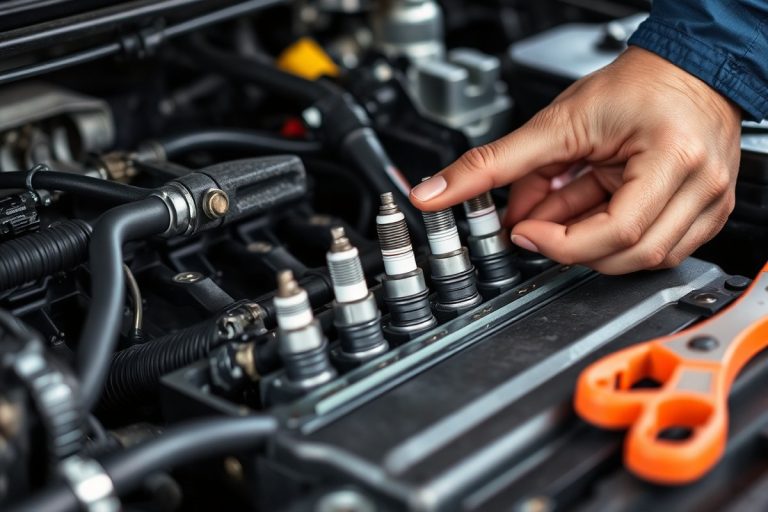
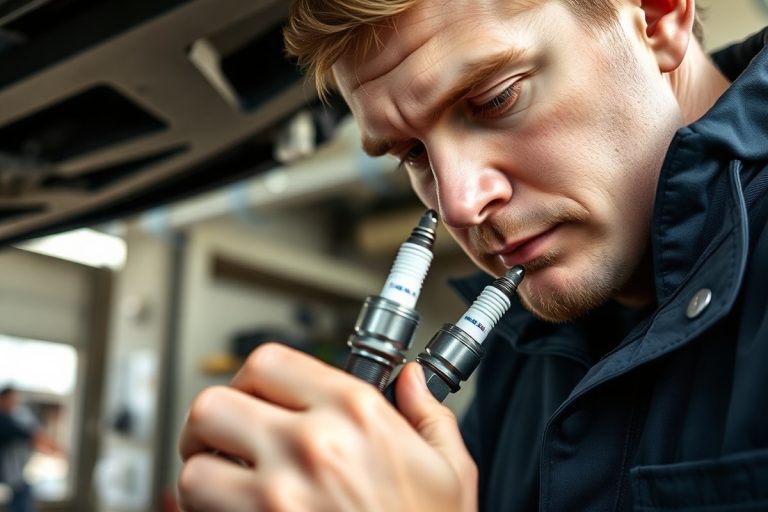
Sparking problems slow your bike and cause rough rides. Change the spark plug every 3 months or after 50 hours of use. Look for wear or black soot.
Replace the plug if you see cracks or heavy deposits. Use the correct gap setting, usually 0.6, 0.7 mm, for the best spark.
The chain and sprockets take a beating from dirt and rough trails. Lubricate the chain every 100 miles or after every ride in wet or muddy conditions. Check chain tension weekly.
A loose chain skips power, while a too-tight chain strains the engine. Aim for about 1 inch of slack in the middle of the bottom chain.
- Clean or replace the air filter every 5 rides or monthly.
- Swap the spark plug every 3 months or 50 hours of riding.
- Lubricate the chain after every wet ride or every 100 miles.
- Check chain tension weekly, aiming for about 1 inch of slack.
- Inspect tires for wear and proper air pressure before each ride.
- Check the oil level and change it per the manufacturer’s schedule.
- Ensure brakes work smoothly and pads have enough material.
Neglect the air filter, and dirt clogs up the carburetor, slowing your bike. A bad spark plug causes misfires and weak acceleration. Ignoring chain care can break the chain or wear down sprockets fast, cutting off power.
These issues don’t just slow you down, they can cause breakdowns that leave you stranded. Routine checks prevent costly fixes and keep the bike safe for young riders.
Some dirt bike models might need more frequent service if ridden in dusty or wet conditions. Keep a small maintenance kit with wrenches, chain lube, and a spark plug wrench handy. Spending 20 to 30 minutes on these tasks really helps.
It saves you from hours of frustration later. It also keeps your bike running smooth and safe.
Safety Gear and Practices for Riding at 50cc Dirt Bike Speeds
Riding a 50cc dirt bike safely means using proper gear and learning good habits. Protective equipment cuts injury risks at typical bike speeds. Parents must watch young riders closely and pick safe places to practice.
Helmet, Gloves, and Protective Clothing
A well-fitting helmet is the most important safety item. Choose one rated for dirt bike riding that clamps tight and keeps your head cool.
Gloves help protect hands from scrapes and improve grip on the controls. Protective clothing lowers injury chances in case of falls.
- Snell or DOT-approved full-face helmet
- Durable motocross gloves for grip and skin protection
- Long-sleeve jersey and pants made of tough material
- Sturdy boots that cover ankles and provide good support
- Chest protector or body armor for impact protection
- Knee and elbow guards to guard joints during crashes
Look for gear that fits well without restricting movement. Expect to spend $100 or more on basic helmet and gloves. Protective clothing varies but budget around $150 to start.
Supervision and Safe Riding Environments
Parents should always watch young riders, especially those under 10 years old. Stay close enough to intervene quickly if needed.
Pick wide, open areas free of traffic, sharp turns, and steep hills. Flat dirt surfaces or beginner-friendly tracks work best for practice.
- Naturally fenced or enclosed riding zones
- Open fields or motocross parks with gradual slopes
- Flat, even surfaces without stones or debris
- Places with easy access to shade and water breaks
- Riding spots away from roads and bike traffic
Never let kids ride alone or in places with lots of distractions. Supervision boosts confidence and keeps riders safe during early rides.
Speed Awareness and Control Training
Teach young riders to keep their speed steady and within their skill level. Explain braking, throttle control, and how to slow down smoothly.
Start at low speeds and build up as skills improve. Practice stopping quickly but safely to build confidence in bike handling.
- Practice low-speed turns and controlled stops
- Use throttle gently to avoid sudden acceleration
- Get familiar with the bike’s size and weight before riding fast
- Understand trail or track speed rules and respect all signs
Good control means riders feel safe and react quickly to hazards. Rushing or lack of focus leads to falls even on a small bike.
When and Why to Upgrade from a 50cc Dirt Bike
Kids typically outgrow a 50cc dirt bike between ages 6 and 10. When your child is about 4 feet tall, think about a bigger bike. Also, consider an upgrade if they weigh over 70 pounds.
Skill also matters. They should upgrade once they control the 50cc well and want more speed.
Notice if the bike struggles to keep up on trails. Watch if your kid needs less help with starting and stopping. That means it’s time for the next bike.
The bike feeling slow or underpowered on flat or uphill paths means step up. Safety goes first. So avoid rushing the upgrade if your child isn’t ready to handle faster speeds.
Moving from a 50cc to a 70cc bike is a common next step. A 70cc dirt bike gives 15% to 30% more power and speed. This suits riders gaining weight or skill.
Larger bikes usually cost $800 to $1,200 new, depending on brand and features. Smaller 50cc bikes cost around $500.
Besides engine size, bigger bikes feature better suspension and brakes. These upgrades help with control at higher speeds and rougher terrain.
Bikes over 70cc, like 90cc or 110cc, fit older kids or beginners ready for more challenge. They also allow riding on varied trails.
Check your child’s confidence and reaction time during rides. Stick with the current bike if they start edging the throttle or lose focus on faster spots.
Practice with different speeds on the 50cc can help delay the need for a bigger bike. It’s also smart to try a test ride on the 70cc under supervision before buying.
Don’t upgrade too fast. Your child must handle speed and balance confidently at every step.
The right time to move up balances rider size, skill, and safety. A 70cc bike steps up power without overwhelming most kids who outgrow 50cc models.
Consider bikes with adjustable speed limiters to ease the jump if it feels too big. Check local dirt bike clubs for advice and sometimes even demo days to try different sizes.
Weight limits influence bike choices too. Most 50cc bikes cap around 70 to 80 pounds rider weight. 70cc models handle up to 100 pounds.
Riders heavier or older than this may safely move straight to 90cc or bigger. Adjustments like different tires or gearing can help as the rider grows bigger.
Comparing Automatic and Manual Transmissions on 50cc Dirt Bikes
Automatic 50cc dirt bikes shift gears on their own, making speed control easier. You just twist the throttle and brake when needed. Manual dirt bikes have clutches and require gear changes to ride.
This setup gives you more control. But it also needs more rider skill to handle well.
Beginners often find automatic bikes safer because they focus on steering and balance. Manual bikes allow precise speed management through gear selection, especially on rough terrain. However, learning to use the clutch and shift can slow a young rider’s progress.
| Transmission Type | Ease of Use | Speed Control | Top Speed Influence | Price Range |
|---|---|---|---|---|
| Automatic | Very easy for beginners | Basic, throttle and brake only | Typically slightly lower | $800 to $1,200 |
| Manual | Requires rider skill | More precise control with clutch and gears | Can reach higher speeds | $1,000 to $1,500 |
Manual transmissions can let riders push the bike closer to its max speed. That’s because they can choose gears that fit the terrain. Automatic bikes usually limit top speed to prevent slipping or stalling during gear changes.
For young riders ages 4 to 7, automatic transmission helps keep control simpler. It allows them to focus on balance and braking rather than shifting. Riders over 7 years old may want to learn gear skills.
They often choose manual bikes for this reason. Manual bikes help improve their riding ability.
Cost matters too. Automatic 50cc bikes generally cost less and need less maintenance.
Manual bikes have more parts like the clutch that wear out and require occasional gear adjustments. This should factor into your decision based on how much you want to invest and maintain.
Speed differences on rough terrain can be more noticeable with manuals. They let the rider shift down to keep power without spinning wheels. Automatics may hesitate before changing speeds, making them less responsive but smoother overall.
Step-by-Step Action Plan for Riding and Adjusting Your 50cc Dirt Bike
Follow these steps to ride safely, maintain speed, and know when to upgrade your bike.
- Before your first ride: Put on full safety gear including a helmet and gloves. Check that the bike fits your size.
- Day 1: Practice basic controls in a flat, open area. Confirm you can start, stop, and steer smoothly.
- Week 1: Learn how to shift if your bike has manual transmission. Notice if shifting feels sticky or smooth.
- Week 2: Clean the bike and check tire pressure to keep speed consistent. Observe improved engine response.
- After 1 month: Try gentle speed adjustments like tightening the chain or adjusting the throttle cable. Make small changes and test speed safely.
- After 2 months: Decide if you’re ready to upgrade based on comfort with speed and controls. Look for signs like outgrowing the bike or wanting more power.
- Ongoing: Schedule regular maintenance such as oil changes and air filter cleaning. Keep notes on how the bike runs after each check.
Frequently Asked Questions
How Fast Does a 50cc Dirt Bike Go for Kids?
A 50cc dirt bike for kids usually runs between 15 and 25 mph. This speed range helps keep younger riders safe while they learn control and balance.
Can a 50cc Dirt Bike Maintain Top Speed on Hills?
Most 50cc dirt bikes slow down on hills due to engine limits and weight. You’ll often see a drop in speed going uphill. So be ready for slower climbs.
How Does Rider Weight Affect a 50cc Dirt Bike’s Speed?
Heavier riders tend to lower the bike’s top speed because the engine works harder. Keeping the right rider size helps the bike reach its best speeds safely.
Is It Safe for Beginners to Push a 50cc Dirt Bike to Max Speed?
Beginners shouldn’t push a 50cc bike to its maximum speed right away. It’s better to build skills at slower speeds to reduce the chance of accidents.
Can Weather Conditions Impact How Fast a 50cc Dirt Bike Goes?
Yes, wet or muddy trails can slow the bike down quite a bit. Dry, firm terrain lets the bike reach its top potential speed.
Key Points to Remember
A 50cc dirt bike typically runs between 15 to 30 mph, depending on various factors. Wearing proper gear and keeping the bike well-maintained ensures safe and fun rides.
Start with small practice sessions. Move up to more advanced skills or a bigger bike when ready.