Does Diesel Fuel Float on Water? Why and How to Manage Water Contamination
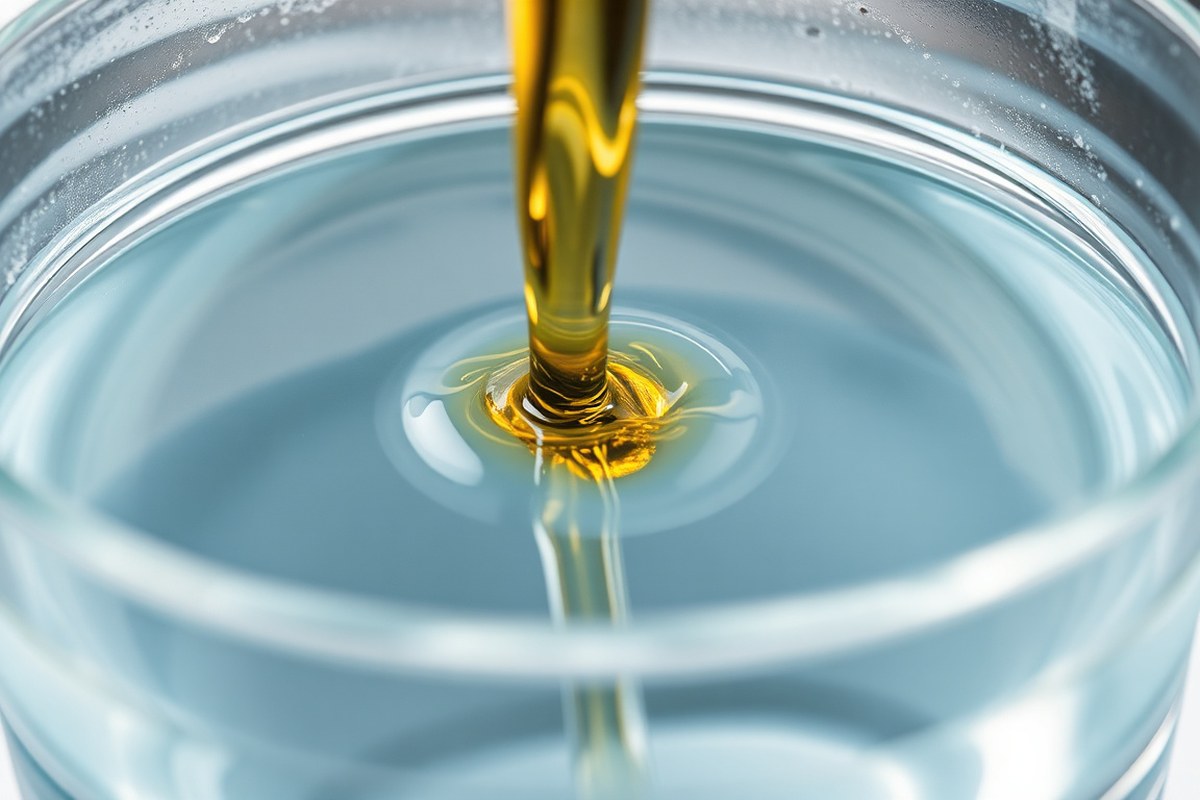
Does diesel fuel float on water? Yes, it does because diesel is lighter than water. A gallon of diesel weighs about 7 pounds.
Water weighs 8.34 pounds per gallon. This weight difference means diesel naturally floats on the water’s surface.
Water is about 1.34 pounds heavier per gallon than diesel. So it sinks below diesel layers.
Diesel’s specific gravity is below 1, making it less dense and buoyant on water. This makes it easy to spot water sitting under diesel in a tank or spill.
Knowing diesel floats on water helps you manage water contamination better. Water settles at the bottom of fuel tanks, causing leaks and engine trouble. Keep an eye on water buildup to prevent damage and keep your diesel fuel clean.
Key Takeaways
- Water is heavier than diesel, so it settles at the bottom of fuel tanks.
- Diesel’s specific gravity below 1 lets it float above any water layer.
- Check your fuel tank bottom regularly for water to avoid contamination.
- Water in diesel can cause most fuel-related engine problems.
- Drain water from your diesel tank before adding fuel filters or additives.
- Use proper water-removing additives following product instructions for best results.
Does Diesel Fuel Float on Water? The Science Behind It
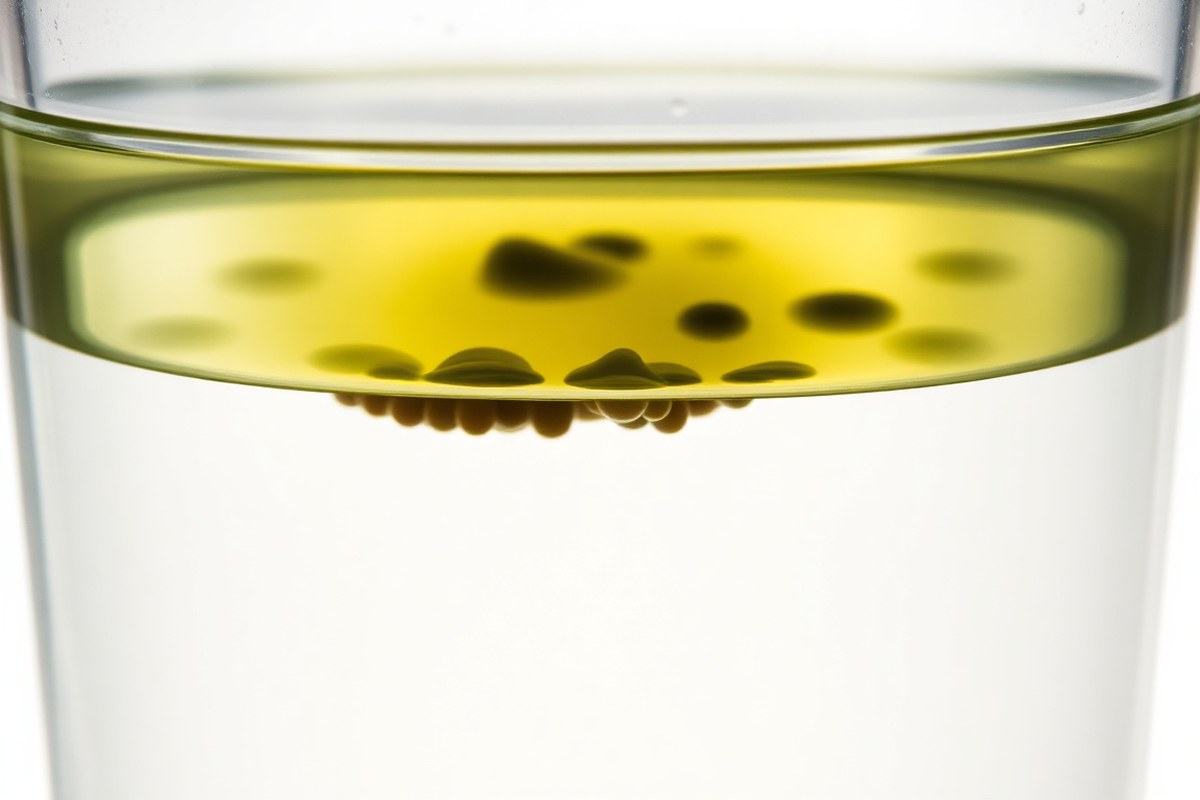
Diesel fuel is lighter than water because it has less density. Its density is usually between 0.82 and 0.90 grams per milliliter at 15°C. Water’s density is about 1.00 grams per milliliter. So it weighs more per gallon.
Density measures how much mass fits into a specific volume. Since water is denser, it sinks, while diesel stays on top. Two liquids that don’t mix form layers.
This happens in fuel tanks or spills. The lighter liquid floats on top.
The specific gravity of diesel is below 1, meaning it floats on water. Specific gravity compares the density of a substance to water.
Diesel’s typical specific gravity is 0.82 to 0.90. So less gravitational force pulls on it than on water.
Picture a tank with one gallon of diesel and one gallon of water. The water will settle below the diesel. They do not mix evenly.
The water’s extra weight pushes it down, keeping it separate from the fuel. This physical separation helps you spot water contamination easily.
Knowing this, you can check for water sitting at the bottom of tanks or filters. Since diesel and water don’t mix, the water layer settles underneath. Draining water or using water separators helps keep fuel clean.
Water collects at the bottom of tanks. Removing it prevents engine problems.
Temperature can slightly change densities, but diesel remains lighter than water across normal conditions. This means water always collects at the bottom first, raising problems if left unchecked. Diesel’s oily surface and amber color contrast with clear water, making contamination visible.
How Water Contaminates Diesel Fuel and Where It Settles
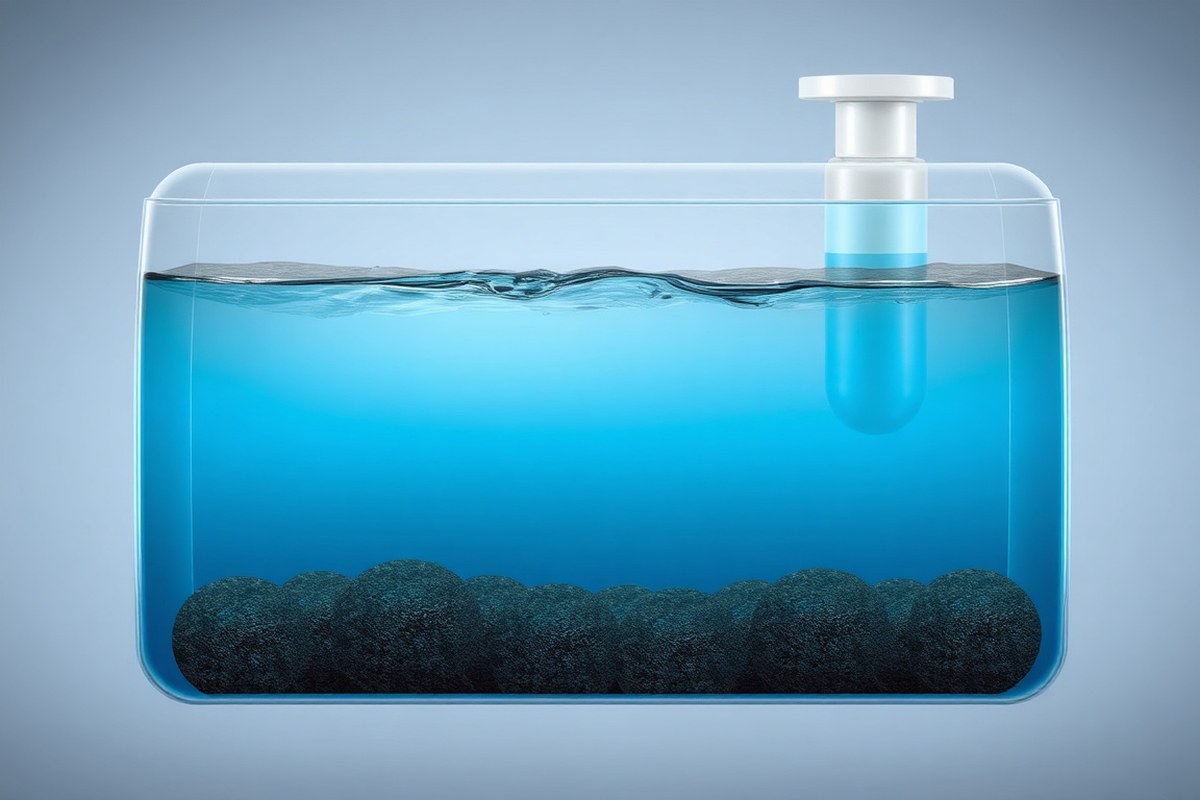
Water gets into diesel tanks mainly through condensation and leaks. When the tank cools overnight, humid air inside causes water to form on the walls. This water then drips down and pools at the tank’s bottom.
Keeping tanks as full as possible helps limit air space and reduces condensation risk. Poorly sealed tanks or damaged fuel lines allow rain or ground water to enter. Handling mistakes, like using dirty containers, can also introduce water.
Water weighs about 1.34 pounds more per gallon than diesel fuel. Diesel has a weight near 7 pounds per gallon, and water weighs 8.34 pounds. This difference makes water settle below diesel in the tank naturally.
Once water settles, it creates a layer underneath the fuel. Water separates from diesel and sinks to the bottom of the tank. You might not notice water contamination unless you check the tank’s bottom.
It can stay hidden without a proper inspection. Over time, that water layer can cause corrosion and feed microbes that damage fuel quality.
Environmental conditions that raise water contamination risk include high humidity, temperature swings, and rain exposure. Frequent filling and draining also mix air and fuel, increasing condensation chances. Storage in unheated spaces during cold weather further promotes water settling inside tanks.
To reduce contamination, seal tanks tightly and avoid letting diesel sit unused for long stretches. Regularly inspect tanks for leaks and drain any water found at the bottom. For extra care, bleed the tank to manually remove water before it builds up.
Always keep your diesel tank as full as possible overnight to minimize condensation inside.
Recognizing Symptoms of Water in Diesel Fuel Systems
Water in diesel fuel causes various engine problems. It reduces fuel lubricity, leading to damage in fuel pumps and injectors.
You’ll notice several signs when water enters the fuel system. The engine might stall, misfire, or run roughly during acceleration or idling.
The “water in fuel” warning lights up when the sensor detects water. It senses liquid water in the water separator area.
When this happens, you get the alert immediately. This signal helps avoid engine damage by indicating it’s time to drain the separator.
- Engine stalls or rough running
- Reduced fuel economy and power
- Hard starting after shutdown
- Fuel filter clogs or frequent replacements
- “Water in fuel” warning light activating
- Visible water or separation in fuel filters
- Increased black smoke from the exhaust
To manage water contamination, inspect and drain fuel water separators regularly. This process costs very little and only takes a few minutes.
It protects engine parts that could cost thousands to replace. You save money and avoid big repairs by doing this.
Ignoring water in your fuel system causes corrosion. Microbes also grow and clog your fuel lines.
Filters can get blocked, leading to engine problems. That can cause expensive downtime and repairs.
Using diesel fuel additives helps prevent water damage but doesn’t replace physical removal via separators. Maintain filters as directed in your owner’s manual, often every 10,000 miles or 6 months.
Methods to Remove Water from Diesel Fuel and Filters
Removing water from diesel fuel and filters is key to keeping engines running smoothly. You can drain water safely by following certain steps depending on your tank size and setup. Using water separators, manual drainage, and proper filter handling removes water before it causes damage.
Step 1: Draining Water from Fuel Filters
Fuel filters often trap water along with dirt and debris. Most diesel vehicles have a drain valve at the filter bottom.
It lets you release water from the filter. This valve is also called a petcock.
Follow these steps for safe drainage of water from fuel filters:
- Park your vehicle on level ground and turn off the engine.
- Locate the fuel filter drain valve or petcock below the filter bowl.
- Place a container underneath to catch the drained fluid safely.
- Open the drain valve slowly to release water and sediment.
- Allow the water to drain fully; it will settle below the fuel.
- Close the drain valve tightly to prevent leaks.
- Check the filter for dirt buildup and replace it if clogged.
- Dispose of drained water and fuel according to local hazardous waste rules.
Water drains because it is denser and settles below diesel fuel. Draining every few hundred hours or after water detection keeps filters clear. Avoid running the engine with water to prevent damage to fuel pumps and injectors.
Step 2: Using Water Separators and Filters
Water separators are built into many modern diesel systems to remove water continuously. These units use coalescing media to separate water droplets and collect them at the bottom.
Check and drain your water separator regularly to keep it working well. Most have a clear bowl and a drain screw for easy water removal without wasting fuel.
For best results, follow your vehicle’s filter replacement schedule. Clogged separators can block fuel flow.
Changing filters on time keeps fuel flowing well. Additives containing demulsifiers can help water separate better, but they don’t replace physical drainage.
Step 3: Manual Tank Drainage Techniques
Large diesel tanks collect water at the bottom due to higher density. Regular water removal prevents microbial growth and corrosion inside storage tanks.
To remove water safely from a large tank, use a bottom drain valve. You can also drain water from a tank sump. These help clear water without spills.
Consider having a professional install a bottom drain valve if you don’t have one. This makes water removal much easier and safer.
Here is a simple process to manually remove water from diesel storage tanks:
- Test your tank fuel for water presence using a water detection kit.
- Place a suitable container or hose at the tank’s bottom drain valve.
- Open the valve carefully to let the water and sediments flow out.
- Close the valve once you see only diesel coming out instead of water.
- Repeat the process if you still detect water in the tank.
- Clean any removed sludge and monitor the tank regularly for new water buildup.
Manual drainage is practical for tanks up to several hundred gallons. Tanks without bottom drains need to be fully emptied to remove water.
Cleaning this way is best done by professionals. They have the right tools for the job.
Effectiveness of Additives in Treating Water Contamination
Additives like Diesel 911 can help treat small amounts of water in diesel fuel. But they don’t remove water completely.
You must follow the correct dosage and use additives as a temporary fix. Sometimes additives can make water problems worse by creating unwanted emulsions.
Popular Additives and Their Functions
Diesel 911 is a popular water remover designed to separate water from your fuel. It breaks water into small droplets. These droplets settle at the tank bottom.
Some move to the fuel filter. Other additives include anti-gel agents that prevent fuel from thickening. But these don’t remove water directly.
While additives improve fuel performance with minor water contamination, they won’t fix heavy water issues. Overusing these additives can cause emulsions, where water stays mixed in fuel, clogging filters and injectors. Use additives only when you spot small water traces and cloudiness in diesel.
Recommended Dosage and Application
The exact Diesel 911 dose depends on water percentage and fuel tank size. Standard dosing is 1 fluid ounce per 10 gallons of diesel. It breaks up about 1% water by volume.
Here’s a simple dosage table for typical treatment:
| Fuel Volume (Gallons) | Diesel 911 Dosage (Fluid Ounces) |
|---|---|
| 10 | 1 |
| 50 | 5 |
| 100 | 10 |
| 250 | 25 |
| 500 | 50 |
Pour the additive into a clean, half-full tank, then fill up the rest with diesel. This helps the additive mix evenly. Once treated, run the engine 10 to 20 minutes to circulate treated fuel through the system.
Common Mistakes Using Additives
Overdosing Diesel 911 can make water form stable emulsions that stay suspended in diesel. This makes filters clog faster and can damage fuel injectors. Sticking to the recommended dosage avoids this problem.
Another issue is relying too long on additives without fixing water sources. Additives only treat symptoms. You need to find and remove leaks, condensation, or dirty tanks to stop repeat contamination.
Use additives only as a quick fix. Repair leaks or tank issues too. This helps stop future water problems.
Why Biodiesel Blends Are More Vulnerable to Water Issues
Biodiesel blends attract more water than standard diesel because of their chemical makeup. The methyl esters in biodiesel absorb water fast. They soak up water about 30 times quicker from the air.
This makes biodiesel much more hygroscopic than regular diesel. This trait makes biodiesel more prone to water contamination during storage and use.
Typical biodiesel blends mix up to 20% biodiesel with 80% diesel. Some blends have as much as B100, pure biodiesel. These blends vary depending on the fuel provider.
The more biodiesel in the mix, the greater the chance it will absorb water. Even at lower blend levels, water solubility increases noticeably compared to ultra-low sulfur diesel (ULSD).
Water in biodiesel blends can cause serious problems. Water in the blend lowers its stability. This causes phase separation where fuel and water form layers.
It can cause damage and reduce engine performance. This damages engine parts like injectors and pumps by promoting corrosion and rust. Microbes grow well in biodiesel and water mixes.
They feed on these layers, making slimy biofilms. These films block filters and clog fuel lines.
Because biodiesel holds more water, frequent fuel system inspections are necessary. Checking for water accumulation and contamination regularly helps catch problems early. Flushing tanks and replacing filters often cost time and money but prevent costly engine damage.
Biodiesel’s attraction to water also means it’s important to store it properly. Use clean, sealed tanks with low humidity environments to reduce moisture pickup. Heating tanks during cold weather helps keep water from freezing.
A warm tank stops water from settling at the bottom. This protects your fuel system from damage.
Compared side-by-side, standard diesel can dissolve more water than older fuels. But biodiesel increases that capacity even more. Running biodiesel blends means checking water levels more often.
It also needs more frequent fuel system maintenance. This helps avoid fuel problems and engine issues. The tradeoff is better emissions and renewable content but higher water management demands.
Microbial Growth and Corrosion Risks from Water in Diesel Tanks
Water in diesel fuel provides a perfect home for bacteria and fungi. These microbes include common types like sulfate-reducing bacteria and yeast molds. Once active, microbes produce organic acids and waste inside fuel tanks.
These wastes eat away metal parts in tanks and fuel lines. This damages the tank and can cause leaks.
The microbial slime sticks to tank walls and injector surfaces, forming thick layers. This slime traps dirt and water, causing clogging in fuel filters and reducing fuel flow. When slime builds up near injectors, it can cause uneven fuel sprays and poor engine performance.
Corrosion speeds up because water, combined with acids from microbes, attacks steel tanks and metal injectors. This corrosion weakens components, leading to leaks and costly repairs. Contaminated fuel also loses lubricity, increasing wear on fuel pumps and injectors.
Drain water from fuel tanks regularly to stop microbial growth. Use the drain valve or sump to do this. Do it at least every 30 days.
Water heaters or fuel polishing can help keep water below 100 parts per million (ppm). Use biocide additives monthly during fuel storage to kill microbes early.
Follow the label instructions carefully. Wrong use can damage your engine.
Fuel tanks should be inspected monthly for signs of sludge or foul smell. Spot slime or corrosion? Get the tank cleaned by a professional.
Using good filtration helps stop biomass from reaching injectors. Keep the tank sealed to avoid rainwater getting inside.
Well-managed tanks show clear, clean fuel and no filter plugging after running for hundreds of hours. Problems often start with overlooked water accumulation and slow biocide use. Old tanks or tanks in wet areas need more checks and treatments.
Each treatment usually costs between $50 and $150. Frequent care helps prevent bigger problems. But they prevent far pricier repairs.
Seasonal and Storage Conditions Affecting Water Contamination
Cold fuel holds less dissolved water. This makes water build up more in tanks. Diesel tanks get more water in cold weather.
As temperature drops, water vapor from humid air starts to condense on the tank’s cold surfaces. Thermal cycling, or the daily warming and cooling, causes moisture to form inside vented tanks.
Condensation forms when warm, humid air inside or near the tank meets cooler metal walls. Diesel fuels don’t have vapor pressure to push out air. So moisture stays inside the tank.
Over time, this moisture collects at the bottom since water is heavier than diesel fuel. Loose caps and damaged seals let extra water vapor and liquid inside.
Good storage practices help minimize water build-up. Keep tanks tightly sealed and caps secure to block humid air. Use fuel water separators and drain any collected water regularly.
For outdoor tanks, insulated covers or placing tanks in a temperature-controlled area reduces thermal cycling. Also, avoid filling tanks completely; leave some air space to reduce pressure changes.
For example, if your diesel tank faces winter temperatures below 40°F, consider adding a tank heater. These can cost $100 to $300 but prevent cold surfaces that foster condensation. When storing diesel long-term, check tanks weekly for water presence.
Removing water early avoids fuel system damage. Simple water detection kits cost around $10 and show if you need to drain water.
Ignore condensation and water contamination risks engine corrosion and filter clogging. Water in diesel looks like a thin layer or droplets at the tank’s bottom.
Draining water stops microbes that feed on water and diesel, which cause more problems. Seasonal awareness and storage care keep your fuel cleaner and engines running smoother.
Always check your diesel tanks for water right after cold nights, especially in winter.
When to Call Professionals for Water Contamination Problems
Call a professional if you face stubborn water contamination in diesel fuel. Small amounts can be handled with simple DIY steps. Serious symptoms or repeated issues need expert attention and proper tools.
Recognizing Severity Levels in Water Contamination
Minor water in diesel fuel often shows as fuel filter clogging or brief engine hiccups. Larger amounts cause engine stalling, rough idling, or loss of power. If your diesel equipment won’t start or repeatedly fails, water contamination is severe.
Fuel samples with visible water layers or cloudy separation indicate serious problems. Notice corrosion or microbial slime buildup in fuel tanks or filters. These signs mean the water issue is advanced and likely damaging parts.
Identifying Professional-Only Repair Scenarios
Drainage of fuel tanks and cleaning fuel systems often require specialized tools. Professionals use heated fuel filters, water separators, and lab-grade fuel analyzers for clear diagnosis. DIY methods usually don’t remove microscopic water or microbial contamination effectively.
Repeated filter clogging after basic treatment suggests your system needs a deep clean or repair. Large storage tanks with persistent water take more than surface removal. Experts can perform fuel polishing, chemical treatment, and full system flushing safely.
Tips for Hiring Diesel Fuel Specialists
Choose companies with clear experience in diesel fuel contamination and water removal. Ask if they perform on-site fuel testing using precise instruments, not just visual checks. Verify if they offer fuel polishing and microbial control services.
Request references or reviews from other diesel vehicle owners or fleet operators. Look for licensed technicians who follow environmental and safety rules when disposing of contaminated fuel.
Prices vary: small fuel tanks might cost under $300 to service. Large fleets could be several thousand dollars.
Step-by-Step Action Plan to Manage Water in Diesel Fuel
Follow these steps to fix water issues in your diesel system. Water can harm your engine. Keep your diesel engine running smoothly.
- Before you start: Check the fuel tank and filters for visible water. Use a water-finding paste or gauge to confirm.
- Day 1: Drain water from the bottom of the fuel tank if possible. Clear water means you’re removing contamination.
- Day 2: Replace the fuel filter with a water-separating type. Look for better engine performance after installation.
- Week 1: Use a water-removal additive rated for your diesel fuel. Follow label doses closely. Fuel should feel less oily and cleaner.
- Week 2: Monitor fuel filters and drains daily. Keep draining water and changing filters if you see more water below.
- Month 1: Check for microbial growth by visual fuel inspection or lab test. Treat with biocide if bacteria appear.
- Ongoing: Keep tanks sealed and vented properly to prevent new water entry. Inspect tanks monthly to catch problems early.
Frequently Asked Questions
Can Diesel Fuel Mix with Water?
Diesel and water do not mix well. Water separates and settles under diesel because it’s heavier and denser. You’ll often find water at the tank’s bottom even if the fuels look blended.
How Does Water Affect Diesel Fuel Performance?
Water in diesel causes engine problems like stalling and loss of power. It can rust parts and encourage microbes that block fuel filters. Removing water is key to keeping your engine running smooth.
Is Water Contamination in Diesel Fuel Common?
Yes, water is the most common contaminant in diesel tanks. It often comes from condensation, leaks, or condensation during storage. Regular inspection and maintenance can prevent serious issues from forming.
Can I Drive with Water in My Diesel Fuel?
You should avoid driving if your vehicle warns about water in the fuel. It can damage your engine and fuel system. Treating the fuel or calling a professional quickly is the safest choice.
What’s the Difference Between Water in Regular Diesel and Biodiesel Blends?
Biodiesel blends absorb more water and are more prone to contamination. This happens because biodiesel’s chemical nature attracts moisture. Using fresh fuel and additives helps limit water problems in biodiesel.
Wrapping Up
Diesel fuel does float on water because it’s lighter and less dense. Removing water prevents damage, engine trouble, and corrosion. Start by checking your fuel tank and filters for water today.