Does Turning on the Heat Cool the Engine? What Actually Works to Prevent Overheating
Does turning on the heat cool the engine? Yes, it can help lower the engine temperature by drawing heat away.
When you turn on the heater, hot coolant flows into the heater core. This heater core moves heat into the cabin for warmth.
Using the heater with the fan on high helps stabilize engine temperature. This is useful in traffic on a hot day.
It won’t drop the engine below its normal range. But it helps by sharing the heat load from the radiator.
First, watch your temperature gauge to see if the heat lowers the spike. Let the engine cool for 30 to 60 minutes before checking it. Then look for leaks or low coolant to avoid damage.
Key Takeaways
- Turning on the heat sends hot coolant through the heater core to remove engine heat.
- Heater can stabilize engine temperature during overheating but won’t cool it below normal.
- Use heater with fan on high during stop-and-go traffic on hot days for relief.
- Monitor the temperature gauge closely when using the heater to cool the engine.
- Turn off the engine and let it cool before checking coolant levels or leaks.
- Heater only moves some engine heat to the cabin, radiator handles most cooling.
Does Turning on the Heater Actually Cool the Engine?
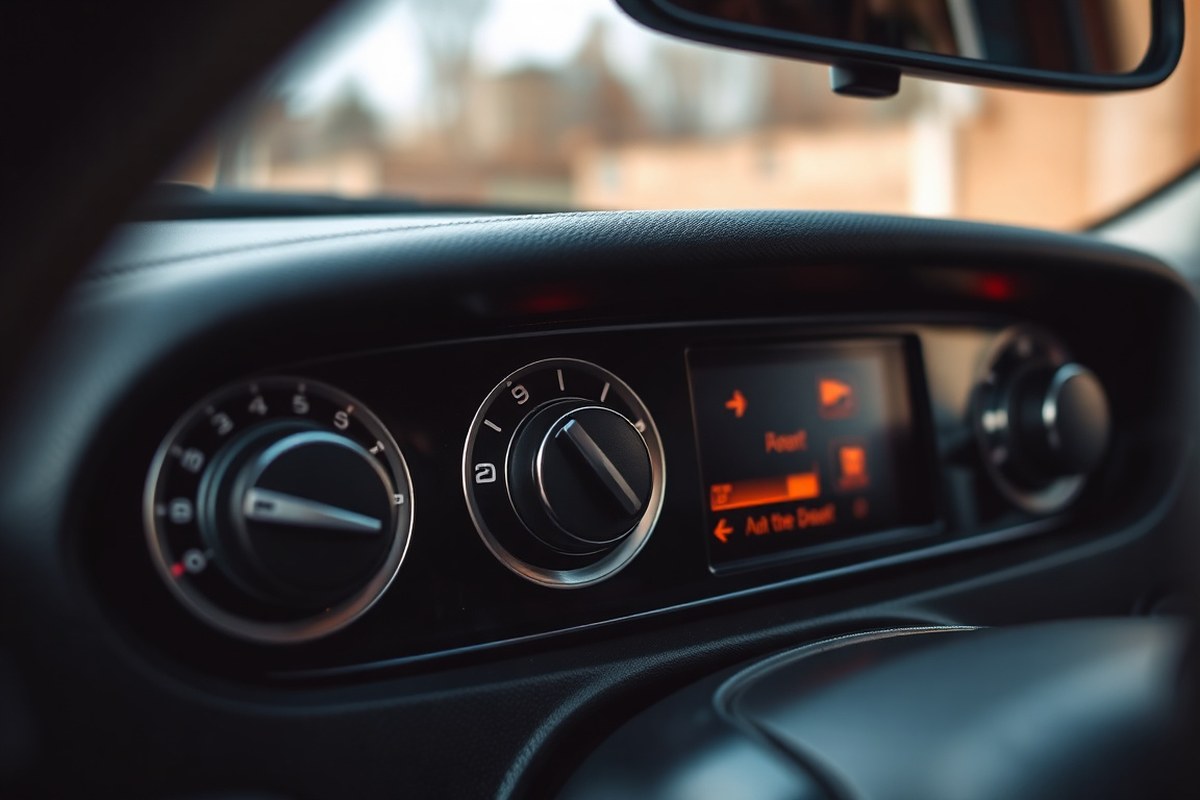
Yes, turning on the heater can help cool your engine. But only in certain situations. The heater system uses the engine coolant, which carries heat away from the engine block.
When you turn on the heat, hot coolant flows through the heater core. It transfers heat into the cabin air. This stops heat from just circulating in the engine and radiator.
This process removes some heat from the coolant, which slightly lowers the engine’s overall temperature. Normally, the radiator handles most of the cooling. The heater’s effect is very small while driving.
It does not change much under normal conditions. If your engine overheats, turning on the heater can help.
It pulls extra heat away from the engine. This can lower the temperature by 5 to 10 degrees Fahrenheit.
Hot coolant enters the heater core first. It warms the air that blows inside the cabin. This heats the inside instead of the engine.
This means heat normally trapped in the engine bay leaves the engine through the heater system. The heater doesn’t cool the engine below its operating temperature. It only helps with sudden heat spikes.
It manages emergency heat but not normal engine heat. This only works if the coolant level is enough. The heater core must be working properly.
Otherwise, it won’t help cool the engine. Otherwise, there is no heat transfer and no cooling effect on the engine.
How the Heater Core Transfers Engine Heat to the Cabin
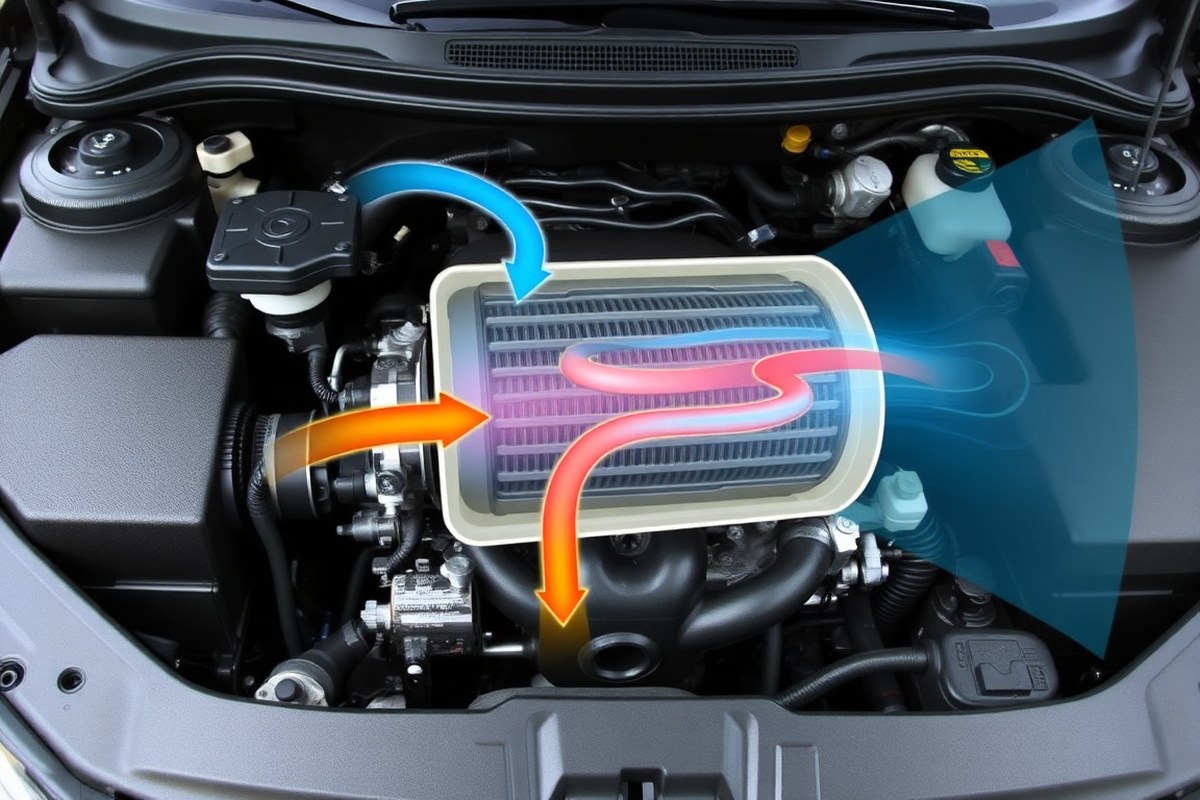
The heater core functions as a small heat exchanger inside the car’s HVAC system. Hot coolant from the engine flows through it after the thermostat has opened, carrying engine heat. About 10 to 15 percent of hot coolant flows through the heater core.
You activate this when you turn on the heat inside the car. This helps warm the cabin using engine heat.
Coolant entering the heater core is typically near operating temperature, around 195°F (90°C). As it passes through the core, heat transfers from the coolant to the metal fins. The heater fan then blows air over these fins, sending warm air into the cabin.
Running hot coolant through the heater core removes some heat from the system. This lowers the cooling system’s heat load somewhat.
It does not cool the engine below normal operating temperature. The heater core only helps release heat; it’s not a separate cooling device.
Turning on the heater opens a valve or door inside the HVAC system. This lets coolant flow through the heater core. Warm air comes from the heater core into the cabin.
This reduces coolant temperature slightly before it returns to the radiator. The heater core temporarily reduces engine heat when running.
Still, the radiator and fan handle most of the engine cooling. They remove heat continuously while the engine runs.
The heater core helps absorb engine heat when overheating happens. It adds extra capacity for heat absorption in the cooling system. Without it, overheating would get worse.
It uses the same coolant that circulates through the engine and radiator. If coolant stops flowing through the heater core, heat has no outlet.
The vehicle cabin won’t absorb that extra heat. This could cause higher engine temperatures.
Never open the radiator or coolant reservoir caps when the engine is hot. The coolant system is under pressure and can cause burns.
In engines at normal temperature, turning on the heater only heats the cabin. It does not lower the engine’s temperature. The heater core’s main job here is comfort.
When an engine overheats, opening the heater core lets heat leave the coolant. Heat transfers to the cabin air, lowering coolant temperature.
This helps cool the engine a bit. This helps avoid damage from excessive engine temperatures until you can fix the root issue.
When Turning on the Heater Helps Cool an Overheated Engine
Turning on your heater can cool the engine in certain cases. It helps when the engine gets too hot from long idling or traffic. The heater sends heat from the engine to your car’s cabin to cool the engine down.
Use the heater to control engine heat in slow traffic. Reduced airflow through the radiator means your engine can overheat. The heater helps by moving heat away from the engine.
This often happens on hot summer days or in stop-and-go jams. The heater warms up your cabin using the engine’s heat.
This process takes heat away from the engine. It lowers the chance of overheating in tough driving conditions.
- Turn the heater on to the highest temperature setting.
- Set the fan speed to maximum to boost heat removal.
- Use this method only when the engine temperature rises above normal.
- Do not rely on the heater for long-term cooling, address the root cause quickly.
- Pull over safely and let the engine cool if it keeps overheating.
- Consider opening the hood after the engine cools to release trapped heat.
This technique works because the heater core acts like a small radiator inside your car. The heater gets hot coolant from the engine. It moves this heat to the air inside your car.
This warms up your cabin. Using the heater forces hot coolant through the heater core, lowering engine temperature slightly. Using the heater isn’t a fast fix for overheating.
It helps protect your engine from damage. Then you can find a safe place to stop.
Keep in mind that using the heater to cool the engine makes the cabin uncomfortably warm. This makes it a choice to use only for short periods. Also, environmental factors like outside temperature and humidity affect how well this works.
On very hot days, the heater may help less because it adds heat inside your car. But it still removes heat from the engine.
Why Using the Heater Is Not a Permanent Engine Cooling Fix
Turning on your heater adds some extra cooling to the engine. But it only helps for a short time.
This happens because the heater core takes heat from the engine coolant to warm your cabin. Still, this doesn’t fix what’s actually causing your engine to overheat.
You shouldn’t count on the heater as a permanent solution if your engine stays hot. Serious problems like a stuck thermostat or a clogged radiator need professional attention. A thermostat stuck closed stops coolant flow.
This causes the engine to overheat quickly. It’s a common reason engines heat up more.
Driving with a broken thermostat can lead to major engine damage. Repair costs can go over $500. That’s because the engine may warp or crack.
Fixing those damages can be expensive. Fixing the thermostat quickly saves money and prevents bigger repairs.
A leaking or clogged heater core also affects heater and engine cooling. Symptoms include poor cabin heating and engine overheating. Repairing or replacing the heater core usually costs between $300 and $900 depending on the vehicle.
Sometimes, running your heater while driving helps only until you reach a stop or slow down. When the engine coolant isn’t circulating well, heat builds up anyway. Pull over if the engine overheats badly.
Turn off the engine to protect it. This prevents more damage to your car.
Check coolant levels regularly to avoid overheating. Flush the cooling system every two to five years. This simple upkeep can stop serious problems.
Make sure your radiator and hoses are clear and not leaking. Proper care reduces the need to rely on your heater for cooling.
Checklist: What to Do When Your Engine Starts Overheating
Your first move if the engine is overheating is to stay calm and act safely. Turning on the heater pulls heat from the engine. But it’s not a quick fix or a replacement for stopping when needed.
Immediate Safety Steps
Stop driving as soon as you notice the temperature gauge rising above normal. Never open the hood right away since hot steam or coolant can burn you.
Turn off the air conditioner immediately to reduce engine load. Turn on the heater to the highest setting.
This helps pull heat from the engine bay. Run it until the engine cools down more.
Keep your seatbelt on and use your hazard lights if you need to pull over quickly. Find a safe spot off the road to prevent accidents or traffic issues.
Using Heater and Fan for Cooling
Set the heater to max heat. Turn the fan speed to high.
This moves engine heat inside the cabin. This may make the car interior uncomfortable but helps relieve engine stress.
Run the heater for 10 to 15 minutes while driving slowly and avoid accelerating hard. This reduces heat build-up until the engine cools down a bit.
Watch the temperature gauge closely. Watch the temperature gauge closely.
If it stays high or jumps up, prepare to stop. Turn off the engine to avoid damage.
When to Seek Mechanical Help
Keep an eye on the engine heat. If it keeps climbing after slowing down, stop driving right away. Let the engine cool off.
Pull over in a safe spot. Turn off the engine completely. Wait 15 to 30 minutes before checking under the hood.
Look for visible coolant leaks, steam, or odd smells. But do not open the radiator cap until the engine cools to avoid burns. Call for roadside assistance or a tow if the problem persists.
Routine overheating can indicate serious issues like a bad thermostat or coolant leaks. Have a licensed mechanic inspect the cooling system promptly to avoid costly repairs.
- Turn off air conditioning immediately when overheating starts
- Turn heater to max heat and fan speed
- Drive slowly, avoiding rapid acceleration
- Watch the engine temperature gauge continuously
- Pull over safely if temperature remains high
- Wait to check under the hood until engine cools
- Call a mechanic if overheating persists
Never open the radiator cap until the engine has cooled completely to avoid severe burns.
How Environmental and Driving Conditions Affect Heater Cooling
Turning on your car’s heat can help cool the engine. How much it helps depends on outside conditions and your driving style. Hot weather, high humidity, and slow speeds all affect how well the heater cools the engine.
Impact of Ambient Temperature
The outside temperature greatly affects how your engine loses heat. Hot outside air makes your engine fluids hotter too. This makes it tougher for the cooling system to keep the engine at a safe temperature.
When the ambient temperature rises above 90°F, your engine runs much warmer. The heater core moves heat from engine to cabin only if outside air cools the air inside the car.
If the outside air is warm, it can’t cool the heated air as well. In hot temperatures, this process is less efficient.
Effects of Humidity on Cooling
Higher humidity means the air holds more moisture, reducing its ability to absorb heat. This means the heater cools the engine less when outside air is warm. The warmer outside air lowers the heater’s cooling effect.
Humidity around 70% or more makes heat transfer from the engine through the heater core harder. Dry air pulls heat away better because it absorbs more warmth. Dry air passing through the vents carries engine heat out effectively.
Driving Conditions That Influence Engine Heat
Driving styles impact engine temperature and heater effectiveness. When traffic slows or you idle, the engine gets hotter. Less air flows through the radiator during stop-and-go traffic.
At highway speeds, airflow is stronger, so the engine cools better naturally. The heater can help a bit by pulling extra heat. But the difference is smaller.
Slow traffic or stopping at lights makes the heater more useful. The heater helps keep engine temperatures down during low airflow.
Here’s a quick reference to show how these factors influence heater use for cooling:
| Condition | Effect on Engine Cooling |
|---|---|
| Ambient temperature above 90°F | Engine & fluids run hotter; heater less effective |
| Ambient temperature below 70°F | Engine cools more easily; heater helps more at slow speeds |
| High humidity (70%+) | Air holds moisture; heater cooling reduced |
| Low humidity (30%-50%) | Dry air absorbs heat better; heater cooling improves |
| Stop-and-go traffic or idling | Less radiator airflow; heater helps remove engine heat |
| High-speed driving | More airflow cools engine naturally; heater impact smaller |
Knowing these details helps you use the heater smartly when the engine gets hot. Turn it on in heavy traffic or hot, dry weather for more cooling power. Skip it on cool days or fast drives where airflow already keeps the engine cool.
Other Effective Ways to Cool an Overheated Engine
Using the radiator fan helps cool your engine by pulling air through the radiator. This air flow moves heat away from the coolant circulating inside. When your engine runs hot, check that the fan turns on after warming up.
Coolant plays a key role in moving heat from the engine to the radiator. Make sure the coolant level stays between the “min” and “max” marks on the reservoir. Low coolant means less heat removal.
So topping it off with the right type is important. Check your vehicle’s manual for the correct coolant type.
Turning off the A/C reduces engine load and heat generation. The A/C compressor works using engine power, adding heat and stress. Without A/C running, less engine heat builds up, which can help in cooling down faster.
- Remove debris blocking radiator fins to help airflow
- Replace faulty radiator fans or fan motor promptly
- Check coolant level monthly and refill as needed
- Turn off the A/C if engine temperature rises
- Drive gently, avoiding rapid acceleration or heavy loads
- Park in shade to reduce under-hood air temperature
Driving smoothly lowers engine stress and heat output. Avoiding quick acceleration and heavy towing keeps the engine cooler on hot days. Parking in a shaded area cuts down the heat the engine absorbs when off.
Regularly cleaning the radiator area also prevents overheating. Dirt and leaves can block airflow, cutting cooling efficiency. Should your fan fail to start automatically, have a mechanic check it before summer.
Common Engine Cooling System Problems Affecting Heater Efficiency
A faulty thermostat can keep the engine from reaching its right temperature. It might stay closed, trapping hot coolant inside and causing overheating. It might stay open and let coolant flow too fast.
That stops the engine from warming up enough. The heater won’t work well either way. It needs hot coolant to warm the cabin.
The water pump pushes coolant through the engine and heater core. A failed thermostat slows or stops coolant flow. This leads to hot spots inside the engine where cooling isn’t effective.
The heater core will also get less hot coolant. So the cabin won’t warm up properly. A failing water pump often shows as coolant leaks or strange noises near the pump.
Leaks in the coolant system reduce the amount of coolant circulating. Less coolant means the heater core gets less heat from the engine. This makes the cabin colder and can let the engine overheat.
Small leaks might cause warning lights or low coolant levels. Larger leaks can cause quick overheating and steam under the hood.
A damaged heater core can leak coolant inside the cabin or reduce heat transfer. Leaking coolant smells sweet and might fog up windows inside the car. This type of leak lowers the coolant level and weakens engine cooling.
Repair means flushing or replacing the heater core. It costs $200 to $500, depending on the car.
Don’t ignore a ragged thermostat or water pump, you risk severe engine damage and costly repairs.
Routine Maintenance to Prevent Overheating and Maximize Cooling
Routine maintenance keeps your engine from overheating and running hot. Key tasks include checking coolant levels, flushing the system, and inspecting the thermostat and water pump. Following a schedule helps catch problems early before serious damage happens.
Coolant Level and Quality Checks
Check your coolant level monthly to avoid low fluid issues. Low coolant makes the engine overheat since it can’t move heat away effectively. Top up with the correct mixture of antifreeze and water based on your owner’s manual.
Flush the cooling system every 30,000 miles or at least once a year. This removes old coolant and any buildup inside the system. It keeps your engine cooling properly.
A coolant flush improves heat transfer and prevents corrosion inside the engine passages. Mechanics usually charge about $100 to $150 for this service.
Thermostat and Water Pump Inspection
The thermostat controls how coolant moves between the engine and radiator. Replace it after 50,000 to 100,000 miles or when the engine overheats. A faulty thermostat can cause poor heating or waste fuel.
During routine checks, listen for noise or watch for leaks from the water pump. Look under your car for coolant puddles to spot leaks early. Fix pump problems to avoid engine damage.
The water pump moves coolant through the system and keeps the engine temperature stable. A failing pump usually costs $300 to $750 to repair, depending on your vehicle.
Radiator and Fan Maintenance
Inspect radiator hoses for cracks or leaks every 6 months. Damaged hoses can cause coolant loss and engine overheating. Also, keep the radiator clean by removing leaves, bugs, and debris from the fins.
Check the cooling fan operation when the engine reaches operating temperature. The fan helps pull air through the radiator to cool the fluid efficiently. A broken fan or fan clutch can quickly lead to overheating during traffic or hot weather.
- Check coolant level monthly and top up as needed
- Flush coolant system every 30,000 miles or 1, 2 years
- Replace thermostat every 50,000, 100,000 miles or if faulty
- Inspect water pump for leaks and noise during maintenance
- Check radiator hoses for cracks or leaks twice a year
- Clean radiator fins to ensure good airflow
- Test cooling fan function during engine warm-up
Step-by-Step Action Plan for Managing Engine Heat with Your Heater
Use your heater wisely to help cool the engine when needed. Follow these steps to act fast and prevent damage.
- At First Signs of Overheating: Turn on the heater to the maximum setting. Check if cabin heat rises, signaling heat is moving from the engine.
- Within 5 Minutes: Lower your speed or pull over safely. Watch your temperature gauge for any drop or change.
- After Pulling Over: Turn off the engine briefly to let it cool. Use a thermometer or feel the radiator hose carefully for heat level.
- Before Restarting: Inspect your coolant level if safe to do so. Add coolant only if the engine is cool and you have the right type.
- During the Drive: Keep the heater on if the gauge still runs high. This helps lower engine temperature slowly.
- Within One Hour: Schedule a service appointment. Have a professional check the cooling system for leaks or blockages.
- Ongoing Maintenance: Check coolant and hoses monthly. Replace worn parts and flush the system as recommended in your manual.
Frequently Asked Questions
Does Turning on the Heat Cool the Engine?
Turning on the heat removes some extra engine heat. It does not lower the engine’s normal operating temperature.
The heat mostly moves warmth into the cabin. It redirects heat into the cabin, which can provide temporary relief during overheating.
Can Using the Heater Drain the Car’s Battery or Fuel?
Using the heater does not significantly drain the battery or fuel. It relies on engine heat, so it’s energy-efficient compared to air conditioning. It won’t cause extra strain on your car’s power sources.
Will Turning on the Heater Help If the Radiator Fan Fails?
It might help slightly because the heater core removes some heat. However, it won’t replace the radiator fan’s critical role in cooling. You should get the fan fixed as soon as possible.
Does Turning on the Heater Affect Fuel Efficiency?
Running the heater usually has minimal effect on fuel economy since it uses engine heat. Unlike air conditioning, it doesn’t add extra load on the engine. The effect on fuel consumption is small and often unnoticed.
Is It Safe to Drive with the Heater on If the Engine Is Overheating?
Yes, it’s generally safe and can help reduce engine heat temporarily. Keep an eye on the temperature gauge and stop for repairs if overheating continues. Using the heater is only a short-term solution.
Key Points to Remember
Turning on the heater can help cool your engine temporarily. Always act quickly when the engine gets hot to avoid damage. Check your coolant and get a service if overheating keeps happening.