How Fast Can a Doberman Kill You? Understanding Risks and Safety Measures
How fast can a Doberman kill you is a serious question to consider. The truth is, a Doberman cannot kill you instantly. You have time to react because attacks don’t happen in a split second.
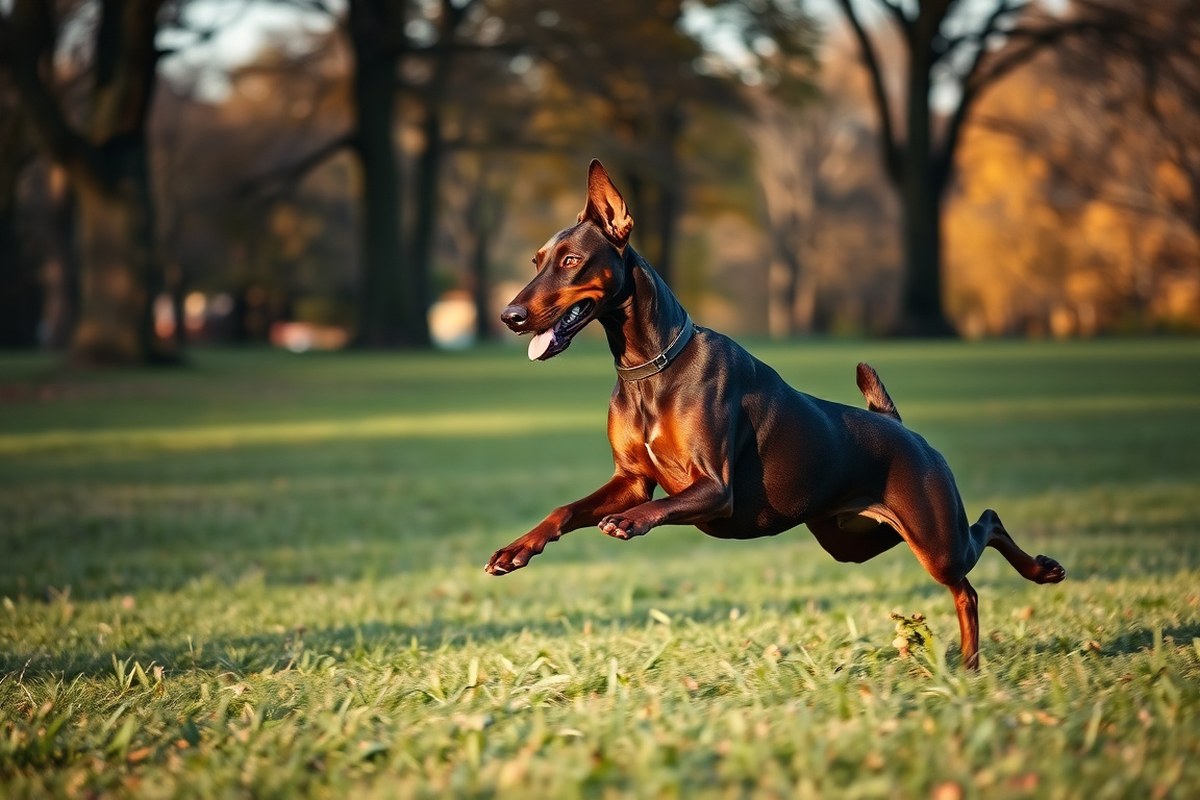
Dobermans are fast runners and can reach speeds up to 30 mph. Their bite force can cause real injury but not instant death. Most attacks result from fear or defense, not sudden aggression.
The fastest way to stay safe is to watch for warning signs early. Avoid sudden moves, loud noises, or invading a dog’s space. Taking calm, slow steps can prevent escalation before it starts.
Understanding a Doberman’s behavior helps avoid dangerous situations. Proper training and socialization reduce the risk of aggressive incidents. Always treat Dobermans with respect to keep yourself and others safe.
Key Takeaways
- A Doberman runs 25, 30 mph, making it faster than any human sprinter.
- They bite with 200 to 300 PSI force, which can cause serious harm.
- Doberman attacks rarely lead to instant death but need immediate attention.
- Watching body language helps spot warning signs of aggression early.
- Clear, calm commands reduce the risk of triggering defensive bites.
- Proper socialization and training lower chances of dangerous behavior.
How Fast Can a Doberman Kill You in Reality?
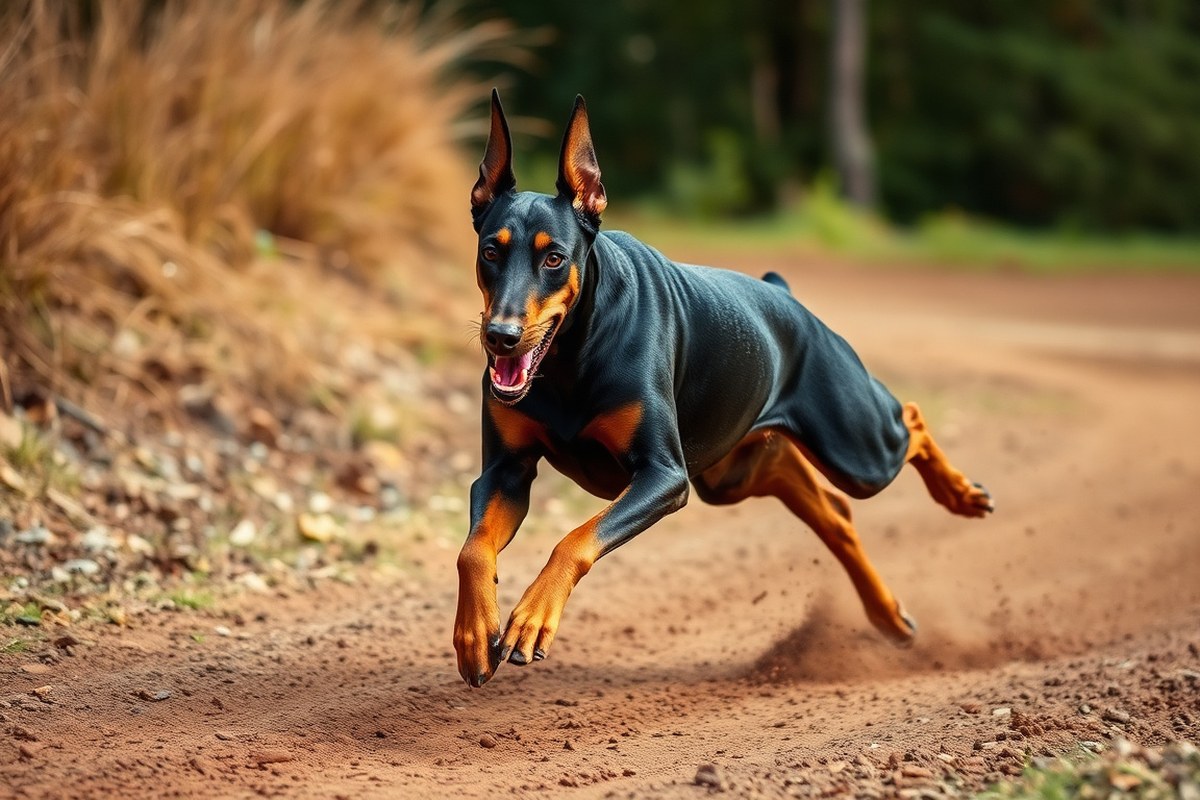
A Doberman can reach speeds up to about 28 to 31 miles per hour. Even at that speed, the idea that it could kill a person instantly is misleading.
Fatal harm from a dog attack involves more than just speed. It depends on the nature of the injury caused.
Instant death would require severe damage to important areas like the neck or spine. Such outcomes are rare and usually involve very specific situations. The speed of the dog’s attack is only one part of a much larger picture.
Dobermans do have strong jaws and teeth. But their biting alone does not guarantee fatal harm in seconds. Most attacks cause injuries that need prompt medical attention but are not immediately deadly.
Fatal attacks don’t happen often. They depend on the victim’s health. How the attack happens also matters.
Dobermans usually communicate discomfort or fear before attacking. Their behavior often reflects training and environment, not a sudden, unprovoked attack. It’s important to understand that Dobermans, like all dogs, need responsible handling to reduce risks.
Speed allows a Doberman to close distance quickly. But it does not mean they are biological killers like some wild predators.
Dog attacks develop over moments, not split seconds, and often include warnings. Learning to read these signs helps prevent serious incidents.
The real danger comes from the dog’s behavior. The situation also matters. Speed alone isn’t the risk.
Ensuring safety means focusing on training, socialization, and careful management. Believing Dobermans kill instantly exaggerates their natural behavior and distracts from real prevention steps.
How Fast Do Dobermans Really Run Compared to Humans?
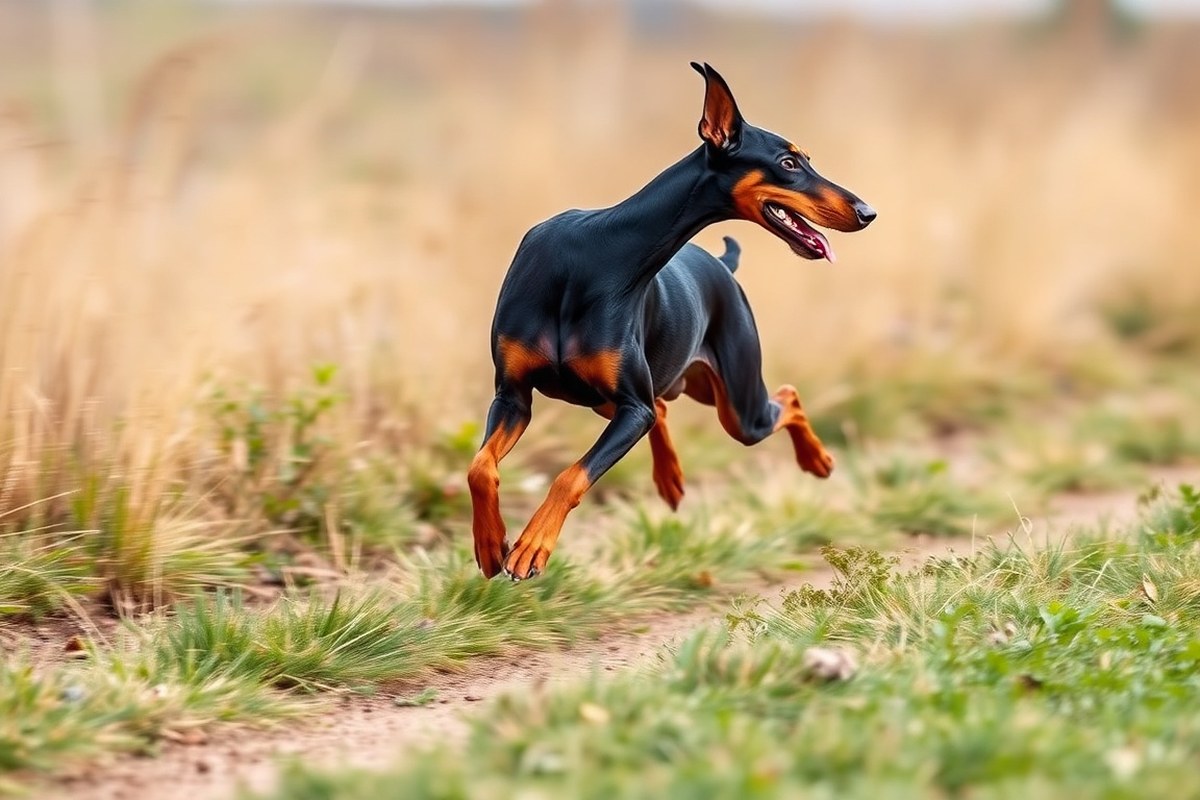
Dobermans can sprint between 25 and 31 mph, much faster than most humans. Unless you are a top athlete, you won’t outrun a Doberman in a short burst. This speed difference means escaping a charging Doberman on foot is very unlikely.
Doberman Sprint Speeds Under Different Conditions
Healthy, well-conditioned Dobermans reach top speeds near 30 to 31 mph. Average Dobermans, less trained or out of shape, usually top out around 25 mph. These dogs are fast but need to be motivated or trained to hit those peak speeds.
A Doberman won’t reach top speed if it’s untrained or resting. It only runs full speed in emergencies.
Sprinting requires energy and conditioning, so a sedentary pet will be slower. The actual speed during an encounter depends on the dog’s fitness and situation.
World’s Fastest Human Speeds vs. Doberman Speeds
Usain Bolt, the fastest human ever recorded, ran a peak speed around 27.33 mph. That speed is near a Doberman’s top. It lasts just a few seconds.
The dog runs this speed in controlled races. Most average humans run between 8 to 15 mph, far slower than Dobermans.
Dobermans sprint faster and can maintain speed longer than most people. Even a very fast runner cannot sustain the dog’s best speed. This gap makes it almost impossible to outrun a Doberman approaching at full speed.
| Speed Category | Speed (mph) | Notes |
|---|---|---|
| Peak Doberman sprint | 28, 31 | Well-conditioned and trained dogs |
| Average Doberman sprint | 25 | Most Dobermans in average shape |
| Usain Bolt top speed | 27.33 | Fastest human speed recorded |
| Average human running speed | 8, 15 | Varies widely by fitness |
Implications for Human Safety and Evasion
Running from a Doberman usually doesn’t help. You need to be as fast as Usain Bolt. Most people can’t outrun one.
They can catch up in seconds, making evasion by sprint highly unlikely. Instead, standing your ground and using calm behavior reduces risk during encounters.
Animals respond to movement, so running might trigger a chase instinct in Dobermans. Staying still or backing away slowly is safer and lowers chances of provoking a sudden sprint. Dobermans’ bursts of speed give them a clear advantage in a short-distance chase.
Do not rely on running to escape a Doberman. Remain calm and avoid sudden movements.
Understanding Doberman Bite Force and Harm Potential
Bite force measures how strong a dog’s jaw muscles can squeeze. It is shown in pounds per square inch (PSI). Dobermans often have a bite force around 245 PSI.
This is strong but not the highest among dogs. Some breeds bite harder than Dobermans.
This strength means a Doberman’s bite can cause serious injury like broken skin and deep bruises. But PSI alone doesn’t tell the whole story. The teeth’s size and shape affect how serious injuries are.
How long the dog bites matters too. The body part bitten also changes injury severity.
Comparing bite forces helps put Dobermans in perspective. Dobermans bite stronger than most humans do. But bigger and muscular dog breeds bite harder.
Their bite force usually falls short compared to those breeds. Here is a simple table showing bite forces for Dobermans, some other dogs, and humans.
| Species/Breed | Bite Force (PSI) |
|---|---|
| Doberman | 245 |
| German Shepherd | 238 |
| Rottweiler | 328 |
| Pit Bull | 235 |
| Wolf | 400 |
| Average adult human | 162 |
Dobermans’ bite force is stronger than an average human’s but less than some big guard dogs. Their speed and agility often increase the impact of a bite beyond just force.
How strong a bite is not the only risk factor. Training plays a big part in bite safety. The situation or context matters a lot too.
Proper socialization prevents aggressive biting tendencies. Recognizing the raw PSI shows these dogs can cause serious harm. So understanding bite force matters to keep you safe around them.
How Doberman Temperament Influences Attack Risk
Dobermans are known to be alert and protective, but they are not naturally aggressive. Their behavior depends largely on training and socialization from a young age. Without proper guidance, any dog may develop fear or aggression issues.
Several factors affect a Doberman’s temperament. Genetics play a role. So choosing a responsible breeder who screens for temperament is important.
The environment also matters. Stressful conditions or lack of socialization increase the chances of aggressive behavior.
Proper training involves consistency, patience, and positive reinforcement. Teaching your Doberman to respond to commands and rewarding good behavior helps prevent aggression. Early socialization with people, animals, and various settings builds confidence and reduces fear-based reactions.
Attacks from well-socialized Dobermans are rare because these dogs learn to trust humans and stay calm. Most aggressive incidents happen when owners miss early warning signs or allow threats to escalate. Reading your dog’s body language can help you intervene before a situation turns dangerous.
Maintaining a stable routine and clear rules keeps your Doberman secure and less stressed. It costs time and effort, but it typically results in a well-behaved, friendly companion. Problems arise if training is inconsistent, or if the dog experiences trauma, neglect, or isolation.
Dobermans raised in loving homes with proper care often have balanced temperaments. They can be loyal family members without posing undue risks. The key is ongoing socialization, training, and careful attention to any changes in your dog’s behavior.
Training and Socialization to Prevent Dangerous Behavior
Training and socializing a Doberman reduces aggression risks and builds trust. Start early with positive experiences around people and other dogs. Consistency and rewards help shape calm, obedient behavior.
Early Socialization Milestones
Expose your Doberman puppy to new sights, sounds, and people before 16 weeks old. This stage helps them learn to stay calm and confident in different settings. Introducing them to other dogs and safe kids teaches good manners early.
Keep sessions short and positive, about 5 to 15 minutes each. Use treats or praise to link new experiences with good feelings. Avoid overwhelming the puppy by too much too fast.
- Bring your puppy to different places like parks, stores, and friends’ homes.
- Introduce them to people of all ages, appearances, and voices calmly.
- Allow polite interactions with well-behaved dogs while supervised.
- Teach gentle play and how to take treats softly from your hand.
- Get the puppy used to handling, such as touching paws and ears.
- Practice short car rides to prevent travel stress later.
- Provide quiet time right after social outings to rest and process.
Start socialization before 16 weeks or it becomes much harder to avoid fears.
Consistent Positive Reinforcement Techniques
Reward good behavior with treats, praise, or play right away. This encourages your Doberman to repeat calm, obedient acts instead of reacting with aggression. Focus on what you want instead of punishing mistakes.
Use clear commands like “sit,” “stay,” and “leave it” consistently every day. Train in short sessions, 5 to 10 minutes, to keep your dog’s attention. Avoid yelling or harsh corrections to prevent stress or fear.
Keep training fun and switch locations to help your Doberman generalize good manners everywhere. Consistency builds trust and a strong bond between you and your dog.
Recognizing Signs Needing Professional Intervention
Some aggressive or fearful behavior needs help beyond basic training. Look for repeated growling, lunging, or biting even after socialization efforts. Sudden changes in behavior or extreme fear around people or animals also warn of problems.
Contact a certified dog trainer or veterinary behaviorist if your Doberman keeps showing these signs. They can identify root causes and create a tailored plan to improve behavior safely. Early professional help often saves time, money, and stress.
Be ready for ongoing work and possibly medication if recommended. This ensures your dog stays safe and well-adjusted long term.
Safety Precautions for Doberman Owners and Families
Supervising Dobermans around children means always keeping an eye on their interactions. Never leave a Doberman alone with kids, even for a short time. Kids should learn to respect the dog’s space, like not pulling ears or tail.
Setting up your home for safety starts with creating clear boundaries for your Doberman. Use baby gates or exercise pens to separate the dog during busy family times. A comfortable crate offers a safe retreat, helping your dog stay calm and reducing stress.
Managing contact with strangers and other pets takes patience. Introduce new people and animals slowly and calmly.
Watch your Doberman’s body language for signs of stress or agitation. Step in before things escalate.
- Teach children to ask permission before touching the Doberman
- Use baby gates to block off high-traffic areas
- Provide a quiet crate or space for rest
- Practice leash training to control outdoor encounters
- Introduce new pets gradually and under supervision
- Use smart collars or monitoring apps to track behavior
- Consistently reinforce positive training and commands
Some owners save money by using training apps, costing $10 to $30 a month. These tools help keep the dog focused and respond better to commands. Insurance costs may rise for Dobermans but help cover any accident-related vet bills.
Technology like smart collars tracks your dog’s location and stress levels, giving you early warnings. This control helps avoid dangerous situations before they start. Behavioral consistency is key, skipping training sessions can increase risk.
Recognizing Warning Signs of Aggressive or Defensive Behavior
Dobermans often give clear signs before they get aggressive. You should watch closely for changes in their body language. Catching these early lets you stop things before they get bad.
Look for stiff posture and ears pinned back. A Doberman might growl or snarl as a warning. These signals mean they feel threatened or uncomfortable.
- Stiff body and raised hackles
- Direct, hard stare without blinking
- Ears flattened or pinned against the head
- Growling, snarling, or showing teeth
- Tail held high and stiff or low and tucked
- Backing away or freezing in place
- Snapping or lunging motions without contact
When you see these signs, act right away. Speak in a calm, firm voice and create distance. Avoid sudden moves that might startle the dog more.
Ignoring these signals increases the chance of a bite or attack. Remember, many places hold owners responsible for injuries their dog causes. Catching warning signs early helps keep everyone safe.
The Timeline of a Doberman Attack: What Happens and How Fast?
A Doberman attack happens very quickly, often within seconds from warning signs to a bite. The whole sequence can take just a few moments. Speed varies by the dog’s motivation, environment, and your response.
Pre-Attack Warning Behaviors
Dobermans usually show clear signs before attacking, like growling, staring, or baring teeth. These actions can last from a few seconds to several minutes. Ignoring these warnings increases the risk of a fast attack.
Sometimes, dogs pace, raise hackles, or stiffen their bodies. These signals prepare the dog to strike and give you a chance to back away. Missing or misreading these signs can make the attack feel sudden.
The Attack: Sprint, Bite, and Hold Timing
When a Doberman decides to attack, it sprints toward the target in less than one second. The bite happens almost instantly. The dog bites down very fast.
It takes only a fraction of a second. After biting, the dog may hold on for seconds or longer, increasing damage.
The duration of the bite hold affects injury severity more than the initial contact. A quick nip can still hurt.
But a grip held for several seconds causes worse wounds. The dog may also bite multiple times during the attack, raising the overall harm.
Post-Attack Behaviors and Aftermath
After biting, some Dobermans shake their head. Others try to pull their victim down. This helps them keep control.
This behavior typically lasts a few seconds but can extend depending on the dog’s intent. Release can happen if the dog is distracted or called off.
Victims need to act fast to distract or safely remove the dog. Delay in response might lengthen the attack and injury. Getting immediate help or using strong commands often ends the episode quickly.
Watch for early warning signs and slowly back away to reduce your risk of attack.
Legal Considerations and When to Seek Professional Help
As a Doberman owner, you must follow laws that vary by state and city. These laws often include leash rules and vaccination requirements. You’re legally responsible for any harm your dog causes to people or property.
Insurance can protect you against costly claims from dog bites or attacks. Many homeowner policies exclude coverage for certain breeds, including Dobermans. Check with your insurer about breed-specific policies.
Adding dog liability insurance can reduce your risks. This helps protect you financially.
Pay attention to your dog’s behavior early on. Your Doberman shows aggression; contact a trainer or behaviorist immediately. They can create a training plan to reduce risks and improve your dog’s social skills.
Authorities should get involved if your dog bites someone or causes serious harm. Local animal control or police will assess the situation and decide next steps. Reporting an incident promptly shows you take responsibility and can reduce legal trouble.
Responsible owners learn about breed-specific rules. These rules affect your living area and insurance costs. Staying informed helps avoid surprises.
Certain regions have laws targeting Dobermans as “dangerous breeds.” Moving or renting a home requires checking these rules beforehand.
Always document training efforts and any incidents with your dog. Written records help if legal questions arise later. Keep copies of vet visits, behavior evaluations, and training certificates as proof of your responsible care.
Budget time and money for ongoing training and socialization, which are important to prevent aggression. Professional training sessions usually cost $50 to $150 per hour. Early investment reduces risk of costly vet bills or legal fees from attacks.
Watch your dog’s behavior closely. If aggression grows or neighbors complain, get professional help. Don’t wait to act.
Waiting risks injury, fines, or having to give up your dog. Addressing problems fast helps protect everyone involved.
Your Safety Start Plan with a Doberman
Follow these steps to keep yourself and others safe around your Doberman. Each step helps you understand and control your dog’s behavior.
- Before you get a Doberman: Learn about Doberman traits and temperament. You’ll spot if the breed fits your lifestyle and skills.
- Day 1 to Week 1: Start early training focusing on basic commands like “sit” and “stay.” You’ll see your dog respond reliably before moving on.
- Week 2 to Week 4: Start socializing your Doberman with dogs and people. Keep the settings safe and calm. Socialize often during this period. Watch for calm and curious behavior as a good sign.
- Month 2: Introduce collar and leash walking exercises daily. Your dog should walk without pulling or lunging by now.
- Month 3 and beyond: Practice consistent bite inhibition training with a professional if needed. The Doberman should show restraint during play and in new situations.
- Ongoing: Regularly monitor your dog’s body language and behaviour for signs of stress or aggression. Early signs include stiff posture or growling.
- As needed: Seek help from a canine behaviourist. Do this for warning signs that don’t improve. Also act if signs get worse. You’ll reduce risk by acting fast on tough behaviour.
Frequently Asked Questions
How Quickly Can a Doberman Cause Fatal Harm?
A Doberman cannot kill a person instantly. Fatal harm typically requires prolonged aggression or severe injury.
Are Dobermans More Dangerous Than Other Dog Breeds?
Dobermans aren’t inherently more dangerous. Proper training greatly reduces any breed’s risk.
Can You Outrun a Doberman in an Emergency?
Most Dobermans run 25 to 30 mph, faster than any human. Running away may not work.
What Bite Force Do Dobermans Have?
Their bite force ranges from 200 to 300 PSI. That’s strong but not the highest among dogs.
Does a Doberman’s Temperament Affect Attack Speed?
Yes, an aggressive temper speeds up attacks. Calm dogs attack less quickly or not at all.
Wrapping Up
A Doberman can injure quickly, but killing happens rarely and under extreme conditions. Taking solid training and safety steps cuts most real risks. Start training and reading your dog’s signals to keep everyone safe now.