How Fast Can a Roach Run? Top Speeds, Species, and Surprising Facts
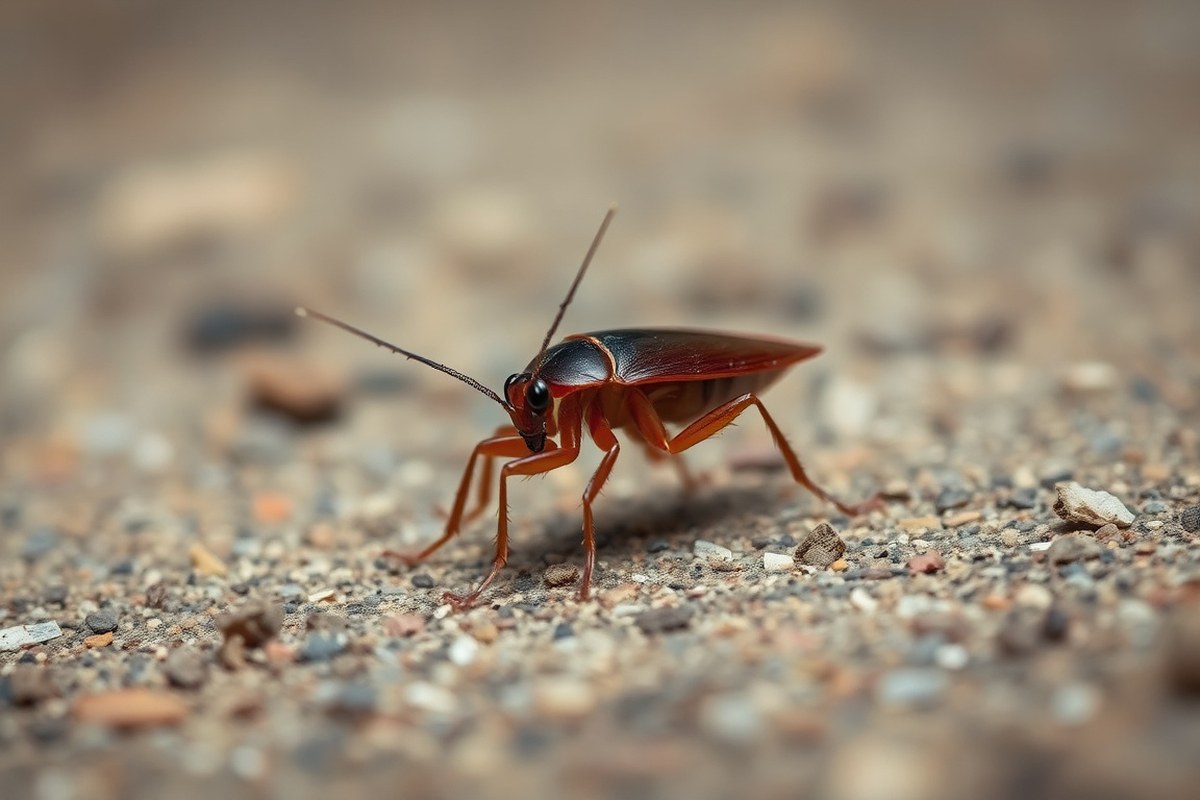
How fast can a roach run? Some cockroaches zip along at about 5 miles per hour.
The Australian cockroach is one of the fastest, reaching this speed easily. The American cockroach is close behind, running up to 4.5 miles per hour.
That might seem slow until you compare body sizes. Relative to their size, cockroaches move insanely fast, covering about 50 body lengths in one second. If you kept up that speed, you’d be running over 200 miles per hour.
These quick bursts help cockroaches escape threats and find food efficiently. Watching their speed shows why they’re tough to catch during pest control. Knowing this can make your control efforts smarter and more effective.
Key Takeaways
- The fastest cockroach species can run up to 5 miles per hour.
- Cockroaches cover about 50 body lengths every second at top speed.
- Relative to size, their speed equals a human running over 200 mph.
- Speed helps them rapidly escape from danger in your home.
- The Australian and American cockroach are the quickest common species.
- Knowing roach speed aids in designing better pest control methods.
How Fast Can a Cockroach Run in Miles per Hour?
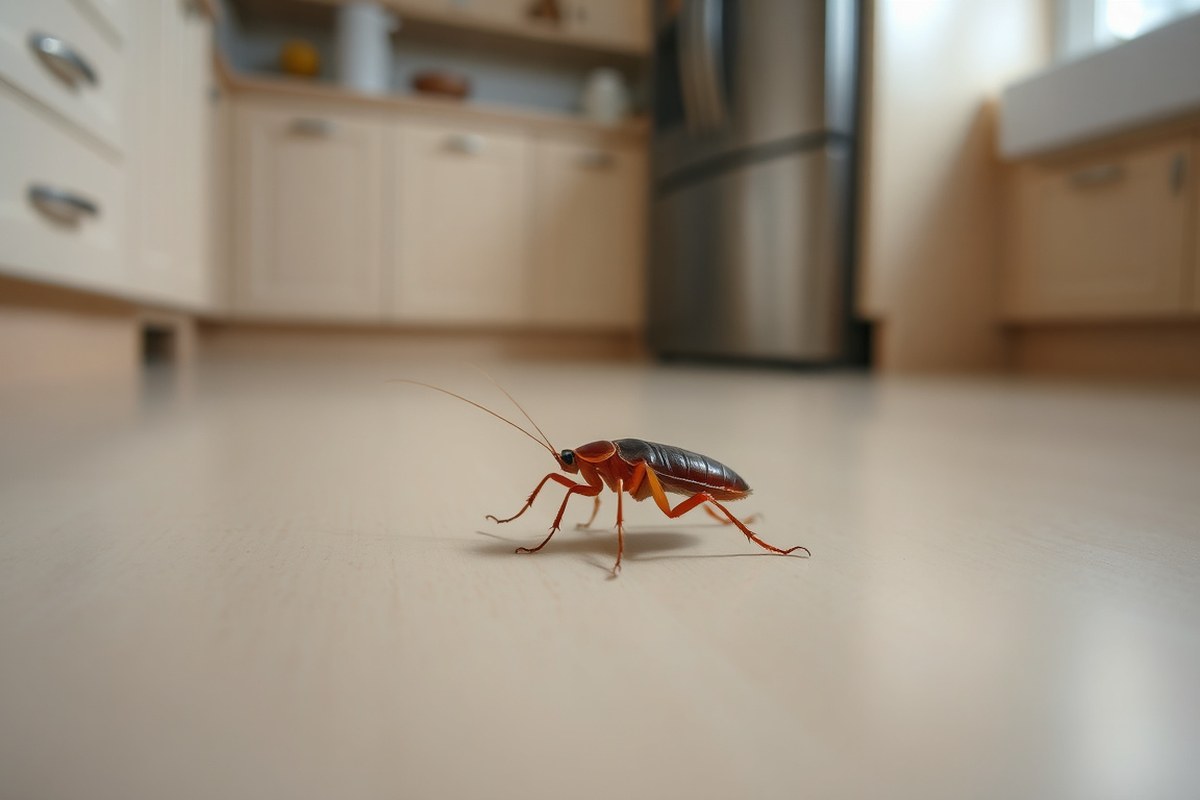
Cockroach speeds vary widely between species, with some reaching faster peak speeds than others. The American cockroach, Periplaneta americana, leads the group by hitting top speeds up to 3.4 miles per hour (5.4 km/h). This speed reflects their quickest escape moves rather than their average pace.
Average speeds across species tend to be lower. For example, German cockroaches usually run around 1.7 mph (2.7 km/h).
Even at this speed, cockroaches rank among the fastest insects for their size. Their velocity is impressive because of their relatively small bodies and quick burst capability.
Here’s a clear comparison of typical speeds for different cockroach species measured in miles per hour:
| Cockroach Species | Top Speed (mph) | Relative Speed |
|---|---|---|
| American Cockroach (Periplaneta americana) | 3.4 | 50 |
| German Cockroach (Blattella germanica) | 1.7 | 20 |
| Oriental Cockroach (Blatta orientalis) | 1.3 | 14 |
| Madagascar Hissing Cockroach | 1.0 | 12 |
Different biology changes maximum speeds between species. Larger tropical species sometimes surpass American cockroaches.
But data confirms 3.4 mph as one of the highest recorded speeds. Speed measurements reflect conditions during quick escape rather than usual movement.
Knowing these speeds helps explain how roaches avoid threats so well in homes and nature. These bursts of rapid running often last only seconds and use intense energy. Humans can’t keep sprinting that fast even for short distances.
This shows roaches are really fast and quick. It’s a remarkable skill compared to human speed.
What Makes Cockroaches Exceptionally Fast?
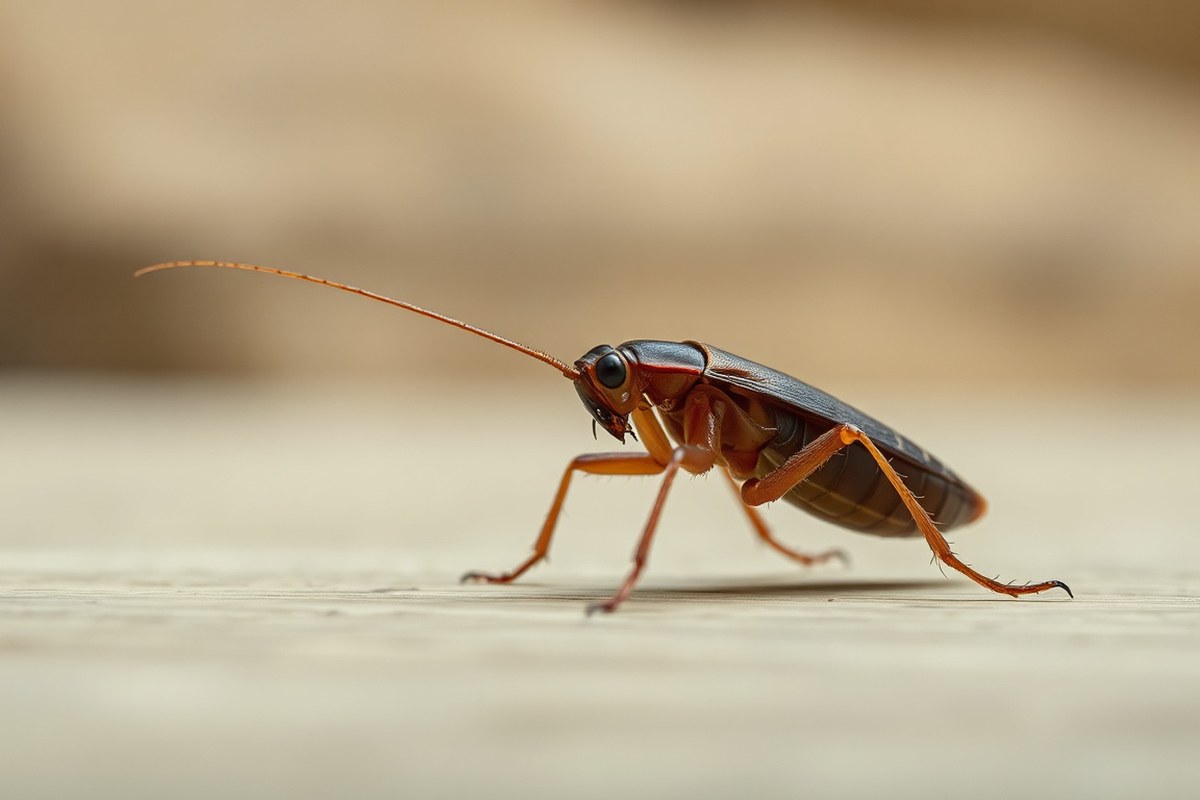
Cockroaches are fast because of their special body design and nervous system. Their legs are built for speed, their muscles work quickly, and their exoskeleton supports rapid movement. These features let them escape threats quickly.
Leg Structure and Multiple Knees
Cockroaches have six legs, each with three knees. These knees bend in ways that allow fast, precise steps.
Cockroaches often run on their hind legs. This gives them a longer stride and a faster pace.
The arrangement of their legs helps them stay balanced while moving quickly. Their legs also cycle rapidly, pushing off the ground with strong power in each step.
Muscle Design for Quick Motion
Large muscles in the femur part of cockroach legs generate most of their running force. Lighter lower parts of the legs, like tibiae and tarsi, reduce weight. This helps the cockroach move legs faster with less effort.
The muscle layout allows rapid leg cycling. This means a cockroach can quickly take many steps, which combines both speed and endurance.
Nervous System and Sensory Coordination
The cockroach’s nervous system sends quick signals to muscles, coordinating fast movements. This rapid communication helps them react almost instantly to threats. Sensory organs detect changes in their environment and trigger flight responses.
Having a wired nervous system is like having a fast switch that makes muscles contract quickly. This system contributes heavily to their ability to speed away from danger.
Lightweight Exoskeleton Support
The cockroach’s exoskeleton is made of chitin, a tough but light material. It supports their muscles and internal organs without adding much weight. This low weight allows them to accelerate quickly and sustain fast speeds.
The exoskeleton also protects against injury during high-speed escapes. Its strong but flexible structure helps maintain body shape while moving fast on uneven surfaces.
How These Features Work Together
The legs, muscles, nerves, and exoskeleton integrate for fast running. Legs provide the mechanical power and balance.
Muscles supply force while nerves ensure quick control. The exoskeleton keeps everything light yet strong.
This combined design enables cockroaches to reach speeds up to almost 3 miles per hour. That equals covering about 50 body lengths in one second. Such speed greatly improves their chances to avoid predators and threats.
Watch out: Their speed combined with quick reflexes makes catching cockroaches very difficult.
Top Fastest Cockroach Species and Their Speeds
Different cockroach species run at quite different speeds. The American cockroach, Periplaneta americana, is one of the fastest and can reach up to 2.9 miles per hour.
This speed means a cockroach moves about 50 body lengths each second. That is very fast for an insect this size.
Smaller species tend to be slower. For example, the German cockroach moves at roughly half the American’s speed or less. Some species are much slower.
The Oriental cockroach crawls only a few millimeters per second. Size and species strongly influence how fast they can dash away from threats.
| Species | Speed (miles per hour) |
|---|---|
| American cockroach, Adult Male | 1.47 |
| American cockroach, Adult Female | 1.27 |
| German cockroach, Adult Male | 0.65 |
| German cockroach, Adult Female | 0.41 |
| Top speed reported for American cockroach (other sources) | 2.9 |
Across species, adult males usually run faster than females. This may relate to size or behavior differences. Speeds around 1 to 1.5 miles per hour are common in bigger species.
Smaller or slower species move under one mile per hour. In some cases, speed can jump to about 5 miles per hour, but that is rare.
Tracking these speeds helps you understand their escape skills. Slower species might be easier to catch or control.
Faster ones need quicker responses. The differences in speed also affect where species can thrive and how they avoid predators.
How Does Cockroach Speed Compare to Humans and Other Animals?
Cockroaches can run up to about 5 miles per hour, like the Australian cockroach. This is slower than humans, who average 8 miles per hour for short sprints. However, raw speed doesn’t tell the full story about how fast cockroaches really are.
Cockroaches are much faster than humans when you compare their size. Their speed is much higher relative to their body length. Many animals move slower based on their body lengths than cockroaches.
Cockroaches can run around 50 body lengths per second. For a 1-inch roach, that’s like running 50 inches every second. Humans average about 5 body lengths per second.
Picture a human running 50 body lengths per second. They would be sprinting unbelievably fast. This speed is far beyond what humans can reach.
For example, imagine a 6-foot tall person running at 50 body lengths per second. That speed would equal about 250 miles per hour. Such speed is impossible for human biology.
Compared to other insects, cockroaches are among the speediest. Ants and beetles generally run slower relative to their body size.
The cockroach’s remarkable locomotion helps it escape predators and human threats fast. Their speed combines physical traits with quick reflexes, making them top runners in the insect world.
Biomechanics of Cockroach Running and Rapid Acceleration
Cockroaches run fast thanks to a special leg pattern and powerful muscles. Their body shape keeps them stable as they speed up and turn. They use unique gaits and quick steps to start fast and change direction easily.
Alternating Tripod Gait Explained
Cockroaches run using an alternating tripod gait. They keep three legs on the ground all the time. These legs form two triangles.
The triangles alternate as the insect moves. While three legs support their weight, the other three legs swing forward to pull them ahead.
This gait offers stability, even when they run quickly. It creates a steady base that prevents falls while moving at high speeds. The three-point support lets cockroaches keep balance as they run and quickly adjust their step.
At top speeds, some species switch to a metachronal gait. This style involves continuous leg movement rather than a fixed tripod. This change helps with smoother, faster running but requires more balance control.
Rapid Acceleration Mechanics
Cockroaches accelerate rapidly by pushing off powerfully with their legs. Their muscles contract in quick bursts to launch them away from threats. They raise their bodies slightly, running mostly on their hind legs to increase stride length.
Low centers of gravity from their flat bodies add stability during a fast start. This design stops them from tipping over when they burst into motion. Scientists needed slow-motion cameras to capture how extreme the acceleration really is.
The acceleration happens in a few quick steps, often covering several body lengths per second. After this burst, cockroaches slow slightly to handle turns or find shelter. These quick initial steps help them escape predators fast.
Directional Changes and Stability
Cockroaches change direction sharply by briefly decelerating then turning their body. They pivot using their legs as they adjust to a new path. Their dorsoventrally flattened shape helps keep stability when spinning or twisting.
They perform fast, nearly perpendicular turns after accelerating away from danger. By balancing on a tripod of legs, they avoid falls during these maneuvers. Agile leg coordination lets them swerve around obstacles without losing speed.
This speed-maneuverability tradeoff means cockroaches slow during turns but regain speed quickly. Their ability to move fast and make sudden changes makes them hard to catch or swat. Running on mainly hind legs also helps with quick directional shifts.
Watch out: rapid acceleration and turns can cause false starts. So patience is key when observing roach movements closely.
Factors That Influence Cockroach Speed
Cockroach speed changes with several environmental and body factors. Temperature is a big one, a cockroach moves faster in warm places, around 86°F. When it’s colder, their muscles work slower, cutting their speed.
Humidity also affects them; they like moderate moisture to stay active. Dry air can slow them down.
Age matters too. Young cockroaches often aren’t as fast as adults because they aren’t fully developed. Older roaches might slow down as their energy fades or if they have injuries.
Gender can play a role, but it’s less clear. Males sometimes run more during mating chases. But females may carry more weight, affecting their speed.
Nutrition and health shape their ability to run quickly. Well-fed cockroaches have energy to dart away from danger.
Sick or malnourished roaches run slower because their bodies lack fuel. Starvation or dehydration shrinks their speed significantly, making them easier targets.
- Keep ambient temperature around 80-90°F for peak speed stimulation.
- Maintain humidity near 50-70% to keep cockroaches active.
- Observe mature adults for highest speed; young and old run slower.
- Note possible gender speed differences during mating seasons.
- Ensure cockroaches have access to food and water to stay fast.
Warmer, humid environments of kitchens and bathrooms support faster cockroach running. Stress or lack of food lowers their quickness.
Understanding this helps in tracking pest movements or studying their behavior. Watch for sluggish roaches during cold snaps or dry spells, that’s normal.
Why Cockroach Speed Matters for Survival and Behavior
Speed helps cockroaches escape from predators by letting them dart quickly into cracks and crevices. Birds, reptiles, and larger insects chase them. But cockroaches use their fast legs to vanish before getting caught.
Their quick bursts last only a few seconds. They help cockroaches reach safe hiding spots close by.
During mating, speed plays a key role in chasing and finding partners before rivals do. Male cockroaches often run fast to catch up with females or to compete against other males. This fast movement helps cockroaches find mates.
It lets them pass on genes quickly. This is key in crowded places with little time.
Cockroaches also use speed to explore their surroundings and find new shelters or food sources. They move rapidly across various surfaces, climbing walls or squeezing into tight spaces to hide. Being fast helps cockroaches react to threats and changes.
Sudden light or smells signal danger. They can escape before harm.
Smaller, younger cockroaches are faster than bigger adults. Their lighter bodies let them move quickly.
Larger ones often rely more on hiding since they can’t accelerate as fast. This difference in speed strategies shows how cockroaches manage risks depending on their size and age.
Common Misconceptions and Surprising Facts About Cockroach Speed
Not all cockroaches run at the same speed. The common house cockroach is among the fastest, but other species vary widely. Some are slower because of their body size or habitat.
There’s a myth that cockroaches always outrun humans easily. They can run about 3 miles per hour. This speed is fast for their size.
However, it’s much slower than most people running. You can usually catch them if you’re quick and close enough.
People often think cockroaches are the fastest insects. Some tiger beetles can move even faster. Certain flies also beat their speed.
This speed is measured relative to their body length. Cockroaches are very quick but not the absolute fastest overall.
- Myth: All cockroaches run at the same speed. Reality: Speeds vary by species.
- Myth: Cockroaches can outrun any human. Reality: Humans can often catch them.
- Myth: Cockroach speed is the highest among insects. Reality: Some beetles run faster relative to size.
- Fact: Cockroaches accelerate in less than 0.05 seconds to top speed.
- Fact: Cockroach speed helps them escape predators and survive daily threats.
The quick start of a cockroach makes it seem they are faster than they really are. Their speed also depends on temperature since they perform best around 90°F. Lower temps slow them down. So you might notice them less active during cold weather.
Good lighting helps you see cockroaches clearly. A fast reaction is also needed. Both are important to catch a cockroach before it runs.
Understanding these facts helps you avoid overestimating or underestimating cockroach speed. This can change how you handle sightings or design pest control strategies. Speed differences also explain why some roaches escape more often than others during treatment.
Using Knowledge of Cockroach Speed in Pest Control Strategies
Knowing how fast cockroaches run helps you catch and control them better. Their speed changes where and when you should set traps.
It also affects how fast you need to act when they escape quickly. You can plan pest control moves that match the roaches’ behavior and speed to outsmart them.
Speed and Trap Placement Strategies
Faster roaches can avoid traps placed randomly or in open spaces. Place traps along walls, corners, and behind appliances where cockroaches tend to run. They usually stick to edges, so traps there catch their fast, predictable paths.
Use sticky traps near suspected entry points and hiding spots. Avoid areas where air movement or disturbances might make roaches avoid traps.
- Set traps along baseboards and dark corners
- Place traps near food and water sources
- Use multiple traps to cover fast escape routes
- Check and replace traps every 3-4 days
- Don’t place traps in busy areas where they get disturbed
Timing Pest Control Actions
Cockroaches run fastest in low light or darkness, typically late evening or night. Schedule bait and spray treatments in the evening when roaches are most active. Timing controls this way increases the chance of contact with pesticides or traps.
Leave bait to work for several days before cleaning so slow poison actions take effect. Avoid heavy cleaning or moving furniture during treatment, or roaches will hide more deeply.
Behavioral Insights for Effective Management
Roaches use quick darting movements to avoid threats, especially when disturbed. Move slowly and quietly when inspecting or treating roach-prone areas to prevent triggering fast escapes. Use a flashlight low on the floor to spot their movements without startling them.
Faster species may evade some sprays that don’t reach quick movers. Consider gel baits and traps that roaches walk into instead of relying only on sprays. This approach kills more roaches regardless of their speed.
Quick-Start Action Plan to Use Cockroach Speed Knowledge
Use what you learned about cockroach speed for practical pest control. Follow these clear steps to see results fast.
- Day 1: Inspect common cockroach hideouts like kitchens or basements. Look for movement and spots where roaches dash away quickly.
- Day 2-3: Set sticky traps in those areas. Confirm if traps catch fast-moving roaches, showing you found their routes.
- Week 1: Apply insecticide gel baits near hiding spots. Check if roaches slow down or disappear after a few days to judge success.
- Week 2: Reduce clutter and seal cracks where cockroaches run in and out. Notice fewer sightings and less quick scurries.
- Week 3: Monitor runs again with traps and observe speed changes. Slower roaches or empty traps mean control is working.
- Ongoing: Maintain cleanliness and check for new entry points weekly. Early action stops fast roaches from gaining ground.
Frequently Asked Questions
How Fast Can a Cockroach Accelerate from a Standstill?
Cockroaches can reach top speed within a fraction of a second. Their rapid acceleration helps them dodge threats effectively in tight spaces.
Does Temperature Affect How Fast a Roach Can Run?
Yes, roaches move faster in warmer conditions. Higher temperatures boost their muscle activity, letting them run quicker.
Can a Cockroach Run Uphill or Only on Flat Surfaces?
Cockroaches can run uphill, but speed decreases on steep slopes. Their strong legs let them handle various terrains despite the slowdown.
How Do Cockroach Speeds Differ Between Males and Females?
There isn’t a large speed difference between genders. Both male and female cockroaches rely on quick movements to survive.
Are Young Cockroaches Slower Than Adults?
Young cockroaches, or nymphs, generally run slower than adults. Their smaller size and weaker muscles limit their top speed.
Key Points to Remember
Cockroaches can run nearly 3 miles per hour, making them hard to catch. Keep up with their hiding spots and behaviors to stay ahead. Start today by checking your kitchen and basement for fast-moving roaches.