

How Many Hours Should I Fast to Lose Weight: A Complete Guide That Works
Wondering how many hours should I fast to lose weight? Most people find fasting between 14 and 18 hours daily works best for weight loss.
This range helps your body switch to burning fat after the 12-hour mark. It also promotes stable blood sugar and reduced insulin levels.
Starting with about 12 hours and working up to 16 hours gradually keeps your energy steady. You must eat nutrient-rich foods when you break your fast to get good results. Focus on lean proteins, healthy fats, and plenty of vegetables to fuel your body right.
Avoid going beyond 18 hours without medical advice, as this can cause low blood sugar and fatigue. People like fasting for 16 hours because it works well for many lifestyles and hunger levels. This method often leads to a 3-5% weight loss in three months without counting calories.
Key Takeaways
- Fast for 14 to 18 hours daily to encourage fat burning and weight loss.
- Start with a 12-hour fast, then add 1-2 hours gradually every few days.
- Eat balanced meals during your eating window to fuel your body and lose weight.
- Stick to fasting windows like 16:8 or 14:10 for easier consistency.
- Avoid fasting longer than 18 hours without consulting a healthcare professional.
- Fat burning typically starts around 12 hours into your fast and lasts about 4 hours.
How Many Hours Should I Fast to Lose Weight Effectively?

Fasting between 14 and 18 hours daily is ideal for most people to lose weight. This range kicks in fat burning effectively while staying manageable. Research finds 16 hours fasting with 8 hours eating works best.
It helps lose fat and is easier to follow. Many people stick to this balance well.
Fasting for 12 hours can help. But it usually takes longer than that to reach fat-burning states like ketosis. After about 12 hours your body starts burning fat.
So fasting for at least 14 hours deepens this effect. Most weight loss happens with about 16 hours of fasting.
This length helps burn fat and keeps muscle strong. Studies show this timing works well.
Trying to fast 24 hours daily isn’t practical or safe long term. Your body needs regular nutrients to avoid muscle loss and nutrient deficiencies. Longer fasts, like 48 hours, are sometimes used but only occasionally and with medical guidance.
Daily fasts of 14 to 18 hours suit most people’s routines. They help lose fat steadily and protect muscle mass. This fasting range is practical for many.
| Fasting Hours | Weight Loss Effects | Ease of Adherence |
|---|---|---|
| 12 hours | Some fat burning, slower results | Easy to maintain daily |
| 14 hours | Good fat loss with moderate effort | Manageable for most people |
| 16 hours | Optimal fat loss and muscle preservation | Most sustainable among common methods |
| 18+ hours | Stronger fat burning but may increase hunger | Harder to maintain daily |
| 24 hours daily | Not recommended due to risks | Unsustainable and may cause muscle loss |
To start, choose a fasting window you can keep daily. Most people find 16:8 easiest and most effective, fasting from 8 p.m. To noon the next day.
Close eating 2, 3 hours before bed to support fat burning overnight. Track how you feel and adjust if hunger or energy drops sharply.
Good results mean losing about 1% of your body weight each week. You should feel good and have fewer cravings during fasting. Steady progress is key to success.
Choose a shorter fast or eat more protein if fasting is tough. This helps prevent muscle loss and makes fasting easier.
Adjust to what your body needs. Overdoing fasting without guidance can backfire, so pace yourself and listen to your body.
How Different Fasting Lengths Affect Your Body and Fat Burning
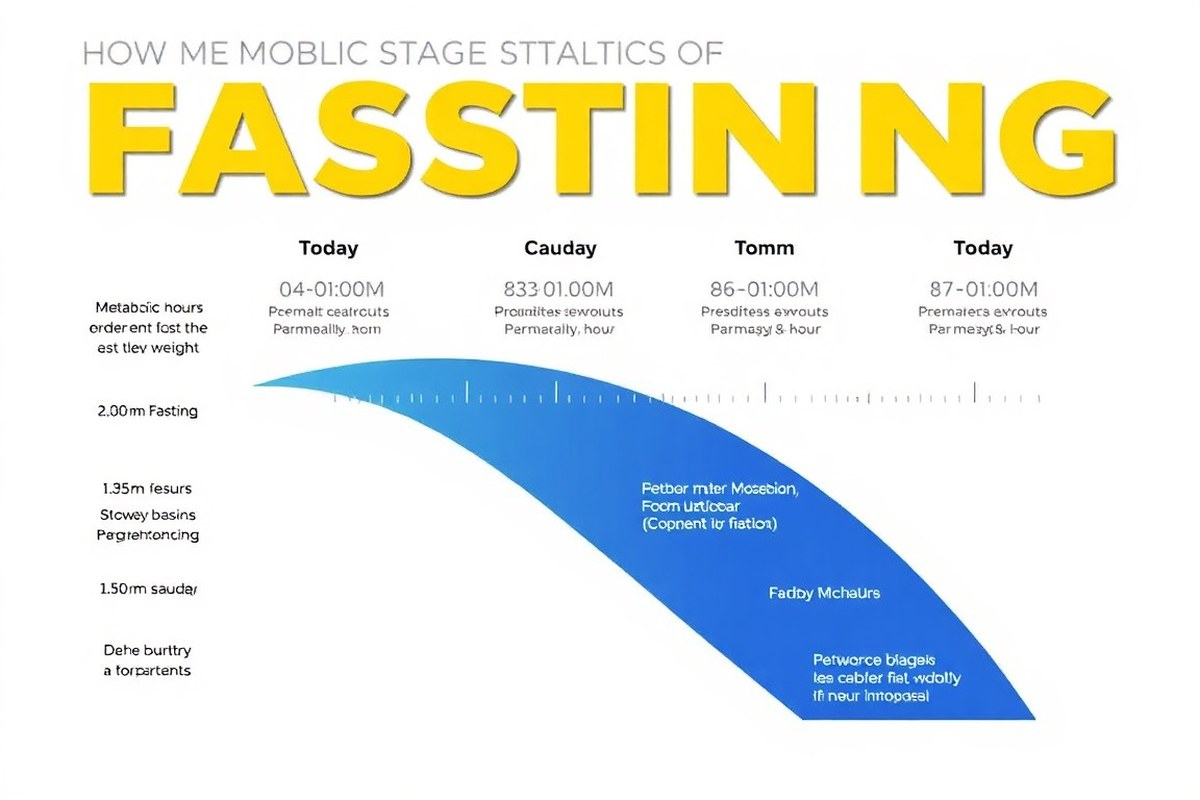
Your body changes a lot depending on how long you fast. After 12 hours, your metabolism shifts. By 16 to 18 hours, fat fuels your body.
Carbs are no longer the main fuel. Hormones like insulin and hunger regulators also change to support fat burning and weight loss.
Metabolic Changes from 12 to 16 Hours
After about 12 hours without food, your body starts using stored sugar called glycogen for energy. Insulin levels drop, making it easier for your body to switch to burning fat later.
At this stage, hunger may still be noticeable. But fat burning begins slowly as carbs run lower.
Starting with a 12-hour fast is a good way to ease your body into these changes. It often means skipping late-night snacks and having a regular eating window of 12 hours.
Fat Burning Kicks in Around 16 to 18 Hours
Fasting between 16 and 18 hours pushes your body into fat-burning mode. Glycogen stores shrink enough that your body turns to fat for energy. This helps reduce body fat with consistent fasting.
Many try the 16:8 fasting method during this time. You eat only in an 8-hour window. The rest of the day is fasting.
A 2024 JAMA study links this to a 5% fat loss. This happens in about 8 weeks. The result shows steady body fat drop.
Hormonal Shifts: Insulin and Hunger Regulation
Insulin plays a key role in fat storage. Its levels fall steadily during fasting and reach low points by 16 hours. Lower insulin means your body can access fat easier for fuel, speeding up weight loss.
Hunger hormones like ghrelin may increase as you fast longer. This can make fasting harder past 18 hours for some people. Managing these hunger signals helps you stick to a fasting plan without overeating later.
Going Beyond 18 Hours: Autophagy and Other Benefits
Fasts over 18 hours can trigger autophagy, a process where cells clean out damaged parts. This may improve long-term health and boost insulin sensitivity more strongly. However, it can cause increased hunger, fatigue, or nutrient stress if not planned well.
Fasts longer than 24 hours aren’t needed for fat loss. They must be done carefully with a professional’s help.
Safety is important for long fasts. Most people will see good results with daily fasting periods between 14 and 18 hours.
Timeline for Fat Burning and Weight Loss
At 12 hours, expect your body to rely mostly on stored carbs. By 16 hours, fat burning ramps up and insulin drops.
Past 18 hours, fat use is higher but hunger often rises too. Around 24 hours, glycogen is mostly gone and autophagy begins.
Use a journal or app to track your fasting hours, meals, and feelings. This helps you notice your body’s responses and adjust your fasting window for best results.
Start fasting for 12 hours and increase slowly. Work up to 16 hours over time. This helps your body adjust and hunger decrease.
The Most Popular Intermittent Fasting Methods Compared
Popular intermittent fasting methods vary by fasting time and frequency. Some people daily fast for 16 hours, others choose shorter daily fasts or fast twice weekly. Choosing the right method depends on your lifestyle and how much fasting feels doable.
16:8 Fasting Explained
The 16:8 method means fasting for 16 hours a day. You eat only during an 8-hour window.
This limits when you consume food daily. For example, eating between noon and 8 p.m., then fasting until noon the next day.
This approach is simple and often recommended for beginners. It helps reduce overall calorie intake naturally, since your eating window is limited.
Many people lose weight with 16:8 fasting. Success depends on not overeating in eating hours.
Consistency helps achieve better weight loss results. It fits well with social and work schedules for most people.
14:10 And 12:12 Variations
Shorter fasts like 14:10 or 12:12 are easier to follow. They work well for beginners or busy folks.
These windows make fasting simpler daily. The 14:10 means fasting 14 hours and eating in 10 hours, like 8 a.m. To 6 p.m.
12:12 is the most gentle method, fasting half the day and eating the other half. It suits people who find longer fasts too challenging or have health concerns.
These shorter fasts still help cut calories but may lead to slower weight loss than 16:8. However, they offer a good starting point and build fasting habits gradually.
5:2 And Alternate-Day Fasts
5:2 fasting means eating normal five days a week. You cut calories sharply on two non-consecutive days.
Those two days involve much less food intake. Those two days typically allow only 500, 600 calories.
Alternate-day fasting means fasting every other day, either with no food or very limited calories. This method tends to yield the highest weight loss among the fasting types.
Both methods fit people who prefer fasting less often or can’t fast daily. 5:2 fasting causes bigger calorie cuts on fast days.
It can be harder to stick with because of hunger. Hunger may make these days tough.
The comparison table below shows key facts for these popular intermittent fasting methods.
| Method | Fasting Hours | Eating Window | Frequency | Weight Loss Potential | Easier to Stick To? |
|---|---|---|---|---|---|
| 16:8 | 16 | 8 hours | Daily | Good, steady weight loss | Yes, popular for beginners |
| 14:10 | 14 | 10 hours | Daily | Moderate weight loss | Better adherence for some |
| 12:12 | 12 | 12 hours | Daily | Mild weight loss support | Very easy to stick to |
| 5:2 | N/A (low-calorie days) | Normal eating 5 days | 2 days/week | Approx. 1, 1.5 lb lost on fasting days | Mixed; hunger on fast days can be hard |
| Alternate-Day | 24 (or very low calories) | Eating every other day | 3, 4 days/week | Highest weight loss potential | Hardest to stick to for many people |
Daily fasting like 16:8 offers steady results and fits most routines well. Fasting two days a week with 5:2 can help lose weight.
You may lose about one pound each low-calorie day. This method lowers weekly calorie intake overall.
Alternating fast days may boost weight loss but requires more discipline. Shorter daily fasts suit those easing into intermittent fasting or who need a gentler schedule.
How to Start and Safely Increase Your Fasting Hours over Time
Start with a 12-hour Overnight Fast
Begin your fasting journey with a 12-hour fast overnight. Your last meal ends at 7 pm.
You break your fast at 7 am. This fast includes your sleeping hours, making it easier to tolerate.
A 12-hour fasting window fits well with most work and sleep schedules. Work nights or have changing hours?
Adjust your fast to fit your day. Try fasting from 7 am to 7 pm or something close.
Add 1, 2 Hours Every Few Days
Increase fasting time gradually by adding 1 to 2 hours every 2 to 3 days. This slow approach helps your hormones and energy adapt. Jumping too fast to 16 hours may cause fatigue or dizziness.
Monitor how you feel each time you extend your fast. Stop increasing the fasting window if you notice extreme tiredness or brain fog. Add zero-calorie electrolytes or shorten your fast to recover.
Manage Energy and Hunger Safely
Hunger in the first three days is normal as your body adjusts. Sip water, herbal tea, or black coffee to stay hydrated and calm hunger pangs.
Weakness or dizziness means stop fasting. Eat a small, balanced meal right away.
Getting 7 to 8 hours of quality sleep is important to maintain energy. Fasting during sleep helps you cover a big part of the fast without feeling much discomfort. Avoid fasting beyond 18 hours without consulting your doctor.
Follow this step-by-step plan to start intermittent fasting safely and build up your fast length:
- Choose your starting 12-hour fast window around your usual sleep time.
- Track how you feel during fasting, noting hunger or energy changes.
- After 2 or 3 days, add 1 to 2 fasting hours to your window.
- Drink zero-calorie fluids if hungry or low on energy, but avoid calories.
- Feeling weak or dizzy? Break your fast quickly. Then rest for a bit.
- Repeat gradual fasting window increases every few days if comfortable.
- Maintain good sleep habits to help your body handle fasting better.
- Consult a healthcare provider before extending fasting beyond 18 hours.
What to Eat During Your Eating Window to Maximize Weight Loss
Focus on lean proteins, healthy fats, and plenty of fiber during your eating window. Protein helps preserve muscle while you lose fat. So aim for sources like chicken, fish, beans, and Greek yogurt.
Healthy fats from nuts, avocado, and olive oil keep you full longer and support metabolism. Filling your plate with vegetables adds fiber and nutrients without many calories.
Eating balanced meals spaced evenly helps steady your energy and controls hunger. Plan two to three meals within your eating window, roughly every three to four hours. For example, you fast 16 hours and eat 8.
Eat breakfast at noon. Have lunch around 3:30 pm and a light dinner at 7:30 pm. This timing keeps blood sugar levels stable and avoids overeating at one sitting.
Counting calories can help, especially if your goal is specific fat loss. Without tracking, you might eat too many calories during your eating window. Calorie-dense foods like pizza or sweets add up fast.
Be careful about portions. Keep your daily total slightly below maintenance to lose fat. But avoid extreme cuts that risk muscle loss.
The NIH suggests fasting 12 to 14 hours for fat loss. Combine this with healthy food choices. This helps avoid muscle loss.
Avoid extreme fasting like 24 hours. It often causes muscle loss. Long fasts can also make eating windows tough to handle.
Adjust your food quality and timing first before trying longer fasts. Shift workers might eat from 10 pm to 4 am.
They can still lose weight by watching calories. Keeping food choices steady matters too.
Prioritize meal timing and food quality during your eating window. Overeating calorie-dense foods can cancel your fasting results quickly.
How Exercise Influences Fasting and Weight Loss Results
You can work out while fasting, but choose the exercise type carefully. Light cardio or walking suits a 12 to 16-hour fast best. Save heavy lifting or HIIT for fasts lasting 16 hours or more.
Plan to eat right after exercising. This helps your body recover better.
Timing matters. For fasts between 12 and 16 hours, work out near the end. Eat protein and carbs together after your session.
This supports muscle and energy needs. This refuels muscles and supports recovery. For fasts longer than 16 hours, try lighter resistance or HIIT workouts.
Eat meals rich in protein and moderate in fat afterward. This balances energy and recovery.
Working out while fasted may help burn fat during exercise. But it doesn’t always lead to more fat loss over weeks.
Your body uses stored fat for fuel without recent food intake. Still, fasted training might feel harder, so start with low-intensity workouts and build up.
For beginners, try walking or gentle jogging late in your fasting window. Have a meal with protein first after you finish.
Avoid intense workouts fasted until you know how your body reacts. Overdoing it can cause fatigue or muscle loss.
Experienced exercisers sometimes use fasted HIIT to boost fat burn. They pick short, intense bursts and then eat a protein-rich meal. This plan needs attention because hard sessions without food can reduce strength and recovery.
Listening to your body helps. Feeling dizzy, tired, or weak during fasted exercise? Try working out after meals instead.
This keeps your energy and safety in check. Not everyone responds well to fasted training, especially those with blood sugar issues or low energy.
Adjust workouts depending on your goals. For pure fat loss, fasted cardio might work well.
For muscle building, it’s better to train fed to give your body fuel. Proper post-workout nutrition supports both goals.
Common Side Effects and How to Minimize Risks While Fasting
Feeling hungry, tired, or dizzy are normal side effects during fasting. In a study with 768 people fasting for over 48 hours, 72% experienced these symptoms. Hunger hits first, followed by low energy or dizziness as your body adjusts.
To handle hunger safely, drink plenty of water and try herbal tea. These help fill your stomach without breaking the fast. Light activities like walking can distract your mind from hunger pangs.
When you feel dizzy or tired, sit or lie down right away. Add a pinch of salt to your water. Drink mineral water too.
Check your electrolyte levels this way. Dehydration or low salt can worsen symptoms.
Listen to your body closely. Change your fasting hours if you feel weak or overly hungry.
For example, try a 14:10 fasting schedule instead of 16:8. Adjusting helps keep energy steady and hunger manageable.
Stop fasting and eat if you feel severe dizziness, confusion, or weakness. These could be signs of low blood sugar or dehydration. Seek medical advice promptly if symptoms don’t improve after resting.
Follow this checklist when you fast: drink 2 or 3 quarts of water daily. Add electrolytes or salt. Rest if you feel dizzy.
Do light exercise to reduce hunger. Track your mood, sleep, and energy to spot when to adjust fasting length.
Remember, your body needs time to adapt. Many symptoms improve after a few fasts once your system stabilizes.
Don’t push through severe discomfort. Consult a doctor when unsure about your fasting symptoms.
Who Should Avoid or Consult a Doctor Before Trying Intermittent Fasting
Certain health conditions make fasting unsafe or require doctor supervision. People with diabetes, especially those on insulin or oral medications, need medical approval before fasting. Fasting can cause blood sugar swings, which can get dangerous without careful monitoring.
Pregnant and breastfeeding women should avoid intermittent fasting. Their bodies need steady nutrition to support the baby’s growth and milk production. Children and teenagers also shouldn’t fast because they require consistent energy for development.
People with severe kidney, liver, or heart disease should avoid fasting. Only fast when your doctor says it’s safe for you.
Those taking medications that need food can’t fast safely. Always check with your healthcare provider on how fasting fits your medication schedule.
Experts suggest a checklist before fasting. Know your health diagnosis and current medications. Understand your blood sugar and get a physical exam.
Start slow once your doctor agrees. Watch your body closely during fasting. That’s especially true for fasts longer than 24 hours, which may be risky.
One practical approach is to share your fasting plan with your health team. They can adjust your medication doses or advise on safe hydration and food timing.
Your doctor may also want regular blood tests to track effects. This adds cost and time but keeps fasting safer for you.
Consult your doctor before fasting if you have diabetes, take medications, or are pregnant or breastfeeding.
How to Know If Your Fasting Plan Is Working and When to Adjust
You’ll know fasting is working for weight loss when you see steady changes in your body. You can lose about 1 to 2 pounds per week. You may also feel more energetic during your fasting times.
These changes show your body is adjusting well. Many people feel less hungry overall after some time.
They also notice their digestion gets better. These benefits happen as their bodies adjust to fasting.
Tracking progress carefully is key. Weigh yourself once a week at the same time each day. Try to do it in the morning before eating.
This keeps your tracking consistent and accurate. Also, note your energy levels and how clothes fit in a journal or app. Watching trends beyond your weight helps you understand changes.
Gaining muscle or losing water can affect what the scale shows. Track more than just pounds to see progress.
You usually see clear signs of weight loss after 2 to 4 weeks. This gives your body time to adjust to fasting. Patience is key for results to show.
You might not feel changes immediately because your body needs time to adapt. After a month, check your progress and how you feel.
No progress or feeling tired and hungry means change is needed. Adjust your fasting plan to fit you better.
To decide if you should change fasting hours, check how you feel first. Fasting too long might make you weak or very hungry. Try cutting your fast by 1 to 2 hours instead.
This helps you stay comfortable and safe. When weight loss stops, you might try fasting a bit longer.
You can also change your eating window to match hunger and energy. Make changes slowly and watch how you feel.
Breaking the fast should happen if you experience dizziness, confusion, or extreme fatigue. These signs mean your body needs fuel sooner.
Remember, fasting isn’t about starving yourself but creating manageable eating patterns. Avoid pushing through serious discomfort, as that’s not safe or helpful.
Track your weight weekly and note your energy every day. Adjust your fasting hours by small amounts every two weeks. This simple rule keeps you on track safely.
Keep eating nutrient-rich foods like vegetables, fruits, whole grains, and fish during your eating window. A plan you can stick with matters for fasting results.
Harvard Health says long-term consistency is key. Choose a fasting plan you can maintain over time.
Step-by-Step Action Plan to Start Fasting for Weight Loss
Begin your fasting journey with clear steps and watch your progress. This plan helps you build habits safely and measure your results.
- Before You Start: Choose a fasting method that fits your schedule, like 16:8 or 14:10. Make sure it feels doable for daily life.
- Days 1-3: Try the chosen fasting hours without changing your diet yet. Notice your hunger patterns and energy levels.
- Week 1: Focus on balanced meals during your eating window with protein, veggies, and healthy fats. Track your energy and any cravings.
- Week 2: Add light exercise on non-fasting hours, like walking or stretching. See how your body handles fasting plus activity.
- Week 3: If you feel good, add one more hour to fasting. For example, increase it from 14 to 15 hours. Monitor your mood and weight trends.
- After 4 Weeks: Reflect on your fasting comfort and weight changes. Adjust fasting length or meal choices if weight loss slows.
- Ongoing: Listen to your body for hunger signals and side effects. Stop or scale back fasting if you feel dizzy or weak.
Frequently Asked Questions
What Are the Best Hours for Fasting to Lose Weight?
The best fasting hours vary between people. Many find 14 to 18 hours daily works well.
This range fits most routines and goals. This range boosts fat burning more than shorter fasts and fits many lifestyles easily.
How Do I Drop 20 Pounds Fast?
Dropping 20 pounds fast usually means combining intermittent fasting with a healthy diet. Fast 16-18 hours and focus on nutrient-rich foods during eating windows for safer results.
How Many Hours of Fasting Can Burn Fat?
Your body starts burning fat after about 12 hours of fasting. Fat burning increases between 12 and 18 hours as stored carbs drop and energy needs shift.
Does Fasting from 7pm to 7am Work?
Fasting from 7 p.m. To 7 a.m. Works as a 12-hour fast and fits many sleep schedules. It’s good for beginners but longer fasts may bring better weight loss.
Can I Drink Coffee While Fasting?
Yes, plain black coffee without sugar or cream won’t break your fast. It can even help reduce hunger during fasting hours.
Key Points to Remember
Fasting between 14 and 16 hours works well for most people to lose weight safely. Start with a plan that fits your life and adjust as you go. Take the first step today by choosing your fasting hours and planning your meals.





One Comment