How Much Do Semi Truck Tires Cost? A Complete Guide with Cost Comparisons
Semi truck tires usually cost between $300 and $600 each. The price varies with tire size, brand, and quality. Bigger tires and top brands tend to be more expensive.
Steer tires cost more than drive or trailer tires. They need better traction and durability since they support more weight and steering. Plan your budget to cover the cost of a full tire set.
Checking your truck’s alignment before buying tires matters. Poor alignment wears tires unevenly and fast. This causes more frequent replacements and higher costs, so keep alignment in check.
Some trucks require special tires like all-season or mud-and-snow types. These options impact price as well. Knowing your truck’s needs helps you avoid paying for extra features you won’t use.
Key Takeaways
- Semi truck tires typically cost between $300 and $600 each.
- Steer tires usually have a higher price than drive or trailer tires.
- Brand, size, and tire quality strongly affect the price.
- A full set of six tires can cost $2,000 to $4,500, including labor.
- Bad wheel alignment ruins new tires quickly, increasing expenses.
- Check for special size needs before buying new tires.
What Is the Average Semi Truck Tire Cost Today?
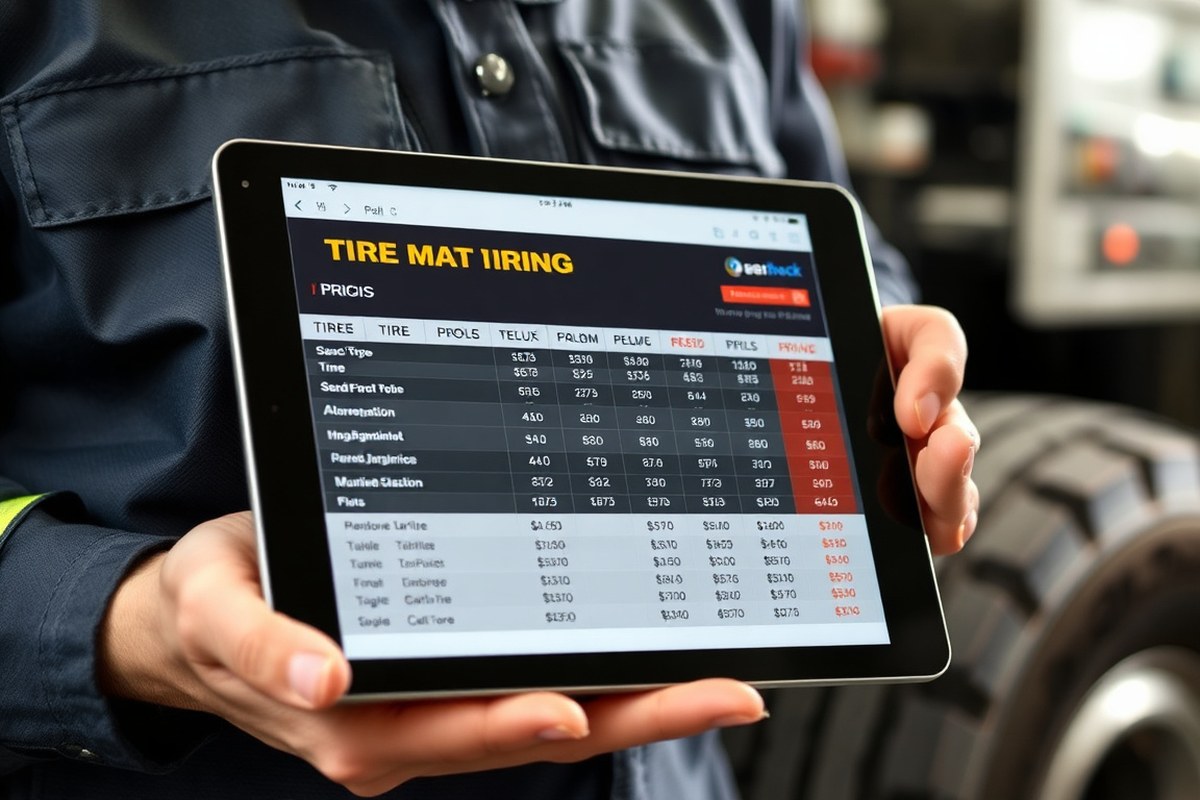
Semi truck tires vary in price depending on their position and quality. New steer tires usually cost between $350 and $550 each.
Drive tires tend to be a bit cheaper, running about $280 to $450 per tire. Trailer tires often fall in the $200 to $350 range.
Buying a full set of tires for a truck can add up quickly. A tandem axle tractor has 4 drive and 2 steer tires. New tires usually cost between $2,000 and $4,500.
This price is for tires alone. Small single axle tractors have 2 drive and 2 steer tires.
A full set with parts and labor costs $1,300 to $2,800. This covers everything you need.
| Tire Position | Quantity | Average Price Each | Typical Total (Product Only) |
|---|---|---|---|
| Steer | 2 | $300, $550 | $600, $1,100 |
| Drive | 8 | $260, $450 | $2,080, $3,600 |
| Trailer | 8 | $235, $350 | $1,880, $2,800 |
| Total for 18 Tires (Tandem Axle Truck) | 18 | , | $4,560, $7,500 |
The prices listed cover common 22.5-inch sizes for semi trucks. Costs rise with premium brands or specialty tires. Tire replacement often happens in small groups of two or four.
You usually don’t replace all tires at once. This helps manage costs better.
Trailer tires are the most affordable. So replacing a whole trailer set costs less than changing drive or steer tires. Steer tires, however, offer the best grip and safety.
So their higher price reflects that quality. Budgeting by tire position and use helps you plan costs well. It keeps your fleet moving smoothly without unexpected expenses.
How Do Steer, Drive, and Trailer Tire Prices Differ?
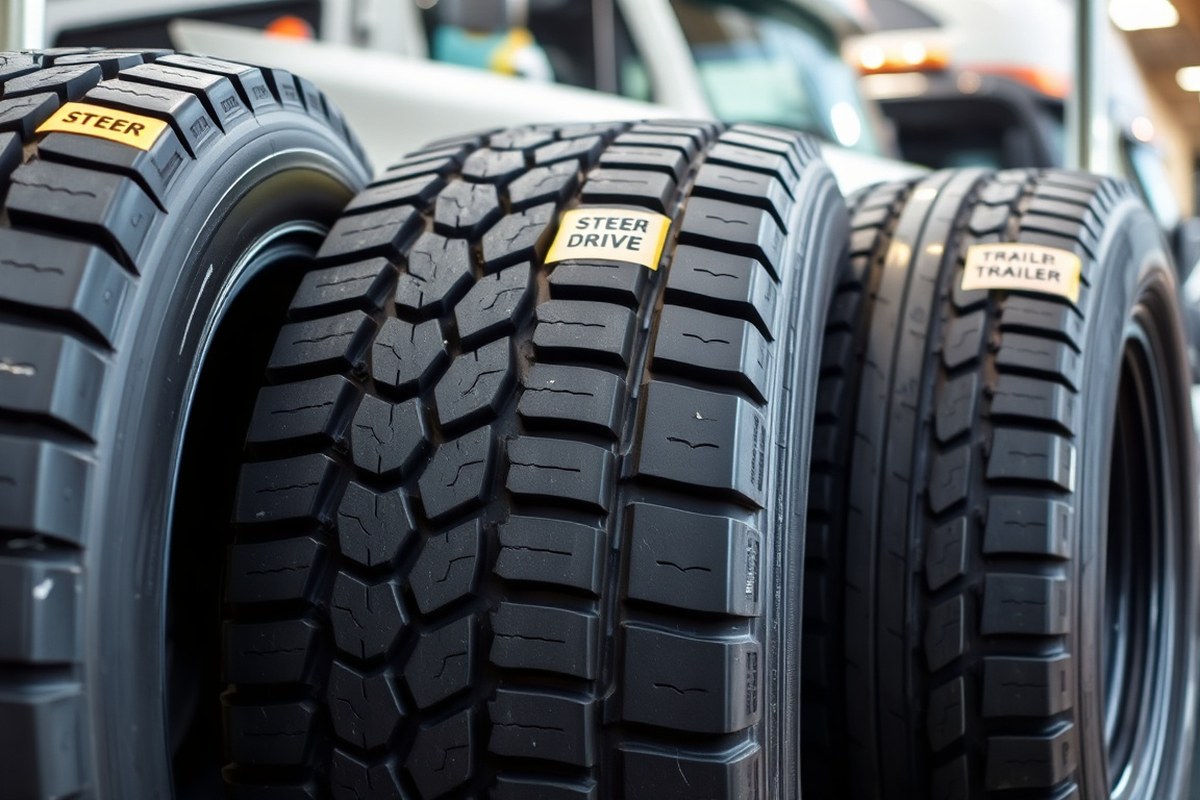
Semi truck tires differ mainly by their position and function on the vehicle. Steer tires are usually the most expensive, followed by drive tires, then trailer tires. Their prices reflect their specific performance needs and durability requirements.
Steer Tires: Precision and Safety Cost More
Steer tires direct the vehicle and handle the most wear from steering and braking. They need strong sidewalls to stay stable. The tread must grip well.
It should work on wet and dry roads. Steer tires cost between $400 and $700 each because of these strict performance demands.
They usually have a ply rating of 16, providing durability without sacrificing handling. Maintaining good steer tires helps prevent uneven wear and safety issues. These tires often last 150,000 to 250,000 miles before replacement.
Drive Tires: Traction and Durability
Drive tires provide the power to move the truck and must grip various road surfaces. These tires have tough tread patterns. They usually have 16 to 20 ply ratings.
This helps prevent cuts and wear. Drive tires typically cost from $350 to $650 each.
Though less expensive than steer tires on average, drive tires endure tougher conditions. They focus on durability and traction rather than steering precision. This balance affects their price and lifespan.
Trailer Tires: Fuel Efficiency and Longevity
Trailer tires mostly carry load weight and need to be fuel-efficient and long-lasting. Their tread patterns are simpler with less aggressive design compared to drive tires. These tires cost around $300 to $550 each.
Trailer tires have ply ratings usually between 14 and 18. They must resist wear over long distances but do not drive or steer the truck. That means their price and durability reflect lower stress levels than steer or drive tires.
Typical Price Range Breakdown
Here are typical price ranges you can expect for each tire type on a semi truck:
- Steer Tires: $400 to $700
- Drive Tires: $350 to $650
- Trailer Tires: $300 to $550
These prices vary based on brand, size, tread, and ply rating. Higher ply tires and bigger sizes often cost more.
How Function Influences Tire Cost
Steer tires need to provide precise control, which demands special tread designs and stiffer sidewalls. This complexity raises their price. Drive tires balance traction and wear resistance for powered wheels, making their treads deeper and tougher.
Trailer tires focus more on rolling efficiency and load carrying. They have simpler construction and cost less. Picking the right tire type for each axle position helps you get value without overspending.
Skipping tire rotation or alignment causes early tire wear. This wastes your money on steer or drive tires.
What Factors Influence the Cost of Semi Truck Tires?
The size of your semi truck tire directly impacts its price. Bigger tires, like 11R24.5, often cost more than smaller ones, such as 295/75R22.5.
For example, common sizes like 11R22.5 might range from $300 to $500 per tire. Specialty sizes exceed that price.
Brand and warranty affect cost too. Premium brands bring advanced technology and longer warranties, pushing prices higher. Buying from dealers with road hazard warranties can save money later.
These dealers may offer roadside assistance too. Even with higher upfront costs, this saves you money over time.
Tread design and load rating also play a major role. Different treads suit long haul, regional, or severe service needs.
Tires with higher ply or load ratings handle heavier weights and cost more. Using a too-low load rating risks tire failure on heavy loads.
- Tire size: larger diameter and width increase cost
- Brand: premium brands are pricier but offer better warranties
- Tread pattern: specialized treads for specific uses cost more
- Load rating: higher ratings mean stronger, more expensive tires
- Premium or specialty tires: can run $450 to over $900 each
- Warranties: longer and broader policies raise price but offer value
- Dealer perks: roadside service and hazard protection can save money
Specialty tires like those for severe off-road service or winter traction carry higher prices. They often use tougher compounds and tech that increase durability and grip.
Investing in these only makes sense if your routes demand it. Otherwise, standard long-haul tires give better value.
Comparing tires means checking the exact size, load rating, and tread before buying. Quotes should clearly state these to avoid mismatches that lead to wear issues or safety risks. Choosing the right combination matches your hauling needs and prevents overspending on features you don’t need.
Are Retreaded Tires a Cost-Effective Alternative?
Retreaded tires cost about 30 to 50 percent less than new ones. They can perform close to new tires if you maintain them well. Proper care helps keep their performance strong.
They save you money mainly on drive and trailer positions, where extreme handling isn’t as critical. For steer tires, new tires are usually safer and provide better control.
Cost Savings with Retread Tires
Retreading typically lowers upfront costs by roughly half compared to new tires, depending on quality. A new premium semi truck tire can cost $400 to $800 or more.
A retread runs about 40 to 50 percent less. Retread casings can be reused multiple times, reducing your cost per mile.
Retread tires deliver 80 to 90 percent of new tire mileage. They cost only 40 to 50 percent of the price. This offers big savings without much mileage loss.
This means you pay less money but still cover most miles before replacing the tire casings. For businesses managing many trucks, this adds up to significant savings.
| Type | Price Range Per Tire | Approximate Mileage | Cost as % of New Tire Price | Performance vs New Tire |
|---|---|---|---|---|
| New Semi Truck Tire | $400 – $800+ | 400,000+ miles (varies by position) | 100% | 100% |
| Retread Tire | 30-50% less than new ( approx. $200-$400+) |
80-90% of new tire mileage | 40-50% | 80-90% |
For example, new tires can cost around $600 each. Retreads may cost about $300 each.
You can still get 320,000 to 360,000 miles from the retread. This cost efficiency depends on good tire casing condition and care.
Performance and Safety Considerations
Retread tires usually work well when cared for. But they may not handle as sharply as new tires. They often lack the precise handling and stability steer tires require.
Retreads can still be reliable. But they might increase the risk of reduced grip and control.
Drive tires tolerate retreads better because they do not need the same steering precision. Retreading works well on drive tires covering 200,000 to 350,000 miles. The mileage depends on tread quality and how many times you retread.
This can extend tire life significantly. Pay attention to casing condition and avoid retreading tires with damage.
Recommended Use Cases for Retreads
Retreads are best suited for drive and trailer tire positions where traction and wear matter most. These tires bear most of the wear and cost less when retreaded. Replacing drive tires costs less by retreading, without hurting vehicle control much.
Steer tires should usually be new for safety. Their role in precise steering makes new tires preferable. Trailer tires can also be retreaded safely in many cases, especially if maintenance is consistent.
| Tire Position | Recommended for Retreads | Reasons |
|---|---|---|
| Steer Tires | No | Require grip and precise handling for safety |
| Drive Tires | Yes | High wear, fewer handling demands, cost savings |
| Trailer Tires | Often | Less critical for handling, good for retreads |
What Additional Expenses Are Included in Tire Replacement?
The tire price is just one part of what you’ll pay. Installation typically costs between $20 and $50 per tire. This covers mounting, balancing, and valve stem installation.
Alignment or balancing is often recommended when changing tires. Expect to pay $100 to $200 for an alignment service. Proper alignment prevents uneven tire wear and saves money long term.
Roadside tire replacement costs much more because it’s an emergency service. Labor fees range from $150 to $300, plus a dispatch charge of $75 to $150. Wait times can last 2 to 6 hours, too.
After-hours service adds another set of charges. You might pay $150 or more on top of labor and tire costs. These fees cover tech availability and travel time outside normal business hours.
- Installation fees: $20-$50 per tire
- Alignment service: $100-$200
- Roadside dispatch charge: $75-$150+
- Roadside labor: $150-$300 or more
- After-hours service fee: starts at $150
- Taxes and shop fees vary by location
- Optional tire disposal fees may apply
Hidden costs often catch fleet managers by surprise. Sales tax, environmental fees, and shop supplies charges can add $10 to $30 per tire. Check if installation includes balancing, some stores charge for this separately.
Costco and Sam’s Club sometimes offer installation bundled with the tire price. This can save you up to $50 per tire. Confirm all fees before you order to avoid surprises later.
Ask ahead about any fees for mounting, balancing, or disposal before buying tires.
To cut extra costs, schedule tire service during normal hours. Plan alignment with replacement to avoid a separate visit. Keeping spare tires handy can reduce roadside emergency expenses.
How Long Do Semi Truck Tires Last and When Should You Replace Them?
Steer tires typically last between 30,000 and 70,000 miles. Drive tires go farther at about 60,000 to 100,000 miles. Trailer tires wear slowest, stretching out to 150,000-250,000 miles.
Retreads extend tire life and cut costs. They work best on drive and trailer positions. Steer tires wear differently, so retreading is less common there.
| Tire Position | Typical Mileage Range | Ply Rating | Common Application |
|---|---|---|---|
| Steer | 30,000, 70,000 miles | 14 to 18 | Long Haul Steer, Regional Steer |
| Drive | 60,000, 100,000 miles | 14 | Long Haul Drive |
| Trailer | 150,000, 250,000 miles | 14 to 18 | Long Haul Trailer, Regional Trailer |
Federal rules require at least 4/32 inch tread depth on steer tires. Other tires need 2/32 inch minimum.
Use a tread depth gauge regularly to check wear. If tires get below these levels, replace them immediately.
Rotate tires every 6,000 to 8,000 miles to balance wear. Maintain proper inflation; underinflated tires wear faster and risk damage.
Inspect for cuts, sidewall bubbles, or uneven tread. Those issues mean it’s unsafe to keep using the tire.
Track miles on each tire and record inspection notes. Replace steer tires around 50,000 miles if wear is uneven or near legal limits.
Replace drive tires closer to 80,000 miles with good maintenance. Trailer tires usually last longest and can be retreaded once or twice.
How to Calculate and Compare Tire Value by Cost per Mile
Focus on cost per mile when comparing semi truck tires. Sticker prices only show how much you pay upfront. But cost per mile reveals true value.
Add up the total tire cost. Divide that by expected mileage. This shows cheaper options over time.
More expensive tires may last longer or have better performance. But that isn’t always worth the extra cost. Retread tires cost less initially but might offer lower mileage.
Check cost per mile. This helps find the right balance of price and tire life. Use this to pick the best tires for your fleet.
Here’s how to calculate and compare cost per mile for any tire type. This method works for new and retread tires meeting the same specs.
- Find the total installed price. Add the tire cost, mounting, balancing, and disposal fees. For example, a new tire might cost $400, plus $50 labor and $10 fees, totaling $460.
- Estimate expected mileage. Use manufacturer data or past experience. Suppose a new tire lasts 100,000 miles.
- Divide total cost by mileage. $460 ÷ 100,000 miles = $0.0046 per mile.
- Calculate retread tire cost per mile. Retreads might cost $180 installed and last 50,000 miles. $180 ÷ 50,000 miles = $0.0036 per mile.
- Compare costs per mile. The retread is cheaper per mile. But remember it may wear differently on your routes.
- Match tire specs to your truck needs. Don’t compare tires meant for different axles or loads.
- Consider operational factors.Tires that wear faster from heavy loads or rough roads need lower mileage estimates. Adjust the expected tire mileage downward.
- Choose tires with the lowest cost per mile for your situation. That gives better long-term savings than picking by price alone.
Using cost per mile helps avoid costly mistakes by focusing on your actual use. It guides smarter buying decisions that fit your budget and route demands. Adjust these steps as you gather more mileage data to improve your calculations over time.
What Practical Steps Reduce Semi Truck Tire Costs Safely?
Proper maintenance extends the life of your semi truck tires by avoiding early wear and damage. Check air pressure weekly and keep it within the recommended range for your truck model.
Underinflated tires wear faster and can cause blowouts. Overinflated tires wear unevenly and reduce traction.
Balancing your tires and aligning axles regularly prevents uneven tread wear. Rotate tires every 6,000 to 8,000 miles to spread wear across all tires. Replacing valve stems and caps during tire service helps keep air sealed and reduces leaks.
- Compare total cost of ownership, not just sticker price
- Use retreaded tires on trailers to cut costs safely
- Buy from trusted dealers offering warranties and services
- Rotate and inspect tires every 6,000 to 8,000 miles
- Maintain proper tire pressure weekly
- Schedule wheel alignment checks regularly
- Plan routes to avoid rough roads and sharp turns
Retreading works best when the tire casing is still in good shape. A reliable casing lets you get 80,000 to 100,000 miles.
This gives you a second service life with a retread. Choose new tires if the casing shows damage, cracks, or uneven wear that risks safety.
Driving habits and routes impact tire costs too. Avoid frequent hard braking, quick starts, and sharp turns, which wear out tires faster.
Plan routes to avoid rough roads and many stops. Urban areas raise risks of tire damage and prices.
Check tire pressure before every trip to keep wear even and extend tread life.
How to Choose the Right Semi Truck Tires for Your Budget and Needs
Choosing semi truck tires means balancing cost, safety, and performance. You need tires that fit your truck’s type and your hauling demands. Your budget also plays a big role in what options will suit you best.
Matching Tires to Truck and Usage
Your truck’s axle position and haul type affect tire choice. Steer tires differ from drive and trailer tires in design and price. Hauling heavy loads long distances means you’ll want tires with stronger tread and better heat resistance.
Local routes with frequent stops demand tires with durable sidewalls. Long-haul trucks need tires rated for higher mileage and better fuel economy. Consider tire size, load rating, and speed rating based on your truck and routes.
Brand and Budget Considerations
Premium brands often provide longer tread life but cost more upfront. Mid-range brands can offer good durability and lower prices, but might wear faster. Budget brands might save you money but can sacrifice performance in tough conditions.
Determine how many miles you expect between tire replacements. Calculate cost per mile to find value beyond sticker price.
Some name-brand tires cost around $350 to $500 each. Budget options might be $200 to $300.
Getting and Comparing Quotes
Ask suppliers for full quotes, including tire price, mounting, balancing, and disposal fees. Request the tire model, size, and warranty details to compare accurately. Specify your truck type and expected use so quotes match your needs.
Use this simple script when requesting a quote:
- “Please provide the price for [tire size and model] tires suitable for [truck type and use].”
- “Include all fees: mounting, balancing, taxes, and disposal.”
- “What is the warranty coverage and mileage guarantee?”
- “Are any installation or delivery charges extra?”
- “Can you offer fleet discounts or packages?”
Put all quotes side by side in a spreadsheet or note. Compare total cost, warranty, and tire specs before deciding.
Final Selection Checklist
Check your truck’s axle type and haul pattern first. Then pick tires that match the load and driving conditions. Factor estimated mileage and how much maintenance you can afford to do.
- Right tire size and load rating for your truck
- Tread pattern suited to road type and weather
- Estimated lifespan matching your mileage goals
- Complete cost including all installation fees
- Warranty and retread options if applicable
- Brand reputation for durability and safety
- Availability of fleet or bulk purchase discounts
Choosing tires this way helps avoid unexpected costs and downtime. It keeps your truck safe, efficient, and ready for your next haul.
Your First Steps: Managing Semi Truck Tire Costs Effectively
Follow this plan to start controlling your semi truck tire expenses while keeping safety in check.
- Day 1: Check your current tires for wear and pressure. Proper levels mean better fuel economy and longer life.
- Week 1: Research tire types suited for your routes. Pick those that balance price and durability well.
- Week 2: Set a tire maintenance schedule. Regular inspections help spot issues before they lead to costly replacements.
- Month 1: Compare costs of new, retreaded, and premium tire options. Calculate cost per mile for an honest comparison.
- Month 2: Train your drivers on how driving style affects tire wear. Smooth starts and stops save tire life.
- Monthly: Rotate your tires if recommended. This evens out wear and extends overall tire lifetime.
- Quarterly: Review fleet tire expenses and maintenance records. Adjust your plan if costs climb unexpectedly.
- Every 6 months: Check supplier deals or buy-in bulk for discounts. This can cut upfront tire costs.
Frequently Asked Questions
How Much Does It Cost to Replace a Semi Truck Tire?
Replacing a semi truck tire typically costs between $300 and $700. This price varies by tire size, brand, and whether you choose new or retreaded tires.
How Often Should Semi Truck Tires Be Replaced?
Semi truck tires usually need replacement every 6 to 8 years or after about 100,000 miles. Proper alignment and maintenance can extend their lifespan.
What Extra Costs Come with Changing Semi Truck Tires?
Besides the tire price, mounting, balancing, and disposal fees add to the total. Roadside service for flats can also push costs higher.
Are Retreaded Tires Worth Considering for Semi Trucks?
Retreaded tires cost 30% to 50% less but offer less wear life than new tires. They can save money if you monitor tread and overall tire condition closely.
How Can Tire Position Impact Semi Truck Tire Costs?
Costs vary by axle because steer tires often cost more than drive or trailer tires. Fleets should budget based on tire position, not just total tire count.
The Bottom Line
Semi truck tire costs vary a lot depending on your choices. Knowing prices, maintenance, and usage helps you spend smart. Start by checking your tires today and plan your next buy with care.