How Much Does a Semi Truck Tire Weigh? A Complete Guide with Key Insights
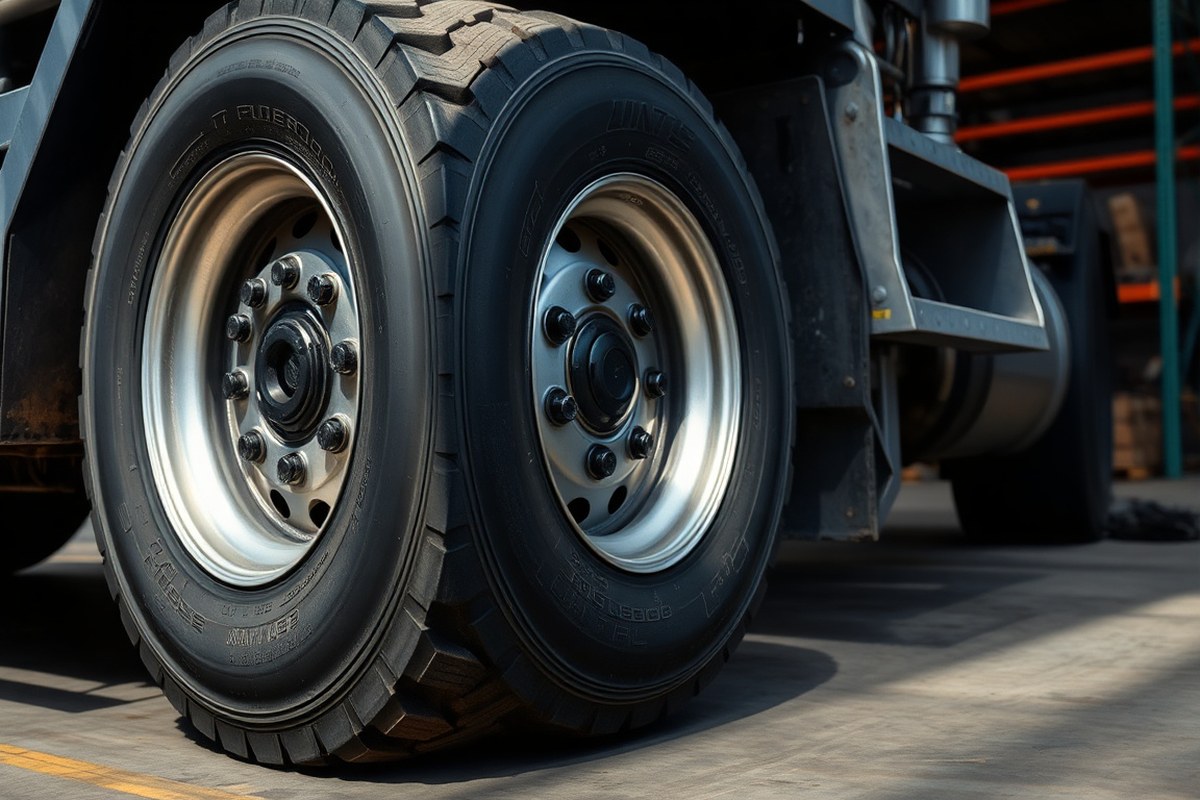
How much does a semi truck tire weigh? Most standard semi truck tires weigh between 100 and 150 pounds when loose.
They are heavier than car or light truck tires because they need to carry much more weight. These tires are built for durability and last longer under tough road conditions and heavy loads.
Heavy-duty versions, like wide-base tires, can weigh even more, sometimes well over 150 pounds. When the tire is mounted on the wheel, the combined weight often exceeds 250 pounds. The exact weight depends on factors like tire size, tread design, and materials used.
Knowing the weight of your semi truck tires helps you plan for safe handling and installation. These tires require proper tools and often need two or more people to lift and mount them safely. Avoid injuries by never underestimating how heavy these tires can be.
Key Takeaways
- Standard semi truck tires usually weigh 100 to 150 pounds as loose tires.
- Wide-base or super single tires weigh more, often approaching double weight.
- Mounted tire and wheel assemblies can weigh over 250 pounds.
- Tire weight varies by size, design, and manufacturer specifics.
- Heavy tires require proper lifting tools and teamwork for safety.
- Knowing tire weight helps you plan fuel efficiency and performance.
How Much Does a Standard Semi Truck Tire Weigh?
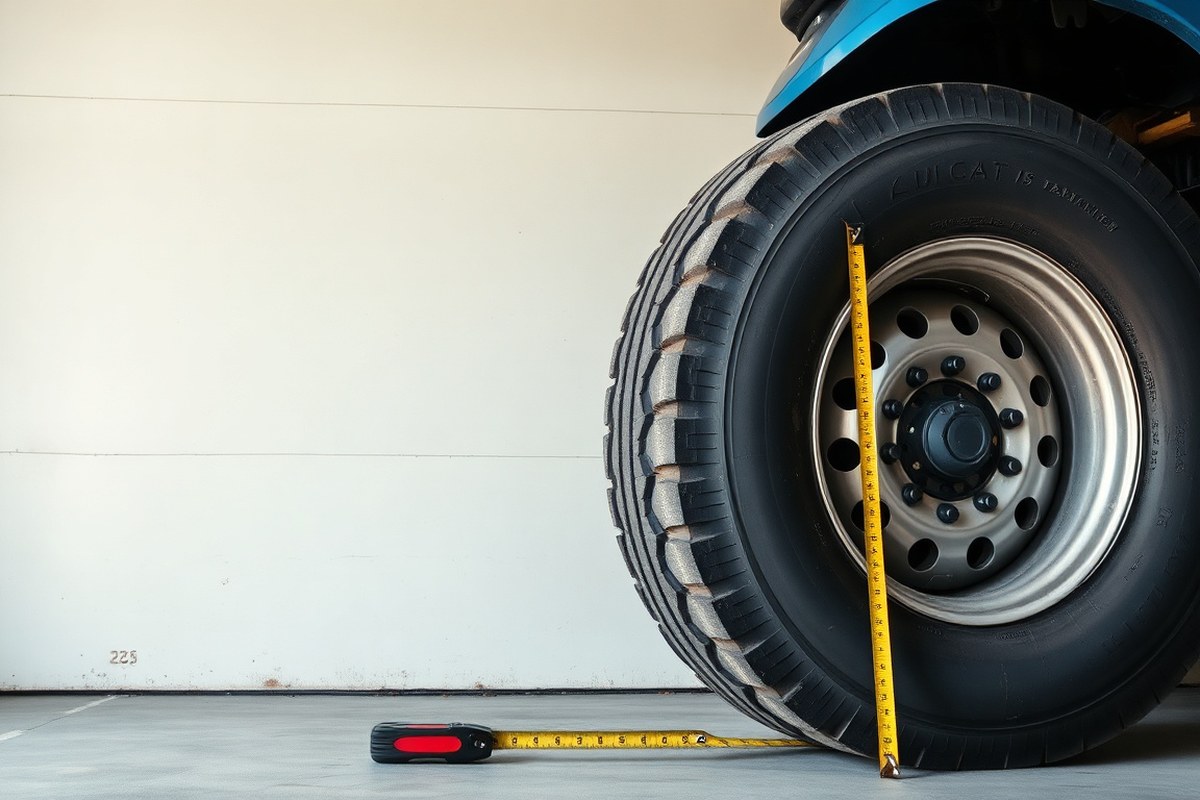
Semi truck tires typically weigh between 100 and 150 pounds when they are loose. Mounted tires have the rim and other parts. They can weigh 150 to 250 pounds or more per assembly.
This includes everything fitted together. The weight depends on tire type and size.
It can be steer, drive, or trailer. Tread design affects the weight too.
Steer tires usually fall on the lighter side, around 105 to 125 pounds each loose. Drive tires weigh between 115 and 145 pounds loose. They are heavier because of their deeper tread.
This makes them weigh more than other types. Trailer tires weigh about 100 to 125 pounds loose.
They are lighter with more fuel-saving designs. This helps reduce overall vehicle weight.
| Tire Type | Common Use | Typical Loose Tire Weight (lb) | Reason for Weight Variation |
|---|---|---|---|
| Steer Tire | Front axle control and even wear | 105 – 125 | Rib tread, casing design, load range, size |
| Drive Tire | Traction on drive axles | 115 – 145 | Deeper tread blocks add rubber and weight |
| Trailer Tire | Long-haul trailer axles | 100 – 125 | Shallower, fuel-efficient tread designs weigh less |
| All-position Tire | Steer, trailer, or mixed fleet use | About 105 | Versatile design for multiple positions |
For example, if you handle a steer tire, expect about 110 to 120 pounds loose. Adding the rim, you might manage 180 to 220 pounds mounted. A drive tire might weigh 130 pounds loose.
With the rim, it can reach 250 pounds or more. This shows how much the rim adds.
Knowing these weights is important. It helps plan safe lifting, proper transport loads, and storage space.
Mounted assemblies handle much heavier loads and require assistance or equipment to move safely. A wrong guess on weight could lead to injury or costly damage during maintenance.
How Tire Size and Load Ratings Affect Weight

Semi truck tire weight changes a lot based on size, ply rating, and width. Larger diameters and wider tires usually weigh more. Tires with higher ply or load ratings add extra layers and materials, increasing weight.
Common Semi Truck Tire Sizes Explained
Most semi tires come in sizes like 11R22.5, 275/80R22.5, and 295/75R22.5. The 11R22.5 is popular for steer axles and weighs around 105 to 125 pounds. Bigger diameters or wider profiles usually add 10 to 30 pounds per tire.
Sizes with a bigger number in width or diameter generally include more rubber and casing. This extra material adds noticeable pounds, sometimes pushing a tire over 140 pounds. Choosing the right size depends on your truck’s axle design and weight needs.
| Tire Size | Typical Weight (lb) | Notes |
|---|---|---|
| 11R22.5 | 105, 125 | Standard steer tire, common diameter |
| 275/80R22.5 | 110, 130 | Somewhat wider, adds weight |
| 295/75R22.5 | 120, 140 | Wider and stronger casing |
| 11R24.5 | 130, 150 | Larger diameter, heavier material |
| Wide-base (Super Single) | 140, 180 | Extra width, tough construction |
Pick the size that suits your load capacity and axle clearance. Bigger tires help with carrying heavier loads but add rolling resistance and weight. Check your manufacturer’s specs to avoid clearance or speed-rating issues.
Load Range and Ply Rating Impact
Tire ply ratings show how many layers reinforce the tire casing. A 14-ply tire weighs less than a 20-ply because of fewer fabric layers. More plies add strength and higher load capacity but increase weight by 15% to 30%.
Load range ratings mark strength and maximum load. Higher load range tires have thicker sidewalls and heavier tread patterns. This builds durability needed for heavier trucks or rough roads.
Always match your tire’s load range to the truck’s maximum weight to avoid tire damage.
Tires with a 14-ply rating commonly weigh around 105 to 120 pounds. A 20-ply tire of the same size can weigh 125 to 150 pounds. This weight gain helps carry heavier cargo but adds more stress on suspension.
Weight Differences of Wide-Base ‘Super Single’ Tires
Wide-base tires replace dual tires with a single wide one. They weigh between 140 to 180 pounds, heavier than regular tires. Their extra width and reinforced casing add more rubber and material volume.
Wide-base tires reduce overall wheel count, helping cut vehicle weight slightly despite heavier individual tires. They improve fuel efficiency but you need proper rims and axle setups.
Replacing duals with wide-base tires requires checking compatibility with your truck’s suspension and brakes.
Wide-base tires handle more weight per tire, allowing fewer tires per axle. This cuts cargo weight per tire while increasing single tire weight. They suit specialized trucking wanting better aerodynamics and lower maintenance.
What Materials and Construction Influence Tire Weight?
Semi truck tires get their weight mainly from the materials used in them. Natural rubber, steel belts, bead bundles, and sidewall compounds all add to the overall mass. Steel belts in particular add significant weight because they provide strength and durability for heavy loads.
The construction type changes the tire’s weight too. Tires with more ply layers or thicker sidewalls weigh more. For example, a 10-ply tire has more reinforcement than a 6-ply tire.
It weighs more but resists damage better. Tires for mud or construction have heavier treads and tougher sidewall compounds to handle harsh conditions.
Heavier tires aren’t always stronger or last longer. Heavy tires can lower fuel efficiency. They can also reduce your legal cargo limit.
Balance weight and durability by choosing quality rubber and steel belts. Avoid extra bulk you don’t need. Sidewall thickness and reinforcement strategies vary by brand, affecting weight and toughness.
Choose tires based on how you usually use your truck. This gives you longer life without added weight.
New Tires vs Retreaded Tires: Weight Differences
Retreaded semi truck tires usually weigh close to new tires, but weight can vary. The retread process adds new tread to an existing casing, affecting weight depending on tread thickness. Multiple retreads can change a tire’s weight and handling, so check each tire specifically.
Average New Tire Weights
New semi truck tires generally weigh between 100 and 250 pounds. The weight depends on tire size, materials, and tread design. Road-focused tires tend to weigh less than heavy-duty or off-road types.
Most highway tires weigh about 105 to 110 pounds, which balances durability and fuel efficiency. Larger tires for heavier loads or rough surfaces can weigh substantially more, sometimes near 900 pounds.
| Tire Type | Weight Range (pounds) |
|---|---|
| Standard highway tire | 100 – 110 |
| Heavy-duty tire | 150 – 250 |
| Extra-large tire (off-road or special use) | Up to 900 |
Knowing new tire weights helps you estimate fuel consumption and handling changes before installing them. Heavier tires use more fuel but may offer better traction or durability.
Typical Retreaded Tire Weights
Retreaded tires weigh about the same as the original new tires. The weight varies by casing and tread added. This depends on the type of materials used.
Some retreads can be slightly lighter if the original tread was worn away. Others may be heavier if thicker tread is applied.
Retreads maintain weight specs close to the original tire to keep handling predictable. However, differences in tread thickness and material affect weight. So you should always weigh the tire assembly.
| Tire Category | Weight Description |
|---|---|
| Retread with light tread | Close to or slightly less than new tire |
| Retread with thick/deep tread | Equal to or slightly heavier than new tire |
| Retread weight depends on casing condition | Older casings may be lighter or heavier depending on wear |
Always check a retread’s weight before buying it. Weight can affect fuel use or how the truck drives.
Knowing this helps you prepare for changes. It’s a good practice to ask your tire supplier for weight info on retreaded tires.
Weight Impact by Retread Cycles
Multiple retread cycles can slightly change a tire’s weight. Each retread adds tread material on top of the existing casing and previous tread layers. That buildup increases weight over time.
Retreading a tire several times adds 10 to 20 pounds or more. The exact increase depends on tread depth and material. Some retreads weigh noticeably more.
Excess weight can alter handling and fuel efficiency. So weigh tires that have been retreaded several times.
| Number of Retreads | Estimated Weight Change |
|---|---|
| First retread | Minimal change, near original weight |
| Second retread | +5 to 10 pounds over original |
| Third or more retreads | +10 to 20 pounds or more |
You can weigh your tires using a commercial tire scale. A vehicle scale that accepts tires also works well. Both give you a good weight reading.
Comparing weights before and after retreading helps track changes. Avoid mixing tires with very different weights to keep vehicle handling safe and consistent.
How Mounted Tire Assemblies Differ in Weight
A mounted semi truck tire assembly weighs more than just the tire alone. Adding the rim, valve stem, and balancing weights adds 60 to 100 pounds.
This raises the total weight significantly. For instance, a loose tire weighing 120 pounds paired with a 22.5-inch steel rim adding about 50 pounds brings the assembly close to 170 pounds.
Wheel rim material also affects assembly weight. Steel rims often weigh between 45 and 60 pounds. Aluminum rims weigh 25 to 35 pounds.
Aluminum rims lower the total weight. They cost more upfront. They may be less durable under tough conditions.
To find the mounted assembly weight, add tire and rim weights. Then add 2 to 3 pounds for valve stems and balancing. A 130-pound tire plus a 50-pound steel rim equals 180 pounds.
Add 3 pounds for valve stems and balancing. That totals 183 pounds. This helps plan for handling, shipping, or axle load limits.
- Loose tire: around 120, 140 pounds depending on size and brand
- Steel rim weight: 45, 60 pounds for a typical 22.5-inch size
- Aluminum rim weight: 25, 35 pounds but pricier
- Valve stems and balancing: add 2 to 3 pounds extra
- Total mounted assembly weight: generally 60 to 100 pounds heavier than loose tire
- Use manufacturer specs or suppliers’ data for accurate weights before buying
- Remember heavier assemblies affect fuel economy and handling
Mounted assemblies affect handling by raising unsprung weight on axles. Heavier assemblies can reduce ride comfort and increase tire wear. Lighter rims improve acceleration and braking response but might trade off strength.
Get the exact rim weight from your supplier. Add tire weight and 3 pounds. This gives you the full mounted assembly weight.
Accurate Methods to Weigh Semi Truck Tires Safely
Use the right tools and clear steps to weigh semi truck tires safely. Prepare the tire well to get accurate numbers without putting yourself at risk. Avoid common mistakes like lifting incorrectly or using wrong scales.
Tools Needed for Tire Weighing
Choosing proper tools makes weighing large truck tires easier and safer. Digital truck scales provide quick, accurate results for tires on or off the vehicle. Portable scales, floor jacks, and load cells suit different shop and roadside needs.
Basic tools include:
- Digital truck scale or weighbridge
- Portable floor jack for lifting tires
- Load cells or axle scales for in-motion weighing
- Personal protective equipment (gloves, steel-toe boots)
High-quality digital scales cost from $1,000 to $5,000 depending on capacity and features. These scales often show weight within a couple of pounds, enough for tire-weight checks.
Preparing the Tire for Weighing
Cleaning and inspecting the tire removes dirt or debris that adds weight. Remove the valve core to let air out, and check tire pressure. Fully deflated tires weigh less and give consistent results.
Follow these steps to prepare the tire:
- Place the tire on a flat, stable surface in a safe area.
- Clean off mud, rocks, or metal pieces stuck in the tread.
- Check the tire’s air pressure with a gauge; fully deflate it.
- Ensure you wear gloves and steel-toe boots to handle the tire safely.
- Use a floor jack to lift large tires if needed for scale placement.
Proper prep helps avoid inaccurate weight readings from added dirt or uneven surfaces.
Common Weighing Errors to Avoid
Avoid lifting a tire without help or proper equipment to cut injury risk. Don’t place the tire on uneven or sloped surfaces when weighing it. That causes unstable scale readings and can lead the tire to fall.
Common mistakes include:
- Ignoring safety gear and risking hand or foot injuries
- Weighing a dirty, wet, or inflated tire without prep
- Using scales not rated for heavy truck tires or uneven loads
- Failing to calibrate scales before weighing or ignoring the scale’s environment (wind, vibration)
Take time to position the tire safely and use the right tools accurately for best results.
How Tire Weight Impacts Fuel Efficiency and Performance
Heavier tires increase the overall weight your semi truck carries. Extra weight makes the engine work harder, which uses more fuel. Adding 100 pounds to your truck can cut fuel efficiency by 1%.
That means extra weight uses more gas on the road. Industry data backs this number.
The extra mass also affects acceleration and braking. Heavier tires mean slower acceleration because the engine needs more power to move the added load. Braking distances can increase too, which matters when hauling heavy loads on highways.
Traction generally improves with tire weight because heavier tires press down harder on the road. This boost helps prevent skidding, especially in wet or slippery conditions. However, higher weight can reduce ride quality, causing a firmer, less comfortable feel on rough roads.
Lighter tires often use materials designed for low rolling resistance. They help you save fuel but may wear faster or offer less durability under heavy loads. Heavier, more durable tires often cost more upfront but last longer and handle tough conditions better.
Choosing the right tire depends on your priorities: fuel savings or durability. For long-haul trucks covering many miles, lighter tires can cut fuel costs. But if you haul heavy goods on rough routes, heavier tires might be worth the trade-off.
Regularly checking tire pressure and alignment helps maximize fuel efficiency regardless of weight. Properly inflated tires reduce rolling resistance and wear, saving money over time. Maintenance is key to balancing tire weight effects and overall truck performance.
Safety Tips for Handling and Lifting Heavy Truck Tires
Lifting and moving semi truck tires needs care and the right gear. These tires often weigh over 100 pounds, which can strain your back or cause injury. Using gloves and steel-toed boots reduces the risk of pinched fingers and crushed feet.
Bend your knees, not your back, when you lift a heavy tire. Hold the tire close to your body and lift steadily. Avoid twisting while lifting; turn your whole body instead to prevent back pain.
For tires over 150 pounds, use mechanical help like a tire dolly or hoist. This gear protects you and saves effort. If you’re unsure or handling bulky tires, ask a professional mechanic or tire technician to assist.
- Wear gloves with a good grip to avoid slips
- Use steel-toed boots to guard against foot injuries
- Bend knees, keep back straight when lifting
- Hold heavy tires close to your torso
- Use equipment like dollies for very heavy tires
- Store tires upright to avoid deformation
- Ask for professional help with bulky or mounted tires
Stack tires carefully to avoid tipping or crushing injuries. Store them on flat surfaces away from direct sunlight to prevent dry rot and cracking. Always check tire weight ratings and limits on handling gear.
Never lift a mounted tire alone if it feels too heavy. Use a hoist or get help immediately.
Factors Causing Tire Weight Variations to Know Before Buying
Two tires of the same size can differ quite a bit in weight. Brand and model choices influence what materials and construction go into a tire.
Some makers use heavier steel belts or stronger rubber. These changes add several pounds even for the same sizes.
Ply rating also plays a big role in weight differences. Tires with higher ply ratings have thicker carcasses and more layers inside.
That extra material supports tough loads but adds 10 to 20 pounds compared to lower-rated tires. So, a 275/80R22.5 tire rated 16 ply will weigh more than a 10-ply one.
Performance ties closely to these factors. Tires designed for long hauls or heavy regional work often have more strong construction.
This durability raises their cost too, which explains why some tires are pricier. A set costing $3,500 usually weighs more than a $2,500 set, given the better materials.
When deciding which tire to buy, check the exact specs from your supplier. First, confirm the size fits your truck’s needs. Then, compare the ply rating and brand reputation on weight charts or sidewall codes.
Fuel economy matters. Lighter options can help but may reduce durability.
For local deliveries, a lighter tire may work fine. It might have a lower ply rating and cost less. On the highway, heavier tires resist heat and damage better but weigh more.
Look closely at your routes and loads. Choose the best weight and strength balance for your fleet.
Step-by-Step Action Plan for Managing Semi Truck Tire Weight
Use this plan to handle semi truck tires safely while keeping your fleet efficient. Follow each step to stay on top of tire weight issues.
- Before you buy: Check the tire size and load rating to estimate weight. Confirm specs with your supplier to avoid surprises.
- Day 1: Weigh new or retreaded tires on a certified scale. Record the weight for future reference and maintenance planning.
- Within the first week: Train your crew on safe lifting methods using proper gear. Make sure everyone can lift without strain or risk.
- After 2 weeks: Monitor fuel efficiency changes after tire swaps. Lower weight tires may improve mileage; log any differences clearly.
- Ongoing monthly checks: Inspect tires for uneven wear or weight shifts in mounted assemblies. Adjust as needed to prevent damage or efficiency loss.
- Quarterly: Review tire weight data against load demands. Adjust your tire choices to match actual usage and prevent overloading.
- Before any long haul: Double-check tire weights and load balance. Proper balance helps with safe handling and reduces tire stress.
- After six months: Reassess retread quality and weight changes. Replace or rework tires that gained excessive weight or wear signs.
Frequently Asked Questions
What Is the Average Weight of a Loose Semi Truck Tire?
A loose semi truck tire typically weighs between 100 and 150 pounds. Weight depends on tire size and type, so check specs before buying.
Can Tire Weight Affect the Truck’s Handling or Braking?
Heavier tires can change handling and braking by adding unsprung weight. This may reduce responsiveness and braking efficiency slightly.
Do Wide-Base Tires Weigh Significantly More Than Standard Tires?
Yes, wide-base tires often weigh more due to bigger size and construction. Expect some increase in total weight and load capacity.
How Much Does a Mounted Tire and Wheel Assembly Weigh?
Mounted assemblies can weigh up to 250 pounds or more, much heavier than the tire alone. Handling needs care and proper equipment.
Is Retreading a Tire Going to Significantly Change Its Weight?
Retreaded tires usually weigh about the same as new ones. The extra rubber adds little weight, so don’t expect big differences.
Wrapping Up
Semi truck tires typically weigh between 70 and 120 pounds each depending on size and type. Keeping track of this helps you make safe and cost-effective decisions. Weigh your tires regularly to catch changes early and protect your truck and drivers.