Is 76 Gas Station Good? A Complete Guide to Quality, Savings, and Benefits
Is 76 gas station good? Yes, 76 offers quality fuel that meets high standards.
Their gasoline contains more detergent additives than required by top carmakers. This helps keep your engine cleaner and running better.
They also add performance enhancers that support smooth engine function and reduce deposits. This is important for extending engine life and preventing costly repairs. The company regularly updates its fuel formulas to meet changing vehicle needs.
76 takes care to maintain fuel quality from refining to pump. But you should pick a station with well-kept pumps and tanks. Poor maintenance can affect fuel even if the brand is reliable.
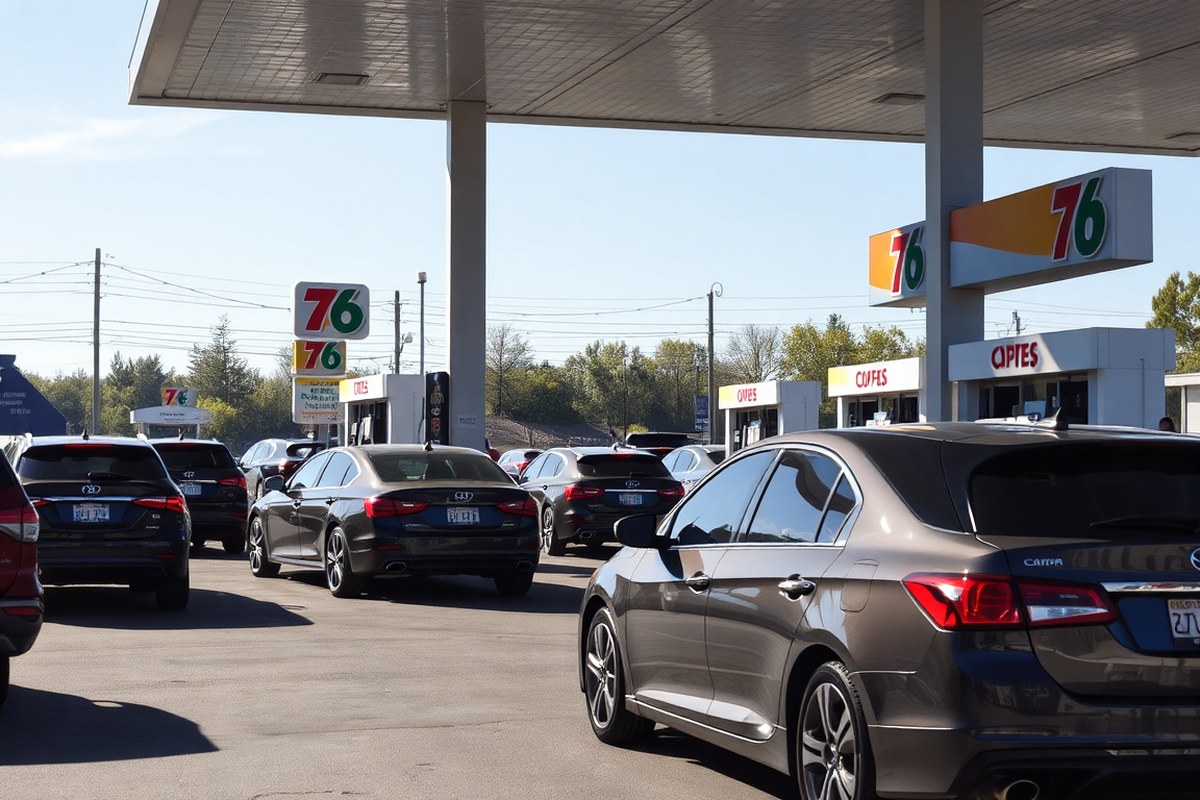
Customers often find 76 gas stations affordable and easy to find along major roads. However, availability may vary by area. If you pass a 76 station, it’s usually worth filling up there.
Key Takeaways
- 76 gas contains about 30% more detergent additives than Top Tier standards.
- Choose 76 stations with clean pumps and well-maintained storage tanks.
- Fuel quality depends on both the brand and how the station is managed.
- 76 gas is often cheaper than other brands but maintains strong quality.
- You may find 76 gas easily on highways or busy city areas.
- Check open hours as some stations may close earlier than listed.
Is 76 Gas Station Good Quality Fuel?
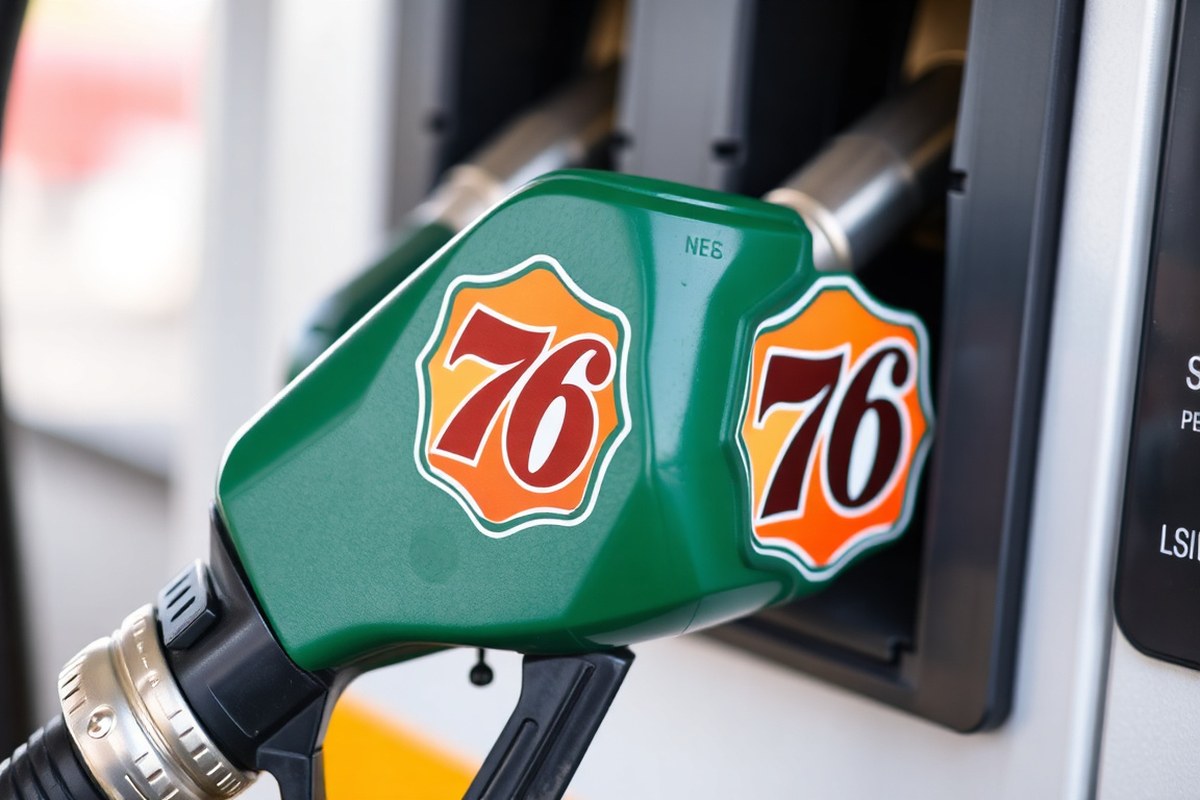
76 gas is considered a top-quality fuel that meets strict industry standards. It complies with both Environmental Protection Agency regulations and Top Tier Detergent Gasoline requirements. This means its formulation supports good engine performance and cleaner operation.
The fuel at 76 stations has extra additives. They go 30% above the minimum detergent levels. This helps keep your engine cleaner.
These additives help keep engine parts cleaner, which reduces buildup and improves fuel efficiency. Many drivers trust 76 gas for this dependable quality and consistent results.
76 runs regular tests on their fuel. They check freshness and look for contamination. This keeps fuel quality high.
Fuel quality depends on pump and tank care. Some locations do better maintenance than others.
That can cause variation in fuel quality. Choosing a clean, well-kept 76 station makes a big difference.
Using 76 gas can contribute to smoother engine operation and fewer maintenance issues over time. 76’s fuel is a solid option for daily driving. It meets top standards for purity and additives.
This helps your car run smoothly. Drivers who want reliable fuel find 76 a solid option within the gas station market.
What Octane Ratings and Fuel Types Does 76 Offer?
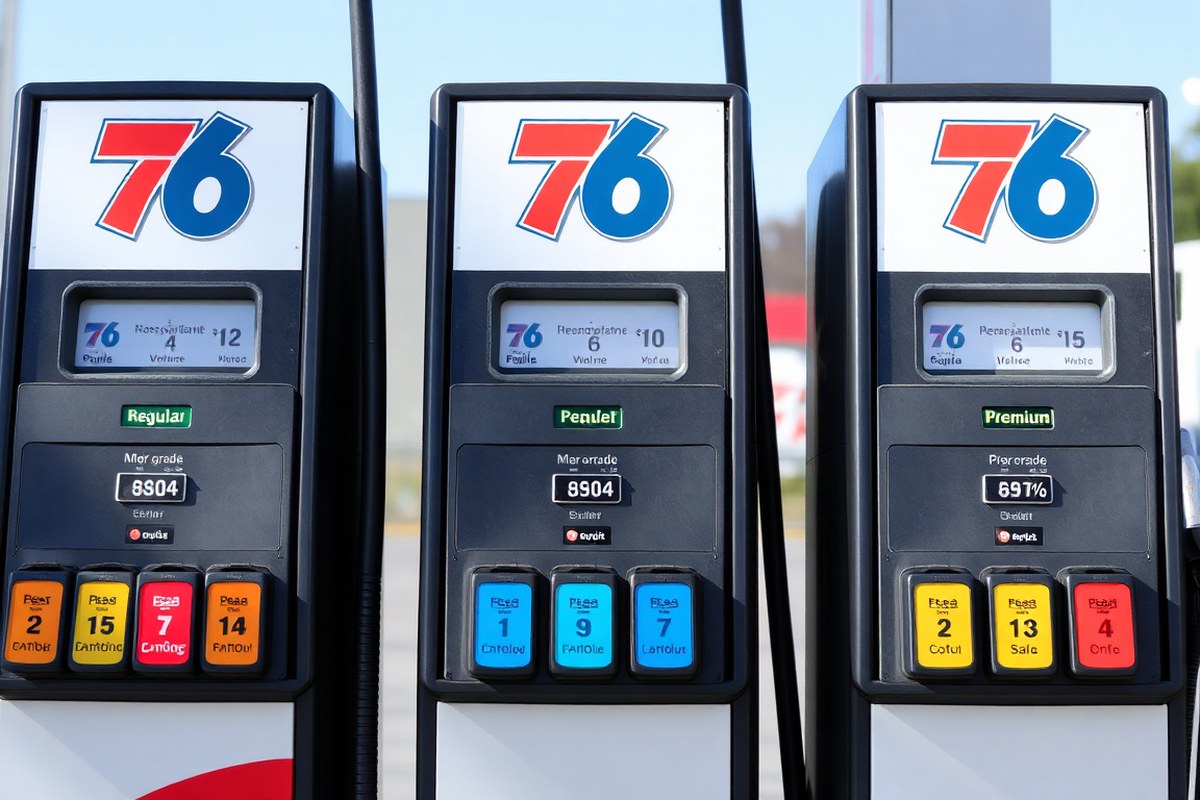
76 gas stations offer several octane levels to fit most vehicles. You can usually find 87 octane regular fuel. Mid-grade fuel has 89 octane.
Premium fuel ranges from 91 to 93 octane. Some stations even stock 100 octane racing fuel for high-performance engines.
| Octane Type | Typical AKI | Engine Requirement |
|---|---|---|
| Regular | 87 | Most standard vehicles |
| Mid-Grade | 89 | Some SUVs, trucks, or older performance cars |
| Premium | 91-93 | High-performance, turbocharged, or supercharged engines |
| Racing | 100 | Racecars and specialized engines (available in some stations) |
Match your vehicle’s recommended octane with what 76 offers. Picking the right fuel avoids engine knocking and protects your motor.
Regular Gasoline (87 AKI)
Regular unleaded gasoline with 87 octane is the most common fuel at 76 gas stations. It suits most everyday vehicles, like sedans, minivans, and light trucks. This fuel provides balanced performance and good fuel economy for standard engines.
Check your owner’s manual to confirm if 87 octane is right for your car. Using 87 octane in engines made for higher octane might cause knocking or reduced efficiency.
Mid-Grade Gasoline (89 AKI)
Mid-grade fuel with 89 octane is less common but available at many 76 stations. This grade suits some SUVs, trucks, and older vehicles that need a bit more knock resistance. It can provide better performance in engines that don’t require premium but struggle with regular gas.
Mid-grade typically costs a few cents more than regular but less than premium. Use this option if your vehicle shows signs of engine pinging on 87 octane.
Premium Gasoline (91-93 AKI)
Premium gas at 76 comes with 91 to 93 octane, designed for high-performance and luxury vehicles. Engines with turbochargers, superchargers, or sophisticated timing require this fuel to run smoothly and avoid damage. It can also help maintain peak engine power and efficiency.
Don’t use premium fuel unless your car needs it. It costs more and won’t improve performance in most regular engines. Racing fuel with 100 octane is available at select 76 stations for specialized use.
Always follow your vehicle manufacturer’s fuel recommendations to avoid engine problems or wasted money.
How Do 76 Gasoline Detergent Additives Work to Protect Engines?
Yes, 76 gasoline contains detergent additives designed to keep your engine clean. These detergents reduce deposit buildup inside your engine, helping it run smoother over time. 76 gas offers higher detergent levels than both EPA minimums and Top Tier standards.
Detergent Additives: What They Do
Detergent additives scrub away deposits that form on fuel injectors, intake valves, and combustion chambers. These deposits can reduce engine efficiency and cause rough idling or power loss. The detergents help dissolve and prevent these harmful buildups, keeping your fuel system cleaner.
This cleaning action improves fuel flow and combustion, which leads to better engine performance. Without detergents, carbon and varnish deposits build up faster, harming engine life and fuel economy. 76’s detergents work continuously while you drive, protecting key engine parts.
How 76’s Detergents Compare to EPA and Top Tier Standards
The EPA sets a minimum detergent level to control emissions and engine deposits. 76 gasoline contains about three times the EPA’s minimum amount, ensuring stronger cleaning power. It exceeds Top Tier gasoline detergent standards by about 30%.
Most major car makers recommend such high-quality fuel. This makes it a good choice for your engine.
Top Tier fuels have higher detergent standards because regular gas often leaves harmful deposits behind. Using 76 gas gives you cleaner engine operation than standard fuels. Standard fuels only meet EPA rules, nothing more.
This cleaner operation helps your engine run better. This helps keep your engine running better for longer periods without costly repairs.
Why Engine Cleanliness Matters for Your Car
Deposits in your engine restrict fuel delivery and cause uneven combustion. This leads to lower fuel efficiency, higher emissions, and reduced horsepower. Detergents in 76 gas reduce these problems by keeping the fuel system clean and running smoothly.
Cleaner engines also experience fewer misfires and less knocking, which can damage engine parts. Regular use of high-detergent fuel like 76 helps prevent buildup that can lead to costly maintenance. It supports consistent engine performance and can extend your vehicle’s lifespan.
How Using 76 Affects Your Driving Experience
Using 76 gasoline with detergent additives can improve your vehicle’s fuel economy and reduce exhaust emissions. Cleaner fuel injectors mean better fuel spray and combustion, which positively impacts power output. Many drivers notice smoother idling and more responsive acceleration over time.
This fuel is great for cars with direct-injection engines. These engines often suffer from intake valve deposits. Using 76 gas helps reduce those deposits significantly.
The detergents keep these engines cleaner, preventing buildup that lowers performance. Choosing 76 regularly means you support the health of your engine without extra effort or cost.
What Happens Without Adequate Detergent Levels
Fuels with lower detergent levels let deposits build on your engine’s intake valves and injectors. These deposits can cause rough idling, reduced power, and poor fuel efficiency. Carbon buildup can eventually trigger check engine lights or require expensive cleaning procedures.
Engines running on low-detergent fuels typically produce more emissions due to incomplete combustion. Using 76 gas protects your engine from these issues by meeting higher detergent requirements. This ongoing cleanliness has long-term benefits for your car’s performance and emissions control.
Who Owns 76 Gas Stations and Are They Related to Shell?
76 gas stations are not owned by Shell. The 76 brand is owned by Phillips 66. Phillips 66 spun off from ConocoPhillips in 2012.
76 operates separately from Shell. Shell is a different energy company. Shell owns its own gas stations.
Phillips 66 manages 76 stations across the US, following strict quality controls. This helps keep fuel reliable and consistent, from refining to the pump. The brand’s nearly 100-year history shows it can maintain quality through ownership changes.
In 2016, Motiva Enterprises got a deal to use the 76 brand. Motiva is owned by Saudi Aramco. They operate in the eastern and Gulf Coast states.
This expands 76’s reach without changing the brand’s core quality. Even if the station’s owner changes, the 76 name stays the same. It still follows Phillips 66 standards.
Understanding ownership helps explain fuel quality differences. Phillips 66’s control means 76 gas often meets consistent performance standards.
Shell fuels come from another refining system. They use different additive packages than 76.
When you buy gas at 76, the fuel comes from Phillips 66. Or from partners licensed to use the brand.
This matters for cars needing specific fuel standards. The relationship ensures you aren’t getting lower-quality or off-brand gas disguised under 76’s name.
How Does 76 Gas Compare to Chevron, Shell, and Other Brands?
76 gas is quite competitive with Chevron and Shell, especially in fuel quality. All three brands offer top-tier gasoline that meets or exceeds EPA standards. The real difference lies in the additive packages, which help clean and protect your engine.
76 uses a balanced fuel formula. It supports engine health. It doesn’t add much extra cost.
Prices at 76 stations often run slightly lower than Chevron or Shell. But this varies by location. Some drivers save 10 to 30 cents per gallon at 76.
This is compared to bigger brands. It can add up over time. Poorly maintained or hard-to-reach stations might ruin your savings.
The trouble may not be worth the lower price. Consider convenience too. Easy pumps and clean stations make paying more at Chevron or Shell worthwhile.
Convenience often beats lower cost. Clean facilities matter.
Here’s a simple comparison table that breaks down key features of 76 against Chevron and Shell:
| Feature | 76 Gas | Chevron | Shell |
|---|---|---|---|
| Fuel Quality | Top-tier, EPA certified | Top-tier, EPA certified | Top-tier, EPA certified |
| Additive Package | Balanced engine cleaning | Advanced detergent formula | Improve cleaning and performance |
| Price Range (per gallon) | $3.50 – $3.85 | $3.70 – $4.00 | $3.75 – $4.05 |
| Station Maintenance | Generally good | Well maintained | Well maintained |
| Customer Convenience | Varies by location | Usually high | Usually high |
76 gas can be a great option if you want quality fuel at a lower price. The additive package supports engine health, like the bigger brands. Some drivers think 76’s savings beat Shell or Chevron’s better additives.
They put price first. The additives might not be worth extra cost. Drivers who want convenience and more station amenities often pick big chains.
These stations are more established. They offer a smoother experience.
Check local prices and station quality before filling up to get the best value.
Why Is 76 Gas Often Cheaper and Does That Affect Quality?
76 gas often costs less because of its pricing strategy and location choices. These stations usually operate in areas with high competition, which pushes prices down. They also benefit from high fuel turnover, which keeps supply fresh and reduces storage costs.
The brand’s strategy focuses on volume sales rather than high per-gallon profits. Having many stations in busy spots means they sell more gas daily. This helps 76 afford to set lower prices while maintaining steady earnings.
Lower prices at 76 do not mean fuel quality suffers. The gas meets industry standards and includes additives that help protect engines. Drivers can expect similar performance and cleanliness compared to more expensive brands.
Loyalty programs also make prices at 76 seem cheaper. These programs let you earn points or discounts on each purchase. Combining these rewards with promotions often leads to bigger savings every time you fill up.
Using 76’s rewards is simple. Sign up online or on their app. Then, pay with your linked card or phone number.
Discounts usually appear right at checkout. This setup effectively lowers the price without any extra effort on your part.
Factors influencing 76’s price include location, competition, and their loyalty program benefits. Some stations may be cheaper because they operate in areas with many nearby gas options. Reward programs encourage repeat customers, which helps balance pricing differences.
Even if you drive a high-performance or hybrid vehicle, 76 gas supports your engine well. Their formulation helps improve performance and improves fuel economy. So, paying a bit less doesn’t mean you’re risking your engine’s health or efficiency.
What Do Customer Reviews Reveal About 76 Gas Station Experiences?
Drivers who use 76 gas often praise the fuel for improving engine performance. Many mention it feels smoother, and their cars run cleaner after several fill-ups.
Some say it helps with fuel economy. But results can vary by vehicle and driving habits.
On the downside, a few customers report issues with station maintenance. Complaints include dusty pumps, sticky buttons, or dirty restrooms.
These issues differ by location. So checking recent reviews for your local station helps avoid trouble.
Users also notice engine-related differences when switching brands. Many report fewer engine knocks or hesitation after using 76 gas consistently. This may link to its detergent additives that clean fuel systems with each tank of gas.
- Many praise engine smoothness and improved mileage after using 76 fuel.
- Some customers notice rough stations or slow restroom cleaning schedules.
- Occasional pump malfunctions or card reader errors may happen.
- Some drivers feel their vehicles run quieter and start easier.
- Local station reviews can show if maintenance standards meet your needs.
- Comparisons with other brands often highlight 76’s value for price.
To interpret reviews well, focus on recent, local feedback for the station you visit. Fuel quality generally depends on proper storage and turnover, which differs by site. Also, your engine’s condition affects how much you’ll notice fuel differences over a few fills.
Many users recommend listening to your engine after refilling. You can tell the fuel suits your car by less knocking or smoother acceleration. Check the owner’s manual to confirm the right octane for your engine design.
How to Find a 76 Gas Station Near You and Use Rewards for Savings
Finding a 76 gas station near you is easy with the 76 mobile app. Using the app and rewards programs helps you save money on every fill-up. You just need to download, sign up, and use your rewards properly.
Using the Official 76 Mobile App
The 76 mobile app helps you locate stations quickly. It shows nearby gas stations and available services. You can also check fuel prices and accept payments directly through the app.
Downloading and setting up the app takes a few minutes. It works on both Android and iPhone devices, so most users can access it. The app also lets you track fuel purchases and rewards history.
- Download the 76 Gas app from Google Play or the Apple App Store.
- Open the app and create an account using your email.
- Allow location permissions so the app can find nearby stations.
- View a list or map of 76 gas stations around you.
- Check current fuel prices and promotions at each station.
- Use the app to pay securely at the pump or inside the store.
Turn on app notifications to catch special discounts and fuel deals.
Signing Up for KickBack® Rewards
KickBack® Rewards helps you earn points on every gas purchase. You can redeem these points for discounts or store items. Signing up is free and easy through the app or website.
The program tracks every dollar you spend on fuel. Points accumulate, letting you save money on future visits. Rewards can also apply to snacks, car washes, and convenience items.
- Open the 76 Gas app or visit their website to join KickBack® Rewards.
- Fill in your contact details and create a profile.
- Link your payment method to start earning points automatically.
- Use your linked account when you pay at 76 gas stations.
- Check your points balance regularly to plan redemptions.
Tips for Combining Discounts and Offers
Keep an eye out for fuel discounts through the app and KickBack® Rewards. Some 76 stations offer special deals when you combine both offers. Also, look for credit card rewards that apply to gas purchases.
You can stack discounts wisely by using promo codes or regional offers. Always scan your KickBack® account before paying and check the app for current specials. Planning purchases around these savings helps you reduce costs.
- Check the 76 app daily for fuel price drops or coupons.
- Use KickBack® Rewards points to get a discount on your fill-up.
- Apply any available manufacturer or store coupons at checkout.
- Use a credit card that offers cash back on gas purchases.
- Fill your tank when multiple discounts are active for best savings.
Don’t forget to scan or enter your rewards info every time you fuel up.
What Practical Tips Ensure the Best Experience at 76 Gas Stations?
Look closely at the pumps when choosing a 76 station. Clean nozzles and clear digital displays point to regular upkeep. Check for fresh paint, no cracks, and absence of spills around the area.
Inside the station, find well-organized areas and clean restrooms. These details say a lot about how seriously the place cares for its equipment. Poor maintenance can mean inaccurate fuel amounts or dirty fuel, which harms your engine.
- Inspect pump cleanliness and hose condition before fueling
- Choose the correct octane rating for your vehicle type
- Fill up when the tank is cooler, typically early morning or late evening
- Use fuel taps briskly to avoid air mixing in your tank
- Check car owner’s manual for fuel recommendations
- During winter, consider fuels with additives to prevent fuel line freezing
- Keep your vehicle’s fuel system clean by filling up regularly to avoid sediment buildup
Use 76’s fuels as the manufacturer recommends. Picking the right octane rating prevents knocking and improves fuel efficiency. For older vehicles or high-performance cars, the premium option often fits better.
Timing also matters. Fuel your car during cooler hours of the day to prevent evaporation losses.
In cold climates, look for winter blend fuels. They help stop freezing and keep your engine running smoothly.
Step-by-Step Action Plan for Using 76 Gas Stations
Use these steps to get the best fuel experience at 76 gas stations right now. These tips will help your car run smoothly and save you money.
- Before Your Next Fill-Up: Check your vehicle’s recommended octane rating. Use 76’s fuel type that matches it to avoid engine knocking.
- Day of Fueling: Pick a 76 station with fresh fuel and clean pumps. This helps avoid dirt and water in your tank.
- Right After Fueling: Use 76’s loyalty or rewards program if available. It can give you discounts on future fuel purchases.
- Week 1: Pay attention to engine performance after using 76 fuel. Note smoother starts or better mileage to see any benefits.
- After One Month: Compare fuel expenses and performance against your past fill-ups. This shows if 76 fuel met your expectations cost-wise.
- Every Few Tanks: Clean your fuel system with recommended additives if needed. This works with 76’s detergents to keep your engine clean.
- Ongoing: Keep track of 76 station locations using their app or website. It ensures you always find a nearby station you trust.
Frequently Asked Questions
Is 76 Considered a Top Tier Gas Station?
Yes, 76 gas is Top Tier certified, meaning it exceeds detergent standards. This helps keep your engine cleaner and may improve fuel economy.
How Is 76 Gas so Cheap?
76 gas is often cheaper due to lower marketing and distribution costs. Choosing 76 doesn’t mean lower quality, as it still meets strict fuel standards.
Who Has Better Gas, 76 or Chevron?
Both 76 and Chevron offer Top Tier fuel with strong detergent additives. 76 actually exceeds the required detergent standards by about 30% more than the minimum.
Are Shell and 76 Gas the Same?
No, Shell and 76 are separate brands with different fuel formulas and suppliers. Shell stations often offer Shell’s proprietary additives. 76 has its own Top Tier blend.
Can Using 76 Gas Harm My Engine Compared to Other Brands?
No, 76 Top Tier gas won’t harm your engine. Just keep up regular maintenance.
Regular oil changes and tune-ups will help your engine run well. Its detergent additives help protect your engine just like other reputable brands.
Before You Go
76 gas stations offer good fuel quality with competitive pricing. Using their fuel as part of your regular routine is a solid choice. Check your vehicle’s needs first.
Find a nearby 76 station. See if it suits your driving style.