Is Steel a Pure Substance? A Clear Explanation with Comparisons
Is steel a pure substance? No, it isn’t. Steel is an alloy mainly made of iron mixed with carbon and other elements.
Pure substances have a fixed composition and uniform properties throughout. Steel’s composition varies because its carbon content ranges from about 0.02% to 2.14% by weight, depending on the type of steel.
This variation means steel does not meet the strict definition of a pure substance. Instead, steel’s changing makeup makes it a mixture of metals combined to get specific qualities like strength and flexibility.
Knowing this helps you understand why steel behaves differently than pure metals like iron or gold. The varying carbon and alloying elements affect steel’s hardness, corrosion resistance, and other properties in practical uses.
Key Takeaways
- A pure substance has one type of particle with a fixed composition.
- Steel contains iron plus varying amounts of carbon and metals like chromium.
- The carbon percentage in steel usually ranges from 0.02% to 2.14% by weight.
- Because of its mixed makeup, steel is classified as an alloy, not a pure substance.
- Steel’s properties change depending on carbon and other element levels.
- Pure metals like gold have a uniform atomic structure, unlike steel’s mixture.
Is Steel a Pure Substance or a Mixture?
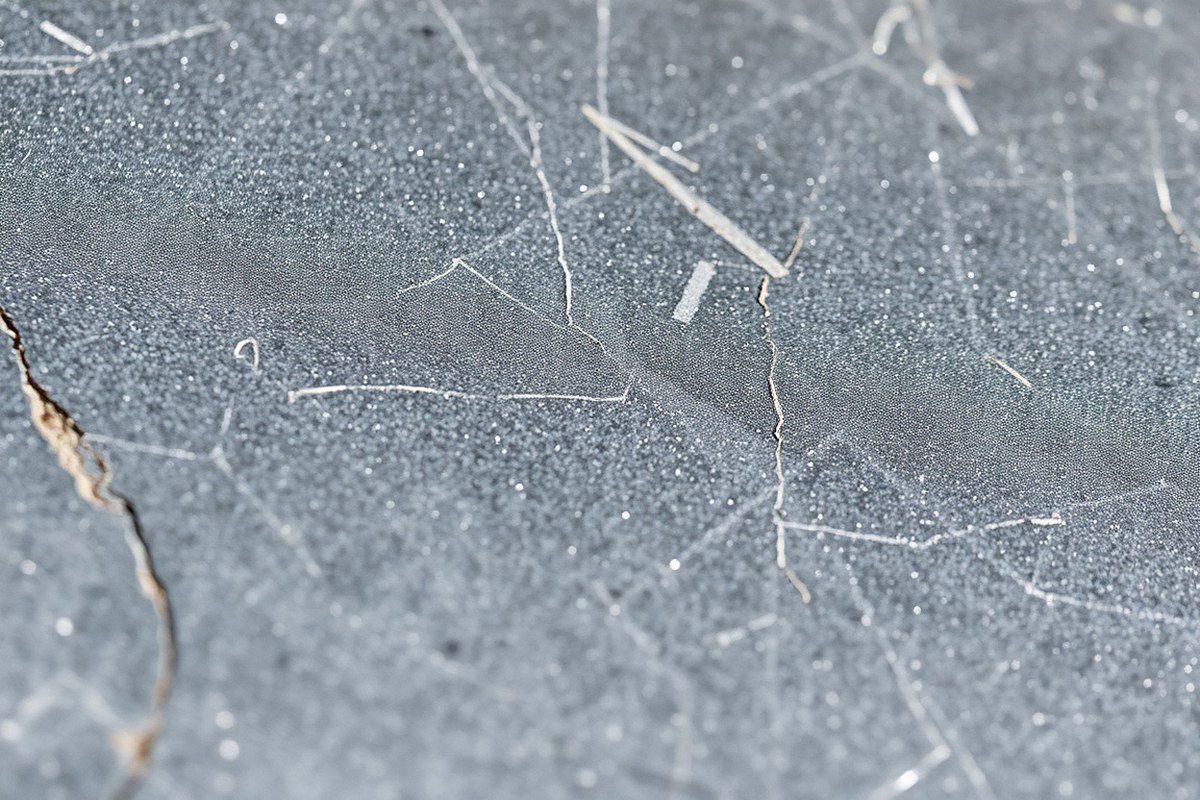
Steel is not a pure substance; it is a mixture. Primarily, steel contains iron mixed with carbon and other elements. These elements combine in varying amounts depending on the type of steel.
A pure substance has a fixed composition and specific properties. For example, pure iron always has the same atomic structure and chemical makeup. Steel, however, changes its composition as manufacturers adjust carbon and alloying elements to suit different needs.
Because steel’s components vary, it does not have a constant ratio or structure. This variable composition classifies steel as a mixture, more specifically, a homogeneous mixture called an alloy. In alloys, elements blend evenly at the atomic level but remain separate by chemical definition.
Steel is not 100% iron. Its carbon content typically ranges from 0.02% to 2% by weight.
Other elements like manganese, chromium, or nickel may also be present in smaller amounts. These additions change steel’s strength, flexibility, and corrosion resistance.
You can decide steel’s classification by checking its uniformity and composition. If a material has a single, unchanging chemical formula, it qualifies as a pure substance. Steel fails this test because its formula can differ across batches and types.
Understanding this helps in practical ways. For example, engineers choose specific steel grades based on their mix of elements.
They rely on the mixture’s properties, not on a pure chemical formula. This variation delivers the performance needed for bridges, cars, or skyscrapers.
What Qualifies as a Pure Substance in Chemistry?
Definition of Pure Substances
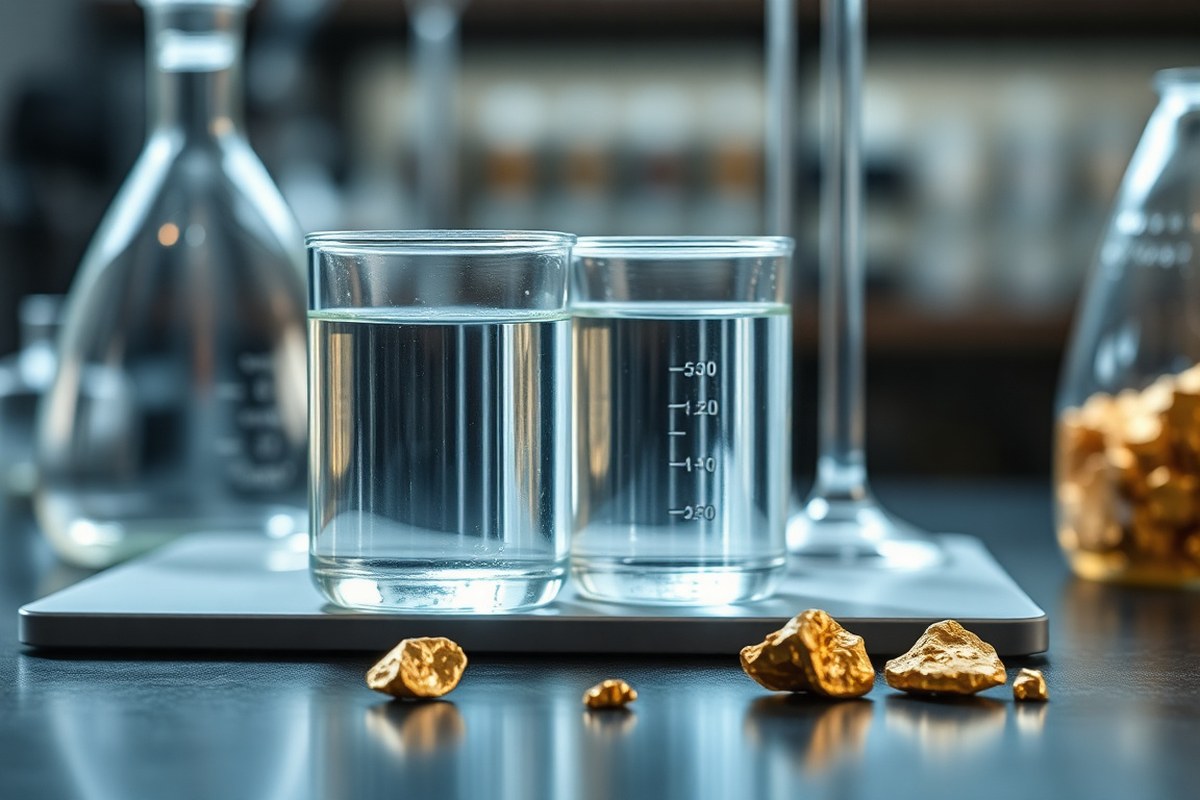
A pure substance has a fixed and definite chemical makeup. Its properties, like melting and boiling points, stay the same for every sample. Pure substances include elements and compounds, both essential in chemistry.
Elements consist of only one type of atom, found on the periodic table. Compounds contain two or more elements chemically combined in a fixed ratio.
Key Attributes of Pure Substances
Pure substances have constant properties regardless of the sample size. Their composition does not change, and they exhibit uniform chemical characteristics. This uniformity helps in identifying and using them accurately in experiments or applications.
Here are key attributes:
- Definite chemical formula or single element
- Uniform composition in the entire sample
- Fixed melting and boiling points
- Consistent density and other physical properties
- Cannot be separated by physical means
These attributes make it practical to study pure substances in scientific contexts.
Elements: The Simplest Pure Substance
Elements are pure substances made from one kind of atom. Examples include iron (Fe), gold (Au), and oxygen (O₂). Each element has unique properties defined by its atomic structure.
Elements are listed in the periodic table and serve as building blocks for all matter. They cannot be broken down into simpler substances by chemical reactions.
Compounds: Chemically Combined Elements
Compounds form when two or more elements bond together chemically. Water (H₂O), carbon dioxide (CO₂), and sodium chloride (NaCl) are common examples. They have fixed ratios of elements within their molecules.
The chemical bonds in compounds give them constant properties like boiling points and densities. Their composition never varies in pure form, making them distinct from mixtures.
Examples of Pure Substances
| Type | Example | Composition | Key Property |
|---|---|---|---|
| Element | Gold (Au) | Single element | Melting point 1064°C |
| Element | Oxygen (O₂) | Molecule of oxygen atoms | Boiling point -183°C |
| Compound | Water (H₂O) | Two hydrogen + one oxygen | Melting point 0°C |
| Compound | Carbon dioxide (CO₂) | One carbon + two oxygen | Sublimes at -78°C |
Pure substances show consistent behavior in tests, so check property values carefully. Variations often indicate impurities or mixtures.
How Steel’s Composition Impacts Its Classification
Steel is not a pure substance because it contains several elements mixed in variable amounts. Its main components include iron and carbon, with many types adding other elements. These differences in composition prevent steel from being pure.
Primary Elements in Steel
Iron is the base metal in steel, making up most of its mass. Carbon is the key element added to iron, changing steel’s hardness and strength.
Without carbon, the metal would just be iron, which is pure in comparison. Steel contains iron atoms arranged in a solid solution with carbon and others.
Range of Carbon Content in Steel
Carbon content in steel varies depending on the type and use. It typically ranges from about 0.02% to 2.14% by weight.
Lower carbon amounts make the steel softer and more ductile. Higher carbon levels increase hardness but reduce flexibility, which matters for tools and construction materials.
| Steel Type | Carbon Content (%) |
|---|---|
| Low Carbon Steel | 0.02 – 0.3 |
| Medium Carbon Steel | 0.3 – 0.6 |
| High Carbon Steel | 0.6 – 2.14 |
Common Alloying Elements Besides Carbon
Other elements are added to steel to improve specific properties like corrosion resistance or strength. These elements appear in variable amounts depending on the steel grade.
They mix evenly through the steel. But their presence shows steel’s composition is not fixed or pure.
- Manganese (Mn) improve strength and toughness.
- Chromium (Cr) increases hardenability and rust resistance.
- Nickel (Ni) improves corrosion resistance and ductility.
- Molybdenum (Mo) adds toughness and helps resist wear.
- Vanadium (V) refines grain size and boosts strength.
- Others like copper or silicon may also be added.
This mix of elements adjusts steel’s qualities for different uses. The variation in these compositions means steel can never be a pure substance.
Why Steel Is Classified as an Alloy and What That Means
An alloy mixes two or more elements. One must be a metal. These combine physically, not chemically.
It differs from a chemical compound because the elements in an alloy are not chemically bonded. Instead, they are physically mixed, which means alloys retain properties from each element.
Steel is an alloy because it mainly contains iron. It also has small amounts of carbon. Other elements can be included too.
Adding carbon and other elements makes steel stronger. These do not form new chemical bonds. The atomic structure stays the same.
Steel isn’t a chemical compound. Its component levels can change slightly. This doesn’t alter its basic structure.
The table below compares alloys and compounds by their key features. This shows steel is an alloy.
It’s not a pure chemical compound. The components vary without changing steel’s nature.
| Feature | Alloy | Chemical Compound |
|---|---|---|
| Definition | Metallic mixture of two or more elements | Substance with atoms bonded chemically in fixed ratios |
| Composition | Variable proportions, typically metals mixed physically | Fixed ratio of elements with chemical bonds |
| Bond type | Physical mixture, no new chemical bonds | Covalent, ionic, or metallic chemical bonds |
| Properties | Combination of properties from constituent elements | Unique properties distinct from individual elements |
| Examples | Steel (iron + carbon), bronze (copper + tin) | Water (H₂O), sodium chloride (NaCl) |
Knowing steel is an alloy helps you understand its versatile nature. Its variable composition suits different uses from construction to tools. Changes in carbon or other elements don’t form new compounds but adjust steel’s characteristics.
Alloys allow manufacturers to tailor properties like hardness and corrosion resistance. That flexibility is why steel is preferred over pure metals for many jobs. Pure substances, in contrast, have limited property variation since their atomic makeup remains fixed.
Is Steel a Homogeneous or Heterogeneous Mixture?
Steel is a homogeneous mixture because its components are evenly spread out. Its atoms of iron and carbon mix uniformly. So you don’t see different parts with your eyes.
The components mix evenly, fitting a homogeneous mixture’s definition. They blend so well you see only one substance. The parts are evenly spread throughout.
The parts can’t be separated easily in a homogeneous mix. The mixture looks the same everywhere you look. Simple physical methods won’t break it down.
Steel shares these traits because the atoms don’t clump or settle separately. Iron and carbon atoms mix physically without fixed chemical bonds.
They coexist without forming new chemical substances. It shows a physical combination, not a chemical one.
By contrast, heterogeneous mixtures show visible separation between their parts, like sand in water. You can see and often separate these parts by hand or filtration. Steel’s microstructure does not show any visible difference between iron and carbon atoms.
The arrangement of atoms in steel is uniform at the microscopic level. Iron atoms in steel arrange in a crystal lattice structure. Carbon atoms fit into the spaces inside that lattice.
This arrangement creates steel’s unique properties. This even atomic setup makes the alloy consistent in composition and behavior throughout.
Do not confuse a steel mixture’s uniform atomic spread with a chemical compound’s fixed bonds. Steel’s atoms mix physically, not chemically.
How Steel Differs from Pure Metals Like Iron or Gold
Iron is a pure metal, made of just iron atoms. Steel mixes iron with carbon and sometimes other elements, changing its makeup. This mix makes steel stronger and more useful than pure iron alone.
Gold, unlike steel or iron, is a pure metal with just gold atoms. It has a high density of 19.32 g/cm³ and costs about $1654 per troy ounce. Gold’s softness and shine make it great for jewelry but less practical for construction.
Pure metals like iron and gold have consistent properties throughout. Steel’s mixed composition creates varied properties like hardness, strength, and flexibility. These variations help engineers pick the right steel type for specific jobs.
Here’s a simple table showing key differences between steel, iron, and gold:
| Property | Steel | Iron | Gold |
|---|---|---|---|
| Composition | Iron + Carbon + other elements | Pure iron atoms | Pure gold atoms |
| Density (g/cm³) | Varies (~7.8) | 7.87 | 19.32 |
| Hardness | Higher than iron, adjustable | Lower than steel | Soft |
| Cost (per troy oz) | Much lower than gold | Low | $1654 |
| Versatility | High, used in construction & tools | Moderate | Low, mostly jewelry & electronics |
Steel’s mixture of metals costs less and behaves better under stress than pure gold. It is stronger and more durable than pure iron. These traits make steel the preferred metal for buildings, cars, and machines.
Pure iron is easier to melt and shape but breaks or rusts faster. Gold doesn’t rust but bends easily and doesn’t hold shape well. Steel combines good qualities from iron and other elements, fitting many uses.
That’s why steel’s mix makes it less pure but far more versatile. Knowing these trade-offs helps when choosing metal for your project, balancing cost, strength, and durability well.
Common Misconceptions About Steel’s Purity
Steel is often mistaken for pure iron, but that’s not true. It contains iron plus other elements, mainly carbon. Adding about 1.50 grams of carbon to iron changes its properties a lot, making it stronger and harder.
Some people think steel’s shiny or dull look means if it’s pure or not. That’s wrong.
Appearance depends on surface treatment and environment, not purity. Even pure metals can tarnish or shine depending on conditions.
Not all metals are pure substances. Metals like gold and silver can be pure but often aren’t. Steel is an alloy made by mixing iron with carbon.
Sometimes oxygen or other elements are added too. This mix changes steel’s properties compared to pure iron.
- Myth: Steel is just iron with a tiny bit of carbon.
- Fact: Steel contains iron, carbon, and other elements like oxygen.
- Myth: Steel’s appearance shows if it is pure.
- Fact: Surface look depends on coatings or exposure, not composition.
- Myth: All metals you see in stores are pure substances.
- Fact: Many metals are alloys made to improve strength or durability.
Steel typically holds about 1.50 grams of carbon and 2.00 grams of oxygen per sample. These small amounts change its chemistry, making it an alloy. Understanding this helps you see why steel works well for tools and buildings.
Knowing these facts helps you avoid basic mix-ups. Steel isn’t pure iron but a carefully made mix designed for strength. You can check labels or datasheets to find out metal purity.
These show whether a metal is pure or an alloy. Checking before you buy or use it helps you know what you have.
How Steel’s Atomic Structure Relates to Its Classification
Steel’s atomic structure causes it to be a mixture. The atoms mix evenly throughout the material. This uniform mix means steel isn’t a pure substance.
Steel forms what metallurgists call a solid solution, where atoms of different elements mix uniformly. Iron atoms form a crystal lattice in steel.
This lattice often uses BCC or FCC patterns. These patterns organize the iron atoms tightly.
Alloy elements like carbon fit into iron’s lattice spaces. Sometimes they replace iron atoms instead. This changes steel’s properties at the atomic level.
This blending changes the material’s lattice without forming new chemical bonds. Steel atoms keep their own elements without sharing electrons.
This differs from compounds with fixed ratios. The atoms mix physically, not chemically bonded.
To visualize steel’s atomic lattice, picture iron atoms as spheres packed closely in a regular pattern. Carbon atoms, much smaller, occupy interstitial spaces between these iron spheres.
Steps to form this solid solution include heating iron above 900°C. Then, carbon atoms diffuse into iron’s lattice during cooling or tempering. This process carefully controls temperature and time to ensure uniform element distribution.
This arrangement affects steel’s strength and flexibility. Differences in atomic sizes cause distortions in the lattice. These distortions block atoms from sliding easily.
This makes the steel stronger and harder. That’s why steel is tougher than pure iron.
Its atomic mixture is consistent throughout. So every part of the steel has the same composition and properties.
Keep heating times precise when forming steel’s solid solutions. Too brief or too long can cause uneven mixing or unwanted phases.
How to Tell If a Metal Sample Is Pure Steel or an Alloy
Tests for metal purity show if a sample is pure steel or an alloy. Look for differences in appearance, chemical makeup, and physical traits. Some tools and lab methods can quickly reveal an alloy’s presence or confirm pure iron.
Visual Inspection Signs
Steel usually looks slightly different than pure iron. Steel often has a smoother or shinier surface because of its mixed metals. Pure iron tends to rust faster and show reddish-brown areas sooner.
Check the color and texture closely. Steel may have a faint silver or bluish tint.
Pure iron is dull gray. Small signs of corrosion or uniformity can give you hints without instruments.
Look for any marks from manufacturing. Stamped labels or characteristic finishes often identify commercial steel types. This visual check is free and fast but not fully reliable alone.
Chemical and Physical Tests
A chemical test reveals the presence of alloying elements like carbon, chromium, or nickel. Use a spark test by touching the metal to a grinding wheel. Alloys produce sparks with varying shapes and colors compared to iron.
Hardness measurements help, too. Steel is usually harder than pure iron, which is softer and more magnetic. You can check with a file test or a hardness tester.
These testers cost about $100 to $400. They are portable and easy to use.
Other practical tests include:
- Magnet test, steel alloys may be less magnetic than iron
- Density check, alloys often weigh slightly more or less
- Acid spot test, certain acids react differently with steel and iron
- Electrical conductivity, steel’s resistivity is usually higher than iron’s
- X-ray fluorescence (XRF), a non-destructive lab tool to detect elements
More precise lab tests cost more and take longer but confirm materials with certainty.
Using Alloy Composition Data
Compare your test results to known steel grades. Chemical standards list typical ranges of elements for different steels. For example, 304 stainless steel has 18-20% chromium and 8-10.5% nickel.
Pure iron contains very little carbon, usually below 0.008%. Any significant carbon or other metal indicates an alloy. Lab reports or handheld XRF readers provide elemental percentages to compare.
Use this simple decision tree you can follow:
- Is carbon above 0.01%? Yes → Likely steel alloy
- No → Check for chromium, nickel, manganese presence
- Those elements above trace amounts show the material is an alloy. Trace amounts alone don’t count.
- No detected elements means the sample is nearly pure iron. It lacks significant alloying metals.
Matching your sample data against published composition standards helps confirm the purity or alloy type precisely.
Your Quick-Start Plan to Identify Steel Purity
Use this plan to check if a metal sample is pure steel or an alloy. Follow each step with simple tools and common methods.
- Before you start: Gather a magnet, file, and a chemical test kit. These will help you spot common steel types.
- Day 1: Test if the metal sticks to a magnet. Steel usually is magnetic; if not, it might be stainless steel or another alloy.
- Day 2: Use a file to scratch a small, hidden area. Pure steel tends to be softer compared to its alloys.
- Day 3: Apply a chemical test from your kit (like an acid test). Observe how the metal reacts for clues on composition.
- Day 4: Check the metal’s appearance. Uniform color and texture usually mean a homogeneous alloy, not a pure metal.
- Day 5: Weigh the item and measure its volume. Calculate density and compare with known steel and alloy densities.
- After one week: Review your results. Magnetism, reaction, texture, and density combined reveal if it’s pure steel or an alloy.
Frequently Asked Questions
Is Steel 100% Iron?
No, steel is not 100% iron. It mainly contains iron but also carbon and other elements. This mix changes steel’s properties and makes it an alloy, not a pure metal.
What Are 5 Pure Substances?
Five pure substances include oxygen, water, gold, carbon dioxide, and iron. They have a fixed chemical makeup that doesn’t vary by sample. Pure substances can be elements or compounds.
Is Metal a Pure Substance?
Metal can be a pure substance if it is a single element like copper or gold. However, many metals, like steel, are alloys, which are mixtures. Check the metal’s composition to know for sure.
What Type of Substance Is Steel?
Steel is an alloy, meaning it’s a mixture of different elements, mostly iron and carbon. It’s not a pure substance because its composition varies. This mixture gives steel its useful strength and flexibility.
Can Steel Be Considered a Chemical Compound?
No, steel isn’t a chemical compound because its components are not chemically bonded in fixed ratios. Instead, it’s a mixture of metals with varying amounts of elements.
Wrapping Up
Steel is not a pure substance. It is an alloy made of iron and other elements.
Its classification as a mixture affects how it behaves. Check real samples with simple tests to understand the difference clearly.