What Do Fake Chains Do to Your Neck? Clear Answers and Prevention Tips
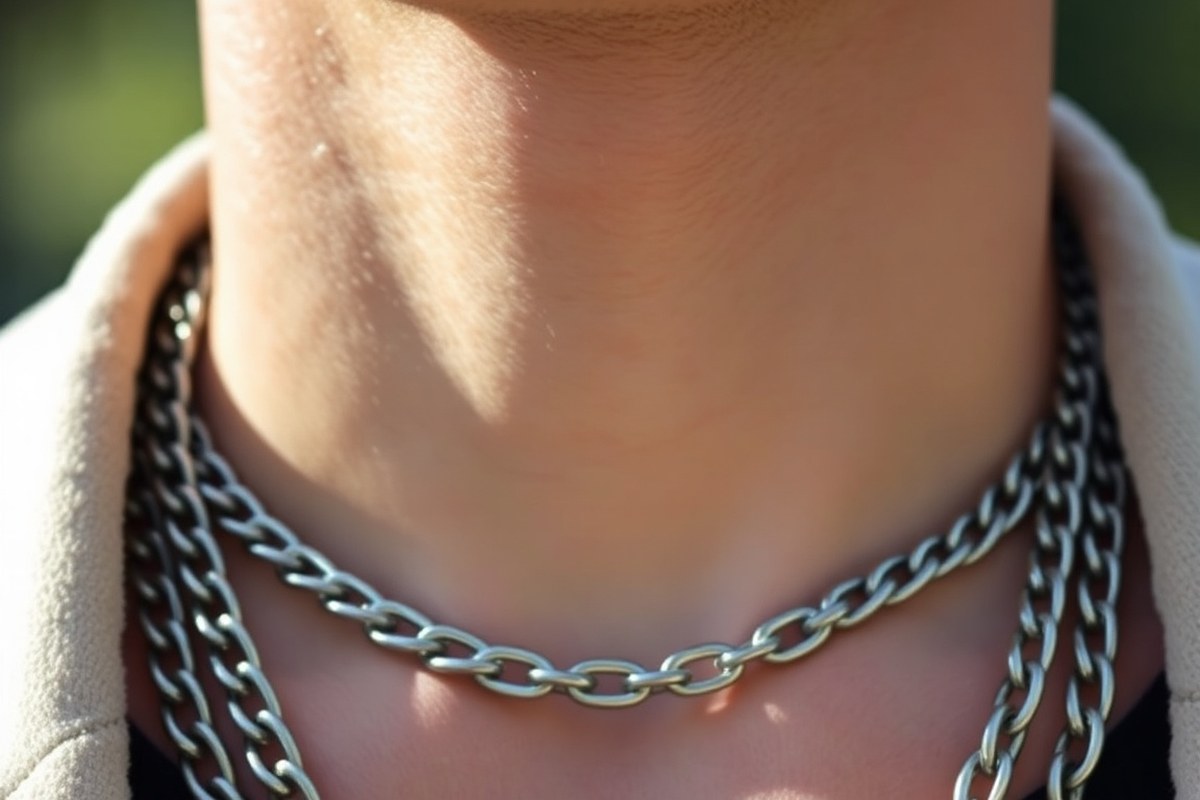
What do fake chains do to your neck? They often cause skin stains and irritation because of cheap metals like copper.
These metals react with sweat and skin oils, leaving green or black marks. The stains come from copper oxidizing and mixing with your skin’s natural chemistry.
Fake chains may also trigger allergic reactions, causing redness or itching. Real silver and gold chains use metals balanced to prevent this reaction.
Look for hallmarks like “925” for silver or “14K” and up for gold. These marks usually mean less risk.
If you get a green stain, wipe it gently with micellar water or 70% isopropyl alcohol. Moisturize afterward to soothe any irritation. Avoid fake chains that don’t list clear metal content to prevent these problems.
Key Takeaways
- Fake chains often contain copper, which causes green skin stains.
- Look for “925” stamped on silver to confirm it has less copper.
- Allergic reactions show as red, itchy skin, unlike dull green stains.
- Wipe green stains off with micellar water or isopropyl alcohol.
- Moisturize skin after removal to reduce irritation.
- Avoid fake chains without clear metal content to lower skin risks.
What Happens to Your Neck When Wearing Fake Chains
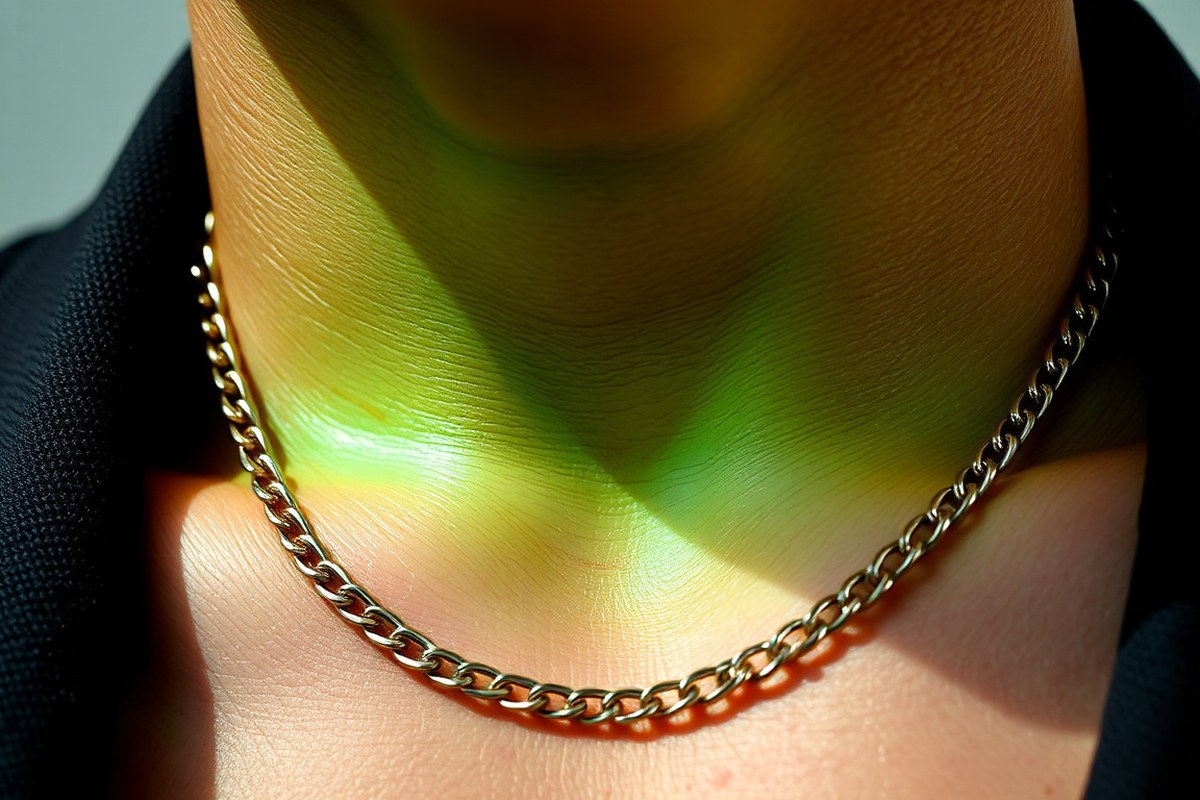
Fake chains often cause a green or black discoloration on your neck. This happens because many contain copper or copper alloys. Copper reacts with sweat, skin oils, and oxygen.
This creates copper salts. These salts stain the skin’s surface.
The green tint you see is just a harmless chemical reaction. It doesn’t mean your skin is damaged. Discoloration usually shows up within hours of wearing the chain.
It often happens when you sweat. Humid conditions make it worse.
Besides staining, fake chains can cause irritation or allergic reactions. You feel itching, redness, or burning.
This signals an allergy, not just discoloration. Allergies come from your immune system reacting to metals like nickel, common in inexpensive chains.
The green stains come from actual minerals depositing onto the outer skin layer. They can be removed easily with micellar water or rubbing alcohol on a cotton pad. Avoid scrubbing harshly to prevent skin damage.
Fake chains stain quicker than real precious metal chains. They also cause more skin irritation. Real silver or gold cause fewer skin problems.
They don’t react much with sweat. Knowing the difference between green stains and allergies matters. It helps when choosing all-day wear.
Which Metals in Fake Chains Cause Neck Stains and Allergies
Fake chains often contain base metals like copper that cause green stains. Copper reacts with sweat, oxygen, and skin oils to form green copper salts. This oxidation creates the visible green marks on your neck, mostly when copper content is high.
Platings can hide these base metals. But once they wear off, direct skin contact causes stains.
Alloys with less copper, like higher-karat gold, oxidize less and cause fewer problems. The mix and quality of metal directly affect how quickly your skin stains or reacts.
| Metal / Alloy | Typical Composition | Oxidation Risk | Primary Culprit |
|---|---|---|---|
| Brass | 60-80% Copper, Zinc | Very High | Copper Chloride |
| Bronze | 88% Copper, 12% Tin | High | Copper Chloride / Sulfide |
| 10K Gold | 41.7% Gold, 58.3% Alloy | High | High Copper Content |
| 14K Gold | 58.3% Gold, 41.7% Alloy | Moderate | Copper / Silver Mix |
| Sterling Silver (925) | 92.5% Silver, 7.5% Copper | Low-Moderate | Copper Sulfide (Black / Green) |
| 18K Gold | 75% Gold, 25% Alloy | Very Low | Minimal Copper |
Copper-heavy metals like brass and bronze cause fast, heavy green stains. Lower-karat gold alloys also carry enough copper to leave marks after plating wears. Sterling silver has a small copper content.
This can cause mild green or black tarnish. But it stains your skin less than brass does.
German silver, a copper-nickel-zinc alloy, often causes both green stains and nickel allergies. Nickel presence adds allergy risks beyond simple staining. High-karat gold, such as 18K or above, contains minimal copper, eliminating green stains on the skin.
Check the metal content and plating quality to avoid green stains and allergies.
Fake gold-plated chains mainly use copper or brass underneath cheaper plating. Exposure to warmth, sweat, and skin acidity speeds up oxidation on your neck. This reaction makes green copper chloride.
It looks like stubborn dirt on your skin. The powdery residue sticks there easily.
The alloy’s copper level and plating durability determine how soon and how much staining happens. Green discoloration shows the cheap metal under the plating. It’s from the alloy’s base.
This doesn’t cause permanent skin damage. Switching to chains with little or no copper stops green neck stains completely.
How to Differentiate Green Stains from Allergic Reactions on Skin
Green stains on your neck mostly come from metal oxidation on fake chains. Allergic reactions come from your immune system reacting to metals like nickel. You can tell them apart by how they look and feel on your skin.
Green Stain Characteristics
The green stain is a surface mark caused by copper or other metals reacting with sweat. It usually appears as a smooth green or bluish patch on your skin. The stain doesn’t itch or cause pain and fades after washing with soap.
These stains often show up in areas where the chain touches the skin for hours. They wipe off easily with soap and water or mild alcohol wipes. The skin under the stain looks normal without bumps or dryness.
Allergic Reaction Signs
An allergic reaction comes with redness, itching, and sometimes small blisters or dry patches. This happens because your skin is sensitive to nickel or impure metals. The rash can spread beyond where the chain contacts your neck.
Unlike green stains, allergic dermatitis feels uncomfortable and may worsen with continued wear. You might notice swelling or skin peeling in severe cases. The rash does not wash away and needs anti-itch creams or medical treatment.
- Redness and swelling on or around contact area
- Itching that lasts or worsens
- Small bumps, blisters, or scaling skin
- Rash spreading beyond chain line
- Discomfort or burning sensation
Checking these signs helps you decide if the chain is causing an allergy. When the issue goes away in hours and leaves green marks, it’s probably a stain. Persistent itching or rash signals an allergy from fake chain metals.
When to Seek Medical Advice
See a doctor if the rash keeps spreading or doesn’t improve in a few days. Intense itching, swelling or pain also means you should get professional help. Sometimes allergies get worse without treatment and cause skin infections.
Try over-the-counter creams or not wearing the chain first, then see a dermatologist. They can test for metal allergies and suggest safer options. Do not ignore severe skin reactions because they can need prescription medicine.
How Fake Chains Cause Green Neck Discoloration: The Chemistry Explained
Fake chains usually cause green neck discoloration because of a chemical reaction involving copper. When copper in the chain meets sweat, it changes. It reacts with the air.
This forms green copper salts that stain your skin. This process depends on oxidation and the acids in your sweat affecting the metal.
How Copper Oxidizes in Fake Chains
Copper in fake chains reacts with oxygen from the air and chloride ions in sweat. The sweat has salt, mainly sodium chloride, that helps this reaction. Copper turns into copper chloride, a greenish compound that easily stains skin.
This copper chloride forms when copper atoms lose electrons in the presence of oxygen. The metal surface then has tiny green copper salts, like copper chloride or copper carbonate. These salts rub off onto your neck, leaving a green mark.
The Role of Sweat and Skin pH
Your sweat’s acidity makes a big difference. Sweat ranges from pH 4.5 to 7, leaning toward acidic, which speeds up copper oxidation. Acidic sweat means more copper ions dissolve into salts that cause stains.
Sweat contains salt with chloride ions. These ions join copper quickly. This speeds up copper chloride forming.
Warm or humid skin makes this happen faster. Heat makes sweat increase, too.
More sweat speeds the process. This makes green stains more common in summer.
Detailed Chemical Reaction Steps
First, copper metal reacts with oxygen, losing electrons and forming copper ions. These ions combine with chloride ions from sweat to create copper chloride. The copper chloride has a bright green color, which sticks to your skin.
Some copper ions mix with carbon dioxide and sweat water. This makes copper carbonate. It is another green stain.
The skin’s moisture allows these salts to stick instead of staying on the chain. The green color usually appears within minutes to hours of wearing the fake chain.
Why Green Stain Appears Instead of Other Colors
The green color comes from copper chloride and copper carbonate, both greenish salts. Copper itself is reddish-brown.
So the green shows only after it reacts with sweat and air. The green stain contrasts with natural skin tones, making it very noticeable.
Black or dark stains come from copper reacting with sulfur, which happens less often. When sulfur-based acne treatments or pollution add sulfur near your skin, copper can form copper sulfide. This creates a black mark instead of green.
How to Avoid or Reduce Green Staining
Keep your fake chain dry to slow oxidation. Moisture and salt make the reaction faster. Dryness helps prevent damage.
Removing sweat as soon as possible lowers the chloride ions on the chain. Apply a clear barrier on the chain like nail polish.
This stops copper from touching your skin. It blocks the reaction that stains.
Lowering skin acidity can also reduce green stains but is harder to control. Avoiding sulfur skincare products reduces the chance of black stains. Watching for these factors can help you enjoy fake chains without the green mark.
How to Safely Remove Green Stains from Fake Chains on Skin
Green stains on your neck happen from fake chain metals. They react with your skin oils or sweat. That’s why they appear after you wear the chain.
These stains can look like greenish or blue marks on your skin. You want to remove them gently without irritating your skin further.
Using micellar water or 70% isopropyl alcohol works best at lifting the stains safely. Avoid harsh scrubs or bleach, which can damage your skin or cause rashes. Follow any cleaning by applying a moisturizer to soothe your skin.
- Soak a cotton pad with micellar water or a gentle oil-based cleanser. This softens the discoloration on your neck without harsh rubbing.
- Gently wipe the stained area using the soaked pad in small circular motions. Don’t scrub hard to avoid skin irritation.
- Stains persist? Dab 70% isopropyl alcohol on a new cotton pad. Alcohol helps break down copper compounds causing the green color.
- Apply the alcohol carefully, limiting contact to the stained skin only. Avoid open wounds or sensitive patches to prevent burning.
- Rinse your neck with warm water and mild soap after using the alcohol. This removes leftover residue safely.
- Pat skin dry with a soft towel. Never rub, as this can irritate the newly cleaned skin.
- Apply a fragrance-free moisturizer to calm the area and restore skin moisture. This helps prevent dryness or itching afterward.
- Repeat as needed but no more than twice daily. Frequent cleaning can dry your skin and worsen irritation.
Stop cleaning right away if your skin burns or itches badly. Swelling is also a sign to see a doctor quickly.
Preventing Neck Discoloration and Irritation from Fake Chains
Put on your skincare and perfume at least 15 minutes before wearing a chain. This wait lets those products absorb and reduces the chance of a chemical reaction. Applying lotion under your chain creates a barrier.
This stops metal irritation. It helps protect your skin.
Coating your chain with clear nail polish stops skin contact with the metal. Use a small brush for best results. Apply 1 or 2 smooth layers.
Do this on the side touching your neck. Let each layer dry fully, about 10 to 15 minutes.
Reapply every few days for steady protection. Cleaning the chain regularly with mild soap and water removes sweat and oils that worsen discoloration.
- Apply make-up, fragrance, and lotion first, wait 15 minutes
- Use clear nail polish to coat chain parts touching skin
- Clean chains weekly with mild soap and water
- Dry chains completely before storing or wearing again
- Avoid wearing chains in water or heavy sweat
- Store chains in dry, cool places to stop corrosion
Another option is layering skincare underneath. Use a non-greasy moisturizer for shield. It helps keep skin safe under chains.
Avoid heavy perfumes or lotions that contain alcohol, which may react with fake metals. Clean your chain regularly.
Sweat and dirt cause metals to discolor. This buildup can also irritate your neck.
When coating, keep polish layers thin to prevent sticky buildup on your skin. Recoating takes just minutes but stops green or black stains from appearing. Cheap fake chains often need these tricks.
Copper or brass are more reactive metals. They cause more irritation and discoloration. Taking these small steps helps you enjoy wearing chains without neck stains or redness.
How to Spot Fake Chains Using Skin Reactions and Hallmark Checks
Skin reactions can give you quick clues about fake chains. Real gold or silver usually doesn’t cause itching or green stains. Fake chains often cause redness or itching on your neck.
They can also leave a green tint after a few hours of wear. This happens because cheaper metals react with sweat and skin oils.
Checking for hallmarks is a simple, reliable test for authenticity. A real gold chain should have a clear stamp like “14K” or “18K.” Sterling silver chains will say “925,” showing 92.5% silver content.
You might not see these marks or the stamp may look blurry. This can mean the chain is fake.
Weight is another helpful test. Real gold and silver feel heavier due to their density.
Fake chains usually feel lighter because they’re made from base metals like brass or alloys. Holding similar chains side by side can reveal this difference.
- Check for clear, stamped hallmarks like 14K, 18K, or 925
- Look closely at stamp quality, sharp and even is good
- Observe skin after wearing the chain for a few hours
- Watch for itching, redness, or green discoloration on skin
- Compare chain weight against known real pieces
- Check chain color and texture for unevenness
Besides visual marks and skin clues, use magnifying tools to read small stamps carefully. Inspect the chain link quality. Real chains often have smoother joints and no rough edges.
The chain may feel light and irritate your skin. That usually means it’s fake. Combining these steps helps you avoid cheap copies and get real value.
Hypoallergenic Alternatives to Fake Chains That Won’t Harm Your Neck
Hypoallergenic chain materials like titanium, platinum, and certified gold won’t stain or irritate your neck. These metals don’t oxidize or react with sweat. You can wear them comfortably even with sensitive skin.
Titanium and Medical Grade Options
Titanium is popular for its light weight and strength. Medical-grade titanium is fully biocompatible, so it won’t cause allergic reactions or skin stains.
This metal resists sweat, moisture, and corrosion, making it ideal for daily wear. Its neutral color suits many styles, from casual to formal.
Titanium chains usually cost less than platinum but last just as long. They need little upkeep to keep looking good.
Certified Gold Chains
Gold chains with 14K or higher purity are safe for your skin. These contain enough pure gold to prevent oxidation, which causes stains and inflammation.
Look for hallmarked or stamped chains. The stamp shows the gold’s karat, ensuring it’s real and less likely to cause skin problems.
Avoid 10K gold or gold-plated chains since they contain more alloy metals. These alloys often include nickel or copper that cause neck discoloration.
Platinum and Other Precious Metals
Platinum 950 is completely inert and hypoallergenic. It doesn’t react with sweat or moisture. So it won’t stain or irritate your neck.
This metal is heavier and denser than gold or titanium. That weight gives a feeling of quality and durability.
Other precious metals like sterling silver can be safe. But only if they are free of nickel. Always check for certification and avoid cheap plated silver.
The table below compares common chain metals in terms of skin safety and quality:
| Metal | Hypoallergenic | Oxidizes or Stains Skin | Durability | Average Price Range |
|---|---|---|---|---|
| Titanium (medical-grade) | Yes | No | High | $$ |
| 14K, 18K, 22K Gold (certified) | Yes | No | Medium to High | $$$ |
| 10K Gold | Less safe | Yes | Medium | $-$$ |
| Platinum 950 | Yes | No | Very High | $$$$ |
| Nickel-plated or Brass base (fake) | No | Yes | Low | $ |
You can feel the difference when you hold genuine chains due to their weight. Also, real metals won’t stick to magnets, unlike many fakes.
Always check for hallmarks or stamps that prove your chain’s metal purity.
Caring for Chains to Minimize Neck Issues and Prolong Wear
Chains made from base metals usually react with sweat and moisture, causing neck stains and irritation. Wipe your chain gently with a soft microfiber cloth after use. This removes oils.
It keeps the metal cleaner for longer. This simple step helps delay tarnishing and skin discoloration without harsh chemicals.
Thicker or heavier chains often feel more solid and comfortable. These chains usually cause less skin reaction. They have a thicker metal layer.
Their plating is often better too. Lighter, flimsy chains are more likely to wear off fast and expose your skin to irritants.
- Store chains separately to avoid scratches.
- Keep chains dry; remove before showering or swimming.
- Clean fake chains with mild soap and lukewarm water monthly.
- Dry chains completely before storing to prevent rust or tarnish.
- Avoid lotions or perfumes directly on chains.
- Inspect clasps and links regularly for damage.
Cleaning fake chains once a month keeps grime off and limits metal corrosion causing green stains. Use mild soap and warm water to clean your chain. Gently scrub with a soft toothbrush.
Then dry it well with a towel. Keeping the chain dry when not worn also prevents oxidation and lessens skin irritation risks.
Continuing to wear a chain that causes green or black neck marks can worsen irritation. It’s safer to stop using it if your skin reacts strongly or breaks out. Pick hypoallergenic or stainless steel chains to avoid skin problems.
They help you wear jewelry without discomfort. Proper care extends chain life and keeps your neck healthy.
Step-by-Step Action Plan for Protecting Your Neck from Fake Chain Issues
Start protecting your skin and spotting fake chains with this easy plan. Follow each step closely to see real effects.
- Day 1: Inspect your chains for hallmarks or stamps to spot real metals. Real chains usually have clear marks, so no skin trouble should come from them.
- Day 2: Wear your chain for a short time, about 15 minutes. Check your neck for any redness or green spots. This helps catch early irritation.
- Week 1: Notice green stains? Wash your skin with soap and water. Do this right after wearing the chain. Signs the stain fades show you’re on the right track.
- Week 2: Switch to hypoallergenic chains like stainless steel or titanium. Notice any reduction in irritation or staining by the end of the week.
- Before Each Wear: Put a thin layer of clear nail polish on fake chains. This helps seal the metal. This blocks chemicals that cause stains. Seeing less green means the nail polish did its job.
- After Every Use: Clean your chains with a soft cloth and mild soap. Keeping them free of sweat and dirt prevents skin problems.
- Monthly: Check for any damage to coatings or plating on your chains. Replace or repair them if you spot peeling or wear, to avoid new skin issues.
- Ongoing: Watch your skin for new reactions, even after switching chains. Keep a note of which metals or styles cause trouble to know what to avoid.
Frequently Asked Questions
Can Fake Chains Cause Long-Term Skin Damage?
Fake chains can irritate skin but usually don’t cause lasting damage. Avoid wearing them if irritation persists to protect your skin’s health.
Why Do Some Fake Chains Have a 925 Stamp If They’re Not Real Silver?
Some fake chains falsely use 925 stamps to appear genuine. This confuses buyers since 925 sterling silver is usually authentic. Always check other signs besides the stamp.
Can Fake Chains Trigger Allergies Even If You Have No Previous Reactions?
Yes, fake chains can cause new allergic reactions due to cheap metals. Your skin may react worse over time with repeated exposure.
Do Fake Chains Lose Their Color Faster Than Real Chains?
Fake chains usually fade or discolor quickly due to low-quality plating. Real silver or gold holds color longer with proper care.
Does Sweating Increase the Risk of Neck Staining from Fake Chains?
Sweat can speed up metal reactions on fake chains, leading to stains. Keeping your neck dry can help reduce green or black marks.
The Bottom Line
Fake chains can stain and irritate your neck, mostly due to cheap metals. Take simple steps now to protect your skin and spot fakes early. Start by checking the hallmarks on your chains today.