
Where Is the Emergency Brake? Complete Guide to Location and Use
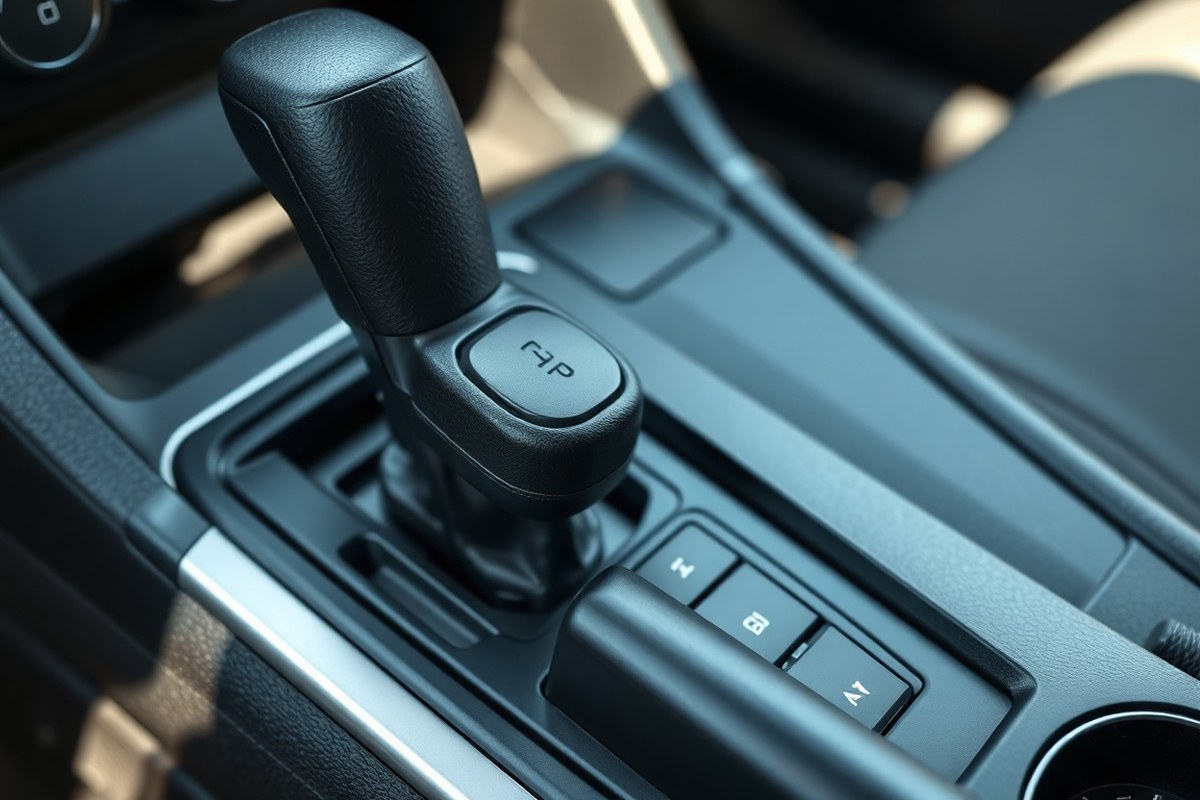
Wondering where is the emergency brake in your car? It’s usually found between the front seats or near the driver’s seat. Many vehicles have this brake as a hand lever.
Some use a foot pedal instead. It depends on the car’s make and model.
Manual cars most often have a hand lever beside the driver’s seat. Automatic and newer models may use an electronic switch near the center console. Knowing your car’s type helps you find the brake quickly when needed.
Before driving, check if the brake is fully released to avoid wear or damage. Using it correctly means safety when parking or in emergencies. Getting familiar with its position gives you confidence on the road immediately.
Key Takeaways
- The emergency brake is usually a hand lever or foot pedal near the driver.
- Manual cars typically have the brake lever next to the driver’s seat.
- Newer vehicles might have an electronic parking brake button instead.
- Always release the emergency brake before starting to drive.
- Use the parking brake before shifting your car into park.
- Knowing your brake’s location speeds up your response in emergencies.
Where Is the Emergency Brake Located in Different Vehicles?
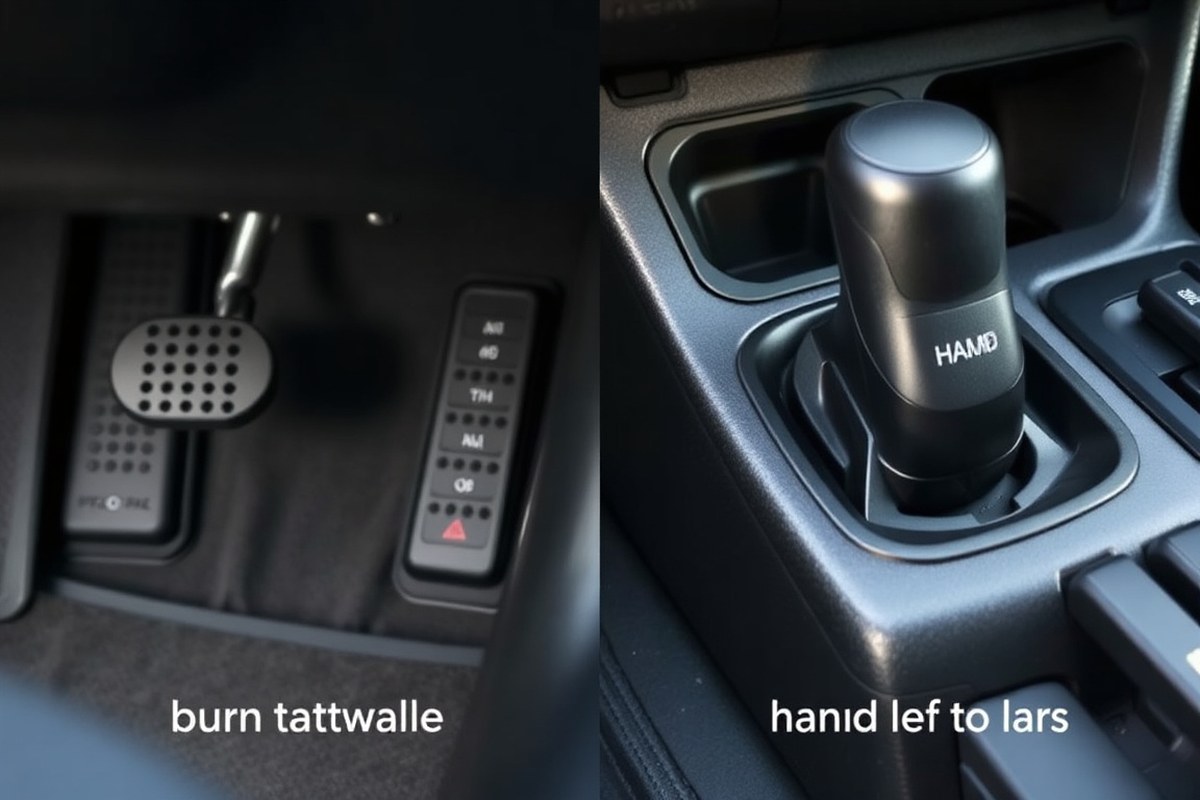
The emergency brake’s location depends on the vehicle type and model year. Traditional models usually have a hand lever or foot pedal near the driver’s seat. Modern cars often replace these with an electronic button or switch.
Manual cars commonly have the emergency brake as a hand lever between the front seats. Automatic cars might have a foot pedal on the far left. It could also have a hand lever for the emergency brake.
These are common places to find it. Newer vehicles favor an electronic parking brake, often a button near the gear shift.
Here’s a quick table with the types of emergency brakes. It also shows common spots where you usually find them. This helps you know where to look.
| Characteristic | Details |
|---|---|
| Location | Between front seats or far left foot area for pedals |
| Type | Hand lever (parking brake), foot pedal, or electronic button |
| Hand Lever Position | Center console or between driver and passenger seats |
| Foot Pedal Position | Far left of the floor pedal cluster, near clutch or brake |
| Modern Electronic System | Button or switch on center console, often near gear shift |
Older cars sometimes use a stick lever under the instrument panel. Electronic parking brakes may engage automatically when you shift to park. This tech makes it easier to use but still requires occasional manual engagement for safety.
You should get familiar with your car’s brake type and location. Check the owner’s manual for exact details, as this can vary by brand and year. Using the emergency brake habitually prevents vehicle drift and can help if your main brakes fail.
How Does the Emergency Brake System Work to Stop the Vehicle?
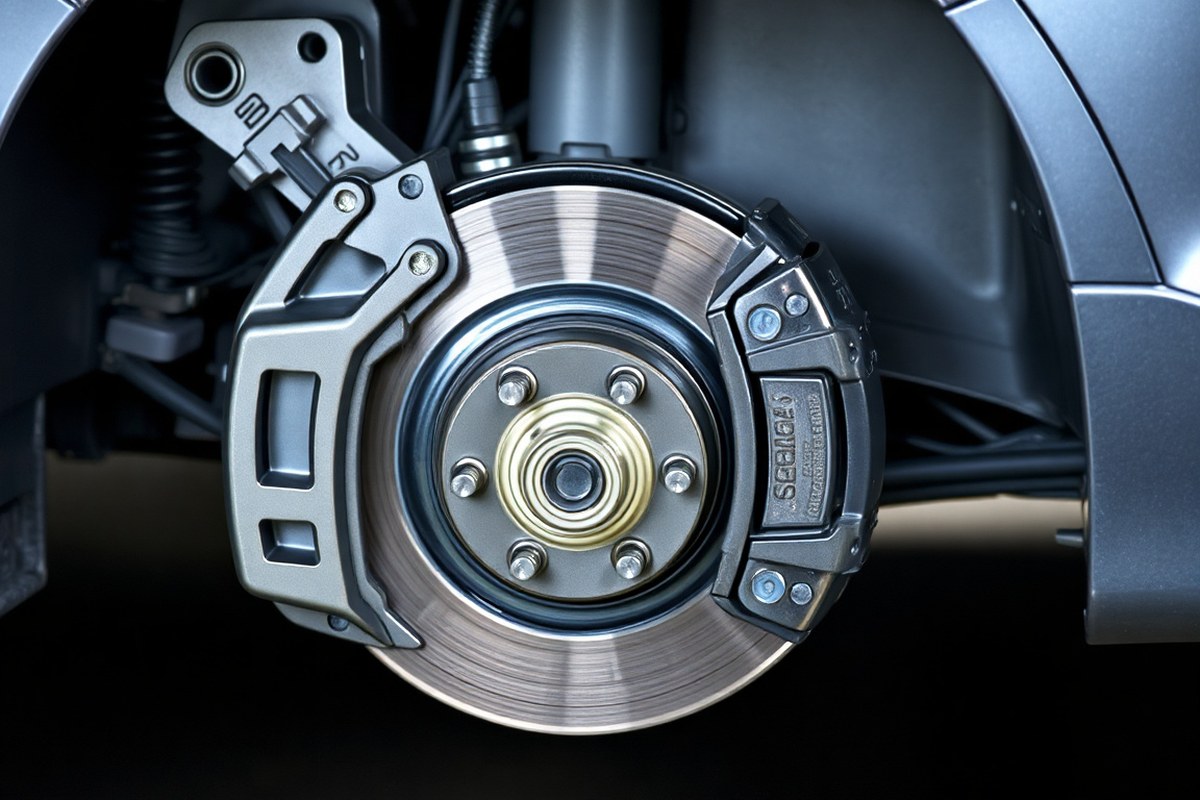
The emergency brake stops or holds your car by using a separate mechanical system. It usually controls the rear brakes directly, locking the wheels to prevent movement. Electronic parking brakes achieve the same effect but use motors and sensors instead of cables.
Mechanical Cable and Brake Shoe Interaction
The most common emergency brake has a steel cable inside. It connects to a lever or pedal you use inside the car. Pulling the lever sets the brake in motion.
Pulling the lever tightens the cable quickly. The cable then pulls the brake shoes or pads.
This presses them against the rear drums or rotors. This friction locks the rear wheels, holding the vehicle in place.
Brake shoes inside the drum brakes expand outwards, pressing against the drum’s inner surface. For disc brakes, the cable pulls a small mechanism inside. This mechanism clamps the brake pads tightly on the rotor.
It stops the wheel from turning. This mechanical action works independently from the hydraulic brakes you use to stop on the road.
Integration with Hydraulic Brake Systems
Modern cars often combine mechanical parking brakes with hydraulic brakes for more reliable stopping power. Four-wheel disc brakes have a small drum brake in the rear. This parking brake mechanism is inside the rear calipers.
It helps hold the car still. These have self-adjusting features to keep the brakes responsive over time.
The emergency brake applies friction directly to the rear wheels. It works no matter what happens to the hydraulic brake fluid. This stops the car safely.
This separate system protects the vehicle’s transmission well. It holds the car even if the main brakes don’t work.
That adds safety when you park or stop. It also stops the vehicle from rolling when parked, especially on hills.
Operation of Electronic Parking Brakes
Electronic parking brakes use a button instead of a lever. This button is on the dash or center console. It controls the brake with an electric motor.
Pressing the button starts an electric motor inside. The motor pulls the brake cable or pushes brake pads on the rear rotors.
This sets the parking brake. This happens automatically.
Some electronic brakes engage automatically when you shift to park. They also do this when you turn off the engine. This helps keep the car safe without extra steps.
These brakes also link to safety systems like hill hold control to prevent rollback. The system uses sensors to hold the brake as long as needed.
It adds or reduces braking force based on your car’s situation. This keeps the car steady and secure.
Always fully release your mechanical or electronic emergency brake before driving to avoid brake damage.
When and Why Should You Use the Emergency Brake Properly?
Use the emergency brake whenever you park, especially on hills or slopes. Always set it before shifting your vehicle into park. This avoids extra strain on your transmission and keeps your car secure.
Using the Emergency Brake on Hills and Inclines
Parking on a hill requires you to engage the emergency brake every time. It stops your vehicle’s rear wheels from rolling downhill or uphill. This helps protect your transmission from taking all the pressure.
To use it right, first bring your car to a full stop. Then, firmly pull up or press the emergency brake. After that, shift the gear into “Park” for automatics or into first gear for manuals.
Remember this simple rule. Always use the emergency brake on any hill.
It works for both inclines and declines. This keeps your vehicle firmly locked and safe from rolling away.
Everyday Use on Flat Ground
Engage the emergency brake even when you park on flat ground. It adds extra security and prevents unexpected movement. Plus, it prevents wear on your transmission parts over time.
Many drivers skip the brake on flat surfaces, which can cause slow damage to vehicle mechanisms. Turning this into a habit helps keep your car in better shape and safer.
Remove your foot from the brake pedal after shifting to park. The emergency brake then keeps your car from moving.
- Always pull the emergency brake before shifting to park
- Check that the brake light on the dashboard is on
- Perform a quick manual test by gently rocking the car
- Use the emergency brake even in drive-throughs or quick stops
- Remember to fully release the emergency brake before driving
Setting the emergency brake every time protects your parking gear and keeps your vehicle from rolling. That slight extra effort takes seconds and prevents costly repairs down the road.
Emergency Situations and Brake Failure Use
You can rely on the emergency brake during sudden main brake failure. It acts on the rear wheels separately from your foot brake. This gives you a backup way to slow or stop your car safely.
Pull the emergency brake gently but firmly if your primary brakes fail. Avoid sudden, full pulls that could lock the wheels and cause skidding. After engaging it, steer carefully to control your vehicle’s direction.
This emergency feature is a critical safety tool. Learn where your emergency brake is before driving in busy or hard spots.
Practice using it until you’re comfortable. This helps you stay safe.
What Are the Step-By-Step Instructions to Engage and Release the Emergency Brake?
Engaging and releasing the emergency brake depends on your car’s design. For manual or automatic cars with a lever or pedal, steps differ slightly. Electronic parking brakes use buttons with specific sequences to lock and unlock.
Engaging Hand Lever and Foot Pedal Brakes
Hand lever and foot pedal emergency brakes work with a simple locking action. You pull the lever or press the pedal firmly until it clicks. This locks the brake, preventing your car from rolling when parked.
Here is a step-by-step sequence to engage these types:
- Come to a complete stop and keep your foot on the main brake.
- For a hand lever, pull the lever upward firmly until you hear it click.
- For a foot pedal, press it down with enough force until it locks in place.
- Release the main brake slowly to test if the emergency brake holds the car.
This method works for manual and automatic cars. You usually engage the brake last in automatics. Pulling or pressing too gently won’t secure the brake and risks rolling.
Releasing the Emergency Brake Correctly
Starting the engine before releasing the emergency brake helps you control the car. Press the main brake pedal first to keep the vehicle still. Then release the emergency brake carefully to avoid rolling backward or forward.
Follow these steps to release hand lever or foot pedal brakes:
- Press your main brake pedal firmly to stop the car.
- Using a hand lever? Press the release button. Then lower the lever all the way down.
- Using a pedal? Press it slightly to unlock. Let it return to the up position.
- Check the brake warning light turns off on your dashboard.
- Shift your car into drive or reverse and start moving slowly.
Always double-check the emergency brake is fully disengaged. Driving with it on can cause brake damage and reduce fuel economy.
Operating Electronic Parking Brakes
Electronic parking brakes use a button near the driver’s seat or on the center console. Pressing the button activates it, often indicated by a dashboard light. Releasing usually requires pressing the brake pedal and the button simultaneously.
Here’s the usual process for electronic parking brakes:
- Stop the car and keep your foot on the main brake pedal.
- Press the electronic parking brake button once to engage it.
- Wait for the dashboard light to confirm activation.
- To release, start the engine.
- Press the main brake pedal and then press the release button.
- Confirm the light goes off and shift into gear to drive.
Electronic brakes lock the wheels quickly and prevent rolling, especially on hills. Always follow your car’s owner manual for your exact model’s system.
What Risks and Vehicle Damage Occur If You Drive with the Emergency Brake On?
Driving with the emergency brake on can cause serious damage to your car. The brake pads and rotors get overheated and wear down too quickly. Warped rotors and uneven pad wear can happen.
This lowers your braking performance. It also reduces your safety.
The tires may drag and wear unevenly if you drive with the emergency brake engaged. This creates flat spots on the tires that cause vibrations and reduce your tire life. Your transmission can suffer strain, especially in automatic cars.
This strain may cause overheating. Overheating leads to premature wear.
You might notice warning signs like a burning smell or smoke coming from near the wheels. Your dashboard may show a brake warning light or beep.
This alerts you the emergency brake is still on. Strange noises like scraping or grinding while you drive also indicate brake issues.
Release the emergency brake immediately when you catch the problem early. Let your brakes cool down. Avoid driving far to prevent more damage.
Take your car to a mechanic for a brake inspection. They might need to replace pads or rotors. This can cost several hundred dollars, depending on your vehicle.
Ignoring this issue risks more expensive problems. You could face wheel bearing failure. A full brake system overhaul might be needed.
Keep the emergency brake released before driving. This avoids costly repairs. It also keeps your car safe.
Always check that the emergency brake is fully released before you start driving. Doing this prevents costly brake damage.
How to Tell If Your Emergency Brake Needs Maintenance or Repair?
Your emergency brake can show signs when it needs maintenance or repair. The brake handle or pedal feels loose or pulls higher than usual. This means the cable might need adjustment.
You may hear squeaking noises when using the brake. The car might roll slightly on a hill. These are signs the brake needs checking.
To see if the emergency brake holds properly, park on a slight incline. Pull the brake firmly and try to gently move the car forward. The vehicle should stay put without rolling.
The brake moves easily. This likely means it needs adjustment or repair.
Checking the emergency brake involves a few simple steps you can do at home. These checks help spot cable wear, brake shoe damage, or corrosion that may affect locking.
- Test brake travel: Pull the lever or push the pedal, count the clicks or check resistance.
- Look for rust or frayed brake cables near the lever or under the car.
- Listen for unusual noises when engaging the brake.
- Check if the brake light on the dashboard stays on or flickers.
- See if the car holds still on a hill without rolling.
Your brake lever pulls too easily or sounds noisy. It won’t hold the car. Get a professional to inspect it.
Mechanics can adjust or replace worn cables and brake shoes. Regular checks every 12,000 miles or yearly are wise to avoid surprises.
Cost for brake cable adjustment or parking brake repair typically ranges from $50 to $150. Repairs take about an hour in most shops. Keep your brake working well to avoid extra wear on brake parts.
This helps keep your car safe when parked. Check it regularly.
How Do Emergency Brakes Differ Between Manual, Automatic, and Electric Vehicles?
Manual and automatic transmissions have slightly different emergency brake designs. The handbrake lever usually sits between the front seats or next to the driver in manuals. Automatics often have either a lever or a foot pedal for the emergency brake.
Electric vehicles (EVs) rarely have a traditional emergency brake lever. Instead, they use an electronic parking brake system. This system works with buttons and sensors to engage the brake automatically.
| Feature | Manual Transmission | Automatic Transmission | Electric Vehicles (EVs) |
|---|---|---|---|
| Emergency Brake Location | Lever between seats or beside driver | Lever between seats, beside driver, or pedal | Button or switch on console or dashboard |
| Brake Type | Cable-operated mechanical brake | Cable or pedal mechanical brake; some electronic | Electronic parking brake with sensors |
| Engagement Method | Pull lever up to engage | Pull lever, press pedal, or electronic button | Press button; may have automatic hold feature |
| Use during Stops | Keep on when parked to prevent rolling | Same as manual; use to hold car on slopes | Engages automatically; sometimes used with foot brake |
| System Maintenance | Cable replacement and corrosion check needed | Similar to manual; electronic systems need diagnostics | Mostly software and sensor checks; mechanical parts checked too |
Driving with the emergency brake engaged creates the same issues across all vehicle types. It causes wear and heat buildup in brake components. You should always release the brake fully before driving, no matter the system.
Electric parking brakes add safety by often including automatic brake hold functions. These prevent rolling on hills without needing manual input. The manual emergency brake is useful for older cars.
It helps if the electronic brake system stops working. Knowing how it works can keep you safe.
What Common Mistakes Do Drivers Make Using the Emergency Brake and How to Avoid Them?
Many drivers make the mistake of shifting to park before pulling the emergency brake. The problem is the vehicle’s weight rests on the transmission instead of the brake. This risks transmission damage, especially on hills.
You should first pull or engage the emergency brake, then shift into park. That approach holds the car steady and protects the transmission.
Some think using the emergency brake often wears it out. Actually, regular use keeps it in good shape. Engaging the brake every time you park stops parts from seizing up or corrosion building.
A stuck emergency brake can cost hundreds in repairs. The little effort now saves money and stress later.
Common myths lead to unsafe habits. For example, some believe the emergency brake only works in emergencies. It’s meant to hold your car steady anytime you park.
Another myth says you can’t release the brake while driving. You can safely release it when needed.
Avoid releasing on slick roads. It might cause skidding there.
- Never rely solely on “park” gear on slopes; always set the emergency brake first.
- Use gentle pressure when releasing the emergency brake to avoid sudden shifts.
- Regularly check your emergency brake for tightness or signs of wear.
- Avoid riding the brake; fully engage or release to prevent brake wear.
- Learn your vehicle’s specific brake location and how it operates.
- Brakes feeling spongy after use mean you need a check-up. See a professional soon.
- Practice using the emergency brake occasionally to ensure you know how it works.
Mechanical and electronic emergency brakes work differently, so know your type. For electronic brakes, press the switch while stopped. Hold it.
Wait until you feel the brake engage. Mechanical versions require a pull, push, or depress motion. Understanding exactly how your brake works prevents confusion during emergencies.
Always engage the emergency brake before shifting to park. It protects your transmission and keeps your vehicle stable.
When Should You Call a Professional for Emergency Brake Problems?
The emergency brake relies on a cable connected to the lever you pull. Over time, this cable can stretch, making the brake less effective.
When the lever pulls too far, the brake likely needs work. It may require adjustment or cable replacement.
Some warning signs show you need a professional to check your emergency brake. Listen for grinding noises or squealing when you pull the brake. This could mean worn brake parts that need servicing right away.
Unusual smells after applying the emergency brake can point to overheating brake components. Smelly brakes mean trouble and safety risks that a licensed mechanic should inspect immediately.
Your emergency brake should hold the car on a hill. If it doesn’t, get expert help quickly.
- Emergency brake lever pulls beyond normal distance
- Grinding, squealing, or scraping sounds when using the brake
- Brake warning light on the dashboard
- Car rolls despite applied emergency brake
- Burning smell or smoke from wheel area after application
- The brake pedal feels soft or spongy
- Error codes or messages on electronic brake systems
Electronic emergency brakes need different checks. Let a pro handle brake system errors or faulty electronic parking brakes.
Don’t try fixing these yourself. They have tools to read electronic signals and replace faulty sensors or motors.
Regular emergency brake service usually costs between $80 and $150. Repairs like cable replacement or brake shoe replacement can take one to two hours. Acting quickly avoids unsafe drives and more costly damage in the future.
Step-by-Step Action Plan to Master Your Emergency Brake
Use this plan to find, test, and use your emergency brake correctly. Each step helps you check that your brake works safely and as expected.
- Today: Locate your emergency brake, look near the center console, pedal, or as a button. Confirm where it is by lightly pulling or pressing the control.
- Today: With the vehicle stopped, engage the emergency brake. Feel resistance and hear the click or see the indicator light to know it works.
- Today: Release the emergency brake fully. Check that the brake warning light turns off and that the vehicle moves freely without dragging.
- This week: Practice using the emergency brake on a quiet, flat surface. Engage then release it smoothly at low speed to build confidence and avoid mistakes.
- Within 2 weeks: Inspect your emergency brake for signs of wear, loose parts, or weak tension. Get a mechanic to check if you notice any slipping or squeaking.
- Monthly: Include emergency brake checks in your routine vehicle inspection. Test its hold on inclines and confirm the warning light functions properly.
- Anytime you feel a problem: Stop using the emergency brake as your main brake. Schedule a professional repair to avoid damage or safety risks.
Frequently Asked Questions
Where Is the Emergency Brake Located in Older Vehicles?
Older vehicles often have a stick lever emergency brake under the dashboard, near the steering wheel. This setup differs from the floor or center console placements in newer models.
Where Is the Emergency Brake Pedal in Cars That Have One?
The emergency brake pedal is usually on the far left. It sits below the driver’s foot area near the other pedals.
You can find it close to where you rest your foot. You push it down with your foot to engage the brake.
Where Can I Find the Emergency Brake Release If It’s Stuck?
Most emergency brakes have a release handle or button near the brake lever or pedal. Check your owner’s manual because the exact spot varies by vehicle make and model.
Can the Emergency Brake Location Affect Driver Safety?
Yes, easy access to the brake improves safety, letting you stop quickly in emergencies. Poor placement can delay activation when you need it most.
Why Don’t Some Modern Cars Have a Physical Emergency Brake?
Some newer cars use electronic parking brakes instead of manual levers or pedals. They activate with a button and can engage automatically when parked.
Wrapping Up
Your emergency brake is nearby and ready to help if you use it right. Try locating and testing it today so you’re prepared. Keeping it in good shape protects your safety whenever you need it.
One Comment