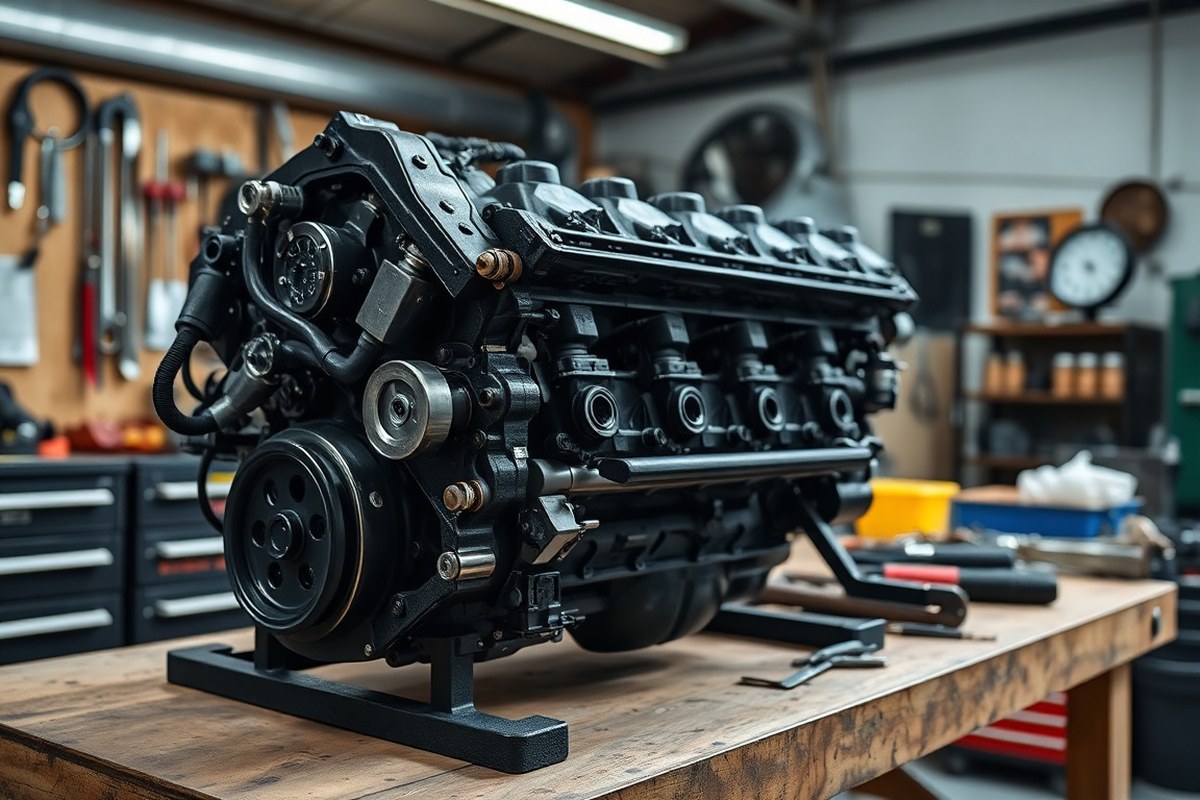
How Much Does Engine Weight Impact Performance and Fuel Efficiency
How much does engine weight affect your vehicle’s performance and fuel economy? Engine weight typically ranges from about 200 to 1,200 pounds depending on the type and size.
Lighter engines improve fuel efficiency and handling. But weak materials can lower durability.
Start by knowing your engine’s weight based on its design and vehicle category. Watch out for added components like turbochargers or transmissions, which increase total weight significantly.
Choosing lighter materials like aluminum cuts engine weight by up to 100 pounds. This is common in sedans.
A 100-pound engine weight cut boosts city fuel economy by 1 to 2 percent. This is for a 3,500-pound car. That small change can make a noticeable difference over time, especially in stop-and-go traffic.
Key Takeaways
- Car engine weights usually fall between 165 and 1,200 pounds depending on size and type.
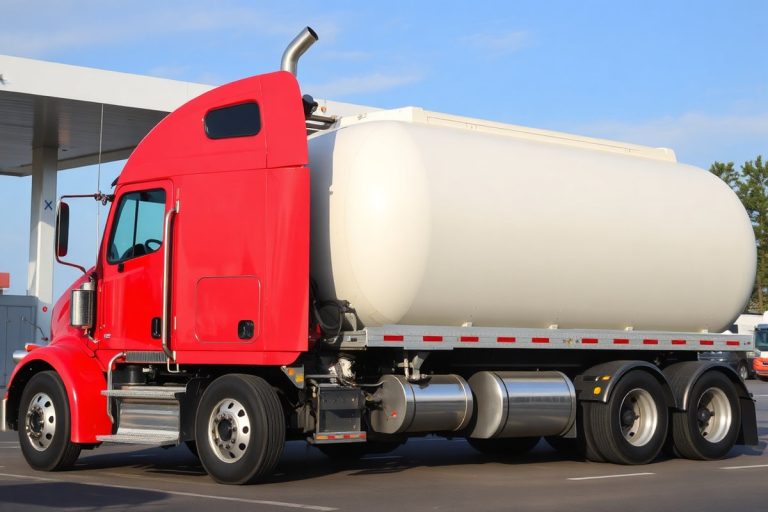
- Truck engines often weigh between 600 and 1,200 pounds, sometimes more.
- Lightweight materials like aluminum reduce engine weight by 10 to 60 percent versus steel.
- A 100-pound engine weight drop cuts total vehicle weight by about 3 percent.
- Reducing vehicle weight by 3 percent can improve city fuel economy by 1 to 2 percent.
- Electric vehicle drive units weigh roughly one-third to half of a gasoline engine.
Typical Engine Weight Ranges by Type and Size
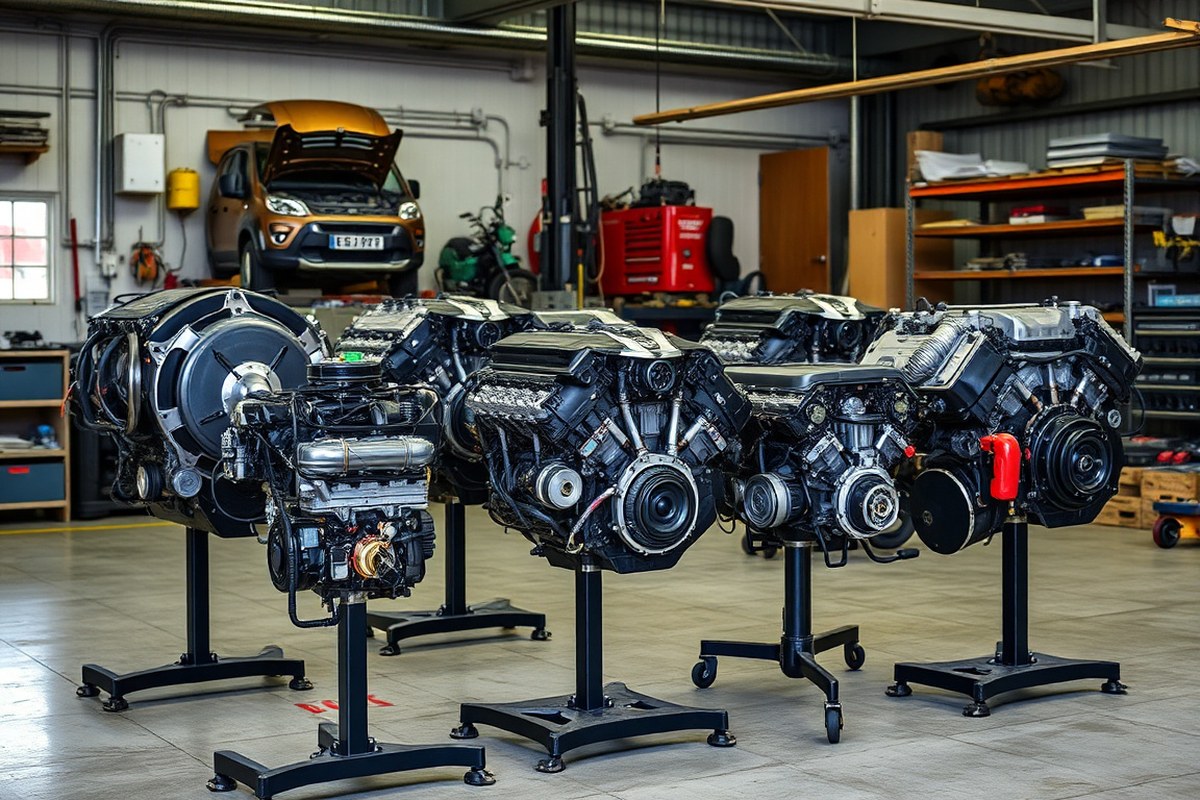
Engine weights vary widely based on their size, type, and materials. Four-cylinder engines weigh less than V6 and V8 engines. They have fewer cylinders.
Their parts are smaller too. Diesel engines usually weigh more than gasoline engines.
This is because of their stronger cast-iron build. It handles higher compression.
Electric motors often weigh less than traditional engines. However, their weight varies by motor size and design. Their lower weight helps reduce overall vehicle mass, improving efficiency.
Weight differences in engine types affect comparing vehicles. They also matter if you plan modifications.
| Engine Type | Average Weight (lbs) | Average Weight (kg) |
|---|---|---|
| 4-cylinder (Gasoline) | 200 – 350 | 90 – 160 |
| V6 (Gasoline) | 300 – 450 | 140 – 200 |
| V8 (Gasoline) | 400 – 700 | 180 – 320 |
| Diesel (Truck & Heavy-Duty) | 600 – 1200+ | 270 – 545+ |
| Electric Motor (EV Drive Unit) | 100 – 300 | 45 – 136 |
Knowing these ranges helps you estimate the weight for your specific vehicle or project. For instance, a compact car usually uses a 4-cylinder engine weighing around 250 to 350 pounds. Meanwhile, diesel engines for trucks frequently exceed 1,000 pounds because of their tough cast-iron construction.
Electric drive units weigh much less, often between 100 and 300 pounds. This range depends on motor power and cooling systems.
Compare engine weights when choosing one. This helps you see effects on balance and performance.
How Vehicle Type Influences Engine Weight

Engines vary in weight depending on the vehicle type. Compact cars usually have smaller four-cylinder engines, which weigh between 100 and 250 pounds. These lighter engines help improve the car’s fuel efficiency and make handling easier.
Trucks and SUVs often use bigger engines like V8s or heavy-duty V6s. These engines weigh 600 to 900 pounds. They need more power for towing.
Off-road use also demands heavier engines. That extra weight adds robustness and durability but makes the vehicle heavier overall.
Sports cars balance power and weight differently. Many use V6 or V8 engines that range from 300 to 550 pounds. Some sports engines have aluminum blocks.
They use other lightweight parts too. This keeps weight low without losing power.
- Compact cars: 100 to 250 pounds for 4-cylinder engines
- Mid-size SUVs and sports coupes: 300 to 550 pounds for V6 or small V8 engines
- Trucks and large SUVs: 600 to 900 pounds for heavy-duty V8 or V6 engines
- IndyCar engines: about 248 pounds, which is very light
- Aluminum engine blocks can cut weight by around 100 pounds compared to cast iron
Keep in mind that engine weight affects handling and fuel economy. So choosing the right balance matters.
Engine weight changes affect how a vehicle drives and drinks gas. Lighter engines offer better fuel scores and sharper handling.
Heavier engines, while powerful, can make the vehicle feel sluggish in corners. Manufacturers carefully pick engine weight depending on what the vehicle must do.
Knowing engine weights helps you understand vehicle differences. Trucks weigh more, so their rides feel rougher. But they offer strong hauling power.
Compact cars gain fuel savings but have less grunt. Sports cars balance light and strong well.
They use lighter materials and medium-weight engines. This keeps performance and weight in check.
What Components Are Included in Engine Weight Measurements
Engine weight depends on which parts are included in the measurement. A bare block weighs less than a long block or a fully dressed engine. Knowing these differences helps explain the wide range of engine weights listed online.
Bare Engine Block Explained
The bare engine block is the engine’s core structure. It includes the cylinder block itself but excludes all other parts. Typically, a bare block weighs between 150 and 200 pounds.
This weight varies with material and size. Cast iron blocks generally weigh more than aluminum ones. The bare block doesn’t have pistons, crankshafts, or heads installed.
Additional Components Adding Weight
Adding cylinder heads, pistons, and crankshafts creates what’s called a long block engine. Cylinder heads usually weigh 50 to 75 pounds. Pistons and crankshafts together add around 70 to 100 pounds.
Manifolds and other accessories add extra weight. Intake manifolds weigh 10 to 15 pounds. Exhaust manifolds weigh 15 to 25 pounds.
A fully dressed engine weighs 75 to 150 pounds more. This includes all accessories and fluids added to it.
| Component | Weight (lbs) |
|---|---|
| Cylinder Block | 150-200 |
| Cylinder Heads | 50-75 |
| Pistons and Crankshaft | 70-100 |
| Intake Manifold | 10-15 |
| Exhaust Manifold | 15-25 |
| Additional Components (Accessories & Fluids) | 75-150 |
Recognizing these parts helps explain why weights vary between long block and dressed engines. The difference can be more than 100 pounds depending on included components.
Why Weight Numbers Differ Between Sources
Some listings show bare block weights; others list fully dressed engines. Sellers rarely specify which weight they provide. This causes confusion for buyers and enthusiasts.
Materials, displacement, and accessory load also impact weight. For example, aluminum blocks are lighter but might include heavy accessories. Some engines with turbochargers weigh more due to added parts.
Comparing two engine weights means checking what components each weight covers. Unclear details can make the same engine appear much heavier or lighter in different sources.
Impact of Materials on Engine Weight
Aluminum engine blocks typically weigh about 40% less than cast iron ones. This large weight difference matters. The engine makes up a big part of total car weight.
This affects how the car drives. Lighter engines improve handling and fuel efficiency by cutting down the overall mass the car carries.
Aluminum is popular for engine blocks today. It helps meet fuel economy rules. This saves gas over time.
It conducts heat better than cast iron, allowing engines to run cooler and more efficiently. However, aluminum is softer and less durable under extreme stress. So engineers often reinforce it with alloys or special designs to keep strength high.
Cast iron engines are heavier but excel in durability and longevity. They tolerate high temperatures and wear without cracking or warping. That’s why many heavy-duty and older engines still use cast iron despite its weight penalty.
Using aluminum means trade-offs. Making aluminum engines is more complex and costs more. Machining and alloying raise expenses.
Makers add lightweight parts to aluminum engines. Pistons and intake manifolds often use lighter materials. This cuts down total engine weight.
Advanced techniques like casting aluminum-cerium alloys shrink weight while preserving performance. These parts lower fuel use.
They help acceleration and braking feel better. The engine puts less strain on suspension and tires.
When choosing engine materials, consider the engine’s purpose and environment. High-performance, passenger, or hybrid engines benefit most from aluminum blocks. In contrast, cast iron suits heavier trucks or equipment where durability beats weight savings.
Material choice affects engine weight and performance. It also impacts cost and engine life. This balance guides manufacturers’ decisions.
How Engine Weight Affects Vehicle Performance and Handling
Heavier engines generally reduce a vehicle’s acceleration and agility. They add weight that the engine must move. This causes slower 0-60 mph times.
Handling also becomes less responsive. For example, switching to a bulky V8 from a lighter inline-four can slow off-the-line speed noticeably.
Engine weight distribution matters a lot for handling. Placing a heavy engine further forward can cause understeer, where the car resists turning sharply. Moving weight closer to the center helps balance the car.
It also makes the car more agile in corners. Manufacturers plan engine placement to improve this balance and vehicle control.
Heavier engines can improve traction in some cases, like off-road or drag racing. The extra weight over the driven wheels helps increase grip during hard acceleration or rough terrain.
This benefit has downsides in fuel and braking. More weight means you need longer distances to stop.
Adding weight or moving the engine needs extra work. You might need to upgrade brakes or suspension.
Engine weight isn’t just about speed or cornering. It also affects how the car stops. Heavier engines add to total vehicle mass, forcing brakes to work harder.
This can cause brake fade on long downhill drives or in repeated stops. So heavier cars often feature bigger brake systems.
In performance tuning, lighter engines are often preferred to improve acceleration and handling. However, heavier engines may be chosen intentionally to boost traction or change handling balance. Each choice depends on the vehicle’s purpose and the driver’s priorities.
The Relationship Between Engine Weight and Fuel Efficiency
Reducing engine weight directly improves fuel economy by cutting the energy needed to move the vehicle. Lighter engines use less fuel because they cut total vehicle weight. This is especially true in city driving.
Stop-and-go traffic needs more energy. Studies show a 100-pound drop in vehicle weight boosts fuel economy.
Gains range from 1 to 2%. Conditions affect the exact figure.
The best way to reduce engine weight is swapping heavy parts. Use lighter alloys or remove non-essential components. This saves cost and weight.
For example, switching cast iron to aluminum cuts engine weight. That saves 50 to 75 pounds without hurting performance.
It’s a common upgrade. This change alone could help boost fuel economy by approximately 1% on an average compact car.
Weight matters more in city driving because frequent acceleration uses more fuel. On the highway, steady speeds mean engine weight has less effect on fuel consumption.
For instance, reducing engine weight by 100 pounds might improve city fuel economy by about 1.5%. Highway improvement could be closer to 0.5%.
To estimate efficiency gains, start with your engine weight. Suppose the engine weighs 400 pounds. It gets 25 miles per gallon in the city.
Reducing engine weight by 100 pounds lowers it by 25%. This can boost fuel economy by about 1 mile per gallon.5%. So, multiply 25 mpg by 1.015, giving about 25.4 mpg.
While 0.4 mpg may seem small, it adds up over time and reduces fuel costs. Cutting engine weight more than 100 pounds may improve fuel economy. However, costs rise due to advanced materials and redesigns.
Costs can limit savings. Balancing cost and weight reduction keeps fuel economy gains low.
Usually, improvements stay between 1 and 2 percentage points. This is the practical range.
Case Study: Weighing a Chevy 350 Engine
The Chevy 350 engine typically weighs between 500 and 600 pounds. Most of this weight comes from its main parts like the cylinder block and heads. Accessories and manifolds add extra pounds, changing the final number a bit.
Chevy 350 Block Weight
The cylinder block is the heaviest single part of the 350 engine. It holds the cylinders, pistons, and crankshaft, bearing most of the engine’s load. This block alone usually weighs about 260 to 300 pounds.
Cylinder heads seal the combustion chambers on top of the block. These make up a big part of the total weight.
Often, the full set weighs about 100 pounds. Their weight depends on whether they are cast iron or aluminum, with cast iron being heavier.
Additional Components Weight
Besides the block and heads, many other parts add weight. Intake and exhaust manifolds usually add about 50 to 60 pounds combined. These parts connect air and fuel systems and take a chunk of the total engine weight.
Accessories like the alternator, water pump, and power steering pump add 40 to 50 pounds more. Adding a turbocharger or supercharger can increase weight substantially. Forced induction parts might add 20 to 50 pounds extra, affecting weight balance.
Total Weight Summary
Putting these parts together gives a good estimate of the total engine weight. The 350 engine’s weight, including block, heads, and accessories, usually ranges from 500 to 600 pounds. This range is typical for small block V8 engines.
Compared to other small blocks, the Chevy 350 falls in the middle. Some weigh less if made with aluminum or fewer accessories. Others weigh more if they have larger or added forced induction parts.
| Component | Approximate Weight (lbs) |
|---|---|
| Cylinder Block | 260, 300 |
| Cylinder Heads (pair) | 100 |
| Intake Manifold | 30 |
| Exhaust Manifold | 20, 30 |
| Accessories (Alternator, etc.) | 40, 50 |
| Total Estimated Weight | 500, 600 |
Knowing this breakdown helps you understand why these engines weigh what they do. It also shows how adding or removing parts changes the total weight in real-world terms.
How to Find the Weight of a Specific Engine
Finding the exact weight of an engine matters for projects and purchases. Start by checking manufacturer specs or trusted aftermarket data. You can also weigh the engine yourself or compare multiple sources for accuracy.
Using Manufacturer and Aftermarket Specs
Factory manuals often list engine weights or provide useful references. These specs usually state the dry weight without fluids or accessories. For more detail, aftermarket parts sellers and rebuild guides often add real-world weights, including common extras.
Look for official documents or websites from the car brand. Engine swap forums and rebuild shops share detailed weight figures too. Keep in mind that weights differ by engine version and production year.
Check these sources for reliable numbers:
- Automaker’s service manuals or engine spec sheets
- Aftermarket parts catalogs and manufacturer websites
- Car enthusiast forums focused on engine swaps
- Rebuild and performance guidebooks
- Online databases maintained by automotive historians
Using official and practical sources gives a fuller picture of the engine’s weight. It helps avoid surprises when comparing or choosing engines.
Weighing Engines Safely Yourself
To weigh an engine, remove all fluids and loose accessories first. These add extra pounds and skew results. First, find a sturdy and level surface.
Then, use a scale rated for at least 1,000 pounds. This is good for most car engines.
Use a truck scale or a heavy-duty floor scale if available. Portable digital crane scales are another option if you have lifting gear.
Rig the engine to a hoist or engine stand connected to the scale. Verify the setup is stable and secure before lifting.
Keep these points in mind for accurate weighing:
- Drain oil, coolant, and fuel completely
- Remove the intake manifold and exhaust manifolds if possible
- Use an engine hoist with a calibrated digital scale
- Choose a flat, solid surface for floor scales
- Double-check weight display and unit settings before logging
Always wear safety gear and avoid lifting engines alone to prevent injuries.
Cross-Checking Multiple Sources
Engine weights vary, so comparing several references ensures you get accurate data. Confirm weight values with different manufacturers’ specs and real measurement reports. This approach helps spot errors or exaggerations common in unofficial listings.
Don’t rely solely on one number, especially from online forums. Some engines have differing weights depending on castings, included parts, or model year changes. Look for weight ranges or averages rather than fixed figures.
For serious projects, weigh a known engine yourself alongside consulting published data. This hands-on step confirms what to expect and helps plan your work safely.
Why Engine Weight Figures Vary and Common Misconceptions
Engine weight numbers often differ because manufacturers change materials and designs over time. Model year can cause big shifts in weight for the same engine type. Even small updates, like using aluminum parts instead of cast iron, reduce weight noticeably.
Published weights sometimes leave out parts like the flywheel or water pump. One source says an engine weighs 430 pounds. Another says 476.
Both numbers refer to the same model. That difference matters if you’re planning a swap or tuning suspension around the engine mass.
People often think heavier engines always hurt fuel efficiency or performance. That’s not true. A heavier engine puts more weight on the front tires.
This can increase understeer. Brake wear also goes up. But it doesn’t automatically mean the engine is less efficient or slower.
A common myth is that lighter engines are better in every way. Lightweight options typically cost more and may sacrifice durability or torque. Some engines weigh more because they have extra features.
These include superchargers. They boost power despite the added weight.
When comparing engine weights, check what components the number includes and the exact model year. For example, a late-model Vortec small-block Chevy weighed 476 pounds including all accessories.
The same engine without water pump or flywheel will be lighter. Knowing this avoids surprises during installation.
Quick-Start Action Plan for Estimating Engine Weight
Use this plan to figure out an engine’s weight and what it means for your vehicle. Follow these steps to measure or estimate accurately and apply that info.
- Before you start: Identify your engine’s type and size. Knowing this helps you learn typical engine weight ranges.
- Day 1: Check your vehicle’s manual or online database for engine specs. Note the engine weight listed when it is found.
- Day 2: Look at the engine’s materials such as iron or aluminum. Lighter materials reduce overall engine weight.
- Week 1: Consider the type of vehicle, sedan or truck. It affects the engine’s design and weight.
- Week 1: Look for trusted sources for exact engine weights. Check manufacturer data or automotive forums.
- Week 2: If possible, weigh the engine yourself or get a shop to do it. Compare to typical weights for accuracy.
- After 2 weeks: Use engine weight info to plan upgrades or repairs. Focus on performance or fuel economy goals.
Frequently Asked Questions
How Much Does an Average Passenger Car Engine Weigh?
An average passenger car engine weighs around 350 pounds. This excludes the transmission and varies by cylinder count and materials used.
What Is the Engine Weight Range for Electric Vehicles Compared to Gasoline Engines?
Electric vehicle drive units weigh between 100 to 250 pounds. They are typically one-third to one-half the weight of comparable gasoline engines.
Does Engine Weight Include the Transmission in Measurements?
Engine weight usually does not include the transmission. Combining both can bring the total weight to 300 to 1,500 pounds depending on types.
How Does Engine Weight Relate to Fuel Economy Improvements?
Reducing engine weight by 100 pounds improves city fuel economy by about 1 to 2 percent. This reflects roughly a 3 percent reduction in total vehicle weight.
Why Can the Same Engine Model Have Different Weights?
Engine weight varies due to configuration, materials, and added components like ancillaries. This means nominal weights can differ between production runs.
Key Points to Remember
Engine weight varies by design and materials used. It directly shapes how your vehicle performs and uses fuel. Start by finding your engine’s exact specs to make smart choices about upgrades or maintenance.