Is Chlorine Gas a Compound? Clear Facts and Chemical Truths Explained
Is chlorine gas a compound? The simple answer is no.
Chlorine gas is an element made from two chlorine atoms bonded together. Its chemical formula is Cl₂, showing it consists of identical atoms linked to form a molecule.
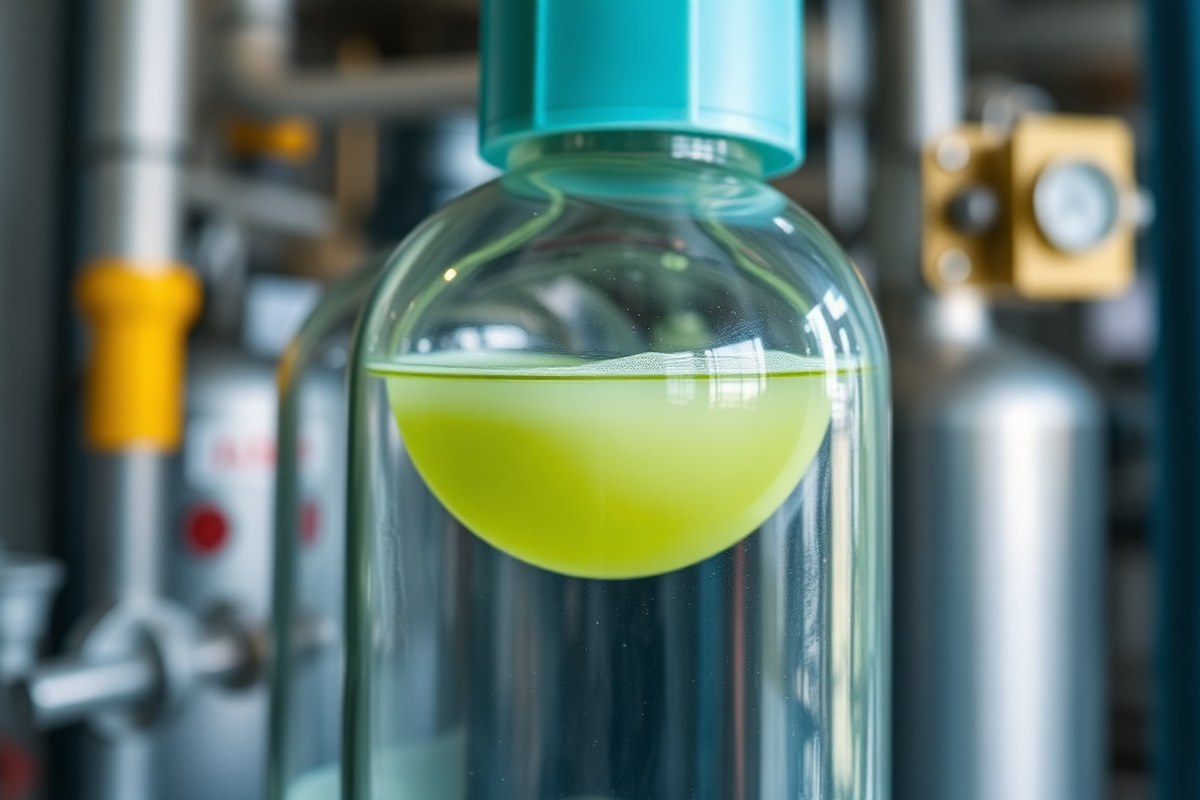
As an element, chlorine gas has unique properties different from compounds. It looks greenish-yellow and smells strong and sharp. You’ll find it weighs more than air and tends to settle low in spaces like basements.
Knowing chlorine gas is an element helps you understand its dangers better. Since it reacts with water to form acids, avoid moisture when handling it. Remember, its heavy weight stops it from spreading fast in air.
It may collect in low spots, raising risk. Keep areas well ventilated to avoid build-up.
Key Takeaways
- Chlorine gas has the chemical formula Cl₂, meaning two chlorine atoms bonded.
- Chlorine is an element, not a compound made of different atoms.
- Chlorine gas has a density of 3.21 grams per liter, making it heavier than normal air. This causes it to settle in lower areas instead of rising. Proper ventilation is essential to prevent dangerous concentrations.
- It turns liquid below -29 °F and solidifies below -150 °F at atmospheric pressure.
- Chlorine reacts with water and moisture to form corrosive acids.
- Its greenish-yellow color appears only above about 25 ppm concentration.
Is Chlorine Gas a Compound or an Element?
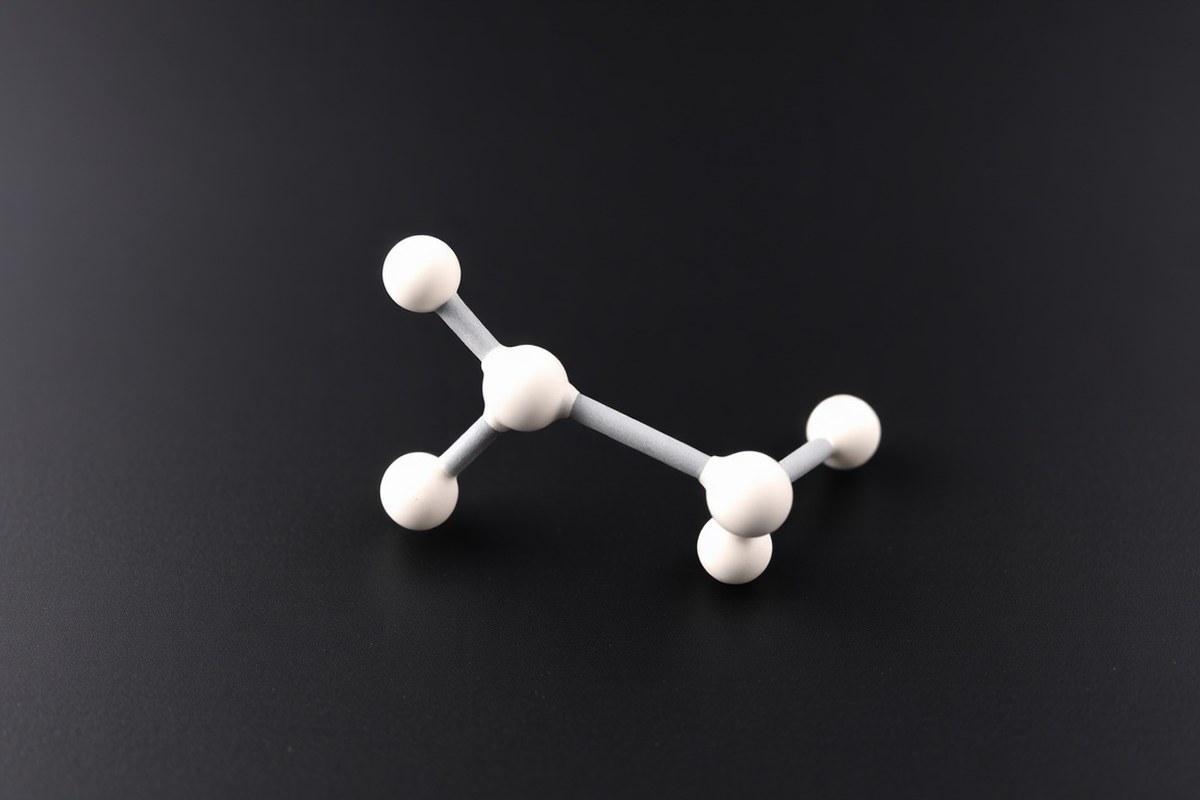
Chlorine gas is an element, not a compound. A chemical element is made of only one type of atom.
A compound contains atoms of two or more different elements bonded together. Chlorine gas consists of Cl2 molecules, where two chlorine atoms share a covalent bond.
This Cl2 molecule represents elemental chlorine because it only has chlorine atoms. The bond between these atoms holds them together, but no other element is involved. That’s why Cl2 is called an elemental molecule, not a compound.
To classify a substance, check what atoms make it up. For example, water (H2O) is a compound because it contains hydrogen and oxygen atoms bonded together.
Chlorine gas differs because it contains only chlorine atoms, despite its diatomic molecular form. This simple rule helps decide if a substance is an element or a compound.
Chemical Structure and Formula of Chlorine Gas
Chlorine gas has the chemical formula Cl2. It is made of two chlorine atoms joined by a covalent bond.
Each chlorine atom has seven valence electrons. So they share one electron to complete their outer shell of eight.
This shared pair forms a single covalent bond holding the two atoms together. The molecule is diatomic. It exists as two atoms bonded together.
Not as single chlorine atoms. This structure lowers the energy of the system, making Cl2 stable.
Chlorine gas is diatomic like oxygen (O2). It also shares this trait with nitrogen (N2). Hydrogen (H2) does too.
They all form molecules by pairing atoms with shared electrons. Chlorine has valence electrons that make it reactive.
It likes to gain or share electrons. This helps fill its electron shell.
| Gas | Chemical Formula | Valence Electrons Per Atom | Type of Bond |
|---|---|---|---|
| Chlorine | Cl2 | 7 | Single covalent bond |
| Oxygen | O2 | 6 | Double covalent bond |
| Nitrogen | N2 | 5 | Triple covalent bond |
| Hydrogen | H2 | 1 | Single covalent bond |
The bonding in chlorine gas creates a bent molecular shape. But the two chlorine atoms lie straight in a bond angle of 180 degrees. Chlorine has a linear structure because of its small size.
This shape helps chlorine gas move easily through air. Chlorine atoms each crave one more electron, which makes chlorine a strong oxidizing agent.
Knowing this molecular structure helps explain chlorine’s chemical behavior. It reacts by breaking the Cl, Cl bond to join with other atoms. Chlorine’s reactivity forms compounds like sodium chloride.
Here, chlorine gains an electron to become Cl⁻ ions. The formula Cl2 shows two chlorine atoms sharing electrons. This molecular structure lets chlorine react or form compounds.
Always handle chlorine gas in well-ventilated areas. Use proper protective gear due to its reactivity and toxicity.
How Is Chlorine Gas Produced Industrially?
Industrial chlorine gas mainly comes from the electrolysis of brine. This breaks down saltwater into chlorine gas, hydrogen gas, and sodium hydroxide. This method is the leading source due to its efficiency and scale.
Chlor-Alkali Electrolytic Method
The chlor-alkali process electrolyzes brine, which is concentrated sodium chloride water. Passing an electric current through the brine splits it into chlorine gas at the anode. Meanwhile, hydrogen gas forms at the cathode along with a sodium hydroxide solution.
This method takes place in a specialized cell that separates these products to keep them pure. The raw inputs are simple: salt, water, and electric power. The output depends on controlling current and temperature carefully for best yield.
Other Production Techniques
Other ways to produce chlorine gas include chemical reactions with hydrochloric acid and manganese dioxide. These methods are common in labs but not for large scale industry. Electrolysis remains preferred for volume and purity.
Some plants use membrane cells, diaphragm cells, or mercury cells for electrolyzing brine. Each type has different costs, efficiencies, and environmental tradeoffs. Mercury cells release toxic mercury, so they’re less common now.
Byproducts and Co-Products
The main byproducts of producing chlorine from brine are hydrogen gas and sodium hydroxide. These are valuable and often sold separately. Hydrogen can be used as a fuel or in chemical synthesis.
Sodium hydroxide has many industrial uses including paper bleaching, soap making, and water treatment. Managing these co-products efficiently improves overall plant economics and reduces waste. Here’s a summary of what goes into and comes out of the chlor-alkali process:
| Input | Output |
|---|---|
| Concentrated sodium chloride solution (brine) | Chlorine gas (Cl₂) |
| Electric current | Hydrogen gas (H₂) |
| Water | Sodium hydroxide solution (NaOH) |
This method needs stable power and clean brine for continuous chlorine gas flow. Issues like contaminated brine or power fluctuations drop yield and quality. Plants monitor these closely to keep output steady.
Key Physical and Chemical Properties of Chlorine Gas
Chlorine gas looks greenish-yellow and has a strong, suffocating smell. It’s denser than air, so it tends to stay low in open spaces.
The boiling point is about -30 degrees Fahrenheit. The melting point occurs near -150 degrees Fahrenheit.
This gas reacts strongly with many substances. It is not flammable but can make other materials catch fire more easily. Chlorine can make acetylene catch fire in some cases.
It can also cause ether, turpentine, and ammonia to burn or even explode. These reactions can be very dangerous.
Chlorine gas also reacts with moisture in the air or on surfaces. When it comes into contact with water or steam, it forms hydrochloric acid and hypochlorous acid. These acids are highly corrosive and can damage metals and living tissue.
- Greenish-yellow color with a choking odor
- Heavier than air, settles in low areas
- Boils at about -30°F; melts near -150°F
- Not flammable, but boosts flammability of other chemicals
- Forms strong acids when mixed with water or steam
- Oxidizes metals like steel at high temperatures (about 483°F)
- Reacts dangerously with substances like acetylene and ammonia
At temperatures over 483 degrees Fahrenheit, chlorine burns steel through oxidation. This means it reacts by taking electrons from iron, causing metal deterioration.
In wet conditions, the acids it creates corrode materials quickly. So you must avoid moisture where chlorine gas is stored.
Fixed chlorine gas sensors watch places where the gas is stored. They also monitor areas where chlorine might build up. This helps keep people safe.
These systems alert workers to dangerous levels before serious harm occurs. Handling chlorine safely requires knowing how it behaves physically and chemically in real environments.
Common Chemical Compounds Formed from Chlorine Gas
Chlorine gas forms many chemical compounds essential for industry and daily life. Sodium chloride (table salt), hydrochloric acid, and PVC plastics all depend on chlorine. These compounds have varied uses in manufacturing, water treatment, and household products.
Inorganic Compounds from Chlorine Gas
Sodium chloride (NaCl) is the most common chlorine compound, found naturally as halite or rock salt. Industry produces NaCl by reacting chlorine gas with sodium or sodium hydroxide. Hydrochloric acid (HCl) is made by mixing chlorine with hydrogen.
It is a key chemical for cleaning. It also helps control pH levels.
Chlorine gas also reacts to make sodium hydroxide (NaOH) through the chlor-alkali process. This reaction converts chlorine and water plus electricity to produce NaOH, chlorine gas, and hydrogen gas. These compounds serve many industrial functions, from soap making to metal treatment.
Organic Chlorine Compounds
Chlorine gas reacts with organic compounds to form chlorinated organics. These include chlorinated solvents and intermediates for plastics. For example, polyvinyl chloride (PVC) is made by polymerizing vinyl chloride, which contains chlorine atoms.
Chloramines form when chlorine reacts with ammonia, useful for water disinfection. Chloramine compounds disinfect less strongly than chlorine gas.
They last longer in treated water. This makes them good for ongoing disinfection.
Industrial and Household Products
PVC, made using chlorine gas, is a durable plastic for pipes, window frames, and cables. Its resistance to corrosion and chemicals makes it important in construction and electrical industries. The manufacture of PVC involves reacting chlorine with ethylene-derived compounds.
Many household bleach and disinfectant products rely on chlorine compounds, not pure chlorine gas. Sodium hypochlorite is made by dissolving chlorine in sodium hydroxide.
It cleans surfaces well. It is used both at home and in industry.
Here is a simple comparison of some important chlorine compounds:
| Compound | Chemical Formula | Use |
|---|---|---|
| Sodium chloride | NaCl | Table salt, water softening, food preservation |
| Hydrochloric acid | HCl | Cleaning, pH adjustment, manufacturing |
| Sodium hydroxide | NaOH | Soap making, chemical manufacturing, water treatment |
| Polyvinyl chloride (PVC) | (C2H3Cl)n | Plastic pipes, cables, construction materials |
| Sodium hypochlorite | NaOCl | Bleach, disinfectants for homes and pools |
These products come from chlorine gas by controlled reactions with other chemicals. Chlorine’s reactivity allows diverse compounds critical to modern life. Proper handling is required to avoid hazardous by-products.
Store chlorine compounds separately and avoid mixing with ammonia to prevent toxic chloramine gas formation.
Toxicity and Health Effects of Chlorine Gas Exposure
Chlorine gas is highly toxic even at very low concentrations. Exposure can irritate your eyes, nose, throat, and lungs quickly. You may cough, wheeze, or feel burning in your chest after just a few breaths.
The danger depends on how much chlorine you breathe and for how long. High concentrations can cause severe lung damage, fluid buildup, or even death.
Lower concentrations cause milder but still uncomfortable symptoms. People with asthma or lung issues have higher risks.
Workplaces set strict limits to reduce these risks. The time-weighted average (TWA) for chlorine is 0.1 parts per million (ppm) over an 8-hour shift.
Short-term exposure limits (STEL) allow 0.4 ppm for 15 minutes only. Exceeding these levels raises the chance of harmful effects and long-term lung problems.
- Throat irritation, coughing, and chest tightness
- Eye watering and burning sensations
- Difficulty breathing or wheezing
- Nausea, headache, or dizziness at higher doses
- Severe exposure may cause lung edema or fluid in lungs
- Loss of consciousness or fatal respiratory failure in extreme cases
Because chlorine gas is moderately soluble in water, it harms the respiratory tract on contact. Your lungs respond with inflammation that can worsen if exposure continues. Protective gear, good ventilation, and gas detectors reduce how much chlorine workers inhale.
Safety training helps workers recognize early symptoms and take quick action. If you notice irritation, immediately leave the area and seek fresh air.
Medical attention is necessary if breathing difficulties occur. Regular health checks monitor for any lung damage in those exposed over time.
Safety Measures and Emergency Response for Chlorine Gas
Only trained and authorised personnel should handle chlorine gas. Use engineering controls such as ventilation to keep chlorine concentrations low. Always wear personal protective equipment, including gloves, goggles, and chemical-resistant clothing.
Chlorine gas is stored in steel cylinders or bulk tanks under pressure. It is cooled and pressurized to keep it in liquid form for shipment. Follow transportation rules like ADR regulations to reduce accident risks during transit.
Professional gas detectors help monitor chlorine levels in the area. They alert you quickly if leaks occur, so you can act fast. Proper maintenance of detection devices ensures accurate and timely readings.
- Verify all personnel are properly trained before handling chlorine.
- Use self-contained breathing apparatus (SCBA) during leak investigations.
- Evacuate non-essential staff immediately if a leak is detected.
- Shut off the chlorine supply source if safe to do so.
- Ventilate the area with forced air ventilation to disperse gas.
- Notify emergency response teams trained in chlorine gas incidents.
- Decontaminate affected areas and equipment following leak containment.
During a chlorine gas emergency, evacuate the area immediately. Only emergency responders wearing SCBA can enter an active leak zone. Shut off valves if you’re trained and it’s safe, then ventilate the site with fresh air.
Clear communication with emergency services and onsite teams is key. Quick response limits exposure to chlorine’s toxic effects and reduces damage. Follow regulations set by safety authorities to protect everyone involved.
Environmental Impact and Regulations on Chlorine Gas Use
Chlorine gas can harm the environment, especially plants and soil. It causes leaf burn and reduces plant growth. In severe cases, chlorine exposure kills vegetation near spill sites or leak sources.
The main environmental risks come from chlorine’s ability to dissolve in water. This forms acids that can lower pH in soil and bodies of water. Acidic conditions disrupt aquatic life and damage ecosystems.
Regulations limit chlorine gas emissions and exposure levels to reduce these impacts. The U.S. Environmental Protection Agency (EPA) sets a maximum permissible level in air near chemical plants. OSHA limits worker exposure to 1 part per million.
This limit is averaged over an 8-hour workday. Employers must ensure workers don’t exceed this level.
| Agency | Standard | Limit |
|---|---|---|
| EPA | Ambient Air Quality | 0.3 ppm (short-term exposure) |
| OSHA | Workplace Exposure Limit | 1 ppm (8-hour TWA) |
| NIOSH | Recommended Exposure Limit | 0.5 ppm (10-minute ceiling) |
Meeting these standards requires careful monitoring of air and water around facilities. Facilities must contain chlorine leaks and venting to minimize release outdoors. Spraying water or using scrubbers can capture chlorine gas before it escapes.
Workers should wear breathing gear and chlorine monitors must stay active. Automated alarms can warn of gas leaks quickly. These steps protect human health and lower chlorine’s environmental damage.
Keeping chlorine away from soil and water bodies involves rapid cleanup and containment. Neutralizing agents like sodium thiosulfate help convert chlorine to safer substances. This stops acid formation and protects plants and animals.
Always wear proper protective equipment and ensure leak detectors are working near chlorine storage areas.
How Chlorine Gas Dissolves and Reacts with Water
Chlorine gas dissolves somewhat in water and quickly reacts with it. This reaction produces hydrochloric acid and hypochlorous acid. These acids form within minutes as chlorine dissolves.
Solubility Characteristics
Chlorine gas is slightly soluble in water. It dissolves because of differences in pressure and temperature. At room temperature, only a small amount of chlorine gas dissolves before the water becomes saturated.
The solubility changes with temperature. Cooler water holds more chlorine gas. This means colder water speeds up chlorine dissolution and the resulting chemical reactions.
Reaction with Water Forming Acids
When chlorine gas contacts water, it reacts in two main ways. First, it forms hydrochloric acid (HCl).
Second, it forms hypochlorous acid (HOCl). The simplified reaction is Cl₂ + H₂O → HCl + HOCl.
These reactions happen quickly, usually within minutes after chlorine contacts water. Both acids create a strong, corrosive mixture. Hypochlorous acid is especially important for disinfecting purposes.
Implications for Water Treatment
Chlorine’s ability to form acids makes it useful for water disinfection. Hypochlorous acid kills bacteria and viruses effectively. Operators add chlorine gas to water to control pathogens safely.
Because chlorine generates acids, it can corrode metal pipes and equipment. Facilities using chlorine must monitor pH levels and acid buildup closely. Chemical dosing controls help avoid damage and maintain safe water quality.
Step-by-Step Action Plan for Handling Chlorine Gas Safely
Follow these steps to understand chlorine gas risks. Learn how to manage them safely in your work or study zone. This will help you handle chlorine gas better.
- Before you start: Learn chlorine gas is an element, not a compound. This helps you grasp how it reacts and its hazards.
- Day 1: Review the chemical properties and uses of chlorine gas. Recognize its physical traits and common compounds it forms.
- Week 1: Study industrial production methods to understand where chlorine gas comes from. Knowing this reduces surprises and safety risks.
- Week 2: Identify all exposure hazards and toxicity symptoms. Use this knowledge to spot unsafe situations quickly.
- Week 3: Implement all safety measures suggested for chlorine gas handling. Confirm safety by checking proper ventilation and using protective gear.
- Week 4: Practice emergency response steps for chlorine gas leaks or exposure. Test your readiness with drills or discussions.
- Ongoing: Keep updated on environmental regulations about chlorine gas in your area. This ensures your use stays legal and safe.
Frequently Asked Questions
Is Chlorine Gas a Compound or an Element?
Chlorine gas is a molecule made of two chlorine atoms. So it is a compound. It has Cl2 molecules where two atoms share electrons.
This makes chlorine diatomic, not a single atom. It means chlorine exists as pairs of atoms bonded together.
Why Does Chlorine Gas Have a Strong Greenish-Yellow Color?
Chlorine gas appears greenish-yellow due to the way it absorbs and scatters light. This color helps identify leaks during industrial use, so workers can spot chlorine quickly.
How Heavy Is Chlorine Gas Compared to Air?
Chlorine gas weighs roughly 2.5 times more than air. Its density is 3.21 grams for every liter of gas. Because of this, it tends to gather in lower places like basements.
What Makes Chlorine Gas so Toxic to Humans?
Chlorine gas reacts strongly with moisture in the lungs, forming acids that damage tissue. Even low concentrations can cause coughing, difficulty breathing, or worse.
How Should Workplaces Detect Chlorine Gas Leaks Safely?
Effective chlorine gas detectors use sensors to sound alarms at low concentrations near 1 ppm. These systems help prevent poisonings by alerting workers before levels become dangerous.
Before You Go
Chlorine gas is an element, not a compound, with unique risks and uses. Handle it with care and respect its hazards. Start by learning its safety rules and protective steps today.