
Does Diesel Engine Has Spark Plug? What Actually Works and How It Ignites
Does diesel engine has spark plug? The simple answer is no. Diesel engines don’t use spark plugs like gasoline engines do.
Diesel engines rely on compression ignition rather than spark ignition. When the air inside the cylinder is compressed, it heats up to a very high temperature. This heat is enough to ignite the diesel fuel without needing any spark from a plug.
Glow plugs assist diesel engines but work differently than spark plugs. They warm the air inside the cylinder to help start the engine, especially when it’s cold outside.
However, glow plugs don’t produce a spark. They only raise the temperature to make ignition smoother.
This is why diesel engines are built differently and run on a different principle. They have higher compression ratios to generate enough heat for ignition. This design helps diesel engines achieve better fuel efficiency and more torque than gasoline engines.
Key Takeaways
- Diesel engines rely on heat from compressed air to ignite fuel, not sparks.
- Glow plugs heat the air to help diesel start, particularly in cold weather.
- Glow plugs are different from spark plugs; they don’t create sparks.
- Never install spark plugs in a diesel engine; they won’t work.
- Glow plugs switch off after the engine warms up to save energy.
- Cold engines need more glow plug assistance because the block absorbs heat.
Does a Diesel Engine Have a Spark Plug?
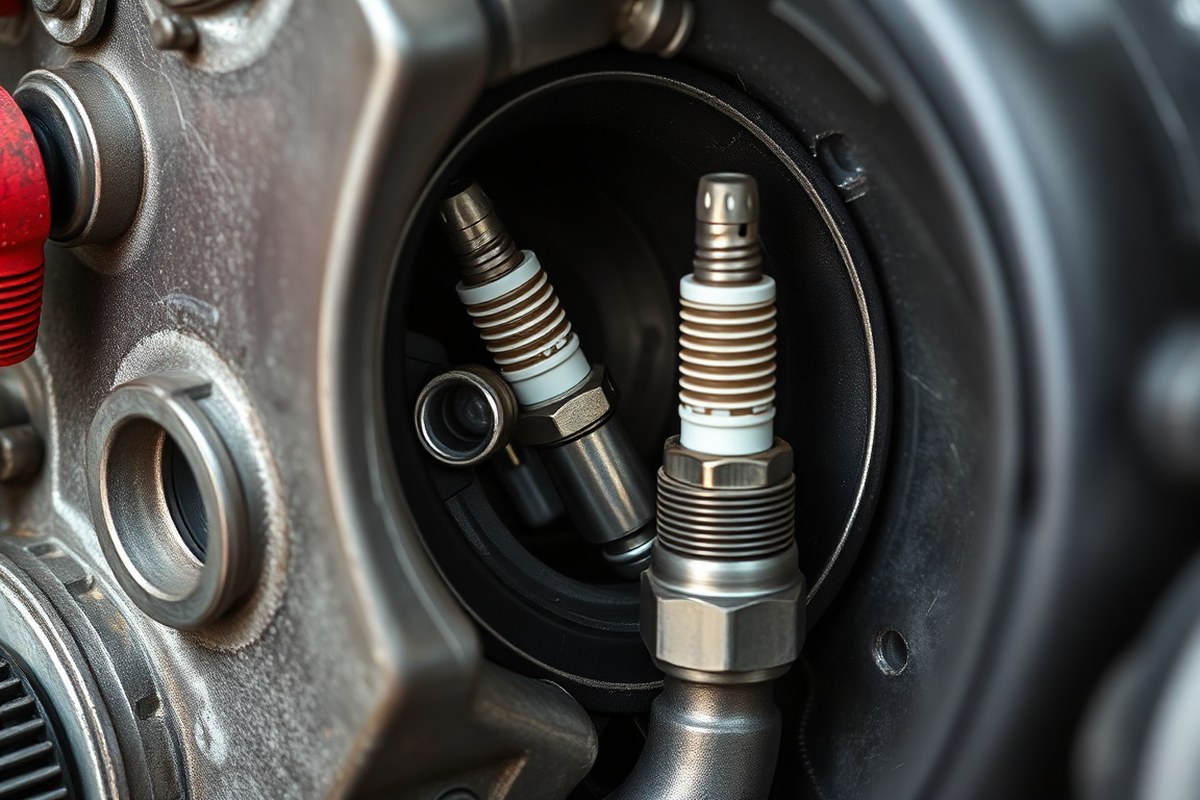
A diesel engine does not have spark plugs. It relies on compression ignition, not an electric spark, to ignite the fuel.
Diesel engines don’t use spark plugs. They use glow plugs or other starting aids. These help the engine start in cold weather.
Glow plugs warm the combustion chamber before starting. But they do not create a spark.
| Feature | Spark Plug | Glow Plug |
|---|---|---|
| Function | Creates spark to ignite air-fuel mixture | Heats combustion chamber for cold starts only |
| Engine Type | Gasoline (petrol) engines | Diesel engines |
| Active During | Every combustion cycle | Only during engine warm-up |
| Ignition Role | Primary ignition source | Starting aid, not ignition source |
| Operating Voltage | Approximately 12,000, 45,000 volts | Between 5 and 12 volts |
| Replacement Interval | Every 30,000 to 100,000 miles | Every 60,000 to 100,000 miles |
Diesel engines have no ignition coils or distributors related to spark plugs. Diesel engines have very high compression.
It ranges between 14:1 and 25:1. This compression creates heat that ignites the fuel.
Any attempt to put spark plugs in a diesel engine will fail. Diesel engines are designed for compression ignition and lack the wiring and components needed for sparks.
How Diesel Engines Ignite Fuel Without Spark Plugs
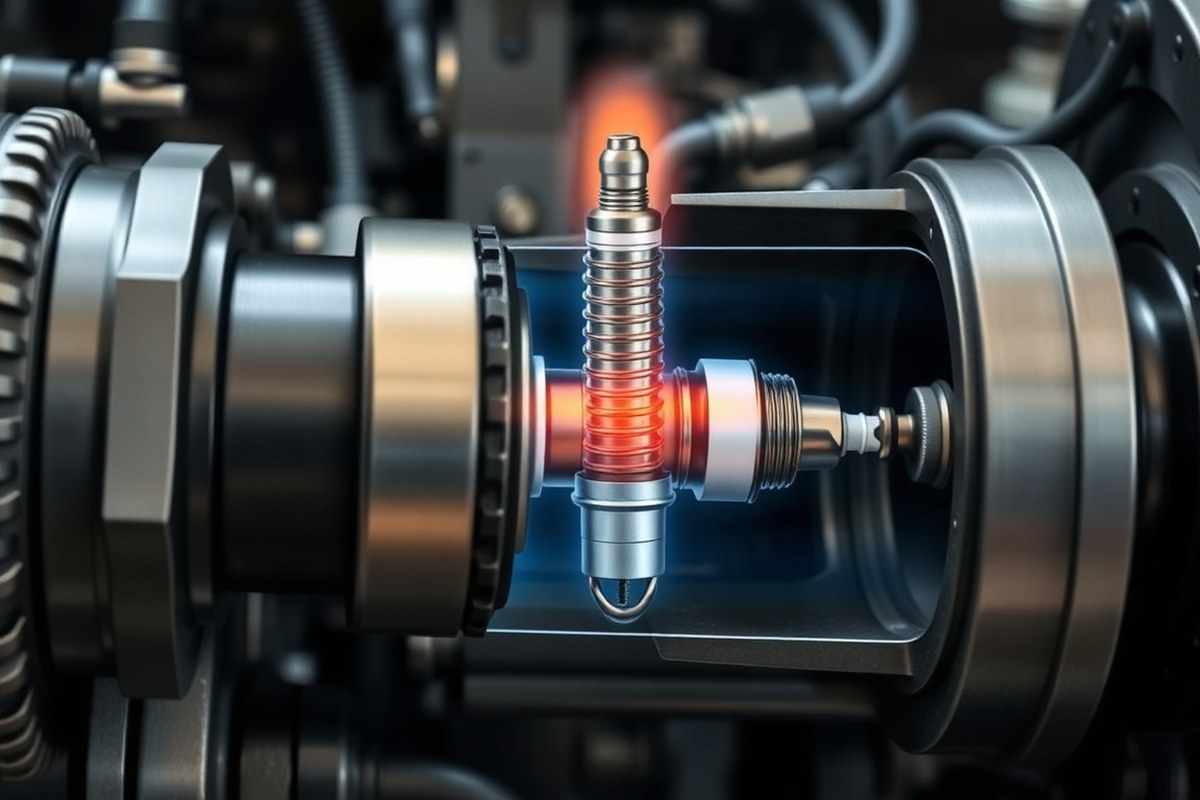
Diesel engines ignite fuel by compressing air inside the cylinder until it gets very hot. This process is called compression ignition. The piston squeezes air until it heats to 900°F to 1,200°F (480°C to 650°C).
This temperature is high enough to ignite diesel fuel right away. The fuel ignites instantly when sprayed in.
Unlike gasoline engines, diesel engines don’t mix fuel and air before compression. They only compress clean air, which heats up significantly due to extreme pressure. First, the engine heats the air inside the cylinder.
Then it injects diesel fuel directly at the top of the stroke. This happens after the air is very hot.
The fuel gets sprayed directly into hot, compressed air. This heat and pressure cause diesel to ignite by itself. No spark plug is needed to start the burn.
Diesel fuel has qualities that allow it to ignite readily under these conditions. Diesel engines have a compression ratio of about 14:1 to 23:1.
This makes the air much hotter than in gasoline engines. Gasoline engines usually run at ratios between 8:1 and 12:1.
The piston’s fast movement compresses air enough to raise its temperature. When the injector sprays diesel fuel into this hot air, combustion starts right away.
That’s why diesel engines do not have spark plugs or ignition coils. Instead, they rely purely on heat from compression to start and run.
Keep your glow plugs working well for cold weather starts. Compression alone may not heat enough below freezing temperatures. Good glow plugs help the engine fire smoothly when cold.
What Are Glow Plugs and How Do They Differ from Spark Plugs?
Glow plugs and spark plugs both help engines start. But they do very different jobs. Glow plugs warm the air in diesel engines to aid ignition.
Spark plugs create a spark to ignite the fuel in gasoline engines. Their design and function reflect how diesel and gasoline engines burn fuel.
Glow Plug Function and Purpose
Glow plugs act like small heaters inside diesel engine cylinders. Glow plugs raise the air temperature fast to about 900 °C. This happens within two seconds.
It helps diesel fuel ignite using compression heat. This heating helps cold engines start better, especially below freezing temperatures.
Diesel engines rely on high compression to ignite fuel. But cold air is harder to heat.
Glow plugs solve this by preheating the combustion chamber before ignition. Once the engine is warm, glow plugs usually turn off and stop working.
Spark Plug Function and Purpose
Spark plugs generate an electrical spark to ignite the air-fuel mix in gasoline engines. They fire repeatedly during every engine cycle, keeping combustion continuous and smooth. The spark burns at precise timing to optimize power and efficiency.
Gasoline engines can’t rely on compression alone to ignite fuel because their compression ratio is lower. Spark plugs provide the ignition source every time the engine fires. That’s why spark plugs stay active while the engine runs.
Key Technical Differences
Glow plugs are heating elements that work by electric resistance, not by making sparks. They typically heat up to 1000 °C but only activate during cold starts. Spark plugs create high-voltage sparks many times per second as part of normal operation.
The physical design also differs: glow plugs fit into diesel cylinders and heat the air. Spark plugs stick into gasoline cylinders to produce sparks. Glow plugs can’t be replaced with spark plugs.
The gap and shape don’t fit diesel combustion. They work differently in diesel engines.
This difference matters for maintenance and repair. Diesel engines need glow plug checks and replacements. Costs usually range from $50 to $150 per plug.
The price depends on the engine type and labor. Gasoline engines need regular spark plug changes roughly every 30,000 to 60,000 miles.
Can a Diesel Engine Run Without Glow Plugs?
A diesel engine can run without glow plugs once it is warm. But glow plugs are essential for starting, especially in cold weather.
They heat the combustion chamber for a few seconds before the engine cranks. This extra heat helps ignite the diesel fuel more easily when the engine is cold.
The glow plug indicator light looks like a coil-shaped symbol on your dashboard. It lights up when you turn the key. This shows the glow plugs are warming.
Wait for it to turn off. Wait until this light goes off before starting the engine.
This helps with easier starting. It also reduces battery strain.
Cold weather makes glow plugs much more important. Diesel engines rely on the heat created by compression to ignite fuel.
But cold temperatures can cool the combustion chamber and slow startup. Glow plugs heat up to around 1,000 °C to compensate and make starting smoother and faster.
Glow plug failure or removal makes starting hard in cold weather. Your engine may crank slowly, produce smoke, and struggle to ignite.
Warm weather might hide this problem. But in freezing temperatures, your diesel could fail to start reliably without functioning glow plugs.
Check the glow plug light each time before you start the engine. This helps spot problems early. Then take the needed action.
Struggling to start on cold mornings with white smoke? Use a multimeter to test glow plug resistance or have a mechanic check. Replacing faulty glow plugs costs about $10 to $30 per plug plus labor.
Good results mean quick starts and no unusual smoke. A glow plug that heats properly lets the engine fire right away. Low or no heat makes starting slower and causes white smoke.
It means the glow plugs need service or replacement. Keeping these plugs in good shape saves time and avoids winter starting hassles.
How Often Should Glow Plugs Be Replaced and Maintained?
Glow plugs usually last between 60,000 and 100,000 miles before needing replacement. Check your vehicle’s owner manual for a model-specific timeline. Replacing them before failure prevents hard starts and rough running in cold weather.
Signs your glow plugs are failing include longer cranking times. You might see white smoke on startup. The engine may also idle roughly.
Your diesel may struggle to start during cold mornings. These symptoms point to testing your glow plugs. Using a multimeter to check each plug’s resistance helps decide if replacement is necessary.
Glow plug replacement costs vary depending on engine design and access. For example, replacing a single glow plug on some trucks costs $40 to $100. A full set can run between $300 and $700 for easier engines.
Power Stroke V8 glow plugs cost $600 to over $1,200. This high cost comes from hard access. The manifold often must be removed.
- Test glow plug resistance with a multimeter before replacing
- Replace the relay or module if plugs test good but still fail
- Start engine after replacement to check if it runs smoothly
- Inspect glow plug wiring and connectors for damage or corrosion
- Use OEM or quality aftermarket plugs for best results
- Schedule replacement before winter in cold climates
- Consult a professional if glow plugs are difficult to access
Changing glow plugs yourself involves removing the engine cover and unplugging electrical connections. Take care to avoid damaging threads when unscrewing plugs. Applying anti-seize to new plug threads helps prevent future problems.
Always disconnect the battery before working on glow plugs to avoid electrical shock or damage.
Glow plug maintenance matters because it improves cold starts and engine smoothness. Replacing them well before failure avoids getting stranded in freezing conditions. Track your mileage and watch for symptoms.
Do this especially if your diesel is older than five years. Timely repairs can prevent bigger problems.
What Happens If You Try to Install Spark Plugs in a Diesel Engine?
You cannot install spark plugs in a diesel engine. Diesel engines rely on high compression to ignite fuel, not an electrical spark. Trying to add spark plugs ignores how diesel combustion works and won’t start the engine.
Diesel engines have cylinder pressures reaching up to 2,000 psi, which naturally ignites the fuel. Spark plugs are designed for gasoline engines, where air-fuel mixtures ignite by spark at lower compression. This fundamental difference means diesel heads lack mounting and wiring setups for spark plugs.
Converting a diesel engine to spark ignition needs rewiring. The combustion chamber must be redesigned. It also requires adding ignition coils.
This is costly and complex, often exceeding the cost of a new gasoline engine. Spark plugs in a diesel cylinder face extreme pressure risks.
High temperatures can damage them. This may cause failure or engine damage.
There are no production diesel engines that use spark plugs or spark-like devices for ignition. Instead, diesel engines may use glow plugs, which preheat combustion chambers for cold starts. Glow plugs are thin heating elements.
They don’t create sparks. Don’t confuse them with spark plugs.
Do not try to fit spark plugs into diesel engines. Their ignition system depends entirely on compression, not spark timing. Check compression if your diesel engine won’t start.
Also look at fuel delivery. Spark plugs are not used in diesel engines.
Common Myths and Mistakes About Diesel Engines and Spark Plugs
One common myth is that glow plugs are just spark plugs with a different name. They are not the same. Spark plugs create a spark to ignite fuel in gasoline engines.
Glow plugs heat the air before fuel injection in diesel engines. This helps start the engine, especially in cold weather. They don’t spark like regular plugs do.
Some people think diesel engines have spark plugs like gasoline engines. However, diesel engines do not use spark plugs at all.
They rely on compression to raise temperature and ignite the diesel fuel without any spark. Glow plugs only support starting by warming the combustion chamber.
Another mistake is assuming glow plugs replace spark plugs in cold weather. Glow plugs help only by heating during the start phase.
They do not ignite fuel directly and do not function as spark plugs do. Diesel engines still run on compression ignition alone.
To clear up confusion, here are key points about diesel ignition and plugs:
- Glow plugs warm the combustion chamber to aid cold starts.
- Diesel engines use compression, not sparks, to ignite fuel.
- Glow plugs do not generate sparks at any time.
- No diesel engine requires spark plugs for normal operation.
- Modern diesels may have advanced glow plug controls for quicker starts.
- Installing spark plugs in a diesel engine won’t make it run.
- Glow plugs typically cost $20 to $60 each and last 60,000+ miles.
Knowing these facts helps avoid replacing or installing the wrong parts. Glow plugs only activate before and at startup to raise air temperature. They switch off once the engine runs normally.
Removing or bypassing glow plugs will make cold starts harder. But won’t stop the engine if warm.
Misunderstanding diesel ignition can lead to using spark plug tools or parts. Following the correct maintenance schedule and using the right parts keeps your diesel engine starting smooth. A good cold start system means keeping glow plugs in shape.
Don’t mix up glow plugs with spark plugs. They have different jobs in diesel engines.
Cold Weather Effects on Diesel Starting and Glow Plug Use
Cold weather makes diesel engines hard to start. The air and fuel stay very cold. This cold air and fuel don’t ignite easily.
Glow plugs heat the fuel spray. This helps the spray ignite in cold conditions.
They work even when the engine or air is cold. Proper fuel care and maintenance also improve cold starts and reduce white smoke.
Effect of Temperature on Ignition
Diesel engines rely on air compressed to high pressure to raise its temperature for fuel ignition. Cold air lowers the compression temperature. Lower temperature makes fuel harder to catch fire.
This is why starting is tough in cold weather. This often causes white smoke as unburned diesel exits the exhaust during startup in cold weather.
Extremely cold conditions below 20°F cause fuel to thicken and reduce vaporization. Thicker diesel doesn’t spray or burn as cleanly, increasing smoke and rough idling. The engine needs glow plugs or a block heater if very cold.
These help reach the ignition temperature. Otherwise, the engine won’t start well.
Glow Plug Operation in Cold Conditions
Glow plugs produce heat in the combustion chamber during cold starts, warming fuel spray and air. This raises the temperature enough to ignite fuel faster and more completely. Glow plugs turn off soon after the engine starts.
After that, diesel ignition depends on compression heat. This saves power once running.
One bad glow plug usually won’t stop the engine. But it causes white smoke. Starting is harder below 40°F with a failed plug.
In older diesel engines, some glow plugs stay on briefly after starting to stabilize combustion. Regularly checking glow plugs before winter saves frustration.
Best Practices for Cold Weather Diesel Starting
Use winter diesel fuel or additives below 20°F. This prevents fuel gelling in cold weather. It also improves fuel spray quality. Check and replace glow plugs every year before cold sets in.
Replace them if your engine struggles to start. It helps reliable starts. Turn the ignition to the glow position for 5 to 10 seconds.
This lets glow plugs heat up first. Then crank the engine to start.
Keep your battery well charged in cold weather. Cold lowers battery power. Weak batteries make cranking cold diesel engines hard.
Consider installing an engine block heater if you live where temperatures often drop below 10°F. Keep fuel filters clean and dry. Dirty or watery filters clog fuel flow. This causes poor engine running in cold conditions.
Always wait for glow plug lights to turn off before starting. This avoids hard cranks and reduces white smoke.
Modern Diesel Engine Ignition Systems and Improvements
Modern diesel engines improve ignition without spark plugs through high-pressure direct injection and precise electronic controls. Fuel injection systems spray fuel at exact times and pressures, making combustion more reliable. Newer ignition aids focus on heating and timing rather than sparks for starting and efficiency.
Direct Injection Technologies
Common rail direct injection stores fuel at pressures up to 30,000 psi. The system delivers tiny fuel amounts with millisecond timing directly into the combustion chamber. This sharpens ignition by creating a fine mist that ignites quickly from compression heat.
Advanced injectors vary spray angle, quantity, and timing to match engine load and speed. This control reduces unburned fuel and improves fuel economy. The high-pressure system also cuts engine noise and vibration during ignition.
Advanced Glow Plug Designs
Glow plugs have evolved to heat faster and last longer, aiding cold starts and low-temperature ignition. Modern designs include ceramic elements that reach working temperature within 2 to 3 seconds. This quick heating reduces the time the engine struggles to light up.
Some diesel engines use post-injection glow plug activation to control emissions during shutdown. The electronic control unit (ECU) monitors glow plug function constantly. It can show a check engine light if the glow plugs fail.
This warning appears when glow plugs do not work well. The light helps you know there’s a problem early.
Emission Control and Ignition Efficiency
Electronic control units precisely manage fuel injection timing to lower emissions and improve ignition. They fine-tune how much fuel injects and when, based on sensors measuring temperature and engine load. This level of control supports lower nitrogen oxides and particulate matter.
Turbochargers work with the injection system by increasing air pressure inside the cylinder. Higher oxygen levels lead to more complete fuel burning and less smoke. Together, these systems help modern diesels meet strict environmental rules without spark plugs.
| Technology | Function | Benefit | Typical Cost |
|---|---|---|---|
| Common Rail Direct Injection | Sprays fuel at up to 30,000 psi with precise timing | Improves fuel atomization, efficiency, and low emissions | $1,000-$3,000 (fuel system components) |
| Advanced Glow Plugs | Heats quickly with ceramic elements for cold starts | Reduces start time and emissions | $50-$150 per glow plug |
| Electronic Control Unit (ECU) | Manages injection timing and glow plug operation | Optimizes ignition and emission control | $500-$1,500 (replacement or tuning) |
Step-by-Step Action Plan for Diesel Engine Spark and Glow Plug Care
Follow these steps to keep your diesel engine running smoothly. This plan helps you manage glow plugs and understand ignition basics.
- Before Starting the Engine: Check your glow plugs visually for damage or corrosion. When glow plugs look worn or broken, get ready to replace them.
- Every Cold Morning: Turn the ignition to the glow position for about 5 to 10 seconds. Your engine should start easier if glow plugs are working.
- After 1,000 Miles: Inspect glow plug electrical connections for tightness and rust. Tight connections improve starting performance.
- Every 20,000 to 30,000 Miles: Replace glow plugs to avoid starting issues. Confirm success if the engine fires quickly on cold starts.
- Annually: Clean or replace the air filter to support better diesel combustion. Cleaner air reduces stress on glow plugs.
- When Troubleshooting: Never install spark plugs in place of glow plugs. This prevents damage and ignition failure in your diesel engine.
- Regular Checkups: Test the glow plug relay. Check the wiring too if you see rough starts or black smoke. Fixing electrical faults restores reliable ignition.
Frequently Asked Questions
Does a Diesel Engine Have a Spark Plug?
Diesel engines don’t use spark plugs. They ignite fuel by compressing air until it gets hot enough to burn diesel fuel directly.
How Do Glow Plugs Differ from Spark Plugs?
Glow plugs heat the combustion chamber for better starting in cold weather. Spark plugs create a spark to ignite fuel in gasoline engines.
Can a Diesel Run Without Glow Plugs?
Yes, but cold starts may be harder, especially below freezing. Glow plugs help start the engine smoothly when it’s cold.
What Happens If You Put Spark Plugs in a Diesel Engine?
Spark plugs won’t work or fit in a diesel engine. The engine needs high compression, not a spark, to ignite fuel.
How Often Should Glow Plugs Be Replaced?
Glow plugs usually last 60,000 to 100,000 miles. Replace them sooner if your engine has starting trouble in cold weather.
Final Thoughts
Diesel engines don’t use spark plugs; they rely on heat and pressure instead. Glow plugs help start the engine in cold weather, making ignition smoother. Check and replace glow plugs regularly to avoid starting problems and keep your diesel running well.




2 Comments