How to Dispose of a Gas Can Safely: 9 Essential Steps and Tips
How to dispose of a gas can depends on whether it still holds fuel. When empty, bring it to a hazardous waste site or recycling center. These places handle gas cans safely and keep harmful chemicals away from the environment.
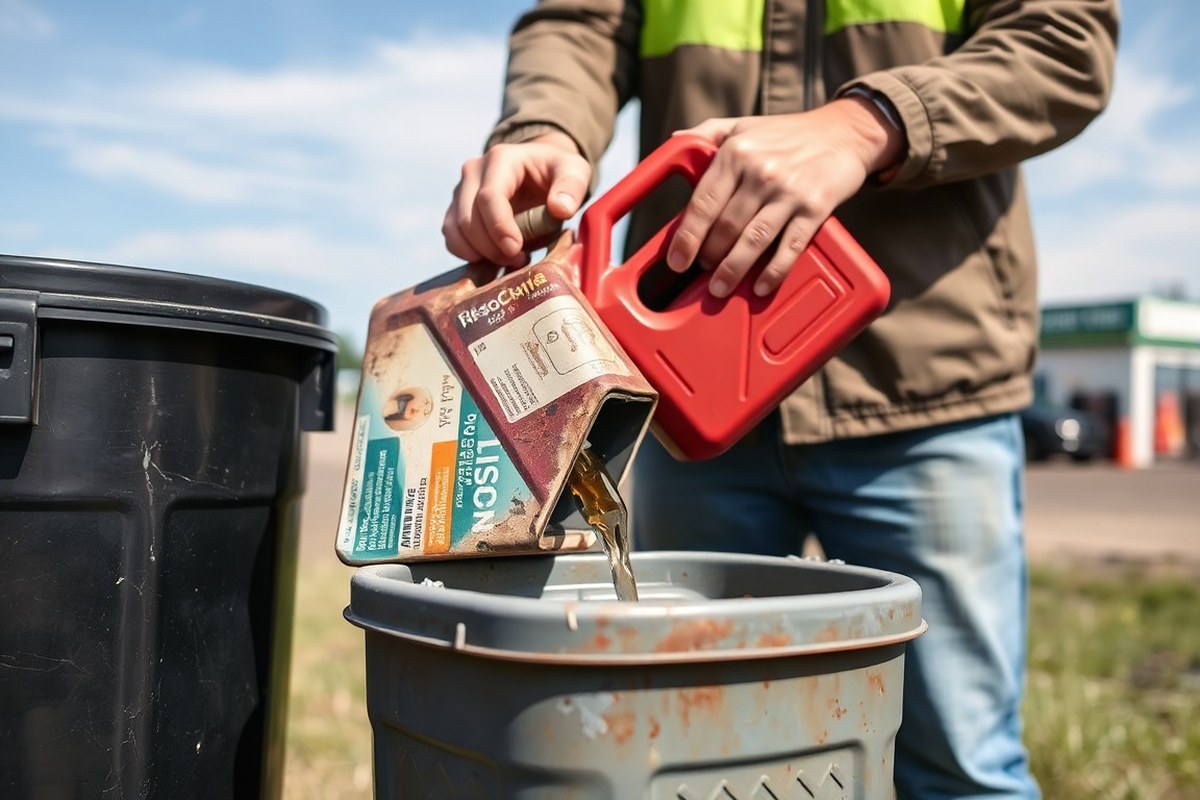
Leftover gasoline must never be poured down drains or on soil. Small amounts can be used in lawn mowers or added to your car’s gas tank carefully. Otherwise, take the fuel to a collection center that accepts leftover gasoline.
Always check your gas can for damage before disposal. A leaking or damaged gas can needs special handling from waste professionals.
Handling it yourself risks fire or spills. So be cautious and ask your local waste authority for instructions.
Key Takeaways
- Empty gas cans can usually be recycled at hazardous waste centers.
- Use leftover gas in small engines or mix it into car fuel safely.
- Never pour gasoline on the ground or into household drains.
- Call local offices to find out where to drop off gas cans and fuel.
- Do not try to crush or puncture gas cans unless completely empty and safe.
- Damaged gas cans require contacting waste management for safe disposal.
1. How to Safely Dispose of an Empty or Old Gas Can
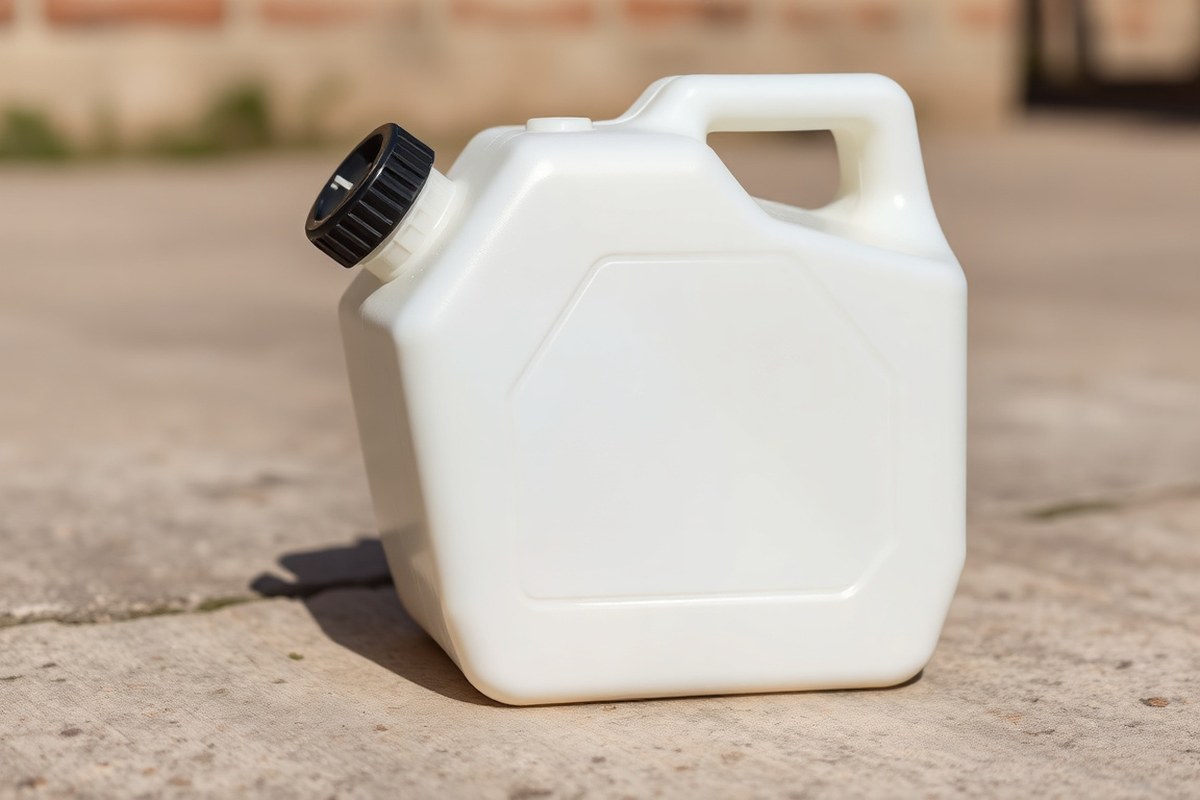
To dispose of a gas can safely, empty it completely. Next, vent any leftover vapors carefully. Then secure the can for transport.
You need to avoid spills, vapors buildup, and accidents. Following a step-by-step process keeps you, others, and the environment safe.
Confirm the Gas Can Is Completely Empty
Before disposal, remove every drop of gasoline from the can. Any leftover fuel can cause hazards like fire, fumes, and environmental damage. Pour the remaining fuel into a container approved for gasoline and designed to seal tightly.
Handle this in a well-ventilated outdoor area to avoid fumes buildup. Never pour gasoline on the ground or down drains.
Your gas can held several gallons. Keep pouring until it’s empty.
Depressurize and Vent Residual Vapors Safely
Gasoline cans can hold vapors even after the liquid is gone. These vapors can ignite or cause explosions if trapped. Let the can sit open outdoors for a few hours to air out vapors before disposal.
For metal cans or where rules allow, you may need to puncture the container. Do this carefully after it’s empty. This releases trapped pressure safely.
Use a tool outside and away from sparks or flames. This step depends on local disposal rules, so check ahead.
Secure and Label the Container for Transport
When you transport the empty gas can, keep it upright and secure it tightly. This stops it from tipping or leaking fuel vapors while you drive. Strap it down or hold it firmly inside your vehicle or truck bed.
Label the can as “Empty Gasoline Container” to warn handlers at recycling or disposal sites. Never leave the gas can inside a closed vehicle for hours. Vapor can build up and cause danger.
Always keep it in fresh air. Always take the shortest safe route to your disposal location.
- Pour remaining gasoline into an approved container outdoors and away from sources of flame.
- Test the gas can by tilting and feeling for any remaining liquid inside.
- Place the empty can in a well-ventilated area outdoors for several hours to vent vapors.
- When allowed, puncture metal cans outside. Use a hammer and nail carefully. This helps release any leftover pressure.
- Secure the empty can upright in your vehicle using straps or bungee cords.
- Label the gas can clearly to show it’s empty and no longer hazardous.
- Drive directly to your local recycling or hazardous waste facility following their guidelines.
2. Best Methods to Handle Leftover Gasoline in Your Gas Can
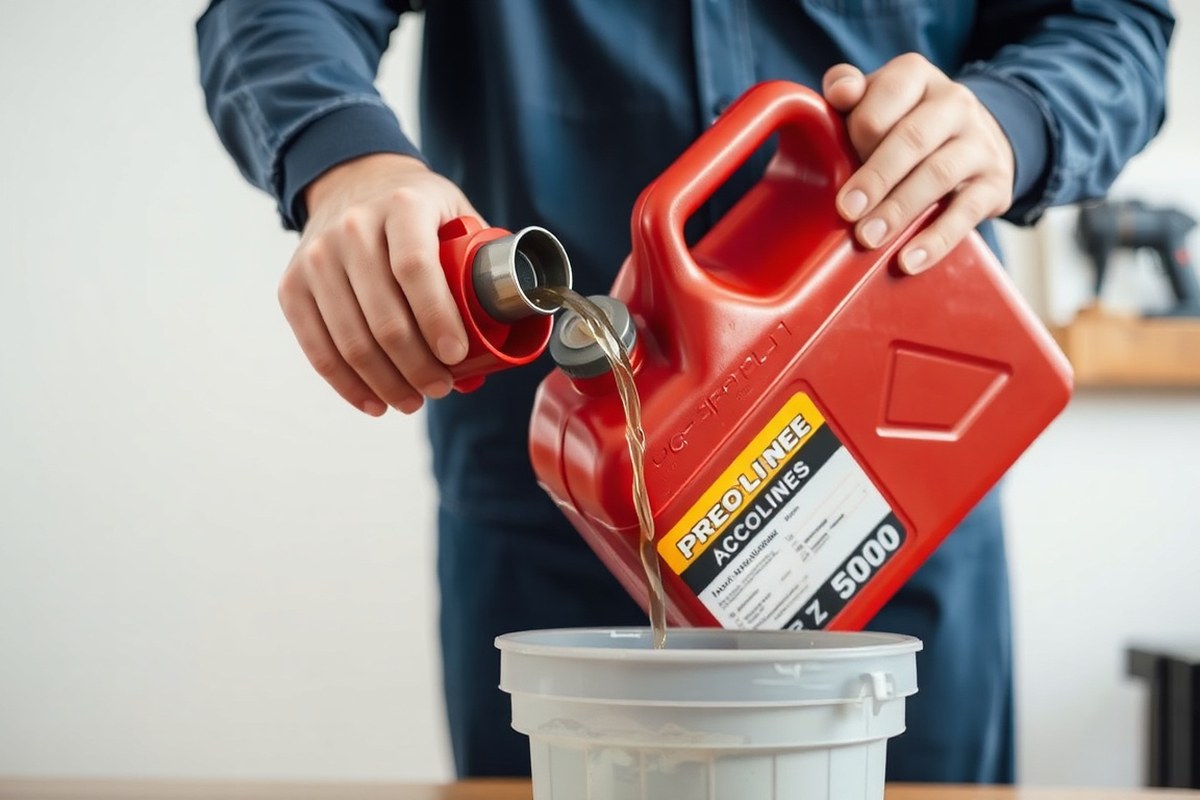
Before throwing out a gas can, you need to deal with leftover gasoline carefully. Store leftover fuel in a cool, well-ventilated place away from heat or sparks. Use the gasoline up in lawnmowers or other equipment if it’s not too old.
You can also give it to local hazardous waste programs that accept fuel. Never pour gasoline down drains or onto soil because it contaminates water and harms the environment.
To check if gasoline is bad, look at its color and smell. Fresh gas is clear or amber and smells strong but clean. Old gasoline turns darker or murky and smells sour or like varnish.
Using bad gas can cause your engine to run poorly or even damage parts. You can refresh old gasoline by mixing it with fresh gas. Add a fuel stabilizer to keep it good longer.
This helps the gasoline last better. But this only works if it’s not too old.
Seal the gas can tightly to store leftover fuel. Label the can with the date you filled it. Keep it in a safe place.
Gasoline normally lasts about six months when stored in a proper container. After that, it may start to break down. So plan to use or dispose of it safely within that time.
Ask your local fire department about storage rules in your area. Transport regulations can be different depending on where you live. Follow local advice to stay safe.
Never rinse a gas can with water and pour that water down the drain or soil. This can spread harmful chemicals and cause pollution.
3. Can You Recycle a Plastic or Metal Gas Can? What You Need to Know
Empty gas cans can be recycled, but cleaning them is important. Leftover gasoline or fumes make the whole thing dangerous and often reject the can. Plastic and metal gas cans have different rules depending on your local recycling center.
Metal gas cans are usually accepted more widely by scrap yards and recycling centers. They often recycle the metal into new products. Plastic gas cans can be recycled when they are fully empty.
Make sure there are no fumes or leftover residue inside. Only then can you recycle them safely. Some companies buy used plastic cans to recycle their raw materials later.
Before recycling, the gas can must be empty and ventilated. Remove the lid and let it air out for several hours to evaporate fumes. Clean the gas can with warm water and mild soap.
Scrub the inside to remove any leftover fuel residue. Do not mix gasoline with the soap or pour it down drains. The clean can should smell like soap, not gasoline.
| Type of Gas Can | Recycling Acceptance | Cleaning Needed | Additional Notes |
|---|---|---|---|
| Metal Gas Can | Accepted at most recycling centers and scrap yards | Must be empty and fumes evaporated | May require puncturing to show emptiness |
| Plastic Gas Can | Accepted if clean and fume-free | Thoroughly cleaned with soap and water, then air dried | Some companies buy for raw materials recycling |
| Gas Cans with Residue or Fumes | Not accepted for recycling | Must be emptied and aired out before recycling | Dispose of leftover gas separately, following local hazardous waste rules |
Recycling centers rarely accept gas cans that still hold fuel or strong fumes. These cans are hazardous if taken as regular scrap.
You may need to recycle the can only after it airs out completely. Don’t try to dump it in your regular trash; that risks fires or pollution.
When calling recycling spots, ask if they accept plastic or metal gas cans. Some shops may even offer free disposal if you bring them empty and clean.
Try specialized recycling companies for your plastic gas can. They often accept plastics rejected by local centers.
4. Where to Take Your Old Gas Can and Leftover Fuel for Disposal
Old gas cans and leftover gasoline usually need special handling. Call your local recycling authority or fire department first. They can tell you if a nearby facility accepts gasoline or gas cans.
You can often find local recycling centers that take metal gas cans. Plastic ones might need to go to hazardous waste centers if they hold gasoline residue. Auto shops may also take old gasoline or gas cans for safe disposal.
- Household hazardous waste (HHW) centers accept gasoline and plastic cans
- Metal gas cans may go to recycling centers handling scrap metal
- Auto parts stores or garages sometimes accept old fuel and cans
- Fire departments can guide or take hazardous fuel items locally
- Special hazardous waste collection events handle gas cans and fuel
- Commercial hazardous waste services can dispose of gasoline quickly
- Search online for “hazardous waste disposal near me” for locations
Household hazardous waste events often occur a few times per year. These let community members drop off fuel safely. Call ahead to learn about hours, what to bring, and any limits on amounts.
Some recycling centers don’t accept gasoline or gas cans due to safety rules. Check by phone or online before driving there. Your local solid waste agency or hazardous waste program can provide exact instructions for your area.
Rules vary by state and sometimes by city, so local advice matters most. Costs are generally low or free at municipal hazardous waste events.
Private hazardous waste services often charge a fee for disposal. The cost varies a lot based on the amount and fuel type.
5. Is It Safe to Puncture or Crush an Empty Gas Can? Risks and Guidelines
Puncturing or crushing an empty gas can carries safety and legal concerns. It is generally safer to recycle or dispose of the can properly without damaging it. You must follow strict steps and wear protective gear if puncturing.
When Puncturing Is Allowed
Puncturing a gas can is safe only when it’s fully empty. Make sure there are no fumes left inside before you start.
Some recycling programs require cans to be vented this way before processing. Check local rules because many places forbid puncturing to avoid any vapor release or fire risk.
Before you puncture, air out the can outdoors for several hours to remove leftover fumes. Do this away from open flames, sparks, or heat sources. Using a hand pump or squeeze to remove any liquid first also helps reduce risk.
Proper Safety Equipment and Environment
Wear safety goggles, gloves, and a long-sleeve shirt when handling or puncturing gas cans. This protects you from harmful vapors and sharp edges. Work in a well-ventilated outdoor area away from flames and engines.
Use simple tools like a cordless drill or metal punch for puncturing. Avoid power tools that might spark or overheat.
Put the gas can on a flat, steady surface. This keeps it from slipping or falling while you work.
Legal and Environmental Risks
Improperly puncturing or crushing gas cans releases flammable vapors harmful to people and the environment. It may create fire hazards in your home or in trash facilities. Many states prohibit damaging gas cans and consider it illegal disposal.
Incorrect disposal harms waste management workers who handle your trash and disrupts recycling efforts. Instead of crushing, consider taking the can to a hazardous waste facility or approved recycling center. That keeps everyone safer and limits pollution.
Check your local hazardous waste rules first. This helps avoid fines and helps keep you safe.
6. How to Store and Transport Gasoline Safely Before Disposal
Store gasoline only in approved gas cans, not in random containers. Plastic gas cans last 3 to 5 months sealed, or up to 8 months without stabilizers. After that, the gas can degrade, making it unsafe to use or store.
Transport gasoline in an approved container, like a proper gas can made for fuel. Avoid plastic bags or buckets since they can break or leak. Use an open bed truck or trailer to carry the gas can for ventilation and safety.
Before transport, check with the disposal site about their container and quantity rules. Only bring gasoline quantities the facility can handle to avoid issues. Go straight to the site without making stops to reduce spill risks.
- Keep the gas can upright and tightly closed during transport
- Place cans on a flat, stable surface in the vehicle bed or trailer
- Do not smoke or use anything that can create sparks nearby
- When gas leaks, ventilate the area and clean it with absorbent material right away
- Wear gloves and eye protection when handling leaking gasoline
- Don’t store gasoline near heat sources or open flames
- Limit stored gasoline to a few months to reduce fire risk
Notice gasoline leaking during transport? Stop and move the container to a safe spot Use absorbent materials like kitty litter or shredded newspaper to soak up spills. Contact your local fire department if you feel unsure about handling the spill safely.
Following these steps helps you store and move old gasoline safely. This limits risks like fire, spills, or exposure to harmful fumes during disposal. Safe handling also protects your property and the environment.
7. What to Do If Your Gas Can Is Damaged, Leaking, or Unusable
Your damaged or leaking gas can should never be reused or recycled. Leaking fuel creates a fire hazard and toxic fumes. Instead, follow a clear decision path to handle it safely.
First, check if the can still holds fuel without leaks. When your gas can leaks, drain leftover gasoline with a funnel.
Do this outdoors and away from sparks or flames. Use gloves and eye protection to avoid contact with fuel.
Empty the gas can carefully. Don’t throw leaking cans in trash. Recycling them is also unsafe.
Many cities have scheduled hazardous waste events where you can drop off damaged containers safely. Look for local collection days by checking your city’s waste management website or calling them.
No nearby events? Then call your local hazardous waste center for help. They often accept damaged gas cans and handle disposal properly.
Driving there, make sure the can is secure in your vehicle to prevent tipping or spilling. Never transport gas cans with kids, pets, or unrelated passengers in the same vehicle.
For damaged cans with no fuel, don’t attempt to repair or reuse them. Cracks and holes weaken the container, allowing fumes or leaks later. Empty cans with damage should go straight to hazardous waste handlers or disposal events.
Avoid environmental contamination by never pouring fuel or vapors on the ground or in drains. This contaminates soil and water.
Even a little fuel can harm plants and animals. Keeping fuel contained until it reaches proper disposal is key.
Costs vary. Most hazardous waste events are free or charge a small fee under $20.
Some private facilities may have higher fees. But paying to dispose safely prevents big fines and cleanup costs from improper dumping later.
Damaged gas cans require careful emptying. Take them to approved disposal places. Secure cans during transport.
Avoid reuse if the container shows wear or holes. These steps protect you, your family, and the environment from fire and pollution risks.
8. Comparing Disposal Costs, Convenience, and Environmental Impact
Disposing of a gas can involves choices that affect cost, ease, safety, and the environment. Some options might be free but less convenient.
Others charge fees but offer better safety controls. Knowing these trade-offs helps you pick the best way for your situation.
| Disposal Method | Cost | Ease | Safety | Environmental Impact |
|---|---|---|---|---|
| Hazardous Waste Facility Drop-off | Usually free or low fee | Moderate; requires transport | High; handled by trained staff | Best; proper disposal and recycling |
| Local Recycling Centers | May be free | Easy if nearby | Safe if fuels drained | Good; plastic and metal reused |
| Adding Old Gas to Vehicle Fuel | Free | Convenient at home | Moderate; risk with old gas quality | Moderate; reduces wasted fuel |
| Trash Disposal (Not Recommended) | Free | Easy | Low; risk of fire and fumes | High harm; toxic leaks and smoke |
| Puncturing/Crushing Can Yourself | Free | Hard; requires care and tools | Low; safety issues with fumes | High risk of soil and air pollution |
Disposal costs vary. Many local governments offer free hazardous waste drop-off days to encourage safe disposal.
These facilities handle gas cans without harming the environment. You’ll get professional help and avoid risks like spills and fires.
Convenience depends on location and your willingness to transport the can. Some places recycle plastic and metal but expect you to empty the fuel first. Adding leftover gas to your vehicle is easy.
You must check if the gas is still good. It’s safe only when gas hasn’t gone bad. Using bad gas can harm engines and cause pollution.
Never pour gasoline down drains or on soil. This may be illegal and causes pollution.
Choosing a safe disposal method protects you and your community. Avoid tossing gas cans in the regular trash.
The fumes and spills can cause fires or environmental damage. Using local hazardous waste programs is typically your safest and most responsible option.
9. Recognizing Bad Gasoline and How to Safely Dispose of It
Gasoline goes bad over time and can harm engines or harm your safety. You can spot bad gas by checking its look, smell, and feel before disposing of it.
Never mix old gas with fresh fuel to cover up problems. Do it only if you plan to use the mix soon in a 1:5 ratio.
Appearance Signs of Bad Gas
Bad gasoline often looks cloudy or dark instead of clear. It may have particles or a gel-like texture floating inside. These changes happen when gasoline oxidizes or absorbs moisture, making it unsafe to use in equipment.
Liquid that appears separated into layers or has sediment signals contamination. You shouldn’t risk running engines with gas like this.
The fuel lines might clog, causing costly repairs or safety issues. So recycling it safely is the best choice.
Smell and Texture Indicators
Fresh gasoline has a strong, sharp smell that fades as it goes bad. Your gas is spoiled when it smells sour, varnished, or like paint thinner. Bad gas can sometimes feel sticky or thicker than regular fuel when you pour it.
Smelling gas helps check its quality fast. Know how it usually smells. Avoid using fuel that smells unusual because it burns poorly and harms engine parts over time.
Safe Disposal Options for Degraded Gasoline
Don’t throw bad gasoline down drains or in trash bins. Instead, take it to a household hazardous waste center or a local disposal event. Many towns hold these events to safely handle unwanted fuel and chemicals.
Mix one part old gas with five parts fresh. Run the engine immediately after.
Otherwise, it’s best to keep old gasoline separate and give it to professionals for disposal. This protects people and the environment from toxic fumes or fire risks.
Step-by-Step Action Plan for Disposing of Your Gas Can
Follow these steps to safely and legally get rid of your gas can and leftover fuel. Check each step before moving to the next.
- Before You Start: Use leftover gasoline in your tools or lawn equipment. Take unused gas to a hazardous waste disposal site. Always follow local rules for gasoline use and disposal. Confirm your can is nearly empty.
- Within 24 Hours: Let the gas can air out outside. Pick a spot with good airflow. Keep it far from any flames or sparks. It should smell less like gas before disposal.
- Day 1: Call your local waste center about gas can rules. Ask how to dispose of old fuel safely. Get clear instructions before you take action. Ask if they accept metal or plastic cans.
- Day 2: Empty the gas can completely. Make sure the cap is sealed tight. Prepare it for drop-off at the disposal site. Make sure it’s clean and dry if recycling.
- Day 3: Take your gas can and any leftover fuel safely to the designated collection site. Bring any required paperwork they ask for.
- After Drop-Off: Confirm with the facility that your gas can was received properly. Keep any receipts or documentation you get.
- Within a Week: Inspect your storage area to prevent future fuel buildup. Replace or repair gas cans showing damage.
Frequently Asked Questions
What Should I Do If I Want to Dispose of a Gas Can with Some Gasoline Left?
Use the gasoline in a lawn mower to remove it safely. You can also take the gas to a hazardous waste site.
This helps avoid spills and harm. Avoid pouring gasoline down drains or on the ground to protect the environment.
Can I Throw an Empty Gas Can in the Regular Trash Bin?
No, you shouldn’t put empty gas cans in regular trash. Check with your local waste management because they often have special rules for these cans.
What Are Common Signs That a Gas Can Is Unsafe to Use Anymore?
Look for cracks, leaks, or swelling in the plastic or metal. Check the can for damage first.
Stop using it if you find any damage. Then dispose of it correctly.
Are Local Auto Shops Useful for Gas Can Disposal?
Many local auto repair shops help with old gas disposal. They often do it for free.
Most don’t require a purchase to take your gas. Call ahead to confirm their service.
How Long Does a Plastic Gas Can Last Before Needing Disposal?
A sealed plastic gas can usually lasts 3 to 5 months before it starts to degrade. Use stabilizers to extend that up to 6 to 8 months.
Final Thoughts
Safe disposal of your gas can protects you and the environment. Start by using up leftover fuel or taking it to a collection site. Take action today to avoid leaks or fines later.