My Car Smells Like Gas When I Start It: What It Means and How to Fix It
A gas smell at engine start can happen when fuel vapors escape or burn unevenly. A short-lived gas odor that fades in a minute or two often occurs due to cold-start enrichment. This means your engine adds extra fuel to warm up, causing a brief fuel smell.
A strong or lasting gas odor can indicate a leak or trouble in the fuel system. Start by checking the gas cap. A loose or damaged gas cap lets fumes escape and is easy and cheap to fix.
Pay attention to when the smell happens. Cold mornings or short drives often cause a quick gas odor without real danger. A gas smell that stays or appears in warm weather needs closer inspection.
Key Takeaways
- A gas smell lasting less than two minutes after start is often normal.
- Check your gas cap first; replacing it costs under $30 and is easy.
- Strong or continuous gas smells usually indicate a fuel system leak.
- Cold weather can increase gas odor due to richer fuel mixtures at startup.
- Pay attention to the smell’s location to identify leaks or engine issues.
- Persistent gas smells call for stopping driving and having a technician check your car.
Why Does My Car Smell Like Gas When I Start It?

Your car might smell like gas when you start it for a few common reasons. One main cause is the engine using a “rich” air-to-fuel mix to warm up when cold. This means the engine temporarily adds extra fuel to reach the right temperature faster.
This can cause a brief gas smell for 1 to 2 minutes. The smell usually clears as the engine heats up.
This brief odor is more likely if the outside temperature is cold. The smell typically comes from faint fuel vapors escaping before the engine fully burns them. The engine runs smoothly with no rough idling or warnings.
This short gas smell usually isn’t an emergency. Still, watch how long the smell lasts each time. Note if your car acts differently or less smooth.
Another reason involves small leaks or issues in the fuel system. Fuel injector seals that wear out can leak gas vapors near the engine. Fuel line leaks cause the same issue.
This creates a stronger and longer-lasting gas smell, especially under the hood. A leak like this usually means you should stop driving and have your car inspected soon. Cracks in the exhaust or bad gaskets near the engine can release fuel vapors.
These vapors are unburned fuel. These escape before the catalytic converter, causing a fuel-like smell when you start the engine cold.
The evaporative emission control system, called EVAP, can also cause gas odors at startup. This system catches fuel vapors from the gas tank. It stops vapors from escaping into the air.
The EVAP system leaking or a bad charcoal canister can cause gas smells. You might smell gas inside or near your car.
A faint gas smell for a few seconds can be normal. Strong or lasting smells show a problem that needs repair.
How to Identify Where the Gas Smell Is Coming From
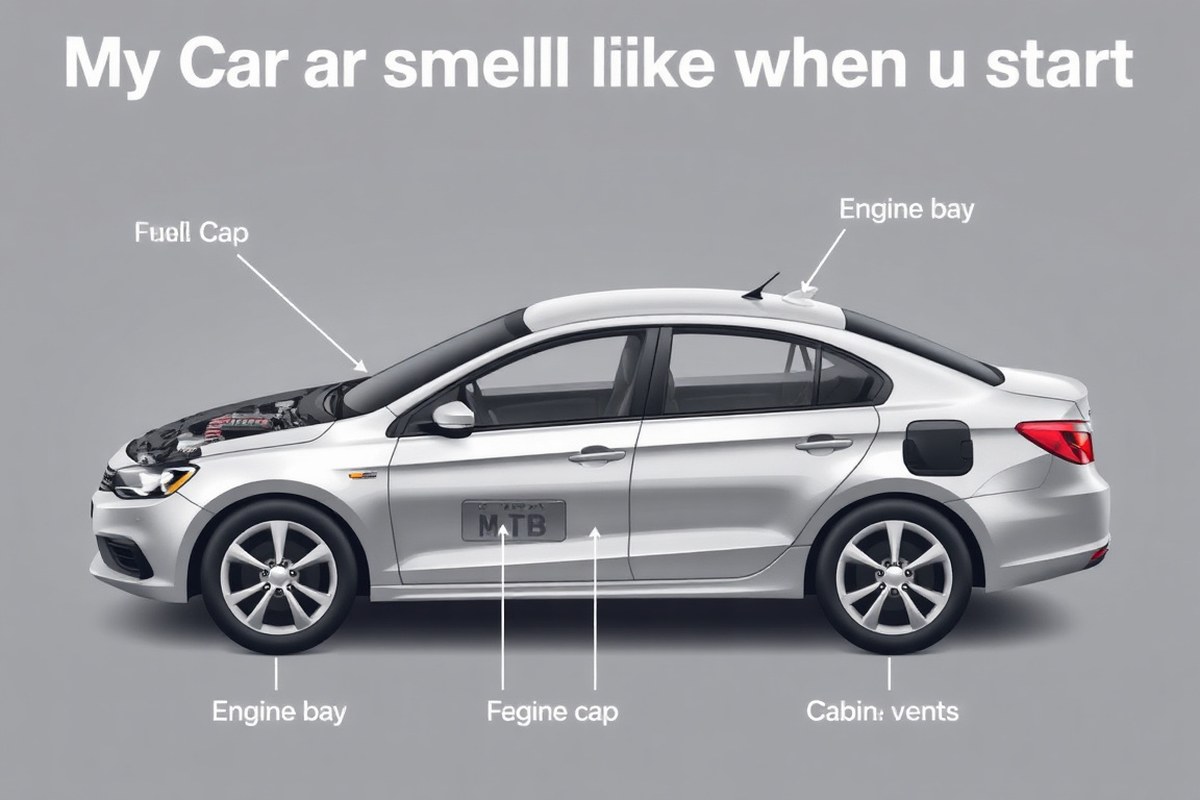
Knowing where the gas smell comes from helps narrow down the problem. The smell may come from inside the car or under the hood. It can also come from near the gas tank outside.
Check all these areas carefully. Each spot points to different possible issues. So locating the smell is your first step.
Start by checking if the smell is strongest inside your car cabin. The smell inside with the fan on could mean a fuel line leak. It might be near the firewall or the EVAP purge valve is bad.
The odor that fades quickly after starting outside may be normal. It’s from fuel vapors escaping on a cold start.
Gas smell under the hood may mean bad injector seals or cracked hoses. Check the pressure regulator, as it could also be faulty.
- Smell around the car’s exterior with windows closed. Note if it’s strongest near the rear or under the hood.
- Open the driver door and smell inside the cabin for gas. Pay attention when the fan is running to notice any strong odor.
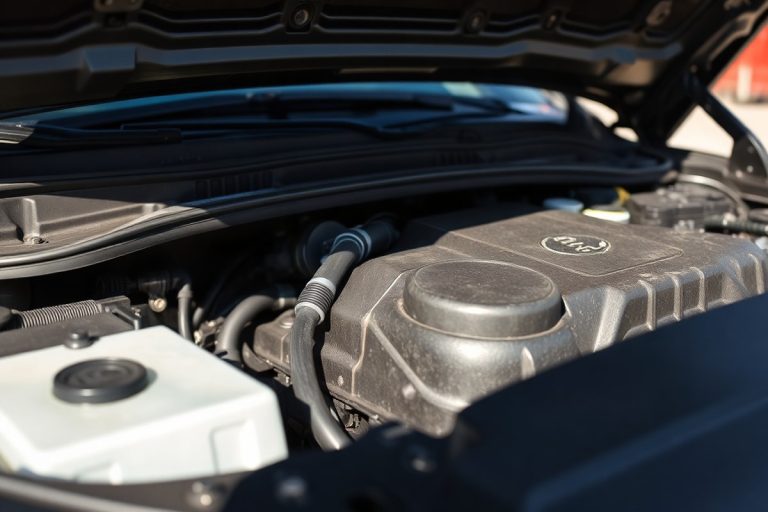
- Pop the hood and check for wet spots or puddles near injectors, fuel rail, or hoses. These signs show possible fuel leakage.
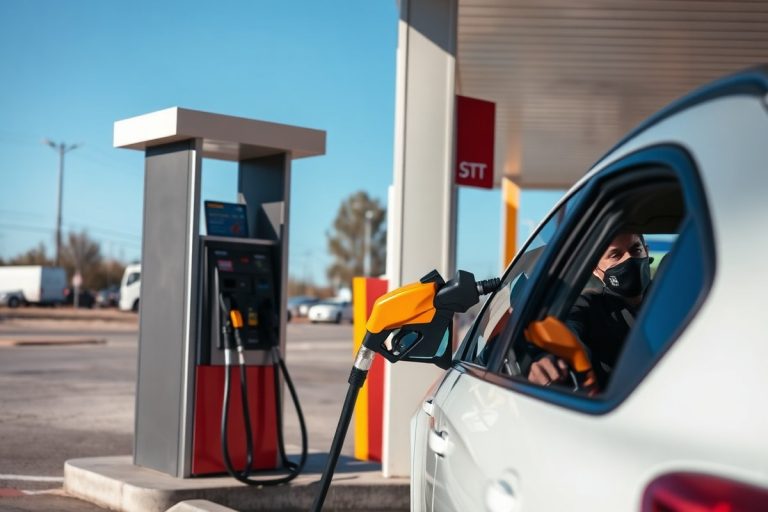
- Check the gas cap for a loose or damaged seal. Tighten it or replace it if needed to stop fuel smell.
- Check under the car near the fuel tank for any signs of leaking or strong odors.
- Start the car and notice if the smell appears only at startup or continues while idling.
- Inspect hoses near the firewall for hidden cracks or damage. Fuel vapors can leak there and enter the cabin.
Identifying the smell’s location helps you decide if you can safely drive or need urgent repairs. Strong gas smells inside the cabin or near the fuel tank need quick professional help.
They pose serious fire risks. A faint odor outside that fades quickly is less urgent but still worth checking.
Warning: Never ignore a strong gas smell inside your car. Stop driving immediately and get it inspected.
Common Causes of Gas Smell at Startup and Their Symptoms
Gas smell at startup often links to a few common problems. Common causes include loose gas caps and EVAP system leaks. Fuel injector seals might wear out too.
Sensors and cold start fuel enrichment can cause smells. Knowing these can help pinpoint the issue quickly.
Loose or Faulty Gas Cap Issues
The gas cap seals your fuel tank to keep vapors inside. A loose, cracked, or missing cap lets gas fumes escape. This often triggers the Check Engine Light due to an EVAP system leak code.
Check the cap by twisting it until you hear clicks. Most caps cost between $0 and $25 to replace. A properly sealed cap stops the faint gas smell you notice as you start your car.
EVAP System Leaks and Purge Valve Faults
The EVAP system traps fuel vapors in a charcoal canister to burn later in the engine. Hoses, valves, or canister leaks cause strong gas odors.
These leaks often occur near the rear fuel tank. EVAP codes like P0441 or P0455 confirm leaks or flow issues.
- Faulty purge valve failing to route vapors properly
- Cracked or loose EVAP hoses
- Damaged charcoal canister
- Leaking vent valve allowing outside air in
- Bad sensors monitoring the EVAP system
Fixing EVAP leaks costs about $50 to $400 depending on parts and labor. These issues double fuel scent and light the warning on your dash.
Fuel Injector and Fuel Line Leaks
Fuel injectors spray gasoline into the engine. Worn injector seals leak fuel as a strong smell right from the engine bay.
Your idle feels rough and unstable when this happens. Fuel lines running from the tank to injectors can crack and cause similar leaks.
Repairs for injectors or fuel lines are tougher, rating 7/10 difficulty. Parts and labor run from $200 to over $800. Ignoring leaks risks engine damage and fire from fuel on hot parts.
Cold-Start Rich Fuel Mixture
At startup, engines add extra fuel for cold operation, making the mixture richer. This causes a brief gas smell near the intake and exhaust until the engine warms up.
After a minute or two, sensors tell the computer to lean the mix. This clears the fuel vapors from starting.
Weak or wrong sensor signals keep the engine running too rich. More fuel fumes mean a possible sensor or system issue. This affects the air/fuel ratio balance.
Sensor Failures Affecting Fuel Burning
Various engine sensors help control fuel flow and mixture. A faulty coolant temperature sensor, oxygen sensor, or mass airflow sensor can confuse your car’s computer. It may add too much fuel, causing gas to spill or smell.
Common fixes include replacing these sensors or related parts like the purge valve. Sensor repairs at a shop usually cost between $100 and $400. Fixing this stops the fuel smell at startup.
When Is It Safe to Drive If Your Car Smells Like Gas at Startup?
Check the strength of the gas smell first. When the gas smell is faint and fades after driving, you can usually drive safely. This often happens after you fill up or during cold starts.
Strong or lasting gas smells mean stop driving as soon as possible. Check under the hood for wet spots. Look near the gas tank too.
These may be from fuel leaks. Don’t drive the car at all if you find any leaks. Gas leaking like that is a fire risk and a health danger.
Notice other warning signs like dizziness, headaches, or seeing smoke near the engine. These symptoms point to a serious leak or fire risk.
You should turn off the car right away. Avoid restarting the engine since a spark might ignite the fumes.
Here’s a simple rule: Strong gas smell or fuel leaks means stop driving. Park somewhere safe. Call a tow or mechanic.
A slight gas smell without leaks or other signs lets you drive a short distance for help. Keep doors and windows open to avoid breathing fumes.
Remember, gasoline fumes can cause headaches, dizziness, and nausea. Breathing these fumes while driving increases safety risks. Driving with a gas smell risks fire and can cause costly damage if the leak worsens.
DIY Checks to Diagnose the Gas Smell Yourself
You can do simple checks to find the gas smell cause. Start by inspecting common problem areas carefully. This approach helps catch small but important issues early.
These include looking for leaks, testing the gas cap, and using your nose carefully. A few tools and safety steps make this easier and safer.
Checking the Gas Cap and Tank Area
First, examine the gas cap and the tank area. A loose or damaged cap often causes gas vapors to escape. This is an easy fix that could stop the smell.
Look for cracks, missing seals, or dirt on the cap. Also, check under and around the gas tank for any drips or wet spots.
- Turn off the engine and open the fuel door.
- Remove the gas cap and inspect the rubber seal inside it for cracks or dirt.
- Clean the seal if dirty or replace the cap if cracked or damaged.
- Check the fuel door area for any wet spots or gas drips.
- Replace and tighten the gas cap until it clicks firmly.
- Start the car and sniff near the fuel door for gas smells.
Always tighten the gas cap until it clicks to ensure a proper seal and prevent leaks.
Inspecting Fuel Lines and Injectors for Leaks
Fuel lines carry gas from the tank to the engine. Check for cracks, holes, or wet spots on hoses. These lines are usually rubber connected to metal pipes.
Fixing these can stop gas leaks. Fuel injectors near the engine might also leak gas if damaged.
Check along the fuel lines under the car, especially near the tank and engine bay. Leaks here can cause puddles or a strong gas smell when the tank is full.
- Locate the fuel lines running from the gas tank to the engine bay.
- Visually inspect these lines for cracks, loose clamps, or wet areas.
- Look for wet spots or pools of fuel on the ground after parking.
- Examine around fuel injectors for any dampness or strong gas odor.
- Wipe your hand carefully on suspected leaks to see if it smells like raw gas.
- Do not start the engine if you find dripping fuel.
Avoid smelling too close to fuel leaks as gas vapors can be harmful and flammable.
Smelling Around the Cabin and Engine Bay
Gas smell inside your car usually suggests a leak nearby. Pay attention to the cabin, especially near rear seats or cargo areas. The engine bay may also hold the source of the smell.
Turn off the engine. Smell near vents, under the dash, and around the fuel tank inside.
This helps locate fuel vapor sources inside the car. Outside, check near the engine’s fuel injectors and pump.
- Turn off your car and open all doors for ventilation.
- Sniff around the rear seats and cargo area for strong gas odor.
- Check under the dashboard close to where fuel lines run.
- Pop the hood and smell near the fuel injectors and fuel pump.
A strong raw fuel smell inside means you should ventilate the car well before driving.
Reading Engine Codes with an OBD2 Scanner
Use an OBD2 scanner to find engine codes. These codes often point to fuel system issues. It’s a good tool to diagnose gas smell problems.
These codes help identify leaks or injector faults. Some auto parts stores loan scanners or scan your car for free.
Plug the scanner into your car’s OBD2 port, usually under the dashboard. Read any stored trouble codes related to fuel or EVAP systems for guidance on leaks.
- Purchase or borrow an OBD2 scanner compatible with your car.
- Locate the OBD2 port under the dashboard on the driver’s side.
- Turn the ignition to “on” without starting the engine.
- Plug in the scanner and follow its instructions to read codes.
- Write down any codes, especially P0455 or codes related to fuel trim.
- Look up code meanings online or take them to a mechanic for advice.
Do not ignore persistent codes; they point to fuel system issues causing gas smells.
How Weather and Temperature Affect Gas Smell Intensity
Cold temperatures make the gas smell stronger when you start your car. The engine uses a richer fuel mix to warm up. This means more fuel vapor is present.
That extra vapor causes a stronger smell. This makes even tiny leaks or escaping vapors more noticeable than on warmer days.
Low temperatures also slow down fuel vaporization, so the smell lasts longer. When it’s around 20°F, fuel vapors take more time to evaporate compared to 60°F. The richer mix stays active longer.
It makes the gas smell stronger. This lasts for several minutes after startup.
Filling the gas tank often increases the gas smell at startup. The fuel system should be sealed. But some vapor escapes when you fill the tank.
Vapor can get trapped near the filler neck. It also collects in fuel lines sometimes. This causes a smell inside or close to the car.
Fuel vapors form at almost any temperature, so leaks can be dangerous year-round. Cold weather doesn’t stop hazardous vapors from escaping. A small leak near the fuel filter may release vapor.
This vapor pools around the leak. It makes a strong smell when the engine starts.
Your car uses a richer fuel mix on cold starts. Any fuel leaks or pools show up more. This happens as a noticeable gas odor.
The extra fuel needed to warm the engine adds to this vapor buildup. Fix leaks quickly because vapors linger in winter.
These vapors can take a while to clear. They also create a fire hazard risk.
Common Engine and EVAP Codes Linked to Gas Smells at Startup
Engine codes can help identify why your car smells like gas at startup. Codes like P0441 or P0455 point to EVAP system leaks. Others like P0300 suggest fuel injector or misfire issues.
You can read these codes yourself with an OBD-II scanner. It helps you find clues on what to fix next. Using one is simple and saves time.
EVAP System Leak Codes and Meanings
Codes P0441, P0455, and P0456 all relate to the EVAP system. This system traps fuel vapors to stop them from escaping outdoors. A leak here lets vapors out, causing the gas smell you notice at startup.
These codes show up when the system detects a leak or flow problem. P0441 means the purge flow is incorrect.
P0455 signals a large leak, like a loose gas cap. P0456 points to a small leak somewhere.
To check these codes yourself, use an OBD-II scanner. Plug the scanner into the port under the dashboard. Do this while the car is running or just after starting.
The scanner will then read the codes. It will display any stored or pending codes related to EVAP leaks.
Fuel Injector and Misfire Related Codes
Code P0300 means a random or multiple cylinder misfire. Misfires happen when fuel isn’t burning properly. This can cause raw fuel odors, especially at startup when the engine is cold.
Fuel injectors can leak or fail to close well, letting gas seep into the engine bay. Fuel seeping from injectors or lines causes a strong smell. It often doesn’t leave puddles under your car.
You can still smell fuel clearly near the engine. Such injector issues usually don’t trigger codes besides misfire or fuel trim warnings.
Use an OBD-II scanner to check for P0300 or similar misfire codes. You might also see P0172, indicating a rich fuel mixture that causes extra fuel vapors.
Sensor Fault Codes Affecting Fuel Mixture
Faulty sensors can cause rich or lean fuel mixtures, which sometimes lead to gas smells. The engine coolant temperature sensor tells the engine how much fuel to use. This information is important during startup for the right fuel mix.
It helps prevent the engine from running poorly. A failing temperature sensor can cause the engine to run rich.
This means too much fuel gets used. You may notice a strong raw fuel smell.
You might see codes related to fuel trims or sensor faults. These help pinpoint if the problem is due to a sensor or fuel system fault. Pending codes can narrow down issues before replacing parts.
Check sensor-related codes with an OBD-II scanner. This step helps avoid replacing injectors or EVAP parts unnecessarily.
- Use an OBD-II scanner to read codes from the car’s port.
- Focus on codes P0441, P0455, P0456 for EVAP leaks.
- Look for P0300 or P0172 to spot injector or misfire faults.
- Check fuel trim and temperature sensor codes for mixture issues.
- Scan while engine is warm and shortly after startup for best results.
- Pending codes hint at developing problems before full failure.
- Most basic scanners cost $20 to $50 and are easy to use.
Reading these trouble codes helps you focus repairs on the real source of your gas smell. It also saves time and money by avoiding guesswork. Unsure how to check or read trouble codes?
Mechanics or auto parts stores can help with a scan. Some will do this free or charge a small fee.
Repair Options and Typical Costs to Fix Gas Smells at Startup
Replacing the gas cap is the simplest fix for a gas smell at startup. A worn or loose gas cap allows vapors to escape. New caps cost $10 to $30 and take seconds to install yourself.
EVAP system repairs, like replacing a purge valve, often solve leaks causing fuel smells. Expect to pay between $150 and $400 for parts and labor. These repairs trap fuel vapors and prevent them from leaking out around your car.
Fuel injector seal leaks cause strong fuel smells under the hood. Repairing these usually requires professional help, and costs vary depending on your vehicle. Left unchecked, leaking injectors can lead to rough idling or extended engine cranking.
| Repair Type | Description | Typical Cost (Parts + Labor) | DIY-Friendly |
|---|---|---|---|
| Gas Cap Replacement | Fixes loose or damaged cap allowing vapor escape | $10 – $30 | Yes |
| EVAP System Repair | Repairs purge valve or hoses to stop vapor leaks | $150 – $400 | No |
| Fuel Injector Seal Repair | Fixes leaks causing fuel smell under hood and rough idle | Varies, often higher than $400 | No |
| Fuel Line Repair | Fixes cracks or leaks in lines supplying fuel to engine | $200 – $600 | No |
| Sensor Replacement | Replaces faulty sensors triggering EVAP or engine codes | $100 – $300 | Sometimes |
Fuel line leaks often get worse over time and need a mechanic to fix safely. You might smell fuel near your car’s rear after filling the tank. This often happens if your EVAP system leaks.
Check around the back of your vehicle for the smell. Injector or sensor problems usually require tools and skill to diagnose.
Don’t ignore a persistent gas smell, it might signal a fuel leak and a fire risk.
Most gas smells at startup start with checking the gas cap yourself. Getting a professional to inspect EVAP parts and fuel lines is a good idea when cleaning doesn’t help. They can find problems you might miss.
You can replace sensors yourself if you understand your vehicle well. Having the right tools also makes the job easier. Sometimes sensor swaps are simple and quick to do.
Safety Precautions and When to Call a Professional Immediately
Strong gas smells signal danger and need quick action. First, turn off the engine immediately to stop any fuel leak from spreading. Avoid using your phone near the car while the smell lasts.
Keep away from anything that might spark until the smell stops. Stay safe and wait before touching anything electronic.
Open all doors and windows to clear out gas fumes fast. Don’t try to start the car again if you smell gas. Avoid driving the car, especially with a strong or lasting smell.
It’s safer to wait until the gas smell goes away. Gas fumes can cause dizziness, headaches, and even breathing problems.
Leave the garage immediately if you smell gas inside it. Move outside to fresh air as quickly as you can.
Gas vapors are heavier than air and could build up quickly, creating a fire hazard. Call emergency services if you suspect a leak or see fuel pooling on the ground.
Never ignore the smell just because it goes away after a while. The problem could get worse or cause a fire later. You should call a professional mechanic as soon as possible for a full inspection.
Get help right away if the gas smell is strong and steady. Watch for visible leaks or the car acting strange.
Strange behavior includes stalling or misfiring the engine. These hints show fuel is escaping somewhere and could be unsafe to fix yourself.
A certified technician has the right tools to find hidden leaks and test fuel system pressure. Fixing fuel leaks usually costs between $150 and $600, depending on the source. Doing it yourself can risk injury or worsen the problem without specialized knowledge.
Keep a working fire extinguisher rated for flammable liquids in your garage or car. Don’t smoke near a suspected leak and keep sparks away during inspection or repairs. These simple steps reduce the chance of a fire before the pros arrive.
Pay attention to how long you have been smelling gas and write it down if possible. This info helps the mechanic diagnose the issue. Call for help without delay if you notice any gas leak.
The longer the leak, the bigger the risk of fire or poisoning. Don’t wait to keep yourself and others safe.
Your Step-by-Step Action Plan for Gas Smell at Startup
Follow these steps to find and fix the gas smell safely. Check each step carefully and watch for any change.
- Before you start: Open the hood outdoors. Smell for gas near fuel lines and injectors. Shut the engine off immediately when you smell strong gas there.
- Day 1: Look under the car for wet spots or puddles of fuel. A visible leak means you should call a mechanic now.
- Day 2: Check the gas cap. Make sure it’s tight and clicks when you turn it. A bad seal often causes fuel smell and triggers codes.
- Week 1: Start the engine and watch for rough idling or stalling. Note how long the gas smell lasts. It should fade quickly if the problem is minor.
- Week 2: Use an OBD-II scanner to read any engine or EVAP system codes. Write down any codes for your mechanic or research them carefully.
- After 2 weeks: If you still smell gas or see symptoms, book a professional inspection. Don’t ignore persistent fuel smells, they can be dangerous.
- After repair: Test drive to confirm the smell and symptoms are gone. A clear nose during startup means the issue is fixed.
Frequently Asked Questions
Why Do I Smell Gas Only Outside My Car When I Start It?
The gas smell outside at startup often comes from rich fuel mixture or tailpipe vapor. It usually clears up fast.
It might not mean a big problem. Watch if it lasts longer or gets worse.
Can an Old or Loose Gas Cap Cause a Smell When Starting?
Yes, a loose or worn gas cap can let fuel vapors escape at startup. Tightening or replacing it often stops the smell and keeps vapors from leaking.
Does the Smell Mean My Fuel Injector Is Leaking?
A fuel injector leak can cause a gas smell when you start your car. This leak allows raw fuel to enter the engine compartment and should be fixed promptly.
Why Does My Car Smell Like Gas Only After Sitting Overnight?
When your car sits, small leaks might happen. The EVAP system can also cause smells.
These show up at cold start. Vapors build up and release when you turn on the engine.
How Do Changes in Temperature Affect That Gas Smell at Startup?
Cold weather makes fuel thicker. It also causes richer fuel mixes.
These make the gas smell stronger at startup. It usually fades as the engine warms.
Final Thoughts
Gas smell at startup is often an early sign of a leak or fuel system problem. Getting ahead now can keep you safe and protect your car. Start by checking your gas cap tightness today.