Gas Smell When Car Starts: 9 Clear Reasons and How to Fix Them Safely
A gas smell when your car starts often means fuel vapors are escaping. This usually happens from a loose gas cap. It can also come from a small leak in the fuel system.
Both cause gas smell when you start the car. Tightening or replacing the gas cap is a quick fix you can try first.
Sometimes, the fuel system parts like lines or injectors wear out and leak gas vapors. You should look for cracks or damaged hoses under the hood. Catching these early helps prevent safety risks and costly repairs later on.
The gas smell inside your car can linger. Airing out the cabin right away helps clear it out.
Open all windows to clear the fumes before driving. A strong gas odor might also mean you need professional help to find hidden leaks.
Key Takeaways
- Start by checking your gas cap for tightness and damage.
- Inspect fuel lines and hoses every 15,000 miles for cracks.
- Air out your car immediately if you smell gas inside.
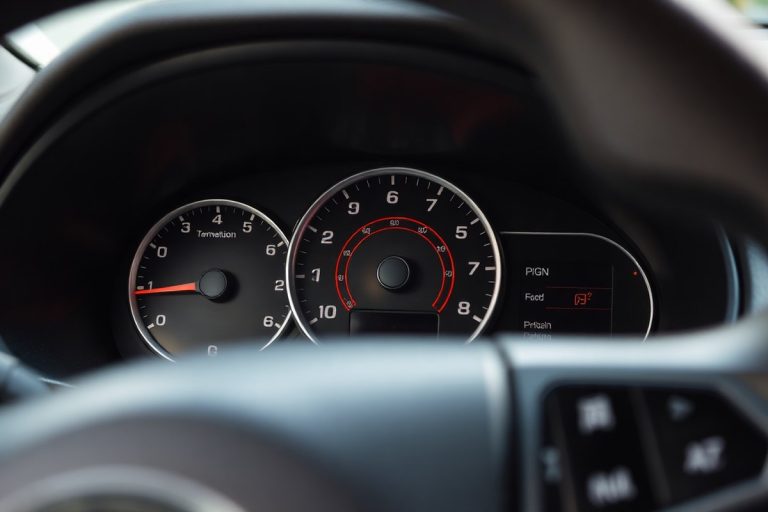
- Look for dashboard warning lights linked to fuel or engine issues.
- A loose spark plug can cause an unusual gas smell at startup.
- Don’t ignore strong gas odors, get your car checked by a pro.
1. Why Does My Car Smell Like Gas When Starting?
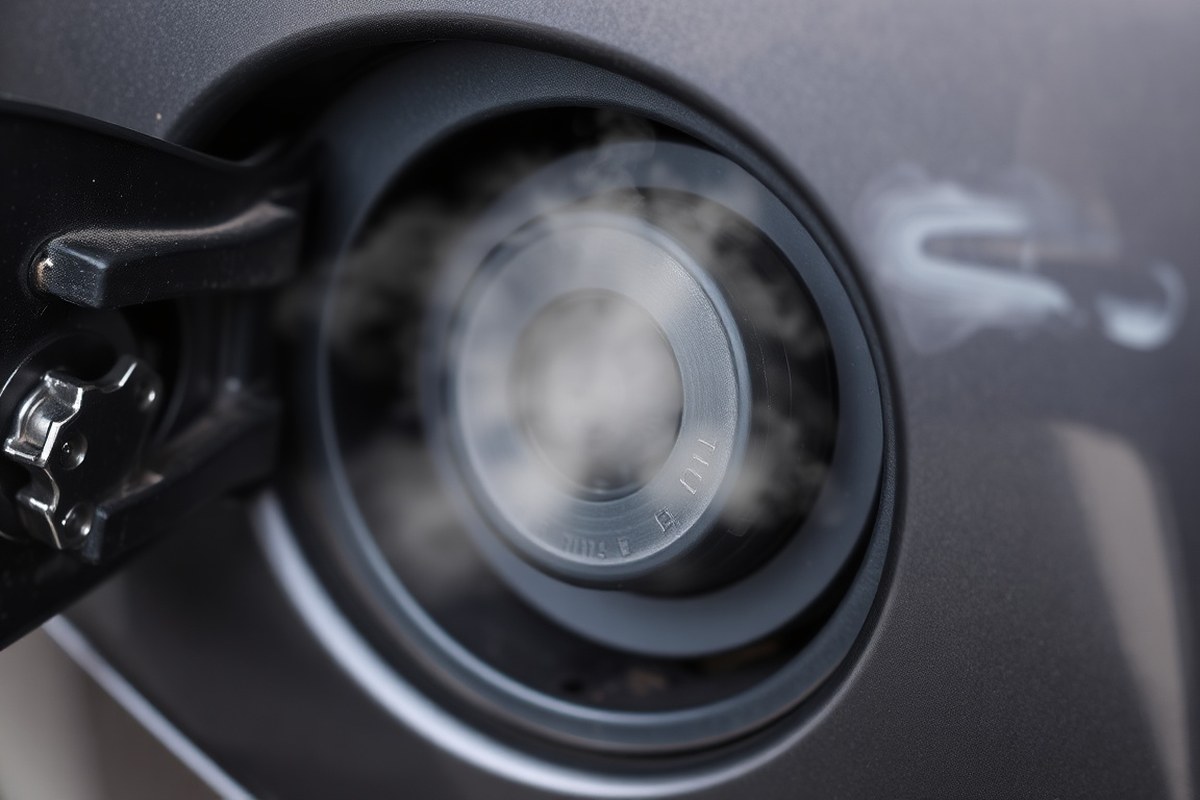
The main reason your car smells like gas when starting is a rich fuel mixture. Cold engines need extra fuel to start quickly, causing unburned fuel vapors to escape briefly. This mix goes away as the engine warms and runs normally.
Fuel vapors often come from the fuel injectors, fuel rail, or fuel lines near the engine. These parts release small amounts of fuel vapor when you start the car. A briefly fading gas smell without wet spots is usually low risk.
Here is a decision rule to follow:
| Situation | Risk Level | What It Means |
|---|---|---|
| Faint smell only at cold startup, fades fast | Low | Likely normal fuel-system priming or minor vapor release |
| Smell persists after the engine warms up | Moderate | Suggests an active leak or EVAP system problem |
| Smell noticeable inside the cabin | High | Fuel vapors inside the car can harm your health. Drive less until fixed. |
| Gas smell plus trouble starting | High | This usually shows a fuel system issue that needs quick repair. |
A brief gas smell on a cold start alone usually doesn’t mean trouble. It reflects the engine flooding with extra fuel to heat up. You should note the temperature and watch for warning lights or rough idling.
A strong gas odor, especially near the engine or wet spots, is serious. Fuel can leak from injector seals or lines.
This lets fumes into the car. This needs immediate repair to avoid fire risk.
2. Common Fuel System Components That Leak Gas Vapors
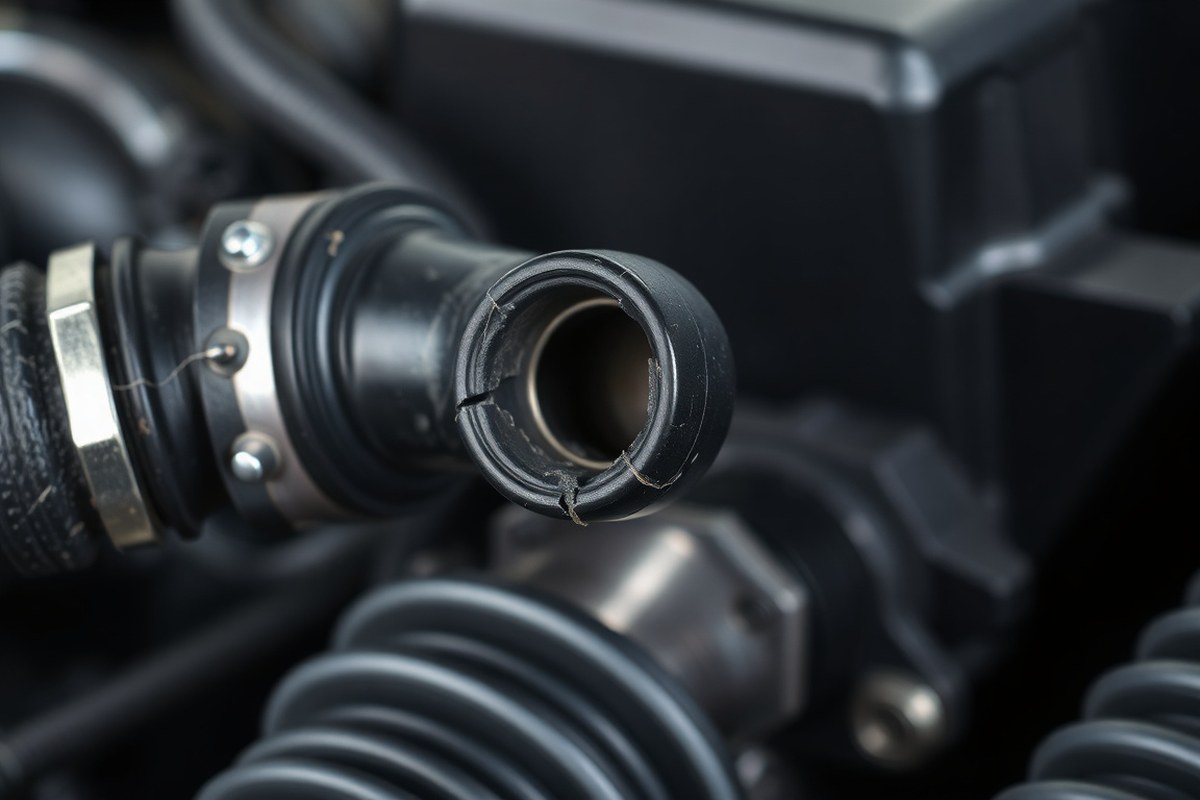
Fuel system parts can leak gas vapors or liquid fuel. This often causes the gas smell when you start your car. It’s a common reason for that odor.
The gas cap is a common culprit. A loose or faulty gas cap rarely lets liquid fuel escape. But it allows vapors to leak, which you can usually smell outside near the tank.
Fuel lines and injectors are other parts that can leak liquid gas. Cracks or holes in the lines release fuel, making the smell stronger. Faulty injectors may drip fuel after the engine shuts off.
This drip causes a gas smell when you start the car. It’s a sign of injector problems.
Seals around injectors, fuel pressure regulators, and the fuel tank itself also wear out. Older, high-mileage cars or ones that make mainly short trips face this more often. These leaks are dangerous and should be fixed quickly to avoid fire risks.
- Check if the gas cap clicks tight and is free of cracks or damage.
- Look along fuel lines under the car for wet spots, cracks, or stains.
- Inspect around fuel injectors for wetness or fuel smell and rough idle symptoms.
- Examine seals near the fuel pressure regulator and tank for signs of leaks.
- Smell near the fuel tank when you approach the parked car. A strong odor points to leaks.
- Note if the car idles roughly or cranks longer; injector leaks can cause this.
Always let the engine cool before checking fuel system parts to avoid burns or fire hazards.
Gas cap replacement costs about $15 to $50. Fixing fuel lines or injectors costs $100 to $600 or more. The price depends on the parts and labor involved.
It varies by your car’s make and model. A cracked fuel tank is more expensive, between $800 and $1,500. Detecting leaks early helps keep costs down and prevents bigger problems.
3. How EVAP System Faults Cause Gas Smells Without Leaks
The EVAP system traps fuel vapors to stop them from escaping outside. Faults in this system can cause a gas smell. Vapors leak out, but liquid fuel is not visible.
This happens without obvious fuel leaks. These leaks often come from worn valves, saturated charcoal canisters, or venting problems.
EVAP Purge Valve Function and Failure Signs
The purge valve controls when fuel vapors move. It sends vapors from the charcoal canister to the engine. The engine then burns those vapors.
The valve sticking open pulls too many vapors in. This happens at startup and causes a gas smell.
You might notice this right when you start. You might notice a strong gas smell and rough idling after refueling.
This happens because the system is allowing excessive vapors, causing a fuel-rich air mix. Check for these signs:
- Gas smell mostly during or just after startup
- Engine hesitation or stumble at startup
- Check engine light triggered by EVAP codes
- Fuel odor stronger near the engine bay
A stuck purge valve needs cleaning or replacement. This repair usually costs between $100 and $250.
That total covers parts and labor. Fixing it often clears up the smell and smooths startup engine behavior.
Charcoal Canister Saturation and Odor Symptoms
The charcoal canister captures fuel vapors and holds them until the engine burns them off. Overfilling the gas tank floods the charcoal canister. The canister can’t handle liquid fuel, only vapors.
This causes problems and smells. A soaked canister releases vapors continuously, causing a persistent gas smell near the fuel tank.
Signs of a saturated canister include:
- Strong fuel odor near the rear of the vehicle
- Smell lasts longer after refueling
- Possible difficulty starting or rough running
- Check engine codes related to EVAP system
Replacing a faulty charcoal canister costs between $150 and $500. Temporary steps include avoiding overfilling and letting the car sit outside to air out the vapors.
Fuel Tank Venting and Vapor Leak Points
The fuel tank vent system lets air in and vapors out under controlled conditions. Cracked or worn hoses and seals leak vapors out. Vapor escapes cause a gas smell without liquid leaks.
These parts wear over time and need checks. The smell may be strongest near the middle or rear of your car.
Look for these issues if you notice vapor smells but no puddles:
- Cracked or loose vent hoses
- Damaged or missing tank vent valve
- Loose or missing gas cap creating poor sealing
- Persistent odor strongest near fuel tank area
Repairing vent hoses or valves typically costs $100 to $300. Tightening or replacing a gas cap can cost about $10.
This simple fix often stops the gas smell fast. It’s a cheap place to start.
4. Is It Safe to Drive If Your Car Smells Like Gas at Startup?
Smelling gas when you start your car usually means there’s a leak. Driving with a gas smell puts you at risk of fire and health issues. When the smell is faint and fades while idling rough, you can drive a short way to a repair shop.
Stop and turn off the engine if the gas smell stays strong or gets worse. Stop the engine right away if you see wet fuel or smoke.
Also cut the engine if your car stalls or misfires. These signs point to serious problems that need urgent help to avoid danger.
Check for other warning hints like dizziness, a visible leak under the hood, or hot smells. Avoid restarting the car until a professional inspects it. Gas fumes can be deadly in confined spaces and flare up if sparked.
Here’s a quick rule: First, trust your nose and eyes. When the gas smell is weak and brief at startup, drive slowly a few miles to a safe place or shop. Stop your car immediately if the smell is strong, steady, or linked to leaks or odd engine behavior.
Keep windows open when inspecting or moving the car to reduce gas fume buildup. Never smoke or create sparks nearby. Call roadside assistance or a mechanic to check your gas system safely.
Fix leaks fast to reduce fire danger and health risks. Repairs can cost from $100 to several hundred dollars. The cost depends on the problem causing the leak.
5. How to Safely Inspect Your Car for Gas Leaks Yourself
Noticing a gas smell when starting your car means check for leaks. You can do this yourself but take care and watch closely.
Start by inspecting obvious areas like the gas cap, fuel lines, and injector seals. Also, ventilate your car to clear any trapped fumes safely before digging deeper.
Inspecting and Tightening the Gas Cap
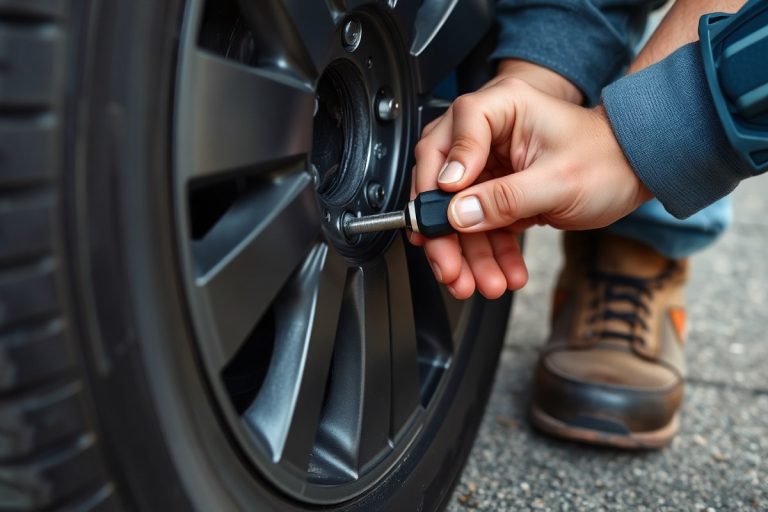
The gas cap often causes fuel smells when it’s loose or damaged. A loose cap allows gas vapors to escape, especially during startup. Tightening or replacing it is usually the easiest fix and costs under $30.
Begin by turning off your engine and waiting a few minutes to cool down. Then, remove the gas cap slowly to release any built-up pressure. Check the cap and fuel neck for cracks or worn seals that let fuel vapors escape.
- Park your car on level ground and turn off the engine.
- Wait 5 to 10 minutes to let the fuel system cool.
- Open the gas door and carefully unscrew the gas cap.
- Look for cracks, dirt, or damage on the cap or seal.
- Wipe the seal clean and screw the cap on firmly until it clicks.
- Start the car and see if the gas smell lessens.
- Replace the gas cap if it’s damaged or won’t seal tightly.
Never force a damaged gas cap tight, it can cause more leaks.
Checking Fuel Lines and Injector Areas for Wetness
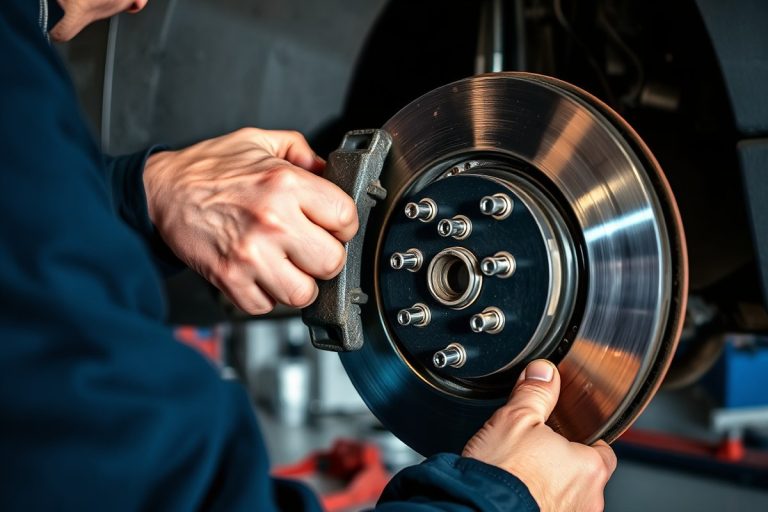
Fuel lines and injectors can leak liquid gas or vapors around their seals. Look carefully for damp spots or puddles under the car or around the engine bay. Even small wet patches near injectors may cause a strong gasoline smell at startup.
Check the injector seals and fuel pressure regulator for any signs of seepage. Spot wet fuel? Don’t drive the car.
Have a pro check it soon. Fuel line or injector repairs usually cost more but prevent fire risks and bad smells.
- Make sure the engine is off and cooled down before you start.
- Lift the hood and locate the fuel lines and injectors.
- Look closely for wetness, stains, or fresh puddles of fuel.
- Touch suspicious spots with a clean cloth, fuel will feel slippery.
- Check around injector seals and wiring for dampness.
- Look under the car for any fuel drops on the ground.
- Do not try to fix leaks yourself; call a pro if you find them.
Fuel leaks can be dangerous, avoid smoking or sparks while inspecting.
Ventilating the Interior to Remove Gas Fumes
Gas smell inside your car? Open windows to air it out fast.
Open all doors and windows to let fresh air flow through the cabin. This stops fuel vapors from building up and makes it easier to detect the source.
Turn off your AC or heater while airing out your car. These systems might pull fumes inside. Let fresh air flow freely.
Keep the car ventilated for at least 10 minutes or until the smell fades. This also lowers the risk of inhaling harmful fumes while you inspect or drive carefully afterward.
- Stop the car in a safe, open area with no traffic.
- Open every door and window fully to create airflow.
- Turn off air conditioning and heating to avoid drawing vapor inside.
- Let fresh air circulate inside for 10 to 15 minutes.
- Check inside the cabin again for lingering gas odors.
- Repeat ventilation if the smell remains strong.
- Consider professional help if the smell won’t go away.
Airing out your car reduces health risks from gasoline fumes indoors.
6. What Engine and Sensor Problems Can Cause a Gas Smell at Startup?
Bad spark plugs can cause a gas smell at startup. Inside each cylinder, spark plugs ignite the air-fuel mix. When plugs are worn or loose, ignition misfires, leaving unburned fuel behind.
This unburned fuel creates a noticeable gas odor, especially right after starting. Replacing spark plugs usually takes about 30 to 60 minutes at a shop. Parts cost $15 to $50 each, depending on your vehicle.
A faulty coolant temperature sensor can also cause this smell. The sensor tells the engine’s computer how warm the engine is. If it reads colder than actual, it signals the engine to add extra fuel to start.
This excessively rich fuel mixture can cause a strong gas smell and rough idling. Repairing the sensor usually costs $100 to $200, parts and labor included. The repair will help the engine run smoother and reduce fuel odor.
Oxygen (O2) sensors monitor the amount of oxygen in exhaust gases. A bad O2 sensor might not cause a gas smell inside the car. However, you may notice a strong, pungent gas smell coming from the tailpipe.
This happens because the engine runs too rich, burning more fuel than needed. Fixing the O2 sensor costs around $150 to $300, depending on the vehicle model. Once replaced, fuel efficiency and emissions normalize.
| Cause | How It Causes Gas Smell | Repair Time | Approximate Cost |
|---|---|---|---|
| Bad Spark Plugs | Misfire leaves unburned fuel in the engine | 30, 60 minutes | $15, $50 per plug |
| Faulty Coolant Temp Sensor | Engine gets too much fuel at startup | 1, 2 hours | $100, $200 |
| Bad O2 Sensor | Engine runs rich, causing strong exhaust odor | 1, 2 hours | $150, $300 |
Scan your car for trouble codes related to EVAP, misfires, or fuel trim issues. A stuck-open purge valve can also pull extra fuel vapor and cause odors. Mechanics often check these sensors and valves when gas smells appear at startup.
7. How to Differentiate Gas Smell Sources Inside vs Outside the Car
Start by noting when and where the gas smell is strongest. You might smell fuel briefly outside after refueling when starting the car. This odor comes from leftover vapors near the gas tank or filler neck.
A persistent smell inside the car usually means fumes get in through vents. Leaks may exist inside the engine bay or nearby areas.
To check if the smell is inside, sit in the driver’s seat with the engine off. Try to notice if the scent is present. Close all windows and doors, then turn the ignition to start the engine.
The smell growing stronger means fumes may enter through the cabin air intake. This area can bring outside air inside the car. Check if the AC or heater is on or off.
Running the ventilation pulls outside air inside the car. Fuel vapors can enter if there’s a nearby leak.
Try switching the ventilation system to recirculate mode. This blocks outside air from coming in and may reduce the gas odor inside. The smell fading means the source is likely outside the cabin.
But it is close enough for fumes to come through. If the smell stays strong even on recirculate, a leak is inside the hood or near the cabin. Fuel vapors then enter the passenger area.
After the engine cools, check under the hood for wet spots or fuel smells. Look near fuel injectors, fuel lines, and the fuel rail. Fuel leaks under the hood often send smells through the fresh air intake.
The intake is near the base of the windshield. A damaged or missing hood weatherstrip can let fumes inside. Breaks in firewall seals also let fuel vapors get in.
Look around rear wheels and under the car for liquid stains or odors. Check near the fuel tank and fuel lines. Corrosion or damage here can cause gasoline to evaporate and create a temporary outside smell.
The smell fading after a few seconds when the engine runs means a minor vapor release. It is not likely a continuous leak.
Understanding where the gas smell comes from helps you decide what to fix first. Leaks under the hood or inside the cabin pose bigger safety risks and need urgent repair.
A brief outside vapor smell usually happens after refilling. It’s less urgent but worth watching if the smell gets stronger or lasts longer.
8. Typical Repair Costs to Fix Gas Smell at Startup Problems
Fixing a gas smell right when your car starts can vary widely in cost. Small jobs like replacing a gas cap cost less than fixing fuel injectors or fuel lines. EVAP system repairs depend on complexity and the parts involved.
Replacing Gas Cap or Seal Costs
A loose or damaged gas cap often causes the gas smell. Fixing this is quick and cheap.
Buying a new gas cap usually costs between $10 and $40. Installation typically takes just a few minutes, so labor fees are low or none.
The gas cap seal can also wear out, letting vapors escape. Replacing this seal is less common but costs similarly to a cap swap. Fixing or tightening the cap stops vapors and saves you gas over time.
Fuel Injector or Seal Replacement Pricing
Replacing a bad fuel injector costs more because of parts and labor. The seals or o-rings may need replacement too. Both add to the total price.
The injector itself costs from $150 to $300 or more, depending on the vehicle make. Labor for removal, replacement, and fuel system pressure testing adds $100 to $200.
Sometimes the seals leak while the injector works fine. Replacing only the seals might cost half as much. But a mechanic must check to be sure.
They determine if you need a full injector swap. Good injector repairs stop leaks and fix rough starts and fuel smell.
Fuel Line and EVAP System Repair Estimates
Broken or cracked fuel lines leak, causing gas smells. Repair costs vary quite a bit. The type and damage level affect the price.
Simple line repairs usually run $150 to $350, including parts and labor. However, hard-to-reach fuel rail repairs can push costs to $500 or more.
EVAP system repairs differ depending on which component is faulty, canisters, valves, or sensors. Costs range widely from $100 for sensor replacements to $600 or higher for parts like canisters. Smoke testing and live data diagnosis add time and cost but help find leaks not visible.
| Repair Type | Typical Cost Range | What It Involves |
|---|---|---|
| Gas Cap Replacement | $10 to $40 | New cap or seal, a few minutes to install |
| Fuel Injector Swap | $250 to $500 | Injector parts plus labor and testing |
| Fuel Line Repair | $150 to $500+ | Replace cracked lines or fuel rail parts |
| EVAP Sensor or Valve Fix | $100 to $600+ | Parts replacement, diagnosis, or smoke test |
Plans for fuel system fixes depend on the smell cause and how accessible parts are. Knowing these costs helps you spot fair repair quotes.
Factors Increasing Repair Expenses
Vehicle make and model influence repair prices heavily, with some cars using pricier parts. Hard-to-reach fuel lines or injectors add labor time and raise bills. Deep issues like cracked fuel tanks or manifold leaks often push costs over $1,000.
Technician skill and diagnostic time also impact expenses. EVAP system checks can need special tools like smoke testers, which raise diagnosis fees. Waiting too long on repairs may make damage worse and increase final costs.
Always tighten your gas cap after fueling to avoid unnecessary gas smells and repairs.
9. Preventive Tips to Stop Gas Smell Issues Before They Start
Check your gas cap monthly to catch cracks or worn threading. Replace it if the rubber seal looks dry or cracked. A faulty gas cap lets vapors escape and causes that gas smell at startup.
Fuel lines should be inspected at least twice a year for leaks or loose connections. Look under your car or near the engine for wet spots or strong fuel odors. Damaged lines need fixing quickly to avoid bigger problems.
Using quality fuel helps keep your system clean and reduces vapor leaks. Pick fuels with detergent additives and avoid stations with dirty pumps. Changing your fuel filter every 20,000 to 40,000 miles helps.
It keeps the fuel flowing well. This also helps your engine run clean.
- Tighten the gas cap after every fill-up until it clicks.
- Inspect rubber fuel lines for cracks or wear during oil changes.
- Use premium or recommended octane fuels to avoid rough starts.
- Replace fuel filters per your owner’s manual schedule.
- Keep your car parked in a shaded space to avoid heat-expanding fuel vapors.
- Avoid topping off your gas tank to reduce vapor buildup.
Good driving habits also help. Short trips warm your engine enough to burn off fuel vapors.
Avoid rapidly shutting off the engine after filling gas, as this can trap fumes inside. Letting your car idle a minute after fills helps burn excess vapors and lowers leaks.
Quality parts matter. When replacing fuel system components, choose OEM or reputable aftermarket parts.
They fit better and seal properly, preventing vapor escape. Cheap parts can make gas smells worse or reappear shortly after repair.
Your garage or driveway smells mostly come from worn parts or loose fittings. A clean, dry area under your car means fewer leaks.
Keep your engine bay clean. Residual fuel can hide leaks and make smells worse over time.
Step-by-Step Action Plan to Deal with Gas Smell at Startup
Follow these steps to find and fix the gas smell quickly. This plan helps you stay safe and know when to ask for help.
- Before starting today: Park your car outside in an open area. Check if the gas smell is strong outside or inside.
- Within an hour: Check under the hood for wet areas. Look around the fuel tank too. These spots might show leaks. Seeing gas means don’t start the car again.
- Day 1: Check the gas cap for tightness and damage. Replace it if it’s loose or cracked to stop vapors leaking.
- Day 2: Use a flashlight to inspect fuel lines and EVAP system hoses for cracks. Call a mechanic if you spot anything broken.
- Week 1: Monitor if the smell comes back when starting the car. Spotting issues? Schedule a professional engine and sensor check.
- After repairs: Test drive and see if the gas smell is gone at startup. No smell means repairs worked.
- Regularly: Keep your car in good shape with fuel system cleanings and timely maintenance. It helps prevent future gas smells.
Frequently Asked Questions
What Causes a Car to Smell Like Gas When I Start It?
A gas smell at startup often means a fuel system fault or leak. It can also come from the EVAP system releasing vapors before fuel combustion starts. Check for wet fuel parts or a faulty fuel injector as common culprits.
Why Do I Smell Gasoline but No Leak?
Gasoline odors without visible leaks often come from EVAP system issues. The system captures and recycles fuel vapors.
But if faulty, vapors escape and cause the smell. Have the EVAP system tested for leaks or clogged valves.
Is It Safe to Drive a Car That Smells Like Gas?
No, it is generally unsafe to drive if your car smells like gas. Gas fumes are flammable and can indicate leaks that pose fire risks. Get the car inspected and repaired before driving.
How to Know If It’s a Gas Leak or Just a Bad Smell?
A real gas leak usually has a strong, persistent smell and wet spots near fuel parts. Bad smells can come from other engine issues or fuel additives burning off. Look for fuel drips or spots and a consistent odor.
Can a Cold Start Cause a Temporary Gas Smell?
Yes, a brief gas smell right after a cold start is common and usually harmless. It’s from the engine’s richer fuel mix during startup. If the smell disappears quickly and no other issues exist, it’s less urgent.
Key Points to Remember
A gas smell at startup can warn you of leaks or system faults. Taking quick action can keep you safe and your car running well.
The smell stays? Get a mechanic to check it immediately.