Can I Pump Gas with Car on? Clear Answers, Safety Tips & Laws
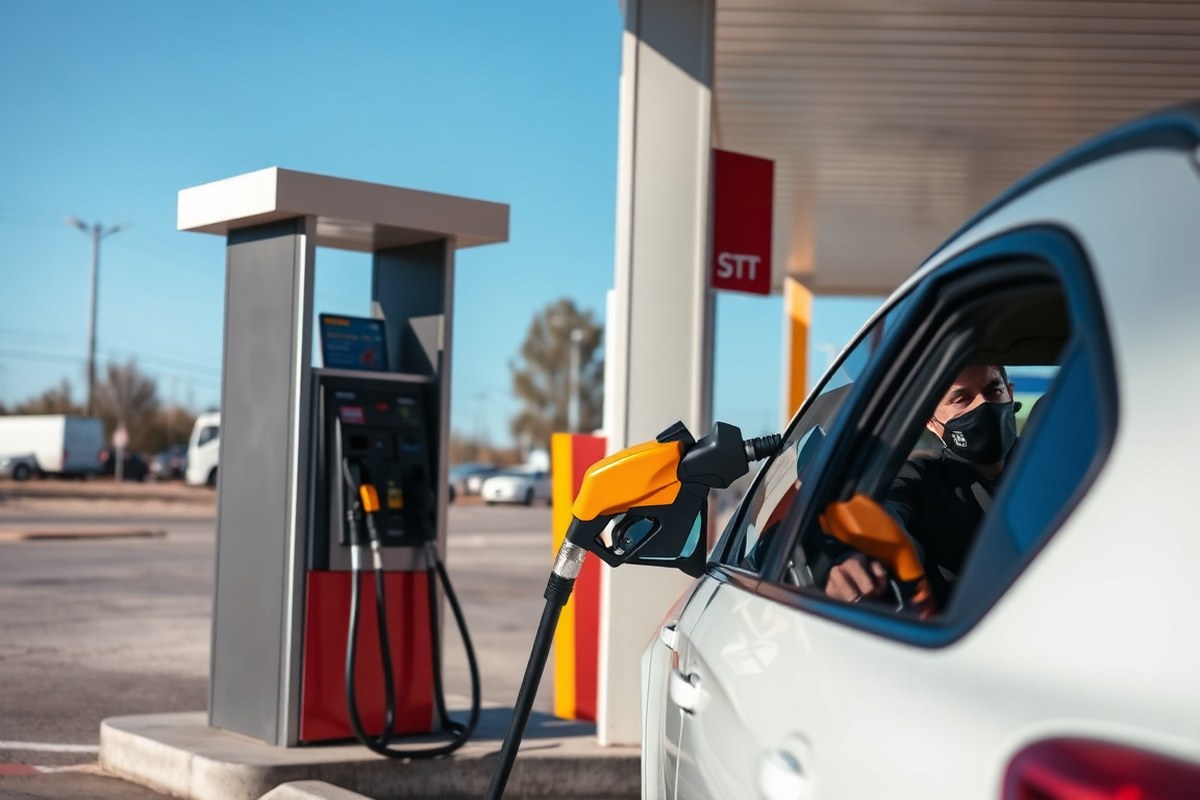
Can I pump gas with car running? The short answer is no.
Running engines pose serious fire risks at gas stations. It’s safest to always turn off your car before filling up your tank.
Gasoline vapors are highly flammable and can ignite if they touch hot surfaces. Your engine and exhaust parts heat up quickly during use. Turning off the car removes this ignition source immediately, reducing fire risk.
Many states have laws requiring you to stop your engine while pumping gas. Violating these rules can result in fines or other penalties. Following these laws helps keep you and others safe.
Besides safety and legal reasons, turning off your car helps avoid fuel spills. It also prevents damage to your vehicle’s fuel system. So turn off your engine before you start pumping every time.
Key Takeaways
- Turn off your engine before starting to pump gas every time.
- Keep your vehicle parked 2 to 3 feet from the pump nozzle.
- Never smoke or use your phone near the gas pump area.
- Put gas cans on the ground at least 5 feet from your car.
- Only fill portable gas containers about 95% full to allow vapor space.
- Be aware that hot exhaust parts can reach over 1,000°F, sparking fires.
Can You Pump Gas with Your Car Running?
You can pump gas while your car engine is on, but it’s risky. The running engine can ignite gasoline vapors nearby and cause fire. Fire safety laws in many states require you to turn off your engine during gas stops.
Pumping gas with the engine on does not damage the fuel pump. The fuel pump operates independently from whether the engine runs during refueling. The real danger lies in the possibility of sparks from a running engine igniting fuel vapors.
Static electricity and faulty spark plugs are common ignition sources near fuel pumps. Even though fire incidents at gas stations are rare, a running engine adds unnecessary risk. Turning off your car stops ignition sources immediately.
It also halts the engine from handling fuel flow. This simple step greatly cuts fire risks while you fill the tank.
Some drivers keep the engine running for air conditioning or heating comfort. This practice raises fire risk and goes against safety codes. You should switch off your engine and stay outside the vehicle until fueling is complete.
Different vehicle types have varied risks, but the safest route is always the same. Gasoline and standard hybrids need complete shutdown before fueling. Battery electric vehicles don’t have gasoline engines but still follow station rules to avoid confusion.
Filling up with the engine off is a quick step that protects you and others. Just remove the nozzle, turn off your car, insert the nozzle, and pump the gas. Then replace the nozzle before starting your engine again to avoid hazards.
Why Is It Important to Turn Off Your Engine Before Pumping Gas?
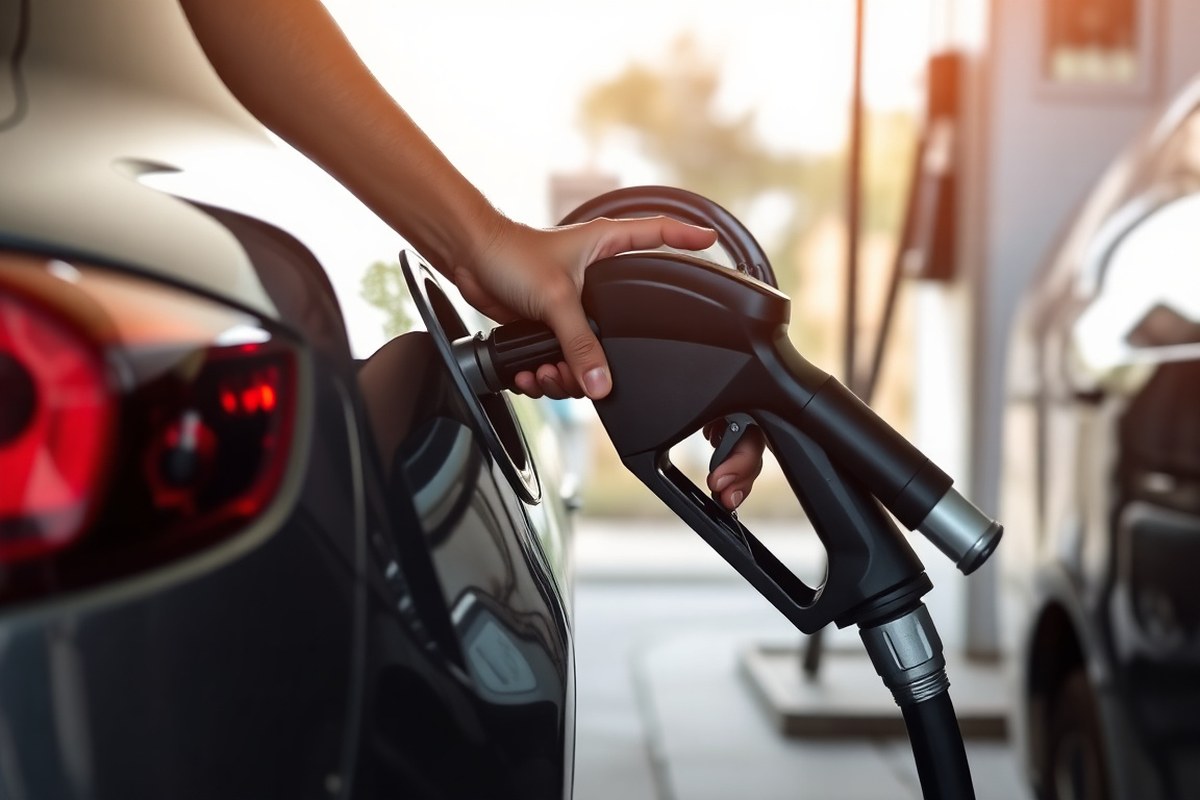
Turning off your engine before pumping gas reduces fire risks caused by sparks, static, and heat. Running engines create electrical currents that could ignite fuel vapors. Engine heat and electrical systems both raise the chance of fire near the pump.
Electrical Systems and Ignition Risk
Your vehicle’s wiring carries electricity that can spark while the engine runs. This current flows through wires near the fuel tank and nozzle. Sparks from electrical connections or circuits could ignite gasoline fumes during fueling.
Static electricity can cause problems with your car’s electrical system. Sliding across your seat or touching the gas nozzle can create static. Not touching a metal part of the car to release it might cause a spark near flammable fumes.
Role of Engine Heat in Fueling Safety
An idling engine produces heat around the fuel area. This heat comes from the exhaust system and engine block, which reach temperatures well over 300°F. Gasoline vapors can ignite easily if exposed to this heat.
Gasoline vapors are more volatile than liquid fuel and ignite faster. Hot surfaces or exhaust pipes close to the gas nozzle or tank increase fire risks. Turning the engine off removes this heat source immediately.
Static Electricity and Safe Fueling Steps
Static shocks happen when you move around inside and outside the car during fueling. Getting back into your vehicle while pumping gas often causes static build-up. Avoid re-entering your car until done refueling to keep sparks away from fuel vapors.
Before touching the nozzle, touch a metal part away from the gas cap. This step safely discharges static electricity from your body. It only takes a second but greatly reduces fire risk from static sparks.
Legal and Safety Codes on Engine Shut-Off
Fire codes like the California Fire Code require turning engines off before fueling. These laws eliminate ignition sources at service stations. Ignoring this can lead to fines or refused service since it’s a safety breach.
Most stations post clear signs demanding engines off. These signs are backed by local rules aimed at protecting customers. This rule helps keep your check engine light off.
It stops fueling system problems that can trigger the light. Follow it to avoid those trouble codes.
Don’t smoke while pumping gas. Avoid using your phone or getting back in your car. These actions can cause static sparks.
Legal Risks and Penalties for Pumping Gas with the Engine On
Most states have laws against pumping gas with your engine running. These rules come from fire safety codes that state governments have adopted. They require you to turn off your car to reduce the risk of igniting gasoline vapors.
Some states strictly enforce these laws, while others less so. Fines for breaking the rules usually start around $50 but can be higher. In rare cases, repeat offenders might face misdemeanor charges if the situation gets serious.
| Question | Answer |
|---|---|
| You might wonder if pumping gas with the engine on is possible. The engine can run while fueling, but it’s risky for safety. Most pumps and stations warn against it to prevent fire hazards. | Yes |
| Is it legal in most US states? | No |
| Is enforcement consistent across states? | No, it varies widely |
| Can you get fined? | Yes, under state fire codes |
| Does the no-engine sign have legal weight? | Yes, in states with fire codes |
New Jersey is the only state that bans self-service gas stations. You must have an attendant pump gas for you there. This law keeps drivers from fueling their own cars.
Many states post clear signs telling you to stop your engine before fueling. Ignoring gas pump signs can get you a ticket or fine.
Many places have strict fire safety rules at gas stations. Following the signs helps keep you safe and legal.
Typical fines often range between $50 and $200 depending on local law. Some areas charge higher fines for repeat gas pump violations. Fines also increase if an engine running causes a gas spill.
These rules aim to reduce fire dangers and accidents. Always check your local rules since penalties differ by state and even city fire codes.
Avoid risk by always turning off your engine before fueling. That small action follows the law and lowers danger at the pump. Paying attention to posted signs and station rules avoids unexpected tickets or hassles during your fill-up.
How Gasoline Vapor Ignition Works and Real Safety Risks
Gasoline vapors ignite at surprisingly low temperatures, around -45°F (-43°C). These vapors can catch fire when exposed to sparks, static electricity, or hot engine parts. At gas stations, ignition risks come mainly from static discharge and hot exhaust components.
Flashpoint and Ignition Temperature of Gasoline Vapors
The flashpoint of gasoline is about -45°F (-43°C), meaning the vapors can ignite well below freezing. This low temperature shows vapors easily catch fire with an ignition source nearby. Even a small spark or heat over a few hundred degrees can instantly light these vapors.
Gasoline’s autoignition temperature, the point where it burns without a spark, is around 536°F (280°C). Hot parts like an exhaust manifold can exceed this temperature and ignite fuel vapors or spills.
How Static Electricity Starts Fires at Pumps
Static electricity builds up when you move against your seat or open car doors during fueling. This can cause a sudden spark and ignite gasoline vapors. Static discharge has caused multiple fires at gas stations worldwide.
Touching metal on your car before grabbing the pump releases static safely. Avoid getting back inside your vehicle until finished to prevent static buildup. Static isn’t just a myth, it’s a real fire hazard.
Hot Exhaust Components as Ignition Sources
Running engines heat catalytic converters, exhaust manifolds, and mufflers above 1000°F (538°C). This heat is much higher than the ignition temperature of gasoline vapors. Fuel spilled or vapors near these parts can catch fire instantly.
Leaving your engine on while pumping gas exposes hot surfaces near fuel vapors. Proper fueling procedures require turning off the car to remove these hot ignition sources.
Electrical Faults and Other Ignition Risks
Worn wiring insulation or shorts in the car’s electrical system can spark near the pump. These tiny sparks can ignite vapors, especially when fuel is spilling or splashing. Pumps and fuel delivery rely on proper grounding to reduce this risk.
Static and sparks act quickly, needing only brief contact with gasoline vapors to start a fire. This interaction makes avoiding any ignition source important during fueling.
Step-by-Step Safe Routine for Pumping Gas at Self-Service Stations
Getting your car ready to pump gas safely starts with positioning. Park close to the pump, so the hose reaches easily. Take your time and follow each step carefully.
Park close enough so the pump hose reaches without stretching or bending. Make sure you are facing the pump and your fuel door is on the correct side.
Avoid parking too far. Keep your car within arm’s reach of the nozzle to prevent spills or accidents.
Before you start pumping, check the area around you. Clear any leftover debris or static sources like plastic bags or blankets. Avoid getting back inside the car during fueling because your clothes can build static.
Ground yourself by touching a metal part of the car away from the gas cap. This helps prevent static sparks that could ignite gasoline vapors.
- Position your car so the fuel door aligns directly with the pump nozzle.
- Turn off your engine even though some states allow it on to reduce risk.
- Open the fuel door using the finger hole or button inside your car.
- Unscrew the gas cap carefully and set it aside or let it hang if tethered.
- Ground yourself by touching a metal surface away from the fuel intake.
- Pick up the pump handle, insert the nozzle fully into the tank, and squeeze gently.
- Watch the pump screen for the amount and stop when you reach your limit.
- Replace the gas cap securely, tighten it until it clicks, then close the fuel door.
Never re-enter your vehicle while pumping. It can cause a static spark when you touch the nozzle again.
Common Myths About Pumping Gas with the Car on Debunked
Many believe running your car engine while pumping gas causes fire and explosion risks. Fires at pumps are extremely rare. But keeping the engine off remains the safest choice.
The real risk with a running engine is vapor ignition. This is unlikely but can happen in extreme cases.
Some drivers worry about damaging the fuel pump if the engine stays on. The pump handles fuel delivery independently during refuel. Running the engine doesn’t harm it.
But it can disturb the car’s ventilation system. This may release more vapors.
Static electricity gets blamed for gas pump fires too. Fires from static discharges are uncommon.
You can reduce static risk by touching metal, like the car’s body, before handling the nozzle. This step discharges your body safely.
| Myth | Fact | Explanation |
|---|---|---|
| Pumping gas with engine running causes fires often | Fires are rare, but still a small risk | Running engine raises vapor release, increasing ignition chances slightly |
| Static discharge commonly triggers gas station fires | Static fires are uncommon but possible | Touching metal before fueling safely discharges static electricity |
| Fuel pumps get damaged if car engine runs during refuel | Pump is not damaged by running engine | Engine fuel delivery and pump refueling systems operate separately |
| Topping off the tank with engine on is safe | Overfilling risks fire and car damage | Fuel overflow damages car and poses a fire hazard |
Running your engine while refueling disturbs the vapor capture system. This system traps harmful fumes and helps reduce fire risk. Avoid filling your tank to the brim because it can spill gas and harm the engine.
Getting into the habit of turning off the engine takes only seconds. It prevents unnecessary vapor release and cuts tiny but real fire risks.
This also follows fire codes in most US states. It keeps you within the law.
Special Cases: Hybrids, Diesel Vehicles, and Remote Start Considerations
You should turn off your engine when pumping gas, even with hybrids or diesel vehicles. Hybrids may seem different because their gas engines switch off.
But safety rules still apply. Remote start can help warm your car, but it has limits during fueling.
How Hybrids Handle Fueling Risks
Hybrids often run their electric motor while the gas engine shuts off at a stop. This means the car feels “on” but no gasoline is flowing or igniting.
The risk is lower. But rules require the engine to be off and not actively running gasoline.
Some hybrids enter electric-only mode automatically when parked. So you can safely stop and pump gas. Pressing the power button once may not stop fuel flow.
The engine might still run on some models. Always double-check to be safe.
Here are considerations for hybrid fueling:
- Check if the engine light or fuel pump indicator is off before fueling
- Press the power button to switch off any gasoline engine
- Do not assume electric mode means the car is safe to fuel with engine on
- Follow posted gas station rules regardless of your vehicle’s mode
- Consult your vehicle manual for model-specific fueling instructions
Some states treat hybrid statuses as “engine running.” Following the safest practice avoids fines and fire risks. It’s best to be cautious.
Diesel Vehicle Fueling Rules
Diesel vehicles need different fuel pumps labeled just for diesel. They use a different kind of fuel that is less volatile than gasoline.
This lowers some fire risks. But you still must turn off the engine fully to pump diesel fuel.
Diesel engines often run louder and produce more fumes, increasing caution needs during fueling. Running the engine can cause exhaust to build up near pumps and increase hazards. Always confirm you are at the correct pump for diesel or gasoline before fueling.
Safety rules for diesel fueling include:
- Turn off the engine completely before fueling
- Use only pumps marked for diesel fuel
- Don’t smoke or use electronics near diesel pumps
- Avoid overfilling to prevent spills and vapor release
- Check for fumes or leaks before starting the pump
Following these steps keeps diesel fueling safe and avoids engine or pump damage.
Remote Start and Cabin Comfort During Fueling
Using remote start can warm your vehicle’s cabin on cold days. This makes waiting inside more comfortable while the engine runs without you inside. Running the engine even remotely during fueling may break gas station rules.
This rule is to keep everyone safe. Always follow posted signs.
Gas stations require you turn off your engine to reduce risks. Static electricity can ignite fuel vapors. This step helps prevent fires.
Remote start works only if your vehicle stays stationary and locked. Some gas stations post warnings against remote start use during refueling.
Consider these points when using remote start at the pump:
- Check if the station allows remote start while fueling
- Turn off the engine before opening the fuel door
- Do not leave the pump unattended during fueling
- Ensure no fuel vapors accumulate near the car’s vents
- Exit the car and handle fueling manually for best safety
Remote start is handy for comfort or convenience. But it shouldn’t replace safety steps like fully shutting off your engine. Stay safe at the pump.
What to Do If You Encounter Problems While Pumping Gas
Spilling fuel or facing a gas pump that won’t stop calls for quick action. Acting fast can keep you and others safe from fire or injury. Knowing who to notify during pump emergencies helps a lot.
You should learn what steps to follow right away. Being prepared can make the situation safer and quicker.
Spilled gasoline evaporates quickly but creates flammable vapors. Gas pumps that malfunction may keep delivering fuel, risking overflows.
Fires can ignite in seconds if vapors meet a spark. That’s why you must stop pumping immediately and alert station staff or emergency responders.
- Stop pumping and remove the nozzle from your car’s tank. This cuts off the fuel flow and helps contain spills.
- Move away from the spilled fuel area. Gasoline vapors are heavy and can catch fire easily near the ground.
- Alert the station attendant right away. They know the safety protocols and can shut off power to the pumps.
- Call 911 if you see fire or a large spill. Leave firefighting to professionals unless you have a proper extinguisher and training.
- Do not use your phone or any device near the spill. Electronics can spark and ignite fuel vapors.
- Warn others to stay clear and do not start your vehicle. Engine fumes or static electricity pose fire risks.
- Follow directions from emergency or station personnel. They may order an evacuation or emergency shutoff to prevent worse hazards.
Every gas station must have emergency shutoff buttons, usually red and near the pumps. They stop the fuel supply if a problem arises. Know their location before you start refueling to react quickly if needed.
Never try to clean up a gasoline spill yourself. Wait for trained staff to handle it safely.
Comparing Fueling Scenarios: Risk Levels and Best Practices
Turning the engine off is the safest choice when pumping gas. Staying outside the vehicle further lowers risk by avoiding vapor buildup inside. Keeping the engine running can cause legal trouble in many states.
It’s not a good idea. Even if your car can handle it, avoid doing it.
Topping off your tank after the pump clicks off poses a safety risk. Gasoline vapors need to vent through the tank’s system.
Overfilling can trap vapors, increasing the chance of fire or equipment damage. Stop fueling as soon as the nozzle clicks shut.
| Fueling Scenario | Risk Level | Best Practice |
|---|---|---|
| Engine off, outside vehicle | Lowest | Turn engine off, exit car, pump gas normally |
| Engine off, inside vehicle | Low | Turn engine off, keep windows slightly open for ventilation |
| Engine running | Moderate to high | Legal risk in most states, avoid unless emergency |
| Topping off tank | High | Stop fueling when nozzle clicks off; no topping off |
Use the pump trigger carefully. Squeeze it to start fueling and release immediately after the pump clicks off.
Holding the trigger longer risks spills and vapors. Always let the nozzle fully stop fuel flow when done.
Leaving engine on does not damage it, but unsafe and mostly illegal. Also, fueling with the engine running may expose you to hotter surfaces.
These can ignite vapors if safety rules aren’t followed. Turning off the engine and exiting the car is a simple habit that minimizes these risks.
Step-by-Step Action Plan for Safe Fueling
Follow these simple steps to fuel your car safely and avoid risks. This routine helps you stay legal and prevent accidents.
- Before you start: Turn off your engine and any devices that can create sparks. You’ll see your dashboard lights go off, confirming your car is fully off.
- At the pump: Remove the gas cap and hold the nozzle firmly. You’ll hear the click that locks it in place before you begin pumping.
- During fueling: Keep an eye on the pump display and don’t leave the nozzle unattended. The pump will automatically stop when your tank is full.
- After fueling: Replace the gas cap tightly until you hear a click. This ensures no gasoline vapor escapes.
- Before driving away: Check the fueling area for spills or vapor smells. No signs mean you’re safe to start your engine.
- When problems happen: Immediately stop fueling and tell the station staff. They will help prevent fire hazards or spills.
Frequently Asked Questions
Can I Pump Gas While My Car Is in Park?
Yes, you can pump gas with your car in park. Keep your engine off for safety and legal reasons.
Does Pumping Gas with a Remote Start Affect Safety?
Remote start systems don’t change fuel pump safety. Always turn off the engine before fueling.
Can Using a Gas Can at the Station Cause Issues?
You can use a gas can safely, but place it on the ground. Never fill it inside your car.
Is It Safe to Pump Diesel Fuel with a Gasoline Car?
No, each fuel type requires the correct vehicle. Avoid mixing diesel and gasoline fuels.
Should I Remove My Phone Battery While Pumping Gas?
No need to remove your phone battery. Just avoid using your phone near the pump.
Final Thoughts
Pumping gas with your engine off is the safest and often the legal choice. Taking these steps reduces fire risks and helps you avoid fines.
Next time you stop at the pump, turn your car fully off. Wait until it stops completely before you start fueling.