Is It Illegal to Drive Without a Front Bumper? Complete Legal and Safety Guide
Is it illegal to drive without a front bumper? Yes, in most states it is illegal if your car originally came with one.
Bumpers are part of your vehicle’s safety and legal equipment. Removing the front bumper can get you fined or cause trouble during inspections.
Federal rules require bumpers to protect your car in low-speed crashes. They must absorb impact to reduce damage to safety parts beneath. Your state usually expects your vehicle to keep its original bumpers.
This helps the car meet safety standards. Removing bumpers may break these rules.
Most states fine drivers for missing bumpers, though fines are usually less than those for speeding. Check local laws about mounting your front license plate. It is often attached to the bumper.
Some states have specific rules for this. Keeping the bumper on keeps you legal and safer on the road.
Key Takeaways
- Driving without a front bumper is illegal in most states if it came factory-installed.
- Federal standards require bumpers to absorb low-speed crash impacts without damage.
- Front bumper height typically must be between 16 and 20 inches on passenger cars.
- Missing bumpers can cause you to fail vehicle safety inspections.
- Many states require the front license plate to mount on the front bumper.
- Fines for driving without a bumper are usually less than minor speeding tickets.
Is Driving Without a Front Bumper Illegal in Most States?
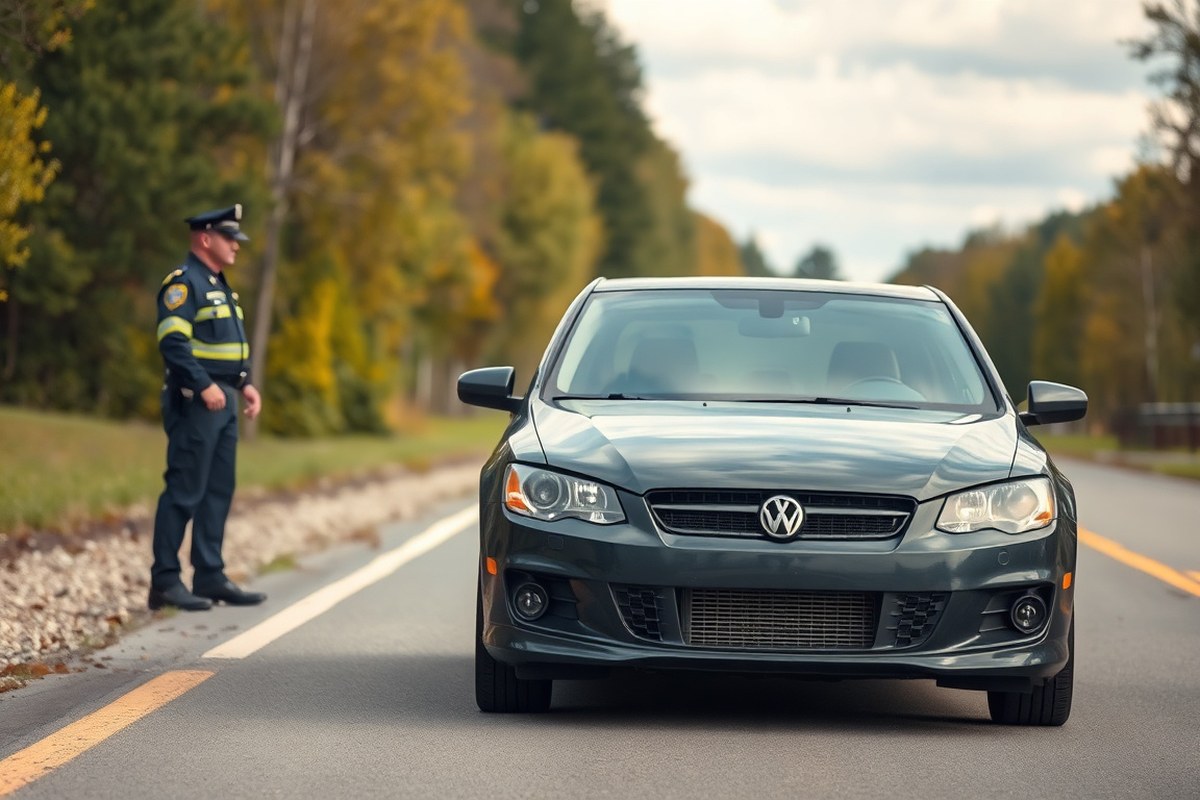
Most states require a front bumper if your car had one at first. Your car must keep the front bumper if it came with it. Removing it may break state rules.
This means driving without a front bumper is usually illegal in those places. States like California, Ohio, and Pennsylvania have clear bumper rules.
Passenger vehicles must keep their front bumpers when driving. These laws help keep cars safe on the road.
Some states specifically say vehicles built with front bumpers must have them mounted at all times. Ohio does not allow driving cars without front bumpers if standard. This rule covers both cars and trucks.
It aims to keep safety equipment intact. Pennsylvania will fail your vehicle inspection if a factory bumper is missing.
A few states don’t have explicit laws about front bumpers. But local safety codes still require your car to meet basic equipment standards. Removing the front bumper can expose sharp parts or risks.
This makes your car dangerous. You might get fined or fail safety checks. So even without a direct rule, driving without a bumper can be illegal.
Pickup trucks and other special vehicles may have exceptions in some states. For instance, federal law does not require pickups to have bumpers.
Some states also allow cars modified for shows or off-road use to run without bumpers. But these cases are rare and often temporary.
Many states require a front license plate on the bumper. The bumper holds the plate securely in most cases. Without it, you could break plate display rules.
About 29 states demand a front plate. So driving without a bumper can also mean breaking plate display laws. This adds another reason most drivers need their bumpers intact.
Some rural states don’t have clear rules about front bumpers. Cars without bumpers show up more in these places. Local laws affect how common this is.
But in heavily populated states like New York and Florida, it’s almost always illegal. Police can pull you over if your original bumper is missing.
The law expects cars to keep factory-installed bumpers. Missing bumpers may flag safety concerns for officers.
What Are the Federal Standards and How Do They Affect You?
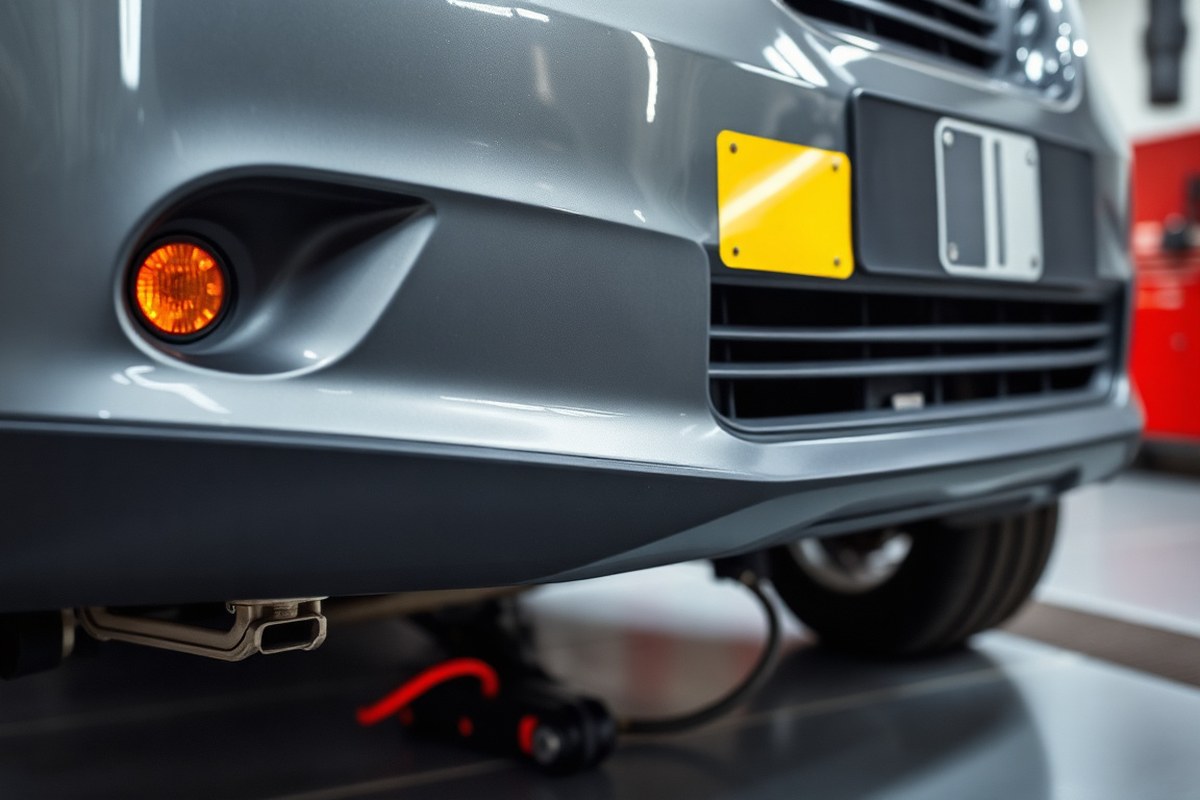
Federal bumper standards under 49 CFR Part 581 set rules for how car manufacturers build bumpers. These rules focus on crash tests and bumper strength for new vehicles. They do not make it illegal for drivers to remove or drive without a bumper.
Purpose of 49 CFR Part 581
The federal standard focuses on bumpers’ ability to absorb low-speed impacts. It requires manufacturers to design bumpers that withstand front and rear hits at 2.5 mph. This helps reduce vehicle damage during minor collisions.
These requirements apply only at the manufacturing level. Agencies check bumpers on new cars before sale. Drivers aren’t directly subject to these federal design rules once the car is sold.
Why It Does Not Ban Driving Without Bumpers
The law gives the government authority over manufacturers, not individual drivers. It does not create a traffic violation for missing bumpers. States handle the legality of driving with a missing or altered bumper.
Federal rules don’t regulate vehicle condition after purchase. They set manufacturing standards, not maintenance or equipment laws for drivers. So, removing a bumper isn’t banned federally but may be restricted by state laws.
How Manufacturers Follow the Standard
Manufacturers test new cars with impact rigs to meet Part 581 standards. Their bumpers must protect critical parts and reduce repair costs. Automakers design bumpers to meet an approved height and strength range.
This process ensures new vehicles sold in the U.S. Conform to safety and durability rules. It affects how bumpers look and their strength. It does not decide if drivers must keep bumpers intact after buying a car.
State Rules Fill the Gap Left by Federal Law
States require drivers to keep original front and rear bumpers intact. They set fines and penalties for missing bumpers on registered passenger cars. Examples include California and Florida, which fine $125 to $200 for missing bumpers.
These state rules enforce safe vehicle appearance and performance. They ensure bumpers protect occupants and reduce injury risks. Federal standards do not regulate enforcement for driving without a bumper.
What This Means for You as a Driver
You can’t rely on federal law alone to know if driving without a bumper is legal. Check your state’s vehicle code on bumper requirements. Removing a bumper might make your car unsafe or illegal locally.
Always keep your vehicle equipped with a proper bumper that meets federal design and state rules. It helps keep you safe and avoids tickets or fines from local officers.
Don’t assume federal rules protect you from state bumper laws; always check local regulations.
State-by-State Bumper Laws and Penalties Comparison
Most states require a front bumper by law to meet vehicle equipment standards. Penalties typically include equipment citations or fines, especially if your car fails state inspections. Enforcement varies, but many states list bumper rules clearly in their vehicle codes.
Bumper height rules also differ by vehicle class and state. For example, passenger cars usually have a lower bumper height than pickups or SUVs. Some states add weight limits for trucks when setting bumper height requirements.
| State | Statute | Front Bumper Required | Enforcement Method |
|---|---|---|---|
| California | CVC Section 28071 | Yes | Equipment citation |
| New York | NY VTL Section 375 | Yes | Equipment citation |
| Illinois | 625 ILCS 5/12-603 | Yes | Equipment citation |
| Texas | TX TC Section 547.322 | Yes | Unsafe vehicle or equipment |
| Washington | RCW 46.37.510 | Yes | Equipment citation |
| Florida | FL Statute 316.215 | Yes | Equipment citation |
Bumper height varies by vehicle type and state. In California and Nevada, passenger car bumpers must sit between 16 and 20 inches high. Pickup trucks weighing less than 4,500 pounds need specific height rules.
These vary from 18 to 22 inches in states such as Texas and California. The rules depend on the state you live in.
Trucks weighing between 4,500 and 7,500 pounds have higher bumper limits. In California, bumpers can be up to 24 inches tall for these trucks. States set these limits to match truck weight classes.
SUVs also follow similar height ranges according to their weight class. The federal rules require commercial vehicles to have bumpers attached safely and without hazards.
What Legally Counts as a Front Bumper?
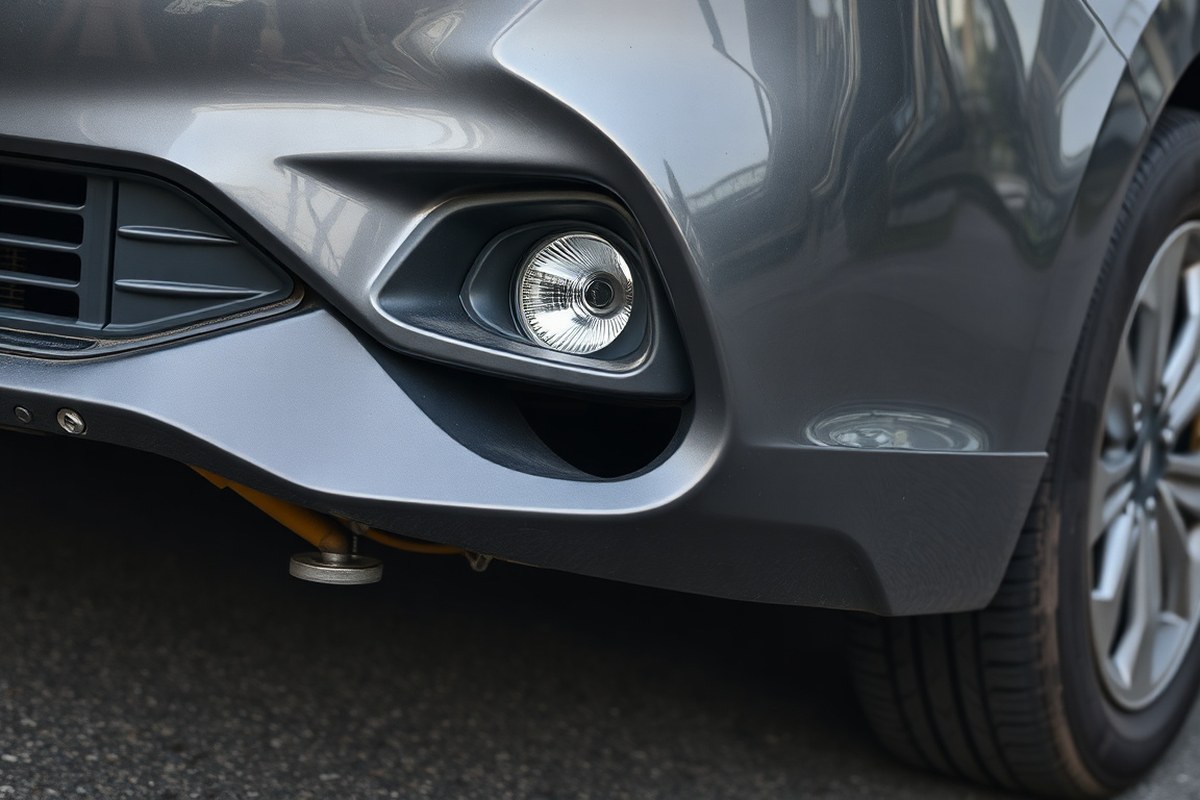
The front bumper includes several key parts. It consists mainly of the bumper beam and the bumper cover. Legally, the bumper beam matters most because it provides structural protection in a crash.
Bumper Beam vs. Bumper Cover
The bumper beam is the strong metal bar behind your car’s front fascia. This beam absorbs crash energy and protects the frame. Missing or damaged beams can lead to legal trouble due to safety concerns.
The bumper cover is the painted plastic shell visible on most modern cars. It mainly protects the beam and hides mechanical parts. Losing the cover by itself won’t always break the law.
The beam must still be intact. Also, no sharp edges should be visible.
States look at several parts to decide if a bumper is legally present:
- Bumper beam, main safety feature, must not be missing
- Bumper cover, cosmetic, less critical legally
- Bumper mounts, keep height and position correct
- Reinforcement bar, absorbs energy, must not be missing
- No exposed sharp edges or obstruction of lights
Missing just the cover often won’t cause citations if safety stays intact. The legal weight lies on the beam and structure behind it.
Safety Sensors Integrated in Bumpers
Modern bumpers may include sensors for parking or collision warnings. These sensors usually sit inside or behind the bumper cover. They don’t change legal bumper definitions but matter for vehicle functionality.
Driving without the bumper cover while sensors are exposed may lead to sensor damage. Damaged sensors can cause warning lights or safety feature failures. The law focuses on structural safety, not sensor presence.
License Plate Mounting and Its Legal Significance
The front bumper often holds the license plate. Some states require a clearly visible front plate mounted at a certain height. Missing the plate or improper mounting can cause tickets.
License plate mounts do not define the bumper legally. However, missing mounts could lead to legal trouble if the plate is lost or obscured. Making sure the plate is secure helps avoid penalties.
How Does Driving Without a Front Bumper Affect Vehicle Safety?
Driving without a front bumper lowers your car’s ability to absorb impact during a crash. The bumper’s beam and foam absorb energy and protect your engine and other parts.
Losing this shield leads to damage of critical parts. Repairing them can cost thousands of dollars.
The safety risks extend to your own body too. Bumpers help reduce force transferred to passengers, lowering the chance of serious injury.
Without bumpers, crash impacts hit harder and are more dangerous. This may cause worse injuries to you and passengers.
Front bumpers often contain sensors for safety systems like collision alerts and automatic braking. Missing a bumper can expose or disconnect these, making safety features unreliable or useless. This raises the risk of accidents, as your vehicle won’t warn or react properly to hazards.
Exposed metal and parts where the bumper should be also pose danger outside your car. Pedestrians or cyclists can get hurt by sharp edges or protrusions during close passes. Unsafe conditions like this sometimes lead to citations under general vehicle safety laws.
In crashes, missing a bumper can hurt your legal standing. Your car’s lack of protection causing worse damage might mean you share some fault.
This applies even if the other driver caused the accident. That can affect insurance claims and liability payments.
Don’t drive long without a front bumper. It weakens safety systems and raises injury risks.
Bumper replacement costs between $300 and $700. The price depends on your car’s make and model. Fixing or temporarily restoring your bumper saves money.
It also helps keep you safer while driving. Without a proper bumper, your car’s safety drops noticeably, making every trip riskier.
Will My Vehicle Fail Inspection Without a Front Bumper?
Most states with mandatory safety inspections will fail your vehicle if it has no front bumper. These inspections often include checking for the presence and condition of bumpers. Missing one breaks state equipment rules and leads to an automatic failure during the inspection.
States without regular vehicle inspections often miss missing front bumpers. They are less likely to enforce bumper rules. This makes compliance harder to check.
Driving without a bumper still has risks in these states. It can cause legal trouble after an accident.
You may also face liability issues. The lack of inspection doesn’t mean you are clear of all consequences.
Inspectors usually assess bumpers as part of the vehicle’s safety equipment. They check both the bumper cover and the bumper beam when applicable. Both parts need to be attached and in good condition to pass the inspection.
Some states have detailed checklists that include bumpers. The inspection checks if your bumper is firmly attached. It looks for cracks or pieces that are missing.
This keeps your vehicle safe and legal. Your car won’t pass safety certification if it falls short.
It must meet all bumper standards to pass. You should fix issues before inspection.
Failing due to bumper issues means you must fix or replace the front bumper before retesting. Costs for repairs vary by vehicle model and the parts needed. After repairs, you can schedule another inspection to regain certification.
Without a bumper, your car looks unsafe and might also fail other checks. This can include headlights mounting or alignment with other vehicle parts. Inspectors sometimes consider these related issues as part of the overall vehicle safety.
While no state explicitly allows driving without a bumper, officers have some discretion when stopping you. They look at the overall vehicle condition and safety risks during enforcement. Because of this, some drivers avoid tickets if the vehicle is otherwise safe and driven carefully.
Can I Legally Drive Temporarily Without a Front Bumper?
You can drive without a front bumper for a short time, but not everywhere. Some states allow driving temporarily if you follow certain rules. Checking local laws and handling your car safely helps you avoid fines and problems.
Assessing Vehicle Safety Before Driving
Check the car’s condition before driving without the bumper. Look for exposed parts that could pose dangers, like sharp edges or loose wires. Make sure your headlights, turn signals, and license plate are visible and working.
Driving without a front bumper changes the car’s crash protection. Avoid high speeds and heavy traffic while the bumper is off. Consider getting the car towed if the damage is severe or any safety parts are missing.
State Notification or Repair Timeframe Requirements
Many states require you to fix a missing bumper within a certain time after damage. Some states want you to tell local authorities if you’re driving temporarily without one. Check your state’s vehicle code or Department of Motor Vehicles website for exact rules.
Repair timeframes often range from a few days up to 30 days. Failing to repair or notify can lead to fines or citations. Keep your repair receipts and appointment records to prove you’re fixing the problem.
How to Document and Communicate Temporary Status to Authorities
Carry any documentation about your bumper situation while driving. Show repair orders, insurance claims, or notes from a mechanic upon request. This proof helps explain the temporary absence of your bumper if stopped by police.
Use clear notes about when the bumper was removed and when you plan to fix it. Keep your insurance active and inform your agent about the missing bumper. Authorities are less likely to ticket you when you show a plan for repair.
- Check for any state rules about bumper removal or temporary driving
- Inspect all required lights, signals, and vehicle ID tags
- Inform your insurance agent about missing components
- Drive cautiously, avoiding busy roads and high speeds
- Keep repair orders and appointment confirmations in the car
- Notify local police or DMV if your state requires it
- Schedule repairs promptly to restore the bumper
Do Aftermarket Bumpers Meet Legal Requirements?
Aftermarket bumpers are legal as long as they meet the same standards as the original parts. States require bumpers to perform similarly in protecting your vehicle and people inside during a crash.
Ohio requires front and rear bumpers if the car had them originally. These bumpers must be on your vehicle to comply with the law.
These bumpers must fit correctly and maintain the original height and coverage specified by the manufacturer. Your bumper must let safety sensors work if your car has them. These include features like automatic braking or parking help.
Newer cars may fail inspection if the bumper blocks any sensors. This could also mean you break state laws.
Aftermarket bumpers can cost from a few hundred to over a thousand dollars. The price depends on the material and quality.
Cheaper bumpers might look fine but fail in crash tests or not fit well. Proper installation by a professional helps keep the bumper aligned and ensures sensors stay functional.
Some states check bumpers during safety inspections, especially where strict equipment rules apply. Using a bumper that fits original mounting points helps inspections. It should meet federal impact standards as well.
Custom bumpers that don’t meet standards might lead to fines. You could also be forced to replace the bumper.
Always check your state’s inspection requirements before installing an aftermarket bumper to avoid problems.
Aftermarket bumpers can affect safety if they miss energy-absorbing features or mounting strength. Factory bumpers often have crush zones designed to absorb impact energy. You should confirm aftermarket parts match these features or are certified to similar standards.
When picking an aftermarket bumper, look for products certified to meet federal safety rules. Ask the seller about crash test results or compliance certificates. This helps ensure your bumper keeps the same protection level and remains legal on your roads.
Insurance and Liability When Driving Without a Front Bumper
Driving without a front bumper can hurt your chances with insurance claims. The bumper protects your car’s frame, so without it, even minor damage looks worse. Insurers may reduce or deny coverage because the car was in a riskier state.
Missing a bumper can also mean you face more liability if you cause an accident. Courts and insurers see a car without a bumper as less safe. You might pay more out of pocket if damages increase due to the missing part.
You should always tell your insurance company if your bumper is missing or damaged. Not disclosing this can lead to denied claims later. Be upfront about your car’s condition to avoid surprises at claim time.
Some policies require cars to be in good repair, including bumpers. If your car fails an inspection because the bumper is off, this might affect your coverage. In places with strict bumper laws, insurers can push back harder.
Driving without a bumper adds risk every time you hit the road. Even if you don’t get a ticket, an accident could still show your vehicle was unsafe. That could mean bigger financial losses and more hassle.
Keep in mind that some states require bumpers on both ends of a car. In those areas, missing your bumper increases chances of citations and claim problems. Make sure you know your state’s rules to avoid trouble.
Step-by-Step Action Plan for Driving Without a Front Bumper
Follow these steps to stay legal and safe if you must drive without a front bumper. Check each phase carefully to avoid fines and accidents.
- Before You Drive: Check your state’s bumper law online or by calling the DMV. Confirm if driving without a front bumper is allowed temporarily.
- Day 1: Inspect your vehicle for sharp edges or loose parts where the bumper was. Cover or secure any exposed areas to prevent damage or injury.
- Week 1: Schedule repairs or replacement of the front bumper with a compliant part. Use a licensed auto shop to ensure it meets federal and state standards.
- After Repairs: Get your vehicle inspected if your state requires it after bumper replacement. Passing inspection shows your car is safe and legal.
- Ongoing: Keep proof of repair and inspection handy. This helps if law enforcement questions you or if you have an insurance claim.
- Bonus Step: Inform your insurance company about the bumper status. Verify your coverage still applies without a front bumper.
Frequently Asked Questions
Is It Illegal to Drive Without a Front Bumper?
Most states don’t allow driving without a front bumper if your car had one. Bumpers protect your car and others in a crash. Missing bumpers usually violate state vehicle rules.
Is It Okay to Drive Without a Front Bumper?
Driving without a front bumper is okay only sometimes. The bumper beam must still be there. Also, it can’t cause any danger.
Even then, no equipment should be blocked, and local laws might still forbid it. Temporary driving like this is best kept short.
Can You Drive Without a Bumper in Ohio?
Ohio law says cars and trucks need both front and rear bumpers. This applies only if the vehicle originally had them.
Both must be in place to follow the law. Driving without a bumper can lead to citations or vehicle inspection failures under Ohio codes.
What Do I Do If My Bumper Falls Off?
You should not keep driving your car without it. Fix or replace your bumper quickly to avoid trouble.
It’s safer for you and others on the road. The law also requires bumpers to be intact.
Is a Missing Bumper Considered a DOT Violation?
There’s usually no direct federal DOT penalty just for a missing bumper. Most states require bumpers on the road by law.
You can get fined or fail inspections without them. Driving without bumpers is often not allowed.
Wrapping Up
Driving without a front bumper can be illegal and unsafe depending on where you live. Know your state’s law and fix the bumper quickly if needed.
Check your local DMV website today for exact rules. Keep your vehicle in good shape.