Can You Stay in 2nd Gear on a Motorcycle? A Complete Guide for Riders
Yes, you can stay in 2nd gear on a motorcycle. But it’s not always best.
Staying too long can stress your engine and waste fuel. Low gears at high speeds make your engine work harder.
Second gear fits speeds between 9 and 20 mph well. It’s great for traffic and bumpy roads. Use it when you want steady power without constant shifting.
Watch your engine sound and speed to avoid lugging. If the engine sputters or feels strained, shift gears. Riding too slow in 2nd gear can damage the engine over time.
On faster rides, staying in 2nd gear wastes fuel. Higher gears lower engine rpm and improve fuel economy. Match your gear to speed and road for safe riding.
Key Takeaways
- Stay in 2nd gear mainly when riding between 9 and 20 mph.
- Avoid starting your bike in 2nd gear; begin in neutral or 1st gear.
- Watch your engine’s sound to avoid running too low or high RPMs in 2nd gear.
- Shift smoothly between 1st, 2nd, and 3rd gears to keep power steady.
- Heavy traffic or uneven terrain often calls for sticking with 2nd gear.
- Don’t hold the clutch and stay in 2nd gear at stops; use neutral instead.
Can You Stay in 2nd Gear on a Motorcycle Safely?
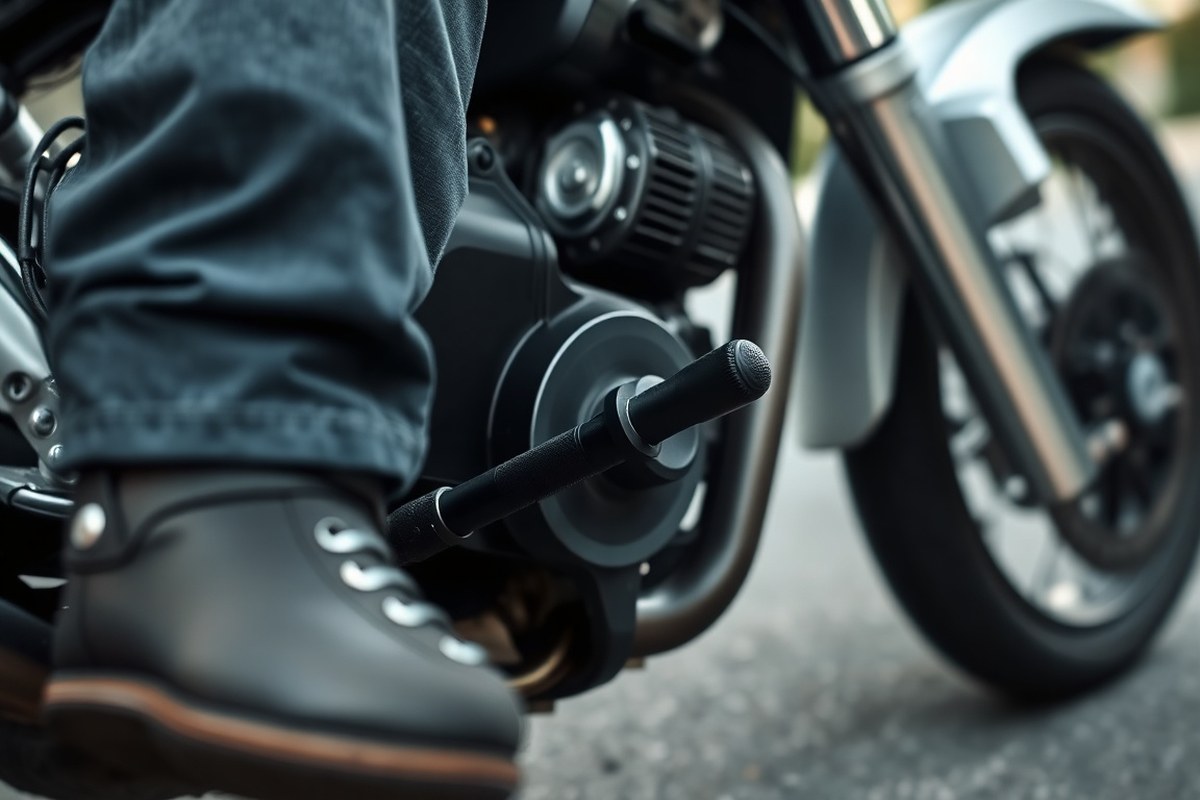
You can stay in 2nd gear on a motorcycle safely under certain conditions. It works fine if you’re riding at a steady speed that matches the gear’s power range. Avoid using 2nd gear at very low speeds.
The engine might strain. It can stall when stopping completely.
Stopping in 2nd gear is not ideal. But it’s not always harmful if done carefully. Keep the clutch pulled in fully if you stop in 2nd gear.
This prevents the bike from lugging the engine or stalling. Don’t release the clutch from a dead stop in 2nd gear.
You need to give enough throttle first. Otherwise, the engine may stall or strain.
Staying in 2nd gear too long without changing speed causes wear. This affects the engine and transmission over time. The risk is when the bike runs too slow for 2nd gear.
This makes the engine lug and strain. Proper clutch control reduces this risk, so you don’t cause damage.
For short stops or slow moves, shift to 1st gear or neutral. Use the clutch then to keep things safe.
When Is Starting in 2nd Gear Possible and Advisable?
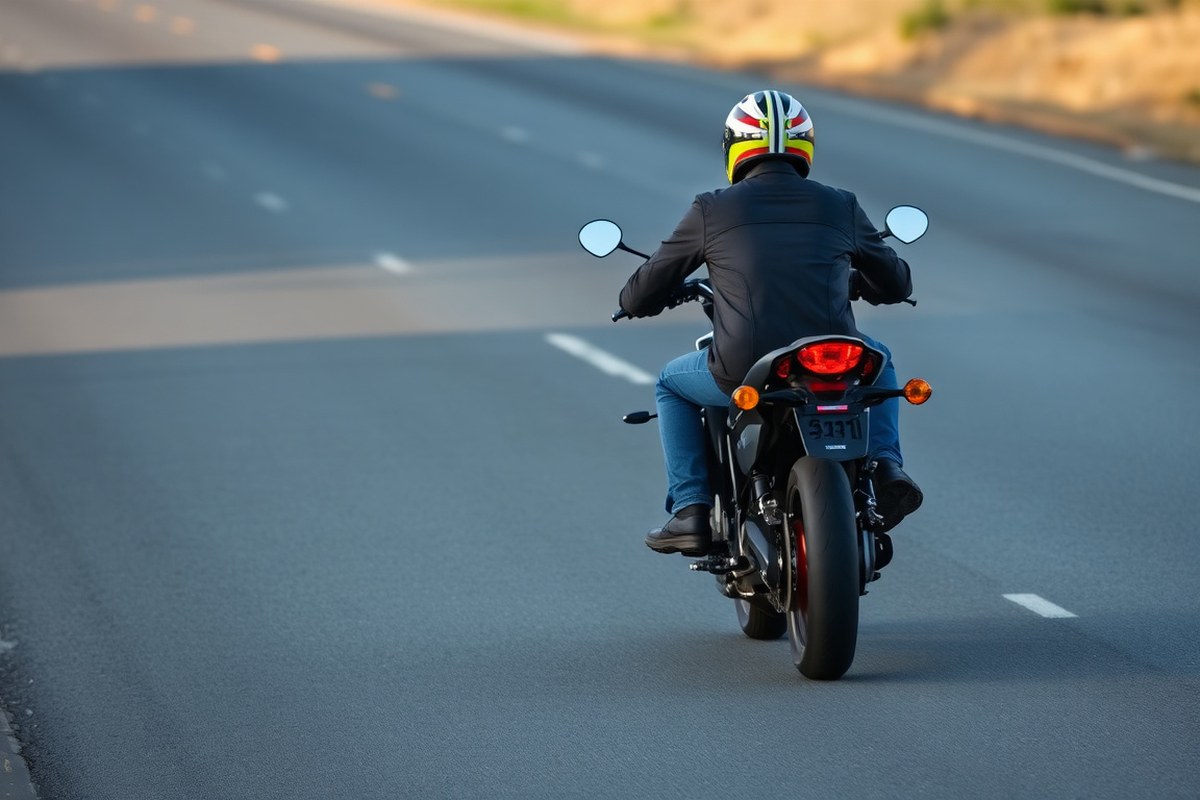
You can start riding in 2nd gear. But it depends on your bike and skills. Small engines, below 300 cc, struggle to move from a stop in 2nd gear.
Bigger engines, around 300 to 500 cc or more, manage it better. Experienced riders find it easier to control clutch and throttle here.
Starting in 2nd gear means you must be smooth with the clutch and use more throttle. Using too much throttle can stall your bike. Releasing the clutch too fast causes jerky starts.
Both make starting harder. Practicing in an empty parking lot helps you get the feel before riding on the street.
Below is a simple guide that matches engine size with suitable starting gears. It also covers the effort needed in clutch and throttle control for each case.
| Engine Size (cc) | Recommended Starting Gear | Clutch & Throttle Control Effort |
|---|---|---|
| Below 300 | 1st gear only | Light clutch, minimal throttle |
| 300 to 500 | 1st or 2nd gear | Moderate clutch slip, steady throttle |
| Above 500 | 2nd gear possible | Tighter clutch control, increased throttle |
Bigger engines pull easier in 2nd gear but need you to keep the clutch slipping smoothly. The clutch connects and disconnects the engine power to the wheel.
So releasing it too fast can stall the engine. Using enough throttle keeps the engine running when you lift the clutch slowly.
Avoid quick clutch release when starting in 2nd gear. Sudden throttle spikes can stall or jerk the bike. Be smooth with both.
Beginners usually stick to 1st gear to avoid problems. But after practice, starting in 2nd gear improves riding smoothness on powerful bikes. This technique helps in traffic or on downhills.
You get gentler starts with less engine pull. It keeps control easier.
How to Control Clutch and Throttle When Using 2nd Gear
Riding in 2nd gear needs careful clutch and throttle control. You have to balance these two to avoid stalling or jerky movement. Smooth handling helps with both acceleration and safety.
Engage the Clutch Smoothly
Start by pulling the clutch lever fully in until the engine disconnects from the wheels. This stops power transfer and lets you shift gears without grinding. Avoid releasing the clutch too fast which causes the bike to jerk or stall.
Pulling the clutch too abruptly can cause sudden slowing. It stresses the bike’s drivetrain and can throw you off balance. Take your time easing the clutch lever out while you manage the throttle.
Apply Throttle Progressively
Adding throttle slowly while releasing the clutch avoids engine stalling. Use gentle twists on the throttle grip to raise RPMs moderately. This gives the engine enough power to move in 2nd gear without struggling.
Blipping the throttle, or quickly opening then closing it, helps match engine speed to the gear. This technique smooths the gear engagement and reduces shock to the transmission. Avoid snapping the throttle open harshly as it causes jerks or loss of control.
Balance Clutch Release and Throttle
To ride well in 2nd gear, release the clutch as you increase throttle steadily. The clutch should fully engage just as the bike begins to accelerate. This timing prevents stalling and keeps movement smooth.
Keep a bit of throttle on if you’re moving very slowly or climbing hills. This slight power application prevents the engine from bogging down.
Also, avoid riding with the clutch halfway pulled. It overheats parts and wears the clutch fast.
Follow this step-by-step guide to control clutch and throttle in 2nd gear:
- Pull the clutch lever fully in to disconnect power.
- Shift the bike into 2nd gear smoothly.
- Begin releasing the clutch slowly to re-engage power.
- Twist the throttle grip gently to raise engine RPM.
- Match throttle increase with clutch release pace.
- Keep throttle steady once the clutch fully engages.
- Adjust throttle as needed for smooth acceleration.
What Happens Mechanically When Staying Too Long in 2nd Gear?
Staying too long in 2nd gear can put extra strain on your motorcycle’s engine. The engine runs at higher RPMs when you don’t shift up timely. This causes unnecessary strain.
Shift up to keep RPMs lower. Higher revs make the engine hotter than it should be.
Heat can cause early wear or overheating. Watch your engine temperature closely.
The transmission also faces potential issues. Inside the gearbox, small parts called “dogs” engage the gears. Keeping the bike in 2nd gear when you should shift causes these dogs to wear unevenly.
Wear from high revs can cause rough shifting or slipped gears. This wear adds up over time. Repairs and maintenance costs may rise.
Fuel efficiency suffers when you ride too long in 2nd gear. The engine works harder and uses more fuel in low gears. Higher gears burn less fuel at the same speed.
Shift up for better efficiency. This effect depends on your motorcycle’s make and model but generally lowers your gas mileage noticeably.
Listen to and feel your engine to avoid staying too long in 2nd gear. Shifting too late causes unnecessary stress. Use your senses for timing.
When engine noise gets higher pitched or rough, you should shift up. Conversely, if the engine feels sluggish or low-pitched, downshift. Your bike works best when shifting smoothly by sound and load.
Don’t rely only on speed numbers. Feel how the engine responds.
Check the clutch and gearbox often if you ride a lot in 2nd gear. Look for wear or odd noises. Regular checks can prevent big issues.
Changing your engine oil on schedule also helps reduce wear inside. Notice tough shifting or slipping gears?
Get a mechanic to check your transmission fork and collar dogs. They could be damaged.
Riding carefully and shifting at the right times keeps your motorcycle running cooler and more efficiently. Avoid keeping the throttle high in 2nd gear for long stretches. This protects both the engine and transmission, saving you repair costs and extending the bike’s life.
How to Shift Effectively Between 1st, 2nd, and 3rd Gears
Shifting smoothly between 1st, 2nd, and 3rd gears takes timing and control. Upshift from 2nd to 3rd near 15 to 20 mph. Do this if the engine revs get too high.
That helps keep the bike smooth. Use a clear sequence and proper clutch technique to avoid false neutral, especially near 2nd gear.
Recognize Correct Shift Timing
Listen to the engine sound and watch your speed. Shift up from 1st to 2nd at 10 to 15 mph. Then move to 3rd gear at 15 to 20 mph.
This keeps your speed steady. Upshifting too early can lug the engine; too late wastes fuel and power.
Downshift when slowing under 15 mph. But avoid quick or jerky shifts to keep balance. Smooth changing helps maintain control and avoids damaging the transmission.
Use Clutch Properly During Shifts
Always pull in the clutch fully before shifting to avoid gear grinding. Release the clutch steadily after shifting to ensure smooth power delivery. Quick clutch release or skipping it can cause false neutral or damage.
For upshifts, ease off the throttle slightly before pulling in the clutch. Then shift up and release the clutch while increasing throttle. This sequence prevents jerks and keeps the bike stable.
Check for False Neutral and Fix It
False neutral means the gear doesn’t fully engage. This happens between 1st and 2nd or 2nd and 3rd. You may hear grinding or feel hesitation.
It causes the bike to feel like it’s in neutral even though you shifted. To fix this, stop, pull in the clutch, and shift firmly again.
Press the shift lever fully and hold it momentarily before releasing the clutch. Don’t force the throttle if you feel hesitation or hear grinding sounds.
This can damage the bike or make it harder to control. Instead, repeat the clutch and shifting steps gently.
Use this sequence to shift between 1st, 2nd, and 3rd gears. This helps you keep control and avoid false neutral. Follow it smoothly.
- Roll off the throttle slightly to reduce engine load.
- Pull the clutch lever fully toward the handlebar.
- Press the shift lever firmly up (for upshift) or down (for downshift).
- Hold the shift lever briefly until you feel the gear engage.
- Release the clutch smoothly over a second or two.
- Gradually roll back on the throttle to match engine speed.
- Check for unusual sounds or vibrations, then adjust throttle as needed.
Fully press down the shift lever before shifting. Then slowly release the clutch to avoid false neutral. This prevents jerky shifts.
How Traffic and Terrain Affect Gear Choice Around 2nd Gear
Staying in 2nd gear works well in heavy or slow-moving traffic. It works for speeds from about 9 to 20 mph.
This range suits most stop-and-go city riding. You get enough pace without constantly shifting, which takes focus off the road.
Hills change what gear you use. On uphill climbs, stay in 2nd gear longer to keep engine power steady. Shift to a lower gear on downhills.
This uses engine braking. It helps avoid wearing out your brakes.
Road surface matters too. Bumpy or uneven roads need smooth throttle control and sometimes slower speeds. Staying in 2nd gear lets you better handle sudden bumps without too many shifts.
- Heavy traffic: Stay in 2nd gear to manage stops and slow speeds smoothly.
- Steep uphill: Hold 2nd gear for more torque and avoid bogging down.
- Downhill ride: Shift down to 1st or 2nd for better control and engine braking.
- Bumpy roads: Use 2nd gear to maintain steady speed and absorb shocks.
- Clear open roads: Shift up to 3rd gear to avoid engine strain above 20 mph.
Shift gently and watch your speed. Use the clutch smoothly to avoid jerky moves, especially on hills or rough terrain. Practice helps you learn when to stay in 2nd gear.
Also, it teaches when to shift. This keeps your ride safe and comfortable.
Recognizing Gear Position and Avoiding False Neutral
You can tell you’re in 2nd gear by the lever’s resistance. Match the engine’s sound to what you expect. That helps confirm the gear.
False neutral feels like you’re in gear, but the bike isn’t. The lever moves as if engaged.
The bike doesn’t power the wheel. Catching false neutral early avoids jerky starts and protects your transmission.
Check Gear Lever Resistance
The gear lever sits just above neutral. So shifting down from 3rd or up from 1st lands in 2nd gear. It should have a firm stop when properly engaged.
The lever feeling loose or easy to wiggle means false neutral. You won’t feel a solid stop.
To check true 2nd gear, gently rock the bike. Shift slowly between 1st, neutral, and 2nd. Notice how each gear feels.
The gear lever should “click” into place with clear resistance. A soft or mushy feel usually means the gear hasn’t locked fully.
Listen and Feel Engine Response
The engine sound and throttle response help confirm your gear. In 2nd gear, engine revs rise smoothly. They should not jump to red line or bog down.
Listen for even power delivery. You want steady power without sudden drops or surges.
Hearing grinding or no forward pull signals false neutral. The clutch release isn’t engaging properly. The engine may rev but not transfer power to the rear wheel.
Adjust Shifting and Clutch Technique
Proper clutch control and shifting reduce false neutral risks. Fully pull in the clutch before shifting to let gears disengage cleanly. Release the clutch smoothly while applying throttle to match engine speed with road speed.
Rushing or hesitating while shifting can stop gear dogs from meshing. This causes false neutral.
Shift slow and steady instead. Check your foot position on the shift lever and push firmly and precisely.
Follow these steps to correct false neutral issues:
- Pull in the clutch lever completely before shifting.
- Shift the gear lever firmly to 2nd gear until you feel resistance.
- Listen for a clear “click” sound confirming gear engagement.
- Slowly release the clutch while applying light throttle.
- Check if the bike moves smoothly without hesitating or slipping.
- When the bike slips, pull the clutch again. Repeat the shift carefully to engage properly.
- Inspect your foot’s pressure on the gear lever, ensuring it’s firm and deliberate.
- Practice shifting at low speeds to get consistent feel for gear engagement.
Best Practices for Beginners Using 2nd Gear
Beginners should generally avoid starting in 2nd gear. The bike needs more clutch and throttle control to prevent stalling. Start in 1st gear to build your confidence.
You get to feel the clutch engage. It’s easier at low speeds.
When stopping at lights, it’s best to hold 1st gear with the clutch pulled in. This keeps you ready to move quickly without needing to shift. Holding 2nd gear at stops can make it harder to get going smoothly.
Smooth shifting develops with practice and patience. Start by riding in a safe, empty parking lot. Shift up and down between 1st and 2nd gear.
Do this several times. Focus on balancing the clutch and throttle. Listen and feel for when the bike pulls or hesitates, then adjust your clutch release speed.
- Practice clutch squeeze for gentle throttle engagement
- Shift slowly, matching engine revs to gear speed
- Try staggered throttle and clutch release timing
- Use low traffic areas with flat surfaces for drills
- Stop and start in 1st gear to build muscle memory
- Change to 2nd gear once confident in smooth shifts
Common mistakes include releasing the clutch too fast or blipping the throttle too hard. These cause jerky starts or engine stalls.
Fix this by slowing your clutch release and practicing throttle control separately. Count to two as you let the clutch out to keep it steady.
Take your time to feel each gear change. Notice how the bike reacts. Do this before riding on faster, busy roads.
Consistency is key. Riding every few days for 15 to 30 minutes helps your nervous system learn the motions.
Rushing through shifts can delay your progress and make rides rough or unsafe. Safe shifts in 2nd gear come from calm, steady hands and feet.
When to Keep the Clutch Pulled in vs. Holding 2nd Gear at Stops
Holding 2nd gear at stops means keeping the clutch pulled in instead of shifting to neutral. This lets you quickly move forward without an extra shift. But it also keeps the clutch partially engaged, which can wear the clutch plates faster.
Keeping the clutch pulled in at a stop creates constant pressure on the clutch lever. This causes some heat and friction inside. Over time, this makes the clutch wear out faster.
It can cause slippage. You might need to adjust the clutch sooner. Shifting to neutral at traffic lights removes this pressure completely, preventing wear.
Sometimes, holding 2nd gear with the clutch pulled in can improve safety. At slow traffic lights on busy streets, you stay ready. You can react quicker when the light turns green.
This reduces reaction time, which is safer in heavy traffic or tight spaces. It also keeps you ready to move if you need to suddenly avoid hazards.
Here is a comparison of holding 2nd gear versus using neutral at stops:
| Aspect | Holding 2nd Gear (Clutch Pulled In) | Using Neutral |
|---|---|---|
| Clutch Wear | Increases due to constant pressure and heat | No wear as clutch is fully disengaged |
| Reaction Time to Move | Faster; no need to shift to gear | Slower; requires shift to 1st or 2nd gear |
| Rider Fatigue | More; clutch lever held under tension | Less; no clutch holding required |
| Risk of Rollback | Lower; engine drag helps prevent rollback | Higher on hills; needs brake or footwork |
| Suitable For | Heavy traffic or quick moves needed | Longer stops or relaxed city riding |
For beginners and long stops, shifting to neutral is safer for clutch health and less tiring. Use neutral if you expect to wait over 30 seconds or are relaxed at a light.
For short stops or heavy traffic, hold 2nd gear to prepare for a quick start. Keep the clutch lever soft, not fully squeezed, to reduce wear.
Clutch riding increases safety mainly when you must move instantly or control the bike on slopes. Holding the clutch gently in 2nd gear can prevent rollbacks without using the rear brake constantly.
This takes practice to avoid overheating or slipping the clutch. When stopped too long, release the clutch to save the parts and your arm.
Step-by-Step Action Plan for Using 2nd Gear Safely
Follow these steps to practice using 2nd gear correctly and safely. This will help you control your bike better and avoid mechanical issues.
- Before you ride: Check your clutch and throttle controls to ensure smooth operation. You should feel a smooth lever pull and throttle twist, not stiff or sticky.
- Day 1: Start moving in 1st gear and shift to 2nd around 8-12 mph. Feel the bike respond to the shift without jerking or bogging down.
- Day 2: Practice controlling the clutch when shifting to 2nd gear. Release the clutch slowly and roll on the throttle steadily. Confirm the bike moves without stalling or lurching.
- Week 1: Try starting from a stop in 2nd gear on smooth, flat roads only. Use gentle throttle and clutch control. Know it worked if the bike moves smoothly without stalling.
- Week 2: Practice stopping while holding 2nd gear with the clutch pulled in. Release the clutch just before moving again. You’ll feel more control in slow traffic.
- After 2 weeks: Ride in mixed traffic on different types of terrain. Use 2nd gear when you keep speeds steady between 10-20 mph. Notice if engine sounds smooth and if the bike responds well to throttle changes.
- Ongoing: Always be aware of gear position to avoid slipping into neutral. Watch the tachometer and engine sound for signs you need to shift up or down.
Frequently Asked Questions
Can You Stay in 2nd Gear on a Motorcycle Safely?
Yes, you can stay in 2nd gear safely for short periods, especially in slow traffic. Staying too long in lower gears can strain your engine. It may also hurt your fuel efficiency.
Shift to higher gears as your speed goes up. This keeps your bike running smoothly and saves fuel.
Is It Okay to Start in 2nd Gear on a Motorcycle?
Starting in 2nd gear is generally not okay and should be avoided. Use first gear to start moving smoothly from a stop. Starting in second gear often causes stalling.
It can also make your ride jerky. Always use 1st gear to begin riding smoothly.
Can You Come to a Full Stop in Second Gear on a Motorcycle?
You can stop briefly in second gear if needed. But it’s best to shift to first gear before stopping fully. This eases the process.
Staying in 2nd gear when stopped can make your bike harder to control. Downshifting helps you prepare for a smooth restart.
Can I Pull Away in 2nd Gear?
Pulling away in 2nd gear is possible on some bikes but not recommended. It can cause engine strain and poor clutch control, especially on bikes with smaller engines. Use 1st gear to pull away smoothly and protect your transmission.
Is It Okay to Stop in 2nd Gear?
Stopping in second gear isn’t the best choice. It makes restarting harder and may wear out your clutch. Avoid this whenever possible.
Always shift down to first gear before coming to a stop. This keeps your bike ready to move without strain.
It protects your engine and clutch. This habit helps beginners ride more safely.
Key Points to Remember
You can use 2nd gear safely with the right control and timing. Practice the clutch and throttle balance to avoid engine strain. Start today by shifting smoothly between 1st and 2nd gear at low speeds.