What Does Changing Spark Plugs Do? A Complete Guide for Better Engine Performance
What does changing spark plugs do for your car? It helps your engine run better. It starts easier by burning fuel and air well.
This happens inside the cylinders. New spark plugs burn fuel more fully.
They reduce misfires and improve engine power. Your engine can reach full strength.
Changing spark plugs can boost your fuel economy and lower emissions by improving combustion quality. Spark plugs wear down over time. They make weaker sparks as they age.
This can cause fuel not to ignite well. You should check them regularly to avoid wasted gas and rough idling.
New plugs have the right gap size for sparks. Old plugs often have gaps that slow the burn by 20%.
Car makers usually say to replace plugs every 30,000 to 100,000 miles. This depends on the plug type and how you drive.
Key Takeaways
- Replace spark plugs every 30,000 to 100,000 miles based on type and car model.
- New spark plugs improve engine start times and reduce misfires.
- Proper spark plug gap ensures efficient fuel combustion and engine power.
- Dirty or worn spark plugs lower fuel economy by up to 10 percent.
- Check spark plugs regularly for wear, cracking, or carbon buildup.
- DIY spark plug replacement saves money but needs correct tools and care.
What Changing Spark Plugs Does to Your Engine
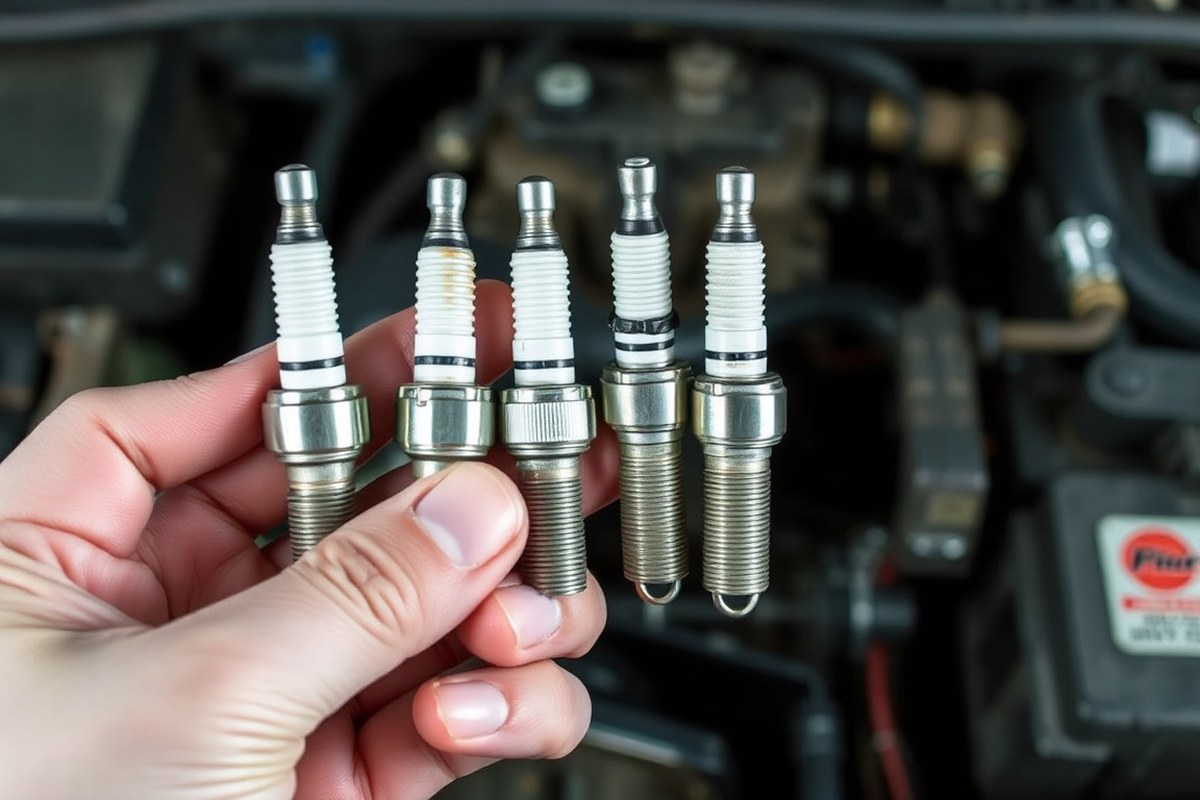
Spark plugs create the spark that ignites the air-fuel mix inside your engine cylinders. This spark starts a small explosion that powers your engine. Over time, plugs wear down and create weaker sparks, causing poor combustion and less power.
Replacing spark plugs restores the strong, consistent electrical arcs needed for proper combustion. These arcs fire within microseconds, reaching up to 30,000 volts to ignite the fuel efficiently. A fresh plug makes sure each cylinder fires on time.
This keeps your engine running smooth. It also helps your engine stay powerful.
New spark plugs stop misfires and rough idling by producing a steady, strong spark. They help your engine start quickly, even in cold weather. The plugs ignite the air-fuel mix right away.
This makes starting easier and faster. Without fresh plugs, you might notice sluggish acceleration, shaking at stoplights, and trouble starting the engine.
Replacing spark plugs usually costs between $50 and $150. The exact price depends on your vehicle and plug type. Most experts advise changing plugs every 30,000 to 100,000 miles to keep your engine efficient and avoid costly damage.
Changing spark plugs can be easy, especially on 4-cylinder cars. The job usually takes about 30 minutes. Basic tools are all you need to do it yourself.
Properly installed plugs help your engine burn fuel completely. This stops rough idling and keeps your engine smooth.
It also helps save gas over time. Letting worn plugs go can reduce power and lead to higher emissions.
How New Spark Plugs Improve Fuel Economy and Emissions

How Worn Spark Plugs Hurt Fuel Economy
Worn spark plugs can’t ignite fuel as efficiently as new ones. This causes incomplete combustion, which wastes gas and lowers mileage. Over time, you might see your miles per gallon drop by 5 to 10 percent.
Misfires from worn plugs make your engine work harder, burning more fuel. When plugs degrade, their gap widens, which weakens the spark needed to ignite the air-fuel mix. This leads to rough idling and poor throttle response, wasting even more fuel.
New Spark Plugs and Cleaner Combustion
Replacing spark plugs restores full spark strength, ensuring the air-fuel mix burns completely. Complete combustion uses fuel more efficiently and releases fewer pollutants. This makes your engine run smoother and improves your gas mileage noticeably.
For example, a 2018 Honda CR-V test showed a city mileage boost. Replacing plugs improved mileage by nearly 2 mpg.
New spark plugs reduce engine hesitation during acceleration. This saves fuel that old plugs might waste during misfires.
Lower Harmful Emissions with Fresh Plugs
Efficient combustion means fewer unburned hydrocarbons escape the engine. Fresh spark plugs help cut harmful emissions like carbon monoxide and nitrogen oxides.
The Environmental Protection Agency says good spark plug care lowers air pollution. It’s one way to reduce vehicle emissions.
Less unburned fuel in the exhaust protects the catalytic converter from overheating or damage. A well-running engine with new plugs makes cleaner exhaust.
Cleaner exhaust helps your car pass emissions tests. It also reduces your carbon footprint.
Protecting the Catalytic Converter
Failing spark plugs cause misfires that let raw fuel reach the exhaust. This extra fuel heats the catalytic converter to damaging temperatures.
Replacing spark plugs before problems start avoids costly repairs. Those repairs can cost between $800 and $2,500.
Keeping spark plugs fresh ensures your catalytic converter works efficiently. A healthy converter reduces harmful gases and prevents costly breakdowns. Regular maintenance can extend its life well beyond 100,000 miles.
Choosing the Right Plugs for Fuel and Emissions
Iridium spark plugs last longest and maintain a strong spark up to 90,000 miles. They are a bit pricier, costing $15 to $25 each.
But can improve long-term efficiency. Copper plugs tend to wear out quicker and might drop fuel economy sooner.
Replace spark plugs on schedule, usually between 30,000 and 100,000 miles. The exact time depends on the plug type.
This keeps your engine burning cleanly. Skipping replacements risks fuel waste, higher emissions, and damage to important parts like the catalytic converter.
Don’t ignore misfires or rough idling. These signs often mean worn spark plugs that waste fuel and harm your catalytic converter.
Identifying When It’s Time to Replace Spark Plugs
Worn spark plugs show clear signs that your engine needs attention. You may notice rough idling, trouble starting, or the engine misfiring during acceleration. Over time, the electrode on each plug erodes, making the electric spark weaker.
Ignoring worn plugs can lead to slower acceleration and poor fuel economy. The spark gap grows wider, lowering the spark’s burn speed by about 18%.
This means less efficient combustion and wasted fuel. You risk bigger engine problems if you delay replacing them.
- Rough or uneven idling
- Engine misfires or hesitation when accelerating
- Hard starting, especially in cold weather
- Decreased fuel efficiency noticed at the pump
- Sluggish acceleration or feeling underpowered
- Visible electrode wear or deposits when inspecting plugs
- Check engine light related to ignition or emissions
Replacing all spark plugs at once keeps your engine balanced and consistent. It’s good practice even if only one plug looks bad. Platinum plugs typically last 50,000 miles before symptoms appear.
You can check spark plugs yourself. But know that a worn one generally costs $5 to $15.
Basic tools and a little time, about 30 minutes, are enough for a DIY swap. Waiting too long risks damage that costs much more to fix.
Types of Spark Plugs and Their Replacement Intervals
There are three main spark plug types: copper, platinum, and iridium. Each lasts a different length of time and costs differently. Your choice depends on your engine needs and budget.
| Spark Plug Type | Average Replacement Interval (miles) | Description |
|---|---|---|
| Copper | 20,000 – 30,000 | Standard, older technology. Good conductor but wears out fast. |
| Platinum | 60,000 – 80,000 | Durable upgrade. Platinum tip resists erosion well. |
| Iridium | 100,000 – 120,000 | Premium option. Very hard, lasts longest, better ignition. |
Copper plugs offer strong conductivity thanks to their copper core and nickel alloy tips. They usually last about 20,000 to 30,000 miles before needing replacement. Copper plugs are the most budget-friendly, costing around $5 to $10 per plug.
While copper plugs work fine, they wear faster compared to newer types. Copper plugs may wear out by 30,000 miles or less. This often happens in engines that need better plugs.
Watch for signs of wear early on. They suit low-mileage vehicles or older models with simpler ignition systems.
Platinum Spark Plugs: Key Features
Platinum plugs last roughly 60,000 miles before replacement is needed. They have a platinum-tipped electrode that handles erosion better than copper. This lets them keep a strong spark longer, meaning fewer replacements overall.
These plugs cost $10 to $15 each. They cost more than copper plugs. Still, they’re cheaper than iridium plugs.
They offer a good balance of performance, longevity, and price. Many drivers pick platinum plugs for daily drivers that need more durability than copper provides.
Platinum plugs resist wear well. But may not last as long as iridium plugs in harsh conditions. You drive mostly in the city or on moderate highway trips.
Platinum plugs could be your best choice then. Check your vehicle’s recommended spark plug specs before switching.
Iridium Spark Plugs: Premium Benefits
Iridium plugs hold their shape and sharp combustion edge up to 100,000 to 120,000 miles. Iridium is harder than platinum or copper, making these plugs last the longest. They also provide reliable ignition on tough starts or cold days.
Prices range from $15 to $25 per plug, making them the most expensive option. But they may save you money over time due to fewer replacements and improved engine performance. Iridium plugs suit high-performance or modern engines designed for advanced ignition.
Using iridium plugs in an engine that calls for them can prevent early plug failure. Some drivers use copper plugs in modern cars.
This causes faster wear and rough engine at under 50,000 miles. Following manufacturer specs avoids this.
DIY Spark Plug Replacement: Tools and Step-by-Step Process
Changing spark plugs yourself requires specific tools and careful steps. You’ll need to check the spark plug gap before installation. Tightening plugs to the right torque protects your engine.
Essential Tools for the Job
Grab these tools before you start: a ratchet, spark plug socket, and an extension bar. A torque wrench ensures you tighten the plugs correctly. Include a spark plug gap tool and dielectric grease to finish strong.
New spark plugs and replacement wires are needed if yours show wear. Some spark plug sockets have rubber inside.
It holds the plug. This helps avoid damage when you remove it.
Checking and Adjusting Spark Plug Gap
Check the gap on new plugs with a gap tool before installing. Look up the gap specs in your vehicle’s owner manual. The gap is the small space between electrodes.
Use the correct thickness gauge blade to measure the gap. Gently bend the electrode to adjust the gap and avoid swelling or cracking. An incorrect gap causes misfires or poor fuel economy.
Installing and Torquing Spark Plugs Safely
Start by threading the spark plugs in with your fingers. This prevents cross-threading and damage to the cylinder head. Use your spark plug socket and ratchet along with an extension to reach deep plugs.
Tighten plugs with a torque wrench to your manufacturer’s specs, usually between 13 to 22 foot-pounds. Too loose causes compression leaks; too tight can crack the plug or head. Don’t rush this step.
Finishing Up and Testing After Installation
Apply dielectric grease to the inside of the plug wires or coil boots. This stops moisture from causing misfires or corrosion. Reconnect your wires or coils carefully on each plug.
Start your engine and listen for smooth idling or rough spots that signal issues. A quick short test drive can reveal any performance bumps. Check gaps and torque first when problems show up.
- Gather all necessary tools and parts.
- Remove the ignition wires or coil packs, keeping track of placement.
- Use a spark plug socket and ratchet to gently loosen and remove old plugs.
- Check and adjust the new plugs’ gaps with a gap tool.
- Thread new plugs by hand to avoid damage.
- Tighten with a torque wrench to the specs in your manual.
- Apply dielectric grease, then reconnect wires or coils firmly.
- Start the engine and test for smooth running.
Never use a power tool to tighten spark plugs; it can cause serious damage.
When to Replace Spark Plug Wires and Ignition Coils
Changing spark plugs often means checking the wires and ignition coils. Spark plug wires carry high-voltage electricity from coils to plugs. Ignition coils boost the battery’s low power to a high voltage.
Worn wires or coils can’t deliver electricity well. This causes rough idling or misfires.
Hard-to-fire spark plugs strain ignition coils and wires, leading to damage over time. Engine misfires, rough idle, power loss, or check engine light may mean they need replacing. Also watch for visible cracks, burns on wires, or radio interference while driving.
Change spark plug wires and coils when you replace plugs. Do this especially if they look worn. Faulty wires or coils cause engine problems.
Pull the wires off one at a time to avoid mixing them up. Reattach new wires or coils securely to keep a strong connection.
Replacing wires usually costs less than $100. Coils cost between $50 and $150 each, depending on the car.
Skipping wire or coil replacement can lead to uneven firing and poor engine performance. Worn ignition parts reduce fuel efficiency and raise emissions, possibly failing state tests. Replacing all parts together keeps ignition reliable and your engine running smoothly.
Common Spark Plug Replacement Mistakes to Avoid
Over-tightening spark plugs can strip cylinder head threads or crack porcelain insulators. Using a torque wrench to tighten plugs to the manufacturer’s spec prevents damage. Those specs usually range from 13 to 20 ft-lbs but always check your vehicle’s manual.
Setting the gap incorrectly causes misfires and poor combustion. The spark gap depends on your engine type and plug model.
It often falls between 0.028 and 0.060 inches. Use a feeler gauge to measure and adjust the gap before installation.
Using the wrong spark plugs can harm your engine or lower performance. Copper plugs wear out fastest and suit older engines.
Platinum or iridium types better resist wear. Confirm the plug type and heat range match your car’s requirements.
- Don’t force plugs in; clean threads and properly lubricate them.
- Always check and follow torque specifications exactly.
- Use a quality feeler gauge, not just a visual check, for the spark gap.
- Replace spark plugs with the right heat range for your engine.
- Double-check plug compatibility for your vehicle’s make and model.
- Handle plugs carefully to avoid chipping their ceramic insulators.
- Inspect spark plugs after driving 30-50 miles to confirm proper firing.
Damaged threads can be expensive to fix, often costing 2 to 3 hours in labor. Over-torquing damages both plug and head, causing leaks or engine misfires. The gap size affects how well the spark jumps and ignites the fuel-air mix.
Too narrow a gap weakens the spark. Too wide causes ignition problems or rough running.
To avoid mistakes, prepare your workspace and tools well in advance. Clean the spark plug wells first. Apply anti-seize lightly on the threads.
Set the gap with a feeler gauge and hand-start the plug before torquing. A steady hand avoids cross-threading. Taking about 30 to 60 minutes for all plugs prevents rushing, which leads to common errors.
Cost and Time: Professional vs. DIY Spark Plug Replacement
Replacing spark plugs professionally usually costs between $150 and $400. This includes both parts and labor.
The cost changes based on your car’s make and model. It also depends on how hard the plugs are to reach.
You only pay for the parts when you replace spark plugs yourself. Spark plugs cost around $2 to $20 each, depending on the type and your car.
For a whole set, expect $20 to $100. You save labor costs, which can be significant with a mechanic.
Time-wise, a professional replacement typically takes 1 to 2 hours. Some engines need extra disassembly, which adds labor time and cost.
Doing this yourself takes about 30 minutes to 1 hour. You need basic tools and a bit of know-how.
| Replacement Type | Cost Range | Time Estimate | What it Covers |
|---|---|---|---|
| Professional | $150 – $400 | 1 to 2 hours | Parts + Labor, Includes complex engine access |
| DIY – Parts Only | $20 – $100 | 30 min to 1 hour | Parts only, labor is your effort |
Keep in mind, replacing plugs early can prevent engine issues that cost more to fix later. Old spark plugs can cause long engine cranks or rough starts. Catching these early might save you more than the cost difference between DIY and professional work.
Checking the engine bay while replacing plugs adds almost no extra labor time. You can spot other problems before they get worse. This makes professional service helpful even though it’s more expensive.
Use the exact spark plug type recommended in your owner’s manual to avoid engine damage.
Special Considerations for Different Engine Types and Conditions
Spark plug needs differ for turbocharged engines because these engines run hotter and under more pressure. That heat affects the plugs, so they wear out sooner than in regular engines. Replacing spark plugs at around 80 percent of their life helps avoid problems.
It also keeps your car running smoothly. This timing maintains steady engine performance.
Older engines usually use different spark plugs than modern ones. They may need plugs with a wider gap or different heat range to match their design. Modern engines need spark plugs that give the right spark energy.
Hybrids like the Toyota Camry Hybrid depend on this for efficiency. These engines have complex systems needing precise combustion.
Hybrid cars need especially careful spark plug choice and maintenance. Their engines use Atkinson-cycle or lean-burn operations, which require consistent flame ignition.
Using high-quality plugs designed for hybrid engines helps sustain fuel economy and smooth starts. Check the owner’s manual for exact plug specs and intervals, which often differ from non-hybrid cars.
Always use spark plugs made for your engine type and condition. Turbo engines demand heat-resistant plugs, while hybrids need ones suited for lean-burn conditions.
Installation takes more care with proper torque and gap settings. Incorrect gaps or loose plugs can cause rough idling or engine knocking.
Replacing spark plugs yourself on turbo or hybrid cars calls for extra attention to details. Use a torque wrench to tighten to specifications, usually around 11-14 ft-lbs.
But verify with your manual. Wear protective gloves to avoid contaminating the plugs with oil or dirt, which harms their performance.
For older engines, clean the plug wells and inspect the wires closely. Spark plug wires often wear out between 60,000 to 100,000 miles.
But heat and age may require earlier swaps. Replacing worn wires alongside plugs keeps ignition firing strong and prevents hard starts or misfires.
Cost varies by engine type. Turbo and hybrid vehicle spark plugs can cost $10 to $25 each due to specialized designs. Replacing all plugs with labor included might run $150 to $400 at a shop.
Doing the job yourself saves labor costs. It usually takes one to two hours. Time depends on your engine’s layout and how easy it is to reach.
New, properly installed spark plugs keep any engine running smoothly, with steady starts and fewer misfires. Worn or wrong plugs cause loss of power and higher emissions. Checking and replacing spark plugs on time helps your engine last longer.
This is especially true for turbocharged and hybrid cars. Keeping to the schedule pays off in the long run.
Step-by-Step Action Plan for Changing Spark Plugs
Follow these clear steps to replace your spark plugs and check your work. This helps your engine run better and saves fuel.
- Before you start: Gather tools like a spark plug socket, ratchet, and gap gauge. Confirm your spark plugs match your vehicle’s specs.
- Day 1: Remove old spark plugs carefully. Check for signs of wear or damage to know if they needed replacing.
- Day 1: Check and set the gap on new spark plugs. Proper gap ensures a strong, efficient spark for ignition.
- Day 1: Install new spark plugs by hand first, then tighten with a torque wrench. Proper torque prevents damage and ensures good contact.
- Day 1: Reconnect the spark plug wires or coils securely. Loose connections can cause misfires or poor performance.
- After installation: Start the engine and listen for smooth, consistent running. Reduced shaking or rough idling shows the job worked.
- After 2 weeks: Monitor fuel economy and engine response. Noticeable improvements confirm your spark plugs are helping.
Frequently Asked Questions
What Does Changing Spark Plugs Do for Engine Performance?
Changing spark plugs brings back the exact electric spark required to light fuel, which helps your engine run smoothly and respond well.
Can New Spark Plugs Really Save Fuel?
Yes, new spark plugs improve combustion efficiency, which reduces fuel consumption. Many drivers notice better fuel economy right after replacement.
How Do I Know When My Spark Plugs Need Replacing?
Worn spark plugs cause engine misfires, rough idling, or trouble starting. Check your owner’s manual or inspect the plugs around every 30,000 miles.
Are Some Spark Plugs Better for Tough Engine Conditions?
Yes, certain spark plugs are designed for high-performance or extreme weather conditions. Choosing the right type can extend plug life and engine reliability.
Is Changing Spark Plugs a Good Beginner DIY Project?
Absolutely, many 4-cylinder cars make a simple DIY task for beginners. Just have the right tools and follow step-by-step guides carefully.
Wrapping Up
Changing spark plugs refreshes your engine’s performance and efficiency. Doing it right prevents costly issues later. Start by checking your plugs today and plan your replacement accordingly.