How Fast Does 250cc Motorcycle Go: Real Speeds and Factors Explained
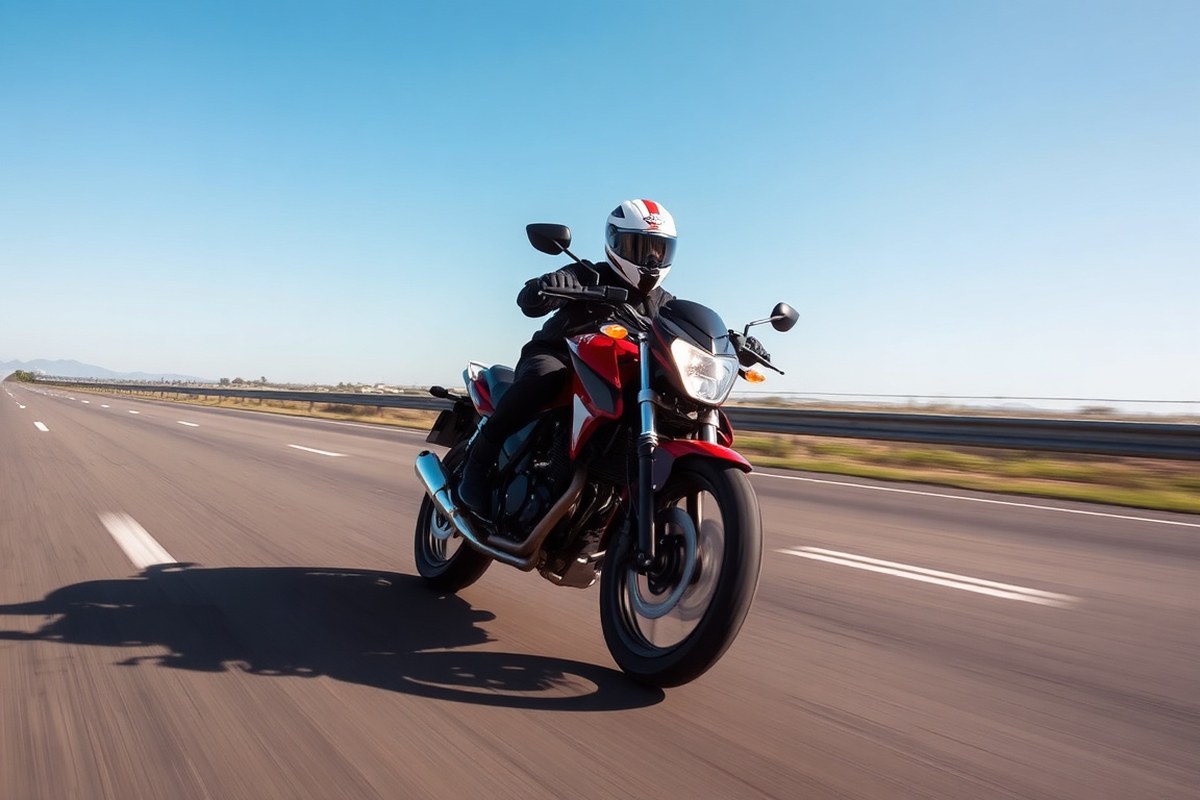
A typical 250cc motorcycle can reach speeds between 70 and 85 miles per hour. This speed works well for highway riding and city commutes without feeling underpowered. You get a good balance of speed and control, especially if you are new to riding.
Most 250cc bikes produce about 20 to 30 horsepower, which suits most riders. They are fast enough to handle traffic and occasional quick passes. The top speed depends on the bike’s model and riding conditions.
These bikes don’t match larger sportbikes that reach over 150 mph. A 250cc fits riders who want fun and easy power for daily rides and light sport riding. It feels manageable for many people but check your skill level before pushing it.
Always know your local traffic laws and follow them carefully. This keeps you safer on the road while enjoying your ride.
Key Takeaways
- A 250cc motorcycle typically reaches top speeds between 70 and 85 mph.
- These bikes produce about 20 to 30 horsepower, enough for most riders.
- 250cc motorcycles suit highway riding and urban commuting well.
- Rider skill and bike model significantly affect the achievable top speed.
- They aren’t built for very high-speed racing but offer good control.
- Always respect traffic laws and your comfort zone when riding fast.
How Fast Does a 250cc Motorcycle Actually Go?
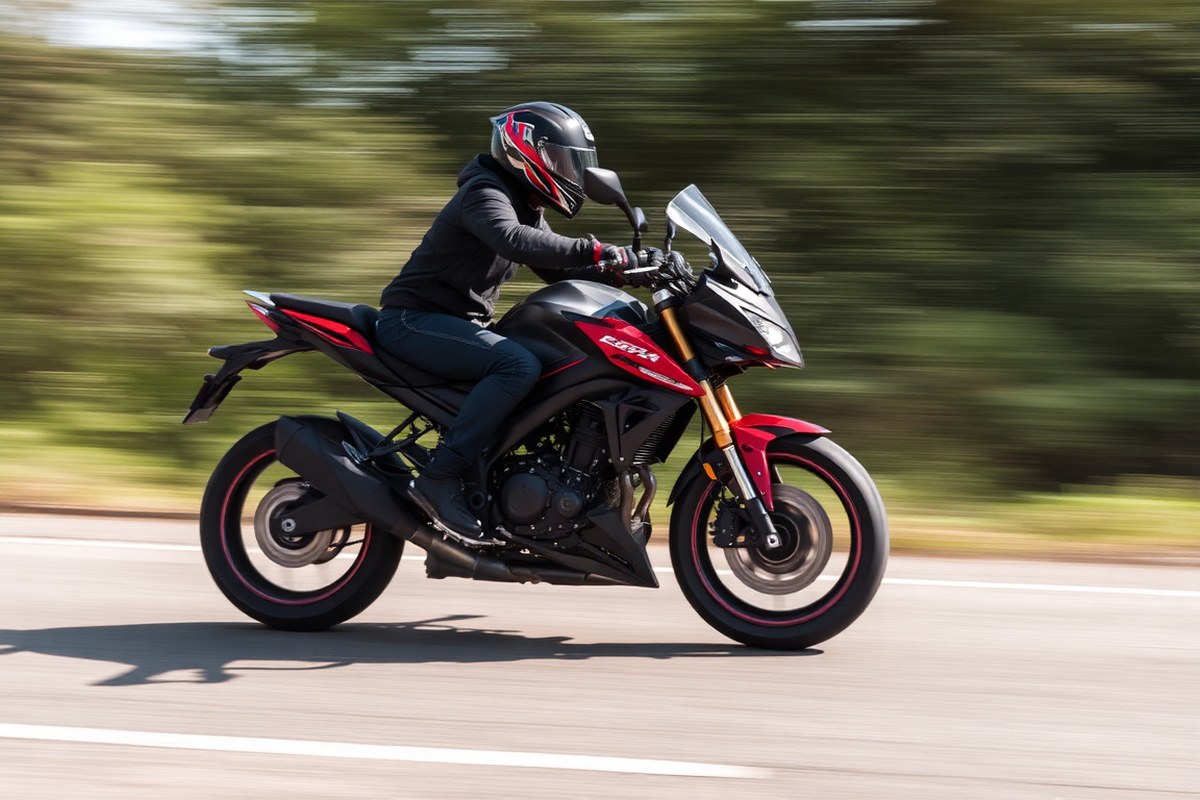
Most 250cc motorcycles can hit speeds around 70 to 85 mph. This range suits both city streets and highway rides. A 250cc bike can easily handle highway speeds and traffic.
The actual top speed depends on the bike type, rider weight, and conditions. Sports-style 250cc bikes hit the higher end, near 85 mph. Meanwhile, dirt and trail bikes usually top out closer to 55 to 70 mph.
Under normal riding conditions, expect to cruise around 60 to 70 mph. You’ll notice the engine running near its maximum RPM at these speeds. This means the motorcycle will feel louder and vibrate more compared to bigger bikes.
Despite this, 250cc bikes provide enough power for most riders on highways. They are lighter and easier to handle, making them great for beginners. For highway use, they balance speed and control without overwhelming new riders.
Environmental factors like wind, road condition, and temperature can lower your bike’s top speed. Also, tire size influences how fast your 250cc can go. Riding in strong headwinds or on rough roads will slow you down.
How Different Types of 250cc Motorcycles Vary in Speed
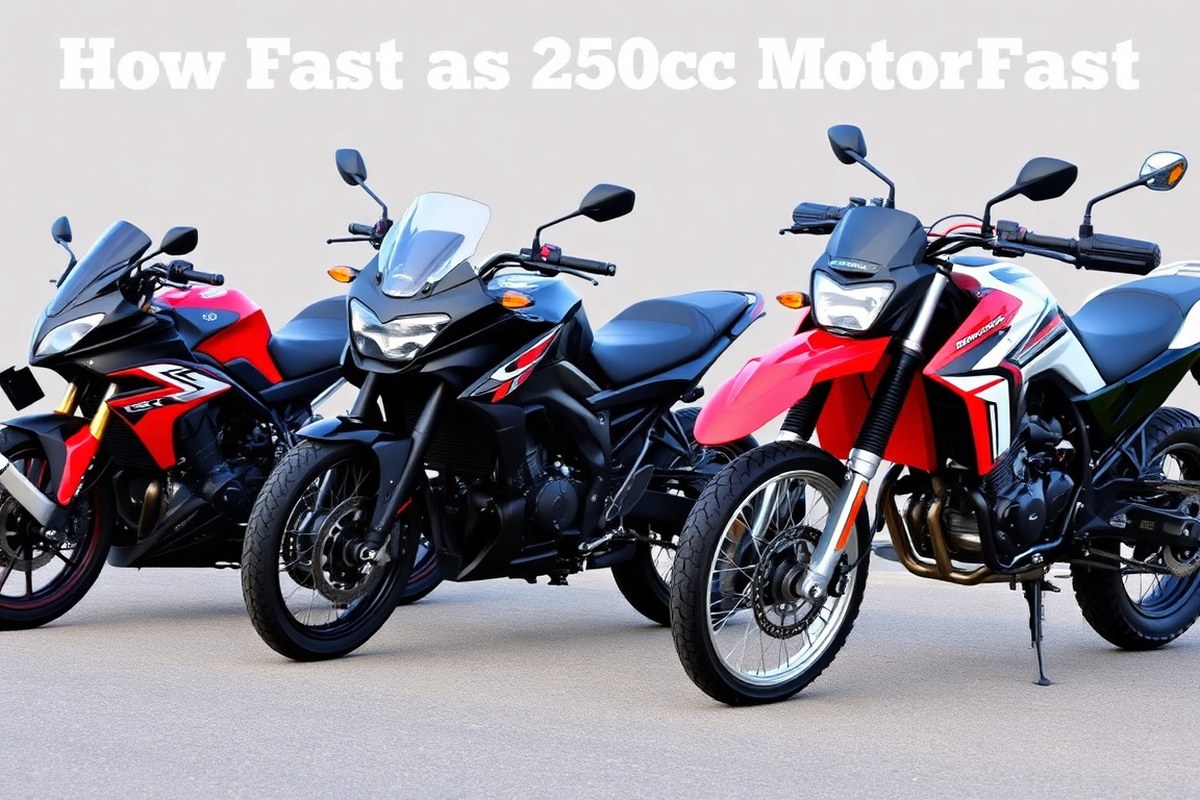
Different 250cc motorcycle types vary quite a bit in top speed. Sportbikes hit higher speeds, while cruisers and dirt bikes prioritize other strengths. Design choices like fairings, weight, and engine tuning all shape their speed ranges.
Sportbike Speeds and Characteristics
Sportbikes top out between 90 and 110 mph (145-177 km/h). They have aerodynamic fairings to reduce wind drag. This design helps them reach higher speeds in the 250cc class.
Their engines focus on maximum horsepower and quick acceleration. Lightweight frames and aggressive riding positions also push their speed limits. These factors make sportbikes the fastest 250cc motorcycles available.
Cruiser and Naked Bike Speed Ranges
Cruisers usually top out around 70 to 85 mph (113-137 km/h). They use engine tuning designed for low-end torque instead of outright speed. Their relaxed riding style and heavier frames limit top speed.
Naked bikes hit about 85 to 100 mph (137-161 km/h). They lack fairings, so the rider feels more wind resistance. That reduces top speed compared to sportbikes but gives a more open riding experience.
Off-Road and Dual-Sport 250cc Speeds
Dirt bikes range from 65 to 85 mph (105-137 km/h). They focus on lightness and maneuverability rather than speed. This helps off-road control, where top speed is less important.
Dual-sport bikes balance on-road and off-road use. They typically reach 75 to 90 mph (121-145 km/h). Their design compromises between weight, suspension, and fuel economy to work well in both settings.
Here’s a quick table of typical top speeds for 250cc motorcycles. Each type is made for a specific purpose. Check what fits your riding style.
| 250cc Type | Typical Top Speed (mph) | Typical Top Speed (km/h) | What It’s Built For |
|---|---|---|---|
| Sportbike | 90, 110 | 145, 177 | Fast, aerodynamic riding |
| Naked | 85, 100 | 137, 161 | Street riding, open air |
| Cruiser | 70, 85 | 113, 137 | Relaxed, torque-focused |
| Dual-Sport | 75, 90 | 121, 145 | On and off-road use |
| Dirt Bike | 65, 85 | 105, 137 | Lightweight, off-road control |
Design factors like weight, frame, and engine tuning drive these speed differences. Aerodynamics matter most for sportbikes, while torque and handling shape cruisers and dirt bikes. Dual-sports mix features to work well in multiple settings.
Always check your bike’s specifications and use proper gear for safe riding at any speed.
Top 250cc Motorcycle Models and Their Speeds
Several popular 250cc motorcycles reach speeds between 80 and 105 mph. The Kawasaki Ninja 250R remains one of the fastest modern bikes in this class.
Classic racers and beginner models usually have lower top speeds. They still provide plenty of fun while riding on the road.
Fastest Modern 250cc Street Bikes
Modern sport bikes in the 250cc range often hit top speeds close to 100 mph. The Kawasaki Ninja 250R pushes this further with speeds up to 105 mph. These bikes use advanced designs to extract extra power from smaller engines.
Some newer 250cc models may even reach 110 to 120 mph under ideal conditions. This range suits riders who want quick acceleration without jumping to a larger, heavier motorcycle. It’s good to know this top speed is achievable only with proper tuning and road conditions.
Notable Classic 250cc Racers
The legendary Kawasaki Ninja 250 street racer was sold from 1988 to 1992. It earned a reputation as one of the fastest 250cc motorcycles ever made. Its peak speed was close to 100 mph, impressive for its time and still competitive today.
Classic 250cc racers typically focus more on handling than just top speed. These bikes were popular on race tracks for their balance.
They also helped riders build skills that work today. Collectors often seek these models due to their historical significance.
Beginner-Friendly 250cc Models
Many beginner 250cc motorcycles top out around 70 to 85 mph. This speed provides enough excitement without overwhelming a new rider. Bikes like the Honda CBR250R or Yamaha YZF-R3 fit this well.
These models balance manageable power with reliable handling. They’re good starting points before moving on to faster or more powerful machines. Their moderate speeds also make them safer for commuting and learning.
Here’s a comparison table of popular 250cc motorcycles and their top speeds:
| Model | Type | Top Speed (mph) |
|---|---|---|
| Kawasaki Ninja 250R | Sport | 105 |
| Yamaha YZF-R3 | Sport | 110 |
| Honda CBR250R | Sport/Beginner | 85 |
| Classic Kawasaki Ninja 250 (1988-1992) | Racer | 100 |
| Generic 250cc Cruiser or Dual Sport | Cruiser/Dual Sport | 70-85 |
This table shows how 250cc motorcycles vary across sport, classic, and beginner categories. Sport bikes tend to top out higher.
Cruisers and dual sports focus more on comfort and control at lower speeds. Knowing these variations helps pick a bike with the right balance of speed and usability.
Key Factors That Affect a 250cc Motorcycle’s Top Speed
The rider’s weight plays a clear role in a 250cc motorcycle’s top speed. A heavier rider adds more load on the engine, reducing acceleration and maximum speed. For example, a 150-pound rider might reach around 80 to 90 mph.
A 200-pound rider could top out 5 to 10 mph slower. Lighter riders help the bike reach its peak speeds faster and sustain them longer.
Wind resistance grows quickly as speed rises. The rider’s position matters a lot here. Sitting upright creates more drag, slowing the bike down noticeably.
Tucking in close to the bike can improve your speed. It cuts wind resistance by reducing your frontal surface.
This helps you go faster on the road. This becomes very clear above 50 mph, where wind resistance begins to dominate power losses.
The gearing setup also affects top speed on a 250cc bike. Short gear ratios deliver quicker acceleration but lower the top speed. Taller ratios raise the max speed but reduce initial acceleration.
Adjusting final drive ratios, like changing sprocket sizes, tweaks this balance. A common tradeoff is losing some acceleration.
You gain a few more miles per hour at the top. This can improve overall speed but lowers quick starts.
- Rider weight under 160 pounds favors top speed near 90 mph
- Reduce wind drag by leaning forward or tucking behind the windshield
- Shorter gears boost acceleration, taller gears improve max speed
- Engine design and power delivery influence acceleration smoothness
- Tire size affects the effective gearing ratio and stability at speed
- Heavier gear and accessories add to overall weight, lowering speed slightly
- Regular maintenance like chain tension and tire pressure keeps max speed optimal
The engine layout and its torque output matter too. A 250cc single-cylinder gives good torque at low speeds. It often has a lower top speed than twins.
Twin-cylinders give smoother power delivery on highways. The engine burns fuel and manages airflow efficiently. This helps it keep high speeds longer.
Better efficiency means the bike runs stronger at top speed. Two bikes with the same engine size differ a lot.
Design and tuning cause these performance differences. This means one bike may ride better than another.
These factors together explain why a 250cc motorcycle’s top speed isn’t fixed. Weather, road surface, and tire condition also play roles. On a calm day with smooth pavement, the bike can approach its highest limit.
A strong headwind or hilly terrain will pull that number down. Careful riding posture helps your bike perform better.
The gear you wear and how you set up your bike matter too. These details get the most from your 250cc bike.
How Rider Skills and Conditions Influence Motorcycle Speed
Rider skills can directly impact how fast your 250cc motorcycle goes. Experienced riders lean forward to cut wind resistance. This helps raise top speed by 5 to 10 mph.
It improves how the bike moves through the air. Less skilled riders often sit upright while riding.
This position increases drag, slowing the bike down. It also makes controlling the bike harder at high speeds.
Road and weather conditions also play a big role in your bike’s effective speed. Smooth, dry roads let your bike reach top speeds. That’s usually around 75 to 105 mph.
Road conditions really affect how fast you can go. Rough or wet roads require slower speeds to stay safe.
You often need to cut your speed in half or more. This reduces the risk of accidents.
Strong headwinds can reduce your top speed by 10 to 15 mph. A tailwind might add a few mph.
Riding in rain or on oily surfaces also demands slower, more cautious riding. These factors mean your bike’s actual speed varies every time you ride.
Regular maintenance is key to preserving your bike’s speed and overall performance. Check tire pressure monthly because low pressure raises rolling resistance and reduces speed.
Keep the chain lubricated and properly tensioned. A dry or loose chain wastes power and can cut speed noticeably.
Change your bike’s oil every 3,000 to 5,000 miles. This keeps the engine running smoothly and steady. Regular oil changes maintain your bike’s power.
Dirty air filters reduce airflow to the engine, lowering speed. So replace them as directed in your owner’s manual. Skipping maintenance can lead to rough idling, slower acceleration, and a decreased top speed.
Always adjust your riding posture and gear for conditions to get the best speed safely.
What Does Riding a 250cc Motorbike at Various Speeds Feel Like?
Riding a 250cc motorcycle at 70 mph feels smooth and manageable. The bike handles city highways with ease.
Wind pressure is noticeable but not overwhelming. You’ll stay relaxed and in control, making it a comfortable speed for longer rides.
At 80 mph, you feel more wind resistance, and the engine works harder. You may need to lean forward a bit to reduce drag.
Some 250cc models, like the Yamaha V Star 250, can hold this speed. They also offer great fuel economy, about 78 mpg.
At 90 mph, expect more vibration and engine noise. This speed pushes many 250cc bikes close to their limits.
So stability depends on your bike’s weight and frame. You’ll need to watch road conditions carefully and stay alert to maintain control.
Going up to 100 mph on a 250cc is possible but not recommended for regular riding. Most 250cc bikes don’t feel stable or comfortable at this speed for long. Pushing the throttle that far places extra stress on the engine and tires, increasing risk.
- 70 mph: steady and comfortable on most 250cc bikes
- 80 mph: noticeable wind pressure, fuel-efficient ride
- 90 mph: engine noise and vibrations increase, requires more focus
- 100 mph: bike feels unstable, higher risk of mechanical stress
- Wearing proper gear helps reduce wind fatigue at higher speeds
- Keep tires inflated to recommended pressure for best stability
- Practice gradual acceleration to maintain smooth handling at speed
Most riders find 70 to 80 mph ideal for highway cruising on a 250cc motorbike. Beyond that, the bike demands more attention and careful riding. Stability also varies by model and modification, so test your bike’s limits gently.
Comfort and control drop as speeds near 100 mph. You should avoid pushing a 250cc bike to that speed unless you know your bike well.
Riding faster can cause tire wear and engine overheating. This is true, especially for older or stock models.
How to Choose the Right 250cc Motorcycle for Your Speed Needs
You should pick a 250cc motorcycle that matches your speed needs and skill level. Look for features like engine type, frame weight, and aerodynamics to spot faster models.
Sportier bikes usually have better airflow and lighter frames. These features help them reach 80 to 100 mph on flat roads.
Beginners benefit more from control than raw speed. A bike with smooth throttle response and good traction control will keep you safer while learning. This setup helps you control power well.
It avoids wheel spin in tricky spots. Wet or uneven pavement is where it matters most.
Balancing speed, comfort, and safety means choosing a bike that feels steady at your usual pace. Check the seat height and riding position for comfort during longer rides. Plan to commute?
A more upright position cuts fatigue. It doesn’t reduce your control. For weekend fun, a slightly sportier stance can give you more excitement without losing comfort.
Prioritize a bike you control well at moderate speeds. Don’t choose one just for top speed. Handling matters more for safe rides.
Take the bike for a test ride if possible. Notice how it responds to quick acceleration and braking. Feeling confident in these basic skills means you can safely explore the bike’s top speed later.
Expect to spend about $3,000 to $5,000 for a new 250cc motorcycle with these balanced features. Used models might cost less but inspect carefully. Check tires, brakes, and suspension for wear.
This prevents expensive repairs later. Good rides feel steady and controlled around 50 to 70 mph.
This speed suits most city and highway trips. You don’t need to go faster.
Common Myths and Misconceptions About 250cc Motorcycle Speed
Engine size measured in cc stands for cubic centimeters. It shows the volume inside the engine where fuel burns. A bigger cc means more space for fuel.
But it doesn’t always mean the bike is faster. Other factors like engine design and weight play a big role.
Many people think a 250cc motorcycle is too slow for highways. Actually, these bikes typically reach about 85 mph. That speed works well for most highway conditions.
Stay in the right lane. Keep a steady pace.
You won’t hit the 170 to 190 mph speeds that bigger bikes can. But those aren’t safe or legal on most roads anyway.
Beginners often hear that a 250cc bike is only for learning. While these bikes are beginner-friendly, they also offer enough power to keep experienced riders interested. They balance a manageable speed with good fuel efficiency.
This makes them great around town. They also handle some highway use well. Upgrading to a larger bike mostly depends on your style, not just speed needs.
Some riders expect faster acceleration or top speed just from a larger engine. That’s not always true. You can adjust the exhaust or air intake parts.
Using lighter tires is another option. These changes boost a 250cc bike’s performance.
But pushing it too far might cause overheating or faster wear and tear. So be careful with modifications.
Remember that wind can slow you down. Rider weight also changes speed. Road slope affects your 250cc motorcycle’s speed a lot.
How Environmental and Mechanical Factors Limit 250cc Motorcycle Speed
Environmental and mechanical factors shape how fast a 250cc motorcycle can go. Altitude, temperature, fuel type, and engine condition all change power output. Knowing how these work helps you understand speed limits beyond just engine size.
Altitude and Power Loss Explained
Higher altitudes mean thinner air and less oxygen for the engine. This leads to less combustion power and lower top speeds. For example, at 5,000 feet elevation, a 250cc bike can lose about 15% of its power.
That power loss cuts top speed noticeably. A bike hitting 70 mph at sea level might only reach 60 mph at 5,000 feet. Some riders adjust their carburetor or fuel injection to compensate for this change.
Fuel Types and Engine Efficiency
Using the right fuel helps your engine run better. It also affects your bike’s speed.
Premium fuel with higher octane can improve combustion in some 250cc engines, giving better power. But not all bikes need premium fuel; check your manual first.
Lower-grade or contaminated fuel often causes sluggish acceleration and slower top speed. Switching from regular to mid-grade may boost power a little.
It might raise speed by a few mph in some cases. Keep fuel fresh and clean for the best results.
Maintenance Factors Affecting Speed
Mechanical issues like clogged air filters, worn spark plugs, or old oil reduce engine efficiency. A dirty air filter cuts airflow, lowering top speed by 5% or more. Replacing it every 5,000 miles usually fixes this.
Worn spark plugs cause incomplete combustion, making the bike feel sluggish. Changing spark plugs roughly every 7,500 miles helps maintain full engine power. Regular oil changes every 3,000 to 4,000 miles also keep the engine running smoothly and fast.
Your Quick-Start Plan for Choosing and Riding a 250cc Bike
Use this plan to pick the right 250cc motorcycle and start riding confidently. Each step helps you learn what to expect and check your progress.
- Day 1: Research 250cc bike models focusing on speed and handling. Write down three that fit your riding needs and style.
- Day 3: Visit local dealers or online forums to compare riders’ feedback on those models. Check for real-world speed reports and comfort.
- Week 1: Test ride at least two 250cc motorcycles on your shortlist. Focus on how they accelerate and handle at higher speeds.
- Week 2: Learn basic maintenance like checking tire pressure and chain tension. Proper maintenance keeps speed and safety optimal.
- Week 3: Practice riding in different conditions: city streets, highways, and curves. Notice how the bike responds to your inputs and road changes.
- Week 4: Evaluate your comfort and skill level with the bike’s speed. Adjust your riding style or consider another model if needed.
- After 1 Month: Join a beginner’s riding group or take an advanced course. This improves your control and confidence on your 250cc motorcycle.
Frequently Asked Questions
Can a 250cc Motorcycle Handle Highway Speeds Safely?
Yes, a 250cc motorcycle can safely handle highway speeds for most riders. Just make sure to wear proper gear and stay aware of traffic conditions to ride confidently.
Is a 250cc Engine Good for Beginner Riders?
A 250cc motorcycle is perfect for beginners because it’s not too powerful. It offers enough speed for learning without overwhelming new riders.
Can a 250cc Bike Be Used for Commuting Daily?
Yes, many riders use 250cc motorcycles daily for commuting. They offer good fuel efficiency and enough speed for city and highway traffic.
How Does Rider Weight Affect a 250cc Motorcycle’s Speed?
Heavier riders may notice slightly slower acceleration and top speed. Adjusting tire pressure and avoiding extra baggage helps maintain performance.
Do Modifications Improve the Top Speed of a 250cc Bike?
Yes, certain modifications like better exhaust or tuning can boost speed a bit. However, gains are usually small and can affect reliability.
Final Thoughts
A 250cc motorcycle usually hits top speeds between 60 and 85 mph, depending on many factors. Your riding skills and bike choice make a big difference at these speeds. Start with a sensible model and grow your skills gradually to enjoy the ride safely.