Do Stainless Steel Rings Turn Your Finger Green? What Actually Works
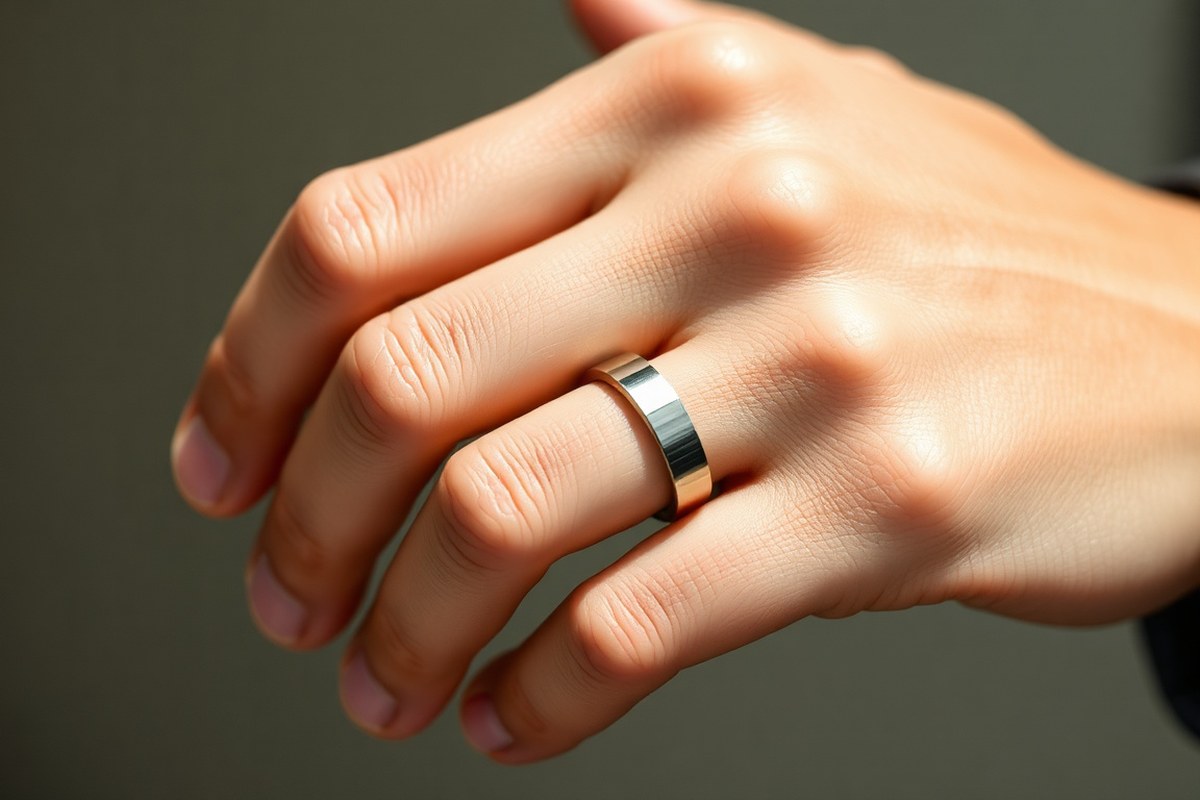
Do stainless steel rings turn your finger green? Usually, no.
High-quality stainless steel rings, especially those with at least 12% chromium, don’t cause green stains. The chromium creates a protective layer that stops rust and tarnish from affecting your skin.
Low-quality rings, cheap alloys, or plated metals can cause your skin to discolor. Sweat and moisture react with copper or nickel in rings. This reaction causes the skin to turn green.
Choose rings made from 316L stainless steel to avoid this. It resists corrosion well. It also prevents nickel from leaching out.
Check the grade of the ring before you buy. Avoid cheap rings under $12. These often have thin plating over base metals.
Also, keep your skin clean and dry when wearing any ring to limit reactions. This way, you can wear stainless steel rings comfortably without worrying about green fingers.
Key Takeaways
- Choose rings made from 316L stainless steel for the least chance of green stains.
- Stainless steel with 12% or more chromium helps stop rust and skin discoloration.
- Cheap plated rings usually cause green stains due to base metals under the plating.
- 304 stainless steel has nickel and less molybdenum, so it may irritate sensitive skin.
- Keep skin dry and clean under your ring to reduce sweat-related discoloration.
- Nickel-free 316L stainless steel rings eliminate most allergic and green-stain issues.
Do Stainless Steel Rings Turn Your Finger Green?
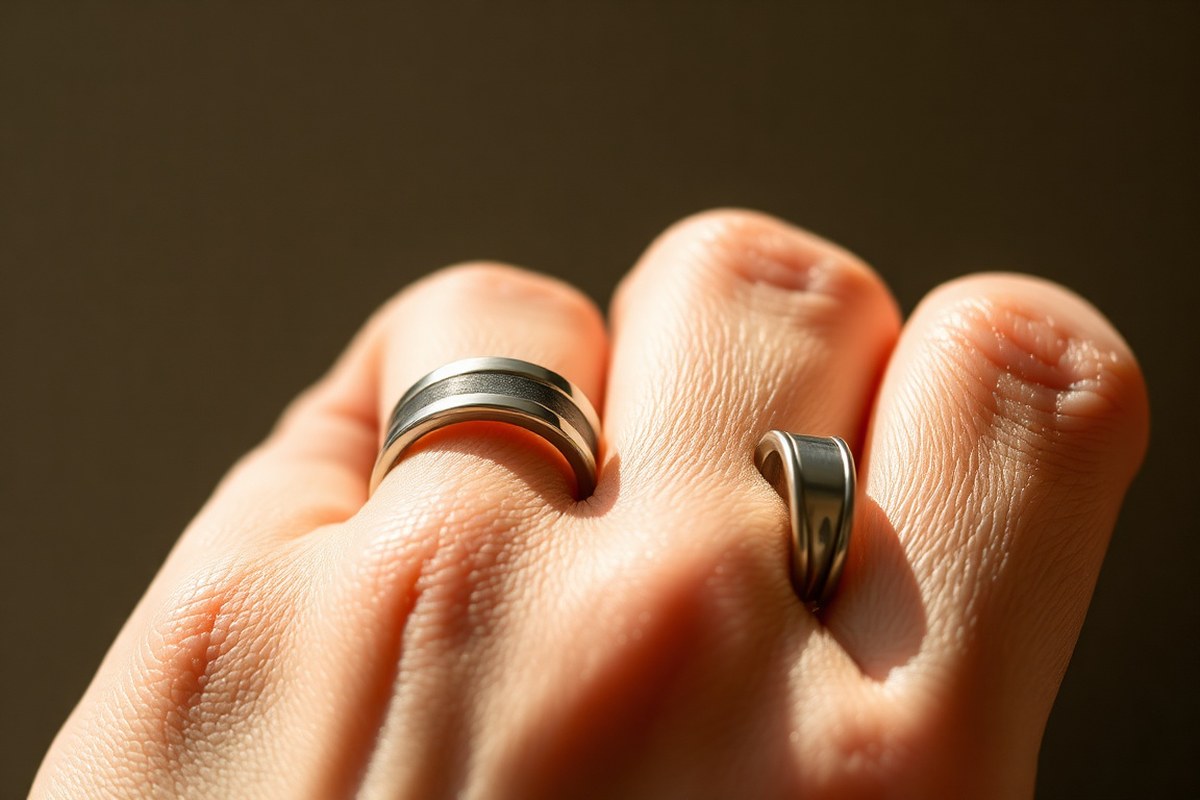
Stainless steel rings usually do not cause green stains on your finger. This metal fights corrosion and oxidation. It stops green discoloration.
This green usually shows on copper. Most stainless steel alloys contain little to no copper, the main metal that stains skin green. So your finger often stays clear.
Green discoloration mostly happens with metals that have higher copper content or cheaper alloys. Copper reacts with sweat and moisture, creating that greenish tint. High-quality stainless steel has a chromium layer that protects it.
It also has very little copper. This keeps your skin clear of color during wear.
It is still possible for stainless steel to turn your finger green in certain cases. Some cheaper rings have small copper amounts inside. Their coatings may wear off.
Then reactive metals show through. Factors like skin chemistry and sweat acidity can also play a role. But such reactions are uncommon with genuine stainless steel rings.
How Stainless Steel Composition Affects Skin Reaction
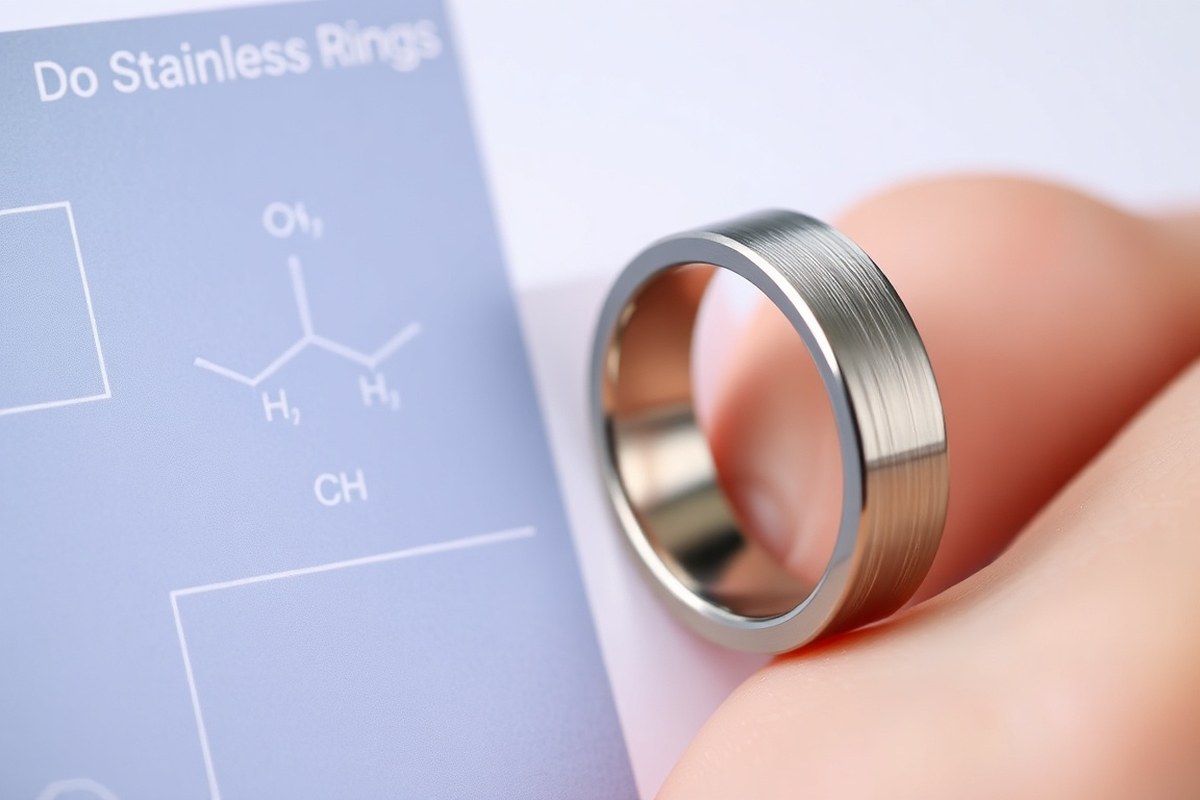
Stainless steel rings are made from an alloy that includes iron, chromium, nickel, and sometimes molybdenum. Chromium makes up at least 10.5% of the mix and forms a very thin, invisible layer on the metal’s surface. This layer protects the ring from rust and corrosion caused by sweat, moisture, and everyday wear.
This chromium layer acts like a shield. It stops the metal under it from reacting with your skin or air. This keeps your skin safe and the ring shiny.
When this film is intact, it prevents the ring from tarnishing or turning your finger green. Some stainless steel alloys, like 316L, also add molybdenum which strengthens this protective shield. It helps the ring stand up even better to salty sweat and skin oils.
Nickel’s presence in stainless steel varies from none to about 20%. Nickel adds strength and shine to the ring. But it can cause skin reactions in sensitive people.
Watch out if you know you react to nickel. High-grade stainless steel rings have nickel between 10% and 14%. Most people find this level safe.
It helps keep the ring durable and polished. Cheaper or low-grade rings can leak nickel or other metals.
This can cause irritation or minor skin discoloration. Quality does affect how much metal might leak.
Picking a stainless steel ring with at least 10.5% chromium avoids green finger stains in most cases. Higher chromium and molybdenum levels improve the corrosion resistance that protects your skin. Knowing your sensitivity to nickel is important.
Nickel causes most itching or redness from rings. Being aware helps you avoid skin problems. Always check the product label or description first.
Look for the alloy type and how much nickel is inside. This helps you pick safer jewelry.
Choose rings made from 316L stainless steel for better skin safety and less chance of discoloration.
Which Types of Stainless Steel Are Best for Rings?
Most stainless steel rings come from a few common grades. The two best for jewelry are 316L and 304. These grades are high in chromium and nickel, which help fight rust and skin reactions.
316L stainless steel stands out because it’s called surgical-grade steel. This means it’s made with high purity and tight controls on impurities.
It also has molybdenum that improves resistance to salt water and sweat. That makes rings in 316L less likely to turn your finger green or cause irritations.
Cheaper stainless steel grades, like 430, contain less nickel and have lower corrosion resistance. This can lead to light surface oxidation after years of wear. These grades are not common in daily use rings.
They can cause small skin reactions. They might also leave stains on your skin.
Here’s a side-by-side look at common metals in jewelry to help you pick:
| Metal Type | Common Cause of Green Discoloration | Likelihood of Causing Green Stains | Corrosion Resistance | Typical Price Range |
|---|---|---|---|---|
| Stainless Steel (316L, 304) | Minimal; possible trace copper or nickel | Low | High | Moderate |
| Copper | Oxidation forms green patina (verdigris) | High | Low | Low |
| Brass | Copper and zinc oxidation causes stains | High | Low to Moderate | Low |
| Nickel Silver | Contains copper and nickel; common green stains | High | Moderate | Low |
Stainless steel 316L is your safest bet for avoiding green stains. Its strong corrosion resistance keeps your skin clear, even during sweat or swimming.
You’ll pay a bit more for 316L. But it lasts longer and feels comfortable on sensitive skin.
Rings made from 304 stainless steel share many qualities with 316L but lack the extra molybdenum. That can make them slightly less protective in salty or harsh environments. Lower-grade steels are cheaper but can oxidize or irritate your skin over time.
How Skin Chemistry and Environmental Factors Influence Discoloration
Your skin’s acidity, or pH, can affect how metal reacts with your skin. Skin pH usually ranges from 4.5 to 5.5, which is slightly acidic.
Changes caused by diet, medication, or hormones can shift acidity. This shift can make metal reactions more or less likely.
Sweat contains salt and other minerals that can interact with metals. When you’re active or hot, sweat can build up under your ring.
This moisture may cause minor corrosion or stain-like skin marks. It is worse if the ring contains mixed metals or plating over reactive metal.
Lotion, sunscreen, and soaps add extra chemicals that can affect metal surfaces. For example, lotions can trap moisture against your skin and ring, increasing the chance of discoloration.
Sunscreens may have acids or oils that change the metal’s surface. This makes marks more likely if you don’t wipe the ring off regularly.
Moisture plays a big role in how metal rings interact with your skin. Stainless steel makes a protective oxide film that resists corrosion well.
Grade 316L surgical stainless steel keeps this barrier stable despite sweat, water, and body heat. Lower-grade steel or plated rings tend to lose this barrier faster, causing stains or green discoloration.
Wearing your ring overnight without cleaning can trap sweat and lotion underneath. This creates a moist environment where even stainless steel might discolor your skin a bit.
Cleaning your ring daily with mild soap helps remove residues. Dry it well to prevent staining.
Environment matters too. Swimming pool chlorine, ocean salt, or harsh cleaning chemicals can damage the steel’s surface. Damage breaks down the ring’s protective layer.
Metals like copper or brass can then leach out. This may turn your skin green or dark.
Some jewelry marked stainless steel has copper or brass inside. These metals may be in base layers or solder joints. These hidden layers are prone to reacting with sweat and moisture.
You might see a green or black mark on your skin. This happens even if the outside looks like real stainless steel.
Choosing solid 316L stainless steel and avoiding plating layers cuts down discoloration risk. Remove lotions and sunscreen before putting on your ring to reduce chemical buildup.
Rinse and dry your ring after water or sweat exposure. This keeps the metal intact and prevents skin stains.
Are Gold-Plated or Mixed-Metal Stainless Steel Rings Safe?
Gold plating over stainless steel usually prevents skin discoloration if the coating stays intact. This plating covers the stainless steel core, blocking direct contact with your skin. The gold layer can wear off over time.
High-quality stainless steel under it usually won’t cause green stains. Surgical-grade 316L steel is a good example.
Low-quality stainless steel may contain copper or brass layers beneath a thin coating. The plating can wear off metals underneath. Your skin may turn green or show stains then.
Some electroplating uses copper as an intermediate step, which risks discoloration once exposed. It’s safer to choose rings with no copper or brass base metals under the plating.
Physical Vapor Deposition (PVD) coating offers a tougher alternative to regular gold plating. PVD forms a durable gold layer that lasts longer under friction and wear. Rings with 316L steel cores and PVD gold plating are safer.
They rarely show discoloration after many months. However, no plating can last forever, so watch for thinning areas on your ring.
To lower the risk, choose solid 316L steel rings with gold or PVD plating. These stay safe longer. Avoid budget rings mentioning 304 stainless steel or base metals with visible copper or brass.
Keep the gold coating protected by removing the ring during heavy work or using harsh chemicals. As plating fades, you might see slight skin changes. It’s a sign to replate or replace the ring.
Check your ring regularly for worn areas where plating might be thinning to avoid skin stains.
How to Verify and Identify Real Stainless Steel Rings
To confirm if your ring is real stainless steel, run a few simple checks. Verification helps avoid fake or low-quality pieces that cause discoloration or allergies. Testing saves money and protects your skin.
Magnet Test for Stainless Steel
Many stainless steel grades have some magnetic attraction, but it varies. Use a small magnet to check your ring by placing it near the metal. If it sticks strongly, it might be lower-grade or plated steel, not 316L stainless.
True high-quality 316L stainless steel usually grabs a magnet weakly or not at all. A strong pull suggests the ring is a mix of metals or coated copper. This test alone is not conclusive but offers a quick hint.
Visual Inspection Tips
Look closely at the ring’s finish and markings. Genuine stainless steel has a smooth, polished look without flaking or rough spots. Matte rings feel slightly smooth but should not show dull patches or peeling.
Check for stamped numbers like “316L” or “304.” These mean stainless steel grade but some rings lack this label.
Absence of a grade does not guarantee a fake. But paired with other signs, it raises concern.
- Examine for flaking or peeling plating on edges or inside the band.
- Search for a consistent, smooth finish without obvious discoloration.
- Look at the ring’s weight; stainless steel feels heavier than aluminum or zinc.
- Check for clear, sharp markings like “316L” or brand engraving.
- Avoid rings with uneven color or rough texture areas.
Below $12 is often a red flag for a solid 316L ring due to manufacturing cost. Rings priced too low typically imitate stainless steel with plating or cheaper metals inside.
Requesting Mill Test Reports
Ask sellers for a mill test report (MTR) if you want full proof. This document verifies the metal makeup certified by an independent lab. Trusted jewelry brands such as AUrate or Mejuri usually provide these for their stainless steel pieces.
A mill test report typically lists exact percentages of chromium, nickel, and iron. Having this on hand confirms the ring’s grade and quality. Request it before buying, especially if the price is high or you have sensitive skin.
Price and Brand Reputation Indicators
Compare prices across trusted retailers to spot bargains or fakes. Real 316L stainless steel rings require careful casting and polishing.
So they rarely cost under $12. Anything cheaper is usually plated copper or zinc alloy disguised as stainless steel.
Buy from reputable brands or trusted independent makers. Check reviews and materials disclosures before ordering online. Sellers with mostly positive feedback above 98% ratings and lab certifications on Etsy are safer bets.
Cleaning and Maintenance Tips to Prevent Finger Discoloration
Cleaning and caring for stainless steel rings stops finger discoloration and keeps them shiny. Regular maintenance removes dirt, oils, and residues that can cause skin marks. Follow simple steps to clean your rings safely.
These protect both your jewelry and your skin. Avoid damage by handling your rings carefully.
Daily Cleaning Routine
Wipe your stainless steel ring daily with a soft cloth. It removes everyday smudges and sweat that can build up on the metal.
Use a clean microfiber or cotton cloth. Gently rub the ring to restore its shine.
Keep your hands dry and clean, especially after using lotions or soaps. Residues left on the ring can cause mild skin discoloration over time. Washing your hands properly before putting the ring on helps maintain skin safety.
Deep Cleaning Steps
For thorough cleaning, prepare a mild soap solution with warm water. Put a drop of gentle dish soap in a small bowl. Fill the bowl with water near 95°F (35°C).
This warm water helps remove dirt well. Soak the ring for 5 to 10 minutes to loosen dirt.
After soaking, use a soft toothbrush to gently brush the ring. Focus on crevices where dirt may build up.
But do not scrub hard to avoid scratches. Rinse the ring under warm running water and pat dry with a soft towel.
Deep clean your ring every two weeks for best results. Do it more often if you sweat or wear makeup.
Frequent cleaning keeps your ring fresh and safe. This keeps the metal bright and reduces skin reaction risks.
Avoiding Harsh Chemicals
Harsh chemicals like chlorine or bleach can damage stainless steel rings. These chemicals strip protective coatings and may cause tarnish or skin stains. Remove your ring before swimming in pools or using household cleansers to prevent this.
Avoid using abrasive cleaners or scrubbing pads during cleaning. They can scratch the surface and expose reactive layers beneath. Stick to mild soaps and soft cloths for safe care.
Storing Stainless Steel Jewelry
Store your rings in a dry place away from moisture to keep them looking new. Humidity can cause minor tarnishing, affecting the ring’s look and your skin. Use a soft pouch or a separate compartment in your jewelry box to prevent scratches.
Keep your stainless steel jewelry away from other metals that might rub off or react. Organizing your rings carefully helps avoid damage and discoloration.
- Wipe rings with a soft cloth every day
- Soak and brush rings with mild soap biweekly
- Remove rings before swimming or cleaning
- Avoid abrasive cleaners or scrubbing tools
- Store rings in dry, separate pouches or boxes
- Keep hands dry before wearing rings
- Schedule extra cleaning if you sweat a lot or wear makeup
Distinguishing Between Discoloration and Allergic Reactions
Green marks on your finger usually come from metal staining, not an allergy. Stainless steel 316L rarely leaves green stains because it resists oxidation. Your ring leaves a green mark because plated layers or metals cause it.
Allergic contact dermatitis looks different. It causes redness, itching, or swelling that lasts beyond removing the ring. Skin blistering, peeling, or cracking indicates a true allergy, not discoloration.
To tell them apart, wipe your finger with soap and water. Green stains that wash away easily without swelling or pain show metal staining. Redness or irritation lasting over a day suggests an allergic reaction.
Mild allergic symptoms may feel like itchiness or minor redness. Severe ones include persistent pain, blisters, or oozing. Severe reactions need medical attention, especially if swelling spreads or breathing feels hard.
Water makes metal stain fingers faster by speeding up oxidation. Keeping your fingers dry slows this but does not prevent allergies. Allergies need avoiding the metal, not just drying your skin.
Do not ignore ongoing redness or itching after removing your ring. See a doctor if symptoms last. This helps avoid serious skin damage or infection.
What to Do If Your Finger Turns Green from a Ring
When your finger turns green from a ring, clean the skin fast. Use safe products and gentle methods to remove stains without harming your skin. Then, take steps to stop green marks from coming back.
Immediate Cleaning Methods
Wash the green stain with warm water and mild soap. Gently scrub the area using a soft toothbrush or washcloth. This removes surface residue from the ring or sweat that causes discoloration.
You can also apply rubbing alcohol or hand sanitizer to a cotton ball. Rub the stained skin lightly for a minute. Rinse well with water after to avoid dryness or irritation.
Home Remedies to Try
Lemon juice or white vinegar works well to lift green stains. Soak a cotton ball in lemon juice and dab it on the skin for 2 minutes. Rinse thoroughly afterward to protect your skin.
Baking soda paste is another option. Mix a small amount with water to make a thick paste. Apply to the green area, leave for 5 minutes, and then wash off carefully.
Always test these remedies on a small skin area first. Avoid strong scrubbing that could irritate or damage your skin. Redness or itchiness means you should stop wearing the ring now.
Long-Term Prevention Strategies
Keep your rings clean and dry before wearing. Moist environments combined with metal can cause more stains. Wipe rings regularly with a soft cloth to remove oils and sweat.
Try moving the ring to a different finger or wearing it on a necklace pendant. Different skin chemistry or less contact can reduce staining.
Use a clear barrier like nail polish on the inner ring surface. This separates metal from skin and helps prevent green marks. Reapply polish every week for best results.
- Wash and dry your ring daily
- Remove rings before swimming or heavy sweating
- Apply clear nail polish inside the ring
- Store rings in dry, cool places
- Use gloves when handling cleaners or chemicals
- Try wearing rings on different fingers or as necklaces
Deciding to stop wearing a ring depends on how your skin reacts. Stains that stay or irritate mean you might try a new metal or style. No ring should harm your skin or cause ongoing discoloration.
Your Quick-Start Action Plan for Stainless Steel Ring Care
Follow these simple steps to keep your skin clear and your ring looking great. You’ll avoid green stains and spot issues early.
- Before wearing: Check your ring’s label or ask the seller to confirm it’s high-quality stainless steel. This reduces skin reactions.
- Day 1: Clean your ring with mild soap and water first. This removes oils and coatings that might cause stains. Dry it well.
- Week 1: Wear your ring every day. Watch for greenish discoloration on your finger after taking it off. Note any changes.
- Week 2: If green stains show, soak the ring in half vinegar and water. Do this for 10 minutes. Then rinse and dry it.
- Ongoing: Keep your fingers clean and dry before putting on the ring. This helps reduce discoloration.
- Monthly: Polish your ring with a soft cloth or stainless steel cleaner. This keeps its shine and removes buildup.
- If irritation occurs: Take off the ring right away. Try a different metal like pure titanium or gold instead. See a doctor if skin issues persist.
- Before switching rings: Wear the new ring on one finger for a few days. This helps spot reactions early.
Frequently Asked Questions
Do Stainless Steel Rings Cause Any Allergic Skin Reactions?
Stainless steel rings rarely cause allergic reactions since the metal is hypoallergenic. However, if the metal has nickel, you might see irritation on sensitive skin. Choose nickel-free stainless steel if you have allergies.
Can the Inner Coating of Stainless Steel Rings Affect Finger Discoloration?
Yes, some stainless steel rings have coatings that can wear off and cause skin stains. Look for rings with durable finishes or uncoated stainless steel to prevent any color transfer. Replace or re-coat worn rings for safety.
Does Sweat Increase the Chance of Discoloration from Stainless Steel Rings?
Sweat can sometimes react with lower quality metals, but stainless steel resists corrosion well. Excessive sweat may cause minor discoloration if the ring’s quality is poor. Clean rings regularly to avoid buildup.
Can Certain Lotions or Soaps Cause Stainless Steel Rings to Discolor Your Finger?
Yes, some chemicals in lotions and soaps can react with metal finishes and cause stains. Rinse your hands after applying products to reduce this risk. Using gentle, fragrance-free soaps helps protect your skin and jewelry.
Is It Normal for Stainless Steel Rings to Feel Warm or Cool on the Skin?
It is normal for stainless steel rings to adjust to your body temperature quickly. They might feel cool at first and then warm up with your skin. This does not affect your skin’s color or health.
Final Thoughts
Stainless steel rings rarely turn your finger green when you choose good quality and keep them clean. Regular maintenance prevents most staining issues. Try the cleaning steps now to keep your skin safe without giving up your favorite ring.