Is It Bad to Overfill Your Gas Tank? Risks, Repairs, and Safe Refueling Tips
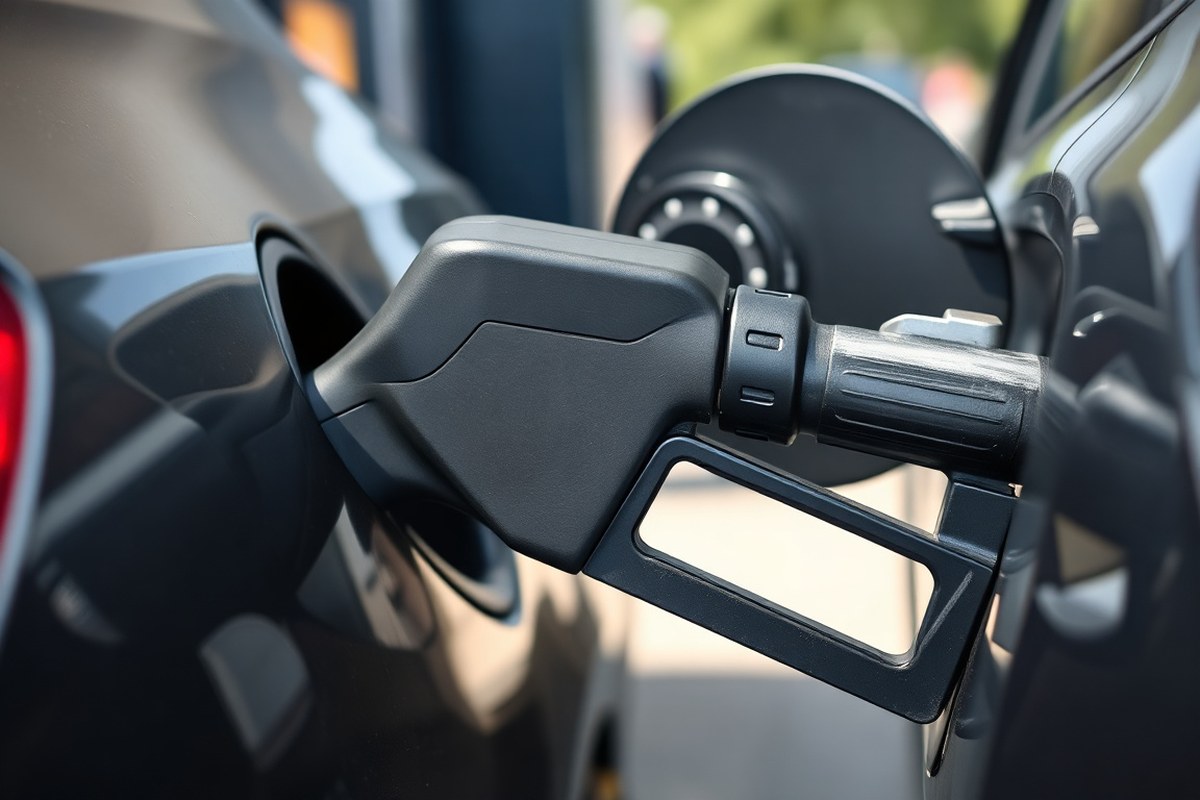
Is it bad to overfill your gas tank? Yes, it can cause problems for your car.
Overfilling pushes liquid fuel into parts meant only for vapor, which leads to costly repairs. You should stop filling your tank as soon as the nozzle clicks off.
The gas pump’s automatic shut-off fills about 95% of the tank safely. That leftover 5% lets fuel expand without causing pressure. Ignoring this can flood the EVAP system and trigger warning lights.
Overfilling can damage the charcoal canister that traps fuel vapor. When it gets soaked with liquid fuel, it stops working properly. Watch for rough idling or a gas smell after filling up too much.
Key Takeaways
- Stop fueling when the pump clicks to avoid overfilling your gas tank.
- Don’t top off after the automatic shut-off; it’s set for safe filling.
- Overfilling floods your car’s EVAP system, increasing repair risks and costs.
- Check Engine light with codes like P0456 or P0441 may signal overfill damage.
- Damaged charcoal canisters can cause fuel odors and poor engine performance.
- Smaller repair costs may rise to $300 or more if canister replacement is needed.
Is It Bad to Overfill Your Gas Tank? What You Should Know
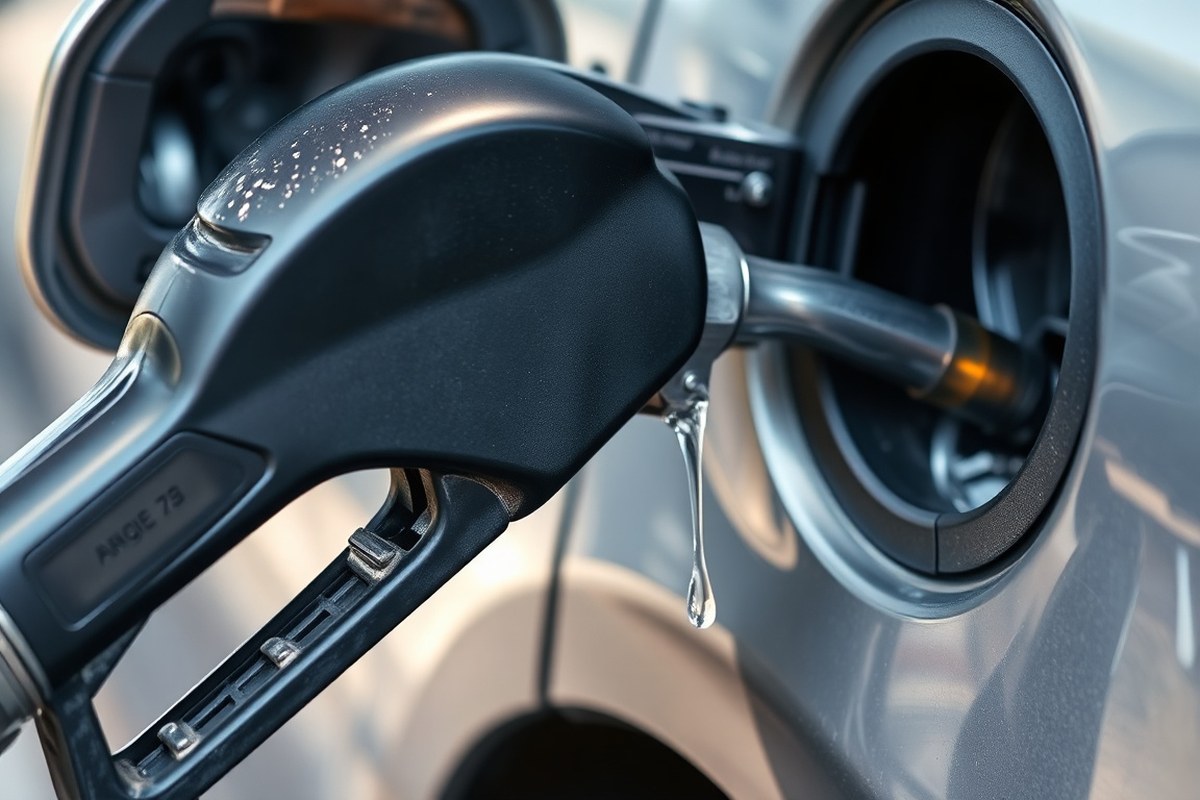
Overfilling your gas tank means adding fuel beyond the automatic shut-off point on the pump nozzle. This often happens when drivers ignore the click and keep squeezing fuel in. It can mean filling the tank up to the filler pipe neck.
The fuel reaches an area where it shouldn’t go. This can cause problems with the fuel system.
Adding more gas than the tank can hold is unsafe. It usually soaks parts of the fuel system. These parts aren’t meant to handle liquid fuel.
One key risk involves the vehicle’s evaporative emissions system, which manages fuel vapors, not liquid. Overfilling forces liquid gasoline into this system, damaging components and causing costly repairs eventually.
Some people add extra gas after the pump stops automatically. They try to get a few more drops. This is known as topping off.
This small habit seems harmless but can cause damage. It soaks sensitive parts like the charcoal canister. These parts are in the fuel system.
Overfilling often breaks down these parts in the system. This can cause fuel leaks or a Check Engine Light. The errors happen in the pollution control system.
You won’t likely see damage from doing this accidentally or rarely. However, doing it regularly adds stress to the system’s seals and sensors.
It also wastes fuel that spills or evaporates outside the tank, creating safety hazards and pollution. Repairing overfill damage sometimes costs hundreds of dollars, mostly for replacing damaged emissions parts.
Stopping fuel when the nozzle clicks off is the best practice. This auto shut-off is designed to prevent overfilling and protect your car’s fuel system. Avoid squeezing more fuel after the pump clicks off.
This prevents costly repairs and helps your car run longer. It’s worth the patience at the pump.
How Overfilling Affects Your Car’s Evaporative Emission (EVAP) System
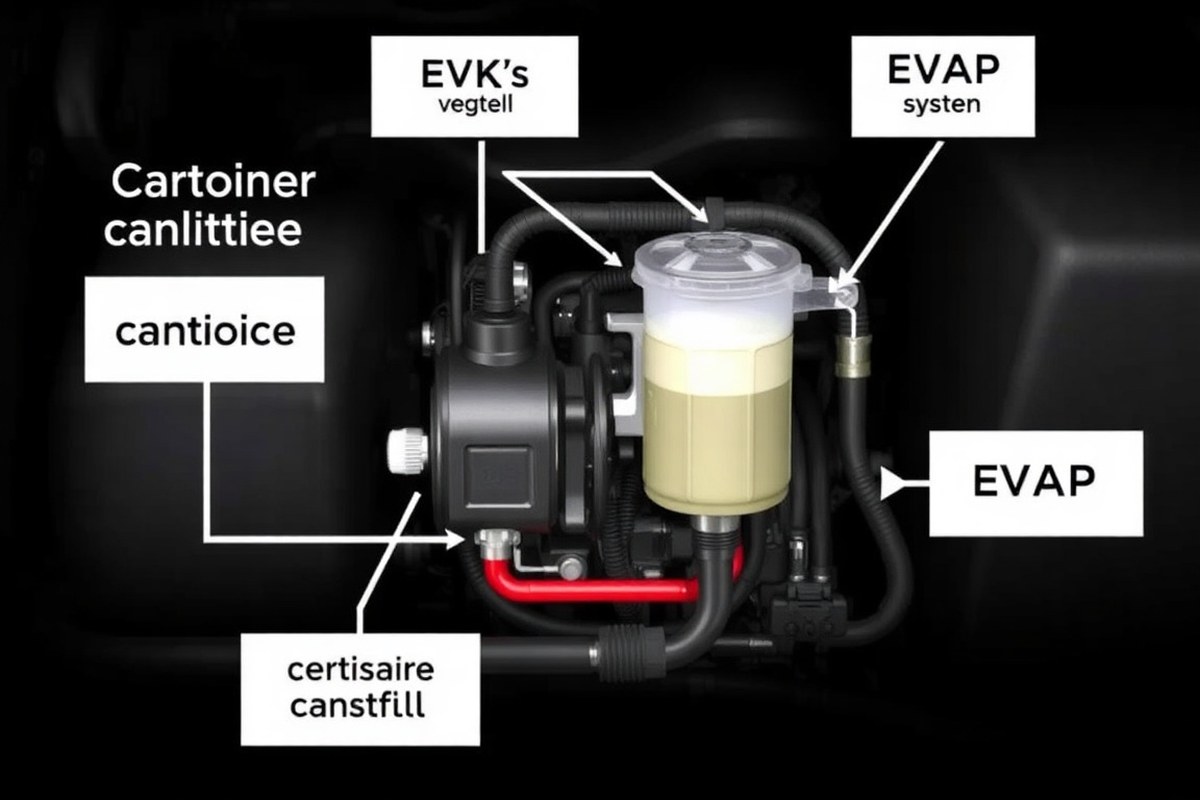
Your car’s Evaporative Emission (EVAP) system stops gasoline vapors from escaping. Overfilling the gas tank floods this system with liquid fuel. This damages the charcoal canister and valves, leading to costly repairs and pollution.
What the EVAP System Does
The EVAP system captures fuel vapors from the gas tank. It sends these vapors to the engine to burn instead of releasing them into the air. This helps reduce harmful emissions that contribute to smog.
The charcoal canister holds these fuel vapors using special carbon material. It keeps vapors trapped until the engine needs them. The purge valve controls when vapor moves to the engine for combustion.
How Liquid Gasoline Harms the Canister and Valves
The system is designed only for fuel vapor, not liquid gasoline. When you overfill, liquid gas can soak the charcoal canister. This saturation blocks the canister’s ability to trap vapors effectively.
Liquid gas can flood vent lines and damage purge valves. These valves may stick or fail, causing your car’s computer to detect a fault. This often triggers the Check Engine Light and causes running issues like rough idling.
What Happens When the EVAP System Fails
A damaged EVAP system allows gasoline vapors to escape into the environment. These vapors contribute to pollution and can harm air quality. You might also notice a strong fuel smell around your car.
Your car’s fuel efficiency and performance can drop. Repairing EVAP system parts like the charcoal canister or valves costs about $150 to $600. Ignoring damage could lead to more expensive engine or emission control repairs.
Signs Your EVAP System Is Damaged
The most common sign is the Check Engine Light turning on. Typical codes include P0442 and P0455, indicating leaks or failures in the EVAP system. You may also smell gasoline or experience difficulty starting your engine.
Sometimes you might notice fuel odors near the gas tank area or under the hood. These signs tell you the charcoal canister or valves may need inspection or replacement.
Environmental Impact of Damaged EVAP Systems
When the charcoal canister fails, gasoline vapors escape into the air. These vapors contain volatile organic compounds (VOCs) that contribute to smog and health risks. Fixing the EVAP system helps limit harmful emissions.
Using proper refueling habits, like stopping at the pump’s automatic shutoff, protects the EVAP system. It helps keep pollution down and your car running well for years.
Never fill past the pump’s automatic shutoff to protect the EVAP system from liquid fuel damage.
Common Signs of Damage After Overfilling Your Gas Tank
Noticeable fuel odors inside or near your car could mean overfill damage. This happens when excess gasoline leaks from the EVAP system or tank. Followed by a fuel smell, engine trouble may start with rough idling or hard starting.
The check engine light often comes on after overfilling causes EVAP problems. Common trouble codes range from P0440 to P0457, signaling leaks, wrong purge flow, or damaged canisters. These codes matter because they pinpoint which EVAP part needs inspection or repair.
Performance issues might include stalling, lower fuel efficiency, or a rough engine. If the check engine light begins flashing, your charcoal canister likely needs replacement. Ignoring these signs could lead to costly repairs and engine damage.
- Persistent fuel smell inside or outside the vehicle
- Check engine light with EVAP codes like P0442 or P0456
- Rough idle or engine that won’t start smoothly
- Decreased fuel efficiency over several days
- Engine stalling during normal driving conditions
- Visible fuel leaks or wet spots under the car
- Flashing check engine light indicating severe EVAP damage
After you spot these symptoms, don’t wait to get your car checked. An inspection typically includes an OBD-II code scan and EVAP pressure tests. Repairing damage early can keep costs from rising above several hundred dollars.
Replacing a charcoal canister can cost $300 to $600 depending on the car’s make. Fixing smaller leaks or seals usually costs less but still requires prompt attention. Staying alert to these symptoms helps avoid fuel waste, safety risks, and emissions test failures.
What to Do Immediately If You Accidentally Overfill Your Gas Tank
Spilling fuel after overfilling your tank can cause damage and safety risks. Acting quickly reduces hazards, protects your car, and helps prevent fuel waste. Handle spills calmly and carefully to avoid exposure to fumes and fire danger.
- Stop filling immediately and release the pump handle. This prevents more fuel from spilling out. Don’t try to squeeze extra gas into an already full tank.
- Replace the gas pump nozzle and securely close the gas cap. This helps keep vapors inside and stops fuel leaks. Leaving the cap open may cause stronger fumes or fuel to leak while you drive.
- Check the car’s exterior for spilled gas. Wipe off any fuel you see on the paint using a clean rag. Gas can harm your car’s finish if left too long, so clean it promptly.
- Wait at least 5 minutes before starting your engine.This pause helps extra fuel settle back into the tank. It also cuts down vapor buildup in the filler neck. Starting too soon can cause pressure in the tank or engine running issues.
- Alert gas station staff if a large spill occurs or fuel leaks on the ground. They need to handle cleanup safely and may shut down pumps if risks arise. Staff can also advise on any local rules or concerns.
- Ventilate the area around your car by opening windows if fuel fumes are strong. Avoid inhaling vapors directly and do not smoke or use anything that creates sparks nearby.
- Examine the gas tank filler neck for fuel overflow signs.See standing fuel in the neck or dripping back? Take extra caution before you drive. Excess fuel here can cause leaks or damage seals later on.
- Know when to seek professional help.Smell fuel inside the car, notice rough engine, or see leaks? Get a mechanic to check your EVAP system. Repairing early helps avoid bigger issues and higher costs.
Is It Safe to Drive After Overfilling? What Experts Recommend
You can start your car right after overfilling. But it’s not always the smartest move.
Overfilling sends liquid fuel into parts of the EVAP system meant only for vapors. This can flood the engine or cause it to run poorly.
It’s better to wait a few minutes before driving off. Let the engine idle for 3 to 5 minutes. This helps clear excess fuel vapors from the EVAP system.
It also prevents flooding in the engine. This pause reduces risks like stalling or rough idling once you hit the road.
Driving immediately after overfilling risks liquid fuel moving through vent lines into the EVAP canister. Those one-way valves aren’t foolproof. Fuel might clog the system or reach the air intake.
This can lower engine performance. It also boosts harmful emissions.
Waiting also helps maintain safe tank pressure and vapor balance. A tank overfilled with liquid fuel has less room for expansion, especially on hot days. That can cause leaks or even damage seals, making repairs pricey.
Many drivers rush after pumping gas. But a short wait keeps your car and yourself safer. Your engine idles rough or smells strong of fuel after filling.
That means liquid fuel likely got into the EVAP system. This means a longer wait next time to avoid problems.
Stop fueling and wait about 5 minutes before driving. This helps control fuel vapors. It lowers the risk of engine flooding.
Diagnosing and Repairing Overfill Damage Using OBD-II Codes
Overfill damage often triggers codes related to the EVAP system. Common OBD-II codes include P0440, P0455, and P0446. They refer to problems with the evaporative emission system.
These codes are common in many vehicles. These codes point to leaks or failures in parts.
Problems may involve the charcoal canister or purge valve. Gas flooding often causes this damage.
You can use a simple OBD-II scanner to check these codes early. Most auto parts stores offer a free scan. Plug the scanner into your car’s port under the dash.
Turn the ignition on, but don’t start the engine. Then, check the scanner for trouble codes. This early diagnosis helps you catch EVAP issues before they worsen.
Look for these issues when an overfill happens:
- Check engine light comes on immediately or within driving days
- Strong fuel smell near the gas tank area
- P0440, P0455, or P0446 code appears on your OBD-II scanner
- Fuel tank or filler neck shows wetness or overflow stains
- Car fails an emissions test due to EVAP faults
Once you see these signals, don’t delay repairs. Minor fixes like vent or purge valve replacements cost between $150 and $500. More serious damage to the charcoal canister can run from $300 up to $800 or more.
Fixing EVAP system issues can cost over $1,000 in some cases. Diagnostic fees alone usually run between $100 and $200. Problems often involve several parts at once.
Professional repair is best for these cases:
- Persistent or multiple EVAP codes after clearing
- Visible damage or fuel leakage near the tank
- The car smelling strongly of fuel for days means leakage. You should have it checked by a professional right away. Driving can be dangerous with fuel leaks.
- After failed emissions testing related to EVAP faults
Trying to ignore or delay fixes risks worsening fuel leaks or engine issues. Certified mechanics can perform thorough inspections, including smoke tests, to pinpoint leaks. Early diagnosis with your OBD-II scanner saves money and prevents costly charcoal canister replacements.
Typical Repair Costs for Gas Tank Overfilling Damage
Repairing damage from overfilling your gas tank can get costly. The charcoal canister and purge valve often face the most harm. Expect a wide price range depending on the vehicle and parts needed.
Charcoal Canister Replacement Costs
The charcoal canister traps fuel vapors to reduce pollution. Overfilling can saturate it, ruining its ability to work. Replacing it usually costs between $150 and $400 for the part alone.
Labor can add one to two hours depending on vehicle design. The total cost often ranges from $300 to $800. Cheaper repairs are rare because the canister sits deep in the system.
Purge Valve and Vent Valve Repair Expenses
The purge valve moves fuel vapors from the canister to the engine. It can clog or fail if carbon pieces from the saturated canister pass through. A faulty purge valve causes rough idling and poor gas mileage.
Replacing the purge valve generally costs $100 to $200, including parts and labor. Vent valves can have similar price ranges depending on the repair shop. Both parts are important to avoid further engine or emissions problems.
Diagnostic and Labor Charges
Diagnostics using OBD-II codes help pinpoint the damaged EVAP components. This process typically costs $80 to $150 but can vary based on location. Labor fees depend on repair complexity and may add one to two hours.
Costs grow if multiple parts like canister and purge valve need replacement. Keep in mind, ignoring damage might lead to bigger repairs, including spark plugs. Good shops recommend fixing any EVAP issues promptly to avoid more damage.
| EVAP Repair Component | Typical Part Cost | Total Cost (Parts + Labor) |
|---|---|---|
| Charcoal Canister | $150, $400 | $300, $800 |
| Purge Valve | $50, $100 | $100, $200 |
| Vent Valve | $50, $100 | $100, $200 |
| Diagnostic Fee | N/A | $80, $150 |
These costs vary by vehicle model and repair shop rates. Parts for newer or rare vehicles may be more expensive. Labor also differs regionally and with mechanic experience.
Common Causes and Mistakes That Lead to Overfilling Your Gas Tank
Overfilling your gas tank happens for a few reasons. The pump nozzle has an auto shutoff. Sometimes, factors still cause the tank to overfill.
Some people ignore the click sound and keep pumping, hoping to squeeze extra gas in. Others top off the tank intentionally, thinking they get a better deal or longer range.
Poor pump conditions can also cause overfill. In cold weather, pump diaphragms may freeze, letting fuel flow continuously. Old or faulty pumps might not stop filling on time.
This can cause more gas than your tank holds. It may lead to overfilling problems.
- Ignoring the pump’s auto shutoff and adding more fuel
- Trying to “top off” the tank for extra mileage
- Faulty gas pump valves that don’t stop flow properly
- Cold weather freezing the pump’s diaphragm sensor
- Rushing to fill during busy times and missing the click
- Using aftermarket or older pump equipment prone to malfunction
- Misreading the fuel gauge or filler neck size
Fuel spills can waste money and damage your car’s evaporation control system. Continually topping off can harm parts like the purge valve or solenoid. These parts are expensive to replace and affect emissions.
Stop fueling immediately when the pump clicks to avoid overfilling and damage.
Some drivers overfill during special gas discounts or busy rush hours. They chase savings but often risk costly repairs. Slow, steady attention at the pump avoids these issues better than rushing to fill up.
Best Practices to Prevent Overfilling and Ensure Safe Refueling
To avoid overfilling your gas tank, stop fueling as soon as the pump clicks off automatically. Don’t try to add more gas after that happens. You’ll prevent damage to your car and keep fuel from spilling onto the ground.
Using the Pump’s Automatic Shutoff Correctly
The pump nozzle has a built-in sensor. It stops fuel flow when your tank is about 95% full. This helps prevent overfilling.
This prevents spills and overfilling. Trust this automatic shutoff, it’s designed to protect your vehicle’s fuel system.
When the pump clicks off, stop pumping immediately. Adding more fuel after that can cause gas to spill. It might also enter your car’s evaporative emission system.
This can cause expensive repairs. Avoid topping off to keep parts working properly.
Avoiding the Topping Off Myth
Topping off means continuing to pump fuel after the automatic shutoff clicks. This practice is harmful. It risks fuel spills and injures your car’s emission system by flooding it with excess gasoline.
Adding more gas than your tank needs won’t increase your driving range much. Gas tanks are designed to hold fuel safely without topping off. Overfilling also wastes fuel and can pollute the environment.
Many states have rules against topping off because it leads to spills. Always follow pump instructions and stop fueling when the nozzle shuts off. This helps save money and lowers emission risks.
Safe Fueling Tips by Vehicle Type
Most vehicles work the same with fuel pumps, but some have special needs. For flexible-fuel, diesel, or older cars, check your owner’s manual for any extra steps before fueling. This keeps fuel systems safe and efficient.
Regular cars benefit from simple habits during refueling. Take time to fully insert the pump nozzle into the filler neck.
Do not wiggle it while pumping. This prevents fuel vapors from escaping or hose damage.
Follow these tips at every fueling stop:
- Stop fueling immediately when the pump clicks off
- Do not attempt to top off the tank
- Insert the nozzle fully and keep it steady
- Turn off your engine before refueling
- Avoid spilling fuel on your vehicle or the ground
- Check your vehicle manual for special fueling instructions
- Use recommended fuel types to avoid damage
Taking these steps prevents overfilling and protects your gas tank. You’ll reduce risks of spills, save fuel, and keep your car running smoothly.
Step-by-Step Action Plan for Handling Overfilled Gas Tanks
Follow these steps to avoid damage after overfilling your gas tank. Keep your car running safely by acting quickly. Doing this helps prevent costly repairs and problems.
- Right after refueling: Stop adding gas once the pump clicks off. Check the fuel gauge to see if it reads full but not overflowing.
- Within an hour: Open the gas cap carefully to release excess pressure. Smell for fuel vapors to catch leaks early.
- Day 1: Monitor your dashboard for warning lights like the check engine lamp. When the light comes on, plan to scan your car. It helps find trouble codes early.
- Day 2, 3: Listen for unusual engine sounds or notice rough idling. These are signs your EVAP system might be affected from overfilling.
- Week 1: Visit a mechanic if you notice persistent smells, dashboard alerts, or performance issues. Ask for an OBD-II diagnostic test.
- After repairs, during the next tank fill-up: Stop fueling at the first pump click. This prevents future overfill damage and protects your EVAP system.
Frequently Asked Questions
Can Overfilling My Gas Tank Cause Fuel Leaks?
Overfilling can increase pressure and cause leaks in the fuel system. Small cracks or worn seals may worsen with excess fuel. It’s safer to stop filling once the pump clicks off.
Will Overfilling Affect My Car’s Mileage or Fuel Efficiency?
Overfilling won’t directly reduce mileage or efficiency when driving. However, fuel loss from evaporation after overfilling wastes gasoline and money. Avoid topping off to save fuel and keep your car running smoothly.
Can Overfilling Damage Parts Other Than the Charcoal Canister?
Yes, excess fuel can harm fuel lines and sensors beyond the charcoal canister. It risks flooding emission system parts and causing malfunctions. Watch for warning lights or odor after overfilling and get your car checked.
How Long Does It Take to Fix Damage from Overfilling a Gas Tank?
Repair time varies by damage type but usually takes a few hours to a day. A professional diagnosis is needed to find all affected parts. Early attention reduces repair time and cost.
Does Overfilling My Gas Tank Cause Environmental Harm?
Yes, overfilling may release harmful gasoline vapors into the air. It damages your car’s evaporative system that controls these fumes. Avoid topping off to keep pollutants down and help the environment.
Final Thoughts
Overfilling your gas tank can harm your car’s emission system and cause costly repairs. Stop fueling when the pump clicks off to protect your vehicle. Watch for warning signs and take action early.
Get professional help to keep your car safe. This prevents bigger problems and costly repairs.