Does Electric Car Has Gear? Complete Guide to EV Transmissions Explained
Does electric car has gear? The short answer is yes, but not like gasoline cars.
Most electric vehicles use a single-speed transmission that stays the same from start to top speed. This setup works because electric motors can deliver steady power across different speeds.
You won’t find multiple gears to shift through like in a gas car. Electric motors deliver full torque at any speed. One gear ratio covers all driving needs.
This lets the motor work well in any situation. This makes the electric drivetrain simpler, smoother, and often more reliable.
The single-speed transmission also means less maintenance and fewer parts that can wear out. When you hit the accelerator, the motor responds instantly without needing to change gears. Just keep an eye on any manufacturer recommendations on transmission fluid or checks.
Key Takeaways
- Electric cars mostly use a single gear for all speeds and acceleration.
- Electric motors produce consistent torque, eliminating the need for multiple gears.
- Single-speed transmissions simplify drivetrains and reduce mechanical complexity.
- Electric vehicles have fewer moving parts than gasoline cars, boosting reliability.
- Instant torque delivery removes gear shifting delays for smooth acceleration.
- Transmission maintenance is minimal but follow your car’s service schedule.
Do Electric Cars Have Gears or Gearboxes?
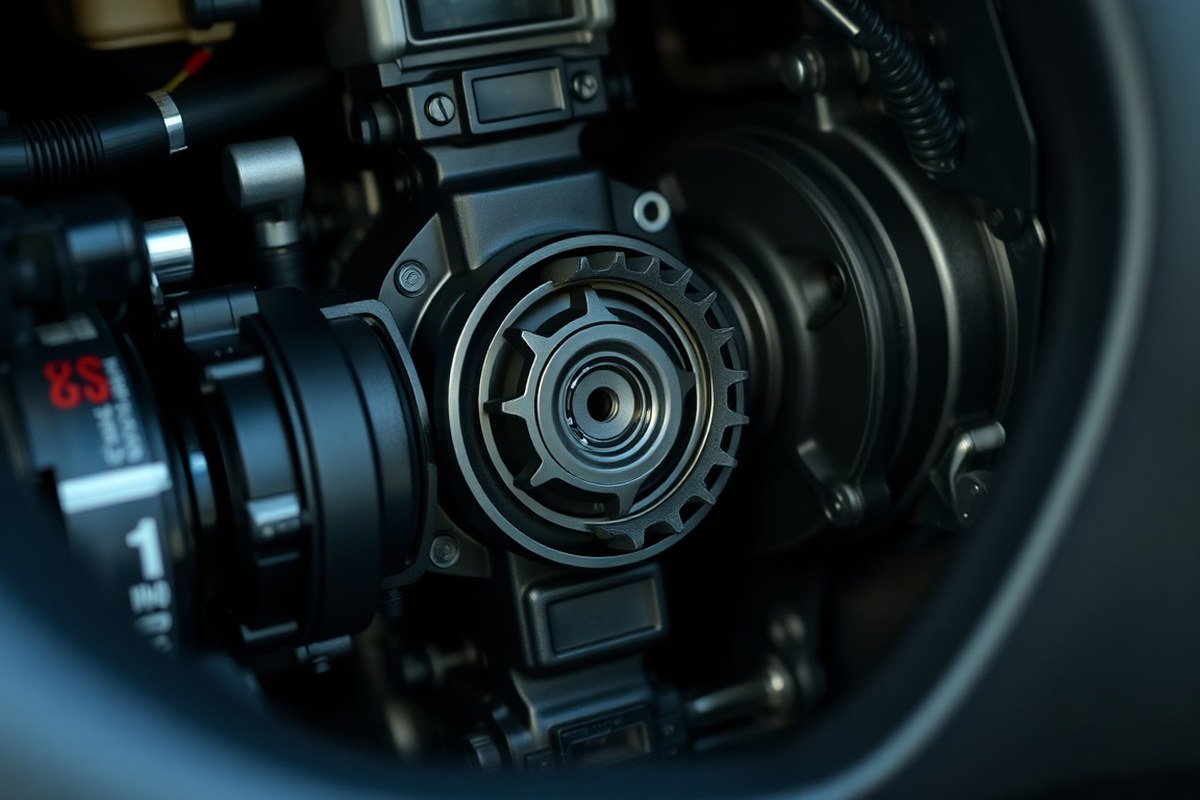
Most electric cars do not have multiple gears like traditional cars. Instead, they use a single fixed gear that handles all speeds from zero to top speed.
This setup works because electric motors deliver peak torque instantly. So they don’t need to shift gears to keep the engine in its ideal range.
Electric vehicles don’t have a typical gearbox with multiple gears. Some models may have two gears, but that’s rare.
The design includes a simplified transmission that resembles an automatic but with far fewer moving parts. This reduces maintenance needs and improves reliability.
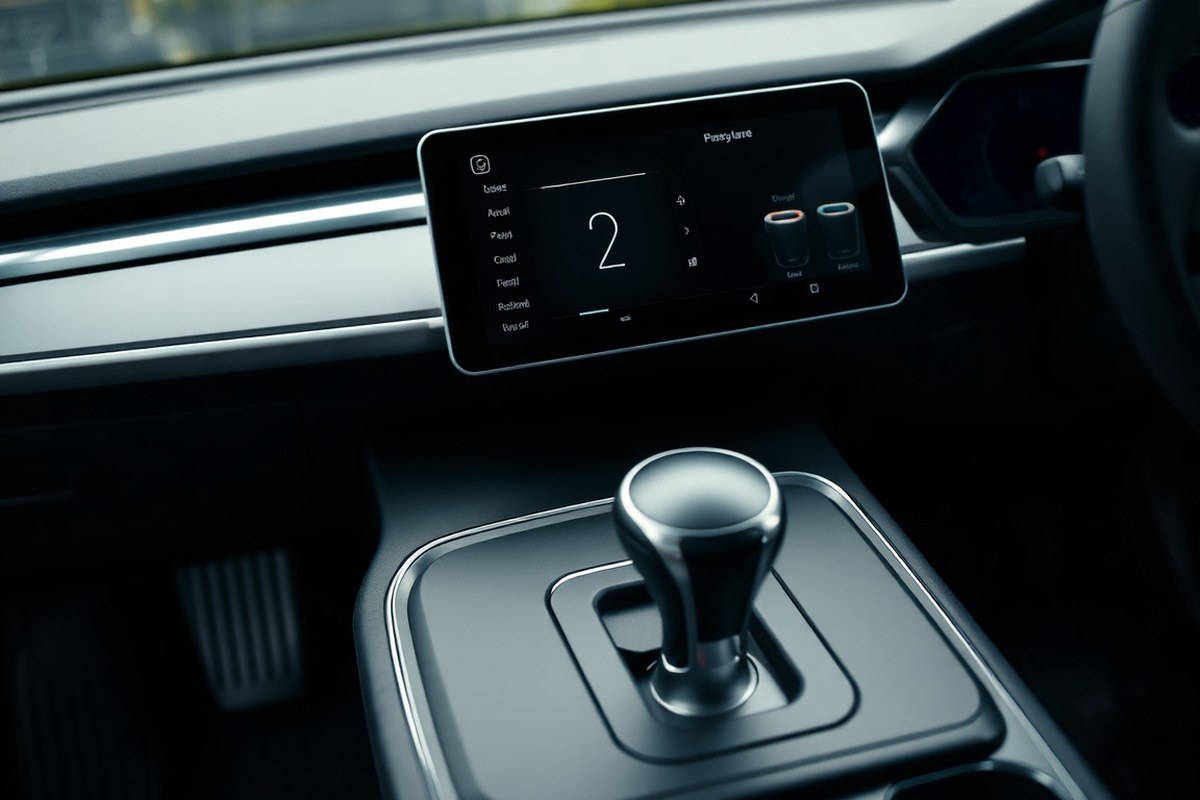
You won’t find a traditional gear shifter in an electric car. Instead, gear selection uses buttons, dials, or stalks to switch between Drive, Neutral, and Reverse.
The “reverse gear” in EVs is actually an electronic reverse switch, not a mechanical gear. This lets electric cars reach their top speed going backward just as quickly as forward.
Why Don’t Electric Cars Need Multiple Gears?
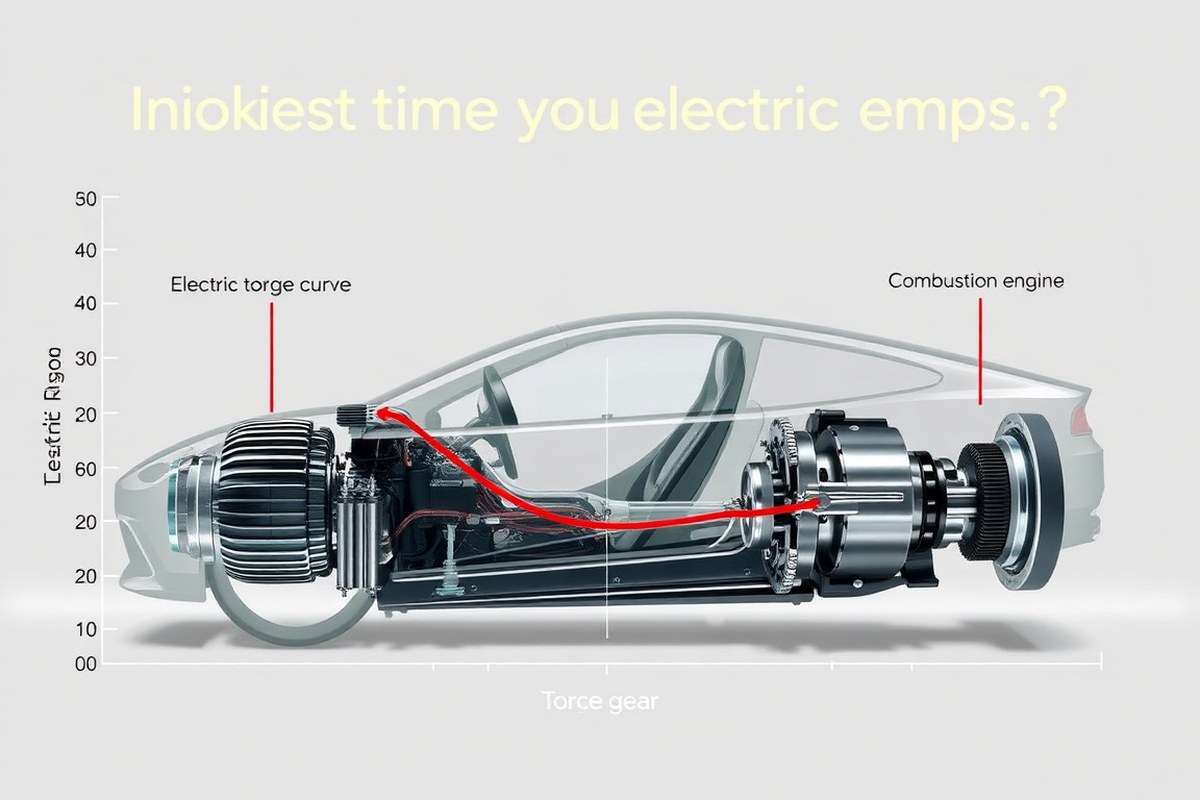
Electric cars don’t need multiple gears. Electric motors give full torque instantly. They work well at many speeds.
This makes shifting gears unnecessary for smooth acceleration and efficient cruising. Unlike traditional engines, electric motors can perform well without changing gear ratios.
Torque Delivery in Electric Motors
Electric motors create maximum torque right from zero revolutions per minute (RPM). This immediate torque means the car accelerates quickly without the need to shift gears. For example, you can feel instant push off the line in most electric cars.
Torque stays steady from stop to high speed. So electric cars don’t need many gears. They keep power without shifting much.
Gasoline engines need to hit certain RPMs. Only then do they give full torque. This is very different from electric motors.
The Power Band Difference
Gasoline engines produce usable power only within a limited RPM range. They struggle at low speeds unless shifted into different gears. That’s why conventional cars have transmissions with multiple gear ratios.
Electric motors have a much wider and flatter power band. They maintain strong torque across all speeds. Electric cars use one gear ratio for many speeds.
This covers both acceleration and highway cruising. It works efficiently for most driving.
Single-Speed Transmission Simplicity
The typical electric car uses a single-speed reducer gear. This gear ratio balances quick starts with a decent top speed without swapping gears. This setup reduces mechanical complexity and boosts reliability.
By removing the need for multiple gears, electric cars have fewer moving parts in the drivetrain. This simplicity lowers costs related to maintenance and repairs over the vehicle’s lifetime.
How Instant Torque Changes Driving Feel
Gas engines require revving up and shifting gears to build power. Electric motors deliver power instantly, creating a smooth and responsive driving experience. Drivers experience quick, linear acceleration without the interruptions of gear changes.
This instant torque also means electric cars can reach highway speeds without needing to change gears. One gear ratio handles speeds from zero up to about 100 mph.
This depends on motor type and vehicle design. Many electric cars work well this way.
When Multiple Gears Might Still Appear
Some fast electric cars use multi-speed gearboxes. This helps increase top speed or efficiency at very high RPMs.
Not all electric cars need this. However, most everyday electric cars don’t need them.
Adding multiple gears increases drivetrain complexity and cost. It also requires complex controls to manage gear shifts. That tradeoff usually isn’t worth it for typical electric vehicles focused on smoothness and reliability.
Driving an electric car without shifting gears means your acceleration stays smooth and steady. But top speed depends on the gear ratio chosen by the manufacturer.
How Does a Single-Speed Transmission Work in an EV?
Electric vehicles use a single-speed transmission. It sends power from the motor to the wheels directly.
It has just one fixed gear ratio, unlike a gas car with multiple gears. This setup simplifies power delivery and improves efficiency.
Components of a Single-Speed Transmission
The main parts include the electric motor, a fixed-ratio gear set, and a driveshaft. The motor converts electrical energy from the battery into mechanical power. The gear set reduces the motor’s high speed to a usable wheel speed.
This fixed gear ratio means the transmission has no shifting parts like clutches or multiple gears. A housing keeps everything aligned and lubricated for smooth operation. Most electric cars also include an inverter that controls electric current to the motor.
Power Transfer from Motor to Wheels
When you press the accelerator, electricity flows from the battery to the motor. The motor spins and sends torque through the single-speed reducer. This reducer lowers the motor’s rotational speed to match the wheels’ speed.
The fixed ratio gives smooth, consistent torque over a wide speed range. Electric motors produce peak torque from zero to high RPM.
A single gear powers the car in most conditions. This direct connection reduces power loss and improves electric car range.
Maintenance Needs and Durability
Single-speed transmissions have fewer moving parts. So they require less upkeep than gas car gearboxes. You don’t need to change transmission fluid often in electric vehicles.
Some models may never require fluid changes. This lowers maintenance costs over the car’s life.
Electric transmissions last longer because they don’t suffer from clutch wear or gear grinding. Still, it’s smart to follow the manufacturer’s service schedule. Checking for leaks or unusual noises helps catch rare problems early.
Are There Electric Cars with Multi-Speed or Manual Gearboxes?
Some electric cars do use multi-speed transmissions, mainly in high-performance models. These typically have two-speed gearboxes that shift automatically. Manual gearboxes are possible but rare and not common in everyday EVs.
Examples of Multi-Speed EVs and Their Gearboxes
A few high-performance electric cars use two-speed transmissions to improve efficiency. They switch gears automatically to balance power and range. Most EVs stick to single-speed setups because they are simpler.
Some prototypes and experimental EVs have multi-speed gearboxes to test performance gains. These setups are rare and often found in race or sport electric cars. Simulated manual gearboxes appear more in hybrids, not pure EVs, to blend combustion and electric power.
| Type of Electric Car | Transmission Type | Gear Count | Shifting Method |
|---|---|---|---|
| High-Performance EVs | Two-Speed Gearbox | 2 | Automatic |
| Mass-Produced EVs | Single-Speed Transmission | 1 | None (fixed gear) |
| Hybrid Vehicles | Simulated Manual / CVT | Variable | Automatic or simulated manual |
| Rare Custom EVs | Manual Gearbox (clutch and knob) | Varies | Manual (driver shifts) |
Two-speed gearboxes in high-performance EVs help with efficiency at highway speeds. Regular EVs benefit from a single gear because electric motors provide strong torque across speeds.
Pros and Cons of Multi-Speed vs Single-Speed
Multi-speed gearboxes can boost efficiency and top speed in some EVs. They enable better acceleration and range at higher speeds by optimizing motor power. The tradeoff is added complexity, weight, and maintenance needs.
Single-speed transmissions are simple, reliable, and cost less to make and maintain. This design fits the broad torque band of electric motors well. However, single gear setups sometimes limit top speed or efficiency at extremes.
Manual Transmission in Electric Cars: Reality or Myth?
Manual gearboxes with clutch pedals exist in some custom or experimental EVs. You can technically add one by adapting a traditional transmission. Most mass-produced EVs don’t offer manuals because the electric motor’s torque control simplifies driving.
Manual shifting may appeal to drivers who enjoy hands-on control but adds complexity and reduces smoothness. Automatic transmissions keep the driving experience simpler, smoother, and more efficient. In daily EV use, a manual gearbox isn’t practical.
How Does the Transmission Affect Electric Car Performance?
Electric cars usually have a single fixed gear ratio. This gear ratio balances quick acceleration and good top speed. It also helps use the battery efficiently.
Electric motors give instant torque. You don’t need many gears to gain speed. Gas engines need more gears for that.
Having just one gear means electric cars accelerate smoothly and consistently. You won’t feel or hear gear shifts while driving. Many new drivers find this surprising.
It’s a quiet experience. The car moves forward right away.
It keeps pulling hard until top speed. Top speed can be 95 mph or more.
Most electric cars skip multiple gears. The motor reaches high RPMs, often up to 20,000. This works well for smooth power.
A single gear lets the car handle city traffic and highway speeds efficiently. A lower gear ratio means faster acceleration but lower top speed. It trades speed for quick starts.
A higher gear ratio slows acceleration but improves highway cruising. This means better efficiency at speed.
Because of the single-speed setup, electric cars tend to feel different from gas cars. No engine noise or shifting means you must watch speed closely. You rely on the speedometer or how the car feels.
Driving feels calmer without shifts or engine noise. This helps in traffic or on long trips. You get less tired.
One gear limits how fast the car can go. The fixed ratio sets the top speed cap. So don’t expect sports car-level speeds unless that was designed in.
Single-speed electric cars beat many gas cars in acceleration. They deliver torque instantly for quick starts. This often leads to quicker takeoffs from a stop.
They also reach highway speeds easily. No shifting makes driving simpler and smoother.
Multi-speed electric cars are rare. Only a few models use two-speed transmissions.
Most drivers don’t need it since the single gear handles daily driving very well. The consistent, shift-free performance makes the electric driving style smoother and easier to enjoy.
Why Electric Cars Have Simplified Drivetrains Compared to Gas Cars
Electric cars use a drivetrain with far fewer moving parts than a gas car. Instead of a multi-gear transmission, most EVs use a single-speed unit. This means no clutch or transmission fluid changes are needed.
Electric drivetrains have fewer parts that wear out. That lowers chances of breakdowns.
This simpler design affects reliability a lot. With fewer parts grinding against each other, there’s less chance for mechanical failure. This cuts repair needs and brings down maintenance costs.
It lasts longer than conventional transmissions on your car. You save money over the car’s life.
When an electric car’s transmission does break, repairs tend to be less frequent and less costly. There are no shifting parts to replace in electric drivetrains. Most problems involve the electric motor or its controller.
You may need a specialist for these repairs. But these parts generally last longer and need professional attention. So you’ll want a licensed EV technician for serious problems.
How Regenerative Braking Works with Electric Car Transmissions
Electric cars use a single-speed transmission that links directly to the regenerative braking system. When you lift off the accelerator, the motor switches roles and acts as a generator. This slows the car down.
It sends energy back to the battery. It uses the same transmission that drives the wheels.
The transmission affects how smoothly regenerative braking works. Because there aren’t multiple gears to shift, deceleration feels steady and predictable. The single-speed reducer gives resistance right away.
It changes kinetic energy into electrical energy. It helps slow the car without using the brakes.
Some electric cars let you adjust regenerative braking strength with paddle shifters on the steering wheel. These controls don’t change gears. They control how much energy the motor recovers during slowing.
A stronger regen setting makes the motor resist the wheels more. This sends more energy to the battery. It also slows the car faster when you lift off.
This setup reduces energy loss compared to conventional brake systems, which waste energy as heat. Regenerative braking recovers a good portion of that energy, helping extend the driving range. The single-speed transmission keeps the motor and wheels directly connected.
This setup is simple. It supports the whole process well.
Multi-gear transmissions like in gas cars make regenerative braking less smooth. Shifting would interrupt the recovery process, making energy return less efficient. The single-gear design helps electric cars catch energy at many speeds.
This works well in city driving. It keeps energy capture steady.
Transmission Maintenance and Warranty for Electric Vehicles
Electric car transmissions require far less maintenance than gas car transmissions. They usually have a single-speed gearbox. This means fewer moving parts.
There is no clutch to wear out. You won’t need regular transmission fluid changes like gas vehicles do.
Most electric vehicles don’t have traditional transmission fluid. Some use very small amounts of special lubricant.
This reduces the cost and hassle of fluid care and disposal. Without fluid changes, you cut down on both maintenance time and environmental waste.
Transmission systems in EVs typically come with the powertrain warranty. This warranty often lasts 8 years or 100,000 miles, covering the motor, battery, and transmission components. Always check your specific manufacturer’s warranty details to know what parts are protected.
Basic transmission maintenance in electric cars focuses on inspections rather than replacements or fluid swaps. You should have a technician check the transmission housing and motor connections during regular service intervals. Any unusual noises or vibrations might signal a need for further diagnostics.
Costs for electric transmission maintenance are generally lower than those for gas vehicles. Since fluid changes and clutch repairs aren’t needed, you save on parts and labor. Still, repairing electric transmission parts can get expensive if a problem goes untreated.
Keep your electric car’s transmission cool by avoiding heavy loads for a while. This helps stop overheating. It prevents damage to your drivetrain.
The Future of Gears and Transmissions in Electric Vehicles
Electric cars mostly use single-speed transmissions today. Electric motors provide smooth power across wide speeds. This design keeps things simple and efficient.
This setup is simple and saves weight and cost. Still, some manufacturers explore multi-speed gearboxes to improve efficiency at highway speeds and boost acceleration.
Additions like two-speed transmissions can raise an EV’s top speed without making the motor bigger. For example, a two-speed cuts motor RPM at cruising. This improves efficiency and reduces wear.
It lowers the stress on the motor. But extra parts add weight, complexity, and costs.
This makes multi-speed less common for city-focused EVs. Most prefer simpler systems for easy driving.
Manual transmissions are rare in electric cars since electric motors provide instant torque and smooth acceleration. Adding a manual would add complexity without much gain. However, niche sports EVs might experiment with multi-speed drivetrains to offer more driver involvement and control.
Automakers often decide on using multi-speed gearboxes based on vehicle type, cost goals, and driving needs. Trucks and sports cars might benefit from more gears to handle heavy loads or boost performance. Smaller city EVs tend to stay with single-speed setups for simplicity and reliability.
New transmission tech for EVs includes CVTs and advanced multi-speed setups. These use smart software to control shifting. They aim to boost efficiency and performance.
These can fine-tune motor output, increasing range and improving ride quality. However, these systems have more complexity and higher costs.
They also need more maintenance than single-speed gearboxes. That can make ownership harder.
Some EV makers also explore integrated drivetrain designs, combining motor and gearbox in a compact unit. These reduce space and weight and improve power delivery.
But they require precise engineering and more costly production methods. So they’re mostly seen in premium models today.
Careful testing shows added gears must prove clear benefits. They should improve range or performance noticeably. Otherwise, single-speed transmissions remain better for EVs.
Otherwise, the simpler single-speed designs remain preferred. The future may see wider adoption of multi-speed setups as battery and motor tech evolve. But for now, simplicity wins for most drivers.
Step-by-Step Action Plan to Understand Electric Car Gears
Here’s how you can quickly get a grip on electric car transmissions. Follow these simple steps to check what suits your driving needs.
- Today: Learn that most electric cars use a single-speed transmission. Notice how smooth the acceleration feels compared to gasoline cars.
- This week: Take a test drive in an electric vehicle. Pay attention to how it handles changes in speed without shifting gears.
- After one week: Research if any electric models offer multi-speed gearboxes. See how they compare in performance and maintenance.
- Week two: Explore how regenerative braking works with the transmission. Try to feel how it slows the car and helps recharge the battery.
- Week three: Check the maintenance schedule for your EV’s transmission. Note that it usually needs less upkeep than gas car gearboxes.
- One month in: Decide if you like smooth driving or gear shifts. Think about how each feel suits your electric car experience. Choose your favorite style after some driving. Your choice affects which EV you pick.
- Ongoing: Follow updates in EV transmission technology. New designs could offer changes in the next few years.
Frequently Asked Questions
Why Don’t Electric Cars Have Traditional Gear Sticks?
Electric cars don’t need gear sticks because they use one fixed gear ratio. This lets the motor accelerate smoothly without shifting gears like a gas car.
How Does a Single-Speed Transmission Limit Electric Car Speed?
The single-speed transmission sets a balance between acceleration and top speed. It means the car can’t go much faster without changing to a different gear ratio.
Are There Electric Cars That Require Manual Shifting?
Almost all electric cars use automatic single-speed gearboxes, so no manual shifting is needed. Some rare models have tried multi-speed transmissions but they are unusual.
What Happens to Acceleration Without Multiple Gears in an Electric Car?
Acceleration is smooth and linear because the motor adjusts power electronically. There’s no pause or jerk from gear changes like in a combustion engine car.
Can Electric Car Transmissions Fail Without Gear Changes?
Electric car transmissions are simpler and less likely to fail since they have one gear. They don’t need regular fluid changes or clutch service like gas car gearboxes.
Wrapping Up
Electric cars mostly skip multiple gears for simpler drivetrains. This means easier maintenance and smooth driving for you. Look for one to test drive soon and experience the difference yourself.