How Much Does a Truck Tire Weigh: A Complete Guide with Sizes & Safety Tips
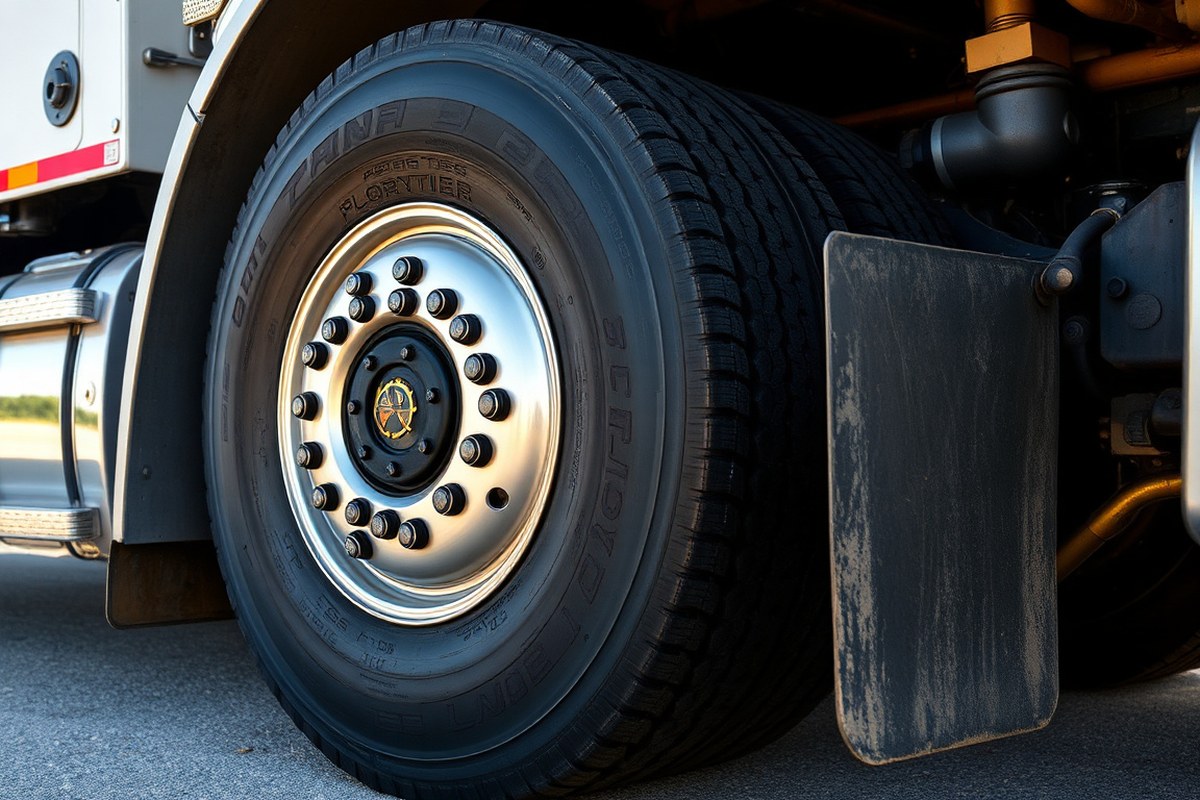
How much does a truck tire weigh depends a lot on the truck type. Smaller pickup truck tires usually weigh between 45 and 70 pounds. Big highway semi-truck tires usually weigh 100 to 150 pounds.
That weight is just for the tire alone. Some tires might weigh even more.
Keep in mind, the tire mounted on its wheel weighs much more, often over 160 pounds. This heavier weight matters for safety and handling during installation. Knowing the actual weight helps you prepare for lifting and transport.
Start by checking the tire size and type before estimating weight. Different tread depths and load ranges change the pounds noticeably. Pay close attention to these details before buying or working with truck tires.
Key Takeaways
- Truck tire weight varies widely by truck size and tire model.
- Smaller pickups have tires weighing 45 to 70 pounds.
- Highway semi-truck tires often weigh 100 to 150 pounds each.
- Tire-and-wheel assemblies can exceed 160 pounds in weight.
- Check tire size and load to estimate weight accurately.
- Heavier mounted tires require extra care during handling.
How Much Does a Truck Tire Weigh on Average?
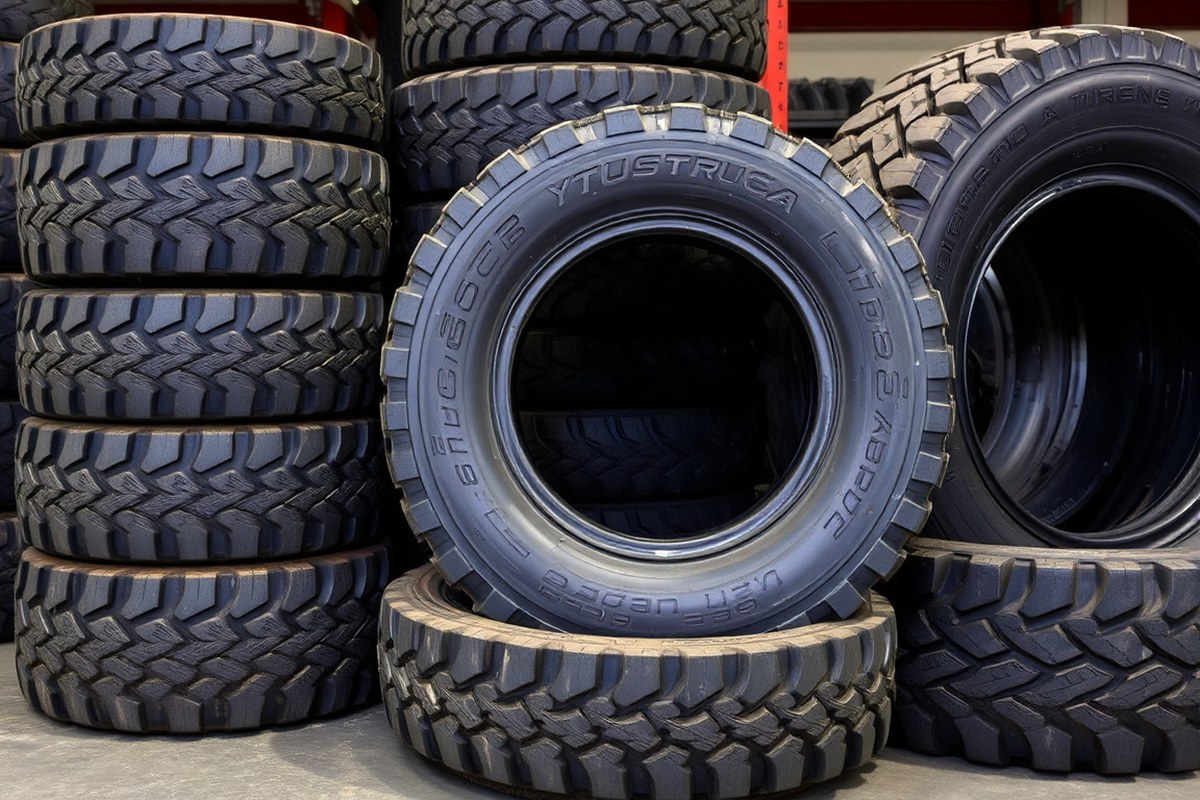
Truck tires vary widely in weight, depending on their size and use. Light truck tires for pickups and SUVs typically weigh between 45 and 70 pounds each. These tires suit smaller work trucks and everyday vehicles with moderate load needs.
Heavy-duty commercial truck tires usually weigh much more. Many standard highway semi truck tires fall between 100 and 150 pounds per tire. Some regional or deep-tread commercial tires weigh 120 to 160 pounds.
They are built to handle tougher road conditions. These tires handle rougher jobs better.
Agricultural, mining, or off-the-road tires are far heavier. These can weigh several hundred pounds. They fit tractors, loaders, and quarry trucks that require extra traction and durability.
Here’s a rough comparison by vehicle type and tire size to help you get exact numbers. Light truck and SUV tires range from about 45 to 70 pounds. Heavy-duty truck tires weigh from 100 to over 200 pounds.
The weight depends on the load capacity and tire model. Different models vary a lot in weight. Smaller pickups usually have tires near 50 to 80 pounds.
22.5-inch commercial semis often weigh 100 to 140 pounds each. Off-road and industrial equipment tires weigh more than 200 pounds.
These are the heaviest tire types you’ll find. They support very heavy loads and rough terrain.
What Factors Influence Truck Tire Weight?
The weight of a truck tire depends on several parts and design choices. The rubber compound makes up a large part of the tire’s mass. It often contains additives that improve durability.
These additives add extra weight to the tire. A stiffer or thicker rubber often weighs more, which affects the tire’s overall heaviness.
Construction plays a big role too. The ply rating shows how many layers of fabric or steel reinforce the tire. Higher ply ratings add weight because more material supports heavier loads.
These additives make the tire stronger. They also add weight. Sometimes, weight increases by 20 to 30 percent compared to lower ply tires.
The tread design influences weight as well. Deeper treads, common on off-road or all-terrain tires, add rubber bulk and weight.
Tires made for highway use often have shallower tread to save weight and lower rolling resistance. However, aggressive tread patterns mean more rubber and more weight.
Load range and tire model create weight differences even among tires of the same size. A load range D tire weighs more than a load range C. This happens because it has a stronger casing. It also has thicker sidewalls.
Also, some tire models use lighter composites or special designs to reduce weight. Others focus on durability, adding heft.
Size definitely impacts weight. But the internal structure and materials do as much or more. You can expect a typical 11R22.5 commercial tire to weigh about 125 pounds.
But it could be heavier with deeper tread or stronger casing materials. On the other hand, a 295/75R22.5 highway tire often weighs 120 to 130 pounds, with variations depending on design.
Check the manufacturer’s spec sheet closely. Tire models with similar sizes can differ in weight by up to 25%. Knowing ply rating, tread depth, and load range helps pick the right tire weight.
How Truck Tire Size and Type Affect Weight
Truck tire weight depends heavily on diameter, width, type, and construction. Larger diameter and wider tires use more material, causing higher weight. Also, light truck tires are much lighter than commercial semis or specialty off-road tires.
Typical Light Truck Tire Sizes and Weights
Light truck tires usually fit pickups and SUVs. Their diameters range from about 28 to 35 inches. These tires weigh between 30 and 80 pounds, depending on width and construction.
They are designed for lighter loads and smoother roads. So they use less rubber and steel. This makes them easier to handle for everyday drivers and small fleet managers.
Commercial Semi-Truck Tire Sizes and Weights
Semi-truck tires typically come in 22.5 or 24.5-inch diameters. They often weigh 60 to 120 pounds or more per tire. These tires use heavier steel belts and thicker rubber to carry large weights over long distances.
Because of their size and materials, semi tires add significant weight to the truck. This increases rolling resistance, affecting fuel economy on long hauls.
They also have higher load ratings than light truck tires. These help protect you and your cargo during heavy-duty trucking jobs.
Specialty and Off-Road Truck Tire Weights
Specialty tires include off-road, mining, and agricultural tires. They often measure over 40 inches in diameter and can weigh several hundred pounds each. For example, monster truck tires can reach about 66 inches tall.
These tires use thick sidewalls and tough treads. They are built to handle rough terrain and extreme conditions, which drives up their weight significantly. Here is a table showing typical weights by common truck tire sizes and types:
| Tire Type | Diameter (inches) | Weight (pounds) |
|---|---|---|
| Light Truck (Pickup) | 28 – 35 | 30 – 80 |
| Semi-Truck (22.5 inch rim) | 22.5 | 60 – 80 |
| Semi-Truck (24.5 inch rim) | 24.5 | 70 – 120 |
| Off-Road / Mining | 40+ | 200 – 500+ |
| Monster Truck | 66 | 700+ |
The exact weight varies by manufacturer and construction style. Wider tires add 10 to 20 pounds for light trucks.
They can add even more weight for semis. Picking the right size keeps your truck balanced and fuel efficient.
How to Weigh a Truck Tire and Wheel Accurately
Use a heavy-duty industrial scale made for truck parts. It gives exact weight for truck tires or tire-and-wheel assemblies. This tool works best for precise weighing.
Prepare the tire by removing dirt and debris. Use safety gear to handle the weight. You need to know if you want just the tire weight or the whole assembly weight.
This helps you choose the right tools. Knowing this makes the process easier.
Using an Industrial Scale for Tire Weighing
Truck tires and assemblies often weigh between 100 and 230 pounds. So you need a scale rated for heavy loads. These scales, commonly found in truck service centers, can weigh large tires and wheels safely.
Wear gloves when moving the tire onto the scale. Use a wheel dolly or lift assist to avoid injury. This keeps you safe and prevents damage.
Place the tire or assembly carefully centered on the scale platform to avoid inaccurate readings. Remove excess dirt or water, which can add extra pounds and throw off the weight measurement. Handling the tire safely prevents damage to the equipment and injury during weighing.
- Clear dirt or debris from the tire using a brush or cloth.
- Put on protective gloves and eye protection for safety.
- Use a wheel dolly or a lift assist tool to position the tire on the scale.
- Ensure the tire is centered on the scale’s platform for an accurate read.
- Record the weight displayed on the scale.
- Subtract the known wheel weight after weighing the combined tire and wheel. This gives you the tire-only weight. It’s a simple calculation.
Estimating Weight from Tire Sidewall Codes
The tire sidewall often lists key codes and numbers that help estimate the tire weight. These include size, load rating, and tire type, which influence the approximate weight range. This way doesn’t replace a real scale’s accuracy.
It provides a quick weight estimate instead. Use it only when you don’t have a scale.
For example, a 22.5-inch commercial truck tire usually weighs between 100 and 150 pounds, depending on its sidewall details. Remember, sidewall-based estimates won’t reflect dirt accumulation or retread material differences that add weight.
Consulting Manufacturer Specifications for Weight
Check the manufacturer’s technical sheets or website for exact tire weight. This is usually the easiest way. The info is often detailed and reliable.
They usually list tire weight and separate wheel weights clearly. This info helps confirm your weighed values or estimate weights before buying or installing.
Manufacturer specs vary by tire model and wheel type. For example, a 22.5-inch aluminum wheel tends to weigh about 36 pounds.
A steel wheel weighs 65 to 79 pounds. Comparing these weights to the total assembly weight from the scale helps check your calculations.
Tire Weight vs. Tire-and-Wheel Assembly Weight
A truck tire alone only tells part of the weight story. The mounted tire-and-wheel assembly includes the tire, the wheel, valve hardware, and sometimes balancing weights. Truck wheels often weigh 40 to 70 pounds for steel.
Aluminum wheels weigh 30 to 50 pounds. Weight depends on wheel size and material.
This extra weight makes the mounted assembly significantly heavier than the tire itself. For example, a typical 22.5-inch steel truck wheel can weigh about 60 pounds. The tire weighs 120 pounds.
The whole assembly might be 180 pounds. The wheel adds half the tire’s weight in this case.
Calculating the total mounted weight is simple. Add the tire weight, the wheel weight, and the weight of valve stems or balancing materials. Assume a valve stem adds about 0.5 pounds and balancing weights add around 2 pounds.
The formula goes like this: tire weight plus wheel weight. Add valve stem weight and balance weight. That equals assembly weight.
For instance, adding a 125-pound tire to a 60-pound steel wheel plus a 0.5-pound valve and 2-pound balance weight means the assembly weighs 187.5 pounds. This weight shows why four truck tires add up quickly.
Four assemblies weigh about 750 pounds total. Truck owners and fleet managers must consider this for lifting and handling.
Steel wheels weigh more and offer durability. Aluminum wheels reduce weight but cost more.
Swapping steel wheels for aluminum drops assembly weight by 10 to 20 pounds per wheel. This tradeoff affects fuel economy and handling in trucks.
When handling truck tire-and-wheel assemblies, always check the combined weight, not just the tire. The heavy assembly can cause injury if lifted improperly.
How Tire Weight Affects Fuel Economy and Handling
Heavier truck tires reduce fuel economy by adding rolling resistance. This resistance requires more energy from the engine to keep moving. For example, a 50-pound heavier tire on each wheel can cut fuel efficiency by about 0.5 to 1 percent on long trips.
That may not sound like much, but it adds up over thousands of miles. Reducing tire weight lessens the rotational mass the engine must turn. This improves acceleration and braking performance by allowing quicker speed changes and shorter stopping distances.
However, larger, heavier tires often offer better load capacity and durability. This means you may trade some fuel economy for stronger performance under heavy hauling conditions. Balancing tire weight and performance depends largely on your specific trucking needs.
To find the right balance, pick tires just heavy enough to handle your load safely. Avoid oversized tires that add unnecessary weight, unless you need their extra strength. Consider the routes you drive, and whether fuel savings or braking power matter more.
Swapping 200 pounds of tire weight for 50 pounds lighter saves fuel. You can cut fuel by about 1 to 2 percent on 10,000 miles.
That could mean roughly 10 to 20 gallons saved if your truck averages 6 mpg. For mixed-use trucks, lighter tires improve city driving and frequent stops.
Keep in mind, lighter tires often provide a smoother ride by reducing unsprung mass. This means less vibration and better comfort on rough roads. Conversely, very heavy tires might reduce ride quality and increase braking effort, especially when fully loaded.
Always consider tire weight with braking system condition. Brakes that are older or too small can cause longer stopping distances with heavier tires. Regular brake checks are essential if you upgrade to heavier tires to maintain safety.
Safety Tips for Handling Heavy Truck Tires
Lifting heavy truck tires can cause serious injuries like strains or crush accidents. Tires weighing 80 pounds or more require careful handling to avoid back, hand, and foot injuries. Always plan your lift to keep the tire close to your body and avoid twisting motions.
Use lifting aids such as tire carts, dollies, or hoists whenever possible. These tools reduce strain and improve control. When a tire feels heavy or awkward, ask for help.
Lifting alone can cause injury. Always consult a professional if unsure.
- Wear gloves to protect hands from cuts and pinches
- Put on steel-toe boots to shield feet from dropped tires
- Use a back brace for additional lumbar support if lifting manually
- Clear your path to avoid tripping hazards before moving tires
- Lift with your legs, not your back, keeping your spine straight
- Use tire carts or hoists for tires over 50 pounds
- Secure the tire when storing or transporting to prevent rolling
Proper personal protective equipment (PPE) helps you handle tires safely and comfortably. Gloves prevent hand injuries, while steel-toe boots protect against heavy impacts. Wearing a back brace may ease the strain during manual lifts, especially for frequent tire changes.
Avoid lifting in awkward positions or alone when tires weigh more than 60 to 80 pounds. Using a lifting aid or asking for help prevents injuries. It also saves on medical costs.
Take your time when lifting truck tires. Being careful also shortens repair times, letting you get trucks back on the road faster.
How to Estimate Truck Tire Weight Before Purchase
You can estimate truck tire weight by decoding its size, load range, and checking manufacturer data. Sidewall codes show size and load rating essential for guessing the weight. Asking tire dealers or mechanics helps confirm your estimate before buying.
Understanding Load Range and Ply Rating
Load range and ply rating affect a tire’s weight by showing its strength and capacity. Higher load ranges, like E or F, mean more rubber and heavier tires.
Ply rating indicates tire layers. A 16-ply tire typically weighs more than a 10-ply one.
Sidewall codes include the load index and speed rating after the size. For example, a code “11R22.5 144/141L” shows the tire is heavy-duty with a load index of 144. Higher numbers mean higher load capacity and generally increased tire weight.
Checking Manufacturer Data Sheets Online
Look for tire weight specs on the manufacturer’s website or product data sheets. Search for terms like “tire weight,” “unit weight,” or “product data.” Saving these sheets helps managers track exact weights, avoiding guesswork.
Continental’s data can guide estimates: a 10R22.5 tire weighs about 103 pounds. A 295/75R22.5 runs 124 to 126 pounds, while an 11R24.5 can reach 141 pounds. Load range and model details adjust these numbers slightly.
- Find the full tire size marked on the sidewall of your current or planned tire.
- Note the load range and ply rating shown on the sidewall or in code.
- Search for the exact model’s product data sheet online from the manufacturer’s site.
- Look for weight specifications listed in pounds or kilograms.
- Compare multiple sizes or load ranges to pick the best weight estimate.
- Save the data sheet for your records and future use.
Do not rely solely on size codes; actual tire weight varies by model.
Consulting Tire Dealers and Mechanics
Ask dealers and mechanics about tire weight using the tire size and load range. They often have access to up-to-date data sheets or experience with certain tires and weights. They can also explain differences caused by tread design or construction.
Request weight estimates for the same tire size but different load ratings or brands. Dealers might share recommendations based on your truck’s application and weight limits. Bring your tire sidewall code to get the most precise information.
Retreaded vs. New Truck Tire Weights and Environmental Impact
Retreaded truck tires usually weigh a bit less than new tires. For example, a new 11R22.5 tire weighs about 115 pounds. Its retreaded version can weigh around 105 pounds.
This difference is because retreaded tires keep the old casing. They get a new tread added on top. This tread weighs less than a full new tire.
Retreading saves a lot of resources. It uses about 50 to 60 fewer pounds of rubber.
It also saves oil compared to making a new tire. That means less energy spent on raw materials, less waste, and fewer emissions during production.
Here’s a comparison of typical weights and fuel impact. New tires weigh roughly 115 pounds each, retreaded ones around 105 pounds.
Saving 10 pounds per tire across 18 tires on a truck trims almost 180 pounds. That weight reduction can boost fuel economy by about 0.3 to 0.5 miles per gallon, depending on the truck’s load and driving conditions.
Retreaded tires perform well but not exactly like new ones weight-wise. The structural parts stay the same, so the tire holds weight risks the same. But old tires might feel a tiny difference in ride quality.
You keep the durability and load capacity. So retreads are safe when inspected and applied correctly.
Making a retread tire takes a few steps. First, the old tire is cleaned and inspected for damage. Heat and pressure put a new rubber tread on the casing.
This process takes only a few hours and costs roughly half what a new tire costs. The big win is using less material and saving energy. You avoid making a whole new tire from scratch.
One caution: retread tires rely on the original casing’s health. The tire won’t last long or carry weight safely if casing is damaged. Frequent inspections and following usage limits are key for safety and performance.
Retreading can reduce landfill waste by about 75 percent. Instead of tossing the whole tire, only the worn tread is replaced.
This lets you save money and help the environment. You can still carry heavy loads without adding much weight.
Step-by-Step Action Plan for Managing Truck Tire Weight
Handling truck tires properly requires careful steps. Follow these to manage tire weight safely and efficiently.
- Before Purchase: Check the manufacturer’s specs for tire weight by size and type. Confirm the weight to plan lifting and transport.
- Upon Delivery: Weigh the tire and wheel assembly using a certified scale. Match the weight to the specs to ensure accuracy.
- Daily Operations: Inspect tires for wear and retreading status. Retreaded tires usually weigh slightly less, which might affect handling.
- Weekly Maintenance: Record tire weights and compare them to your fuel economy logs. Notice changes that might indicate tire inflation or damage problems.
- Handling Tires: Always use lifting equipment for truck tires over 50 pounds to reduce injury risk. Confirm your gear’s weight capacity before moving tires.
- Before Installation: Estimate the tire weight to balance load distribution across axles. Use this info to prevent uneven wear and improve handling.
- After Installation: Test drive to check fuel economy and handling changes. Adjust tire pressure or switch tires if you notice performance drops.
- Long-Term Fleet Planning: Consider lighter tire options if fuel savings and easier handling are priorities. Compare environmental impacts too.
Frequently Asked Questions
How Much Does a Single Commercial Semi-Truck Tire Weigh?
A commercial semi-truck tire alone typically weighs between 100 and 140 pounds. The exact weight depends on its size, tread depth, and load capacity.
Why Do Truck Tires Weigh More Than Car Tires?
Truck tires are thicker and built for heavier loads, which adds weight. They use stronger materials for durability and safety under tough conditions.
Does the Wheel Add Significant Weight to the Tire?
Yes, the wheel can add another 60 to 100 pounds to the tire assembly. Always consider tire and wheel weight together for accurate handling or lifting.
How Much Does a Light Pickup Truck Tire Usually Weigh?
Light pickup truck tires typically weigh between 45 and 70 pounds. The weight varies based on tire size and type.
Can Tire Weight Affect My Truck’s Fuel Consumption?
Heavier tires use more fuel because your engine works harder to turn them. Lighter tires can slightly improve fuel economy and handling.
Key Points to Remember
Truck tire weight varies widely by size and type. So knowing the exact number helps with safety and performance.
Next, get your tires weighed or check their specs before buying or installing. That small step can save money and avoid injuries.