How Fast Does an Airbag Deploy? Essential Facts and Safety Tips
How fast does an airbag deploy in a crash? It can inflate in as little as 0.05 to 0.1 seconds after impact. This speed helps protect you by cushioning your body before hitting the steering wheel or dashboard.
The inflation can happen at speeds over 100 miles per hour. That means the bag fills up so quickly it absorbs much of the crash force instantly. Your safety depends on this rapid response.
To stay safe, keep at least 10 inches between your chest and the wheel. This distance helps the airbag work properly during impact. Always check your seating to keep this space clear.
That space gives the airbag room to work properly without causing injury. Also, never ignore your seatbelt because airbags work best with it.
Key Takeaways
- Steering wheel airbags typically deploy at 8 to 14 mph impact speeds.
- Airbags inflate within 50 to 100 milliseconds after detecting a crash.
- Keep a 10-inch gap between your chest and the airbag for safety.
- Airbags can inflate at speeds up to 220 mph during deployment.
- Seatbelts reduce fatal injury risk by 61% when combined with airbags.
- Unbelted occupants trigger airbags at impacts equivalent to 10-12 mph.
How Fast Does an Airbag Deploy in a Crash?
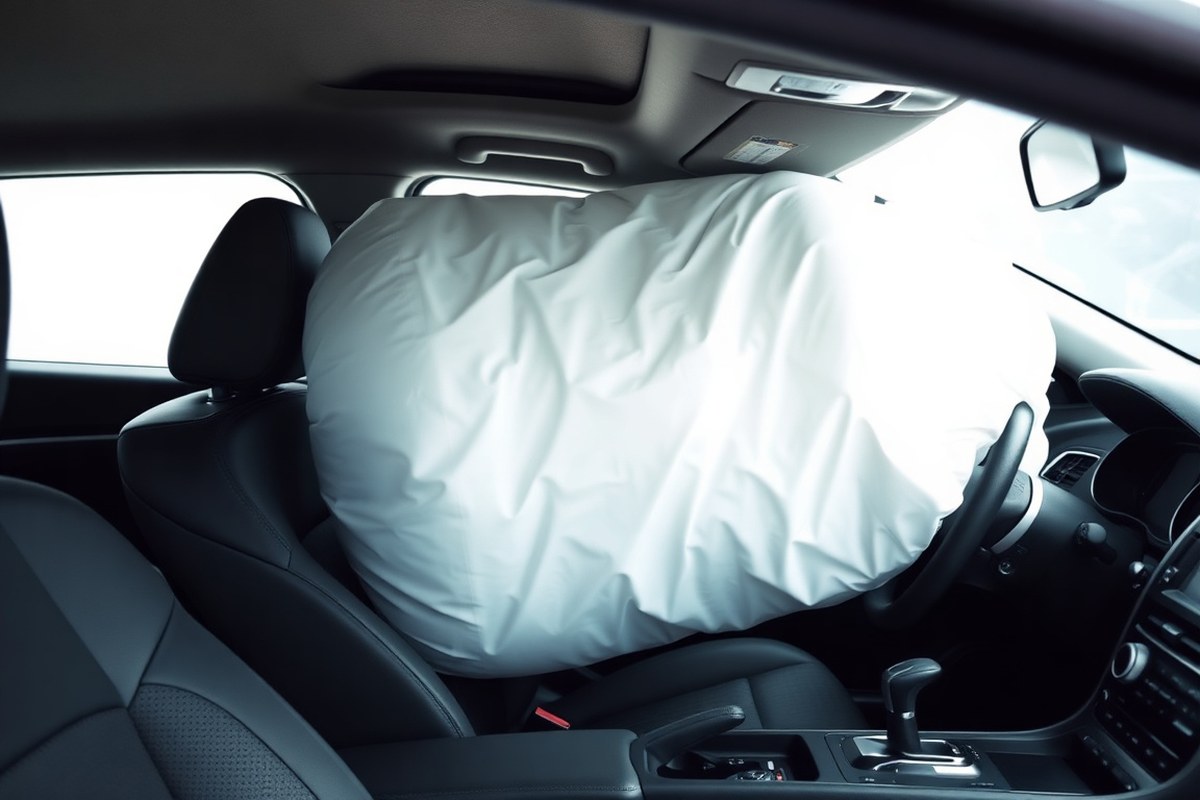
An airbag fully inflates in about 20 to 30 milliseconds after crash detection. The entire deployment process can take up to 50 milliseconds. It starts with sensing the impact.
Then the airbag inflates fully. The fastest recorded airbag inflation time is 15 milliseconds, achieved by some advanced safety systems.
The deployment starts with sensors detecting a crash within 15 to 20 milliseconds. Once detected, these sensors instantly trigger the inflator. Gas fills the airbag at 150 to 200 miles per hour.
This rapid gas flow expands the fabric quickly. The airbag reaches full size fast.
For context, a human blink takes roughly 100 to 150 milliseconds. A typical human reaction time to visual stimuli ranges from about 150 to 250 milliseconds. Airbags inflate in less than a third of a blink or reaction time.
This quick action is critical during a crash. It helps protect you immediately.
The airbag’s rapid inflation helps position a cushion before your upper body moves forward. Usually, your body shifts about 40 to 50 milliseconds after impact. By the time you might move, the airbag is fully inflated.
It protects you from hard surfaces, like the steering wheel. This reduces injury risk.
Different airbags may vary a bit in deployment time, typically falling between 20 and 100 milliseconds. The exact timing depends on the airbag type and crash severity. Two-stage airbags inflate partially in moderate crashes.
In severe crashes, they inflate fully and faster. They adjust speed based on impact severity.
Since airbags deploy so quickly, they can’t adjust once triggered. That’s why sensors must be very precise to avoid unnecessary deployment. The fast timing means airbags work best with seat belts.
Seat belts slow your body just enough for the airbag. This allows the airbag to cushion impact well.
What Triggers Airbag Deployment and How Do Sensors Detect Crashes?
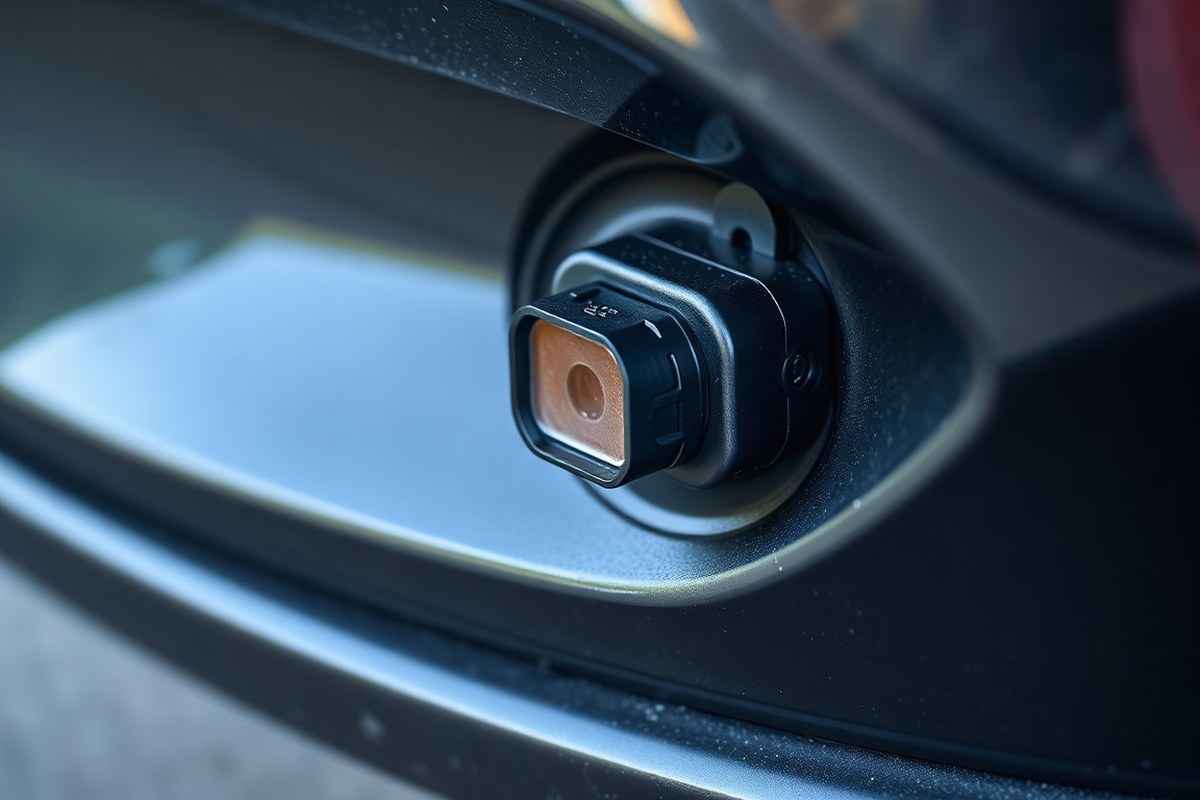
Airbags deploy after crash sensors detect a sudden impact. These sensors send signals within 10 to 20 milliseconds to the airbag control unit. The unit then decides whether deploying airbags is necessary based on the crash severity.
Types of Crash Sensors Used in Vehicles
Vehicles use accelerometers and crash sensors to detect rapid deceleration. These sensors measure how fast the car’s speed changes during a collision. They also detect the angle of impact to assess the crash type and severity.
Side airbags rely on sensors that respond to side impacts within 10 to 20 milliseconds. Weight sensors and seatbelt buckle switches give extra data to the control module. They help decide the right force to deploy the airbags.
This makes deployment safer and more effective. Together, these sensors form a network that constantly monitors crash conditions.
Signal Flow from Sensors to Airbag Control Unit
The process starts when sensors detect a sudden speed change or impact force. These sensors send electronic signals to the airbag control unit within 10-20 milliseconds. The control unit rapidly analyzes data to confirm if airbags should deploy.
The airbag control unit processes inputs many times per second. It compares sensor data with programmed criteria about collision severity and occupant status. The control module sends an immediate deployment signal when thresholds meet the criteria.
- Sense sudden deceleration or impact using onboard crash sensors.
- Send electronic signals to the airbag control unit within 10-20 ms.
- Analyze signal data to estimate crash severity and impact direction.
- Compare data with deployment criteria programmed into the control module.
- Include occupant weight and seatbelt status to adjust deployment force.
- Determine whether airbags need to deploy based on all inputs.
- Send deployment signals to inflators, starting airbag inflation.
Regular maintenance checks help ensure all crash sensors and the control unit work properly. Faulty sensors can cause airbags to fail or deploy unnecessarily.
How Sensors Differentiate Impacts for Deployment Decisions
Sensors detect how quickly the vehicle slows down and from which angle the impact occurs. They measure deceleration rates, not just crash force. This helps the control unit tell a real collision from minor bumps.
The airbag control unit uses these details to avoid deploying airbags in low-risk situations. It also evaluates occupant information like seat position and weight. This reduces unnecessary or harmful deployments during less severe events.
At What Speeds Do Airbags Usually Deploy?
Airbags usually deploy when a crash hits certain speeds. These speeds vary by airbag type and seatbelt use. The exact trigger depends on those factors.
Frontal airbags activate near 10 to 12 mph for unbelted drivers. For belted drivers, they trigger at 16 mph or higher. Seatbelt use changes deployment speed.
Side airbags deploy at lower speeds than frontal airbags. They activate around 8 to 18 mph. This is because side impacts are closer to passengers.
Side curtain airbags also respond at low speeds, typically between 8 and 14 mph. These airbags stay inflated longer during rollovers to protect your head.
Airbags generally won’t deploy below 8 mph. But precise thresholds depend on the crash object and impact angle.
| Airbag Type | Deployment Speed (mph) | Deployment Speed (km/h) |
|---|---|---|
| Frontal (unbelted) | 10, 12 | 16, 19 |
| Frontal (belted) | 16+ | 26+ |
| Side airbags | 8, 18 | 13, 29 |
| Curtain airbags | 8, 14 | 13, 23 |
The crash object and severity affect these speeds. For example, hitting a narrow pole may deploy side airbags around 8 mph.
Hitting a large wall tends to need a higher impact speed. Airbag sensors calculate the force and type of crash before sending the signal to inflate.
Knowing these thresholds helps you understand airbag responses after a collision. Remember, seatbelt use raises the minimum speed for a frontal airbag to deploy. This lowers injury risks by controlling your movement during the crash and pairs safely with airbags.
How Do Different Airbags Vary in Deployment Speed and Function?
Different airbags deploy at varying speeds and serve distinct purposes. Frontal airbags inflate slower than side or curtain airbags. They have more room to fill between you and the dashboard.
This makes the deployment take more time. Side airbags inflate quickly because they must fill a small space.
This space is near the doors to protect your torso. Fast inflation helps protect during side impacts.
Multi-stage airbag systems adjust deployment based on crash severity. A frontal airbag might inflate gently in a minor crash but fully in a severe one. This change lowers the chance of injury from the airbag itself.
It’s especially true if you sit too close or wear seatbelts wrong. Quick and proper inflation reduces harm.
Knee airbags sit below the steering wheel and protect your legs during frontal crashes. They deploy after the frontal airbags, cushioning your knees from hitting hard surfaces. The timing matters to keep your driving controls clear.
Airbags deploy just before or during a crash. This helps avoid blocking your hands or steering.
Here is a comparison of deployment speeds and purposes for common airbag types:
| Airbag Type | Approximate Deployment Speed (milliseconds) | Main Protection Area |
|---|---|---|
| Front Airbags | 20-30 | Head and Chest |
| Side Airbags | 10-20 | Torso |
| Curtain Airbags | 20-50 (may stay inflated longer) | Head |
| Knee Airbags | Varies | Lower Legs |
Side and curtain airbags deploy faster to protect against rapid side impacts. Curtain airbags also deploy in rollovers and may stay inflated longer to reduce head injuries. Knee airbags deploy a little later, giving your legs protection without blocking your move.
In a moderate crash, a car with multi-stage frontal airbags might first deploy them softly. Sensors detect when a crash is severe. Strong impacts trigger full inflation of airbags.
This gives you the best protection possible. This staged deployment helps reduce the risk of airbag-related injuries while still providing safety.
What Chemical Process Inflates the Airbag so Quickly?
The airbag inflates through a fast chemical reaction inside the inflator. This reaction releases nitrogen gas within 20 to 30 milliseconds. The gas fills the folded nylon bag almost instantly, protecting you in a crash.
Composition of Airbag Inflator Chemicals
The inflator contains solid chemical compounds like sodium azide or guanidine nitrate. When activated, these chemicals burn and break down rapidly. This produces nitrogen gas as the main product, which inflates the airbag.
The chemicals are sealed inside a metal canister designed to withstand high pressure. Igniting these solids causes them to decompose quickly. This fast process creates large amounts of nitrogen gas in a tiny fraction of a second.
Timeline of Gas Generation and Inflation
Crash sensors trigger the inflator, which then lights the propellant. The chemical reaction releases nitrogen gas quickly. The airbag inflates in under 50 milliseconds, or less than 1/20 of a second.
The rapid chemical break down causes a huge increase in gas pressure. The gas heats up to over 300°C but cools quickly as it expands. All together, the nylon bag inflates at nearly 150 to 200 mph, breaking through the cover.
- Receive signal from crash sensor control unit.
- Ignite solid chemical propellant inside inflator.
- Propellant rapidly decomposes, producing nitrogen gas.
- Pressure inside the inflator rises sharply.
- Gas expands and cools as it flows out.
- Nylon airbag inflates quickly to full size.
- Airbag breaks through steering wheel or dashboard cover.
Reasons for Using Nitrogen Gas in Airbags
Nitrogen is a stable, non-toxic gas that produces a smooth inflation. Its molecules expand quickly, filling the airbag in milliseconds. This rapid inflation cushions your body and prevents injury.
The chemical reaction produces nitrogen because sodium azide and related compounds break down into nitrogen gas. This gas inflates the bag without releasing harmful substances. Other gases, like oxygen, could cause combustion or damage the airbag material.
Always let a licensed mechanic handle airbag repairs to avoid accidental deployment or injury.
Why Do Airbags Deflate so Quickly After Deployment?
Airbags deflate quickly after inflating to avoid pushing occupants too hard. They stay inflated for only about 100 to 200 milliseconds before deflating. Airbags deflate quickly to soften the impact.
They then clear the way fast. This helps protect you better in a crash.
The deflation process starts as the airbag’s fabric has small vents or holes. These vents let the gas inside the bag escape almost immediately after full inflation. Gas escapes through vents in the airbag.
This makes the airbag shrink fast. It lowers pressure on you in the crash.
The quick gas release is very important. It cushions the blow gently. It also prevents holding you too tight.
A fully inflated airbag might trap you. This can cause more injury during a crash. The crash’s forward motion gets worse.
Deflation helps you move away smoothly. Your seat belt also helps absorb the crash energy. Both work together to keep you safer.
Here’s how rapid airbag deflation protects you:
- The airbag inflates rapidly in 20 to 30 milliseconds to protect you immediately.
- Small holes in the airbag allow gas to start escaping right after inflation.
- Within about 200 milliseconds, the airbag deflates to reduce pressure on your body.
- This timing helps prevent injury caused by the airbag pushing too hard.
- Deflation clears space so you can move safely after the crash impact.
Some airbags, like side curtains, stay inflated longer. They protect you during rollovers or side hits. This gives more lasting safety.
Front airbags quickly release their gas. This stops you from being held tightly. It also prevents pushing you into the wheel.
The airbag must balance inflation with deflation. This design helps keep you safer. It’s a key to proper airbag function.
How Do Seat Belts and Occupant Factors Influence Airbag Deployment?
Seat belt use and occupant position both change how airbags deploy in a crash. Seat belts help keep you in the right spot, reducing the airbag’s force. The system changes deployment speed and strength by your position.
It also checks if you wear a seat belt. This helps protect you better during a crash.
Effect of Seat Belts on Airbag Inflation Force
Wearing your seat belt reduces the airbag’s inflation force. The belt slows and holds your body back. This lowers the airbag’s impact on you.
Airbags work with seat belts to absorb crash energy in stages. This teamwork reduces the chance of injury from the airbag itself.
Without a belt, airbags deploy at full force to protect you but may cause harsher impact. Some airbags adjust by sensing if the seat belt is buckled. They use less force when you’re restrained properly to avoid unnecessary injuries.
Seat belts also keep you near the ideal position. This timing helps the airbag fully inflate before your body moves forward, improving safety.
Occupant Detection Systems and Deployment Adjustments
Modern cars use sensors that detect occupant size, weight, and seating position. These systems decide how fast and strong the airbag deploys. They tailor the deployment to fit the crash and the passenger for better protection.
For instance, small adults or children trigger a softer deployment to reduce chest or facial injuries. The system may increase inflation force for seats moved back.
This fills the space fully and quickly. It adjusts based on how far you sit.
The car’s computer combines crash severity, occupant details, and seatbelt use for deployment decisions. Some airbag systems delay deployment when passengers sit too close.
This prevents the bag from hitting them too hard. It helps reduce injury risk.
Recommended Seating Distance from Airbags
Sitting too close to an airbag greatly increases injury risk from fast deployment. The recommended minimum distance from the steering wheel airbag is about 10 to 12 inches. For side airbags, a similar space on the seat side is best.
Here’s a quick checklist to keep a safe distance and position:
- Maintain a 10-inch space between your chest and steering wheel. This space helps airbags work safely and properly. It lowers the chance of injury.
- Adjust seat position so your headrest supports the back of your head.
- Keep your feet on the floor, away from the dashboard or airbags.
- Don’t lean forward or rest on the door panel.
- Children should use proper child seats placed in the back seat.
- Move your seat back if you feel too close to the airbag.
Following these helps airbags work as designed without causing extra harm. Sitting too close can cause bruises, broken bones, or even eye damage. Proper seating and belt use prevent most of these issues and make airbags more effective.
What Injuries or Risks Can Rapid Airbag Deployment Cause?
Airbags inflate very fast, often over 100 miles per hour. This speed can cause injuries like bruises, burns, abrasions, or broken bones. These injuries happen when a person hits the deploying airbag, not the fully inflated cushion.
Despite these risks, airbags reduce severe injuries and save lives. The quick inflation cushions impact forces during a crash. This lowers the chance of head, chest, and serious facial injuries.
You can reduce injury risk by sitting properly. Keep at least 10 inches between your chest and the steering wheel or dashboard. This space helps the airbag inflate fully before contact.
Wearing your seat belt correctly is another key step. It holds you steady, so the airbag works with your belt to protect you. Avoid leaning forward or slouching, which increase the chance of hitting the airbag too hard.
Some newer cars have advanced airbags. They adjust inflation speed by occupant size and seating position. This helps improve safety during crashes.
These reduce the force for smaller adults or children, lowering injury risks. Still, you should never place children in front seats with airbags.
After an airbag deploys, always check for injuries even if they seem minor. Burns, bruises, or eye injuries might show up later. Get medical help to catch any hidden problems early.
Always keep your seat belt buckled. Sit up straight. Leave enough space from the airbag to avoid injuries.
What Should You Do If Your Airbag Deploys or Malfunctions?
After any airbag deployment, don’t drive your car. The entire supplemental restraint system needs professional inspection and repair before you can drive safely again. Your vehicle will not operate normally until trained technicians fix the system.
Watch for an airbag warning light on your dashboard. When it stays on or flashes, your car’s system found a fault. This means airbags might not deploy correctly in a crash or could deploy unexpectedly.
Here’s what to do after your airbag deploys or if you suspect malfunction:
- Turn off the engine and exit the vehicle if it’s safe
- Check all passengers for injuries and call emergency services if needed
- Look for the airbag warning light and record any strange dashboard signals
- Do not try to reset or repair the airbag system yourself
- Schedule a professional inspection with a certified mechanic or dealership
- Keep receipts and documentation for any repairs or medical visits
- Follow your owner’s manual airbag safety guidelines closely
Airbag replacement costs vary by vehicle and airbag type. Expect to pay between $1,000 and $5,000 or more per airbag, including parts and labor.
Side airbags and curtain airbags tend to be cheaper than front airbags. But costs depend on make and model.
| Type of Airbag | Estimated Replacement Cost |
|---|---|
| Front Driver/Passenger Airbag | $1,000, $3,000 |
| Side Airbags | $500, $2,000 |
| Curtain Airbags | $1,000, $5,000 |
Maintaining airbags means addressing any warning lights immediately and following your owner’s manual recommendations. Keep seat belts in good condition.
Never modify the airbag system or surrounding areas. Regular professional checkups during vehicle service help catch sensor issues early.
Call a professional right away if the airbag deploys without a crash. The warning light should not stay on. Get it checked as soon as possible.
These signs indicate a serious fault that could affect your safety. Only experienced technicians have the tools and training to diagnose and repair airbag problems safely.
Step-by-Step Action Plan for Airbag Safety
Follow these steps to understand and stay safe around your car’s airbags. Each action helps you handle airbag issues confidently.
- Today: Check your vehicle’s manual for airbag info. Confirm you know where airbags are located. This helps you avoid risks during crashes.
- This week: Inspect your seat belts for wear or damage. Replace any worn belts to ensure airbags work with them properly.
- Within a month: Schedule a vehicle safety check with a mechanic. Have them test the airbag system and sensors. Fix any errors promptly to avoid malfunctions.
- After maintenance: Practice safe driving habits. Keep a safe following distance and drive at reasonable speeds. This lowers sudden crash risks and unplanned airbag deployment.
- Before long trips: Make sure all passengers have seat belts fastened correctly. Proper restraint improves airbag function and reduces injury risk.
- After an airbag deploys: Contact a professional to replace the airbag system. Do not drive the car until repairs are complete. This keeps you safe if another collision happens.
- Ongoing: Stay updated on car recalls or safety notices about airbags. Respond quickly to any manufacturer alerts to avoid problems.
Frequently Asked Questions
How Reliable Are Airbag Deployment Sensors in Different Weather Conditions?
Airbag sensors generally work well in various weather. Extreme conditions like heavy rain or ice rarely stop airbag deployment.
Sensors need regular vehicle maintenance to stay accurate. Keeping sensors clean helps the system work right.
Can Airbags Deploy Without a Collision?
Yes, airbags can deploy without an accident due to sensor faults or electrical issues. You should have your vehicle checked by a professional right away.
Does the Size or Speed of a Crash Vehicle Affect Airbag Deployment Time?
Yes, bigger or faster crashes trigger airbags quicker. Sensors detect impact severity, so higher forces cause faster deployment within milliseconds.
Are Airbags Designed to Work with Child Car Seats or Small Passengers?
Airbags may cause injury if deployed near children or small occupants. Many cars disable front passenger airbags when sensitive child seats are detected.
How Can I Tell If My Vehicle’s Airbags Have Deployed After an Accident?
Check for visible bag fabric in the steering wheel or dashboard. The airbag warning light on your dashboard also stays on when airbags deploy.
Wrapping Up
Airbags deploy in less than a second to protect you during crashes. Knowing how they work and keeping your system maintained is key. Check your vehicle and habits today to stay safer on the road.