
Motorsport Career Development Age Requirements How Old Start Racing: A Complete Guide to Age Limits and Career Paths
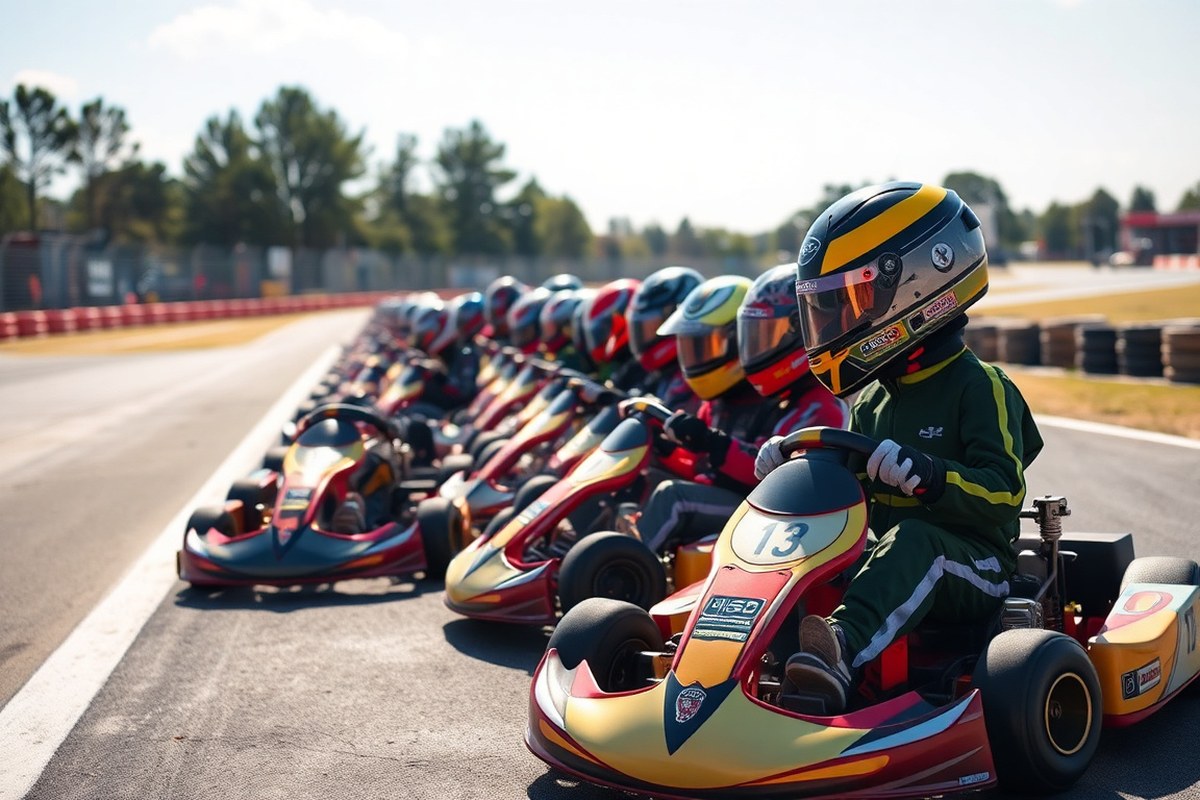
Motorsport career development age requirements how old start racing often puzzles many aspiring drivers. The shortest answer is that most kids start karting around 5 or 6 years old. Serious opportunities to race bigger cars begin no earlier than 15 or 16.
NASCAR’s top series demands drivers be at least 18 years old. But younger drivers can race smaller series earlier. Different formats and countries set rules to match young drivers’ maturity and safety.
Starting early gives you years to build skills. But you can still launch a good career later. Watch license requirements closely and pick track types allowed by your age.
Each racing organization sets its own minimum ages for different classes. Track time, coaching, and competition levels grow as you move up. Planning your start and progression carefully keeps your career moving without delays.
Key Takeaways
- Begin karting no earlier than age 5, as most start around then.
- NASCAR top series requires drivers to be 18 years or older.
- Truck Series allows 16-year-olds only on tracks 1.25 miles or shorter.
- Join driver development programs from age 16, not younger.
- Launching a racing career at 25 suits sports car or rally paths.
- Safety rules keep young drivers in smaller, safer cars initially.
What Are the Minimum Age Requirements to Start Racing?
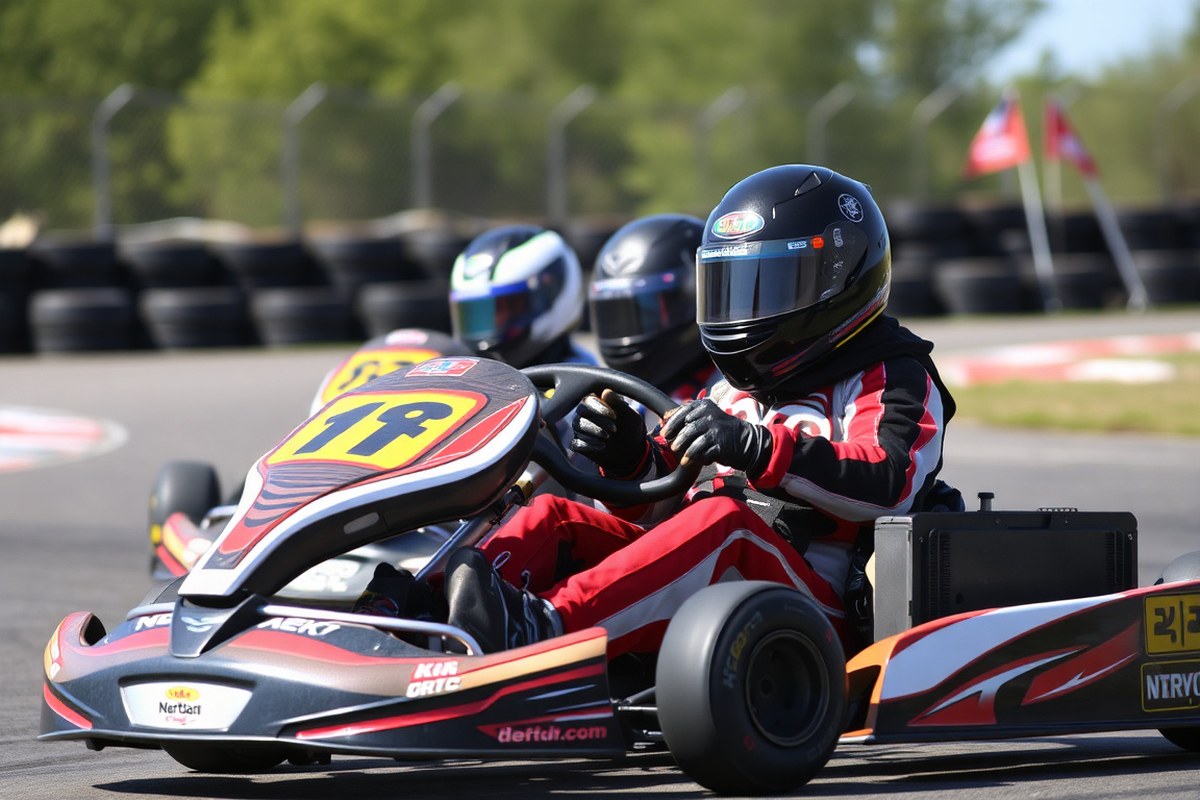
Most drivers start racing with karting, usually between ages 5 and 8. Karting is the usual entry point because it teaches car control and racecraft early. Starting young gives you more experience before moving to bigger series.
For NASCAR, age limits vary by series. The top Cup Series requires drivers to be 18 years or older. Lower NASCAR series accept drivers as young as 15 or 16 years old.
This setup helps young racers grow their skills step-by-step. It creates a clear path in racing careers.
Open-wheel racing and GT series start their drivers a bit later. Most junior formula series like Formula 4 ask for drivers to be at least 16. Formula 1 sets stricter age rules for drivers.
They usually start in lower series at 18 or older. Only then can they move up to F1.
| Racing Series/Category | Minimum Age | Notes |
|---|---|---|
| Karting | 5 to 8 years | Entry point for most racers. Ages vary by kart class. |
| NASCAR Cup Series | 18 years | Strict minimum for top-level stock car racing. |
| NASCAR Lower Series (Xfinity, Trucks) | 15 to 16 years | Allows younger drivers in development-level competitions. |
| Junior Open-Wheel (F4, etc.) | 16 years | Typical minimum for single-seaters stepping stone to F1. |
| Formula 1 | Minimum 18 years | Drivers usually have years of junior series before F1. |
| F1 Academy | 16 years | Program designed for female junior drivers ages 16-25. |
While karting is flexible and cheap, pro series require licenses and fees. NASCAR drivers must have special licenses to compete in events.
Entry fees differ by series and race tracks. The cost varies based on where you race.
Starting earlier in karting lets you build race experience before meeting stricter pro-age limits. Starting too late may limit time to progress through junior ranks. Most top drivers start kart racing before turning 8 years old.
They often switch to cars around ages 15 or 16. This early start builds valuable racing experience.
How Motorsport Career Progression Matches Age and Experience
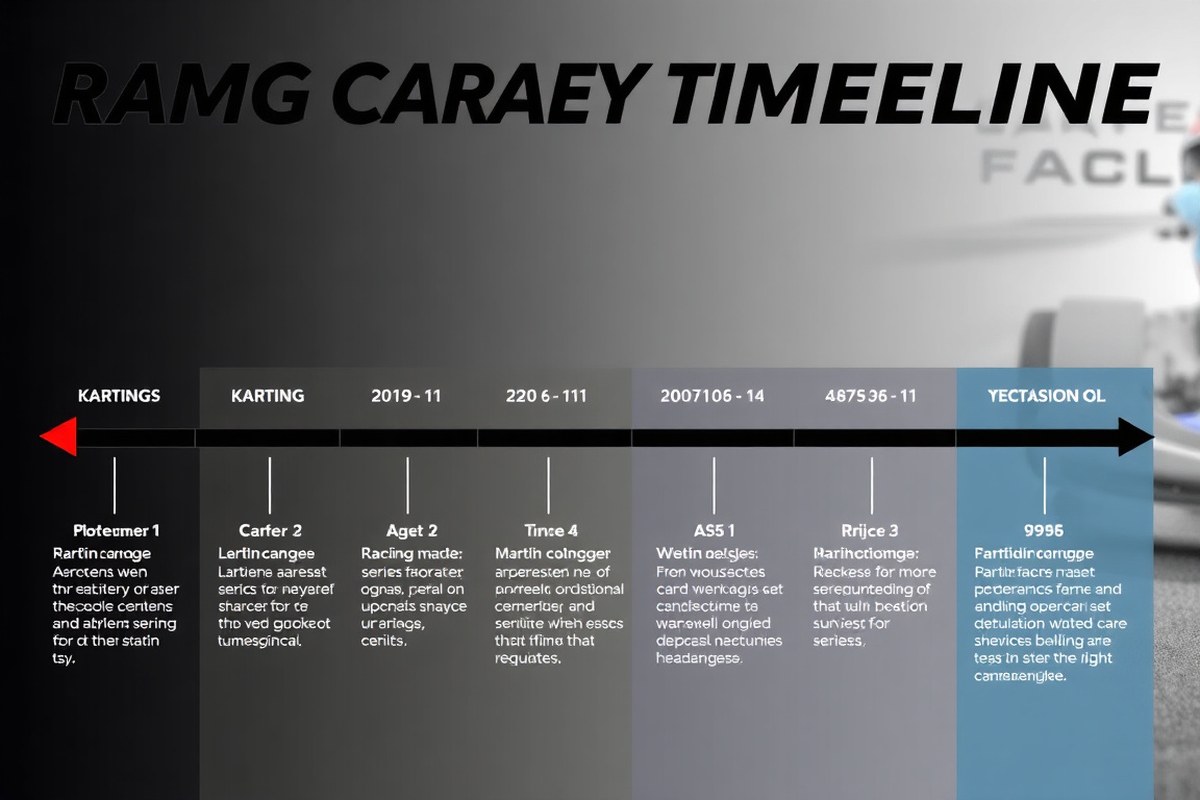
Most racing drivers start their motorsport journey in karting between ages 3 and 5. They spend about 10 to 12 years moving through karting levels. Then, they step up to junior formula racing.
This process builds their basic skills. Karting helps build skills and racecraft, setting a strong foundation for bigger series.
After karting, drivers usually enter series like Formula 4 around age 15. They usually spend 2 to 3 years in junior formula series. These include F4, Formula Regional, and Formula 3.
Each level helps them improve. These series help develop technical skills, race strategy, and the mental toughness needed for pro racing.
By age 18 to 21, many drivers move to higher series. These include Formula 2 or endurance and touring car races. This jump tests their advanced skills.
It takes 3 to 5 years to gain experience for top licenses. Drivers also need to earn enough points during this time.
This helps them qualify for top series. Training and sponsorship play big roles during these years.
Most pros enter big series like Formula 1 or NASCAR by age 20 to 25. This is when they reach a high skill level. It marks a key career step.
The minimum age for F1 is 18. But most rookies are older due to necessary experience and licensing requirements. NASCAR’s ARCA and K&N Pro Series allow drivers usually starting at 15 to 17 years old, with progression depending on skills, results, and licenses.
Starting later can still work if you focus on steady progress. Gaining experience step-by-step helps you reach the top levels. Patience matters here.
Spending enough time in each stage matters because rushing leads to gaps in skill and maturity. For example, trying Formula 3 too early without solid karting achievements often holds drivers back. Staying too long in junior formulas without progress can hurt you.
It might stop your career from moving forward. Progress is important to keep going.
The total timeline from starting karting to pro racing usually runs 12 to 15 years. That means starting at age 5 generally leads to reaching pro series by 20.
Those starting at 10 or older may reach pro racing closer to age 25. Consistent success and strong results speed up advancement, especially in competitive environments.
What Licenses and Qualifications Are Required by Age?
Racing licenses depend heavily on your age and the type of racing you want to enter. Kids can start karting as young as 4 years old with a junior license. Entry-level car racing usually starts at age 14 to 16.
The exact age depends on the racing series and country. You must meet this minimum to move forward.
For cars, obtaining a junior racing license often means meeting both age and skill requirements. For example, NASCAR’s Truck Series lets drivers race at 16. But only on tracks shorter than 1.25 miles.
To race in Formula 1, you need to be at least 18. You must hold a Super License to compete there. This license needs points from prior racing experience.
Rules vary by location and racing class. Some states restrict young drivers from Modified or Late Models. They must reach a certain age and pass licensing steps first.
These rules vary by location. Licensing ensures you have enough skill and maturity to race safely at each level.
Here’s a clear set of steps to follow when working through age-based licensing requirements:
- Start karting at age 4 or older. Obtain a junior kart license to learn basic racing skills and handling.
- Complete minimum practice hours and safety courses. These prepare you for the next level and are often mandatory for license upgrades.
- Apply for a junior car racing license at minimum age 14 to 16. This involves submitting proof of karting experience and passing written and practical tests.
- Compete in entry-level series with your junior license. Gain race experience and follow all age and track restrictions.
- Earn a full national license after meeting age and experience thresholds. Usually requires 18 years or older and documented race results.
- Meet specific series entry rules.NASCAR requires drivers to have a valid state license. Drivers must also be at least 18 years old. This applies to the top racing tiers.
- Pass additional safety and medical screenings. Higher levels often demand more thorough health checks.
- Upgrade to international licenses like the FIA Super License for Formula 1. This requires being at least 18 and accumulating enough points from lower formula series.
At What Age Can You Join Driver Development and Academy Programs?
Many driver development and academy programs welcome racers under 16. These programs vary in their age criteria and focus, from early karting to junior formula series. Super license points and age rules also shape when and how drivers join.
F1 Academy Age Criteria
The F1 Academy targets female drivers between 15 and 21 years old. Competitors usually have experience in karting or junior formula racing. This age window helps F1 identify talent early while drivers are still gaining key racing skills.
Drivers earn super license points by competing in F1 Academy events. These points count toward their overall total. This helps their racing careers move forward.
The program requires drivers to meet age minimums tied to FIA rules. Joining too late means missing critical development years and point accumulation.
NASCAR Diversity and Development Programs
NASCAR development programs often accept drivers as young as 12 or 13 years old. These programs focus on go-karts and quarter-midget racing to build foundational skills. Age limits have relaxed over time, making younger drivers more common than before.
There is no upper age limit in NASCAR development, as long as the driver is fit. Drivers can progress from local karting through stock cars in these programs.
Cost varies widely. But expect thousands of dollars yearly for entry fees, travel, and equipment.
Manufacturer Junior Academies
Big manufacturers like McLaren, Ferrari, and Red Bull run academies. They accept drivers from about 12 or 13 years old. These academies prepare young racing talent.
These programs start with karting and then guide drivers into junior formula series. Manufacturers provide coaching, training, and funding support for top talent.
Progress depends on age, skill, and earning super license points in lower series like Formula 3. Drivers who start too late may struggle to earn enough points. The points are needed before reaching the minimum age for F1 racing.
Time is critical in building a career. Manufacturers evaluate youth performance closely to decide who advances.
Female and Diversity-Focused Programs
Programs like Rev Racing and the W Series aim for diversity and female drivers. They usually require drivers to be around 14 or 15 years old. These programs expand access to racing.
These initiatives create pathways by offering scholarships and coaching tailored to underrepresented groups. Early start ages help build experience before moving into mainstream racing.
Diversity programs emphasize skill and potential more than just age. There is no strict upper age limit to join these programs. Most begin young to get full career opportunities.
Starting early often makes a big difference. Success depends on consistent training, competition results, and gaining exposure to sponsors and teams.
How Old Is Too Late to Start a Racing Career?
Starting a racing career in your late teens or 20s is possible. But it demands intense focus.
You won’t likely reach F1 without early karting experience. Yet, you can have a solid career in GT, endurance, or local stock car racing.
Older beginners often find regional and amateur racing classes more welcoming. These include touring cars, rallycross, and club-level sprint car events. These types of motorsport often have fewer age barriers and less competition from youth-dominated feeder series.
Late starters should build skills by renting track time or joining local racers’ clubs. Expect to spend $5,000 to $20,000 per season on entry fees, car preparation, and coaching. Skill progression and racecraft improve through consistent seat time and event participation.
Many NASCAR drivers began racing in their 20s or 30s, proving age isn’t a deal-breaker. Legends like Tony Stewart started karting early but only moved into NASCAR later in their 20s. These drivers steadily worked their way through late-entry motorsport categories.
Success means realistic goal-setting: aim for solid finishes and class wins at first. Gaining sponsorship and team support takes demonstrated progress, not just youth. Late starters benefit from networking and choosing disciplines that value experience over reflexes.
Practicing physical fitness and mental sharpness matters more as you age. Racing demands quick reflexes, stamina, and focus under pressure. Older beginners must take care of recovery and training to keep up with younger rivals.
Focus on learning and enjoying racing first, then push for results gradually.
Older racers find tailored vehicles that suit their starting level. For example, touring cars often allow modifications accommodating various skill sets. This flexibility helps you compete safely while growing your abilities.
Gear cost varies widely but expect basic equipment costing $2,000 to $5,000 upfront. Helmets, racing suits, and boots must meet safety rules. They don’t have to be the most expensive models.
Safety matters more than price for your gear. Balanced investment helps avoid burnout and wasted money.
You should enter regional races first to gain seat time and build a track record. Consistent participation counts more than chasing immediate big wins. Focus on learning each track well.
Keep refining your technique every session. This helps build a strong foundation for growth.
How Do Safety and Maturity Affect Age Rules in Racing?
Age limits for full-sized car racing exist mainly because safety is important. Younger drivers often lack the physical strength to handle high-speed vehicles and sudden impacts. Tracks and sanctioning bodies set minimum ages to reduce risks and match skill levels.
Mental readiness matters as much as physical ability. Racing demands quick decisions under pressure and focus for long periods. Drivers younger than certain ages often lack judgment for quick pit stops.
They also struggle with complex traffic on the track. Their skill and decision time improve with age and experience.
Young or new drivers should follow strict safety rules before stepping into a race car. This includes wearing approved helmets, fire-resistant suits, and proper harnesses. New racers usually begin in go-karts or slow car classes.
This helps them learn without the usual risks of big cars. They build key skills safely before moving up.
Teams and race organizers sometimes require a formal assessment of a young driver’s fitness. This can include medical checks and on-track evaluations. These steps make sure the racer can physically manage the car and mentally handle race stress.
Learning how to handle a car safely takes time. Starting in smaller, slower vehicles lets you develop control and confidence. Good results come if you work step-by-step, without rushing into heavy competition too early.
Young drivers also need support balancing racing with school and family life. Racing takes time for practice, travel, and race weekends. Without proper balance, burnout or poor performance can happen.
Some youth programs and local clubs offer safety training sessions before allowing competition entries. They teach proper driving conduct and how to react in emergencies. Participating in these courses strengthens a young driver’s readiness and safety on the track.
What Skills and Equipment Should You Develop at Each Age Stage?
Start by building basic control and awareness skills early. Progress between kart classes and add coaching as your speed and technique improve. Upgrade gear and vehicles as experience grows to prepare for cars.
Essential Skills for Ages 5-10
Young drivers should focus on hand-eye coordination and learning smooth steering. Control over speed and braking is key before pushing for lap times. Developing focus and spatial awareness helps prevent accidents.
Carting is the main training ground at this stage. Kids learn about racing lines, flag signals, and how to handle minor slides safely. Building confidence in reaction times beats raw speed at this age.
Development Goals for Teen Racers
Teen drivers must sharpen race craft and consistency. That means perfecting cornering techniques and race starts under pressure. Mental toughness grows by competing regularly and reviewing race data.
A focus on physical fitness supports longer events and faster reflexes. Strength training, cardio, and flexibility can cut lap times and reduce fatigue. Testing in simulators aids technique before real track time.
Equipment Upgrades by Experience Level
Begin with a beginner kart that fits the driver’s age and size. Usually, kids under 10 use a 60cc engine kart. These karts match their size and skill level.
Move up to shifter karts or higher cc engines as skills improve, generally in early teens. Transition to entry-level cars happens after proven kart success, often around 15 to 16 years old.
- Age 5-10: Single-speed 60cc karts, helmet, rib protector, gloves
- Age 11-14: Multi-speed karts, reinforced racing suit, neck brace
- Age 15+: Entry-level formula or touring cars, full fireproof gear
- Reserve budget for regular maintenance and safety inspections
- Invest in quality helmets that meet Snell or FIA standards
Upgrading vehicles matches skill level and compliance with category rules. Proper protective gear cuts the risk of injury as speeds increase.
Coaching Recommendations by Age Group
Coaches guide skill development and safety awareness progressively. Start with instructors who have experience with young drivers to instill safe habits. One-on-one coaching becomes important around age 10 to correct bad habits early.
By the teens, drivers need detailed feedback on data and race strategy. Regular video review sessions help spot errors and improve tactics. Sarah Moore, a coach with long experience, stresses tailored programs by age and skill.
How to Choose the Right Racing Path Based on Your Starting Age
For a 10-year-old just starting out, karting offers the best launch point. It’s designed for young kids to build racecraft, handling, and race etiquette safely. These starting years cost about $5,000 to $15,000 annually for equipment, entry fees, and practice.
Kids who begin karting can move up to junior formula racing around ages 12 to 15. Driving in junior formulas too early can be too hard and pricey. Costs can go over $50,000 a year.
Many drivers find this can cause stress and delays. So starting with karting gives solid skills before the big jump.
Late starters in their late teens or 20s have options. They should look at GT, touring, or rally styles. These suits them better than open-wheel formulas.
These series accept beginners with less junior experience and often offer more seat time. You can expect initial costs near $20,000 to $40,000 depending on the series and car preparation.
Choosing between open-wheel, GT, or rally also depends on your skill set and budget. Open-wheel cars demand precise technique and high physical fitness, plus significant coaching investments. GT and rally need flexible driving skills.
They fit drivers with different experience levels. This makes them a good choice for many racers.
Choose your racing path by matching your age and skill. Look at each discipline’s entry rules. This helps avoid early stalls in your career.
Start karting if you’re under 12 years old. It helps you build skills and stay safe. Karting is the best place to begin racing.
Older beginners benefit from series with flexible entry points like amateur GT or rally events. This approach can save time and money, focusing your training where it counts most.
Practice and coaching availability are key factors. Karting and open-wheel formulas often have structured younger driver programs.
Rally and GT racing rely more on individual track days and club support. This difference influences how fast you progress and how well you adapt to race conditions.
Picking a racing style that’s too tough for your age can cause problems. It may slow your progress and cost more money.
Choose something that fits your current level. Make your first choice about learning, not just the fastest cars.
Common Myths About Age and How to Avoid Career Delays
A common question is whether starting at 14 or 16 means you missed your chance. The truth is, drivers can still build a solid career with focus and smart choices. Success depends more on consistent effort and avoiding key mistakes than on age alone.
Myth: You Must Start Before Age 10
Many believe karting before age 10 is the only way to reach top levels. While early starters often have more seat time, beginning later doesn’t close doors. Drivers starting in their mid-teens still make it to pro racing through disciplined learning and training.
Starting too young can sometimes lead to burnout or lost passion. It’s more important to develop skills steadily and avoid rushing through foundational stages. For example, a 14-year-old starting junior karting can improve fast.
Focused coaching helps a lot. Racing against good competition adds valuable experience.
Myth: Older Starters Can’t Reach Pro Series
People often say “it’s too late” once you hit your teens. That’s not true if you maintain physical fitness and eagerness to improve. Pro series racers focus on data, skill, and fitness regardless of when they begin racing.
Drivers who start late must work harder on technique and racecraft. Smart development can still help them reach high levels. Consistent effort is key.
For instance, using video analysis and data feedback helps identify quick gains. Persistence and quality practice matter more than just starting early.
Avoiding Development Plateaus
Many young drivers get stuck at certain levels because they lack clear goals or structured progress. Plateaus slow down career momentum and create frustration. Avoid delays by setting concrete targets every season and tracking improvements carefully.
Common causes of delays include inconsistent coaching, skipping skill-building steps, or poor race management. Staying flexible and seeking new challenges helps keep growing. Here’s what to do to avoid common progression traps:
- Work regularly with a qualified coach to improve weaknesses.
- Compete in varied events to build different race skills.
- Analyze race data and practice results to find areas to improve.
- Focus on physical fitness tailored to racing demands.
- Manage your budget wisely to avoid missing important race seasons.
- Build a strong mental game to handle pressure during races.
Sticking to these helps keep development steady and reduces wasted time. Skipping any key step or burning out early can cause a plateau that’s hard to break.
Balancing Experience and Physical Growth
Physical growth and maturity impact how soon and how fast you should move up racing classes. Jumping too quickly after just a few wins often leads to poor results. It’s better to gain experience in lower levels and strengthen your fitness first.
Being patient lets you master car control, racecraft, and fitness as your body develops. Drivers often ramp up training between 14 and 18 years old. Their bodies mature during this time.
This growth allows more intense physical preparation. That’s when many can handle more powerful cars and tough competition safely.
Your First Steps: A Quick-Start Plan for Aspiring Racers
Start your racing career right by following clear, simple steps. Each step helps you build skills and move closer to the track.
- Before you start: Research your local karting tracks and age requirements. Knowing the rules helps you avoid delays.
- Week 1: Start by signing up for a beginner karting program. You need to be between 6 and 8 years old to join. Check the minimum age for your area before enrolling. You’ll know it worked when you feel comfortable behind the wheel.
- Month 1: Attend a safety and rules clinic for young drivers. Understanding safety shows you’re ready for the next level.
- Months 2-3: Build basic driving skills through weekly practice sessions. Progress is seen when lap times improve consistently.
- Month 4: Enter your first local karting race or time trial event. Finishing your first race proves your readiness.
- Months 5-6: Join a karting club or driver development academy. Getting feedback from coaches means you’re on the right path.
- After 6 months: Evaluate your interest and progress with your coach or parents. Decide if you want to advance to bigger classes or different motorsport paths.
Frequently Asked Questions
Can a Beginner Start Racing Later Than 25 Years Old?
Yes, you can start racing after 25, especially in sports cars or rally. Success depends on dedication and finding the right racing category that fits your experience.
How Long Does It Typically Take to Reach Professional Racing?
Reaching professional racing usually takes 10-15 years from your first race. This timeline includes moving up through the ranks and gaining experience at each level.
Are There Age Limits for Joining Karting Clubs?
Most karting clubs accept children from 5 or 6 years old. Starting young helps build foundational skills for future racing careers.
Can You Get a Racing License Before Turning 16?
Some karting licenses start when you’re about 5 or 6 years old. But serious car racing licenses usually need you to be at least 16.
Most people can’t race cars professionally before they turn 16. It varies by competition level and location.
Is It Harder to Join a Driver Development Program If You’re Older?
Driver development programs usually focus on ages 12 to 25. Some programs accept older drivers in special cases.
They aim to help young drivers improve skills and get noticed. Entry depends on skill and experience, not just age.
The Bottom Line
Starting motorsport at the right age helps you develop skills safely and steadily. Take your first real step by signing up for a karting program near you. Getting behind the wheel early makes a big difference.



One Comment