How Much Does a 454 Engine Weigh? Detailed Breakdown and Weight Impact Guide
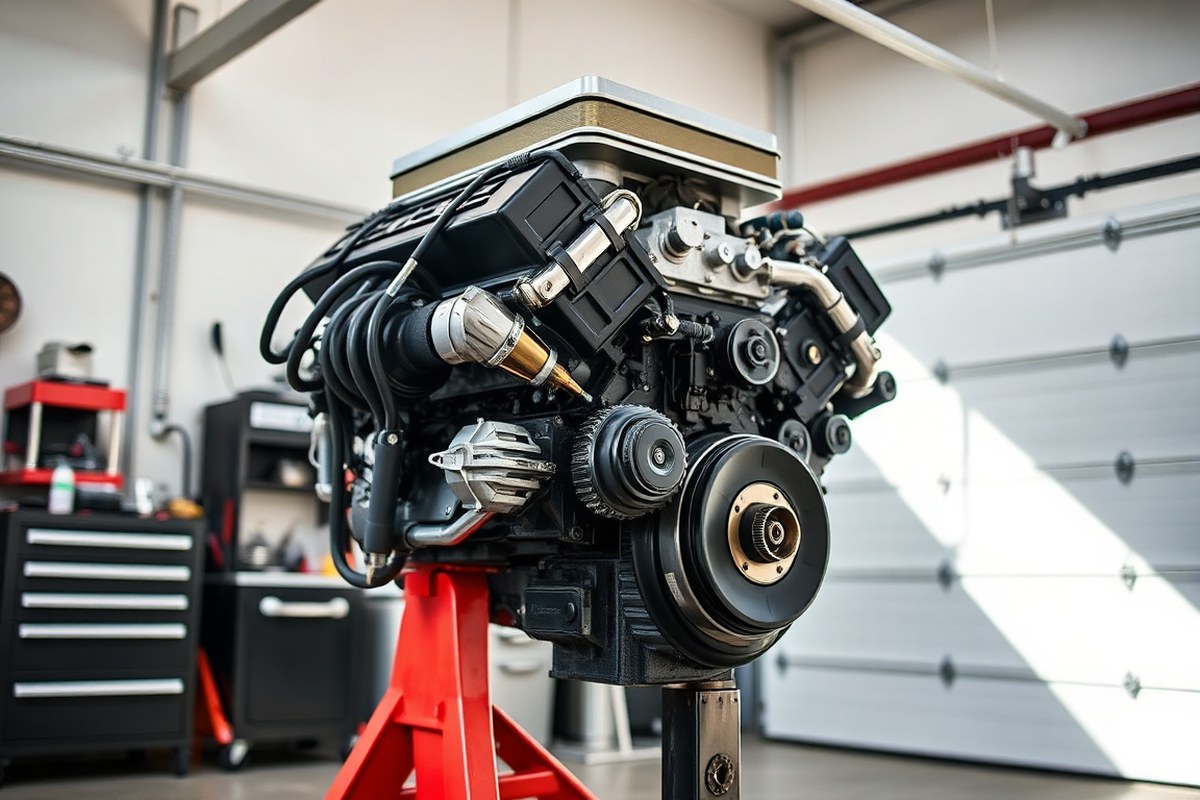
A typical Chevy 454 engine weighs between 650 and 700 pounds. This range covers most standard big block Chevy 454 engines used in cars and trucks. It’s a heavy engine that needs proper tools and help for safe handling.
Some versions change the weight noticeably. Marine 454 engines add water-cooling gear and extra parts, raising the weight to about 750 pounds.
Lighter versions with aluminum cylinder heads can weigh near 500 pounds. Material and features affect the total weight.
Knowing the exact weight helps with engine swaps or upgrades. First, identify which 454 variant you have or want.
Also include any added accessories that might change the overall weight. This way, you avoid surprises during lifting and installation tasks.
Key Takeaways
- The standard Chevy 454 engine usually weighs about 685 pounds.
- Marine 454 engines weigh more, often reaching 750 pounds due to extra parts.
- Aluminum heads can reduce the 454 engine weight to roughly 500 pounds.
- The engine block and cylinder heads make up nearly half the engine’s weight.
- Truck 454 engines installed in heavy-duty vehicles can weigh up to 1,000 pounds.
- Always confirm the specific 454 model and components before planning installation.
How Much Does a Chevy 454 Engine Weigh?
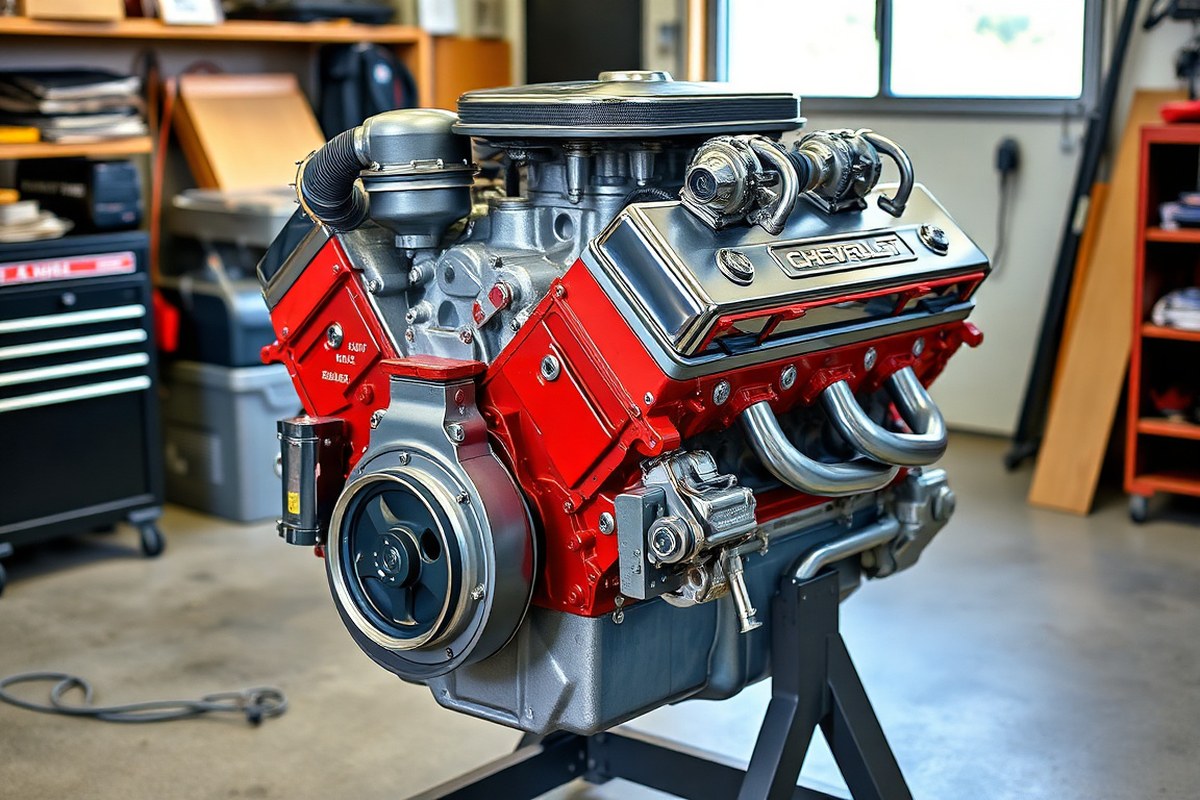
The typical weight of a Chevy 454 engine ranges from 600 to 800 pounds. This range covers fully dressed engines with all accessories installed. The exact weight depends on what parts the engine includes.
A bare Chevy 454 block weighs about 195 pounds. When fully dressed with components like the carburetor, alternator, and other accessories, the weight jumps significantly. For example, a fully dressed 454 engine generally weighs around 650 to 750 pounds.
The variation comes from different factors. Carbureted 454 engines usually weigh less than fuel-injected versions. Truck 454 engines can weigh between 800 and 1,000 pounds.
The weight depends on the build and each attached part. Heavier assemblies usually have extra components or reinforcements. Knowing this helps when planning for installation or handling.
Key Components and Their Individual Weights
Engine Block Weight and Its Impact
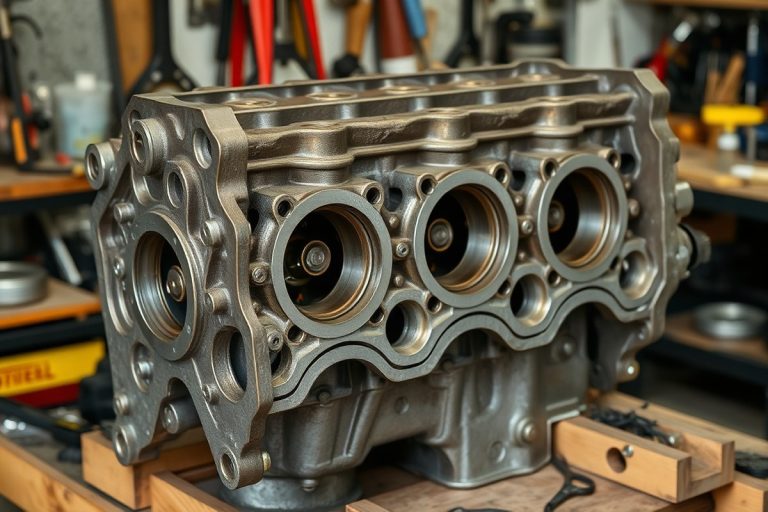
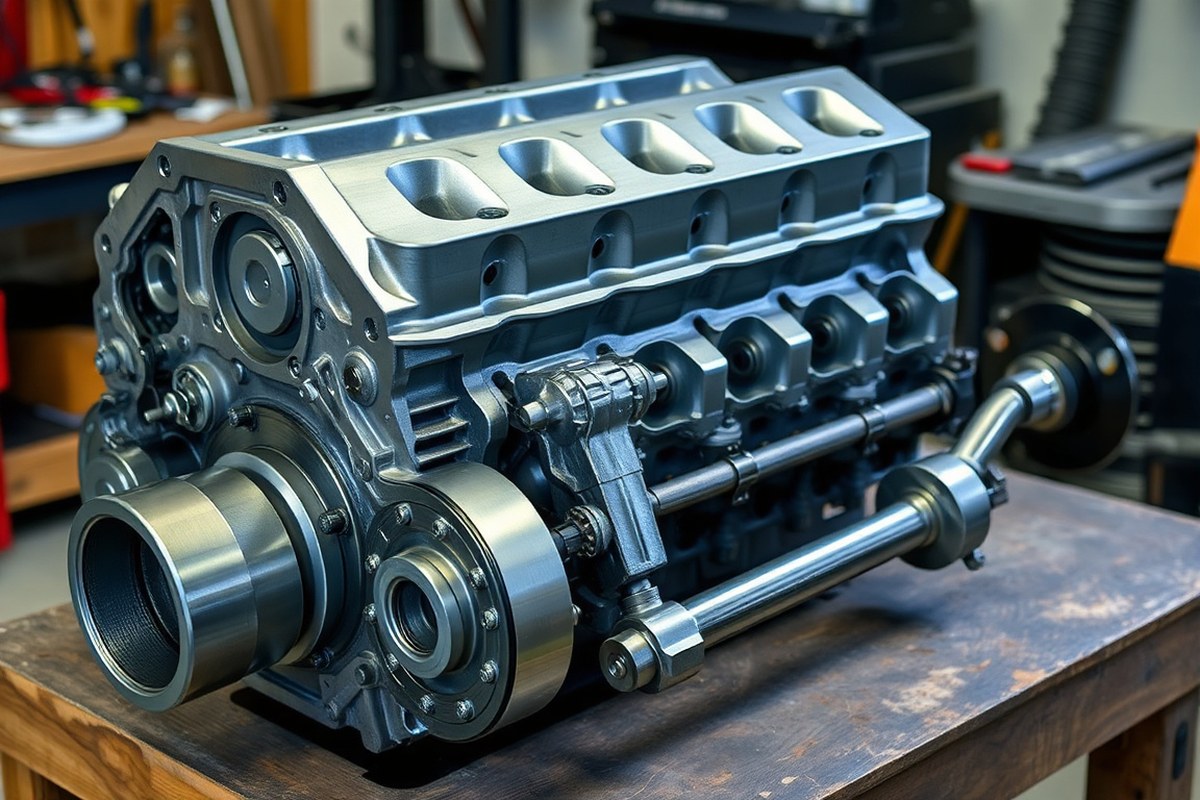
The engine block of a Chevy 454 usually weighs between 230 and 250 pounds. Heavy-duty versions can push that weight up to 280 or 300 pounds.
The block forms the main structure and holds all internal parts. So its weight largely sets the base for the entire engine.
This block weight matters because it affects handling and installation effort. Knowing this engine’s weight helps you plan the right lifting gear. Aluminum blocks weigh less but the traditional cast iron block is heavier and stronger.
Crankshaft and Connecting Rods Weight
The crankshaft plus connecting rods weigh about 80 to 120 pounds on average. Heavy-duty parts increase that range closer to 100 to 140 pounds.
These components translate piston movement into rotation. So their strength and weight are important for reliability.
Upgrading to forged rods and crankshafts adds weight but improves durability under higher power. You’ll want to balance strength against weight if you’re building a street or race engine. A heavier crank helps smooth running but adds to overall engine mass.
Pistons and Rings Weight Range
Pistons with rings generally weigh between 10 and 15 pounds in standard setups. Performance or heavy-duty pistons can be closer to 15 to 20 pounds. The choice of piston material strongly influences weight here.
Aluminum pistons keep the weight down, reducing stress on the rods and crankshaft. Heavier forged pistons handle more stress but add weight that affects throttle response. This difference matters for engine balance and rev limits.
Cylinder Heads Weight Contribution
The cylinder heads on a 454 are substantial, contributing another 90 to 110 pounds. These heads have larger valves and ports compared to smaller engines, making them heavier. Heavy-duty versions sometimes add valves or thicker materials, pushing weight higher.
Heads affect combustion quality, power, and emissions. So their design carries tradeoffs in weight and performance.
Aluminum heads offer significant weight savings, about 30 to 40 pounds lighter than cast iron. Choose heads based on engine goals and required durability.
Additional Components and Installed Weight
Intake manifold, exhaust manifolds, oil pan, and accessories add weight. They contribute between 10 and 25 pounds total.
These pieces vary a lot depending on engine type and intended use. Marine 454s add water-cooling gear, making them heavier overall.
A fully dressed 454 engine weighs close to 650 to 700 pounds. This is true for stock setups including those parts.
Heavy-duty or marine applications can push weights past 800 pounds. Knowing each part’s weight helps you estimate handling and plan engine swaps safely.
Always use a proper engine hoist rated for at least 1.5 times the engine’s total weight.
How Block Material Affects Engine Weight
The choice between cast iron and aluminum blocks affects a 454 engine’s weight. It matters a lot for overall engine mass. This choice changes how heavy your engine feels.
Cast iron blocks offer great strength but add a lot of pounds. Aluminum blocks might lose some strength but cut down the weight drastically.
Here’s a simple table showing each block’s weight and benefit. It compares cast iron and aluminum side by side. This helps you see their differences clearly.
| Material Type | Weight (lbs) | Benefits |
|---|---|---|
| Cast Iron | 650 | Durability and strength |
| Aluminum | 450 | Weight reduction and increased performance |
An aluminum block can save you around 200 pounds compared to cast iron. That weight drop helps your car handle better and boosts the engine’s power-to-weight ratio. It’s especially useful if you want quicker acceleration or improved fuel efficiency.
But using an aluminum block may cost more upfront. It also tends to be less rugged under extreme conditions than cast iron. You should weigh your priorities, if you need the toughest engine possible, cast iron suits well.
You want to cut weight for better performance. Aluminum blocks weigh less than cast iron ones. So, aluminum is the preferred choice in this case.
Keep in mind that block material isn’t the only factor affecting engine weight. Heads, accessories, and modifications add pounds too. Swapping cast iron for aluminum blocks significantly cuts a Chevy 454’s weight.
It’s one of the biggest ways to reduce engine mass. Many builders do this for better handling. This choice directly influences both the feel and work the engine delivers in your ride.
Weight Differences Among Popular 454 Engine Variants
The 454 engine comes in several popular versions, each with distinct weights and features. The LS5, LS6, and L29 variants differ mainly because of their fuel system and internal components.
The classic LS6 weighs about 700 pounds. The newer L29 Vortec edges heavier due to fuel injection and additional parts.
Marine 454 engines tend to weigh more than standard models. This added weight comes from components designed to handle harsh conditions like corrosion and constant moisture. They include extra cooling systems.
The reinforced blocks add weight. These engines weigh about 750 pounds fully dressed. That is 40 to 50 pounds heavier than road engines.
| Model Year | Engine Variant | Weight (lbs) | Horsepower | Fuel System |
|---|---|---|---|---|
| 1970 | LS6 | 700 | 450 hp | Carbureted |
| 1970 | LS5 | 700 | 390 hp | Carbureted |
| 1996 | L29 Vortec | 710 | 290 hp | Multi-Port EFI |
| 2001 | L18 Vortec 8100 | 750 | 330 hp | Fuel Injected |
| , | 454 Marine Engine | 750 | 330 hp | Carbureted |
The LS5 and LS6 engines from 1970 weigh about the same. LS6 pushes more horsepower, so it is built tough but doesn’t add much weight. The L29 Vortec weighs slightly more.
It has a fuel injection system. It also features updated components. The marine 454 weighs the most.
The L18 Vortec 8100 is also heavy. Both use reinforced blocks and marine-grade parts.
Weight differences matter because you need to match your engine’s weight with your vehicle’s capacity. Marine versions requiring more weight usually fit boats, where handling is different. Road cars and trucks want lighter engines.
This helps acceleration and handling. Upgrades or swaps also benefit from less weight.
How Accessories and Modifications Change Engine Weight
Adding accessories and performance parts to a Chevy 454 engine changes its weight noticeably. Typical accessories add 50 to 100 pounds to the engine. This extra weight affects how the engine mounts.
It also changes how the engine runs. The alternator and water pump add 5 to 10 percent of the engine’s weight.
This is a significant part of the total weight. It impacts the engine’s overall balance.
You can expect performance upgrades to include heavier intake manifolds or carburetors. Some aftermarket parts, like aluminum headers, might reduce weight slightly compared to stock exhaust manifolds. The total increase depends on what you add and remove during the upgrade.
- Heavy cast iron intake manifold: 15 to 25 pounds
- Carburetor: 10 to 15 pounds depending on model
- Water pump: about 10 pounds, varies by style
- Alternator: 15 to 20 pounds, usually OEM type adds more weight
- Exhaust manifolds or headers: stock manifolds around 30 pounds, aluminum headers can weigh 10-15 pounds less
Adding a full set of performance parts can add 50 pounds or more. This extra weight affects the Chevy 454’s handling. You need to consider this when upgrading.
This added weight affects the engine’s balance and how it responds when the vehicle moves. Heavier accessories also put extra stress on the drivetrain and mounting points.
Consider choosing lightweight options like aluminum intake manifolds or electric water pumps. These can shave off some weight while keeping power up. However, lighter parts sometimes cost more and might require extra installation time.
Check your engine mounts and transmission ratings when adding heavy accessories to avoid stress failures.
How Engine Weight Affects Vehicle Handling and Performance
The weight of a 454 engine shifts the vehicle’s center of gravity forward. This change makes the front end heavier, which can affect steering and cornering. A truck with a 750-pound marine 454 engine feels nose-heavy.
It’s harder to turn tight corners than lighter versions. Lighter engines weigh around 685 pounds.
A heavier engine makes your vehicle use more fuel. It needs more power to move the extra weight. This raises fuel consumption overall.
When towing, this impact becomes clearer. Trucks with heavier 454 engines burn more fuel pulling heavy loads. This lowers your fuel efficiency.
It costs more to run the truck. You might notice lower miles per gallon on long hauls or mountain drives.
Acceleration also suffers slightly with a heavier engine. Adding weight makes the engine work harder to speed up. This slows down 0 to 60 mph acceleration times.
Your truck takes longer to go fast. For casual driving, this difference could be subtle. But in racing or performance towing, the weight difference matters more.
To improve handling, owners sometimes upgrade suspension components to better balance the added front weight. Stronger springs or adjustable shocks help maintain control and prevent excessive front-end dive during braking. Proper tire inflation and alignment adjustments also aid stability.
When installing a heavy 454 engine, consider reinforcing the frame to handle extra stress. Ignoring this can cause faster wear or damage, especially if you regularly tow heavy trailers. Spending a few hundred dollars on upgrades upfront can save costly repairs later.
A lighter 454 engine suits street driving or daily use. It lowers fuel consumption and makes your truck more agile. This helps with better handling.
Heavier 454 models work better in boats or towing trucks. They focus on power rather than fuel efficiency.
This suits heavy-duty jobs best. Balance your choice based on what you drive most often.
Safely Lifting and Installing a Heavy 454 Engine
You need strong equipment and careful steps to lift and install a 454 engine safely. A fully dressed 454 engine can weigh over 700 pounds. Using the right tools keeps you safe.
It also stops damage to the engine. Safety measures protect both you and your car.
Recommended Lifting Equipment
Start with an engine hoist rated for at least 1,000 pounds. This gives a safe margin over the typical 454 engine weight. Avoid cheaper hoists without weight ratings or poor build quality.
You’ll also need sturdy engine load levelers. They help balance the engine during lifting.
A strong chain and heavy-duty lifting hooks are essential, too. These parts connect the engine to the hoist safely.
- Engine hoist with 1,000+ pound capacity
- Engine load leveler for balance
- Heavy-duty chains or lifting straps
- Proper lifting hooks rated for the load
- Quality gloves and steel-toe boots for personal protection
- Engine stand for securing engine post-installation
- Assistance from one or two experienced helpers
Good lifting gear reduces the risk of accidents or dropped loads. Always inspect your equipment before use. Look for cracks, wear, or weak points.
Pre-Installation Safety Steps
Clear your work area of clutter and hazards. This lets you move freely with the heavy engine. Mark off the zone around the vehicle so no one accidentally walks under the suspended load.
Check the engine block’s attachment points. Make sure they are strong enough for the chains or straps. Use lifting brackets that fit the 454 engine’s bolt pattern securely.
Wear gloves and steel-toe shoes. This protects you from pinches and dropped tools. Double-check the engine hoist’s wheels and brakes for stability.
Step-By-Step Installation Process
Position the hoist near the vehicle and attach the chains to lifting points on the block. Use the leveler to keep the engine as horizontal as possible. Slowly raise the engine just off the floor for balance checks.
Guide the engine carefully into the engine bay. Steer clear of wiring harnesses and firewall obstacles. Use a helper to watch clearances and catch any sudden shifts.
- Raise engine slightly and check balance
- Slowly move engine over to engine bay
- Lower engine steadily into place
- Align engine mounts with chassis bolts
- Tighten bolts finger-tight before fully torquing
- Disconnect hoist carefully once engine is secure
- Reconnect all electrical and fuel lines afterward
Torque the engine mount bolts to the specs in your manual. Don’t rush this, or you risk striping threads or misalignment. Once secure, remove the hoist and double-check all fasteners and connections.
Common Misconceptions About 454 Engine Weight
Many think the 454 engine always weighs over 700 pounds, but that’s not true. The bare 454 block itself weighs around 230 to 250 pounds. The fully built engine includes crankshaft, rods, and other parts.
It weighs roughly 700 to 800 pounds. The exact weight depends on your setup.
Another common myth is that aluminum always makes an engine much lighter. Aluminum blocks reduce weight compared to iron, but not by a huge margin.
For example, the LSX 454 aluminum crate engine weighs about 568 pounds fully dressed. That’s roughly 130 pounds lighter than some iron block 454 engines, but still hefty.
People often assume modifications always add weight to the engine. Some changes do, like bigger camshafts or heavier valvetrain parts. Some changes add weight, but others can make it lighter.
For example, swapping stock exhaust manifolds for headers helps. Using lightweight pulleys also cuts down weight. It depends on the parts chosen.
Understanding these misconceptions helps when choosing or rebuilding a 454 engine. You can better plan for lifting and installation gear. Also, knowing your exact engine weight helps avoid surprises during performance tuning or suspension upgrades.
Always check the weight of your specific 454 engine build before lifting or installing it.
Choosing the Right 454 Engine Based on Weight and Application
Choosing the right 454 engine depends on what you plan to do with your vehicle. Restoration projects often need a balance between originality and manageable weight. Performance builds favor engines that match your power needs without excessive weight.
Restoration and Daily Driver Considerations
For restorations or daily drivers, the 454 HO is a solid choice. It has iron rectangular-port heads and a lower 8.75:1 compression ratio. This setup supports street, cruiser, or truck use without stressing the engine or frame.
The 454 HO’s weight is moderate for a big block. This helps keep handling predictable. Keeping closer to stock weight helps avoid costly suspension upgrades or frame reinforcement.
For a smooth restoration, pick an engine variant like the original. Keep the spec and weight close to the original.
Performance and Racing Preferences
Higher-performance 454 variants may weigh more but deliver extra power and torque. These engines often use stronger components and higher compression ratios. Expect some increase in weight due to iron blocks and heavier heads.
Power gains make the extra pounds worth it for racing or aggressive street performance. You can offset extra weight by upgrading suspension and brakes.
Pick a variant that fits your horsepower and torque goals. Also, check your vehicle’s weight limits for safety.
- Consider aftermarket aluminum heads to reduce weight if budget allows
- Use lightweight flywheels and pulleys to improve throttle response
- Balance engine weight against cooling needs for your build
- Include weight of accessories when planning upgrades
- Account for drivetrain components’ weight to avoid surprises
Keeping weight manageable prevents handling problems. Aggressive engines require corresponding upgrades to suspension and brakes.
Truck and Marine Application Weights
Some 454 truck engines weigh up to 3,000 pounds once installed. Heavy-duty truck builds tolerate that weight well for towing or hauling. Engine weight matters less since the vehicle’s frame and suspension are designed for it.
Marine use of the 454 engine often includes large loads and heat stress. You want a version built for durability over outright lightness. The iron block and heavy heads help by staying cool longer under constant load.
When picking an engine for truck or marine jobs, focus on toughness and torque. Weight is less critical.
But you still need to check proper mounting and cooling setups. Avoid going lighter unless you have experience with marine-grade engine modifications.
Quick-Start Action Plan for Handling Your Chevy 454 Engine
This plan helps you manage the Chevy 454 engine weight for buying, installing, or modifying.
- Before you buy: Check engine variant weight specs online to match your vehicle’s needs. Confirm the numbers on a reliable source.
- Day 1: Inspect the engine block material to anticipate total weight differences. Use a scale if possible.
- Week 1: Plan lifting gear based on engine weight. Use at least a 1,000-pound hoist. Test the setup with a lighter load first.
- Week 2: Remove or add accessories like the intake or alternator to balance weight. Confirm weight changes with a scale or manufacturer data.
- Week 3: Install engine with help to avoid injury or damage. Ensure support points handle the engine’s full weight safely.
- Week 4: Drive carefully and note handling changes after the engine swap. Adjust suspension or weight distribution as needed.
- Ongoing: Review engine weight changes after modifications. Recheck lifting safety and vehicle balance every few months.
Frequently Asked Questions
What Is the Average Weight of a Fully Dressed Chevy 454 Engine?
A fully dressed Chevy 454 engine weighs about 700 to 750 pounds. This includes all main components like the transmission, intake, and accessories.
How Much Does a Marine 454 Engine Weigh with the Cooling System?
A marine 454 engine can weigh up to 750 pounds due to added water-cooling parts. These extra components increase weight compared to the truck version.
Does an Aluminum-Headed 454 Engine Weigh Less Than a Cast Iron Version?
Yes, aluminum-headed 454 engines weigh around 500 pounds, much lighter than cast iron ones. This helps reduce overall engine weight and improve handling.
How Much Heavier Is a Fuel-Injected 454 Engine Compared to a Carbureted Model?
Fuel-injected 454 engines typically weigh more than carbureted ones by about 50 to 100 pounds. The additional fuel system parts add to the overall weight.
Can the 454 Engine Weight Affect a Truck’s Towing Capacity?
Yes, heavier 454 engines can add extra weight but don’t usually reduce towing significantly. Trucks like the Silverado with 454 can tow up to 10,000 pounds safely.
Key Points to Remember
The Chevy 454 engine weight varies but usually ranges from 575 to 700 pounds. Knowing this weight helps you pick the right engine and tools. Start by checking the exact engine variant to make smart choices.